
中国全科医学 ›› 2026, Vol. 29 ›› Issue (28): 4067-4077.DOI: 10.12114/j.issn.1007-9572.2025.0560
所属专题: 社区卫生服务最新研究合辑
解霄芸, 刘晨曦*( ), 柳羽姝, 周艺涵
收稿日期:2026-05-07
修回日期:2026-07-15
出版日期:2026-10-05
发布日期:2026-09-02
通讯作者:
刘晨曦
本文为中文翻译版本,原文Artificial Intelligence Research Practices in Primary Healthcare Institutions in China and the Potential Issue of Data Poverty: a Scoping Review,已获得授权。翻译与出版遵循COPE和ICMJE关于二次发表的指南。
作者贡献:
解霄芸负责研究实施、数据收集与整理、论文撰写;刘晨曦负责研究的构思与设计、论文修订、文章质量控制及审校;柳羽姝、周艺涵负责辅助文献收集和筛选。
XIE Xiaoyun, LIU Chenxi*(), LIU Yushu, ZHOU Yihan
Received:2026-05-07
Revised:2026-07-15
Published:2026-10-05
Online:2026-09-02
Contact:
LIU Chenxi
摘要: 背景 人工智能(AI)在提高基层医疗卫生机构服务质量和健康公平方面发挥着重要作用,我国已出台多项政策鼓励AI在基层医疗卫生机构的发展应用。然而,健康数据贫困,即"由于缺乏代表性数据,从而使得个体或人群难以从技术创新中获益"问题,有可能加剧基层医疗卫生机构与医院,以及基层医疗卫生机构之间的医疗服务差距。目前,尚缺乏我国基层医疗卫生机构AI应用现状及其潜在健康数据贫困问题的系统梳理。 目的 梳理基于我国基层医疗数据开发或验证的AI模型及使用数据库的现状、特征及质量,分析我国基层医疗健康数据贫困问题的严重程度及分布特征。 方法 通过PubMed、Embase、Web of Science、中国知网、万方数据知识服务平台检索2009—2025年我国基层医疗卫生机构AI模型研究,从模型基本特征(算法类型、验证方式及结果等)、数据库基本特征(收集地点、获取方式、数据库内容等)、元数据分布(覆盖人群、缺失值处理等)3方面进行数据提取与综述。 结果 最终纳入57篇文章。我国现有基层AI模型以机器学习、深度学习为主,涉及疾病预测、诊断等多个应用场景,疾病以内分泌类(糖尿病)、心血管类(高血压)、精神类为主。用于基层人工智能构建/验证的数据库存在可及性不足(无完全公开数据集)、报告质量不佳(平均得分6.95分,总分10分,近1/3未报告纳入及排除标准、缺失值处理方法)、样本代表性不足[<45岁人群占比13.5%(5/37),发达地区主导]等问题。 结论 推动卫生系统数据联动、设立高质量研究型数据集、建立全过程监管体系是解决我国基层医疗卫生机构健康数据贫困问题的有效方式,可为支持基层医疗服务体系高质量发展提供基础数据支撑。
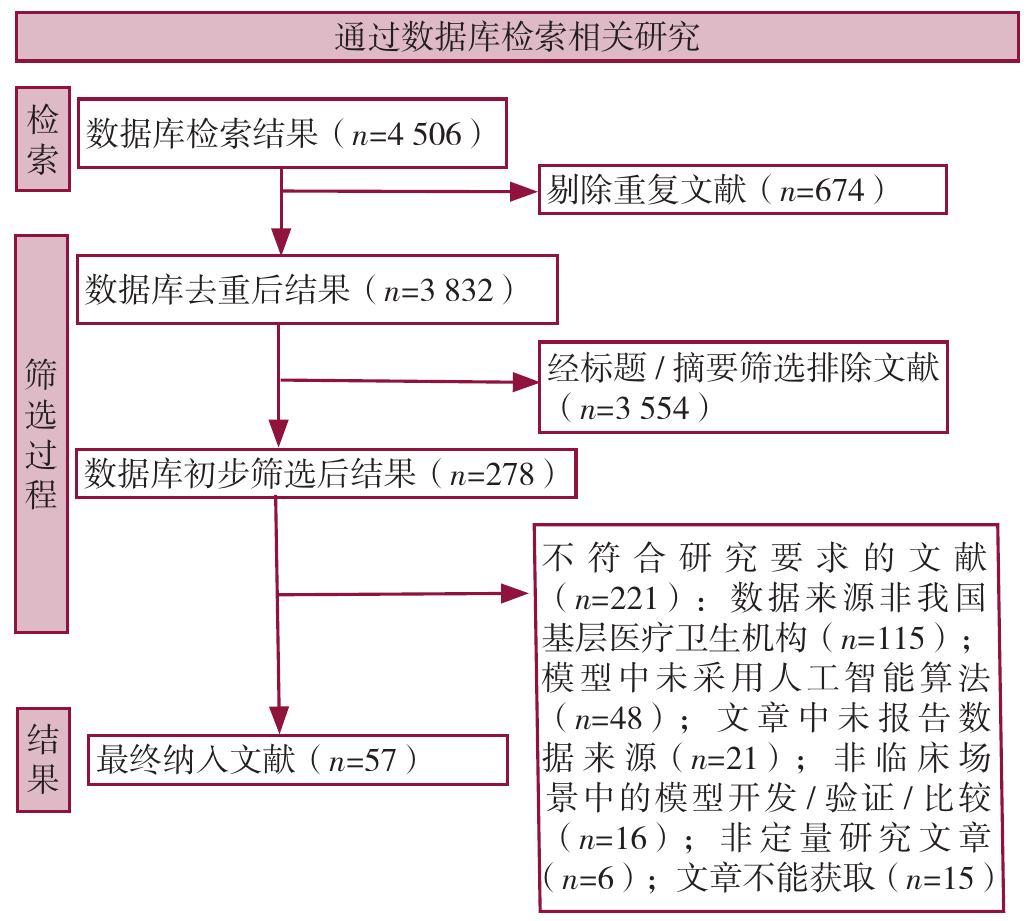
图1 文献筛选流程图
Figure 1 Flowchart of literature screening
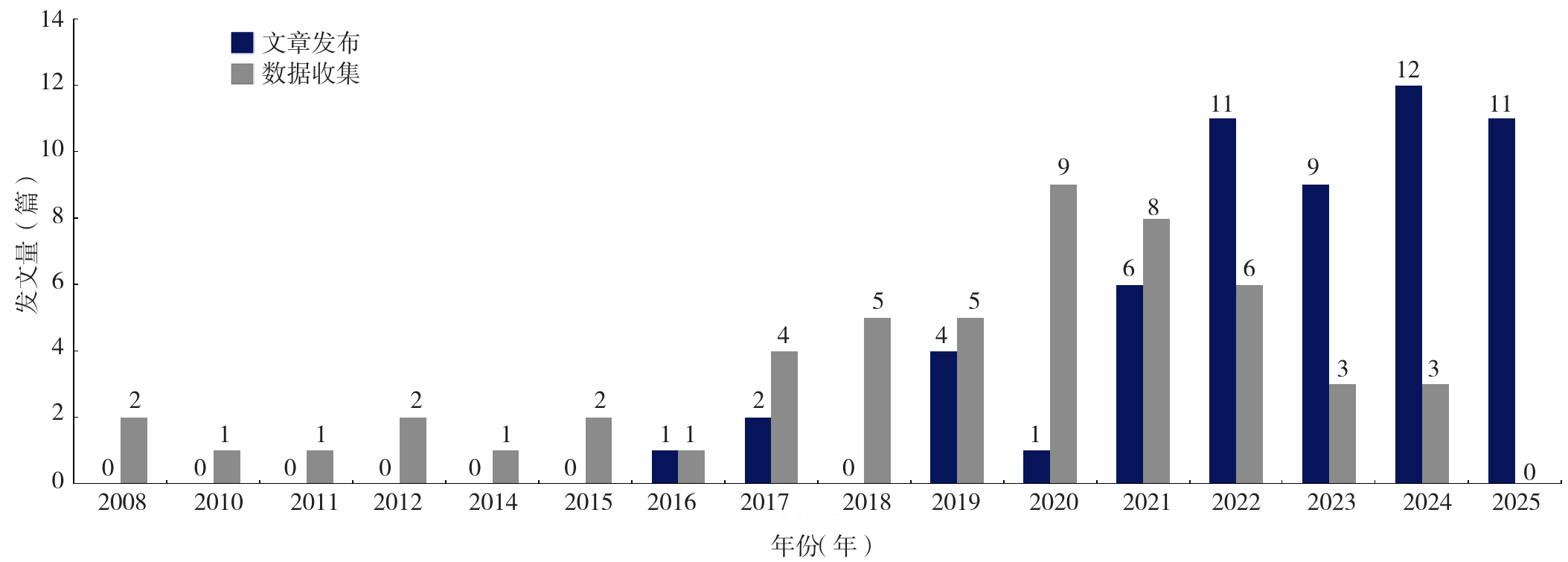
图2 纳入研究文章发布年份和数据集收集截至年份统计图
Figure 2 Chart of publication years of included studies and data collection cutoff years
| 模型特征 | 数量[篇(%)]a | 对应文献b |
|---|---|---|
| 模型开发面向的疾病 | ||
| 内分泌、营养和代谢疾病 | 11(19.3) | 3、9、21、27、29-30、34、39、52-54 |
| 血液循环系统疾病 | 11(19.3) | 6、10、12-13、18、20、22、38、44、48、57 |
| 精神、行为和神经发育障碍 | 5(8.8) | 4、23、36、45、50 |
| 眼和附器疾病 | 5(8.8) | 1、19、32、47、51 |
| 呼吸系统疾病 | 4(7.0) | 7、11、33、35 |
| 疾病并发症 | 2(3.5) | 28、56 |
| 老年健康 | 2(3.5) | 2、8 |
| 肿瘤 | 2(3.5) | 43、46 |
| 血液、造血和免疫系统疾病 | 2(3.5) | 15、24 |
| 其他系统疾病c | 8(14.0) | 14、16-17、26、40、42、49、55 |
| 未汇报(无具体疾病) | 5(8.8) | 5、25、31、37、41 |
| 算法类型d | ||
| 逻辑回归 | 30(24.2) | 2-4、6、9、11-12、18、20-21、23-24、26-27、29、33-41、43、45、48-49、56-57 |
| 极端梯度提升 | 19(15.3) | 2、6、11-12、18、23-24、27、34、36-38、40、42、49-50、54、56-57 |
| 随机森林 | 18(14.5) | 2、9、11、18、21、24、26-27、36-37、39-40、42-43、49、55-57 |
| 支持向量机 | 12(9.7) | 2、11、23-24、27、36-37、39-40、42、49、56 |
| 决策树 | 8(6.5) | 11、24、27、30、36、49、52、56 |
| k最近邻算法 | 6(4.8) | 11、24、36、39、42、49 |
| 朴素贝叶斯 | 5(4.0) | 2、11、42-43、49 |
| 卷积神经网络 | 5(4.0) | 1、15、19、44、51 |
| 人工神经网络 | 5(4.0) | 24、39、55-57 |
| 未汇报 | 11(8.9) | 5、7-8、10、13-14、16-17、31-32、47 |
| 验证方式 | ||
| 内部验证 | 28(49.1) | 2-4、6、9、12、18、20-21、23、25-30、34、36-42、48、50、54-55 |
| 外部验证 | 12(21.1) | 11、24、33、35、44-46、49、52-53、56-57 |
| 内部验证+外部验证 | 17(29.8) | 1、5、7-8、10、13-17、19、22、31-32、43、47、51 |
| 验证结果 | ||
| AUC | ||
| 优秀 | 内部验证:20(62.5) | 内部验证:2、6、11、20、23-24、26、34-36、40、42、44-46、49-50、53、55、57 |
| 外部验证:12(80.0) | 外部验证:1、11、22、35、43-46、49、51、53、57 | |
| 良好 | 内部验证:11(34.4) | 内部验证:12、18、21、27、29、33、37、41、48、52、56 |
| 外部验证:0 | 外部验证:— | |
| 可接受 | 内部验证:1(3.1) | 内部验证:39 |
| 外部验证:3(20.0) | 外部验证:33、52、56 | |
| 较差 | 内部验证:0 | 内部验证:— |
| 外部验证:0 | 外部验证:— | |
| 灵敏度 | ||
| 优秀 | 内部验证:11(55.0) | 内部验证:2、6、11、18、20、23、39-40、45-46、49 |
| 外部验证:15(93.8) | 外部验证:7-9、11、13、15、19、22、32、35、43、45-46、49、52 | |
| 良好 | 内部验证:7(35.0) | 内部验证:33-34、36-37、42、52、57 |
| 外部验证:1(6.3) | 外部验证:57 | |
| 可接受 | 内部验证:1(5.0) | 内部验证:21 |
| 外部验证:0 | 外部验证:— | |
| 较差 | 内部验证:1(5.0) | 内部验证:27 |
| 外部验证:0 | 外部验证:— | |
| 特异度 | ||
| 优秀 | 内部验证:10(50.0) | 内部验证:2、21、24、26-27、36-37、42、46、49 |
| 外部验证:12(80.0) | 外部验证:7-9、13、15、19、22、32、35、43、46、49 | |
| 良好 | 内部验证:6(30.0) | 内部验证:6、20、34、40、45、57 |
| 外部验证:2(13.3) | 外部验证:45、57 | |
| 可接受 | 内部验证:2(10.0) | 内部验证:33、52 |
| 外部验证:0 | 外部验证:— | |
| 较差 | 内部验证:2(10.0) | 内部验证:18、39 |
| 外部验证:1(6.7) | 外部验证:52 |
表1 模型特征信息汇总(n=57)
Table 1 Summary of model characteristics
| 模型特征 | 数量[篇(%)]a | 对应文献b |
|---|---|---|
| 模型开发面向的疾病 | ||
| 内分泌、营养和代谢疾病 | 11(19.3) | 3、9、21、27、29-30、34、39、52-54 |
| 血液循环系统疾病 | 11(19.3) | 6、10、12-13、18、20、22、38、44、48、57 |
| 精神、行为和神经发育障碍 | 5(8.8) | 4、23、36、45、50 |
| 眼和附器疾病 | 5(8.8) | 1、19、32、47、51 |
| 呼吸系统疾病 | 4(7.0) | 7、11、33、35 |
| 疾病并发症 | 2(3.5) | 28、56 |
| 老年健康 | 2(3.5) | 2、8 |
| 肿瘤 | 2(3.5) | 43、46 |
| 血液、造血和免疫系统疾病 | 2(3.5) | 15、24 |
| 其他系统疾病c | 8(14.0) | 14、16-17、26、40、42、49、55 |
| 未汇报(无具体疾病) | 5(8.8) | 5、25、31、37、41 |
| 算法类型d | ||
| 逻辑回归 | 30(24.2) | 2-4、6、9、11-12、18、20-21、23-24、26-27、29、33-41、43、45、48-49、56-57 |
| 极端梯度提升 | 19(15.3) | 2、6、11-12、18、23-24、27、34、36-38、40、42、49-50、54、56-57 |
| 随机森林 | 18(14.5) | 2、9、11、18、21、24、26-27、36-37、39-40、42-43、49、55-57 |
| 支持向量机 | 12(9.7) | 2、11、23-24、27、36-37、39-40、42、49、56 |
| 决策树 | 8(6.5) | 11、24、27、30、36、49、52、56 |
| k最近邻算法 | 6(4.8) | 11、24、36、39、42、49 |
| 朴素贝叶斯 | 5(4.0) | 2、11、42-43、49 |
| 卷积神经网络 | 5(4.0) | 1、15、19、44、51 |
| 人工神经网络 | 5(4.0) | 24、39、55-57 |
| 未汇报 | 11(8.9) | 5、7-8、10、13-14、16-17、31-32、47 |
| 验证方式 | ||
| 内部验证 | 28(49.1) | 2-4、6、9、12、18、20-21、23、25-30、34、36-42、48、50、54-55 |
| 外部验证 | 12(21.1) | 11、24、33、35、44-46、49、52-53、56-57 |
| 内部验证+外部验证 | 17(29.8) | 1、5、7-8、10、13-17、19、22、31-32、43、47、51 |
| 验证结果 | ||
| AUC | ||
| 优秀 | 内部验证:20(62.5) | 内部验证:2、6、11、20、23-24、26、34-36、40、42、44-46、49-50、53、55、57 |
| 外部验证:12(80.0) | 外部验证:1、11、22、35、43-46、49、51、53、57 | |
| 良好 | 内部验证:11(34.4) | 内部验证:12、18、21、27、29、33、37、41、48、52、56 |
| 外部验证:0 | 外部验证:— | |
| 可接受 | 内部验证:1(3.1) | 内部验证:39 |
| 外部验证:3(20.0) | 外部验证:33、52、56 | |
| 较差 | 内部验证:0 | 内部验证:— |
| 外部验证:0 | 外部验证:— | |
| 灵敏度 | ||
| 优秀 | 内部验证:11(55.0) | 内部验证:2、6、11、18、20、23、39-40、45-46、49 |
| 外部验证:15(93.8) | 外部验证:7-9、11、13、15、19、22、32、35、43、45-46、49、52 | |
| 良好 | 内部验证:7(35.0) | 内部验证:33-34、36-37、42、52、57 |
| 外部验证:1(6.3) | 外部验证:57 | |
| 可接受 | 内部验证:1(5.0) | 内部验证:21 |
| 外部验证:0 | 外部验证:— | |
| 较差 | 内部验证:1(5.0) | 内部验证:27 |
| 外部验证:0 | 外部验证:— | |
| 特异度 | ||
| 优秀 | 内部验证:10(50.0) | 内部验证:2、21、24、26-27、36-37、42、46、49 |
| 外部验证:12(80.0) | 外部验证:7-9、13、15、19、22、32、35、43、46、49 | |
| 良好 | 内部验证:6(30.0) | 内部验证:6、20、34、40、45、57 |
| 外部验证:2(13.3) | 外部验证:45、57 | |
| 可接受 | 内部验证:2(10.0) | 内部验证:33、52 |
| 外部验证:0 | 外部验证:— | |
| 较差 | 内部验证:2(10.0) | 内部验证:18、39 |
| 外部验证:1(6.7) | 外部验证:52 |
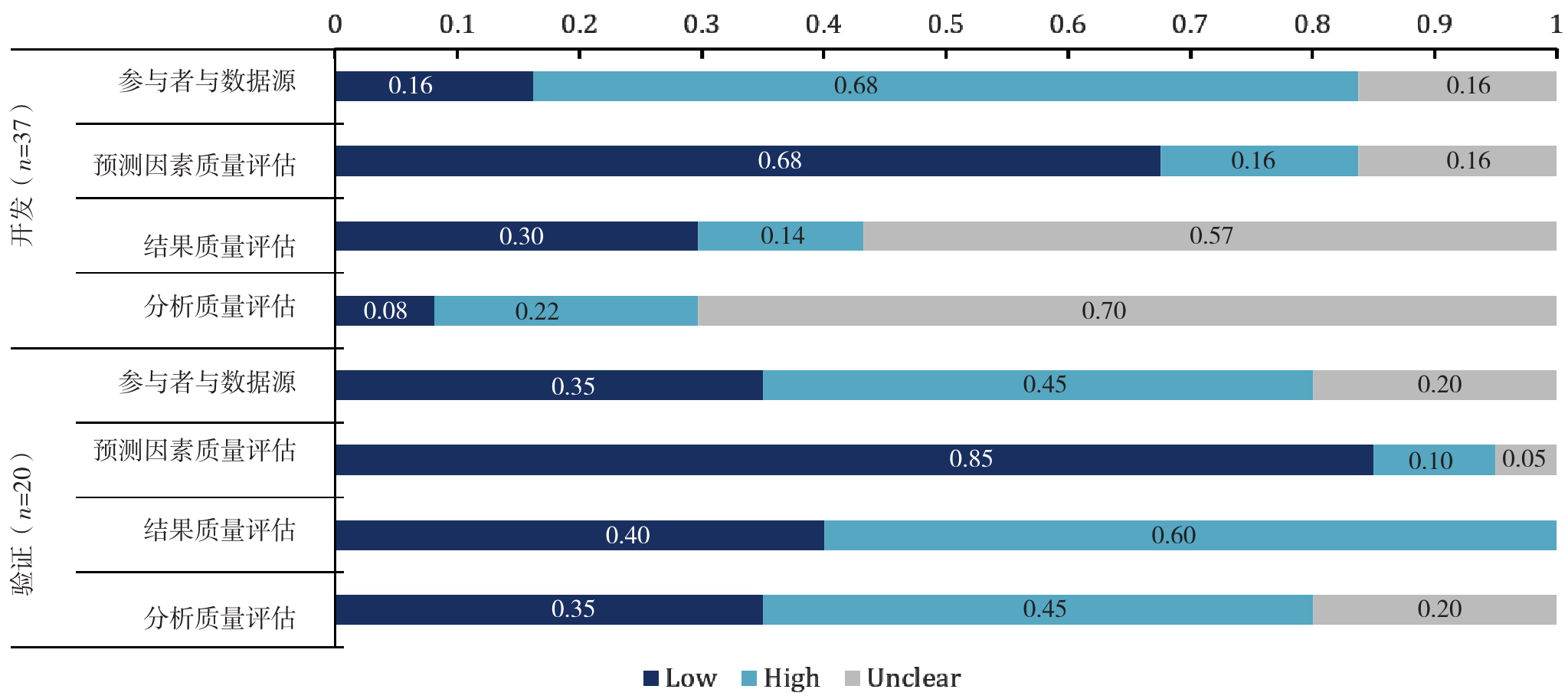
图3 基于PROBAST的预测模型偏倚风险评估结果注:Low=低风险,High=高风险,Unclear=不清楚。
Figure 3 Risk of bias assessment results of prediction models based on PROBAST
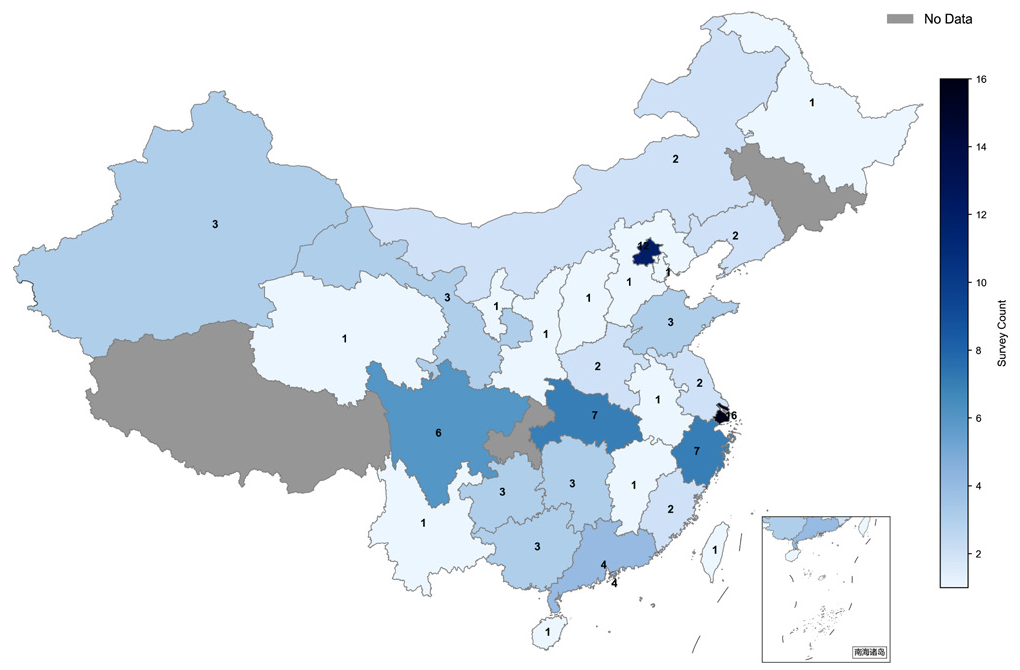
图4 数据集地理来源分布图注:地图下载自国家地理信息公共服务平台,审图号为GS(2024)0650号;survey count=调查计数,No Data=无数据。
Figure 4 Geographic distribution of dataset sources
| 数据库特征 | 数量[篇(%)]a | 对应文献b |
|---|---|---|
| 数据产生原因c | ||
| 研究需要数据 | 21(36.8) | 1、2、5、7、13-14、16-17、20-22、24、29、31-32、35-36、42-43、47、52 |
| 日常产生数据 | 18(31.6) | 3-4、6、8-12、15、18-19、25、30、34、40-41、49、56 |
| 外部共享数据集 | 16(28.1) | 23、26-28、33、37-39、46、48、50-51、53-55、57 |
| 研究需要数据、日常产生数据 | 2(3.5) | 44-45 |
| 数据样本量 | ||
| <1 000 | 12(21.1) | 4-5、14、16-17、20、22、24、26、31、40、53 |
| 1 000~5 000 | 23(40.4) | 1、2、8、11-13、15、19、21、23、25、29、32、34-36、42、45、47-49、52、56 |
| 5 001~10 000 | 3(5.3) | 7、9、27 |
| 10 001~50 000 | 10(17.5) | 3、18、28、33、37、39、43、50-51、55 |
| >50 000 | 9(15.8) | 6、10、30、38、41、44、46、54、57 |
| 数据收集机构 | ||
| 仅社区卫生服务中心 | 22(38.6) | 1-3、6、8-9、12-14、16、18、22-23、25、28、32、36、42、45、47、50、56 |
| 社区卫生服务中心+乡镇卫生院 | 1(1.8) | 48 |
| 社区卫生服务中心+非基层医疗卫生机构 | 14(24.6) | 4-5、10、15、19-20、24、26、35、44、46、49、51-52 |
| 乡镇卫生院 | 1(1.8) | 40 |
| 其他基层医疗卫生机构+非基层医疗卫生机构 | 1(1.8) | 11 |
| 基层公共卫生机构(妇幼保健机构、残疾人康复服务机构) | 2(3.5) | 17、21 |
| 明确包括基层数据,但未明确具体机构 | 15(26.3) | 7、27、29-31、33-34、37、39、41、43、53-55、57 |
| 数据类型d | ||
| 结构化数据 | 40(58.8) | 3-4、6、9、10-13、18、21-31、33-35、37-43、45-46、48-49、52-57 |
| 文本 | 17(25.0) | 2、5、20-23、26、28-29、36、42-43、45、48、50、52-53 |
| 图像 | 11(16.2) | 1、7-8、15、17、19、31-32、44、47、51 |
表2 数据库特征汇总
Table 2 Summary of database characteristics
| 数据库特征 | 数量[篇(%)]a | 对应文献b |
|---|---|---|
| 数据产生原因c | ||
| 研究需要数据 | 21(36.8) | 1、2、5、7、13-14、16-17、20-22、24、29、31-32、35-36、42-43、47、52 |
| 日常产生数据 | 18(31.6) | 3-4、6、8-12、15、18-19、25、30、34、40-41、49、56 |
| 外部共享数据集 | 16(28.1) | 23、26-28、33、37-39、46、48、50-51、53-55、57 |
| 研究需要数据、日常产生数据 | 2(3.5) | 44-45 |
| 数据样本量 | ||
| <1 000 | 12(21.1) | 4-5、14、16-17、20、22、24、26、31、40、53 |
| 1 000~5 000 | 23(40.4) | 1、2、8、11-13、15、19、21、23、25、29、32、34-36、42、45、47-49、52、56 |
| 5 001~10 000 | 3(5.3) | 7、9、27 |
| 10 001~50 000 | 10(17.5) | 3、18、28、33、37、39、43、50-51、55 |
| >50 000 | 9(15.8) | 6、10、30、38、41、44、46、54、57 |
| 数据收集机构 | ||
| 仅社区卫生服务中心 | 22(38.6) | 1-3、6、8-9、12-14、16、18、22-23、25、28、32、36、42、45、47、50、56 |
| 社区卫生服务中心+乡镇卫生院 | 1(1.8) | 48 |
| 社区卫生服务中心+非基层医疗卫生机构 | 14(24.6) | 4-5、10、15、19-20、24、26、35、44、46、49、51-52 |
| 乡镇卫生院 | 1(1.8) | 40 |
| 其他基层医疗卫生机构+非基层医疗卫生机构 | 1(1.8) | 11 |
| 基层公共卫生机构(妇幼保健机构、残疾人康复服务机构) | 2(3.5) | 17、21 |
| 明确包括基层数据,但未明确具体机构 | 15(26.3) | 7、27、29-31、33-34、37、39、41、43、53-55、57 |
| 数据类型d | ||
| 结构化数据 | 40(58.8) | 3-4、6、9、10-13、18、21-31、33-35、37-43、45-46、48-49、52-57 |
| 文本 | 17(25.0) | 2、5、20-23、26、28-29、36、42-43、45、48、50、52-53 |
| 图像 | 11(16.2) | 1、7-8、15、17、19、31-32、44、47、51 |
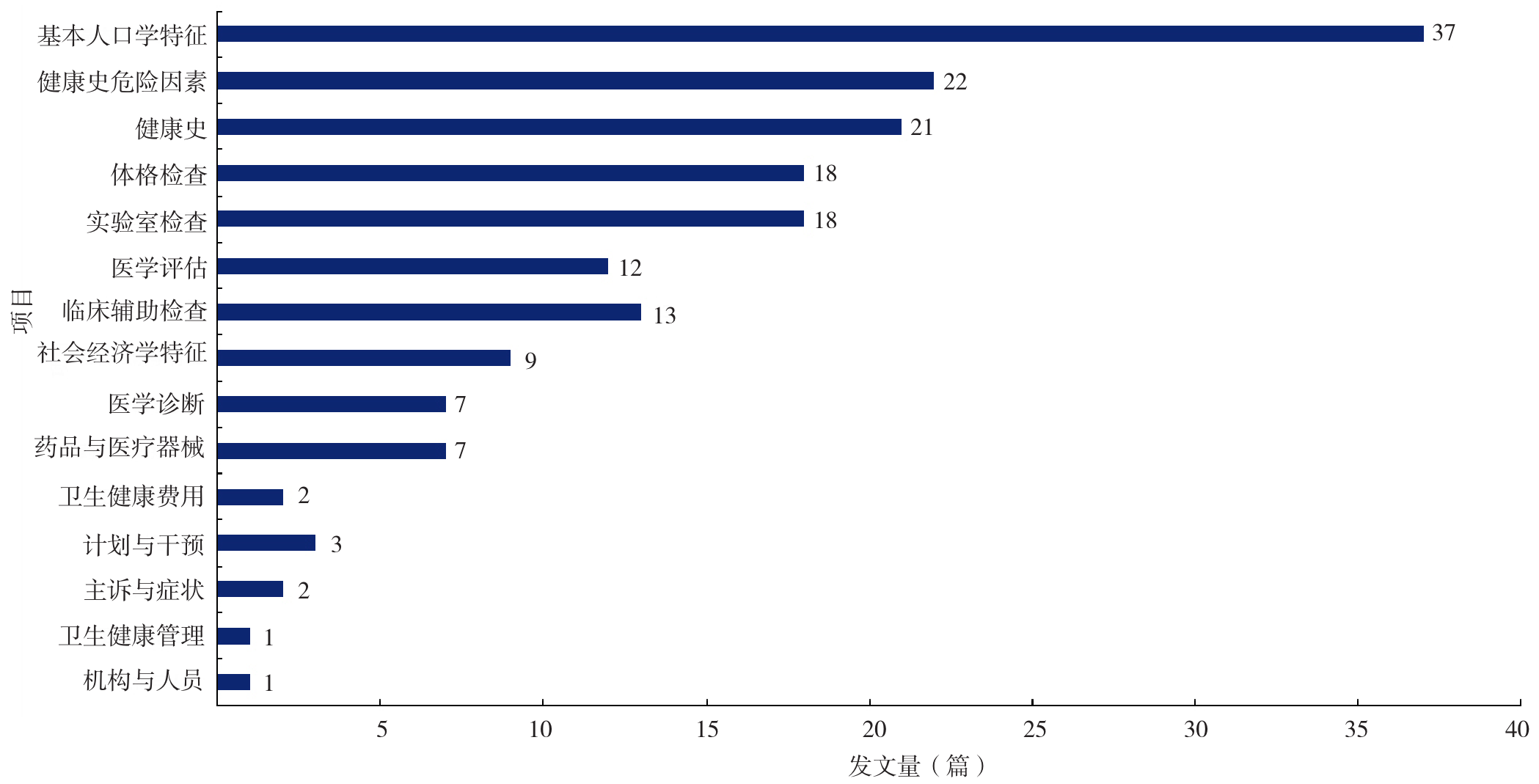
图5 数据集内容收录情况
Figure 5 Overview of dataset content inclusion
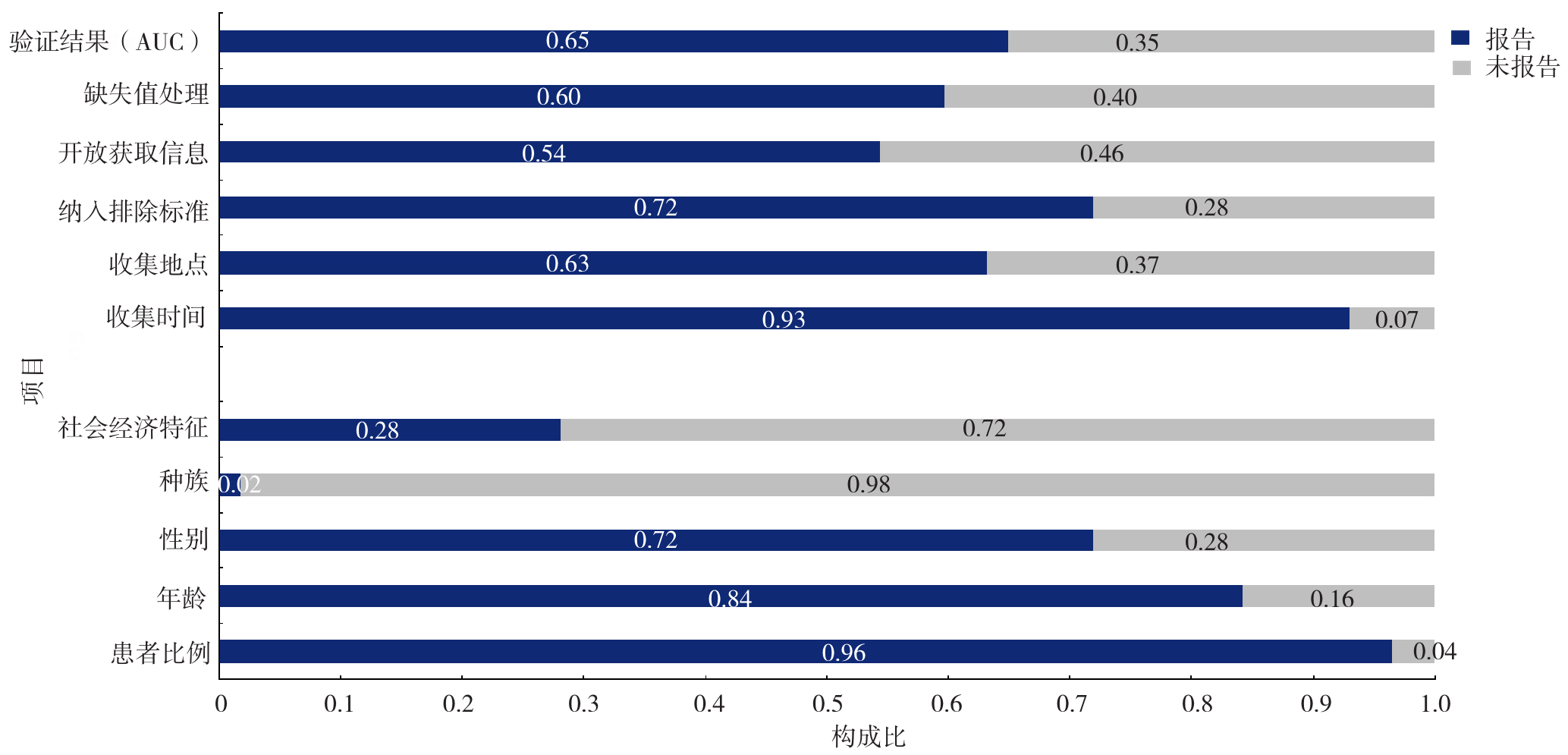
图6 元数据基本信息及内容报告情况注:AUC=受试者工作特征曲线下面积。
Figure 6 Basic information of metadata and content reporting status
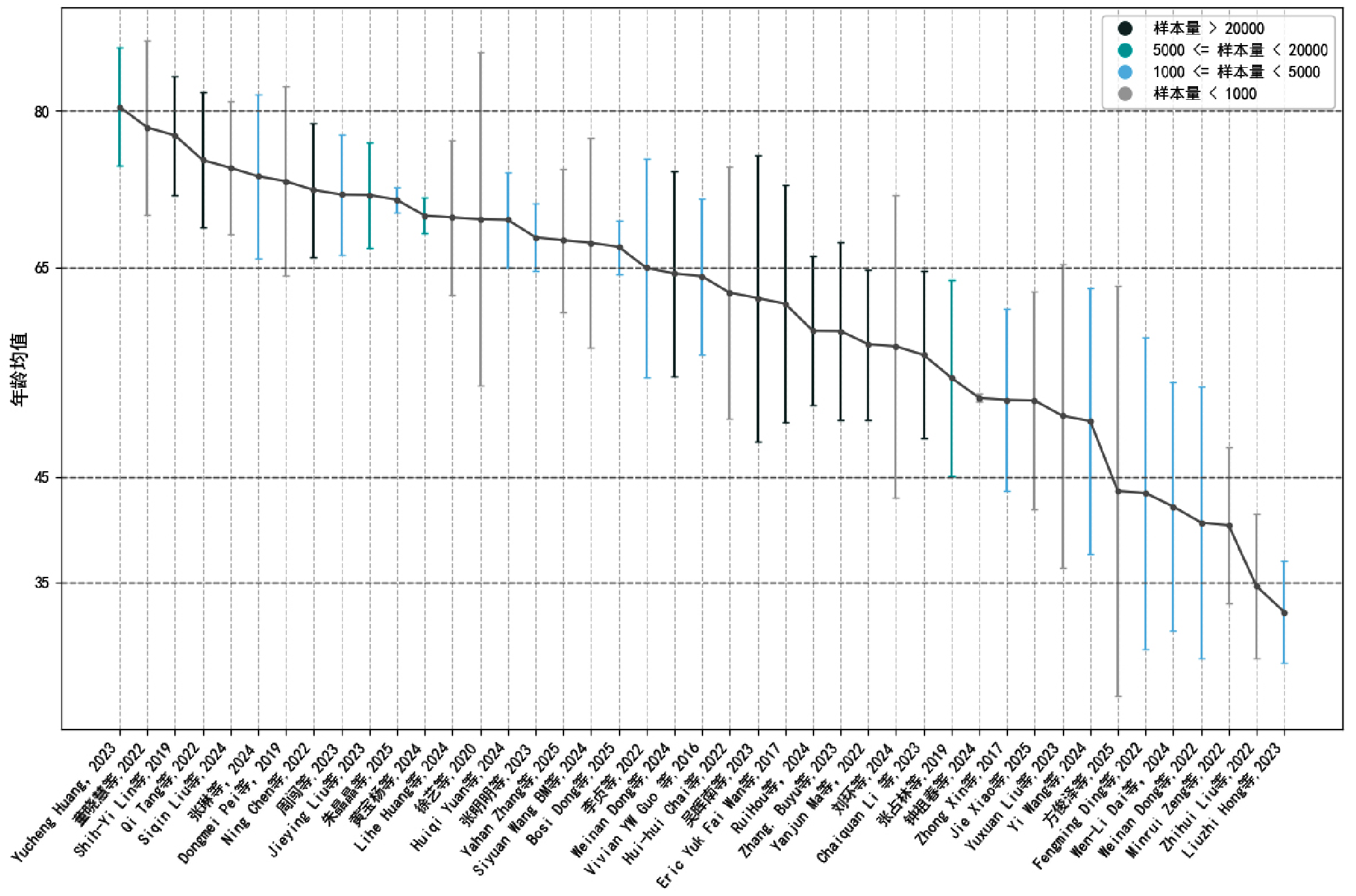
图7 元数据样本年龄分布情况
Figure 7 Age distribution of metadata samples
| [1] |
国家卫生健康委员会统计信息中心. 2024中国卫生健康统计年鉴[A/OL]. (2026-01-07)[2026-01-23].
|
| [2] |
|
| [3] |
|
| [4] |
国家卫生健康委员会规划发展与信息化司. 卫生健康行业人工智能应用场景参考指引[A/OL]. (2024-11-14)[2026-01-23].
|
| [5] |
国家卫生健康委员会规划发展与信息化司. 关于促进和规范"人工智能+医疗卫生"应用发展的实施意见[A/OL]. (2025-11-04)[2026-01-23].
|
| [6] |
|
| [7] |
|
| [8] |
|
| [9] |
|
| [10] |
|
| [11] |
|
| [12] |
|
| [13] |
|
| [14] |
|
| [15] |
张春娟,马小董,周昔程, 等. 人工智能对基层医院医疗发展的制约因素分析[J]. 中国农村卫生事业管理, 2024, 44(7): 522-526. DOI: 10.19955/j.cnki.1005-5916.2024.07.011.
|
| [16] |
王海旭,陈艳萍,赵凯. 中国人工智能医疗产业发展的现状及国际经验借鉴[J]. 卫生经济研究, 2020, 37(9): 9-11, 15.
|
| [17] |
|
| [18] |
|
| [19] |
中华人民共和国国家卫生健康委员会. 卫生健康信息数据元目录第1部分:总则[S/OL]. (2023-10-07)[2026-01-23].
|
| [20] |
|
| [21] |
|
| [22] |
|
| [23] |
|
| [24] |
|
| [25] |
|
| [26] |
RCGP. Oxford-RCGP Research and Surveillance Centre(RSC)[EB/OL]. [2026-01-03].
|
| [27] |
Queen Mary University of London. QResearch[EB/OL]. [2026-01-03].
|
| [28] |
NIVEL. Methode vaststellen cijfers zorgverlening huisartsen: Nivel Zorgregistraties Eerste Lijn[EB/OL]. [2026-01-03].
|
| [29] |
AHRQ. Data overview: Medical Expenditure Panel Survey (MEPS). U.S. Department of Health & Human Services[EB/OL]. [2026-01-03].
|
| [30] |
|
| [31] |
|
| [32] |
|
| [33] |
|
| [34] |
|
| [35] |
|
| [36] |
|
| [37] |
|
| [38] |
|
| [39] |
吴彦霖,李开明,郭玉清, 等. 医防融合视角下我国医疗卫生信息化现状与发展研究[J]. 中华流行病学杂志, 2024, 45(6): 892-898. DOI: 10.3760/cma.j.cn112338-20240218-00075.
|
| [40] |
|
| [41] |
|
| [1] | 邓玮, 黄梦婷, 易胜利, 林杨, 许力丹, 任哲学, 朱秀琼, 李烨莎, 任梦鸽, 柯大智, 李桂琼, 吴志勤, 骆傲然, 何发培. AI赋能全科临床思维的培养与实施效果研究[J]. 中国全科医学, 2026, 29(28): 4078-4085. |
| [2] | 张锐, 鲁旺, 杨梵, 罗苑, 陈丹镝. 分级诊疗背景下基层服务量的趋势特征与驱动机制:基于中断时间序列与对数平均迪氏指数分解法模型的实证研究[J]. 中国全科医学, 2026, 29(28): 4100-4106. |
| [3] | 马烽, 周良, 金建锋, 鲁雅儿. 健康体检诊后分色管理与主动召回在基层医疗卫生机构的应用效果评价[J]. 中国全科医学, 2026, 29(28): 4125-4131. |
| [4] | 广东省基层卫生协会精准营养应用分会. 基于医防融合的基层营养门诊建设与N-RCSP精准营养健康管理专家共识[J]. 中国全科医学, 2026, 29(28): 4033-4046. |
| [5] | 杨照珩, 党媛, 史穆然, 李文心, 赵一默, 王梓涵, 武宁. 我国基层中医药人才队伍发展的政策研究:基于"主题-工具-评价"三维分析框架[J]. 中国全科医学, 2026, 29(27): 3906-3914. |
| [6] | 付家瑞, 李牧灏, 杜汋, 时宇. 制度激励、资源协同与团队赋能:基于一项天津市的金牌家庭医生团队建设多维困境与破解策略的质性研究[J]. 中国全科医学, 2026, 29(27): 3899-3905. |
| [7] | 杨智凯, 袁蓓蓓. 基层医疗卫生机构运行环境和机构特征与其服务利用量的关系:基于整合证据和案例地区实证数据寻找潜在干预点[J]. 中国全科医学, 2026, 29(25): 3584-3592. |
| [8] | 周雨涵, 闵钰琦, 郭洲, 杨敏, 岳露, 何美忱, 周海蓉, 王永晨. 人工智能时代全科医生的机遇与挑战[J]. 中国全科医学, 2026, 29(25): 3563-3568. |
| [9] | 刘雅慧, 徐雅楠, 袁玲, 武丽桂, 周玉洁, 康玉彪. 基于优先级决策的安宁疗护患者分诊研究范围综述[J]. 中国全科医学, 2026, 29(24): 3538-3544. |
| [10] | 王洪川, 张剑波, 马伟, 赵司迪. 数字政策引领医疗数据空间的治理逻辑与生态构建:基于"技术-管理-法律"的分析框架[J]. 中国全科医学, 2026, 29(24): 3416-3422. |
| [11] | 吴礼云, 孙华婧, 顾艺卿, 梅紫琦, 金胜姬, 张素菊, 诸赟, 张瑶, 李琴, 刘小苗, 王庆, 柏亚妹, 徐桂华. 数智化技术用于急性心肌梗死心电监测的范围综述[J]. 中国全科医学, 2026, 29(24): 3545-3552. |
| [12] | 欧阳微娜, 王露, 张璇, 唐薇, 范咏梅. 基于动态多尺度特征融合与注意力机制的心房颤动筛查研究[J]. 中国全科医学, 2026, 29(23): 3281-3286. |
| [13] | 熊丹, 刘圆, 刘思敏, 吴建炜, 胡笑霞. 新媒体遗书中挖掘年轻人存在感空虚及其应对行为:人工智能辅助的内容分析[J]. 中国全科医学, 2026, 29(22): 3182-3191. |
| [14] | 陈开元, 王洪川, 葛袆, 孙乃玲, 陈澄, 王天然, 曾华堂, 雷苏文, 梁万年. 生成式人工智能赋能卫生健康标准体系构建现状与挑战[J]. 中国全科医学, 2026, 29(22): 3073-3078. |
| [15] | 汪洋, 邹川, 郭梦若, 何柳华, 陆许航, 桂贤忠, 徐志杰, 林恺, 金花, 姚弥, 杨辉, 于德华. 全科医务人员在人工智能的辅助下提炼高质量研究问题的五个步骤[J]. 中国全科医学, 2026, 29(22): 3094-3102. |
| 阅读次数 | ||||||
|
全文 |
|
|||||
|
摘要 |
|
|||||