中国全科医学 ›› 2026, Vol. 29 ›› Issue (10): 1334-1339.DOI: 10.12114/j.issn.1007-9572.2024.0363

所属专题: COVID-19疫情防控研究

• 论著 • 上一篇    下一篇

综合医院全科门诊乏力患者特征分析

蔡东平1,2, 任文2, 任菁菁2,*()   

  1. 1.215011 江苏省苏州市,苏州高新区狮山街道社区卫生服务中心全科医学科
    2.310003 浙江省杭州市,浙江大学医学院附属第一医院全科医学科
  • 收稿日期:2025-10-15 修回日期:2025-12-15 出版日期:2026-04-05 发布日期:2026-03-25
  • 通讯作者: 任菁菁

  • 作者贡献:

    蔡东平、任菁菁负责研究的构思与设计;蔡东平、任文进行数据的收集与整理;蔡东平进行统计学处理,图、表的绘制与展示;任文、任菁菁进行论文的修订;任菁菁负责文章的质量控制与审查,对文章整体负责,监督管理。

Features of Fatigue Patients from the General Practice Department of a General Hospital

CAI Dongping1,2, REN Wen2, REN Jingjing2,*()   

  1. 1. Department of General Practice, the Healthcare Center for Shishan Street Community of Suzhou New District, Suzhou 215011, China
    2. Department of General Practice, the First Affiliated Hospital, Zhejiang University School of Medicine, Hangzhou 310003, China
  • Received:2025-10-15 Revised:2025-12-15 Published:2026-04-05 Online:2026-03-25
  • Contact: REN Jingjing

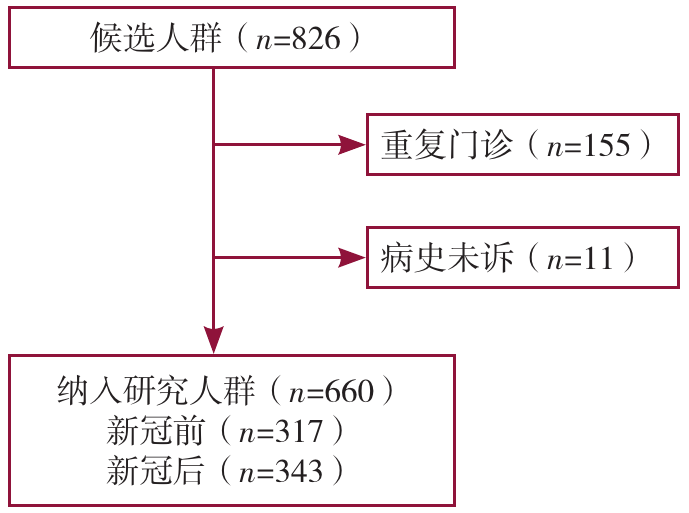
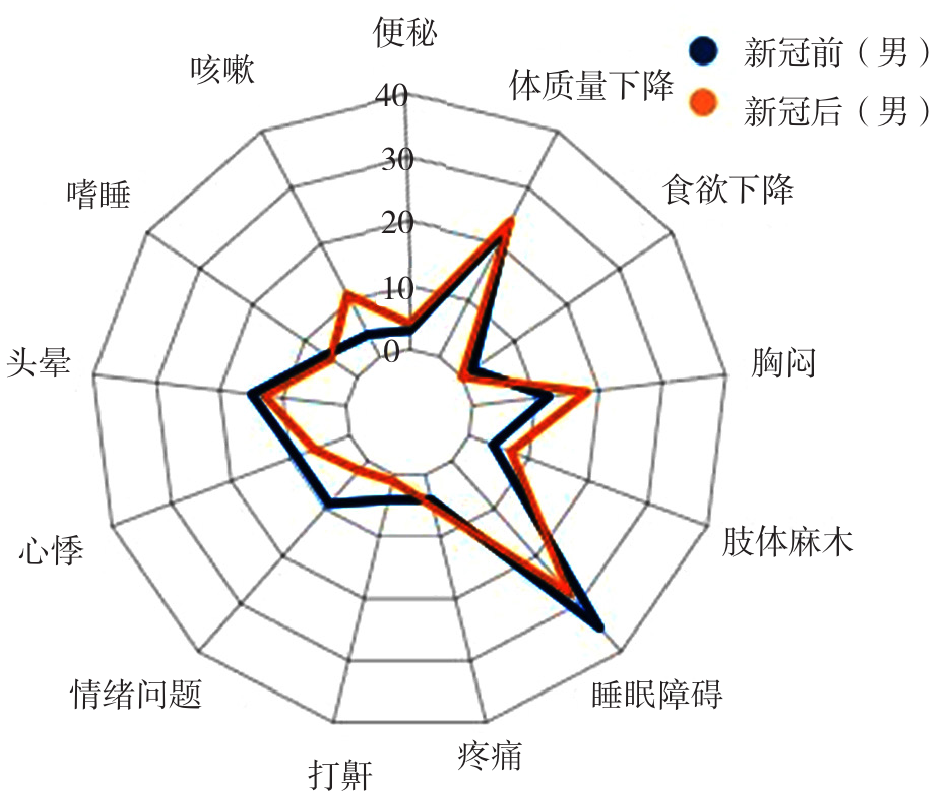
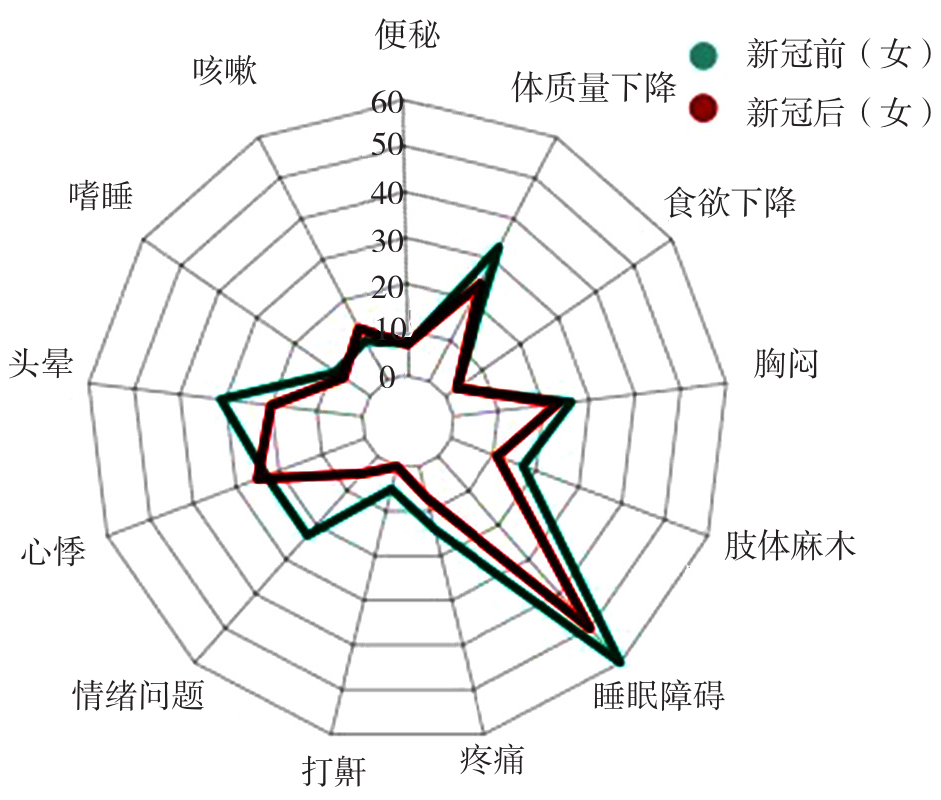
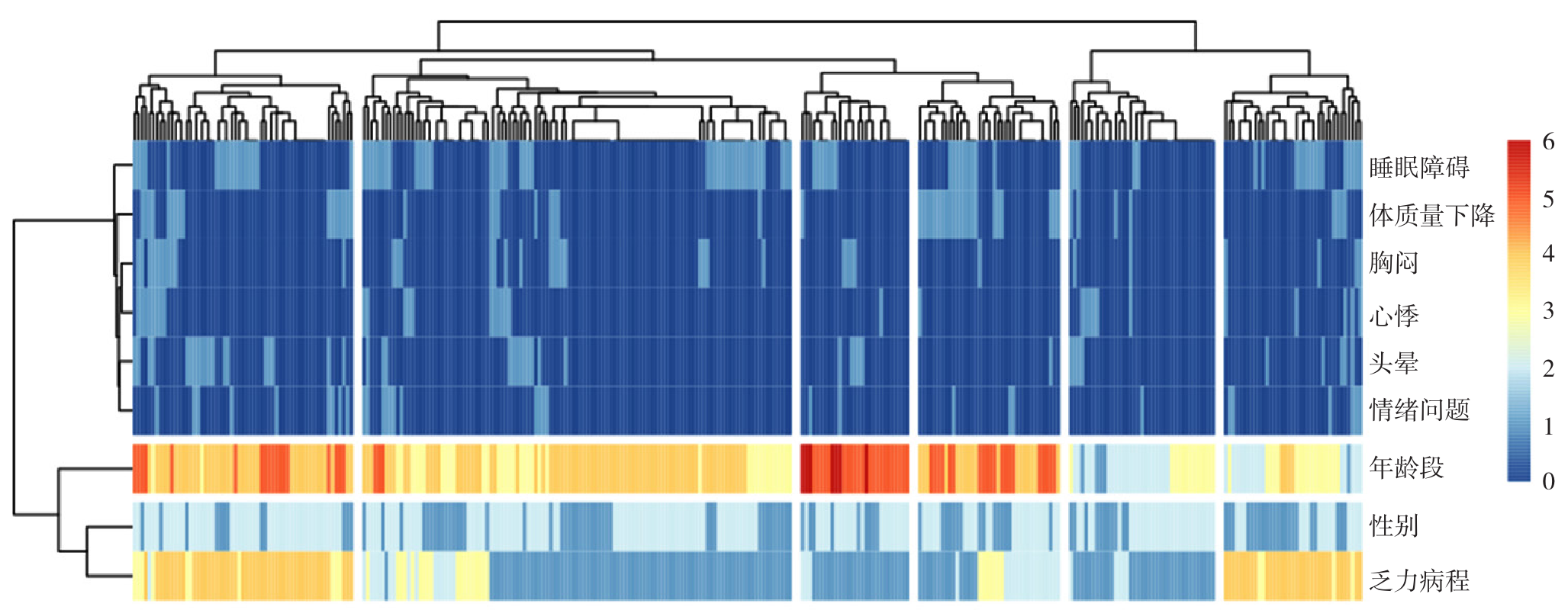
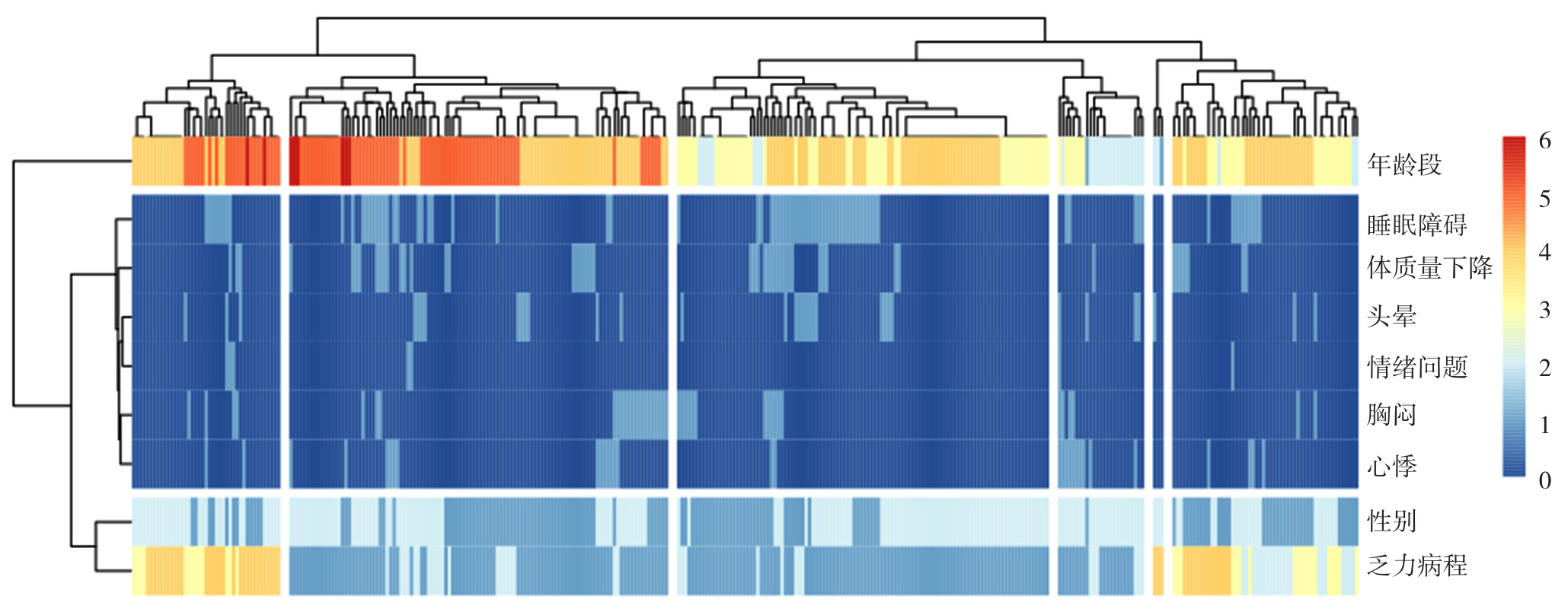
摘要: 背景 在国内综合性医院全科医学科因未分化疾病(如乏力等)就诊的患者占很大的比例,但针对乏力就诊患者的人群特征和病因等尚缺少相关的研究。 目的 分析乏力患者的症状特征,为全科医生如何接诊乏力患者和对乏力做出解释提供参考。 方法 选取2022年6月—2023年6月在浙江大学医学院附属第一医院(庆春院区)全科医学科门诊就诊的患者为研究对象。通过门诊电子病历系统获取乏力患者的基本情况,包括性别、年龄、就诊日期、主诉、现病史、既往史。分析其合并症状特点,进行人群聚类分析和病因分析。 结果 共660例患者纳入分析,新型冠状病毒感染(以下简称新冠)前与新冠后乏力患者性别、年龄、乏力是否为第一就诊原因、辅助检查依从性比较,差异无统计学意义(P>0.05);新冠前与新冠后乏力患者其他科室就诊情况比较,差异有统计学意义(P<0.001)。新冠前与新冠后的乏力患者睡眠障碍、情绪问题、打鼾比例比较,差异有统计学意义(P<0.05)。新冠前与新冠后,无论男女乏力患者,合并症状均集中在睡眠障碍、体质量下降、头晕、胸闷、心悸和情绪问题。根据合并的症状群,聚类分析结果提示乏力患者可分为6种群体,对应内分泌系统疾病、精神系统疾病、消化系统疾病、心血管系统疾病、血液系统疾病、神经系统疾病导致的症状群。新冠前与新冠后乏力患者病因分布中的糖尿病、精神系统疾病、生理性原因的占比比较,差异有统计学意义(P<0.05)。 结论 乏力患者常合并有其他症状,全科医生接诊乏力患者,应促使患者提高依从性,完善相关检查,尽可能明确病因。新冠有诱导甲状腺、胰腺自身免疫损伤的风险,对于没有查出原因的乏力患者,需谨慎使用"长新冠"来解释。

关键词: 全科医学, 乏力, 未分化疾病, 聚类分析, 症状群

Abstract:

Background

A substantial proportion of patients attending the general practice department in Chinese general hospitals present with medically unspecified diseases. However, the characteristics and consultation reasons in fatigue patients have rarely been studied.

Objective

This study aimed to characterize the symptom patterns of fatigue patients and to offer practial guidance for general practioners on patient management and explanation.

Methods

Fatigue patients from the outpatient department of general practice at the First Affiliated Hospital of Zhejiang University School of Medicine (Qingchun Campus) bewteen June 1, 2022 and June 30, 2023 were enrolled. Data on fatigue patients were collected retrospectively through the outpatient electronic medical record system, including gender, age, date of visit, chief complaint, history of present illness and past history. The patterns of combined symptoms were analyzed by cluster analysis to explorer potential causes.

Results

660 patients were included for final analysis. Comparisons of gender, age, fatigue as the primary reason for medical visit, and compliance to diagnostic examinations bewteen fatigue patients before and after the COVID-19 pandemic showed no statistically significant difference(P>0.05). Comparison of the medical visits to other departments by fatigue patients showed statistically significant differences (P<0.001). Comparisons of sleep disorders, emotional disturbances and snoring showed statistically significant differences (P<0.05). In both genders, the main comorbid symptoms among fatigue patients, before and after the COVID-19 pandemic, were sleep disorders, weight loss, dizziness, chest tightness, palpitations and emotional disturbances. Cluster analysis based on comorbid symptoms grouped the fatigue patients into six clusters, which corresponded to symptoms associated with endocrine, mental, digestive, cardiovascular, hematologic and nervous system disorders. The proportions of diabetes, psychiatric disorders, and physical causes among the etiological distribution of fatigue patients showed statistically significant differences (P<0.05).

Conclusion

As patients with fatigue frequently present with comorbid symptoms, general practitioners should facilitate patients' compliance to diagnostic examinations to identify the underlying cause whenever possible. COVID-19 has been associated with an increased risk of autoimmune injury affecting the thyroid and pancreas. A diagnosis of Long COVID should be approached with caution in fatigue patients without a clear cause.

Key words: General practice, Fatigue, Medically unspecified disease, Cluster analysis, Symptom cluster

中图分类号: