
中国全科医学 ›› 2026, Vol. 29 ›› Issue (09): 1203-1211.DOI: 10.12114/j.issn.1007-9572.2025.0089
王菲1, 韩伟钰1, 孙韬2,*( )
)
收稿日期:2025-02-10
修回日期:2025-06-15
出版日期:2026-03-20
发布日期:2026-01-28
通讯作者:
孙韬
作者贡献:
王菲负责研究设计、数据收集、统计分析、论文撰写;韩伟钰负责数据整理、统计学分析、图表制作;孙韬负责论文修改、质量控制与审查,负责文章整体质量及管理。
基金资助:
WANG Fei1, HAN Weiyu1, SUN Tao2,*()
Received:2025-02-10
Revised:2025-06-15
Published:2026-03-20
Online:2026-01-28
Contact:
SUN Tao
摘要: 背景 癌性疼痛是癌症患者常见并发症之一,临床上广泛应用三阶梯止痛疗法来缓解疼痛,但其疗效仍存在一定局限性,部分患者难以获得理想的镇痛效果。艾灸疗法在缓解癌性疼痛方面展现出良好疗效。然而,关于不同灸疗方案的优化选择仍缺乏系统性的研究,有待进一步探讨。 目的 采用网状Meta分析方法,对不同灸法结合三阶梯疗法治疗癌性疼痛的疗效与安全性进行综合评价,旨在探索可能适用于癌性疼痛的最优艾灸组合方案。 方法 计算机检索中国知网、万方数据知识服务平台、维普网、PubMed 、Web of Science、Embase和Cochrance Library数据库,全面搜集关于艾灸联合三阶梯疗法治疗癌性疼痛的随机对照试验,检索时限为建库至2024年9月。由2名研究者独立筛选文献、提取资料,采用Stata 16.0软件进行数据分析,并绘制相关图形。 结果 最终纳入13项随机对照研究,包括988例患者,涉及3种灸法、3类艾灸时长和4类选穴方式。网状Meta分析结果显示,不同灸法联合三阶梯疗法有效率排序:艾条悬灸(97.1%)>艾炷灸(56.1%)>雷火灸(44.7%)>对照组(2.1%)。不同艾灸总时长有效率排序:<300 min(71.5%)好于>600 min(65.2%)好于300~600 min(57.8%)。不同选穴方式有效率排序:躯干部(83.5%)>阿是穴(68.4%)>四肢部(66.3%)>远近配穴(30.9%)。有3篇文献报告艾灸相关不良反应,包括水泡、晕灸、皮疹等,大多属于轻度,多数自行吸收或通过简单处理得到缓解。纳入研究的总脱落率为0.6%(6/988)。 结论 艾灸联合三阶梯疗法可有效缓解癌性疼痛,且安全性良好。相较于其他灸法,艾条悬灸在改善癌性疼痛方面效果更优。实践操作中,建议总疗程艾灸时长不超过300 min,优先选取躯干部穴位,这可能是较为适宜的艾灸方案。上述结论仍需通过更高质量的随机对照试验加以验证。
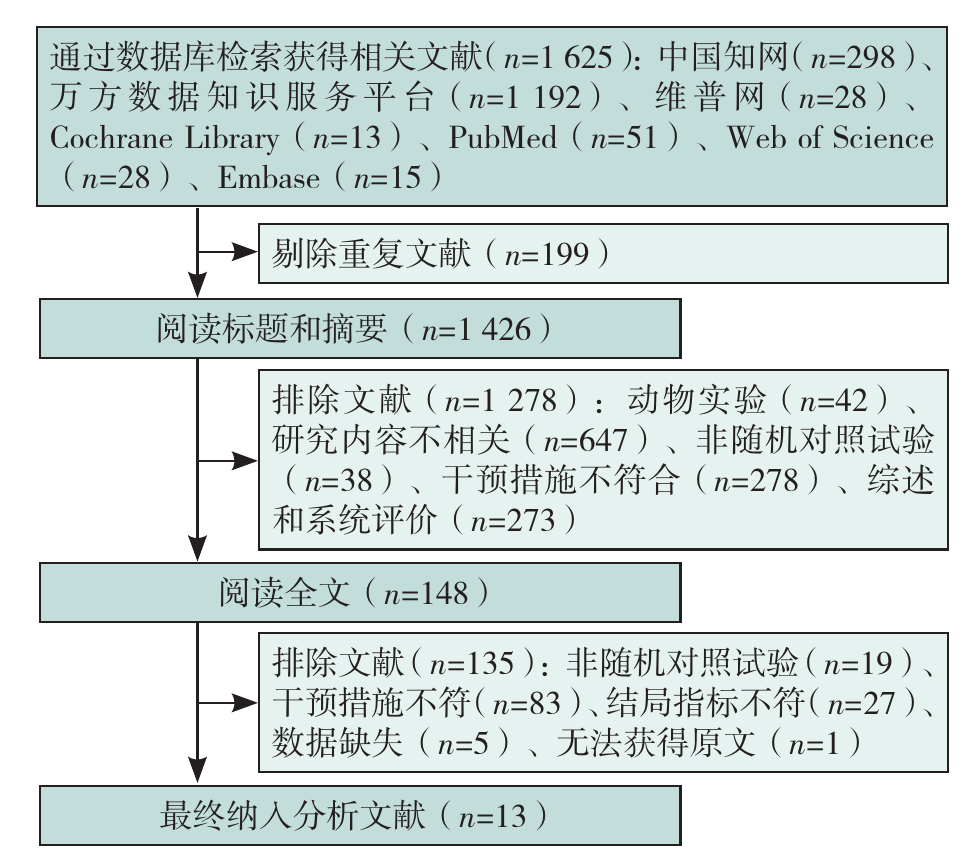
图1 文献筛选流程图
Figure 1 Flowchart of literature screening
| 第一作者 | 时间(年) | 样本量(男/女) | 平均年龄( | 肿瘤类型 | 干预措施 | 艾灸疗程 | 艾灸穴位 | 结局指标 | |||
|---|---|---|---|---|---|---|---|---|---|---|---|
| T | C | T | C | T | C | ||||||
| 孙婷[ | 2024 | 23/7 | 11/19 | 58.87±11.05 | 61.57±9.83 | 混合型 | 艾条悬灸+三阶梯止痛疗法 | 三阶梯止痛疗法 | 30 min/次,1次/d,治疗30 d | 阿是穴 | 有效率 |
| 陈军[ | 2020 | 34/26 | 35/25 | 64.26±7.83 | 63.57±7.25 | 混合型 | 艾条悬灸+三阶梯止痛疗法 | 三阶梯止痛疗法 | 5 min/次,1次/d,疗程6 d | 厥阴俞、肝俞、胆俞、肾俞、三焦俞 | 有效率 |
| 邹蜜[ | 2017 | 26/22 | 24/24 | 58.26±4.38 | 58.19±4.35 | 胃癌 | 艾条悬灸+三阶梯止痛疗法 | 三阶梯止痛疗法 | 30 min/次,2次/d,疗程2周 | 血海、足三里、中脘、三阴交 | 有效率 |
| 王东峰[ | 2016 | 18/17 | 17/18 | 56.56±7.27 | 57.22±6.82 | 混合型 | 艾炷灸+三阶梯止痛疗法 | 三阶梯止痛疗法 | 1次/周,疗程4周 | 督脉,大椎-长强 | 有效率 |
| 黄乔统[ | 2014 | 24/26 | 23/27 | 42.60±13.79 | 42.62±12.73 | 混合型 | 雷火灸+三阶梯止痛疗法 | 三阶梯止痛疗法 | 20~30 min/次,1次/d,治疗7 d | 阿是穴、神阙、足三里 | 有效率 |
| 许萍[ | 2021 | 15/15 | 16/14 | 65.8±4.1 | 66.4±4.2 | NA | 雷火灸+三阶梯止痛疗法 | 三阶梯止痛疗法 | 20~25 min/次,1次/d,治疗10 d | 合谷、内关、太冲、足三里、阿是穴 | 有效率 |
| 陆凤枝[ | 2016 | 12/8 | 13/7 | 42.21±5.26 | 42.05±5.12 | NA | 雷火灸+三阶梯止痛疗法 | 三阶梯止痛疗法 | 20~30 min/次,1次/d,治疗7 d | 阿是穴、神阙、足三里/涌泉 | 有效率 |
| 辛红艳[ | 2018 | 25/25 | 26/24 | NA | NA | 混合型 | 雷火灸+三阶梯止痛疗法 | 三阶梯止痛疗法 | 20 min/次,1次/d,治疗7 d | 阿是穴 | 有效率 |
| 黎桂曹[ | 2020 | 32/28 | 29/31 | NA | NA | NA | 雷火灸+三阶梯止痛疗法 | 三阶梯止痛疗法 | 20~30 min/次,1次/d,治疗2周 | 阿是穴、神阙、足三里/涌泉 | 有效率 |
| 彭慧心[ | 2019 | 19/11 | 16/14 | 57.27±8.395 | 58.83±11.561 | 肠癌 | 艾炷灸+三阶梯止痛疗法 | 三阶梯止痛疗法 | 1次/2 d,7壮,治疗10次/40 d | 天枢、上巨虚 | 有效率 |
| 刘丽霞[ | 2020 | 16/14 | 13/17 | 53±9 | 53±9 | 肝癌 | 艾条悬灸+三阶梯止痛疗法 | 三阶梯止痛疗法 | 1次/d,治疗2周 | 章门、日月、血海、三阴交、太冲 | 有效率 |
| 柳华伟[ | 2022 | 18/2 | 11/9 | NA | NA | 混合型 | 艾条悬灸+三阶梯止痛疗法 | 三阶梯止痛疗法 | 1次/d,21 d为一个周期,周期间隔2 d,共2个周期 | 神阙、气海、关元、肾俞、腰阳关 | 有效率 |
| 周如意[ | 2023 | 16/15 | 17/14 | NA | NA | 胃癌 | 艾炷灸+三阶梯止痛疗法 | 三阶梯止痛疗法 | 5壮,治疗1次 | 足三里 | 有效率 |
表1 纳入研究基本信息表
Table 1 Table of basic information of included studies
| 第一作者 | 时间(年) | 样本量(男/女) | 平均年龄( | 肿瘤类型 | 干预措施 | 艾灸疗程 | 艾灸穴位 | 结局指标 | |||
|---|---|---|---|---|---|---|---|---|---|---|---|
| T | C | T | C | T | C | ||||||
| 孙婷[ | 2024 | 23/7 | 11/19 | 58.87±11.05 | 61.57±9.83 | 混合型 | 艾条悬灸+三阶梯止痛疗法 | 三阶梯止痛疗法 | 30 min/次,1次/d,治疗30 d | 阿是穴 | 有效率 |
| 陈军[ | 2020 | 34/26 | 35/25 | 64.26±7.83 | 63.57±7.25 | 混合型 | 艾条悬灸+三阶梯止痛疗法 | 三阶梯止痛疗法 | 5 min/次,1次/d,疗程6 d | 厥阴俞、肝俞、胆俞、肾俞、三焦俞 | 有效率 |
| 邹蜜[ | 2017 | 26/22 | 24/24 | 58.26±4.38 | 58.19±4.35 | 胃癌 | 艾条悬灸+三阶梯止痛疗法 | 三阶梯止痛疗法 | 30 min/次,2次/d,疗程2周 | 血海、足三里、中脘、三阴交 | 有效率 |
| 王东峰[ | 2016 | 18/17 | 17/18 | 56.56±7.27 | 57.22±6.82 | 混合型 | 艾炷灸+三阶梯止痛疗法 | 三阶梯止痛疗法 | 1次/周,疗程4周 | 督脉,大椎-长强 | 有效率 |
| 黄乔统[ | 2014 | 24/26 | 23/27 | 42.60±13.79 | 42.62±12.73 | 混合型 | 雷火灸+三阶梯止痛疗法 | 三阶梯止痛疗法 | 20~30 min/次,1次/d,治疗7 d | 阿是穴、神阙、足三里 | 有效率 |
| 许萍[ | 2021 | 15/15 | 16/14 | 65.8±4.1 | 66.4±4.2 | NA | 雷火灸+三阶梯止痛疗法 | 三阶梯止痛疗法 | 20~25 min/次,1次/d,治疗10 d | 合谷、内关、太冲、足三里、阿是穴 | 有效率 |
| 陆凤枝[ | 2016 | 12/8 | 13/7 | 42.21±5.26 | 42.05±5.12 | NA | 雷火灸+三阶梯止痛疗法 | 三阶梯止痛疗法 | 20~30 min/次,1次/d,治疗7 d | 阿是穴、神阙、足三里/涌泉 | 有效率 |
| 辛红艳[ | 2018 | 25/25 | 26/24 | NA | NA | 混合型 | 雷火灸+三阶梯止痛疗法 | 三阶梯止痛疗法 | 20 min/次,1次/d,治疗7 d | 阿是穴 | 有效率 |
| 黎桂曹[ | 2020 | 32/28 | 29/31 | NA | NA | NA | 雷火灸+三阶梯止痛疗法 | 三阶梯止痛疗法 | 20~30 min/次,1次/d,治疗2周 | 阿是穴、神阙、足三里/涌泉 | 有效率 |
| 彭慧心[ | 2019 | 19/11 | 16/14 | 57.27±8.395 | 58.83±11.561 | 肠癌 | 艾炷灸+三阶梯止痛疗法 | 三阶梯止痛疗法 | 1次/2 d,7壮,治疗10次/40 d | 天枢、上巨虚 | 有效率 |
| 刘丽霞[ | 2020 | 16/14 | 13/17 | 53±9 | 53±9 | 肝癌 | 艾条悬灸+三阶梯止痛疗法 | 三阶梯止痛疗法 | 1次/d,治疗2周 | 章门、日月、血海、三阴交、太冲 | 有效率 |
| 柳华伟[ | 2022 | 18/2 | 11/9 | NA | NA | 混合型 | 艾条悬灸+三阶梯止痛疗法 | 三阶梯止痛疗法 | 1次/d,21 d为一个周期,周期间隔2 d,共2个周期 | 神阙、气海、关元、肾俞、腰阳关 | 有效率 |
| 周如意[ | 2023 | 16/15 | 17/14 | NA | NA | 胃癌 | 艾炷灸+三阶梯止痛疗法 | 三阶梯止痛疗法 | 5壮,治疗1次 | 足三里 | 有效率 |
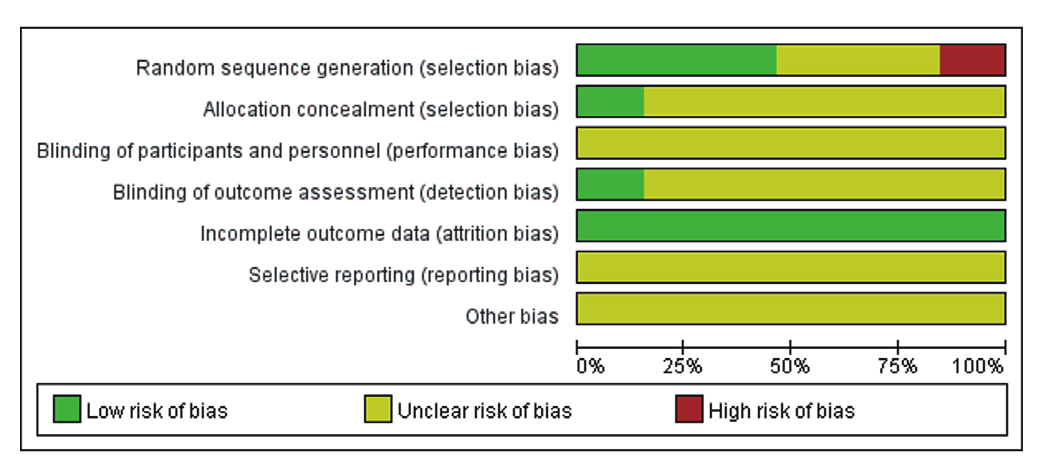
图2 风险偏倚图
Figure 2 Risk bias plot
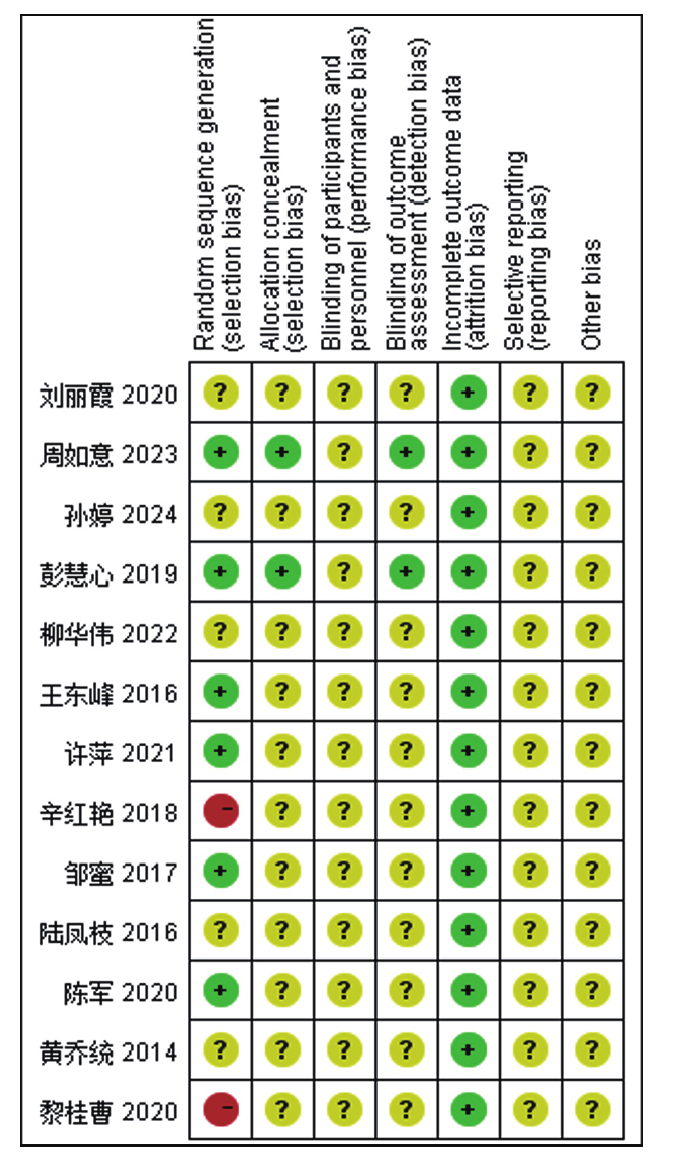
图3 风险偏倚总结图
Figure 3 Summary of risk bias
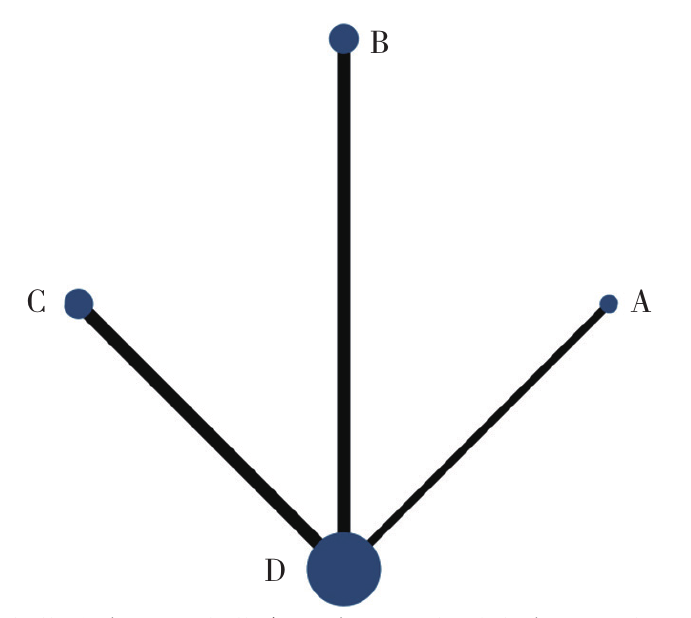
图4 不同灸法有效率的网状结构图注:A为艾炷灸,B为艾条悬灸,C为雷火灸,D为对照组。
Figure 4 Network structure diagram of effective rates of different moxibustion methods
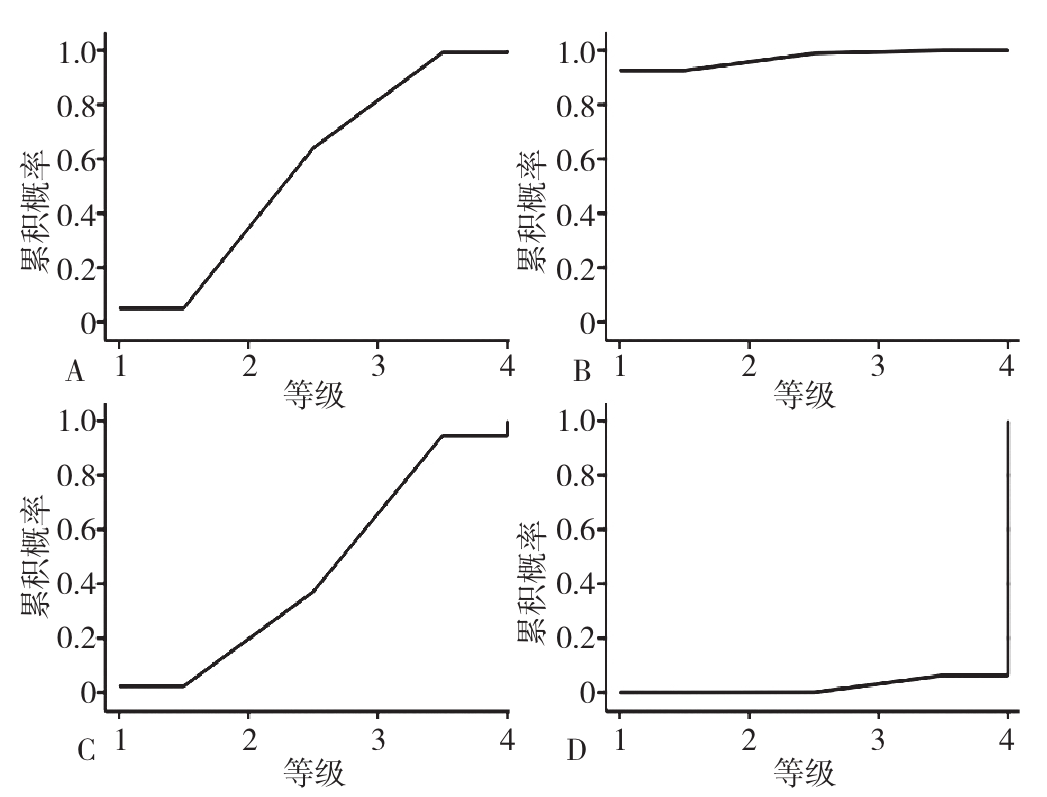
图5 不同灸法有效率的SUCRA注:A为艾炷灸,B为艾条悬灸,C为雷火灸,D为对照组;SUCRA=累积排序概率曲线下面积。
Figure 5 SUCRA of effective rates of different moxibustion methods
| 干预措施 | SUCRA | 排序 |
|---|---|---|
| 艾条悬灸 | 0.971 | 1 |
| 艾炷灸 | 0.561 | 2 |
| 雷火灸 | 0.447 | 3 |
| 对照组 | 0.210 | 4 |
表2 不同灸法有效率的SUCRA及排序
Table 2 SUCRA and ranking of effective rates of different moxibustion methods
| 干预措施 | SUCRA | 排序 |
|---|---|---|
| 艾条悬灸 | 0.971 | 1 |
| 艾炷灸 | 0.561 | 2 |
| 雷火灸 | 0.447 | 3 |
| 对照组 | 0.210 | 4 |
| 干预措施 | 艾条悬灸 | 艾炷灸 | 雷火灸 |
|---|---|---|---|
| 艾炷灸 | 1.12(0.98~1.29) | ||
| 雷火灸 | 1.15(1.00~1.33)a | 1.02(0.89~1.18) | |
| 对照组 | 1.26(1.14~1.40)a | 1.12(1.02~1.24)a | 1.10(0.98~1.22) |
表3 不同灸法有效率的比较[RR(95%CI)]
Table 3 Comparison of the effectiveness of different moxibustion methods
| 干预措施 | 艾条悬灸 | 艾炷灸 | 雷火灸 |
|---|---|---|---|
| 艾炷灸 | 1.12(0.98~1.29) | ||
| 雷火灸 | 1.15(1.00~1.33)a | 1.02(0.89~1.18) | |
| 对照组 | 1.26(1.14~1.40)a | 1.12(1.02~1.24)a | 1.10(0.98~1.22) |
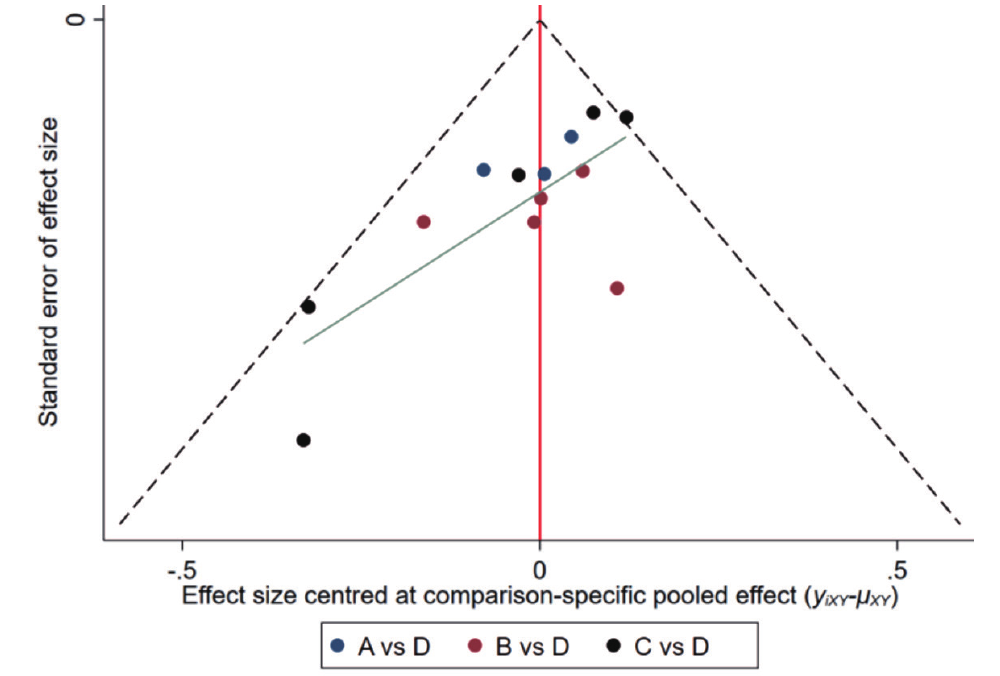
图6 不同灸法发表偏倚的校正-比较漏斗图注:A为艾炷灸,B为艾条悬灸,C为雷火灸,D为对照组。
Figure 6 Funnel plot for comparison of different moxibustion methods
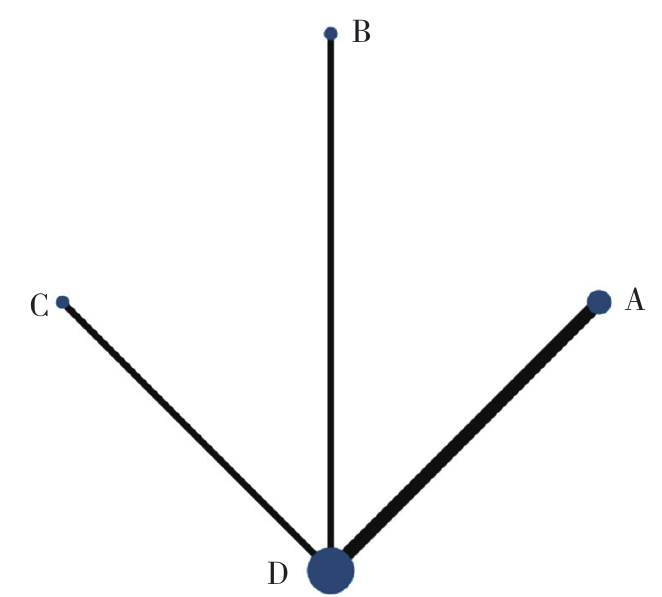
图7 不同艾灸总时长有效率的网状结构图注:A为<300 min,B为300~600 min,C为>600 min,D为对照组。
Figure 7 Network structure diagram of effective rates for different total moxibustion durations
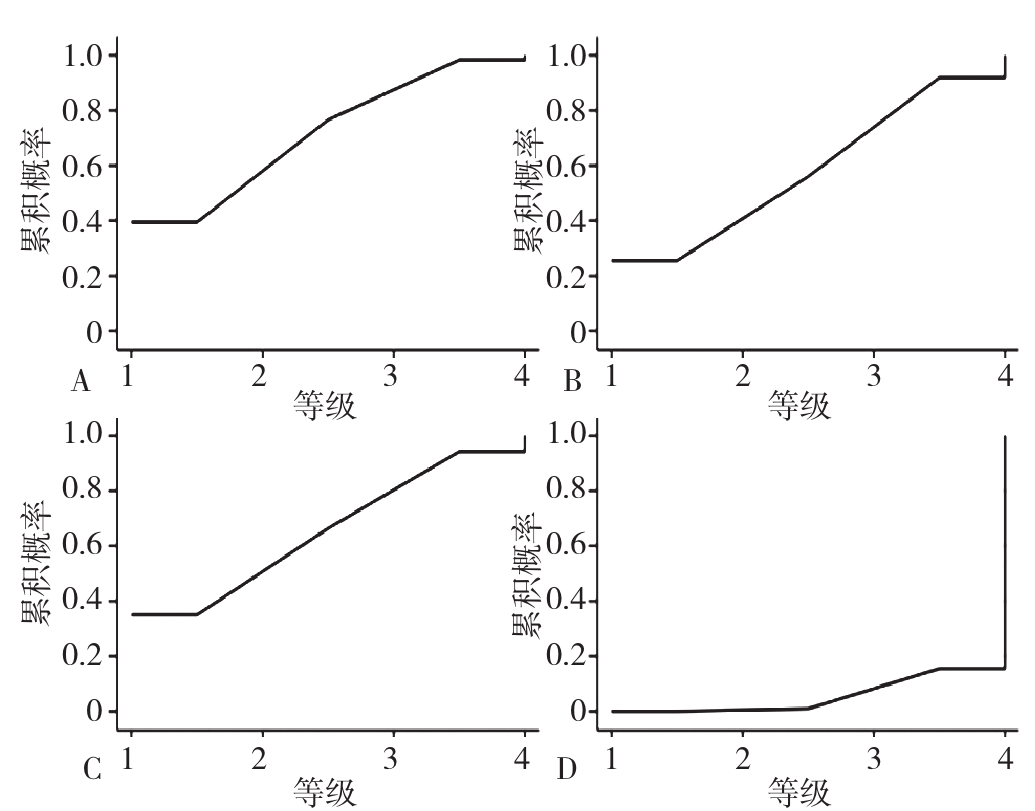
图8 不同艾灸总时长有效率的SUCRA注:A为<300 min,B为300~600 min,C为>600 min,D为对照组。
Figure 8 SUCRA of effective rates for different total moxibustion durations
| 艾灸总时长 | SUCRA | 排序 |
|---|---|---|
| <300 min | 0.715 | 1 |
| >600 min | 0.652 | 2 |
| 300~600 min | 0.578 | 3 |
表4 不同艾灸总时长有效率的SUCRA及排序
Table 4 SUCRA and ranking of effective rates for different total duration of moxibustion
| 艾灸总时长 | SUCRA | 排序 |
|---|---|---|
| <300 min | 0.715 | 1 |
| >600 min | 0.652 | 2 |
| 300~600 min | 0.578 | 3 |
| 艾灸总时长 | <300 min | >600 min |
|---|---|---|
| >600 min | 1.02(0.73~1.43) | |
| 300~600 min | 1.05(0.76~1.45) | 1.03(0.71~1.48) |
表5 不同艾灸总时长有效率的比较[RR(95%CI)]
Table 5 Comparison of effective rates of different moxibustion duration
| 艾灸总时长 | <300 min | >600 min |
|---|---|---|
| >600 min | 1.02(0.73~1.43) | |
| 300~600 min | 1.05(0.76~1.45) | 1.03(0.71~1.48) |
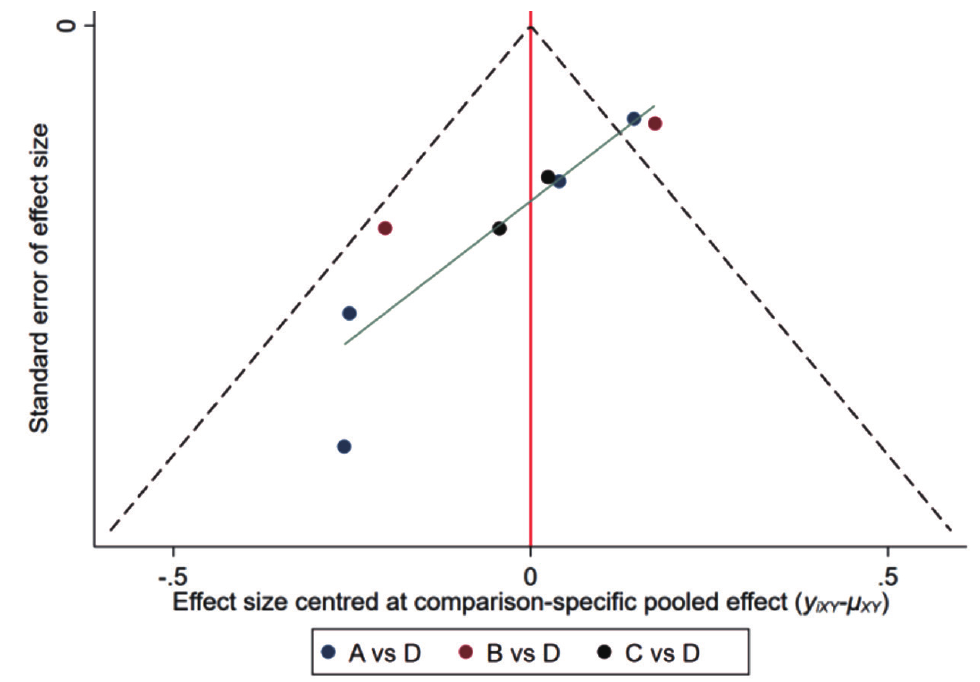
图9 不同艾灸总时长发表偏倚的漏斗图注:A为<300 min,B为300~600 min,C为>600 min,D为对照组。
Figure 9 Funnel plot for comparison of different total durations
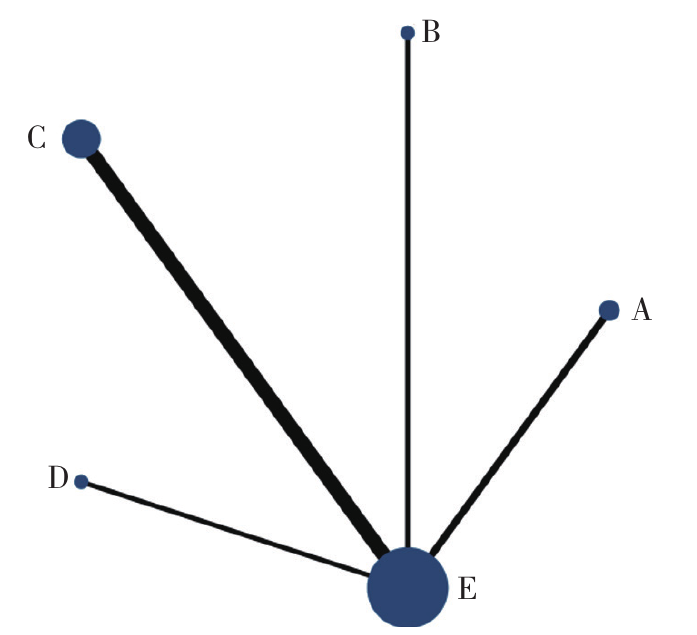
图10 不同选穴有效率的网状结构图注:A为躯干部穴位,B为四肢部穴位,C为远近配穴,D为阿是穴,E=对照组。
Figure 10 The network structure of effective rates for different acupoints
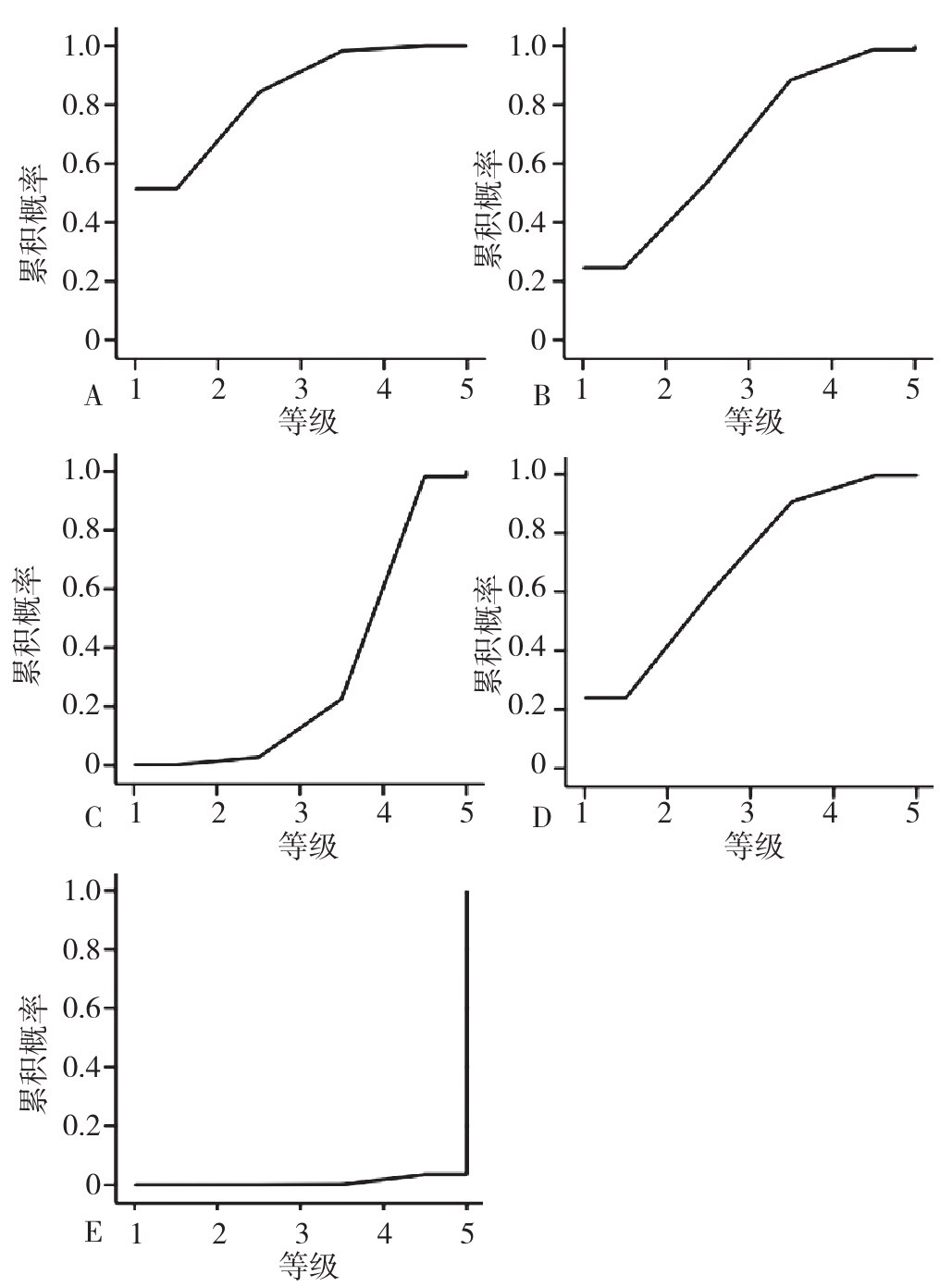
图11 不同选穴有效率的SUCRA注:A为躯干部穴位,B为四肢部穴位,C为远近配穴,D为阿是穴,E为对照组。
Figure 11 SUCRA diagram of different acupoints selected
| 选穴 | SUCRA | 排序 |
|---|---|---|
| 躯干部穴位 | 0.835 | 1 |
| 阿是穴 | 0.684 | 2 |
| 四肢部穴位 | 0.663 | 3 |
| 远近配穴 | 0.309 | 4 |
表6 不同选穴有效率的SUCRA及排序
Table 6 The SUCRA values of different acupoints selected
| 选穴 | SUCRA | 排序 |
|---|---|---|
| 躯干部穴位 | 0.835 | 1 |
| 阿是穴 | 0.684 | 2 |
| 四肢部穴位 | 0.663 | 3 |
| 远近配穴 | 0.309 | 4 |
| 选穴 | 躯干部穴位 | 阿是穴 | 四肢部穴位 |
|---|---|---|---|
| 阿是穴 | 1.05(0.86~1.28) | ||
| 四肢部穴位 | 1.05(0.85~1.30) | 1.00(0.80~1.26) | |
| 远近配穴 | 1.17(1.00~1.36)a | 1.11(0.94~1.32) | 1.11(0.93~1.32) |
表7 不同选穴有效率的比较[RR(95%CI)]
Table 7 League table of different acupoints
| 选穴 | 躯干部穴位 | 阿是穴 | 四肢部穴位 |
|---|---|---|---|
| 阿是穴 | 1.05(0.86~1.28) | ||
| 四肢部穴位 | 1.05(0.85~1.30) | 1.00(0.80~1.26) | |
| 远近配穴 | 1.17(1.00~1.36)a | 1.11(0.94~1.32) | 1.11(0.93~1.32) |
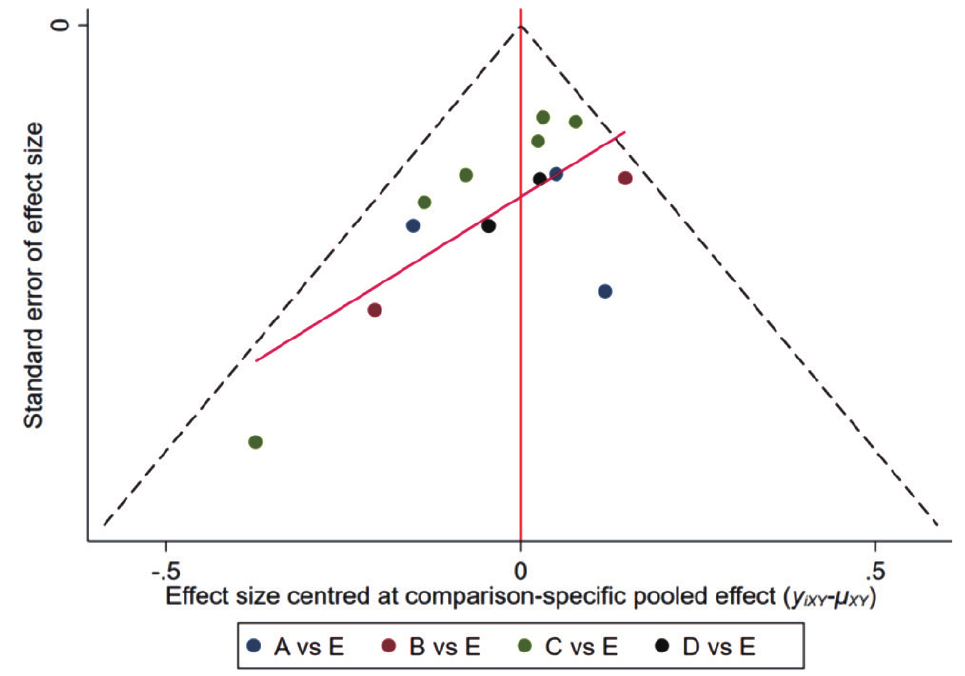
图12 不同选穴发表偏倚的漏斗图注:A为躯干部穴位,B为四肢部穴位,C为远近配穴,D为阿是穴,E为对照组。
Figure 12 Funnel diagram of different acupoints
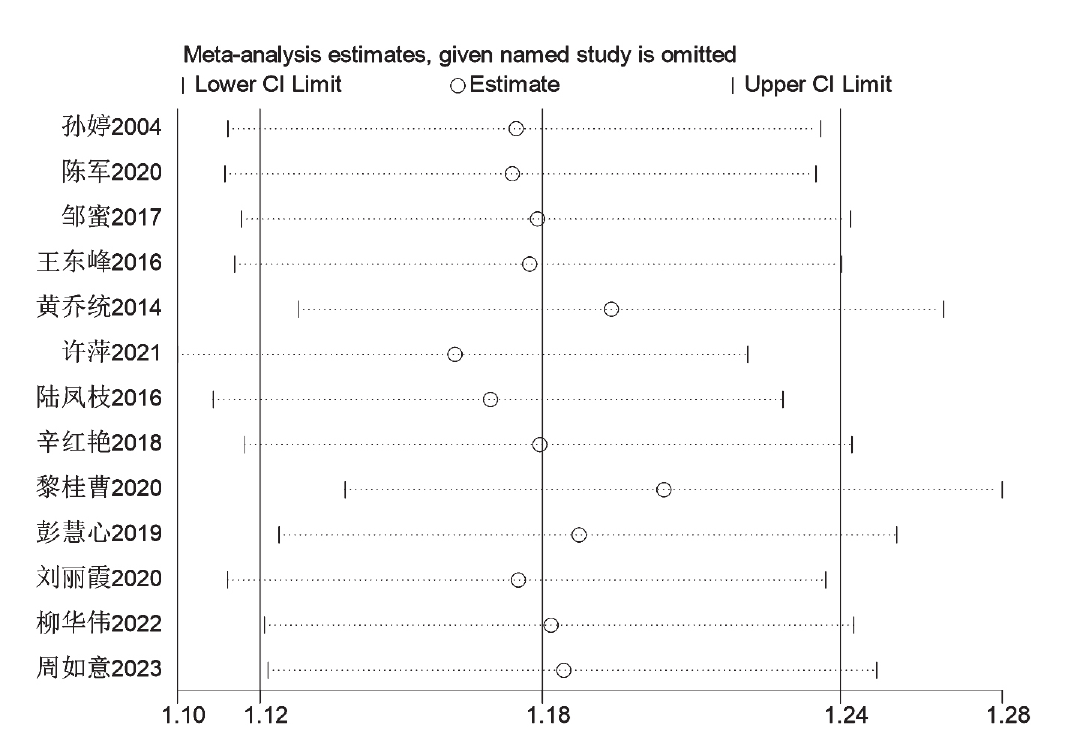
图13 敏感性分析结果
Figure 13 Results of sensitivity analysis
| 第一作者 | 时间(年) | 样本量(男/女) | 脱落 | 不良反应 | 处理情况 | ||
|---|---|---|---|---|---|---|---|
| T | C | T | C | ||||
| 孙婷[ | 2024 | 23/7 | 19/11 | 未脱落 | 恶心呕吐、头晕、嗜睡、便秘 | 恶心呕吐、头晕、嗜睡、便秘 | 无 |
| 黄乔统[ | 2014 | 24/26 | 23/27 | 未脱落 | 2例恶心,1例呕吐,1例便秘,0例排尿困难 | 6例恶心,5例呕吐,3例便秘,1例排尿困难 | 无 |
| 许萍[ | 2021 | 15/15 | 16/14 | 未脱落 | 2例恶心,1例便秘,1例呕吐 | 3例恶心,4例便秘,3例呕吐,2例排尿困难 | 无 |
| 辛红艳[ | 2018 | 25/25 | 26/24 | 未脱落 | 2例皮疹,1例腹泻 | 7例眼球震颤,6例嗜睡、眩晕,5例恶心、头昏,4例步态不稳,3例视觉模糊 | 无 |
| 黎桂曹[ | 2020 | 32/28 | 29/31 | 未脱落 | 1例恶心,1例呕吐,1例便秘 | 5例恶心,4例呕吐,4例便秘,3例排尿困难 | 无 |
| 彭慧心[ | 2019 | 19/11 | 16/14 | 未脱落 | 2例晕灸,3例水泡,3例食欲不振,2例口干,2例便秘 | 1例心悸,3例口干,2例食欲不振,4例头晕,2例便秘 | 均属轻度,未予特殊处理后亦自行恢复 |
| 刘丽霞[ | 2020 | 16/14 | 13/17 | 未脱落 | 1例嗜睡 | 2例呕吐,2例便秘 | 均较为轻微,短时间内可自行缓解 |
| 周如意[ | 2023 | 16/15 | 17/14 | 每组脱落3例 | 2例灸后衣物摩擦灸疮,致灸疮表面破损 | 采取以下方案进行处理:(1)碘伏棉球局部擦拭消毒;(2)予棉签蘸取少量"硫酸庆大莓素注射液"点涂创面预防感染;(3)再予"重组人表皮生长因子外用溶液"喷涂促进创面愈合;(4)予红外线治疗仪照射局部创面10 min,以受试者感温热为度,保持创面干燥。2例受试者后续创面愈合良好,无其他化脓灸相关不适,且能够继续较好的完成试验观察 | |
表10 不良反应及脱落情况
Table 10 Adverse reactions and dropout
| 第一作者 | 时间(年) | 样本量(男/女) | 脱落 | 不良反应 | 处理情况 | ||
|---|---|---|---|---|---|---|---|
| T | C | T | C | ||||
| 孙婷[ | 2024 | 23/7 | 19/11 | 未脱落 | 恶心呕吐、头晕、嗜睡、便秘 | 恶心呕吐、头晕、嗜睡、便秘 | 无 |
| 黄乔统[ | 2014 | 24/26 | 23/27 | 未脱落 | 2例恶心,1例呕吐,1例便秘,0例排尿困难 | 6例恶心,5例呕吐,3例便秘,1例排尿困难 | 无 |
| 许萍[ | 2021 | 15/15 | 16/14 | 未脱落 | 2例恶心,1例便秘,1例呕吐 | 3例恶心,4例便秘,3例呕吐,2例排尿困难 | 无 |
| 辛红艳[ | 2018 | 25/25 | 26/24 | 未脱落 | 2例皮疹,1例腹泻 | 7例眼球震颤,6例嗜睡、眩晕,5例恶心、头昏,4例步态不稳,3例视觉模糊 | 无 |
| 黎桂曹[ | 2020 | 32/28 | 29/31 | 未脱落 | 1例恶心,1例呕吐,1例便秘 | 5例恶心,4例呕吐,4例便秘,3例排尿困难 | 无 |
| 彭慧心[ | 2019 | 19/11 | 16/14 | 未脱落 | 2例晕灸,3例水泡,3例食欲不振,2例口干,2例便秘 | 1例心悸,3例口干,2例食欲不振,4例头晕,2例便秘 | 均属轻度,未予特殊处理后亦自行恢复 |
| 刘丽霞[ | 2020 | 16/14 | 13/17 | 未脱落 | 1例嗜睡 | 2例呕吐,2例便秘 | 均较为轻微,短时间内可自行缓解 |
| 周如意[ | 2023 | 16/15 | 17/14 | 每组脱落3例 | 2例灸后衣物摩擦灸疮,致灸疮表面破损 | 采取以下方案进行处理:(1)碘伏棉球局部擦拭消毒;(2)予棉签蘸取少量"硫酸庆大莓素注射液"点涂创面预防感染;(3)再予"重组人表皮生长因子外用溶液"喷涂促进创面愈合;(4)予红外线治疗仪照射局部创面10 min,以受试者感温热为度,保持创面干燥。2例受试者后续创面愈合良好,无其他化脓灸相关不适,且能够继续较好的完成试验观察 | |
| [1] |
|
| [2] |
|
| [3] |
|
| [4] | |
| [5] |
|
| [6] |
|
| [7] |
中国医师协会疼痛科医师分会中华医学会疼痛学分会国家疼痛专业医疗质量控制中心, 北京市疼痛治疗质量控制和改进中心. 癌症相关性疼痛评估中国专家共识(2023版)[J]. 中国疼痛医学杂志, 2023, 29(12): 881-886. DOI: 10.3969/j.issn.1006-9852.2023.12.001.
|
| [8] |
周慧灵, 宋丽君, 马雪娇, 等. 癌性疼痛评价方法及其评价工具的研究现状[J]. 世界中医药, 2021, 16(13): 1932-1936. DOI: 10.3969/j.issn.1673-7202.2021.13.003.
|
| [9] |
|
| [10] |
孙婷, 蔡梦玉, 朱明修, 等. 艾灸阿是穴联合三阶梯止痛法治疗癌性疼痛临床观察[J]. 湖北中医药大学学报, 2024, 26(2): 82-84. DOI: 10.3969/j.issn.1008-987x.2024.02.22.
|
| [11] |
陈军, 乔海法, 李静, 等. 艾灸背俞穴联合羟考酮缓释片干预癌痛临床研究[J]. 陕西中医, 2020, 41(1): 105-107. DOI: 10.3969/j.issn.1000-7369.2020.01.030.
|
| [12] |
邹蜜. 艾灸对晚期胃癌患者癌性疼痛缓解及生命质量的影响[J]. 医疗装备, 2017, 30(23): 171-172. DOI: 10.3969/j.issn.1002-2376.2017.23.105.
|
| [13] |
王东峰, 刘秋梅, 路涵, 等. 督脉灸加护理干预对癌症疼痛患者生活质量的影响[J]. 中国民间疗法, 2016, 24(2): 83-84. DOI: 10.19621/j.cnki.11-3555/r.2016.02.070.
|
| [14] |
黄乔统, 陈莲, 蒋云峰. 加用雷火灸干预治疗中重度癌性疼痛的效果观察[J]. 广西中医药, 2014, 37(6): 37-38.
|
| [15] |
许萍, 许雯, 袁友辉, 等. 雷火灸联合阿片类药物治疗癌性疼痛的疗效观察[J]. 检验医学与临床, 2021, 18(19): 2875-2877. DOI: 10.3969/j.issn.1672-9455.2021.19.025.
|
| [16] |
陆凤枝. 雷火灸与西药用于中重度癌性疼痛患者治疗中的临床疗效[J]. 临床医药文献电子杂志, 2016, 3(57): 11426. DOI: 10.16281/j.cnki.jocml.2016.57.126.
|
| [17] |
辛红艳. 雷火灸治疗中重度癌性疼痛的效果观察[J]. 中西医结合心血管病电子杂志, 2018, 6(9): 147, 150. DOI: 10.16282/j.cnki.cn11-9336/r.2018.09.103.
|
| [18] |
黎桂曹, 廖子龙, 张洋, 等. 雷火灸治疗中重度癌性疼痛患者的效果观察[J]. 中文科技期刊数据库(全文版)医药卫生, 2020(12): 153-154.
|
| [19] |
彭慧心. 麦粒灸四花配募合穴治疗大肠癌疼痛的临床研究[D]. 广州: 广州中医药大学, 2019.
|
| [20] |
刘丽霞. 热敏灸辅助治疗中度肝癌痛的疗效及对TNF-a、IL-2的影响[J]. 上海针灸杂志, 2020, 39(6): 692-696. DOI: 10.13460/j.issn.1005-0957.2020.06.0692.
|
| [21] |
柳华伟, 刘祖琴, 王万里. 热敏灸联合阿片类药物治疗虚型癌痛增效作用研究[J]. 光明中医, 2022, 37(6): 1056-1059. DOI: 10.3969/j.issn.1003-8914.2022.06.047.
|
| [22] |
周如意. 足三里化脓灸治疗胃癌患者癌性疼痛的临床疗效观察[D]. 成都: 成都中医药大学, 2023.
|
| [23] | |
| [24] |
赵传琳, 任秦有, 郑瑾, 等. 癌性疼痛的中医外治法研究进展[J]. 中国中医急症, 2021, 30(4): 740-744. DOI: 10.3969/j.issn.1004-745X.2021.04.049.
|
| [25] |
甄斯杰, 崔花顺, 梅久红. 针灸治疗癌症疼痛的研究进展[J]. 山西医药杂志, 2020, 49(24): 3407-3409. DOI: 10.3969/j.issn.0253-9926.2020.24.013.
|
| [26] | |
| [27] |
刘芮寒, 王芳. 基于文献计量学的单独温和灸治疗的优势病种[J]. 全科护理, 2017, 15(19): 2305-2308. DOI: 10.3969/j.issn.1674-4748.2017.19.001.
|
| [28] | |
| [29] |
刘今, 刘君, 王雪松, 等. 不同剂量麦粒灸对寒湿凝滞型原发性痛经患者子宫动脉血流影响的比较研究[J]. 针刺研究, 2024, 49(7): 760-766. DOI: 10.13702/j.1000-0607.20230026.
|
| [30] |
谢华, 易受乡, 易展, 等. 灸法量效关系的研究进展与思考[J]. 中华中医药学刊, 2010, 28(5): 1003-1005. DOI: 10.13193/j.archtcm.2010.05.109.xieh.018.
|
| [31] |
王诗妍, 李瑞星, 徐萍萍, 等. 俞募配穴的作用机制及临床应用研究进展[J]. 世界中西医结合杂志, 2019, 14(12): 1764-1767. DOI: 10.13935/j.cnki.sjzx.191234.
|
| [32] |
黄奏琴, 裴建, 王伟明. 浅述针灸穴位配伍的研究进展[J]. 中华针灸电子杂志, 2015, 4(1): 19-23. DOI: 10.3877/cma.j.issn.2095-3240.2015.01.006.
|
| [33] |
黄碧春, 何玲玲, 杨柳, 等.基于关联规则分析灸法干预癌性疼痛的选穴规律研究[J].山西中医药大学学报, 2023, 24(2): 144-148. DOI: 10.19763/j.cnki.2096-7403.2023.02.06.
|
| [34] |
|
| [1] | 李俞彤, 赵丹廷, 江枫, 王艳娜, 刘益宗, 梁文娟, 陆家海. 呼吸道合胞病毒mRNA疫苗与重组蛋白亚单位疫苗有效性和安全性的系统评价与Meta分析[J]. 中国全科医学, 2026, 29(19): 2744-2752. |
| [2] | 何雨玲, 林梅群, 骆惠玉, 黄文婷, 蒋丽琴, 朱虹玉. 癌性疼痛患者管理指南系统评价[J]. 中国全科医学, 2025, 28(33): 4199-4205. |
| [3] | 李淏, 李沛瑾, 刘婷婷, 崔译元, 李思聪, 刘丽星, 冯利, 癌性疼痛中西医结合诊疗指南工作组. 癌性疼痛中西医结合诊疗指南[J]. 中国全科医学, 2025, 28(30): 3729-3740. |
| [4] | 全家霖, 朱琳, 苏煜, 陈泽恺, 陈梓淇, 张卓凡. 运动方式对超重或肥胖儿童青少年执行功能改善效果的网状Meta分析[J]. 中国全科医学, 2025, 28(27): 3422-3431. |
| [5] | 李浩, 李江涛, 刘丹, 王建军. 贝利尤单抗和阿尼鲁单抗及泰它西普治疗系统性红斑狼疮疗效和安全性的网状Meta分析[J]. 中国全科医学, 2025, 28(23): 2924-2933. |
| [6] | 马盼盼, 王思静, 游娜, 丁大法, 鲁一兵. Danuglipron与Orforglipron治疗2型糖尿病疗效及安全性的Meta分析[J]. 中国全科医学, 2025, 28(21): 2679-2685. |
| [7] | 阿迪力·吐尔孙, 程刚. 非奈利酮治疗2型糖尿病肾病有效性和安全性的Meta分析[J]. 中国全科医学, 2025, 28(21): 2686-2691. |
| [8] | 何芸, 范焕芳, 马盼, 许绍青, 杨柳, 金明哲, 张明蕊, 陈佳琪. 不同针灸治疗方式干预乳腺癌术后上肢淋巴水肿效果的网状Meta分析[J]. 中国全科医学, 2025, 28(14): 1788-1794. |
| [9] | 朱胜杰, 刁华琼, 杭晓屹, 孙文军. 不同中成药注射液治疗后循环缺血性眩晕效果的网状Meta分析[J]. 中国全科医学, 2025, 28(14): 1795-1808. |
| [10] | 迟洵, 刘思思, 陈巧, 胡玥, 王伟仙. 不同营养筛查工具对肝硬化患者营养筛查适用性的网状Meta分析[J]. 中国全科医学, 2025, 28(11): 1395-1402. |
| [11] | 谷明宇, 秦廷廷, 乔昆, 白欣苑, 王尧, 杨宇彤, 李星明. 中国基层高血压管理模式的网状Meta分析[J]. 中国全科医学, 2025, 28(10): 1265-1272. |
| [12] | 宋芬芬, 李胜棉. 基于卡瑞利珠单抗的方案治疗局部晚期及转移性食管癌的真实世界研究[J]. 中国全科医学, 2025, 28(07): 844-852. |
| [13] | 郭佳, 曹春梅, 刘国纯, 郑满, 朱芮含, 龙伟. 不同运动方式对失眠患者睡眠影响效果的网状Meta分析[J]. 中国全科医学, 2024, 27(35): 4376-4387. |
| [14] | 何帮靖, 周明旺, 张朋威. 雌激素及其受体在病理性疼痛中的作用机制[J]. 中国全科医学, 2024, 27(33): 4204-4209. |
| [15] | 黄腾佳, 曹曦, 陈蕾, 李子滢, 秦莉花. 非药物治疗脑卒中后肩手综合征有效性的网状Meta分析[J]. 中国全科医学, 2024, 27(23): 2921-2930. |
| 阅读次数 | ||||||
|
全文 |
|
|||||
|
摘要 |
|
|||||