
Chinese General Practice ›› 2026, Vol. 29 ›› Issue (07): 858-863.DOI: 10.12114/j.issn.1007-9572.2024.0240
Special Issue: 老年人群健康最新文章合辑
• Chinese General Practice/Community Health Service • Previous Articles Next Articles
Received:2025-06-15
Revised:2025-11-29
Published:2026-03-05
Online:2026-02-13
Contact:
LIU Shanshan, ZHANG Yimin
通讯作者:
刘姗姗, 张宜民
作者简介:作者贡献:
唐馨怡负责文章构思及论文写作;胡新雨负责文章的设计与文献收集;刘姗姗、张宜民负责文章的质量控制与审查,对文章整体负责,监督管理。
基金资助:CLC Number:
Add to citation manager EndNote|Ris|BibTeX
URL: https://www.chinagp.net/EN/10.12114/j.issn.1007-9572.2024.0240
| 项目 | 匹配前 | 匹配后 | ||||||
|---|---|---|---|---|---|---|---|---|
| 未建档组(n=10 137) | 建档组(n=1 244) | χ2值 | P值 | 未建档组(n=1 244) | 建档组(n=1 244) | χ2值 | P值 | |
| 性别 | 0.097 | 0.755 | 0.058 | 0.810 | ||||
| 男 | 5 116(50.5) | 622(50.0) | 628(50.2) | 622(50.0) | ||||
| 女 | 5 021(49.5) | 622(50.0) | 616(49.8) | 622(50.0) | ||||
| 年龄 | 8.157 | 0.017 | 0.323 | 0.851 | ||||
| 60~69岁 | 4 521(44.6) | 503(40.4) | 490(39.4) | 503(40.4) | ||||
| 70~79岁 | 4 194(41.4) | 546(43.9) | 559(44.9) | 546(43.9) | ||||
| 80岁及以上 | 1 422(14.0) | 195(15.7) | 195(15.7) | 195(15.7) | ||||
| 居住地区 | 0.485 | 0.486 | 0.530 | 0.466 | ||||
| 农村 | 4 571(45.1) | 548(44.1) | 530(42.6) | 548(44.1) | ||||
| 非农村 | 5 566(54.9) | 696(55.9) | 714(57.4) | 696(55.9) | ||||
| 受教育程度 | 69.367 | <0.001 | 0.016 | 0.919 | ||||
| 文盲 | 2 482(24.5) | 177(14.2) | 177(14.2) | 177(14.2) | ||||
| 小学/私塾/扫盲班 | 4 114(40.6) | 556(44.7) | 558(44.9) | 556(44.7) | ||||
| 初中/中专 | 3 313(32.7) | 468(37.6) | 467(37.5) | 468(37.6) | ||||
| 大专及以上 | 228(2.2) | 43(3.5) | 42(3.4) | 43(3.5) | ||||
| 自评健康 | 86.658 | <0.001 | 1.290 | 0.896 | ||||
| 不健康 | 1 510(14.9) | 298(24.0) | 307(24.7) | 298(24.0) | ||||
| 一般 | 3 734(36.8) | 482(38.7) | 473(38.0) | 482(38.7) | ||||
| 健康 | 4 893(48.3) | 464(37.3) | 464(37.3) | 464(37.3) | ||||
| 患慢性病 | 55.631 | <0.001 | 0.088 | 0.766 | ||||
| 是 | 7 860(77.5) | 1 079(86.7) | 1 084(87.1) | 1 079(86.7) | ||||
| 否 | 2 277(22.5) | 165(13.3) | 160(12.9) | 165(13.3) | ||||
| 婚姻状况 | 0.004 | 0.947 | 0.265 | 0.607 | ||||
| 其他情况 | 2 493(24.6) | 307(24.7) | 296(23.8) | 307(24.7) | ||||
| 已婚有配偶 | 7 644(75.4) | 937(75.3) | 948(76.2) | 937(75.3) | ||||
| 两年内住院次数 | 17.116 | <0.001 | 2.080 | 0.353 | ||||
| 0次 | 7 729(79.2) | 892(71.7) | 888(71.4) | 892(71.7) | ||||
| 1~2次 | 2 165(21.4) | 304(24.4) | 319(25.6) | 304(24.4) | ||||
| 3次及以上 | 243(2.4) | 48(3.9) | 36(3.0) | 48(3.9) | ||||
| 养老服务利用 | 262.279 | <0.001 | 0.020 | 0.888 | ||||
| 是 | 934(9.2) | 303(24.4) | 300(24.1) | 303(24.4) | ||||
| 否 | 9 203(90.8) | 941(75.6) | 944(75.9) | 941(75.6) | ||||
Table 1 Comparison of general situation of the elderly health records establishment before and after PSM
| 项目 | 匹配前 | 匹配后 | ||||||
|---|---|---|---|---|---|---|---|---|
| 未建档组(n=10 137) | 建档组(n=1 244) | χ2值 | P值 | 未建档组(n=1 244) | 建档组(n=1 244) | χ2值 | P值 | |
| 性别 | 0.097 | 0.755 | 0.058 | 0.810 | ||||
| 男 | 5 116(50.5) | 622(50.0) | 628(50.2) | 622(50.0) | ||||
| 女 | 5 021(49.5) | 622(50.0) | 616(49.8) | 622(50.0) | ||||
| 年龄 | 8.157 | 0.017 | 0.323 | 0.851 | ||||
| 60~69岁 | 4 521(44.6) | 503(40.4) | 490(39.4) | 503(40.4) | ||||
| 70~79岁 | 4 194(41.4) | 546(43.9) | 559(44.9) | 546(43.9) | ||||
| 80岁及以上 | 1 422(14.0) | 195(15.7) | 195(15.7) | 195(15.7) | ||||
| 居住地区 | 0.485 | 0.486 | 0.530 | 0.466 | ||||
| 农村 | 4 571(45.1) | 548(44.1) | 530(42.6) | 548(44.1) | ||||
| 非农村 | 5 566(54.9) | 696(55.9) | 714(57.4) | 696(55.9) | ||||
| 受教育程度 | 69.367 | <0.001 | 0.016 | 0.919 | ||||
| 文盲 | 2 482(24.5) | 177(14.2) | 177(14.2) | 177(14.2) | ||||
| 小学/私塾/扫盲班 | 4 114(40.6) | 556(44.7) | 558(44.9) | 556(44.7) | ||||
| 初中/中专 | 3 313(32.7) | 468(37.6) | 467(37.5) | 468(37.6) | ||||
| 大专及以上 | 228(2.2) | 43(3.5) | 42(3.4) | 43(3.5) | ||||
| 自评健康 | 86.658 | <0.001 | 1.290 | 0.896 | ||||
| 不健康 | 1 510(14.9) | 298(24.0) | 307(24.7) | 298(24.0) | ||||
| 一般 | 3 734(36.8) | 482(38.7) | 473(38.0) | 482(38.7) | ||||
| 健康 | 4 893(48.3) | 464(37.3) | 464(37.3) | 464(37.3) | ||||
| 患慢性病 | 55.631 | <0.001 | 0.088 | 0.766 | ||||
| 是 | 7 860(77.5) | 1 079(86.7) | 1 084(87.1) | 1 079(86.7) | ||||
| 否 | 2 277(22.5) | 165(13.3) | 160(12.9) | 165(13.3) | ||||
| 婚姻状况 | 0.004 | 0.947 | 0.265 | 0.607 | ||||
| 其他情况 | 2 493(24.6) | 307(24.7) | 296(23.8) | 307(24.7) | ||||
| 已婚有配偶 | 7 644(75.4) | 937(75.3) | 948(76.2) | 937(75.3) | ||||
| 两年内住院次数 | 17.116 | <0.001 | 2.080 | 0.353 | ||||
| 0次 | 7 729(79.2) | 892(71.7) | 888(71.4) | 892(71.7) | ||||
| 1~2次 | 2 165(21.4) | 304(24.4) | 319(25.6) | 304(24.4) | ||||
| 3次及以上 | 243(2.4) | 48(3.9) | 36(3.0) | 48(3.9) | ||||
| 养老服务利用 | 262.279 | <0.001 | 0.020 | 0.888 | ||||
| 是 | 934(9.2) | 303(24.4) | 300(24.1) | 303(24.4) | ||||
| 否 | 9 203(90.8) | 941(75.6) | 944(75.9) | 941(75.6) | ||||
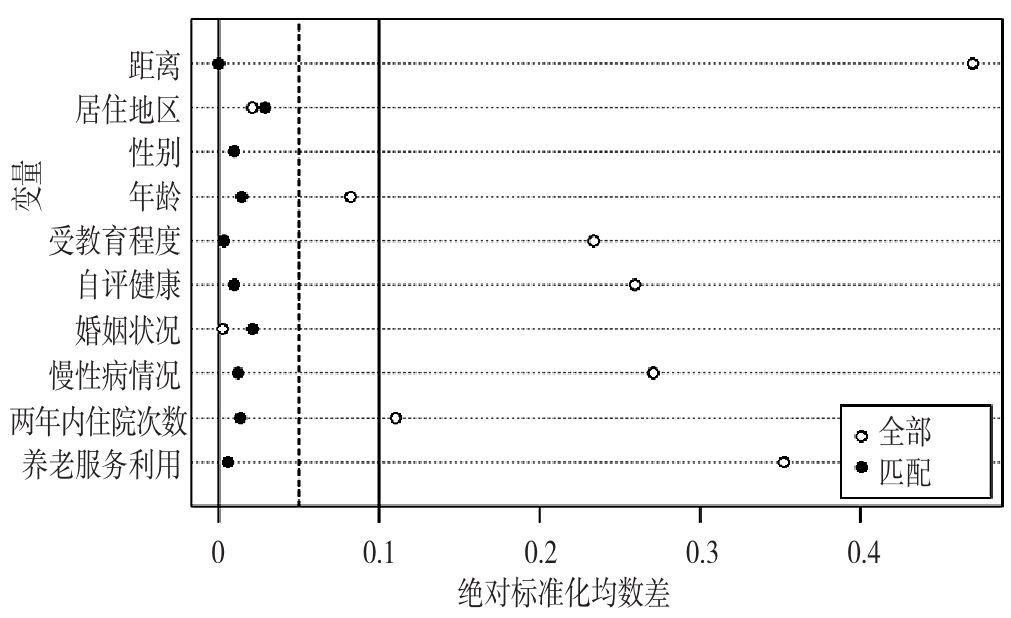
Figure 1 Distribution of balance before and after matching
| 变量 | 自行处理 | 专科/综合医院就医 | 基层医疗卫生机构就医 | χ2值 | P值 |
|---|---|---|---|---|---|
| 自变量 | |||||
| 健康档案建立 | 65.790 | <0.001 | |||
| 是 | 361(29.0) | 247(19.8) | 636(51.2) | ||
| 否 | 544(43.7) | 153(12.2) | 547(44.0) | ||
| 控制变量 | |||||
| 性别 | 0.656 | 0.720 | |||
| 男 | 445(35.6) | 204(16.3) | 601(48.1) | ||
| 女 | 460(37.1) | 196(15.8) | 582(47.1) | ||
| 年龄 | 2.853 | 0.583 | |||
| 60~69岁 | 371(37.3) | 148(14.9) | 474(47.8) | ||
| 70~79岁 | 401(36.3) | 181(16.4) | 523(47.3) | ||
| 80岁及以上 | 133(34.1) | 71(18.2) | 186(47.7) | ||
| 居住地区 | 47.431 | <0.001 | |||
| 农村 | 364(33.7) | 125(11.6) | 589(54.7) | ||
| 非农村 | 541(38.4) | 275(19.5) | 594(42.1) | ||
| 受教育程度 | 6.894 | 0.331 | |||
| 文盲 | 119(33.6) | 50(14.1) | 185(52.3) | ||
| 小学/私塾/扫盲班 | 420(37.7) | 183(16.4) | 511(45.9) | ||
| 初中/中专 | 341(36.5) | 154(16.5) | 440(47.0) | ||
| 大专及以上 | 25(29.4) | 13(15.3) | 47(55.3) | ||
| 自评健康 | 78.583 | <0.001 | |||
| 不健康 | 198(32.7) | 162(26.8) | 245(40.5) | ||
| 一般 | 353(37.0) | 146(15.3) | 456(47.7) | ||
| 健康 | 354(38.1) | 92(9.9) | 482(52.0) | ||
| 慢性病情况 | 78.733 | <0.001 | |||
| 是 | 729(33.7) | 393(18.1) | 1 041(48.2) | ||
| 否 | 176(54.2) | 7(2.2) | 142(43.6) | ||
| 婚姻状况 | 0.784 | 0.676 | |||
| 其他情况 | 222(36.8) | 90(14.9) | 291(48.3) | ||
| 已婚有配偶 | 683(36.2) | 310(16.4) | 892(47.4) | ||
| 两年内住院次数 | 8.166 | 0.086 | |||
| 0次 | 673(37.7) | 285(16.1) | 823(46.2) | ||
| 1~2次 | 204(32.7) | 106(17.0) | 313(50.3) | ||
| 3次及以上 | 28(33.3) | 9(10.7) | 47(56.0) | ||
| 养老服务利用 | 37.724 | <0.001 | |||
| 是 | 164(27.2) | 89(14.8) | 350(58.0) | ||
| 否 | 741(39.3) | 311(16.5) | 833(44.2) | ||
Table 2 The univariate analysis of the relationship between health records establishment and medical seeking behavior among the elderly
| 变量 | 自行处理 | 专科/综合医院就医 | 基层医疗卫生机构就医 | χ2值 | P值 |
|---|---|---|---|---|---|
| 自变量 | |||||
| 健康档案建立 | 65.790 | <0.001 | |||
| 是 | 361(29.0) | 247(19.8) | 636(51.2) | ||
| 否 | 544(43.7) | 153(12.2) | 547(44.0) | ||
| 控制变量 | |||||
| 性别 | 0.656 | 0.720 | |||
| 男 | 445(35.6) | 204(16.3) | 601(48.1) | ||
| 女 | 460(37.1) | 196(15.8) | 582(47.1) | ||
| 年龄 | 2.853 | 0.583 | |||
| 60~69岁 | 371(37.3) | 148(14.9) | 474(47.8) | ||
| 70~79岁 | 401(36.3) | 181(16.4) | 523(47.3) | ||
| 80岁及以上 | 133(34.1) | 71(18.2) | 186(47.7) | ||
| 居住地区 | 47.431 | <0.001 | |||
| 农村 | 364(33.7) | 125(11.6) | 589(54.7) | ||
| 非农村 | 541(38.4) | 275(19.5) | 594(42.1) | ||
| 受教育程度 | 6.894 | 0.331 | |||
| 文盲 | 119(33.6) | 50(14.1) | 185(52.3) | ||
| 小学/私塾/扫盲班 | 420(37.7) | 183(16.4) | 511(45.9) | ||
| 初中/中专 | 341(36.5) | 154(16.5) | 440(47.0) | ||
| 大专及以上 | 25(29.4) | 13(15.3) | 47(55.3) | ||
| 自评健康 | 78.583 | <0.001 | |||
| 不健康 | 198(32.7) | 162(26.8) | 245(40.5) | ||
| 一般 | 353(37.0) | 146(15.3) | 456(47.7) | ||
| 健康 | 354(38.1) | 92(9.9) | 482(52.0) | ||
| 慢性病情况 | 78.733 | <0.001 | |||
| 是 | 729(33.7) | 393(18.1) | 1 041(48.2) | ||
| 否 | 176(54.2) | 7(2.2) | 142(43.6) | ||
| 婚姻状况 | 0.784 | 0.676 | |||
| 其他情况 | 222(36.8) | 90(14.9) | 291(48.3) | ||
| 已婚有配偶 | 683(36.2) | 310(16.4) | 892(47.4) | ||
| 两年内住院次数 | 8.166 | 0.086 | |||
| 0次 | 673(37.7) | 285(16.1) | 823(46.2) | ||
| 1~2次 | 204(32.7) | 106(17.0) | 313(50.3) | ||
| 3次及以上 | 28(33.3) | 9(10.7) | 47(56.0) | ||
| 养老服务利用 | 37.724 | <0.001 | |||
| 是 | 164(27.2) | 89(14.8) | 350(58.0) | ||
| 否 | 741(39.3) | 311(16.5) | 833(44.2) | ||
| 变量 | B | SE | Waldχ2值 | P值 | OR(95%CI) |
|---|---|---|---|---|---|
| 专科/综合医院就医 | |||||
| 健康档案建立(以否为参照) | |||||
| 是 | 0.954 | 0.127 | 56.440 | <0.001 | 2.596(2.024~3.330) |
| 居住地区(以农村为参照) | |||||
| 非农村 | 0.337 | 0.132 | 6.491 | 0.011 | 1.401(1.081~1.815) |
| 自评健康(以不健康为参照) | |||||
| 一般 | -0.622 | 0.151 | 17.059 | <0.001 | 0.537(0.400~0.721) |
| 健康 | -0.914 | 0.164 | 30.863 | <0.001 | 0.401(0.291~0.554) |
| 慢性病情况(以否为参照) | |||||
| 是 | 2.471 | 0.394 | 39.282 | <0.001 | 11.829(5.463~25.614) |
| 养老服务利用(以否为参照) | |||||
| 是 | 0.070 | 0.155 | 0.204 | 0.652 | 1.072(0792~1.453) |
| 基层医疗卫生机构就医 | |||||
| 健康档案建立(以否为参照) | |||||
| 是 | 0.573 | 0.091 | 39.539 | <0.001 | 1.774(1.484~2.122) |
| 居住地区(以农村为参照) | |||||
| 非农村 | -0.399 | 0.092 | 18.915 | <0.001 | 0.671(0.561~0.803) |
| 自评健康(以不健康为参照) | |||||
| 一般 | 0.120 | 0.123 | 0.950 | 0.330 | 1.128(0.886~1.436) |
| 健康 | 0.227 | 0.124 | 3.352 | 0.067 | 1.255(0.984~1.601) |
| 慢性病情况(以否为参照) | |||||
| 是 | 0.597 | 0.128 | 21.693 | <0.001 | 1.816(1.413~2.334) |
| 养老服务利用(以否为参照) | |||||
| 是 | 0.652 | 0.111 | 34.734 | <0.001 | 0.671(0.561~0.816) |
Table 3 Unordered multiclass Logistic regression analysis of the relationship between health records establishment and medical seeking behavior among the elderly
| 变量 | B | SE | Waldχ2值 | P值 | OR(95%CI) |
|---|---|---|---|---|---|
| 专科/综合医院就医 | |||||
| 健康档案建立(以否为参照) | |||||
| 是 | 0.954 | 0.127 | 56.440 | <0.001 | 2.596(2.024~3.330) |
| 居住地区(以农村为参照) | |||||
| 非农村 | 0.337 | 0.132 | 6.491 | 0.011 | 1.401(1.081~1.815) |
| 自评健康(以不健康为参照) | |||||
| 一般 | -0.622 | 0.151 | 17.059 | <0.001 | 0.537(0.400~0.721) |
| 健康 | -0.914 | 0.164 | 30.863 | <0.001 | 0.401(0.291~0.554) |
| 慢性病情况(以否为参照) | |||||
| 是 | 2.471 | 0.394 | 39.282 | <0.001 | 11.829(5.463~25.614) |
| 养老服务利用(以否为参照) | |||||
| 是 | 0.070 | 0.155 | 0.204 | 0.652 | 1.072(0792~1.453) |
| 基层医疗卫生机构就医 | |||||
| 健康档案建立(以否为参照) | |||||
| 是 | 0.573 | 0.091 | 39.539 | <0.001 | 1.774(1.484~2.122) |
| 居住地区(以农村为参照) | |||||
| 非农村 | -0.399 | 0.092 | 18.915 | <0.001 | 0.671(0.561~0.803) |
| 自评健康(以不健康为参照) | |||||
| 一般 | 0.120 | 0.123 | 0.950 | 0.330 | 1.128(0.886~1.436) |
| 健康 | 0.227 | 0.124 | 3.352 | 0.067 | 1.255(0.984~1.601) |
| 慢性病情况(以否为参照) | |||||
| 是 | 0.597 | 0.128 | 21.693 | <0.001 | 1.816(1.413~2.334) |
| 养老服务利用(以否为参照) | |||||
| 是 | 0.652 | 0.111 | 34.734 | <0.001 | 0.671(0.561~0.816) |
| [1] |
祝子雯. 城乡公共卫生服务均等化问题研究[D]. 武汉: 中南财经政法大学, 2022.
|
| [2] |
李凡婕. 居民健康档案政策对慢性病患者就医行为的影响[J]. 企业导报, 2016(7): 181-182.
|
| [3] |
魏泽鹏.城市社区老年人健康干预的小组工作研究——以Z社区为例[D].重庆: 重庆工商大学, 2023.
|
| [4] |
任青蔓,任晓晖. 子女代际支持对老年人就医行为的影响研究[J]. 四川大学学报(医学版), 2023, 54(3): 614-619.
|
| [5] |
逢慧君,钟林,周一技. 平湖市2022—2023年县域医共体模式下老年脑血管疾病共病患者管理需求的调查分析[J]. 中国乡村医药, 2024, 31(5): 60-63. DOI: 10.19542/j.cnki.1006-5180.2303-258.
|
| [6] |
李传艳,丁艳丽,杨红蕾,等. "医院-家庭-互联网"模型下老年高血压患者护理需求及满意度调查分析[J]. 齐鲁护理杂志, 2023, 29(23): 86-89. DOI: 10.3969/j.issn.1006-7256.2023.23.025.
|
| [7] |
刘丹,夏佳敏,邱雪荣. 社区老年人分级分类健康管理情况调查分析[J]. 宁夏医学杂志, 2023, 45(9): 863-864.
|
| [8] |
孙铮,郝艳青,张敏. 泰安市社区围绝经期妇女生殖道感染保健服务利用影响因素研究[J]. 社区医学杂志, 2013, 11(6): 13-15.
|
| [9] |
杜洁,王娜,于丽平,等. 少数民族流动人口健康状况及影响因素分析[J]. 中国公共卫生, 2022, 38(7): 917-921. .
|
| [10] |
曾雁冰,袁志鹏,方亚. 中国老年人就医行为及其影响因素研究[J]. 中国卫生统计, 2020, 37(2): 199-205.
|
| [11] |
付舒,韦兵. 全周期健康管理视角下老年人就医行为影响因素研究[J]. 卫生经济研究, 2024, 41(2): 56-60.
|
| [12] |
周华波. 中老年群体基层医疗机构就诊行为的影响因素研究[D]. 成都: 西南财经大学, 2022.
|
| [13] |
赵创艺,杨媛,袁空军,等. 基于倾向性评分匹配法探索社会活动参与对老年人健康的影响[J]. 中华疾病控制杂志, 2023, 27(8): 974-978.
|
| [14] |
李智博,蒋芸杰,杨姗姗,等. 谵妄对重症监护病房急性心肌梗死患者住院病死率的影响[J]. 实用医学杂志, 2022, 38(23): 2952-2956. DOI: 10.3969/j.issn.1006-5725.2022.23.011.
|
| [15] |
赖莎,高建民,杨晓玮,等. 新医改背景下农村慢性病患者就医行为研究——基于陕西农村家庭健康询问调查数据的分析[J]. 中国卫生事业管理, 2015, 32(4): 291-293, 316.
|
| [16] |
汤榕,孙玉凤,马小花,等. 宁夏老年人医疗保健需求情况的影响因素分析[J]. 医学与社会, 2024, 37(5): 18-23, 39.
|
| [17] |
王楠,吴群红,冯亚杰,等. 健康档案建立对中青年流动人口慢性病患者健康管理服务利用的影响——以高血压和2型糖尿病为例[J]. 现代预防医学, 2024, 51(9): 1630-1636.
|
| [18] |
李洪涛. 浅谈如何提升乡镇卫生院档案管理工作水平[J]. 黑龙江档案, 2024(2): 114-116.
|
| [19] |
杨淋淋. 重庆市主城区居民健康档案建立、认知、利用及评价现况研究[D]. 重庆: 重庆医科大学, 2020.
|
| [20] |
赵骎骎,冯祥,钱东福,等. "健康中国"背景下某市中老年居民就医方式及其影响因素研究[J]. 中国农村卫生事业管理, 2020, 40(3): 160-165.
|
| [21] |
康锐. 武陵地区农村老年人就医现状研究——以恩施州洞下槽村为例[D]. 恩施: 湖北民族大学, 2021.
|
| [22] |
阙成博. 我国中老年居民首诊的医疗机构选择研究[D]. 武汉: 中南民族大学, 2021.
|
| [23] |
蔡雨萌,朱怡,颜时姣,等. 中国居民两周患病基层医疗卫生机构就诊情况及其影响因素分析[J]. 中国公共卫生, 2023, 39(6): 725-729. DOI: 10.11847/zgggws1140784.
|
| [24] |
覃帆,杨连招,陈玲,等. 老年慢性病共病病人社区就医行为影响因素的质性研究[J]. 全科护理, 2024, 22(4): 718-722.
|
| [25] | |
| [26] |
申悦,李亮. 年龄分层视角下医疗设施可达性对居民就医行为的影响——以上海市崇明岛为例[J]. 人文地理, 2021, 36(2): 46-54.
|
| [27] |
农圣,黄二丹,韩汶静,等. 分级诊疗及取消药品加成影响患者流向的政策合力[J]. 中国卫生资源, 2021, 24(5): 555-559.
|
| [28] |
王君燕,郑亚群,万志强. 整合型健康共同体背景下的新建区院全面托管模式实践与探索——以上海市嘉定区江桥医院托管模式为例[J]. 卫生软科学, 2024, 38(4): 52-55.
|
| Viewed | ||||||
|
Full text |
|
|||||
|
Abstract |
|
|||||
