
Chinese General Practice ›› 2026, Vol. 29 ›› Issue (07): 851-857.DOI: 10.12114/j.issn.1007-9572.2025.0049
Special Issue: 社区卫生服务最新研究合辑
• Chinese General Practice/Community Health Service • Previous Articles Next Articles
Received:2025-03-27
Revised:2025-07-25
Published:2026-03-05
Online:2026-02-13
Contact:
ZHAO Fang
通讯作者:
赵芳
作者简介:作者贡献:
孔春燕提出主要研究目标,进行研究设计、数据收集分析和论文初稿撰写;赵芳进行论文修订,负责文章的质量控制与审查,对文章整体负责。
基金资助:
Add to citation manager EndNote|Ris|BibTeX
URL: https://www.chinagp.net/EN/10.12114/j.issn.1007-9572.2025.0049
| 变量 | 变量说明 |
|---|---|
| 因变量 | |
| 基层首诊意愿 | 连续型变量,非常不应该=0,不太应该=0.25,一般=0.50,比较应该=0.75,非常应该=1.00 |
| 自变量 | |
| 基层医疗卫生机构报销比例 | 可以报销70%的费用=70,可以报销80%的费用=80,可以报销90%的费用=90;分析时作为连续型变量 |
| 基层医疗卫生机构医疗技术水平 | 较差=1,中等=2,较好=3 |
| 基层医疗卫生机构距离 | 步行5 min=1,步行20 min=0 |
| 与三级甲等医院信息共享程度 | 患者电子档案不互通=0,患者电子档案互通=1 |
| 基层医疗卫生机构是否有三级甲等医院专家出诊 | 没有=0,每周有=1 |
| 家庭医生服务 | 没有签约家庭医生服务=1,有签约家庭医生服务但无日常联系=2,有签约家庭医生服务且日常联系=3;处理为虚拟变量 |
| 控制变量 | |
| 性别 | 男=1,女=0 |
| 年龄 | 定比变量 |
| 受教育程度 | 初中及以下=1,高中=2,大学本科/大专=3,研究生及以上=4;作为连续型变量 |
| 医保类型 | 城镇职工基本医疗保险=1,城乡居民基本医疗保险(含大学生居保)=0 |
| 自评健康状况 | 定距变量;非常不健康=1,不太健康=2,一般=3,比较健康=4,非常健康=5 |
| 就医频率 | 定距变量;很少=1,偶尔=2,一般=3,有时=4,经常=5 |
| 首诊偏好 | 分类变量;大医院=1,小医院=0 |
Table 1 Variable assignment
| 变量 | 变量说明 |
|---|---|
| 因变量 | |
| 基层首诊意愿 | 连续型变量,非常不应该=0,不太应该=0.25,一般=0.50,比较应该=0.75,非常应该=1.00 |
| 自变量 | |
| 基层医疗卫生机构报销比例 | 可以报销70%的费用=70,可以报销80%的费用=80,可以报销90%的费用=90;分析时作为连续型变量 |
| 基层医疗卫生机构医疗技术水平 | 较差=1,中等=2,较好=3 |
| 基层医疗卫生机构距离 | 步行5 min=1,步行20 min=0 |
| 与三级甲等医院信息共享程度 | 患者电子档案不互通=0,患者电子档案互通=1 |
| 基层医疗卫生机构是否有三级甲等医院专家出诊 | 没有=0,每周有=1 |
| 家庭医生服务 | 没有签约家庭医生服务=1,有签约家庭医生服务但无日常联系=2,有签约家庭医生服务且日常联系=3;处理为虚拟变量 |
| 控制变量 | |
| 性别 | 男=1,女=0 |
| 年龄 | 定比变量 |
| 受教育程度 | 初中及以下=1,高中=2,大学本科/大专=3,研究生及以上=4;作为连续型变量 |
| 医保类型 | 城镇职工基本医疗保险=1,城乡居民基本医疗保险(含大学生居保)=0 |
| 自评健康状况 | 定距变量;非常不健康=1,不太健康=2,一般=3,比较健康=4,非常健康=5 |
| 就医频率 | 定距变量;很少=1,偶尔=2,一般=3,有时=4,经常=5 |
| 首诊偏好 | 分类变量;大医院=1,小医院=0 |
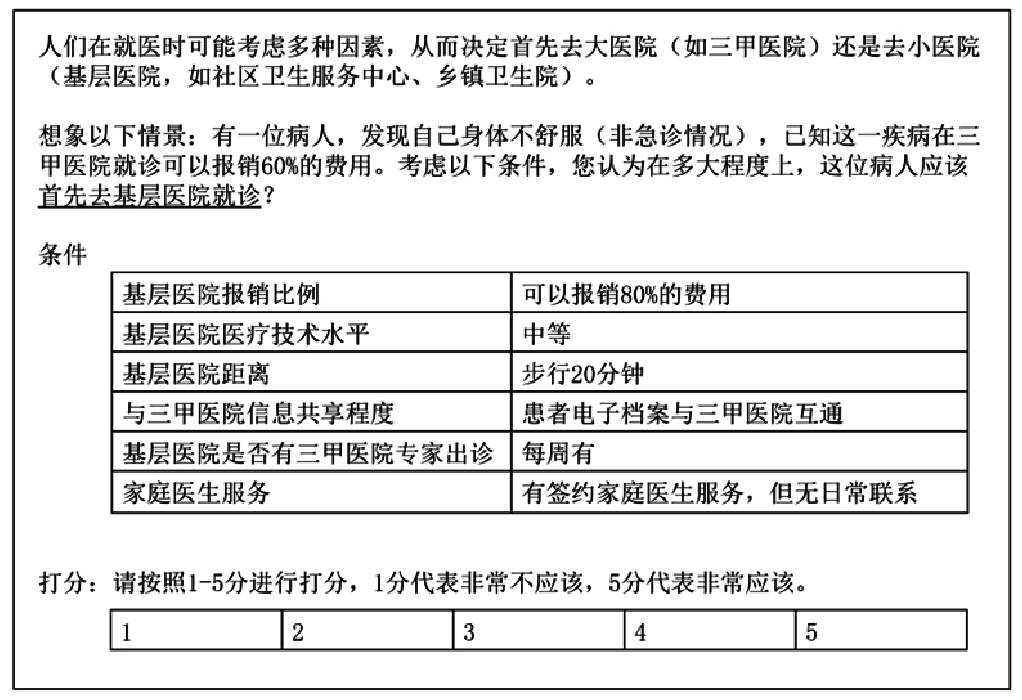
Figure 1 Example of an experimental question
| 项目 | 数量 |
|---|---|
| 性别 | |
| 男 | 124(42.3) |
| 女 | 169(57.7) |
| 受教育程度 | |
| 初中及以下 | 4(1.3) |
| 高中 | 21(7.2) |
| 大专/本科 | 188(64.2) |
| 研究生 | 80(27.3) |
| 医保类型 | |
| 城镇职工基本医疗保险 | 152(51.9) |
| 城乡居民基本医疗保险 | 141(48.1) |
| 自评健康状况 | |
| 非常不健康 | 0 |
| 不太健康 | 7(2.4) |
| 一般 | 35(12.0) |
| 比较健康 | 163(55.6) |
| 非常健康 | 88(30.0) |
| 首诊偏好 | |
| 大医院 | 177(60.4) |
| 小医院 | 116(39.6) |
Table 2 Basic information of 293 respondents
| 项目 | 数量 |
|---|---|
| 性别 | |
| 男 | 124(42.3) |
| 女 | 169(57.7) |
| 受教育程度 | |
| 初中及以下 | 4(1.3) |
| 高中 | 21(7.2) |
| 大专/本科 | 188(64.2) |
| 研究生 | 80(27.3) |
| 医保类型 | |
| 城镇职工基本医疗保险 | 152(51.9) |
| 城乡居民基本医疗保险 | 141(48.1) |
| 自评健康状况 | |
| 非常不健康 | 0 |
| 不太健康 | 7(2.4) |
| 一般 | 35(12.0) |
| 比较健康 | 163(55.6) |
| 非常健康 | 88(30.0) |
| 首诊偏好 | |
| 大医院 | 177(60.4) |
| 小医院 | 116(39.6) |
| 变量 | 系数 | SE | z值 | P值 | 95%CI |
|---|---|---|---|---|---|
| 实验条件 | |||||
| 基层医疗卫生机构报销比例 | 0.003 6 | 0.001 2 | 2.90 | 0.004 | 0.001 2~0.006 0 |
| 基层医疗卫生机构医疗技术水平(以较差为参照) | |||||
| 中等 | 0.153 0 | 0.024 7 | 6.19 | <0.001 | 0.104 5~0.201 4 |
| 较好 | 0.207 3 | 0.025 0 | 8.26 | <0.001 | 0.158 1~0.256 4 |
| 基层医疗卫生机构距离(以步行20 min为参照) | |||||
| 步行5 min | 0.048 2 | 0.020 2 | 2.38 | 0.017 | 0.008 5~0.087 9 |
| 与三级甲等医院信息共享程度(以不互通为参照) | |||||
| 互通 | 0.030 4 | 0.020 3 | 1.50 | 0.134 | -0.009 4~0.070 2 |
| 基层医疗卫生机构是否有三级甲等医院专家出诊(以没有为参照) | |||||
| 每周有 | 0.042 1 | 0.020 6 | 2.04 | 0.041 | 0.001 6~0.082 5 |
| 家庭医生服务(以没有签约家庭医生服务为参照) | |||||
| 有签约家庭医生服务但无日常联系 | 0.030 5 | 0.025 0 | 1.22 | 0.222 | -0.018 4~0.079 6 |
| 有签约家庭医生服务且日常联系 | 0.037 0 | 0.024 7 | 1.50 | 0.135 | -0.011 4~0.085 5 |
| 受访者特征 | |||||
| 性别(以男为参照) | |||||
| 女 | -0.009 0 | 0.024 1 | -0.37 | 0.708 | -0.056 4~0.038 3 |
| 年龄 | 0.002 2 | 0.001 4 | 1.54 | 0.123 | -0.000 6~0.005 1 |
| 受教育程度 | -0.032 4 | 0.020 2 | -1.60 | 0.109 | -0.072 2~0.007 2 |
| 医保类型(以城乡居民基本医疗保险为参照) | |||||
| 城镇职工基本医疗保险 | 0.036 4 | 0.025 7 | 1.42 | 0.156 | -0.013 9~0.086 9 |
| 健康状况 | 0.078 6 | 0.017 0 | 4.61 | <0.001 | 0.045 2~0.112 1 |
| 就医频率 | 0.010 1 | 0.009 6 | 1.04 | 0.296 | -0.008 8~0.029 1 |
| 首诊偏好选择(以小医院为参照) | |||||
| 大医院 | -0.014 5 | 0.024 2 | -0.60 | 0.550 | -0.062 1~0.033 0 |
| 决策次序 | -0.060 8 | 0.018 0 | -3.37 | 0.001 | -0.096 2~-0.025 4 |
| 截距 | -0.038 7 | 0.160 3 | -0.24 | 0.809 | -0.352 9~0.275 4 |
Table 3 Hierarchical linear model of factors influencing residents' intention to have first consultations in primary care
| 变量 | 系数 | SE | z值 | P值 | 95%CI |
|---|---|---|---|---|---|
| 实验条件 | |||||
| 基层医疗卫生机构报销比例 | 0.003 6 | 0.001 2 | 2.90 | 0.004 | 0.001 2~0.006 0 |
| 基层医疗卫生机构医疗技术水平(以较差为参照) | |||||
| 中等 | 0.153 0 | 0.024 7 | 6.19 | <0.001 | 0.104 5~0.201 4 |
| 较好 | 0.207 3 | 0.025 0 | 8.26 | <0.001 | 0.158 1~0.256 4 |
| 基层医疗卫生机构距离(以步行20 min为参照) | |||||
| 步行5 min | 0.048 2 | 0.020 2 | 2.38 | 0.017 | 0.008 5~0.087 9 |
| 与三级甲等医院信息共享程度(以不互通为参照) | |||||
| 互通 | 0.030 4 | 0.020 3 | 1.50 | 0.134 | -0.009 4~0.070 2 |
| 基层医疗卫生机构是否有三级甲等医院专家出诊(以没有为参照) | |||||
| 每周有 | 0.042 1 | 0.020 6 | 2.04 | 0.041 | 0.001 6~0.082 5 |
| 家庭医生服务(以没有签约家庭医生服务为参照) | |||||
| 有签约家庭医生服务但无日常联系 | 0.030 5 | 0.025 0 | 1.22 | 0.222 | -0.018 4~0.079 6 |
| 有签约家庭医生服务且日常联系 | 0.037 0 | 0.024 7 | 1.50 | 0.135 | -0.011 4~0.085 5 |
| 受访者特征 | |||||
| 性别(以男为参照) | |||||
| 女 | -0.009 0 | 0.024 1 | -0.37 | 0.708 | -0.056 4~0.038 3 |
| 年龄 | 0.002 2 | 0.001 4 | 1.54 | 0.123 | -0.000 6~0.005 1 |
| 受教育程度 | -0.032 4 | 0.020 2 | -1.60 | 0.109 | -0.072 2~0.007 2 |
| 医保类型(以城乡居民基本医疗保险为参照) | |||||
| 城镇职工基本医疗保险 | 0.036 4 | 0.025 7 | 1.42 | 0.156 | -0.013 9~0.086 9 |
| 健康状况 | 0.078 6 | 0.017 0 | 4.61 | <0.001 | 0.045 2~0.112 1 |
| 就医频率 | 0.010 1 | 0.009 6 | 1.04 | 0.296 | -0.008 8~0.029 1 |
| 首诊偏好选择(以小医院为参照) | |||||
| 大医院 | -0.014 5 | 0.024 2 | -0.60 | 0.550 | -0.062 1~0.033 0 |
| 决策次序 | -0.060 8 | 0.018 0 | -3.37 | 0.001 | -0.096 2~-0.025 4 |
| 截距 | -0.038 7 | 0.160 3 | -0.24 | 0.809 | -0.352 9~0.275 4 |
| 实验因素 | 医保报销比例百分点(%) | P值 |
|---|---|---|
| 基层医疗卫生机构医疗技术水平(以较差为参照) | ||
| 中等 | 42.50 | 0.010 |
| 较好 | 57.58 | 0.008 |
| 基层医疗卫生机构距离(以步行20 min为参照) | ||
| 步行5 min | 13.39 | 0.064 |
| 与三级甲等医院信息共享程度(以不互通为参照) | ||
| 互通 | 8.44 | 0.180 |
| 基层医疗卫生机构是否有三级甲等医院专家出诊(以没有为参照) | ||
| 每周有 | 11.69 | 0.100 |
| 家庭医生服务(以没有签约家庭医生服务为参照) | ||
| 有签约家庭医生服务但无日常联系 | 8.47 | 0.250 |
| 有签约家庭医生服务且日常联系 | 10.28 | 0.189 |
Table 4 Willingness-to-Pay for different experimental factors
| 实验因素 | 医保报销比例百分点(%) | P值 |
|---|---|---|
| 基层医疗卫生机构医疗技术水平(以较差为参照) | ||
| 中等 | 42.50 | 0.010 |
| 较好 | 57.58 | 0.008 |
| 基层医疗卫生机构距离(以步行20 min为参照) | ||
| 步行5 min | 13.39 | 0.064 |
| 与三级甲等医院信息共享程度(以不互通为参照) | ||
| 互通 | 8.44 | 0.180 |
| 基层医疗卫生机构是否有三级甲等医院专家出诊(以没有为参照) | ||
| 每周有 | 11.69 | 0.100 |
| 家庭医生服务(以没有签约家庭医生服务为参照) | ||
| 有签约家庭医生服务但无日常联系 | 8.47 | 0.250 |
| 有签约家庭医生服务且日常联系 | 10.28 | 0.189 |
| 实验变量 | 系数 | 标准误 | z值 | P值 | 95% CI |
|---|---|---|---|---|---|
| 基层医疗卫生机构报销比例 | 0.039 3 | 0.014 4 | 2.73 | 0.006 | 0.011 1~0.067 6 |
| 基层医疗卫生机构医疗技术水平(以较差为参照) | |||||
| 中等 | 1.188 6 | 0.282 6 | 4.21 | <0.001 | 0.634 6~1.742 6 |
| 较好 | 1.432 7 | 0.303 6 | 4.72 | <0.001 | 0.837 6~2.027 9 |
| 基层医疗卫生机构距离(以步行20 min为参照) | |||||
| 步行5 min | 0.219 5 | 0.232 8 | 0.94 | 0.346 | -0.236 7~0.675 9 |
| 与三级甲等医院信息共享程度(以不互通为参照) | |||||
| 互通 | 0.460 0 | 0.238 2 | 1.93 | 0.053 | -0.006 9~0.926 9 |
| 基层医疗卫生机构是否有三级甲等医院专家出诊(以没有为参照) | |||||
| 每周有 | 0.577 1 | 0.240 8 | 2.40 | 0.017 | 0.105 0~1.049 2 |
| 家庭医生服务(以没有签约家庭医生服务为参照) | |||||
| 有签约家庭医生服务但无日常联系 | 0.367 5 | 0.314 4 | 1.17 | 0.242 | -0.248 7~0.983 8 |
| 有签约家庭医生服务且日常联系 | 0.354 1 | 0.314 1 | 1.13 | 0.259 | -0.261 4~0.969 7 |
Table 5 Robustness check of factors influencing residents' intention to have first consultations in primary care
| 实验变量 | 系数 | 标准误 | z值 | P值 | 95% CI |
|---|---|---|---|---|---|
| 基层医疗卫生机构报销比例 | 0.039 3 | 0.014 4 | 2.73 | 0.006 | 0.011 1~0.067 6 |
| 基层医疗卫生机构医疗技术水平(以较差为参照) | |||||
| 中等 | 1.188 6 | 0.282 6 | 4.21 | <0.001 | 0.634 6~1.742 6 |
| 较好 | 1.432 7 | 0.303 6 | 4.72 | <0.001 | 0.837 6~2.027 9 |
| 基层医疗卫生机构距离(以步行20 min为参照) | |||||
| 步行5 min | 0.219 5 | 0.232 8 | 0.94 | 0.346 | -0.236 7~0.675 9 |
| 与三级甲等医院信息共享程度(以不互通为参照) | |||||
| 互通 | 0.460 0 | 0.238 2 | 1.93 | 0.053 | -0.006 9~0.926 9 |
| 基层医疗卫生机构是否有三级甲等医院专家出诊(以没有为参照) | |||||
| 每周有 | 0.577 1 | 0.240 8 | 2.40 | 0.017 | 0.105 0~1.049 2 |
| 家庭医生服务(以没有签约家庭医生服务为参照) | |||||
| 有签约家庭医生服务但无日常联系 | 0.367 5 | 0.314 4 | 1.17 | 0.242 | -0.248 7~0.983 8 |
| 有签约家庭医生服务且日常联系 | 0.354 1 | 0.314 1 | 1.13 | 0.259 | -0.261 4~0.969 7 |
| [1] |
艾云杰,张研,王晨舟. 农村居民基层首诊认知偏差影响因素分析[J]. 卫生经济研究, 2024, 41(9): 53-57.
|
| [2] |
肖楠,刘国恩. 基层首诊政策对患者就医选择和医疗费用的影响[J]. 世界经济, 2025, 48(7): 224-248.
|
| [3] |
林建鹏,祝子翀. 我国基层医疗服务居民获得感与首诊状况调查[J]. 医学与社会, 2022, 35(9): 10-14, 25.
|
| [4] |
汪曾子,刘娅莉,蒋祎,等. 医疗机构患者政策认知对基层首诊意愿的影响分析[J]. 卫生经济研究, 2019, 36(6): 24-27, 31.
|
| [5] |
张玉杰,尹文强,闫语,等. 我国居民基层医疗机构首诊意愿的Meta分析[J]. 中国循证医学杂志, 2021, 21(7): 796-802.
|
| [6] |
赵金鸣,邴龙飞,冯浩洲,等. 分级诊疗背景下社区居民就医行为影响因素研究[J]. 中国卫生事业管理, 2023, 40(10): 741-744, 785.
|
| [7] |
王丽君,鲁志鸿,李友卫,等. 山东省城乡居民基层医疗机构首诊和转诊意愿及其影响因素分析[J]. 中国公共卫生, 2021, 37(3): 465-469. DOI: 10.11847/zgggws1126074.
|
| [8] |
李海明,徐颢毓. 医保政策能否促进分级诊疗的实现:基于医疗需求行为的实证分析[J]. 经济社会体制比较, 2018(1): 28-35.
|
| [9] |
李月娥,卢珊. 医疗卫生领域安德森模型的发展、应用及启示[J]. 中国卫生政策研究, 2017, 10(11): 77-82.
|
| [10] |
杨显,高广颖,要鹏韬. 医保差异化报销政策对患者流向影响研究[J]. 中国卫生经济, 2018, 37(4): 28-32.
|
| [11] |
沈小娟,杨扬,孙绍荣. 分级诊疗背景下患者社区首诊意愿影响因素实证分析[J]. 上海理工大学学报, 2020, 42(4): 390-398.
|
| [12] |
谢贤宇,赵梓钧,吴勤德,等. 福建省医联体内群众就医选择影响因素分析[J]. 中国卫生统计, 2022, 39(5): 755-759.
|
| [13] |
徐召鹏,张录法. 空间邻近优势、互联网医疗与分级诊疗:基于长三角城市居民首诊医疗机构选择调查[J]. 浙江大学学报(人文社会科学版), 2025, 55(3): 60-75.
|
| [14] |
新华社. 全国共组建各种形式医联体1.8万余个[EB/OL]. [2024-02-28].
|
| [15] |
梁鸿. 推进分级诊疗制度的关键是建立和完善家庭医生制度[J]. 中国卫生政策研究, 2016, 9(8): 1-2.
|
| [16] |
黄蛟灵,张宜民,梁鸿,等. 家庭医生制度在分级诊疗中的作用:上海经验[J]. 中国卫生政策研究, 2019, 12(8): 49-53.
|
| [17] |
孙华君,田慧,杜汋. 家庭医生签约服务对居民就诊行为的影响:基于倾向得分匹配的实证研究[J]. 中国全科医学, 2020, 23(19): 2396-2400. DOI: 10.12114/j.issn.1007-9572.2020.00.134.
|
| [18] |
曹琦,严则金. 高势能政策执行偏差的困局及其秩序破解:基于医改政策执行的观察[J]. 公共管理学报, 2024, 21(2): 141-152, 175-176. DOI: 10.16149/j.cnki.23-1523.20240223.001.
|
| [19] |
姜晓利,彭海波,许凌烽,等. 家庭医生签约服务背景下签约居民基层首诊效果评价研究[J]. 中国全科医学, 2024, 27(10): 1231-1237.
|
| [20] |
|
| [21] |
|
| [22] |
|
| [23] |
|
| [24] |
石亚丽,李宁燕,赵建功. 北京市西城区居民社区首诊意愿及影响因素研究[J]. 中国全科医学, 2016, 19(16): 1939-1942.
|
| [25] |
陈滔,胡安宁. 生育支持组合对育龄人群二孩生育态度的影响:基于线上调查实验数据的发现[J]. 中国人口科学, 2025(3): 19-34.
|
| [26] |
朱恒鹏,昝馨,林绮晴. 医保如何助力建立分级诊疗体系[J]. 中国医疗保险, 2015(6): 9-11.
|
| [27] |
肖雪,李培龙,李宝生,等. 基于DRG的分级诊疗病种双向转诊优化策略研究[J]. 中国医院管理, 2025, 45(7): 20-24.
|
| [1] | ZHANG Zhenglu, WU Yihan. International Experience in the Development of Mental Health Special Interest in General Practice and Its Implications for China [J]. Chinese General Practice, 2026, 29(20): 2775-2780. |
| [2] | ZHAO Xinxin, SUN Xiaoting, LUO Xinhao, SUN Jin, PENG Derong, ZHENG Jialin. Research on the Localization of the Patient-centered Medical Home Model in China: Adaptation Mechanisms, Challenges, and Pathway Analysis [J]. Chinese General Practice, 2026, 29(19): 2608-2613. |
| [3] | YOU Lili, LIU Lu, CHEN Ying, KANG Qixue, WANG Yuxing, WANG Jingbo, ZHANG Bingli. Fifteen Years Review and Future Prospects of China's National Essential Public Health Services [J]. Chinese General Practice, 2026, 29(17): 2282-2295. |
| [4] | JIAO Shuting, ZHAO Yali. A Qualitative Study on the Current Status of Chronic Pruritus Services for the Elderly in Community [J]. Chinese General Practice, 2026, 29(13): 1682-1687. |
| [5] | LI Jing, JI Yan, SUN Liu, WANG Hanting, WU Jidong, LIU June. Summary of Best Evidence on the Management of Hearing Loss in Older Adults in Primary Health Care Settings [J]. Chinese General Practice, 2026, 29(13): 1713-1719. |
| [6] | LI Mingyue, ZHANG Xiaotian, TANG Haoqing, ZHENG Huixian, CHENG Xiaoran, WEI Tiantian, ZHANG Baisong, CHENG Haozhe, ZHOU Yuxun, LIU Xiaoyun. Avoidable Hospitalizations for Chronic Diseases in Rural Areas China [J]. Chinese General Practice, 2026, 29(10): 1267-1276. |
| [7] | LI Anchun, HE Zhiguang, QIU Shanjiao, CHEN Zhang, HUANG Wenjing. Opportunistic Screening Strategies and Brief Help Method for General Practice Patients with Excessive Drinking Behaviour: Insights from the RACGP Guidelines for Preventive Activities [J]. Chinese General Practice, 2026, 29(08): 974-981. |
| [8] | HUANG Wenjing, QIU Shanjiao, CHEN Zhang, LI Anchun, HE Zhiguang. Early Detection of Alzheimer's Disease in Primary Care: Insights from the RACGP Guidelines for Preventive Activities [J]. Chinese General Practice, 2026, 29(07): 823-829. |
| [9] | CAO Xinyang, WANG Yang, JIN Hua, YU Dehua, YANG Hui, LIU Xiaoyun, XU Yanli. Factors Influencing the Development of Research Capabilities in General Practice: a Scoping Review [J]. Chinese General Practice, 2026, 29(04): 444-456. |
| [10] | LI Sisi, QIN Jiangmei. Study on General Practice Policies and Their Effects since Fifteen Years of Deepening Medical and Healthcare System Reform in China [J]. Chinese General Practice, 2026, 29(01): 6-16. |
| [11] | LI Mingyue, TANG Haoqing, ZHENG Huixian, ZHANG Xiaotian, LIU Xiaoyun. Exploring the Concept of the Quality of Primary Health Care: a Systematic Review [J]. Chinese General Practice, 2025, 28(34): 4300-4310. |
| [12] | FANG Junze, GAO Huaiting, XING Suxia, WANG Yu. The Effectiveness Evaluation of Artificial Intelligence Assisted Diagnosis System for Chest Diseases in the Diagnosis of General Practitioners in Primary Healthcare Institutions [J]. Chinese General Practice, 2025, 28(31): 3948-3953. |
| [13] | ZHANG Yan, AI Yunjie, WANG Chenzhou, GAO Hongxia. Policy Value and Practical Challenges of High-quality Development Contracted Family Doctor Services [J]. Chinese General Practice, 2025, 28(31): 3879-3883. |
| [14] | The General Practice Branch of the Chinese Medical Doctor Association. Implementation Recommendations for Quality Management and Control in General Practice at Primary Healthcare Institutions (2025 Edition) [J]. Chinese General Practice, 2025, 28(28): 3473-3482. |
| [15] | ZHAO Can, SHEN Ying, CHEN Peimeng, PENG Houxuan, XI Qian, GU Jinmei, QIN Li, LIANG Ruiying, ZUO Yanli. An Assessment Research on Consultation Competence of RTME Graduates Trained Via the "5+3" Pathway in Township Health Centers in Guangxi Zhuang Autonomous Region [J]. Chinese General Practice, 2025, 28(22): 2731-2739. |
| Viewed | ||||||
|
Full text |
|
|||||
|
Abstract |
|
|||||
