
Chinese General Practice ›› 2023, Vol. 26 ›› Issue (32): 4089-4097.DOI: 10.12114/j.issn.1007-9572.2023.0316
Special Issue: 肥胖/减重最新文章合辑
• Evidence-based Medicine • Previous Articles Next Articles
Received:2023-05-23
Revised:2023-07-10
Published:2023-11-15
Online:2023-07-19
Contact:
ZHANG Jin
通讯作者:
张晋
作者简介:基金资助:
Add to citation manager EndNote|Ris|BibTeX
URL: https://www.chinagp.net/EN/10.12114/j.issn.1007-9572.2023.0316
| 序号 | 检索式 |
|---|---|
| #1 | (((((((((((((((obesity[MeSH Terms]) OR (overweight[MeSH Terms])) OR (Abdominal Obesity[MeSH Terms])) OR (Obesities,Abdominal[Title/Abstract])) OR (Central Obesity[Title/Abstract])) OR (Central Obesities[Title/Abstract])) OR (Obesities,Central[Title/Abstract])) OR (Obesity,Central[Title/Abstract])) OR (Abdominal Obesities[Title/Abstract])) OR (Obesity,Visceral[Title/Abstract])) OR (Visceral Obesity[Title/Abstract])) OR (Obesities,Visceral[Title/Abstract])) OR (Visceral Obesities[Title/Abstract])) OR (obesity[Title/Abstract])) OR (overweight[Title/Abstract])) OR (Abdominal Obesity[Title/Abstract]) |
| #2 | (((((Dietary inflammatory index[Title/Abstract]) OR (Dietary inflammation potential[Title/Abstract])) OR (inflammatory potential of diet[Title/Abstract])) OR (antiinflammatory diet[Title/Abstract])) OR (pro-inflammatory diet[Title/Abstract])) OR (DII[Title/Abstract]) |
| #3 | #1 AND #2 |
Table 1 PubMed search strategy
| 序号 | 检索式 |
|---|---|
| #1 | (((((((((((((((obesity[MeSH Terms]) OR (overweight[MeSH Terms])) OR (Abdominal Obesity[MeSH Terms])) OR (Obesities,Abdominal[Title/Abstract])) OR (Central Obesity[Title/Abstract])) OR (Central Obesities[Title/Abstract])) OR (Obesities,Central[Title/Abstract])) OR (Obesity,Central[Title/Abstract])) OR (Abdominal Obesities[Title/Abstract])) OR (Obesity,Visceral[Title/Abstract])) OR (Visceral Obesity[Title/Abstract])) OR (Obesities,Visceral[Title/Abstract])) OR (Visceral Obesities[Title/Abstract])) OR (obesity[Title/Abstract])) OR (overweight[Title/Abstract])) OR (Abdominal Obesity[Title/Abstract]) |
| #2 | (((((Dietary inflammatory index[Title/Abstract]) OR (Dietary inflammation potential[Title/Abstract])) OR (inflammatory potential of diet[Title/Abstract])) OR (antiinflammatory diet[Title/Abstract])) OR (pro-inflammatory diet[Title/Abstract])) OR (DII[Title/Abstract]) |
| #3 | #1 AND #2 |
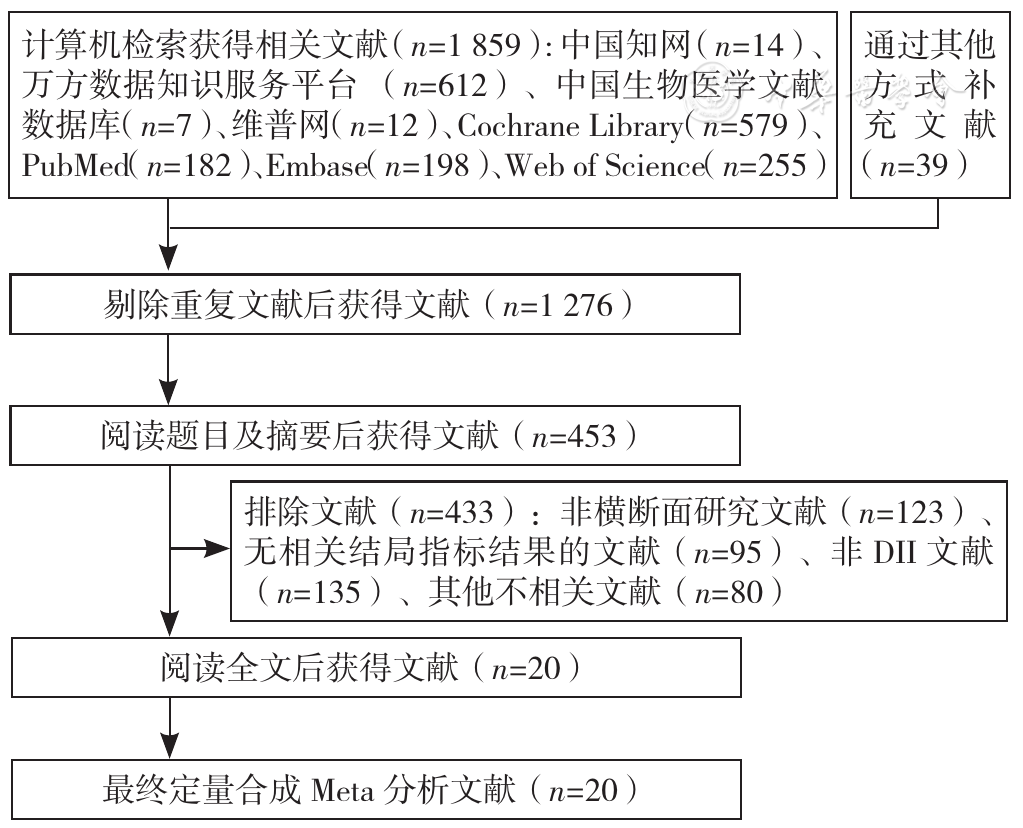
Figure 1 Literature screening flow chart
| 第一作者 | 发表时间(年) | 样本量(例) | 性别(男/女) | 年龄(岁) | 调查方式 | DII成分数量(个) | 国家 | 结局指标 | AHRQ评分(分) |
|---|---|---|---|---|---|---|---|---|---|
| MORA-URDA[ | 2022 | 365 | 190/175 | 9.60±1.10 | 24 h回忆 | NA | 西班牙 | ①② | 7 |
| HODGE[ | 2021 | 39 185 | 23 394/15 791 | 54.80±8.50 | FFQ | 121 | 澳大利亚 | ①② | 8 |
| DA COSTA SILVA[ | 2018 | 134 | 0/134 | 19.00~64.00 | 24 h回忆 | NA | 巴西 | ③ | 6 |
| ZHANG[ | 2021 | 4 151 | 4 151/0 | 47.03±16.87 | 24 h回忆 | 45 | 美国 | ①② | 9 |
| CAMARGO-RAMOS[ | 2017 | 80 | 0/80 | 39.70±6.90 | 24 h回忆 | 28 | 哥伦比亚 | ①② | 7 |
| DENOVA-GUTIÉRREZ[ | 2018 | 1 174 | 569/605 | 39.9±0.48 | SQFFQ | 140 | 墨西哥 | ①② | 9 |
| TABUNG[ | 2016 | 122 788 | 0/122 788 | 63.5±7.10 | FFQ | 122 | 美国 | ①② | 8 |
| JIA[ | 2022 | 5 656 | 2 937/2 719 | 15.49 | 24 h回忆 | 26 | 美国 | ③ | 8 |
| BAZYAR[ | 2021 | 249 | 0/249 | 23.88±3.81 | FFQ | 147 | 伊朗 | ③ | 8 |
| BAVI BEHBAHANI[ | 2022 | 320 | 171/149 | 56.68±8.15 | FFQ | 168 | 伊朗 | ②③ | 8 |
| KIM[ | 2018 | 9 291 | 3 682/5 609 | 41.30±0.20 | 24 h回忆 | NA | 韩国 | ③ | 6 |
| GUINTER[ | 2019 | 6 016 | 6 016/0 | 20.00~84.00 | 24 h回忆 | 45 | 美国 | ②③ | 8 |
| DEHGHAN[ | 2022 | 350 | 0/350 | 15.40±1.10 | 24 h回忆 | 45 | 伊朗 | ① | 6 |
| LI[ | 2022 | 1 936 | 736/1 200 | NA | FFQ | 81 | 中国 | ①② | 7 |
| SHU[ | 2022 | 7 926 | 3 772/4 154 | NA | 24 h回忆 | 45 | 美国 | ② | 6 |
| 开比努尔·再比布力[ | 2022 | 538 | 179/359 | 46.14±12.51 | FFQ | 93 | 中国 | ①②③ | 9 |
| 王敏娟[ | 2020 | 468 | 181/287 | 68.70±5.70 | 24 h回忆 | 45 | 中国 | ①② | 8 |
| 符文慧[ | 2020 | 2 241 | 1 098/1 143 | NA | SQFFQ | 127 | 中国 | ①② | 7 |
| 穆凯丽[ | 2022 | 5 363 | 2 889/2 474 | 51.70±10.10 | FFQ | 126 | 中国 | ③ | 7 |
| 罗涛[ | 2021 | 6 577 | 3 079/3 498 | 51.17±9.93 | SQFFQ | 97 | 中国 | ①②③ | 8 |
Table 2 The basic characteristics and AHRQ literature quality assessment of the included studies
| 第一作者 | 发表时间(年) | 样本量(例) | 性别(男/女) | 年龄(岁) | 调查方式 | DII成分数量(个) | 国家 | 结局指标 | AHRQ评分(分) |
|---|---|---|---|---|---|---|---|---|---|
| MORA-URDA[ | 2022 | 365 | 190/175 | 9.60±1.10 | 24 h回忆 | NA | 西班牙 | ①② | 7 |
| HODGE[ | 2021 | 39 185 | 23 394/15 791 | 54.80±8.50 | FFQ | 121 | 澳大利亚 | ①② | 8 |
| DA COSTA SILVA[ | 2018 | 134 | 0/134 | 19.00~64.00 | 24 h回忆 | NA | 巴西 | ③ | 6 |
| ZHANG[ | 2021 | 4 151 | 4 151/0 | 47.03±16.87 | 24 h回忆 | 45 | 美国 | ①② | 9 |
| CAMARGO-RAMOS[ | 2017 | 80 | 0/80 | 39.70±6.90 | 24 h回忆 | 28 | 哥伦比亚 | ①② | 7 |
| DENOVA-GUTIÉRREZ[ | 2018 | 1 174 | 569/605 | 39.9±0.48 | SQFFQ | 140 | 墨西哥 | ①② | 9 |
| TABUNG[ | 2016 | 122 788 | 0/122 788 | 63.5±7.10 | FFQ | 122 | 美国 | ①② | 8 |
| JIA[ | 2022 | 5 656 | 2 937/2 719 | 15.49 | 24 h回忆 | 26 | 美国 | ③ | 8 |
| BAZYAR[ | 2021 | 249 | 0/249 | 23.88±3.81 | FFQ | 147 | 伊朗 | ③ | 8 |
| BAVI BEHBAHANI[ | 2022 | 320 | 171/149 | 56.68±8.15 | FFQ | 168 | 伊朗 | ②③ | 8 |
| KIM[ | 2018 | 9 291 | 3 682/5 609 | 41.30±0.20 | 24 h回忆 | NA | 韩国 | ③ | 6 |
| GUINTER[ | 2019 | 6 016 | 6 016/0 | 20.00~84.00 | 24 h回忆 | 45 | 美国 | ②③ | 8 |
| DEHGHAN[ | 2022 | 350 | 0/350 | 15.40±1.10 | 24 h回忆 | 45 | 伊朗 | ① | 6 |
| LI[ | 2022 | 1 936 | 736/1 200 | NA | FFQ | 81 | 中国 | ①② | 7 |
| SHU[ | 2022 | 7 926 | 3 772/4 154 | NA | 24 h回忆 | 45 | 美国 | ② | 6 |
| 开比努尔·再比布力[ | 2022 | 538 | 179/359 | 46.14±12.51 | FFQ | 93 | 中国 | ①②③ | 9 |
| 王敏娟[ | 2020 | 468 | 181/287 | 68.70±5.70 | 24 h回忆 | 45 | 中国 | ①② | 8 |
| 符文慧[ | 2020 | 2 241 | 1 098/1 143 | NA | SQFFQ | 127 | 中国 | ①② | 7 |
| 穆凯丽[ | 2022 | 5 363 | 2 889/2 474 | 51.70±10.10 | FFQ | 126 | 中国 | ③ | 7 |
| 罗涛[ | 2021 | 6 577 | 3 079/3 498 | 51.17±9.93 | SQFFQ | 97 | 中国 | ①②③ | 8 |
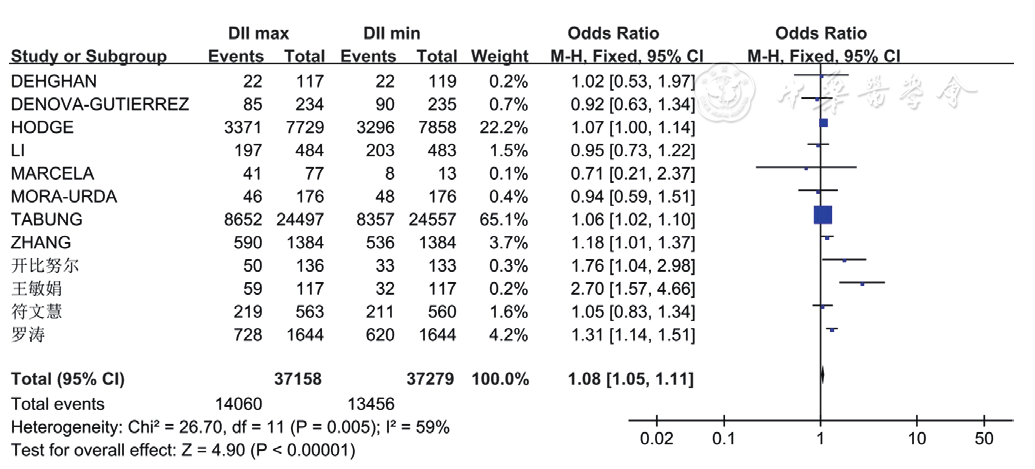
Figure 2 Meta-analysis forest plot of the correlation between DII and overweight
| 亚组 | 研究数量(篇) | Meta分析结果 | 异质性检验 | 效应模型 | 组间异质性(P值) | ||
|---|---|---|---|---|---|---|---|
| P值 | OR(95%CI) | P值 | I2值(%) | ||||
| 性别 | 0.19 | ||||||
| 男 | 2[ | 0.25 | 1.44(0.78,2.68) | 0.13 | 57 | 随机效应模型 | |
| 女 | 3[ | 0.002 | 1.06(1.02,1.10) | 0.60 | 0 | 固定效应模型 | |
| 混合 | 8[ | 0.000 06 | 1.22(1.03,1.45) | <0.000 1 | 77 | 随机效应模型 | |
| 研究地域 | 0.15 | ||||||
| 亚洲 | 6[ | 0.04 | 1.28(1.01,1.62) | 0.005 | 70 | 随机效应模型 | |
| 北美洲 | 3[ | 0.03 | 1.07(0.53,1.97) | 0.31 | 14 | 固定效应模型 | |
| 南美洲 | 1[ | 0.58 | 0.71(0.21,2.37) | ||||
| 大洋洲 | 1[ | 0.75 | 0.99(0.93,1.05) | ||||
| 欧洲 | 1[ | 0.81 | 0.94(0.59,1.51) | ||||
| 调查方式 | 0.59 | ||||||
| FFQ | 4[ | 0.02 | 1.06(1.01,1.12) | 0.22 | 32 | 固定效应模型 | |
| SQFFQ | 3[ | 0.23 | 1.14(0.92,1.40) | 0.10 | 57 | 随机效应模型 | |
| 24 h回忆 | 5[ | 0.23 | 1.24(0.87,1.78) | 0.03 | 62 | 随机效应模型 | |
| DII成分数量 | 0.41 | ||||||
| <80个 | 4[ | 0.02 | 1.10(1.02,1.18) | 0.03 | 56 | 随机效应模型 | |
| ≥80个 | 7[ | 0.23 | 1.34(0.83,2.16) | 0.005 | 68 | 随机效应模型 | |
| 样本人群是否健康 | 0.26 | ||||||
| 是 | 10[ | 0.05 | 1.15(1.00,1.33) | 0.000 3 | 65 | 随机效应模型 | |
| 否 | 2[ | 0.003 | 1.10(1.02,1.10) | 0.52 | 0 | 固定效应模型 | |
| 诊断标准 | 0.11 | ||||||
| 24 kg/m2≤BMI<28 kg/m2 | 5[ | 0.04 | 1.32(1.02,1.70) | 0.003 | 75 | 随机效应模型 | |
| 25 kg/m2≤BMI<30 kg/m2 | 5[ | <0.000 1 | 1.06(1.03,1.10) | 0.59 | 0 | 固定效应模型 | |
| DII分组类型 | 0.17 | ||||||
| Q1与Q2 | 2[ | 0.84 | 0.96(0.62,1.48) | 0.61 | 0 | 固定效应模型 | |
| Q1与Q4 | 6[ | 0.01 | 1.26(1.05,1.51) | 0.005 | 70 | 随机效应模型 | |
| Q1与Q5 | 3[ | 0.000 3 | 1.06(1.03,1.09) | 0.72 | 0 | 固定效应模型 | |
Table 3 Subgroup analysis of the association between DII and overweight
| 亚组 | 研究数量(篇) | Meta分析结果 | 异质性检验 | 效应模型 | 组间异质性(P值) | ||
|---|---|---|---|---|---|---|---|
| P值 | OR(95%CI) | P值 | I2值(%) | ||||
| 性别 | 0.19 | ||||||
| 男 | 2[ | 0.25 | 1.44(0.78,2.68) | 0.13 | 57 | 随机效应模型 | |
| 女 | 3[ | 0.002 | 1.06(1.02,1.10) | 0.60 | 0 | 固定效应模型 | |
| 混合 | 8[ | 0.000 06 | 1.22(1.03,1.45) | <0.000 1 | 77 | 随机效应模型 | |
| 研究地域 | 0.15 | ||||||
| 亚洲 | 6[ | 0.04 | 1.28(1.01,1.62) | 0.005 | 70 | 随机效应模型 | |
| 北美洲 | 3[ | 0.03 | 1.07(0.53,1.97) | 0.31 | 14 | 固定效应模型 | |
| 南美洲 | 1[ | 0.58 | 0.71(0.21,2.37) | ||||
| 大洋洲 | 1[ | 0.75 | 0.99(0.93,1.05) | ||||
| 欧洲 | 1[ | 0.81 | 0.94(0.59,1.51) | ||||
| 调查方式 | 0.59 | ||||||
| FFQ | 4[ | 0.02 | 1.06(1.01,1.12) | 0.22 | 32 | 固定效应模型 | |
| SQFFQ | 3[ | 0.23 | 1.14(0.92,1.40) | 0.10 | 57 | 随机效应模型 | |
| 24 h回忆 | 5[ | 0.23 | 1.24(0.87,1.78) | 0.03 | 62 | 随机效应模型 | |
| DII成分数量 | 0.41 | ||||||
| <80个 | 4[ | 0.02 | 1.10(1.02,1.18) | 0.03 | 56 | 随机效应模型 | |
| ≥80个 | 7[ | 0.23 | 1.34(0.83,2.16) | 0.005 | 68 | 随机效应模型 | |
| 样本人群是否健康 | 0.26 | ||||||
| 是 | 10[ | 0.05 | 1.15(1.00,1.33) | 0.000 3 | 65 | 随机效应模型 | |
| 否 | 2[ | 0.003 | 1.10(1.02,1.10) | 0.52 | 0 | 固定效应模型 | |
| 诊断标准 | 0.11 | ||||||
| 24 kg/m2≤BMI<28 kg/m2 | 5[ | 0.04 | 1.32(1.02,1.70) | 0.003 | 75 | 随机效应模型 | |
| 25 kg/m2≤BMI<30 kg/m2 | 5[ | <0.000 1 | 1.06(1.03,1.10) | 0.59 | 0 | 固定效应模型 | |
| DII分组类型 | 0.17 | ||||||
| Q1与Q2 | 2[ | 0.84 | 0.96(0.62,1.48) | 0.61 | 0 | 固定效应模型 | |
| Q1与Q4 | 6[ | 0.01 | 1.26(1.05,1.51) | 0.005 | 70 | 随机效应模型 | |
| Q1与Q5 | 3[ | 0.000 3 | 1.06(1.03,1.09) | 0.72 | 0 | 固定效应模型 | |
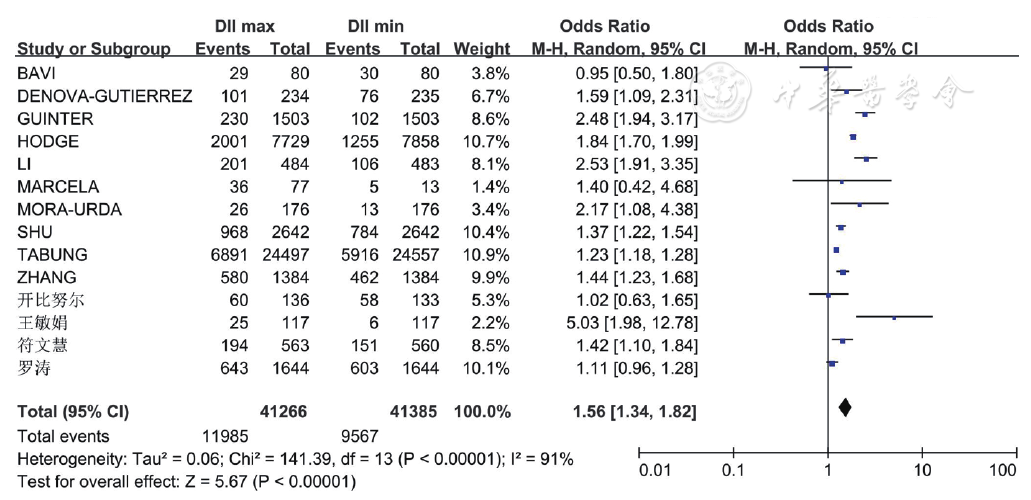
Figure 3 Meta-analysis forest plot of the correlation between DII and obesity
| 亚组 | 研究数量(篇) | Meta分析结果 | 异质性检验 | 效应模型 | 组间异质性(P值) | ||
|---|---|---|---|---|---|---|---|
| P值 | OR(95%CI) | P值 | I2值(%) | ||||
| 性别 | 0.02 | ||||||
| 男 | 3[ | 0.01 | 1.79(1.13,2.85) | 0.001 | 85 | 随机效应模型 | |
| 女 | 2[ | <0.000 01 | 1.23(1.18,1.28) | 0.40 | 0 | 固定效应模型 | |
| 混合 | 10[ | <0.000 1 | 1.56(1.28,1.90) | <0.000 01 | 87 | 随机效应模型 | |
| 研究地域 | 0.02 | ||||||
| 亚洲 | 6[ | 0.03 | 1.12(1.05,1.40) | <0.000 01 | 86 | 随机效应模型 | |
| 北美洲 | 5[ | <0.000 01 | 1.57(1.27,1.83) | <0.000 01 | 89 | 随机效应模型 | |
| 南美洲 | 1[ | 0.58 | 1.40(0.42,4.68) | ||||
| 大洋洲 | 1[ | <0.000 01 | 1.84(1.70,1.99) | ||||
| 欧洲 | 1[ | 0.03 | 2.17(1.08,4.38) | ||||
| 调查方式 | 0.02 | ||||||
| FFQ | 5[ | 0.007 | 1.50(1.11,2.01) | <0.000 01 | 96 | 随机效应模型 | |
| SQFFQ | 3[ | 0.23 | 1.14(0.92,1.40) | 0.2 | 57 | 随机效应模型 | |
| 24 h回忆 | 6[ | <0.000 1 | 1.83(1.39,2.42) | <0.000 1 | 81 | 随机效应模型 | |
| DII成分数量 | 0.22 | ||||||
| <80个 | 5[ | <0.000 1 | 1.80(1.34,2.42) | <0.000 1 | 84 | 随机效应模型 | |
| ≥80个 | 8[ | 0.000 5 | 1.44(1.17,1.76) | <0.000 01 | 93 | 随机效应模型 | |
| 样本人群是否健康 | 0.71 | ||||||
| 是 | 11[ | <0.000 01 | 1.55(1.31,1.83) | <0.000 01 | 86 | 随机效应模型 | |
| 否 | 3[ | <0.000 01 | 1.23(1.18,1.28) | 0.1 | 0 | 固定效应模型 | |
| 诊断标准 | 0.67 | ||||||
| BMI≥28 kg/m2 | 6[ | 0.01 | 1.55(1.11,2.17) | <0.000 01 | 88 | 随机效应模型 | |
| BMI≥30 kg/m2 | 7[ | 0.000 2 | 1.43(1.18,1.73) | <0.000 01 | 93 | 随机效应模型 | |
| DII分组类型 | 0.23 | ||||||
| Q1与Q2 | 2[ | 0.67 | 0.91(0.59,1.41) | 0.67 | 0 | 固定效应模型 | |
| Q1与Q3 | 1[ | <0.000 01 | 1.37(1.22,1.54) | ||||
| Q1与Q4 | 7[ | 0.001 | 1.51(1.17,1.94) | <0.000 01 | 83 | 随机效应模型 | |
| Q1与Q5 | 3[ | 0.01 | 1.52(1.10,2.12) | <0.000 01 | 97 | 随机效应模型 | |
Table 4 Subgroup analysis of the association between DII and obesity
| 亚组 | 研究数量(篇) | Meta分析结果 | 异质性检验 | 效应模型 | 组间异质性(P值) | ||
|---|---|---|---|---|---|---|---|
| P值 | OR(95%CI) | P值 | I2值(%) | ||||
| 性别 | 0.02 | ||||||
| 男 | 3[ | 0.01 | 1.79(1.13,2.85) | 0.001 | 85 | 随机效应模型 | |
| 女 | 2[ | <0.000 01 | 1.23(1.18,1.28) | 0.40 | 0 | 固定效应模型 | |
| 混合 | 10[ | <0.000 1 | 1.56(1.28,1.90) | <0.000 01 | 87 | 随机效应模型 | |
| 研究地域 | 0.02 | ||||||
| 亚洲 | 6[ | 0.03 | 1.12(1.05,1.40) | <0.000 01 | 86 | 随机效应模型 | |
| 北美洲 | 5[ | <0.000 01 | 1.57(1.27,1.83) | <0.000 01 | 89 | 随机效应模型 | |
| 南美洲 | 1[ | 0.58 | 1.40(0.42,4.68) | ||||
| 大洋洲 | 1[ | <0.000 01 | 1.84(1.70,1.99) | ||||
| 欧洲 | 1[ | 0.03 | 2.17(1.08,4.38) | ||||
| 调查方式 | 0.02 | ||||||
| FFQ | 5[ | 0.007 | 1.50(1.11,2.01) | <0.000 01 | 96 | 随机效应模型 | |
| SQFFQ | 3[ | 0.23 | 1.14(0.92,1.40) | 0.2 | 57 | 随机效应模型 | |
| 24 h回忆 | 6[ | <0.000 1 | 1.83(1.39,2.42) | <0.000 1 | 81 | 随机效应模型 | |
| DII成分数量 | 0.22 | ||||||
| <80个 | 5[ | <0.000 1 | 1.80(1.34,2.42) | <0.000 1 | 84 | 随机效应模型 | |
| ≥80个 | 8[ | 0.000 5 | 1.44(1.17,1.76) | <0.000 01 | 93 | 随机效应模型 | |
| 样本人群是否健康 | 0.71 | ||||||
| 是 | 11[ | <0.000 01 | 1.55(1.31,1.83) | <0.000 01 | 86 | 随机效应模型 | |
| 否 | 3[ | <0.000 01 | 1.23(1.18,1.28) | 0.1 | 0 | 固定效应模型 | |
| 诊断标准 | 0.67 | ||||||
| BMI≥28 kg/m2 | 6[ | 0.01 | 1.55(1.11,2.17) | <0.000 01 | 88 | 随机效应模型 | |
| BMI≥30 kg/m2 | 7[ | 0.000 2 | 1.43(1.18,1.73) | <0.000 01 | 93 | 随机效应模型 | |
| DII分组类型 | 0.23 | ||||||
| Q1与Q2 | 2[ | 0.67 | 0.91(0.59,1.41) | 0.67 | 0 | 固定效应模型 | |
| Q1与Q3 | 1[ | <0.000 01 | 1.37(1.22,1.54) | ||||
| Q1与Q4 | 7[ | 0.001 | 1.51(1.17,1.94) | <0.000 01 | 83 | 随机效应模型 | |
| Q1与Q5 | 3[ | 0.01 | 1.52(1.10,2.12) | <0.000 01 | 97 | 随机效应模型 | |
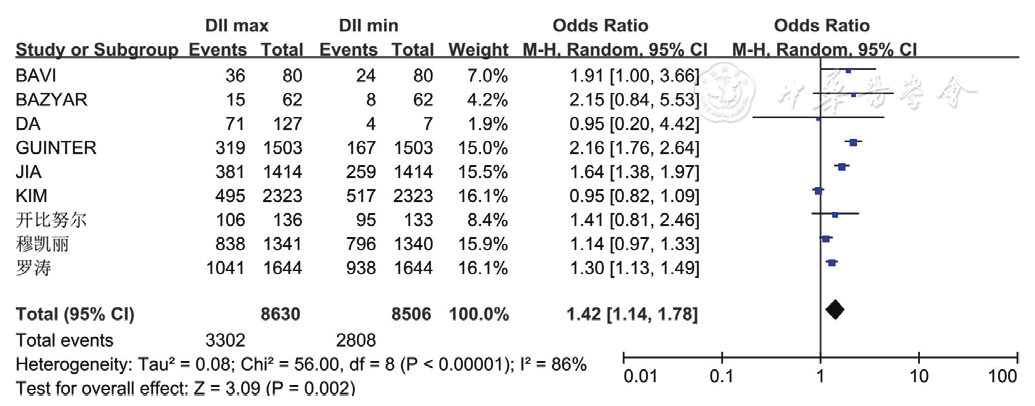
Figure 4 Meta-analysis forest plot of the correlation between DII and abdominal obesity
| 亚组 | 研究数量(篇) | Meta分析结果 | 异质性检验 | 效应模型 | 组间异质性(P值) | ||
|---|---|---|---|---|---|---|---|
| P值 | OR(95%CI) | P值 | I2值(%) | ||||
| 性别 | 0.83 | ||||||
| 男 | 4[ | 0.26 | 1.55(0.73,3.31) | <0.000 01 | 95 | 随机效应模型 | |
| 女 | 4[ | 0.14 | 1.42(0.89,2.28) | 0.09 | 53 | 随机效应模型 | |
| 混合 | 6[ | 0.02 | 1.28(1.05,1.56) | <0.000 1 | 82 | 随机效应模型 | |
| 研究地域 | 0.02 | ||||||
| 亚洲 | 6[ | 0.04 | 1.20(1.01,1.44) | 0.01 | 67 | 随机效应模型 | |
| 北美洲 | 2[ | <0.000 01 | 1.87(1.44,2.44) | 0.05 | 74 | 随机效应模型 | |
| 南美洲 | 1[ | 0.95 | 0.95(0.20,4.42) | ||||
| 调查方式 | 0.91 | ||||||
| FFQ | 4[ | 0.04 | 1.34(1.02,1.76) | 0.24 | 29 | 固定效应模型 | |
| SQFFQ | 1[ | 0.0002 | 1.30(1.13,1.49) | ||||
| 24 h回忆 | 4[ | 0.13 | 1.44(0.90,2.31) | <0.000 01 | 94 | 随机效应模型 | |
| DII成分数量 | 0.08 | ||||||
| <80个 | 2[ | <0.000 01 | 1.87(1.44,2.44) | 0.05 | 74 | 随机效应模型 | |
| ≥80个 | 5[ | 0.0003 | 1.46(1.11,1.73) | 0.2 | 32 | 固定效应模型 | |
| 样本人群是否健康 | 0.54 | ||||||
| 是 | 7[ | 0.005 | 1.40(1.11,1.78) | <0.000 01 | 89 | 随机效应模型 | |
| 否 | 2[ | 0.08 | 1.72(0.94,3.13) | 0.41 | 0 | 固定效应模型 | |
| 诊断标准 | 0.18 | ||||||
| 男:腰围≥90 cm; 女:腰围≥85 cm | 5[ | 0.05 | 1.32(1.00,1.74) | <0.000 01 | 91 | 随机效应模型 | |
| 男:腰围≥102 cm; 女:腰围≥88 cm | 2[ | 0.01 | 1.98(1.16,3.39) | 0.84 | 0 | 固定效应模型 | |
| DII分组类型 | 0.62 | ||||||
| Q1与Q2 | 1[ | 0.95 | 0.95(0.20,4.42) | ||||
| Q1与Q4 | 7[ | 0.005 | 1.40(1.11,1.78) | <0.000 01 | 89 | 随机效应模型 | |
Table 5 Subgroup analysis of the association between DII and abdominal obesity
| 亚组 | 研究数量(篇) | Meta分析结果 | 异质性检验 | 效应模型 | 组间异质性(P值) | ||
|---|---|---|---|---|---|---|---|
| P值 | OR(95%CI) | P值 | I2值(%) | ||||
| 性别 | 0.83 | ||||||
| 男 | 4[ | 0.26 | 1.55(0.73,3.31) | <0.000 01 | 95 | 随机效应模型 | |
| 女 | 4[ | 0.14 | 1.42(0.89,2.28) | 0.09 | 53 | 随机效应模型 | |
| 混合 | 6[ | 0.02 | 1.28(1.05,1.56) | <0.000 1 | 82 | 随机效应模型 | |
| 研究地域 | 0.02 | ||||||
| 亚洲 | 6[ | 0.04 | 1.20(1.01,1.44) | 0.01 | 67 | 随机效应模型 | |
| 北美洲 | 2[ | <0.000 01 | 1.87(1.44,2.44) | 0.05 | 74 | 随机效应模型 | |
| 南美洲 | 1[ | 0.95 | 0.95(0.20,4.42) | ||||
| 调查方式 | 0.91 | ||||||
| FFQ | 4[ | 0.04 | 1.34(1.02,1.76) | 0.24 | 29 | 固定效应模型 | |
| SQFFQ | 1[ | 0.0002 | 1.30(1.13,1.49) | ||||
| 24 h回忆 | 4[ | 0.13 | 1.44(0.90,2.31) | <0.000 01 | 94 | 随机效应模型 | |
| DII成分数量 | 0.08 | ||||||
| <80个 | 2[ | <0.000 01 | 1.87(1.44,2.44) | 0.05 | 74 | 随机效应模型 | |
| ≥80个 | 5[ | 0.0003 | 1.46(1.11,1.73) | 0.2 | 32 | 固定效应模型 | |
| 样本人群是否健康 | 0.54 | ||||||
| 是 | 7[ | 0.005 | 1.40(1.11,1.78) | <0.000 01 | 89 | 随机效应模型 | |
| 否 | 2[ | 0.08 | 1.72(0.94,3.13) | 0.41 | 0 | 固定效应模型 | |
| 诊断标准 | 0.18 | ||||||
| 男:腰围≥90 cm; 女:腰围≥85 cm | 5[ | 0.05 | 1.32(1.00,1.74) | <0.000 01 | 91 | 随机效应模型 | |
| 男:腰围≥102 cm; 女:腰围≥88 cm | 2[ | 0.01 | 1.98(1.16,3.39) | 0.84 | 0 | 固定效应模型 | |
| DII分组类型 | 0.62 | ||||||
| Q1与Q2 | 1[ | 0.95 | 0.95(0.20,4.42) | ||||
| Q1与Q4 | 7[ | 0.005 | 1.40(1.11,1.78) | <0.000 01 | 89 | 随机效应模型 | |
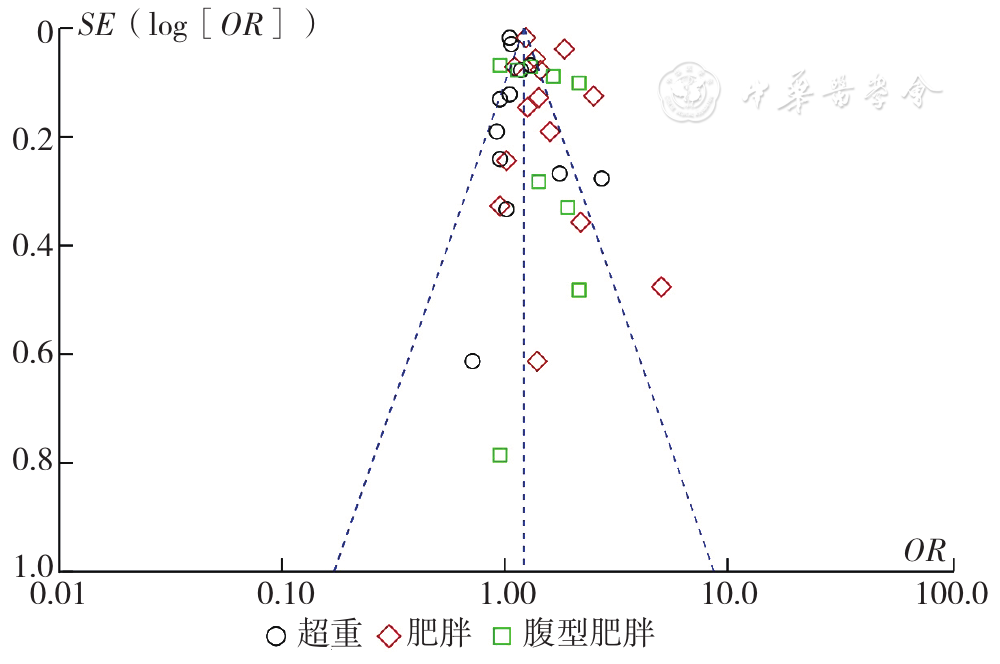
Figure 5 Funnel plot of correlation analysis of DII with overweight,obesity and abdominal obesity
| [1] |
|
| [2] |
2015 Obesity Collaborators G B D,
|
| [3] |
|
| [4] |
|
| [5] |
|
| [6] |
|
| [7] |
|
| [8] |
|
| [9] |
开比努尔·再比布力,姑丽切克然·艾斯克,迪娜·木合亚提,等. 538名维吾尔族居民膳食炎症指数与不同类型肥胖的关联研究[J]. 中国食物与营养,2023,29(4):80-84. DOI:10.19870/j.cnki.11-3716/ts.20221219.001.
|
| [10] |
王敏娟,王敏雯,郭艳,等. 膳食炎症指数与老年人非酒精性脂肪性肝病关系研究[J]. 陕西医学杂志,2020,49(12):1589-1592. DOI:10.3969/j.issn.1000-7377.2020.12.013.
|
| [11] |
|
| [12] |
|
| [13] |
|
| [14] |
|
| [15] |
Obesity:preventing and managing the global epidemic. Report of a WHO consultation[J]. World Health Organ Tech Rep Ser,2000,894:i-xii,1-253.
|
| [16] |
中华医学会糖尿病学分会. 中国2型糖尿病防治指南(2013年版)[J]. 中国糖尿病杂志,2014,22(8):2-42.
|
| [17] |
曾宪涛,刘慧,陈曦,等. Meta分析系列之四:观察性研究的质量评价工具[J]. 中国循证心血管医学杂志,2012,4(4):297-299. DOI:10.3969/j.1674-4055.2012.04.004.
|
| [18] |
|
| [19] |
|
| [20] |
|
| [21] |
|
| [22] |
|
| [23] |
|
| [24] |
|
| [25] |
|
| [26] |
|
| [27] |
|
| [28] |
|
| [29] |
|
| [30] |
符文慧,罗涛,裴华莲,等. 新疆伊犁州35~74岁人群膳食炎症指数与超重/肥胖的关系[J]. 中华疾病控制杂志,2020,24(11):1292-1296. DOI:10.16462/j.cnki.zhjbkz.2020.11.010.
|
| [31] |
穆凯丽,阿丽亚·艾木都拉,罗涛,等. 新疆伊犁农村居民膳食炎症指数与代谢综合征及其组分间的关系研究[J]. 中国慢性病预防与控制,2022,30(11):811-815. DOI:10.16386/j.cjpccd.issn.1004-6194.2022.11.003.
|
| [32] |
罗涛. 新疆伊犁农村居民膳食炎症指数与心血管代谢性疾病关系研究[D]. 乌鲁木齐:新疆医科大学,2021.
|
| [33] |
|
| [34] |
|
| [35] |
|
| [36] |
|
| [37] |
|
| [38] |
GBD 2017 Diet Collaborators. Health effects of dietary risks in 195 countries,1990-2017:a systematic analysis for the Global Burden of Disease Study 2017[J]. Lancet,2019,393(10184):1958-1972. DOI:10.1016/S0140-6736(19)30041-8.
|
| [39] |
|
| [40] |
|
| [41] |
|
| [42] |
|
| [43] |
|
| [44] |
|
| [45] |
|
| [1] | LI Lan, LIU Lidi, ZHANG Peng, LI Dongze, YANG Ziyu, CHENG Yonglang, LIAO Xiaoyang, WAN Zhi. Lifestyle Intervention-based Weight Management: an Analysis of Key Highlights from the Partial Update of the 2025 NICE Guideline Overweight and Obesity Management (NG246) [J]. Chinese General Practice, 2026, 29(30): 4353-4359. |
| [2] | HE Yang, YANG Rong, SHEN Can, YI Shanye, LIU Lidi, ZHAO Qian, WAN Zhi, LIAO Xiaoyang. Progress in Research on the Trajectory of Frailty and Its Influencing Factors [J]. Chinese General Practice, 2026, 29(30): 4372-4378. |
| [3] | GUO Zhihong, CHEN Yingying, LIU Dewu. Efficacy and Safety of Antibiotic Bone Cement Combined with Vacuum Sealing Drainage for Diabetic Foot: a Meta-analysis [J]. Chinese General Practice, 2026, 29(30): 4503-4512. |
| [4] | ZHAO Congjuan, JIN Tiantian, LIANG Jie, WANG Beining, GAO Yan. Comparative Effectiveness of GLP-1 Receptor Agonists on Patients with Diabetic Kidney Disease: a Network Meta-analysis [J]. Chinese General Practice, 2026, 29(29): 4326-4336. |
| [5] | FU Xiaoya, YANG Fei, GU Keyi, GU Handong, WANG Weiqiang. Correlation between Relative Fat Mass Index and Decreased Glomerular Filtration Rate in Patients with Cardiometabolic Comorbidities [J]. Chinese General Practice, 2026, 29(28): 4187-4192. |
| [6] | ZHANG Han, CAI Genshen, FENG Zhengwen, ZHANG Kaiyue, LIAN Dongbo, ZHANG Hua, ZHANG Jing. Evaluating the Availability of Health Services for Obesity Comorbidities under Hierarchical Diagnosis and Treatment in Beijing: a Healthcare Institution Survey Study [J]. Chinese General Practice, 2026, 29(28): 4117-4124. |
| [7] | LIU Zhenyu, WANG Wendong, YAO Qing, WANG Jiangmin, CAO Wendong. Analysis of Prevalence and Influencing Factors of Cardiovascular-kidney-metabolic Syndrome among Adults in Haidian District, Beijing [J]. Chinese General Practice, 2026, 29(27): 3969-3975. |
| [8] | ZHANG Ying, TANG Yijun, LIU Lidi, JIANG Lihua, JIA Yu, YANG Rong, YANG Ziyu, LIAO Xiaoyang. Management of Cardiovascular Metabolic Risks in Obese Children and Adolescents in China: Based on the 2024 Italian Society of Pediatric Endocrinology and Diabetes Position Paper on Cardiometabolic Risk in Children and Adolescents with Obesity [J]. Chinese General Practice, 2026, 29(27): 3879-3887. |
| [9] | JIANG Yanlin, WANG Zhe, ZHAI Rui, ZHANG Mengjie, CHEN Xi, WANG Junhong. Screening Optimal Traditional Chinese Medicine Compound Formulas for ADHD Treatment: a Study Integrating Network Meta-analysis and Entropy-weighted TOPSIS Method [J]. Chinese General Practice, 2026, 29(27): 3985-3994. |
| [10] | ZHUANG Mingnan, YAN Henghao, XIAO Ningkun, YIN Mingyue, FAN Zhiwei, LIU Chaohui, ZOU Xintong, ZHOU Yuehua, BI Zhiyuan, DENG Hengzhi, WU Bitai, SONG Zhiquan, SHI Donglin. Effects of Interval and Continuous Training on Cognitive Function in Healthy Adults: a Systematic Review and Three-level Meta-analysis [J]. Chinese General Practice, 2026, 29(26): 3816-3828. |
| [11] | ZHANG Xuechao, QI Qi, WU Xinyu, HAN Quanle, LI Lei, DENG Jie, LI Cangtuo, YUE Bocheng, WU Shouling, LI Kangbo. Association between the Atherogenic Index of Plasma and New-onset Chronic Kidney Disease [J]. Chinese General Practice, 2026, 29(24): 3440-3446. |
| [12] | WANG Rui, LUO Shuoming, YANG Liang, WANG Peng, ZHAO Yang, WANG Qi, ZHOU Zhiguang. Diabetes Prevalence among Older Adults in China: a Systematic Review and Meta-analysis [J]. Chinese General Practice, 2026, 29(24): 3500-3508. |
| [13] | LI Xueni, LIU Gejing, LIU Yongming. Efficacy and Safety of Semaglutide in Patients with Heart Failure: a Meta-Analysis [J]. Chinese General Practice, 2026, 29(24): 3509-3519. |
| [14] | Expert Group on Guidelines for the Assessment, Treatment, and Prevention of Childhood Obesity in China, Professional Committee on Obesity Control in Women and Children, China Maternal and Child Health Research Association. Guidelines for the Assessment, Treatment, and Prevention of Childhood Obesity in China (Second Edition) [J]. Chinese General Practice, 2026, 29(23): 3233-3252. |
| [15] | PEI Ruqing, ZHOU Yuqiu, ZHANG Siyu, LIU Xijun. Meta-analysis of Influencing Factors of Relapse in Chinese Patients with Schizophrenia [J]. Chinese General Practice, 2026, 29(23): 3359-3370. |
| Viewed | ||||||
|
Full text |
|
|||||
|
Abstract |
|
|||||
