
Chinese General Practice ›› 2026, Vol. 29 ›› Issue (12): 1624-1632.DOI: 10.12114/j.issn.1007-9572.2023.0560
Special Issue: 内分泌代谢性疾病最新文章合辑; 儿科最新文章合辑; 指南/共识最新文章合辑
• Methodology and Tool Development • Previous Articles
Received:2024-05-20
Revised:2025-08-10
Published:2026-04-20
Online:2026-03-12
Contact:
XU Huaifu
通讯作者:
徐怀伏
作者简介:作者贡献:
闫蓓蓓负责文章的构思、研究资料的收集、整理、跟进和撰写;徐怀伏负责协助评估量表、论文修订、文章的质量控制及审校。
基金资助:
Add to citation manager EndNote|Ris|BibTeX
URL: https://www.chinagp.net/EN/10.12114/j.issn.1007-9572.2023.0560
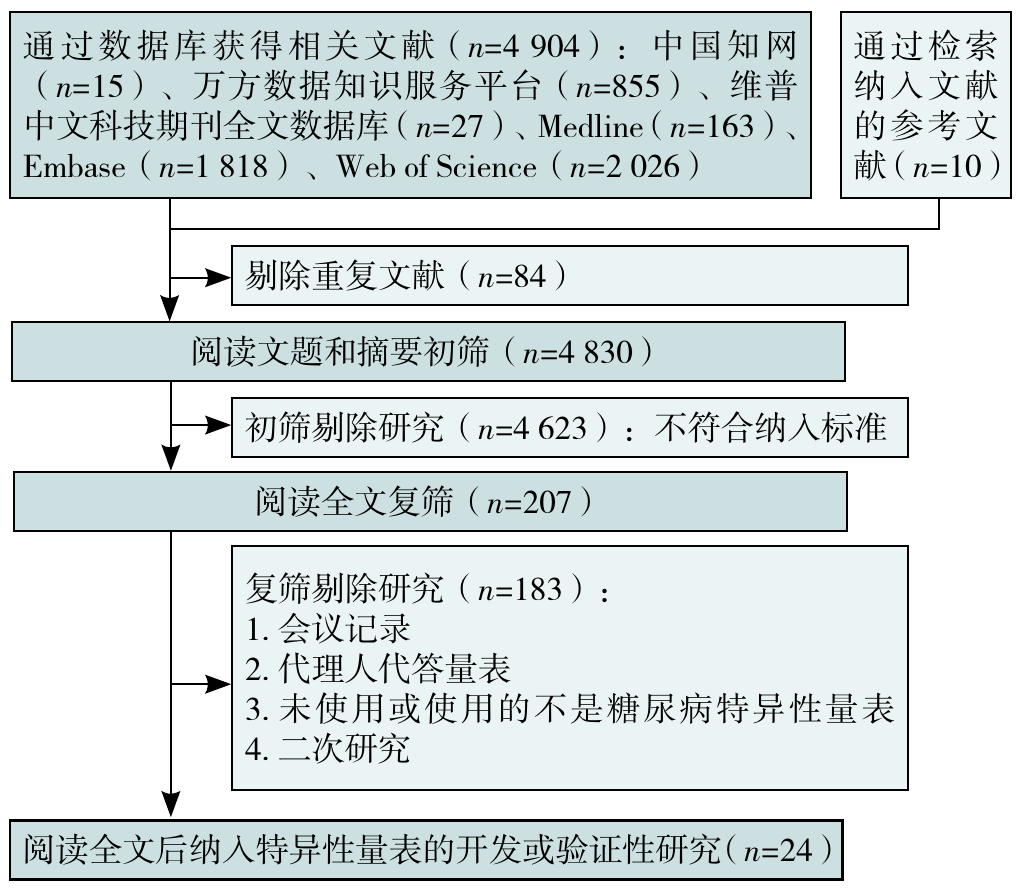
Figure 1 Literature screening flow chart
| 第一作者 | 发表年份(年) | 国家 | 研究对象 | 样本例数 | 年龄(岁) | 量表 | 条目数/维度数 | 分量表 | 各条目采用的评分方法 | 语种版本 | 原语种版本 |
|---|---|---|---|---|---|---|---|---|---|---|---|
| NANSEL[ | 2008 | 美国 | T1DM儿童 | 447 | 9.0~14.5 | PedsQLTM3.0-DM | 28/5 | 糖尿病症状;治疗障碍;治疗坚持;担忧;沟通 | Likert 5级 | 英语 | 英语 |
| VARNI[ | 2003 | 美国 | 糖尿病儿童青少年 | 300 | 5~18 | PedsQLTM3.0-DM | 28/5 | 糖尿病症状;治疗障碍;治疗坚持;担忧;沟通 | Likert 3级和5级 | 英语 | 英语 |
| LAWRENCE[ | 2012 | 美国 | T1DM儿童青少年 | 2 602 | 5~20 | PedsQLTM3.0-DM | 28/5 | 糖尿病症状;治疗障碍;治疗坚持;担忧;沟通 | Likert 3级和5级 | 英语 | 英语 |
| GARCIA[ | 2018 | 巴西 | T1DM儿童青少年 | 108 | 5~28 | PedsQLTM3.0-DM | 28/5 | 糖尿病症状;治疗障碍;治疗坚持;担忧;沟通 | Likert 3级和5级 | 巴西葡萄牙语 | 英语 |
| JAFARI[ | 2011 | 伊朗 | T1DM儿童青少年 | 94 | 8~18 | PedsQLTM3.0-DM | 28/5 | 糖尿病症状;治疗障碍;治疗坚持;担忧;沟通 | Likert 5级 | 波斯语 | 英语 |
| SAND[ | 2012 | 瑞典 | T1DM儿童青少年 | 130 | 5~18 | PedsQLTM3.0-DM | 28/5 | 糖尿病症状;治疗障碍;治疗坚持;担忧;沟通 | Likert 3级和5级 | 瑞典语 | 英语 |
| 徐瑜[ | 2020 | 中国 | TDM儿童青少年 | 175 | 8~19 | PedsQLTM3.2-DM | 33/5 | 糖尿病症状;糖尿病管理(治疗障碍;治疗依从;焦虑;沟通) | Likert 5级 | 汉语 | 英语 |
| VARNI[ | 2018 | 美国 | T1DM儿童青少年 | 656 | 2~25 | PedsQLTM3.2-DM | 33/5 | 糖尿病症状;糖尿病管理(治疗障碍;治疗依从;焦虑;沟通) | Likert 3级和5级 | 英语 | 英语 |
| VARNI[ | 2013 | 美国 | T1DM儿童青少年 | 31 | 7~45 | PedsQLTM3.0-DM、PedsQLTM3.2-DM | 33/5 | 糖尿病症状;糖尿病管理(治疗障碍;治疗依从;焦虑;沟通) | Likert 5级 | 英语 | 英语 |
| RUDILLA[ | 2023 | 西班牙 | T1DM青少年 | 209 | 12~25 | MY-Q | 36/3 | 社会生活(朋友,家人和学校),糖尿病管理(担忧,治疗障碍,自我效能和满意度,以及有问题的饮食),以及情绪健康 | Likert 5级;视觉模拟评分表(10分制) | 西班牙语 | 荷兰语 |
| WIT[ | 2012 | 荷兰 | T1DM儿童青少年 | 84 | 10~18 | MY-Q | 36/3 | 社会生活(朋友,家人和学校),糖尿病管理(担忧,治疗障碍,自我效能和满意度,以及有问题的饮食),以及情绪健康 | Likert评分,5级;视觉模拟评分表(10分制) | 荷兰语 | 荷兰语 |
| INGERSOLL[ | 1991 | 美国 | T1DM儿童青少年 | 74 | 10~21 | DQOL-Y | 52/3 | 糖尿病生活满意度、疾病影响度、疾病担忧度 | Likert评分,5级;健康认知4级 | 英语 | 英语 |
| SKINNER[ | 2006 | 欧洲、北美、日本 | T1DM儿童青少年 | 2077 | 10~18 | DQOL-Y | 52/3 | 糖尿病生活满意度、疾病影响度、疾病担忧度 | Likert评分,5级;健康认知4级 | 14种语言a | 英语 |
| 李荣[ | 2013 | 中国 | T1DM儿童青少年 | 98 | ≥7岁 | DQOL-Y | 53/3 | 糖尿病生活满意度、疾病影响度、疾病担忧度 | Likert评分,5级;健康认知4级 | 汉语 | 英语 |
| 陈声林[ | 2001 | 中国 | T1DM儿童青少年 | 41 | 10~15 | DQOL-Y | 29/3 | 糖尿病生活满意度、疾病影响度、疾病担忧度 | Likert评分,5级;健康认知4级 | 汉语 | 英语 |
| WEISSBERG-BENCHELL[ | 2011 | 美国 | T1DM青少年 | 130 | 11~19 | PAID-Teens | 26 | NR | Likert评分,6级 | 英语 | 英语 |
| MARKOWITZ[ | 2015 | 美国 | T1DM儿童青少年 | 126 | 8~17 | PAID-Peds | 20 | NR | Likert评分,6级 | 英语 | 英语 |
| CHAPLIN[ | 2012 | 瑞典 | T1DM青少年 | 120 | 8~18 | DSM-10 | 10/2 | 影响量表、治疗量表 | Likert评分,5级 | 瑞典语 | 英语 |
| FRØISLAND[ | 2012 | 挪威 | T1DM儿童青少年 | 103 | 8~19 | DSM-10 | 10/2 | 影响量表、治疗量表 | Likert评分,5级 | 挪威语 | 英语 |
| BAARS[ | 2005 | 欧洲七国 | 糖尿病、其他慢性病b患者 | 360 | NR | DSM-10 | 10/2 | 影响量表、治疗量表 | Likert评分,5级 | 欧洲多国语言c | 英语 |
| HANNONEN[ | 2021 | 芬兰 | T1DM儿童青少年 | 215 | 10~17 | FDQL | 26/4 | 糖尿病灵活性量表、幸福感量表、社会关系量表、健康行为量表 | Likert评分,5级 | 芬兰语 | 芬兰语 |
| HILLIARD[ | 2020 | 美国 | T1DM儿童青少年 | 451 | 8~17 | T1DAL | 21/4 23/4 | 儿童版(8~11岁):情感体验、自我管理体验、来自家庭和他人的支持、家庭冲突; 青少年版(12~17岁):情感体验和日常活动、同伴关系、家庭关系、妥善处理糖尿病 | Likert评分,5级 | 英语 | 英语 |
| MCMILLAN[ | 2004 | 英国 | 糖尿病青少年 | 152 | NR | ADDQoL-Teen | 25/7 | 影响自己量表、影响别人量表 | Likert评分,5级 | 英语 | 英语 |
| 郑玲玲[ | 2011 | 中国 | T1DM儿童青少年 | 21 | 4~22 | 重庆地区儿童青少年糖尿病患者生存质量调查量表 | 55/6 | 满意度领域、影响度领域(对人际关系的影响、对日常生活的影响、对心理/精神的影响、对生理的影响、治疗对患儿的影响) | Likert评分,5级 | 汉语 | 汉语和英语d |
Table 1 Basic characteristics of development or validation researches on children's type 1 diabetes-specific PROMs
| 第一作者 | 发表年份(年) | 国家 | 研究对象 | 样本例数 | 年龄(岁) | 量表 | 条目数/维度数 | 分量表 | 各条目采用的评分方法 | 语种版本 | 原语种版本 |
|---|---|---|---|---|---|---|---|---|---|---|---|
| NANSEL[ | 2008 | 美国 | T1DM儿童 | 447 | 9.0~14.5 | PedsQLTM3.0-DM | 28/5 | 糖尿病症状;治疗障碍;治疗坚持;担忧;沟通 | Likert 5级 | 英语 | 英语 |
| VARNI[ | 2003 | 美国 | 糖尿病儿童青少年 | 300 | 5~18 | PedsQLTM3.0-DM | 28/5 | 糖尿病症状;治疗障碍;治疗坚持;担忧;沟通 | Likert 3级和5级 | 英语 | 英语 |
| LAWRENCE[ | 2012 | 美国 | T1DM儿童青少年 | 2 602 | 5~20 | PedsQLTM3.0-DM | 28/5 | 糖尿病症状;治疗障碍;治疗坚持;担忧;沟通 | Likert 3级和5级 | 英语 | 英语 |
| GARCIA[ | 2018 | 巴西 | T1DM儿童青少年 | 108 | 5~28 | PedsQLTM3.0-DM | 28/5 | 糖尿病症状;治疗障碍;治疗坚持;担忧;沟通 | Likert 3级和5级 | 巴西葡萄牙语 | 英语 |
| JAFARI[ | 2011 | 伊朗 | T1DM儿童青少年 | 94 | 8~18 | PedsQLTM3.0-DM | 28/5 | 糖尿病症状;治疗障碍;治疗坚持;担忧;沟通 | Likert 5级 | 波斯语 | 英语 |
| SAND[ | 2012 | 瑞典 | T1DM儿童青少年 | 130 | 5~18 | PedsQLTM3.0-DM | 28/5 | 糖尿病症状;治疗障碍;治疗坚持;担忧;沟通 | Likert 3级和5级 | 瑞典语 | 英语 |
| 徐瑜[ | 2020 | 中国 | TDM儿童青少年 | 175 | 8~19 | PedsQLTM3.2-DM | 33/5 | 糖尿病症状;糖尿病管理(治疗障碍;治疗依从;焦虑;沟通) | Likert 5级 | 汉语 | 英语 |
| VARNI[ | 2018 | 美国 | T1DM儿童青少年 | 656 | 2~25 | PedsQLTM3.2-DM | 33/5 | 糖尿病症状;糖尿病管理(治疗障碍;治疗依从;焦虑;沟通) | Likert 3级和5级 | 英语 | 英语 |
| VARNI[ | 2013 | 美国 | T1DM儿童青少年 | 31 | 7~45 | PedsQLTM3.0-DM、PedsQLTM3.2-DM | 33/5 | 糖尿病症状;糖尿病管理(治疗障碍;治疗依从;焦虑;沟通) | Likert 5级 | 英语 | 英语 |
| RUDILLA[ | 2023 | 西班牙 | T1DM青少年 | 209 | 12~25 | MY-Q | 36/3 | 社会生活(朋友,家人和学校),糖尿病管理(担忧,治疗障碍,自我效能和满意度,以及有问题的饮食),以及情绪健康 | Likert 5级;视觉模拟评分表(10分制) | 西班牙语 | 荷兰语 |
| WIT[ | 2012 | 荷兰 | T1DM儿童青少年 | 84 | 10~18 | MY-Q | 36/3 | 社会生活(朋友,家人和学校),糖尿病管理(担忧,治疗障碍,自我效能和满意度,以及有问题的饮食),以及情绪健康 | Likert评分,5级;视觉模拟评分表(10分制) | 荷兰语 | 荷兰语 |
| INGERSOLL[ | 1991 | 美国 | T1DM儿童青少年 | 74 | 10~21 | DQOL-Y | 52/3 | 糖尿病生活满意度、疾病影响度、疾病担忧度 | Likert评分,5级;健康认知4级 | 英语 | 英语 |
| SKINNER[ | 2006 | 欧洲、北美、日本 | T1DM儿童青少年 | 2077 | 10~18 | DQOL-Y | 52/3 | 糖尿病生活满意度、疾病影响度、疾病担忧度 | Likert评分,5级;健康认知4级 | 14种语言a | 英语 |
| 李荣[ | 2013 | 中国 | T1DM儿童青少年 | 98 | ≥7岁 | DQOL-Y | 53/3 | 糖尿病生活满意度、疾病影响度、疾病担忧度 | Likert评分,5级;健康认知4级 | 汉语 | 英语 |
| 陈声林[ | 2001 | 中国 | T1DM儿童青少年 | 41 | 10~15 | DQOL-Y | 29/3 | 糖尿病生活满意度、疾病影响度、疾病担忧度 | Likert评分,5级;健康认知4级 | 汉语 | 英语 |
| WEISSBERG-BENCHELL[ | 2011 | 美国 | T1DM青少年 | 130 | 11~19 | PAID-Teens | 26 | NR | Likert评分,6级 | 英语 | 英语 |
| MARKOWITZ[ | 2015 | 美国 | T1DM儿童青少年 | 126 | 8~17 | PAID-Peds | 20 | NR | Likert评分,6级 | 英语 | 英语 |
| CHAPLIN[ | 2012 | 瑞典 | T1DM青少年 | 120 | 8~18 | DSM-10 | 10/2 | 影响量表、治疗量表 | Likert评分,5级 | 瑞典语 | 英语 |
| FRØISLAND[ | 2012 | 挪威 | T1DM儿童青少年 | 103 | 8~19 | DSM-10 | 10/2 | 影响量表、治疗量表 | Likert评分,5级 | 挪威语 | 英语 |
| BAARS[ | 2005 | 欧洲七国 | 糖尿病、其他慢性病b患者 | 360 | NR | DSM-10 | 10/2 | 影响量表、治疗量表 | Likert评分,5级 | 欧洲多国语言c | 英语 |
| HANNONEN[ | 2021 | 芬兰 | T1DM儿童青少年 | 215 | 10~17 | FDQL | 26/4 | 糖尿病灵活性量表、幸福感量表、社会关系量表、健康行为量表 | Likert评分,5级 | 芬兰语 | 芬兰语 |
| HILLIARD[ | 2020 | 美国 | T1DM儿童青少年 | 451 | 8~17 | T1DAL | 21/4 23/4 | 儿童版(8~11岁):情感体验、自我管理体验、来自家庭和他人的支持、家庭冲突; 青少年版(12~17岁):情感体验和日常活动、同伴关系、家庭关系、妥善处理糖尿病 | Likert评分,5级 | 英语 | 英语 |
| MCMILLAN[ | 2004 | 英国 | 糖尿病青少年 | 152 | NR | ADDQoL-Teen | 25/7 | 影响自己量表、影响别人量表 | Likert评分,5级 | 英语 | 英语 |
| 郑玲玲[ | 2011 | 中国 | T1DM儿童青少年 | 21 | 4~22 | 重庆地区儿童青少年糖尿病患者生存质量调查量表 | 55/6 | 满意度领域、影响度领域(对人际关系的影响、对日常生活的影响、对心理/精神的影响、对生理的影响、治疗对患儿的影响) | Likert评分,5级 | 汉语 | 汉语和英语d |
| 量表 | 第一作者 | 内容效度 | 结构效度 | 内部一致性 | 稳定性 | 效标效度 | 构念效度的假设检验 | ||||||||
|---|---|---|---|---|---|---|---|---|---|---|---|---|---|---|---|
| 相关性 | 全面性 | 理解性 | 指标 | 评价 | Cronbach's α | 评价 | 召回期 | ICC | 评价 | 参照标准 | 评价 | 检验类型 | 评价 | ||
| PedsQLTM3.0-DM | NANSEL[ | NR | NR | NR | EFA:5个因子 | A/? | 0.60~0.88 | V/- | NR | NR | NR | NR | NR | NR | NR |
| PedsQLTM3.0-DM | VARNI[ | NR | NR | NR | NR | NR | 0.63~0.81 | V/- | NR | NR | NR | NR | NR | NR | NR |
| PedsQLTM3.0-DM | LAWRENCE[ | NR | NR | NR | EFA:5个因子 | A/- | 0.56~0.90 | V/- | NR | NR | NR | NR | NR | NR | NR |
| PedsQLTM3.0-DM | GARCIA[ | NR | NR | NR | NR | NR | 0.58~0.85 | V/- | NR | NR | NR | 父母代理报告;PedsQLTM4.0;HbA1c | V/- | NR | NR |
| PedsQLTM3.0-DM | JAFARI[ | NR | NR | NR | EFA:5个因子 | I/? | 0.67~0.78 | V/- | NR | NR | NR | NR | NR | 聚合效度 | A/+ |
| PedsQLTM3.0-DM | SAND[ | NR | NR | NR | NR | NR | 0.49~0.9 | V/- | NR | NR | NR | NR | NR | 聚合效度 | A/+ |
| PedsQLTM3.2-DM | VARNI[ | A/+ | A/- | A/+ | NR | NR | NR | NR | NR | NR | NR | NR | NR | NR | NR |
| PedsQLTM3.2-DM | VARNI[ | NR | NR | NR | EFA:2个因子 | A/? | 0.88~0.89 | I/? | NR | NR | NR | NR | NR | 聚合效度 | A/+ |
| PedsQLTM3.2-DM | 徐瑜[ | NR | NR | NR | EFA:4个因子 | A/? | 0.80~0.91 | V/+ | NR | NR | NR | NR | NR | NR | NR |
| MY-Q | RUDILLA[ | NR | NR | NR | EFA:3个因子 | A/+ | 0.72~0.82 | V/+ | NR | NR | NR | HbA1c水平 | V/+ | NR | NR |
| MY-Q | WIT[ | NR | NR | NR | NR | NR | 0.36~0.80 | V/? | NR | NR | NR | PedsQL-DM;WHO-5;HbA1c | V/+ | 聚合效度 | A/+ |
| DQOL-Y | INGERSOLL[ | NR | NR | NR | NR | NR | 0.82~0.85 | V/+ | NR | NR | NR | NR | NR | NR | NR |
| DQOL-Y | SKINNER[ | NR | NR | NR | CFA:6因素 | V/- | 0.68~0.79 | I/? | NR | NR | NR | NR | NR | NR | NR |
| DQOL-Y | 李荣[ | NR | NR | NR | NR | NR | 0.94 | I/+ | NR | NR | NR | NR | NR | NR | NR |
| DQOL-Y | 陈声林[ | NR | NR | NR | EFA:5个因子 | I/? | 0.63~0.82 | V/? | 1~2周 | 0.626-0.817 | D/? | NR | NR | NR | NR |
| PAID-Teens | WEISSBERG-BENCHELL[ | NR | NR | NR | NR | NR | 0.96 | I/+ | NR | NR | NR | NR | NR | NR | NR |
| PAID-Peds | MARKOWITZ [ | NR | NR | NR | NR | NR | NR | NR | 1周 | 0.66 | V/- | NR | NR | 聚合效度 | A/+ |
| DSM-10 | CHAPLIN[ | NR | NR | NR | NR | NR | 0.62~0.93 | V/? | 平均47 d | 0.855 | I/+ | NR | NR | NR | NR |
| DSM-10 | FRØISLAND[ | NR | NR | NR | NR | NR | 0.88 | V/+ | NR | NR | NR | NR | NR | 聚合效度 | V/+ |
| DSM-10 | BAARS[ | I/? | D/+ | D/+ | NR | NR | 0.75~0.89 | V/+ | NR | NR | NR | NR | NR | NR | NR |
| FDQL | HANNONEN[ | NR | NR | NR | EFA:4个因子 | A/- | 0.58~0.87 | V/? | NR | NR | NR | HbA1c;SDQ ;KINDL-R | V/? | 聚合效度 | V/+ |
| T1DAL | HILLIARD[ | V/+ | D/+ | D/+ | EFA:4个因子 | V/? | 0.39~0.89 | V/? | 4~6周 | 儿童:0.78;青少年:0.80 | D/+ | SCI问卷c;HbA1c | V/- | 聚合效度 | V/+ |
| ADDQoL-Teen | MCMILLAN[ | I/? | I/? | D/- | EFA:4个因子 | V/? | 0.81~0.85 | V/+ | NR | NR | NR | NR | NR | NR | NR |
| 重庆地区儿童青少年糖尿病患者生存质量调查量表 | 郑玲玲[ | NR | NR | NR | NR | NR | 0.52~0.91 | V/? | NR | NR | NR | NR | NR | NR | NR |
Table 2 Measurement properties of children's type 1 diabetes-specific PROMs and methodological quality evaluation of researches
| 量表 | 第一作者 | 内容效度 | 结构效度 | 内部一致性 | 稳定性 | 效标效度 | 构念效度的假设检验 | ||||||||
|---|---|---|---|---|---|---|---|---|---|---|---|---|---|---|---|
| 相关性 | 全面性 | 理解性 | 指标 | 评价 | Cronbach's α | 评价 | 召回期 | ICC | 评价 | 参照标准 | 评价 | 检验类型 | 评价 | ||
| PedsQLTM3.0-DM | NANSEL[ | NR | NR | NR | EFA:5个因子 | A/? | 0.60~0.88 | V/- | NR | NR | NR | NR | NR | NR | NR |
| PedsQLTM3.0-DM | VARNI[ | NR | NR | NR | NR | NR | 0.63~0.81 | V/- | NR | NR | NR | NR | NR | NR | NR |
| PedsQLTM3.0-DM | LAWRENCE[ | NR | NR | NR | EFA:5个因子 | A/- | 0.56~0.90 | V/- | NR | NR | NR | NR | NR | NR | NR |
| PedsQLTM3.0-DM | GARCIA[ | NR | NR | NR | NR | NR | 0.58~0.85 | V/- | NR | NR | NR | 父母代理报告;PedsQLTM4.0;HbA1c | V/- | NR | NR |
| PedsQLTM3.0-DM | JAFARI[ | NR | NR | NR | EFA:5个因子 | I/? | 0.67~0.78 | V/- | NR | NR | NR | NR | NR | 聚合效度 | A/+ |
| PedsQLTM3.0-DM | SAND[ | NR | NR | NR | NR | NR | 0.49~0.9 | V/- | NR | NR | NR | NR | NR | 聚合效度 | A/+ |
| PedsQLTM3.2-DM | VARNI[ | A/+ | A/- | A/+ | NR | NR | NR | NR | NR | NR | NR | NR | NR | NR | NR |
| PedsQLTM3.2-DM | VARNI[ | NR | NR | NR | EFA:2个因子 | A/? | 0.88~0.89 | I/? | NR | NR | NR | NR | NR | 聚合效度 | A/+ |
| PedsQLTM3.2-DM | 徐瑜[ | NR | NR | NR | EFA:4个因子 | A/? | 0.80~0.91 | V/+ | NR | NR | NR | NR | NR | NR | NR |
| MY-Q | RUDILLA[ | NR | NR | NR | EFA:3个因子 | A/+ | 0.72~0.82 | V/+ | NR | NR | NR | HbA1c水平 | V/+ | NR | NR |
| MY-Q | WIT[ | NR | NR | NR | NR | NR | 0.36~0.80 | V/? | NR | NR | NR | PedsQL-DM;WHO-5;HbA1c | V/+ | 聚合效度 | A/+ |
| DQOL-Y | INGERSOLL[ | NR | NR | NR | NR | NR | 0.82~0.85 | V/+ | NR | NR | NR | NR | NR | NR | NR |
| DQOL-Y | SKINNER[ | NR | NR | NR | CFA:6因素 | V/- | 0.68~0.79 | I/? | NR | NR | NR | NR | NR | NR | NR |
| DQOL-Y | 李荣[ | NR | NR | NR | NR | NR | 0.94 | I/+ | NR | NR | NR | NR | NR | NR | NR |
| DQOL-Y | 陈声林[ | NR | NR | NR | EFA:5个因子 | I/? | 0.63~0.82 | V/? | 1~2周 | 0.626-0.817 | D/? | NR | NR | NR | NR |
| PAID-Teens | WEISSBERG-BENCHELL[ | NR | NR | NR | NR | NR | 0.96 | I/+ | NR | NR | NR | NR | NR | NR | NR |
| PAID-Peds | MARKOWITZ [ | NR | NR | NR | NR | NR | NR | NR | 1周 | 0.66 | V/- | NR | NR | 聚合效度 | A/+ |
| DSM-10 | CHAPLIN[ | NR | NR | NR | NR | NR | 0.62~0.93 | V/? | 平均47 d | 0.855 | I/+ | NR | NR | NR | NR |
| DSM-10 | FRØISLAND[ | NR | NR | NR | NR | NR | 0.88 | V/+ | NR | NR | NR | NR | NR | 聚合效度 | V/+ |
| DSM-10 | BAARS[ | I/? | D/+ | D/+ | NR | NR | 0.75~0.89 | V/+ | NR | NR | NR | NR | NR | NR | NR |
| FDQL | HANNONEN[ | NR | NR | NR | EFA:4个因子 | A/- | 0.58~0.87 | V/? | NR | NR | NR | HbA1c;SDQ ;KINDL-R | V/? | 聚合效度 | V/+ |
| T1DAL | HILLIARD[ | V/+ | D/+ | D/+ | EFA:4个因子 | V/? | 0.39~0.89 | V/? | 4~6周 | 儿童:0.78;青少年:0.80 | D/+ | SCI问卷c;HbA1c | V/- | 聚合效度 | V/+ |
| ADDQoL-Teen | MCMILLAN[ | I/? | I/? | D/- | EFA:4个因子 | V/? | 0.81~0.85 | V/+ | NR | NR | NR | NR | NR | NR | NR |
| 重庆地区儿童青少年糖尿病患者生存质量调查量表 | 郑玲玲[ | NR | NR | NR | NR | NR | 0.52~0.91 | V/? | NR | NR | NR | NR | NR | NR | NR |
| 量表 | 内容效度 | 结构效度 | 内部一致性 | 稳定性 | 效标效度 | 构念效度的假设检验 | 推荐意见 | ||||||
|---|---|---|---|---|---|---|---|---|---|---|---|---|---|
| 总体评级 | 证据质量 | 总体评级 | 证据质量 | 总体评级 | 证据质量 | 总体评级 | 证据质量 | 总体评级 | 证据质量 | 总体评级 | 证据质量 | ||
| PedsQLTM3.0-DM | NR | NR | - | 高 | - | 高 | NR | NR | - | 高 | + | 高 | C |
| PedsQLTM3.2-DM | ± | 中 | ? | 高 | + | 高 | NR | NR | NR | NR | + | 中 | B |
| MY-Q | NR | NR | + | 中 | + | 高 | NR | NR | + | 高 | + | 中 | B |
| DQOL-Y | NR | NR | - | 极低 | ? | 高 | ? | 低 | NR | NR | NR | NR | B |
| PAID-Teens | NR | NR | NR | NR | + | 极低 | NR | NR | NR | NR | NR | NR | B |
| PAID-Peds | NR | NR | NR | NR | NR | NR | - | 高 | NR | NR | + | 中 | C |
| DSM-10 | 无评级 | 极低 | NR | NR | + | 高 | + | 极低 | NR | NR | + | 高 | B |
| FDQL | NR | NR | - | 中 | ? | 高 | NR | NR | ? | 高 | + | 高 | B |
| T1DAL | + | 低 | ? | 高 | ? | 高 | + | 低 | - | 高 | + | 高 | C |
| ADDQoL-Teen | ? | 极低 | ? | 高 | + | 高 | NR | NR | NR | NR | NR | NR | C |
| 重庆地区儿童青少年糖尿病患者生存质量调查量表 | NR | NR | NR | NR | ? | 高 | NR | NR | NR | NR | NR | NR | B |
Table 3 Results for measurement properties of children's type 1 diabetes-specific PROMs and recommendations
| 量表 | 内容效度 | 结构效度 | 内部一致性 | 稳定性 | 效标效度 | 构念效度的假设检验 | 推荐意见 | ||||||
|---|---|---|---|---|---|---|---|---|---|---|---|---|---|
| 总体评级 | 证据质量 | 总体评级 | 证据质量 | 总体评级 | 证据质量 | 总体评级 | 证据质量 | 总体评级 | 证据质量 | 总体评级 | 证据质量 | ||
| PedsQLTM3.0-DM | NR | NR | - | 高 | - | 高 | NR | NR | - | 高 | + | 高 | C |
| PedsQLTM3.2-DM | ± | 中 | ? | 高 | + | 高 | NR | NR | NR | NR | + | 中 | B |
| MY-Q | NR | NR | + | 中 | + | 高 | NR | NR | + | 高 | + | 中 | B |
| DQOL-Y | NR | NR | - | 极低 | ? | 高 | ? | 低 | NR | NR | NR | NR | B |
| PAID-Teens | NR | NR | NR | NR | + | 极低 | NR | NR | NR | NR | NR | NR | B |
| PAID-Peds | NR | NR | NR | NR | NR | NR | - | 高 | NR | NR | + | 中 | C |
| DSM-10 | 无评级 | 极低 | NR | NR | + | 高 | + | 极低 | NR | NR | + | 高 | B |
| FDQL | NR | NR | - | 中 | ? | 高 | NR | NR | ? | 高 | + | 高 | B |
| T1DAL | + | 低 | ? | 高 | ? | 高 | + | 低 | - | 高 | + | 高 | C |
| ADDQoL-Teen | ? | 极低 | ? | 高 | + | 高 | NR | NR | NR | NR | NR | NR | C |
| 重庆地区儿童青少年糖尿病患者生存质量调查量表 | NR | NR | NR | NR | ? | 高 | NR | NR | NR | NR | NR | NR | B |
| [1] |
The 2019 global burden of disease(GBD) study[EB/OL].[2023-04-25].
|
| [2] |
|
| [3] |
王水林. 儿童1型糖尿病的发病现状和诊疗进展[J]. 临床医药文献电子杂志, 2019, 6(35): 197-198. DOI: 10.16281/j.cnki.jocml.2019.35.144.
|
| [4] |
|
| [5] |
|
| [6] |
|
| [7] |
胡雁, 贾凌莹, 郑苏娜, 等. COSMIN研究设计清单:用于患者报告结局测量工具[EB/OL].[2023-04-25].
|
| [8] |
|
| [9] |
|
| [10] |
|
| [11] |
|
| [12] |
|
| [13] |
|
| [14] |
|
| [15] |
|
| [16] |
徐瑜, 迟俊涛, 顾桂芹, 等. 儿童青少年糖尿病特异性生活质量量表的汉化及信效度分析[J]. 中华现代护理杂志, 2020, 26(14): 1834-1838. DOI: 10.3760/cma.j.cn115682-20191013-03677.
|
| [17] |
|
| [18] |
|
| [19] |
|
| [20] |
|
| [21] |
|
| [22] |
李荣. 1型糖尿病儿童青少年生存质量调查及分析[D]. 重庆: 重庆医科大学, 2013.
|
| [23] |
陈声林, 支涤静, 沈水仙, 等. 儿童1型糖尿病病人生存质量影响因素研究[J]. 中国公共卫生, 2001, 17(12): 1077-1078. DOI: 10.3321/j.issn:1001-0580.2001.12.011.
|
| [24] |
|
| [25] |
|
| [26] |
|
| [27] |
|
| [28] |
|
| [29] |
|
| [30] |
|
| [31] |
|
| [32] |
郑玲玲. 重庆儿童青少年糖尿病患者生存质量评价[D]. 重庆: 重庆医科大学, 2011.
|
| [33] |
国家代谢性疾病临床医学研究中心(长沙), 中国型糖尿病联盟. 1型糖尿病自我管理教育与支持专家共识(2023版)[J]. 中华糖尿病杂志, 2023, 15(8): 679-689. DOI: 10.3760/cma.j.cn115791-20230610-00246.
|
| [34] |
严雪, 刘倩倩, 苏予洁, 等. 基于COSMIN指南对癌症患者支持性照护需求量表的系统评价[J]. 中国全科医学, 2022, 25(4): 408-415. DOI: 10.12114/j.issn.1007-9572.2021.00.349.
|
| [35] |
蒋小花, 沈卓之, 张楠楠, 等. 问卷的信度和效度分析[J]. 现代预防医学, 2010, 37(3): 429-431. DOI: 10.3969/j.issn.1673-0194.2014.21.021.
|
| [36] |
方积乾. 生存质量测定方法及应用[M]. 北京: 北京医科大学出版社, 2000.
|
| [1] | YANG Jingran, MA Fang, WANG Yu, ZHANG Yimei, ZHOU Min. Summary of Best Evidence for Pain Management after Open-heart Surgery in Children with Congenital Heart Disease [J]. Chinese General Practice, 2026, 29(11): 1473-1480. |
| [2] | LIU Xiang, CHEN Hong, CUI Rui, GUO Zhichao, LI Panpan, CAO Zilong, JI Yiqing, YU Wenya. Consistencies and Differences in Early Childhood Development Characteristics in Megacities: a Retrospective Cohort Study [J]. Chinese General Practice, 2026, 29(11): 1411-1421. |
| [3] | GUAN Yanping, WU Yunxiao, XU Zhifei. Correlation between Obstructive Sleep Apnea Syndrome and Emotional-behavioural Problems in Preschool Children [J]. Chinese General Practice, 2026, 29(09): 1155-1160. |
| [4] | ZHANG Sanhua, CHEN Xiaolong, ZHANG Yanfeng. BMI Percentile Reference Curves and Trends in Thinness, Overweight, and Obesity among Preschool Children in Macao [J]. Chinese General Practice, 2026, 29(09): 1146-1154. |
| [5] | ZHOU Hongmei, HE Lin, XU Hui, WANG Ning. A Systematic Review of Fatigue Assessment Tools for Cancer Patients Based on the COSMIN Guidelines [J]. Chinese General Practice, 2026, 29(08): 965-973. |
| [6] | JIANG Xuan, CHEN Yinhai, LU Yuanwei, ZHANG Jiali, LIN Congxuan, KE Xiong. Impact of Childhood Adverse Experiences on Health-related Quality of Life in Adulthood: a Mediating Role of the Number of Chronic Diseases [J]. Chinese General Practice, 2026, 29(07): 893-899. |
| [7] | LI Juexi, LI Liyuan, GUO Yuxuan, XIAO Xiaoqiang, TANG Peiqi, PU Ting, ZUO Haixi, YANG Ting, FAN Xiaoxia, ZHOU Bo. The Childhood Trauma and Adolescent Internet Addiction: the Chain Mediation of Depression Symptoms and Academic Burnout and the Moderating Role of Gender [J]. Chinese General Practice, 2026, 29(07): 900-906. |
| [8] | XIANG Tianle, ZHOU Na, LI Fang, CAO Meijuan. Research Progress on Assessment Methods of 24-hour Movement Behaviors in Children [J]. Chinese General Practice, 2026, 29(06): 760-766. |
| [9] | FENG Zhanpeng, TAN Sijie, GUO Zhen, CAO Liquan. Study on the Isochronous Substitution Effect of 24-hour Activity Behaviors on Metabolic Syndrome in Adolescents [J]. Chinese General Practice, 2026, 29(03): 325-330. |
| [10] | CHEN Zhixin, ZHANG Li, GUO Xinyue, ZHOU Zhongliang, ZHANG Jianduan, XU Jinhang, RONG Shengzhong, ZHAO Li, TIAN Qiyue, WANG Sufang, TIAN Xiangyang, GONG Shaoqing. Study on Dietary Factors Associated with Obesity Among University Freshmen [J]. Chinese General Practice, 2026, 29(03): 361-372. |
| [11] | LUO Jing, FU Qiang, LIU Juan, KUANG Jianhua, ZHOU Juan, LUO Yanqing. Epidemiologic Study of Nonbacterial Respiratory Pathogens in Children in Northeast Sichuan Province [J]. Chinese General Practice, 2025, 28(33): 4172-4179. |
| [12] | XIANG Fengling, WANG Yuankun, WANG Xiaoyan, HE Shengjie, GAN Jinhua. The Prevalence of Hyperuricemia among Children and Adolescents in China: a Meta-analysis [J]. Chinese General Practice, 2025, 28(33): 4206-4213. |
| [13] | NA Feiyang, ZHANG Rongfang, ZHAO Qijun, LIANG Xuan, WANG Yong, WANG Yannan. Study on the Control Rate and Influencing Factors of Bronchial Asthma in School-aged Children [J]. Chinese General Practice, 2025, 28(33): 4187-4191. |
| [14] | GU Jianhui, JING Yuzhen, LU Junfeng, YANG Lina, WEI Qinglin, JIA Yongnan. Clinical Study of Acupuncture Combined with Vitamin D on Behavioral and Gastrointestinal Symptoms in Children with Autism Spectrum Disorder [J]. Chinese General Practice, 2025, 28(33): 4180-4186. |
| [15] | BAI Jiaxin, CHEN Yu, ZHOU Yiheng, LIU Lidi, YANG Rong, YAO Yi, YUAN Bo, ZHANG Yonggang, LEI Yi, ZENG Rui, JIA Yu, LIAO Xiaoyang. Assessment and Treatment of Early-onset Hypertension: Position Statement of the British and Irish Hypertension Association and Its Implications for Clinical Management of Early-onset Hypertension in China [J]. Chinese General Practice, 2025, 28(30): 3741-3746. |
| Viewed | ||||||
|
Full text |
|
|||||
|
Abstract |
|
|||||
