
中国全科医学 ›› 2026, Vol. 29 ›› Issue (34): 5137-5144.DOI: 10.12114/j.issn.1007-9572.2026.0099
• 论著·重点人群研究 • 上一篇
冯天笑1, 王旭1, 孙凯1, 李玲慧1, 刘勇国2, 王艳国3, 朱立国1,*( ), 魏戌1,*()
收稿日期:2026-06-02
修回日期:2026-07-16
出版日期:2026-12-05
发布日期:2026-10-26
通讯作者:
朱立国, 魏戌
作者贡献:
冯天笑、刘勇国、王艳国、朱立国、魏戌负责文章的构思与设计;冯天笑、王旭、孙凯、李玲慧负责研究资料的收集与整理;冯天笑负责论文撰写与修订;朱立国、魏戌负责文章的质量控制及审校,对文章整体负责。
基金资助:
FENG Tianxiao1, WANG Xu1, SUN Kai1, LI Linghui1, LIU Yongguo2, WANG Yanguo3, ZHU Liguo1,*(), WEI Xu1,*()
Received:2026-06-02
Revised:2026-07-16
Published:2026-12-05
Online:2026-10-26
Contact:
ZHU Liguo, WEI Xu
摘要: 背景 导引功法是防治青少年特发性脊柱侧弯(AIS)的特色疗法,随着其临床应用的推广,新的临床研究证据不断出现,但尚缺乏系统刻画导引功法治疗AIS的证据全貌。 目的 系统梳理导引功法治疗AIS的研究现状,探索未来研究方向,为该疗法的临床推广应用提供证据支撑。 方法 采用范围综述研究方法,计算机系统检索PubMed、Embase、Cochrane Library、Web of Science、中国生物医学文献服务系统、中国知网、万方数据知识服务平台、维普网,收集公开发表的导引功法治疗AIS相关研究,检索时限为建库至2026-01-31。同时追溯纳入文献的参考文献,以补充获取相关文献。对导引功法治疗AIS的研究现状进行归纳和展示。 结果 共纳入32篇文献。纳入研究显示,导引功法常与中医手法、针刀等中医疗法,以及施罗斯脊柱侧弯特定运动疗法(Schroth)训练、支具、常规康复训练等现代康复手段联合应用。脊柱平衡导引功法和八段锦为最常用的导引功法类型,1~2次/d、疗程12~48周为主要干预方案。临床证据表明,导引功法综合方案在降低侧弯程度,调节凸凹侧肌肉肌力失衡,改善患者肺功能、腰椎功能与运动平衡能力,提升生活质量等方面具有显著优势,并且未出现严重不良反应。 结论 导引功法是轻、中度AIS患者综合治疗的重要组成部分。未来研究中应进一步开展高质量随机对照试验,制订不同分型的AIS患者导引功法方案,探索导引功法调节"筋-骨-脑"的效应机制及交互作用,推进"人工智能+导引功法"深度融合,开发智能健康管理平台,充分发挥导引功法的优势与价值。
| 序号 | 检索式 |
|---|---|
| #1 | qigong[Mesh] |
| #2 | daoyin[Title/Abstract] O R traditional Chinese exercise[Title/Abstract] O R baduanjin[Title/Abstract] O R tai chi[Title/Abstract] O R wuqinxi[Title/Abstract] O R yijinjing[Title/Abstract] O R liuzijue[Title/Abstract] |
| #3 | scoliosis[Mesh] |
| #4 | adolescent idiopathic scoliosis[Title/Abstract] |
| #5 | #1 O R #2 |
| #6 | #3 O R #4 |
| #7 | #5 AND #6 |
表1 PubMed检索策略
Table 1 Search strategy for PubMed
| 序号 | 检索式 |
|---|---|
| #1 | qigong[Mesh] |
| #2 | daoyin[Title/Abstract] O R traditional Chinese exercise[Title/Abstract] O R baduanjin[Title/Abstract] O R tai chi[Title/Abstract] O R wuqinxi[Title/Abstract] O R yijinjing[Title/Abstract] O R liuzijue[Title/Abstract] |
| #3 | scoliosis[Mesh] |
| #4 | adolescent idiopathic scoliosis[Title/Abstract] |
| #5 | #1 O R #2 |
| #6 | #3 O R #4 |
| #7 | #5 AND #6 |
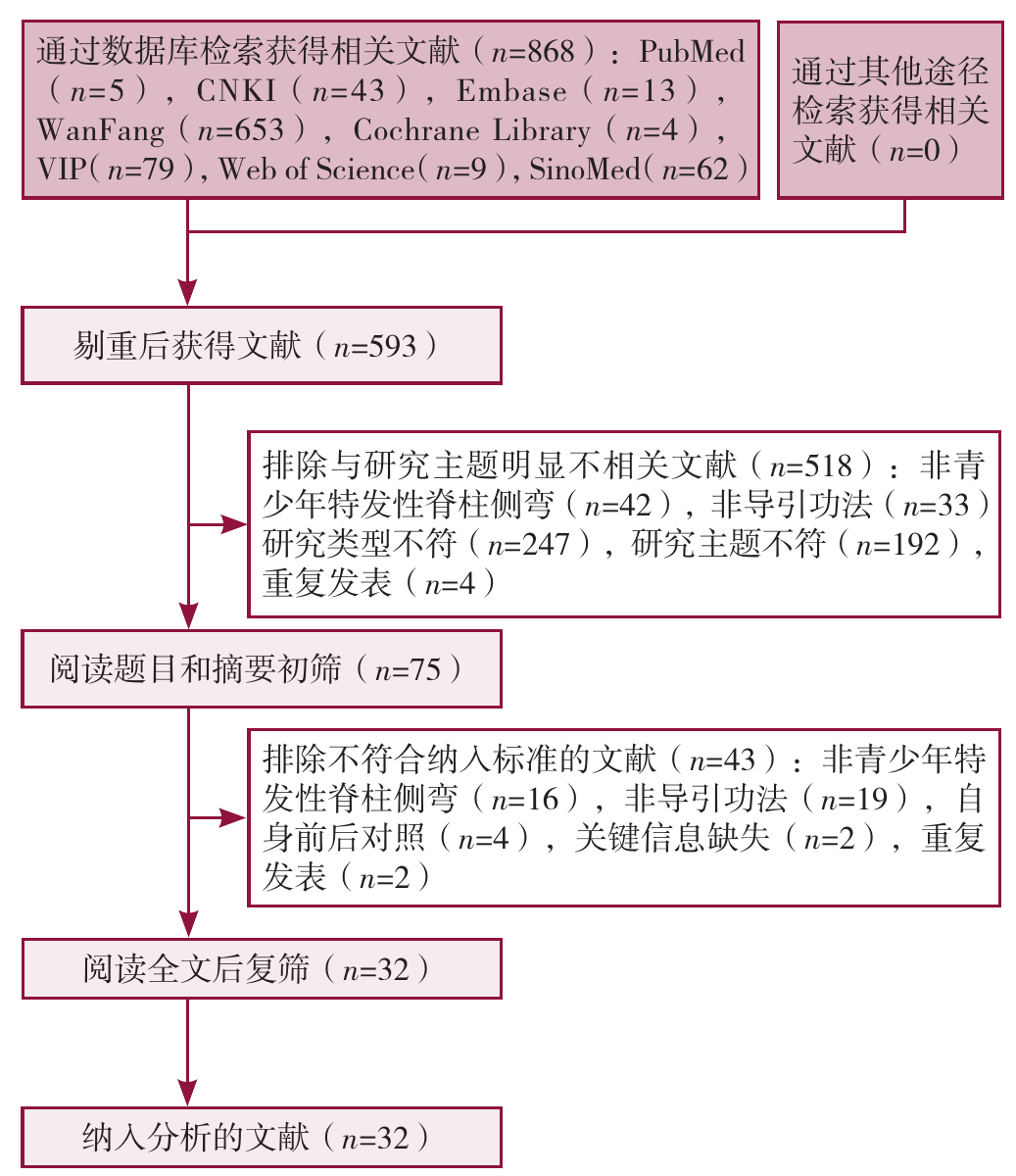
图1 文献筛选流程及结果注:CNKI=中国知网,WanFang=万方数据知识服务平台,VIP =维普网,SinoMed=中国生物医学文献服务系统。
Figure 1 Flowchart of literature screening and corresponding results
| 序号 | 第一作者 | 年份(年) | 研究类型 | 干预对象 | 样本量 | 干预措施 | 导引功法频次 | 疗程 | 结局指标及结果 | ||
|---|---|---|---|---|---|---|---|---|---|---|---|
| T | C | T | C | ||||||||
| 1 | 钟义[ | 2025 | n-RCTs | AIS | 60 | 60 | 呼吸导引+手法 | 牵引 | 2次/d | 4周 | ①总有效率↑;②腰背肌力↑;③ATR↓;④Cobb角↓;⑤VAS评分↓;⑥6 MWT↑;⑦SRS-22评分↑ |
| 2 | 户亚娟[ | 2025 | RCTs | AIS (Cobb角10°~25°) | 40 | 40 | 八段锦+Schroth训练+常规康复训练 | Schroth训练+常规康复训练 | 5次/周 | 12周 | ①ΔCobb角↑;②ΔCA↑;③ΔATL↑;④ΔATR↑;⑤Δ双侧竖脊肌硬度↑;⑥ΔVAS评分↑;⑦ΔODI评分↑;⑧ΔSRS-22评分↓;⑨总有效率↑ |
| 3 | 骆寒冰[ | 2025 | RCTs | AIS (Cobb角10°~45°) | 42 | 42 | 导引功法a+手法 | 导引功法a | 5次/周 | 16周 | ①Cobb角×;②VAS评分×;③ATR↓;④POTSI↓ |
| 4 | 靳松峰[ | 2025 | RCTs | AIS (Cobb角10°~45°) | 42 | 42 | 导引功法b+Schroth训练 | 常规康复训练 | 1次/d | 16周 | ①总有效率↑;②Cobb角↓;③AVR↓;④顶椎偏距↓;⑤FVC↑;⑥MVV↑;⑦SRS-22评分↑ |
| 5 | 蒋薪吉[ | 2025 | RCTs | AIS (Cobb角10°~30°) | 30 | 30 | 导引功法c+Schroth训练+核心稳定性训练 | 常规康复训练 | 3次/周 | 12周 | ①Cobb角↓;②ATR↓;③SRS-22评分↑;④总有效率↑ |
| 6 | 林梅琴[ | 2025 | n-RCTs | AIS (Cobb角25°~40°) | 26 | 26 | 八段锦+支具+常规康复训练 | 支具+常规康复训练 | 4次/周 | 12周 | ①Cobb角↓;②SRS-22评分↑;③BBS评分↑;④6 MWT↑ |
| 7 | 卞光明[ | 2025 | RCTs | AIS (Cobb角10°~40°) | 28 | 29 | 八段锦+手法+PSSE | 正骨手法+PSSE | 1次/d | 12周 | ①Cobb角↓;②脊柱平衡差距↓;③COP置信椭圆面积↓;④双足对称指数↓;⑤SRS~22评分↑;⑥总有效率↑ |
| 8 | 陈莉[ | 2024 | RCTs | AIS (Cobb角10°~25°) | 25 | 25 | 燕青门养生功法d+手法+Schroth训练+中频脉冲 | Schroth训练+中频脉冲 | 2次/d | 24周 | ①Cobb角↓;②ATR↓;③SRS~22评分↑;④总有效率↑ |
| 9 | 丁雯[ | 2024 | RCTs | AIS (Cobb角10°~25°) | 44 | 44 | 六字诀+Schroth训练+常规康复训练 | 常规康复训练 | 5次/周 | 10周 | ①Cobb角↓;②腰椎活动度↑;③SRS~22评分↑ |
| 10 | 李露露[ | 2024 | RCTs | AIS (Cobb角10°~40°) | 30 | 30 | 八段锦+药棒正脊 | 八段锦 | 1次/d | 12周 | ①Cobb角↓;②ATR↓;③中医证候积分↓;④总有效率↑ |
| 11 | 娄卓然[ | 2024 | RCTs | AIS (Cobb角10°~40°) | 32 | 31 | 八段锦+药棒正脊 | 八段锦 | 1次/d | 12周 | ①Cobb角↓;②ATR↓;③中医证候积分↓;④总有效率↑;⑤AVR×;⑥NRS评分×;⑦Roland~Morris评分×;⑧不良反应 |
| 12 | 孙蕾[ | 2024 | RCTs | AIS (Cobb角10°~40°) | 30 | 30 | 八段锦+药棒正脊 | 八段锦 | 1次/d | 12周 | ①Cobb角↓;②中医证候积分↓;③mMRC呼吸困难评分↓;④总有效率↑;⑤不良反应 |
| 13 | 胡博[ | 2024 | RCTs | AIS (Cobb角10°~40°) | 30 | 30 | 八段锦+药棒正脊 | 八段锦 | 1次/d | 12周 | ①Cobb角↓;②ATR↓;③中医证候积分×;④总有效率↑;⑤Roland~Morris评分×;⑥不良反应 |
| 14 | 刘路[ | 2023 | n-RCTs | AIS (Cobb角10°~20°) | 48 | 48 | 龙脊导引操e | 健康宣教及观察监测 | 2次/d | 12周 | ①Cobb角↓;②ATR↓;③SRS~22评分↑ |
| 15 | 刘苗[ | 2023 | RCTs | AIS (Cobb角10°~40°) | 37 | 37 | 易筋经+手法 | 支具 | 1次/d | 24周 | ①Cobb角↓;②SRS~22评分↑;③总有效率↑;④不良反应 |
| 16 | 陈元奎[ | 2022 | RCTs | AIS(Cobb角25°~45°) | 30 | 30 | 八段锦+支具+常规康复训练 | 支具+常规康复训练 | 2次/d | 16周 | ①Cobb角↓;②总有效率↑;③腰椎功能障碍评分↓;④mMRC呼吸困难评分↓;⑤康复依从性↑;⑥不良反应 |
| 17 | 方光[ | 2021 | RCTs | AIS(Cobb角10°~40°) | 75 | 75 | 导引功法a+手法 | 支具 | 2次/d | 48周 | ①Cobb角↓;②总有效率↑;③SRS~22评分↑ |
| 18 | 高磊[ | 2020 | n-RCTs | AIS(Cobb角10°~40°) | 60 | 60 | 导引功法a+手法 | 支具 | 2次/d | 24周 | ①Cobb角↓;②总有效率↑;③凸凹侧AEMG比值↓;④FVC↑;⑤FEV1/FVC↑;⑥MVV↑ |
| 19 | 朱安琪[ | 2020 | RCTs | AIS | 31 | 32 | 五禽戏+旋转式呼吸训练 | 体育锻炼 | ≥3次/周 | 12周 | ①ATL↓;②腰部竖脊肌硬度差值↓;③莫尔纹图等高线间距↑;④SRS~22评分↑ |
| 20 | 蒋忠[ | 2020 | RCTs | AIS(Cobb角10°~40°) | 36 | 36 | 导引功法a+手法 | 支具 | 2次/d | 48周 | ①Cobb角↓;②FEV1/FVC×;③VC%Pred↑;④SRS~22评分↑ |
| 21 | 宋圣阁[ | 2017 | RCTs | AIS(Cobb角20°~45°) | 53 | 53 | 导引功法a+手法+针刀 | 支具 | 2次/d | 48周 | ①Cobb角↓;②FVC↑;③FEV1/FVC↑;④MVV↑;⑤凸凹侧AEMG比值↓;⑥不良反应 |
| 22 | 向勇[ | 2017 | n-RCTs | AIS(Cobb角10°~40°) | 50 | 50 | 导引功法f+手法 | 牵引 | 1次/d | 4周 | ①Cobb角↓;②总有效率↑ |
| 23 | 沈嘉平[ | 2016 | RCTs | AIS(Cobb角20°~45°) | 58 | 49 | 导引功法a+手法+针刀 | 支具 | 2次/d | 48周 | ①Cobb角↓;②VC↑;③FEV1/FVC↑;④MVV↑;⑤凸凹侧AEMG比值↓;⑥不良反应 |
| 24 | 林婕[ | 2015 | RCTs | AIS(Cobb角10°~35°) | 15 | 15 | 导引功法a+手法 | 健康教育 | 1次/d | 4周 | ①Cobb角↓;②SF~36评分↑;③神经运动传导波幅↓;④神经运动传导潜伏期↓;⑤总有效率↑ |
| 25 | Wei[ | 2015 | RCTs | AIS(Cobb角20°~40°) | 58 | 49 | 导引功法a+手法+针刀 | 支具 | 2次/d | 48周 | ①Cobb角矫正率×;②VC↑;③FEV1/FVC↑;④MVV↑;⑤凸凹侧AEMG比值↓;⑥不良反应 |
| 26 | 魏晖[ | 2014 | RCTs | AIS(Cobb角10°~40°) | 55 | 35 | 导引功法a+手法+针刀 | 支具 | 2次/d | 48周 | ①Cobb角矫正度×;②Cobb角矫正率×;③VC↑;④FEV1/FVC↑;⑤MVV↑;⑥凸凹侧AEMG比值↓;⑦不良反应 |
| 27 | 钱雪华[ | 2010 | RCTs | AIS | 90 | 30 | 导引功法a+手法 | 空白对照 | 1次/d | 24周 | ①VC↑;②FEV1/FVC×;③MVV↑ |
| 28 | 钱雪华[ | 2007 | RCTs | AIS | 90 | 30 | 导引功法a+手法 | 空白对照 | 1次/d | 10 d | ①Cobb角↓;②总有效率↑;③不良反应 |
表2 纳入研究基本特征
Table 2 Basic characteristics of included studies
| 序号 | 第一作者 | 年份(年) | 研究类型 | 干预对象 | 样本量 | 干预措施 | 导引功法频次 | 疗程 | 结局指标及结果 | ||
|---|---|---|---|---|---|---|---|---|---|---|---|
| T | C | T | C | ||||||||
| 1 | 钟义[ | 2025 | n-RCTs | AIS | 60 | 60 | 呼吸导引+手法 | 牵引 | 2次/d | 4周 | ①总有效率↑;②腰背肌力↑;③ATR↓;④Cobb角↓;⑤VAS评分↓;⑥6 MWT↑;⑦SRS-22评分↑ |
| 2 | 户亚娟[ | 2025 | RCTs | AIS (Cobb角10°~25°) | 40 | 40 | 八段锦+Schroth训练+常规康复训练 | Schroth训练+常规康复训练 | 5次/周 | 12周 | ①ΔCobb角↑;②ΔCA↑;③ΔATL↑;④ΔATR↑;⑤Δ双侧竖脊肌硬度↑;⑥ΔVAS评分↑;⑦ΔODI评分↑;⑧ΔSRS-22评分↓;⑨总有效率↑ |
| 3 | 骆寒冰[ | 2025 | RCTs | AIS (Cobb角10°~45°) | 42 | 42 | 导引功法a+手法 | 导引功法a | 5次/周 | 16周 | ①Cobb角×;②VAS评分×;③ATR↓;④POTSI↓ |
| 4 | 靳松峰[ | 2025 | RCTs | AIS (Cobb角10°~45°) | 42 | 42 | 导引功法b+Schroth训练 | 常规康复训练 | 1次/d | 16周 | ①总有效率↑;②Cobb角↓;③AVR↓;④顶椎偏距↓;⑤FVC↑;⑥MVV↑;⑦SRS-22评分↑ |
| 5 | 蒋薪吉[ | 2025 | RCTs | AIS (Cobb角10°~30°) | 30 | 30 | 导引功法c+Schroth训练+核心稳定性训练 | 常规康复训练 | 3次/周 | 12周 | ①Cobb角↓;②ATR↓;③SRS-22评分↑;④总有效率↑ |
| 6 | 林梅琴[ | 2025 | n-RCTs | AIS (Cobb角25°~40°) | 26 | 26 | 八段锦+支具+常规康复训练 | 支具+常规康复训练 | 4次/周 | 12周 | ①Cobb角↓;②SRS-22评分↑;③BBS评分↑;④6 MWT↑ |
| 7 | 卞光明[ | 2025 | RCTs | AIS (Cobb角10°~40°) | 28 | 29 | 八段锦+手法+PSSE | 正骨手法+PSSE | 1次/d | 12周 | ①Cobb角↓;②脊柱平衡差距↓;③COP置信椭圆面积↓;④双足对称指数↓;⑤SRS~22评分↑;⑥总有效率↑ |
| 8 | 陈莉[ | 2024 | RCTs | AIS (Cobb角10°~25°) | 25 | 25 | 燕青门养生功法d+手法+Schroth训练+中频脉冲 | Schroth训练+中频脉冲 | 2次/d | 24周 | ①Cobb角↓;②ATR↓;③SRS~22评分↑;④总有效率↑ |
| 9 | 丁雯[ | 2024 | RCTs | AIS (Cobb角10°~25°) | 44 | 44 | 六字诀+Schroth训练+常规康复训练 | 常规康复训练 | 5次/周 | 10周 | ①Cobb角↓;②腰椎活动度↑;③SRS~22评分↑ |
| 10 | 李露露[ | 2024 | RCTs | AIS (Cobb角10°~40°) | 30 | 30 | 八段锦+药棒正脊 | 八段锦 | 1次/d | 12周 | ①Cobb角↓;②ATR↓;③中医证候积分↓;④总有效率↑ |
| 11 | 娄卓然[ | 2024 | RCTs | AIS (Cobb角10°~40°) | 32 | 31 | 八段锦+药棒正脊 | 八段锦 | 1次/d | 12周 | ①Cobb角↓;②ATR↓;③中医证候积分↓;④总有效率↑;⑤AVR×;⑥NRS评分×;⑦Roland~Morris评分×;⑧不良反应 |
| 12 | 孙蕾[ | 2024 | RCTs | AIS (Cobb角10°~40°) | 30 | 30 | 八段锦+药棒正脊 | 八段锦 | 1次/d | 12周 | ①Cobb角↓;②中医证候积分↓;③mMRC呼吸困难评分↓;④总有效率↑;⑤不良反应 |
| 13 | 胡博[ | 2024 | RCTs | AIS (Cobb角10°~40°) | 30 | 30 | 八段锦+药棒正脊 | 八段锦 | 1次/d | 12周 | ①Cobb角↓;②ATR↓;③中医证候积分×;④总有效率↑;⑤Roland~Morris评分×;⑥不良反应 |
| 14 | 刘路[ | 2023 | n-RCTs | AIS (Cobb角10°~20°) | 48 | 48 | 龙脊导引操e | 健康宣教及观察监测 | 2次/d | 12周 | ①Cobb角↓;②ATR↓;③SRS~22评分↑ |
| 15 | 刘苗[ | 2023 | RCTs | AIS (Cobb角10°~40°) | 37 | 37 | 易筋经+手法 | 支具 | 1次/d | 24周 | ①Cobb角↓;②SRS~22评分↑;③总有效率↑;④不良反应 |
| 16 | 陈元奎[ | 2022 | RCTs | AIS(Cobb角25°~45°) | 30 | 30 | 八段锦+支具+常规康复训练 | 支具+常规康复训练 | 2次/d | 16周 | ①Cobb角↓;②总有效率↑;③腰椎功能障碍评分↓;④mMRC呼吸困难评分↓;⑤康复依从性↑;⑥不良反应 |
| 17 | 方光[ | 2021 | RCTs | AIS(Cobb角10°~40°) | 75 | 75 | 导引功法a+手法 | 支具 | 2次/d | 48周 | ①Cobb角↓;②总有效率↑;③SRS~22评分↑ |
| 18 | 高磊[ | 2020 | n-RCTs | AIS(Cobb角10°~40°) | 60 | 60 | 导引功法a+手法 | 支具 | 2次/d | 24周 | ①Cobb角↓;②总有效率↑;③凸凹侧AEMG比值↓;④FVC↑;⑤FEV1/FVC↑;⑥MVV↑ |
| 19 | 朱安琪[ | 2020 | RCTs | AIS | 31 | 32 | 五禽戏+旋转式呼吸训练 | 体育锻炼 | ≥3次/周 | 12周 | ①ATL↓;②腰部竖脊肌硬度差值↓;③莫尔纹图等高线间距↑;④SRS~22评分↑ |
| 20 | 蒋忠[ | 2020 | RCTs | AIS(Cobb角10°~40°) | 36 | 36 | 导引功法a+手法 | 支具 | 2次/d | 48周 | ①Cobb角↓;②FEV1/FVC×;③VC%Pred↑;④SRS~22评分↑ |
| 21 | 宋圣阁[ | 2017 | RCTs | AIS(Cobb角20°~45°) | 53 | 53 | 导引功法a+手法+针刀 | 支具 | 2次/d | 48周 | ①Cobb角↓;②FVC↑;③FEV1/FVC↑;④MVV↑;⑤凸凹侧AEMG比值↓;⑥不良反应 |
| 22 | 向勇[ | 2017 | n-RCTs | AIS(Cobb角10°~40°) | 50 | 50 | 导引功法f+手法 | 牵引 | 1次/d | 4周 | ①Cobb角↓;②总有效率↑ |
| 23 | 沈嘉平[ | 2016 | RCTs | AIS(Cobb角20°~45°) | 58 | 49 | 导引功法a+手法+针刀 | 支具 | 2次/d | 48周 | ①Cobb角↓;②VC↑;③FEV1/FVC↑;④MVV↑;⑤凸凹侧AEMG比值↓;⑥不良反应 |
| 24 | 林婕[ | 2015 | RCTs | AIS(Cobb角10°~35°) | 15 | 15 | 导引功法a+手法 | 健康教育 | 1次/d | 4周 | ①Cobb角↓;②SF~36评分↑;③神经运动传导波幅↓;④神经运动传导潜伏期↓;⑤总有效率↑ |
| 25 | Wei[ | 2015 | RCTs | AIS(Cobb角20°~40°) | 58 | 49 | 导引功法a+手法+针刀 | 支具 | 2次/d | 48周 | ①Cobb角矫正率×;②VC↑;③FEV1/FVC↑;④MVV↑;⑤凸凹侧AEMG比值↓;⑥不良反应 |
| 26 | 魏晖[ | 2014 | RCTs | AIS(Cobb角10°~40°) | 55 | 35 | 导引功法a+手法+针刀 | 支具 | 2次/d | 48周 | ①Cobb角矫正度×;②Cobb角矫正率×;③VC↑;④FEV1/FVC↑;⑤MVV↑;⑥凸凹侧AEMG比值↓;⑦不良反应 |
| 27 | 钱雪华[ | 2010 | RCTs | AIS | 90 | 30 | 导引功法a+手法 | 空白对照 | 1次/d | 24周 | ①VC↑;②FEV1/FVC×;③MVV↑ |
| 28 | 钱雪华[ | 2007 | RCTs | AIS | 90 | 30 | 导引功法a+手法 | 空白对照 | 1次/d | 10 d | ①Cobb角↓;②总有效率↑;③不良反应 |
| 干预措施 | 文献数量(篇) | 干预措施 | 文献数量(篇) |
|---|---|---|---|
| 干预方案 | 导引功法频次 | ||
| 单独干预 | 1 | 1次/d | 11 |
| 联合干预 | 27 | 2次/d | 11 |
| 导引功法+中医手法 | 10 | 5次/周 | 3 |
| 导引功法+中医手法+针刀 | 4 | 其他 | 3 |
| 导引功法+药棒正脊 | 4 | 导引功法疗程 | |
| 导引功法+Schroth+常规康复训练 | 3 | 12周 | 10 |
| 导引功法+支具+常规康复训练 | 2 | 48周 | 6 |
| 导引功法+Schroth训练 | 1 | 24周 | 4 |
| 导引功法+呼吸训练 | 1 | 16周 | 3 |
| 导引功法+中医手法+PSSE训练 | 1 | 4周 | 3 |
| 导引功法+中医手法+Schroth+中频 | 1 | 其他 | 2 |
| 导引功法类别 | 导引功法方案 | ||
| 脊柱平衡导引功法 | 11 | 2次/d,48周 | 6 |
| 八段锦 | 8 | 1次/d,12周 | 5 |
| 六字诀 | 1 | 1次/d,24周 | 2 |
| 五禽戏 | 1 | 2次/d,24周 | 2 |
| 易筋经 | 1 | 1次/d,4周 | 2 |
| 龙脊导引操 | 1 | 其他 | 11 |
| 燕青门养生功法 | 1 | ||
| 其他 | 4 |
表3 纳入研究干预措施特征
Table 3 Characteristics of interventions in included studies
| 干预措施 | 文献数量(篇) | 干预措施 | 文献数量(篇) |
|---|---|---|---|
| 干预方案 | 导引功法频次 | ||
| 单独干预 | 1 | 1次/d | 11 |
| 联合干预 | 27 | 2次/d | 11 |
| 导引功法+中医手法 | 10 | 5次/周 | 3 |
| 导引功法+中医手法+针刀 | 4 | 其他 | 3 |
| 导引功法+药棒正脊 | 4 | 导引功法疗程 | |
| 导引功法+Schroth+常规康复训练 | 3 | 12周 | 10 |
| 导引功法+支具+常规康复训练 | 2 | 48周 | 6 |
| 导引功法+Schroth训练 | 1 | 24周 | 4 |
| 导引功法+呼吸训练 | 1 | 16周 | 3 |
| 导引功法+中医手法+PSSE训练 | 1 | 4周 | 3 |
| 导引功法+中医手法+Schroth+中频 | 1 | 其他 | 2 |
| 导引功法类别 | 导引功法方案 | ||
| 脊柱平衡导引功法 | 11 | 2次/d,48周 | 6 |
| 八段锦 | 8 | 1次/d,12周 | 5 |
| 六字诀 | 1 | 1次/d,24周 | 2 |
| 五禽戏 | 1 | 2次/d,24周 | 2 |
| 易筋经 | 1 | 1次/d,4周 | 2 |
| 龙脊导引操 | 1 | 其他 | 11 |
| 燕青门养生功法 | 1 | ||
| 其他 | 4 |
| 指标阈 | 结局指标 | 频次(次) | 指标阈 | 结局指标 | 频次(次) |
|---|---|---|---|---|---|
| 中医病证 | 4 | 理化检测 | 78 | ||
| 中医证候积分 | 4 | 影像学 | Cobb角 | 27 | |
| 症状/体征 | 32 | AVR | 2 | ||
| 总有效率 | 17 | ATL | 2 | ||
| 疼痛 | VAS评分 | 3 | CA | 1 | |
| NRS评分 | 1 | POTSI | 1 | ||
| 肺功能 | mMRC呼吸困难评分 | 2 | 顶椎偏距 | 1 | |
| Roland-Morris评分 | 2 | 脊柱平衡差距 | 1 | ||
| ODI评分 | 1 | 脊柱旋转测量仪 | ATR | 9 | |
| 腰椎功能 | 腰椎功能障碍评分 | 1 | 肺功能 | FEV1/FVC | 7 |
| 腰背肌力 | 1 | MVV | 7 | ||
| 腰椎活动度 | 1 | VC | 4 | ||
| 运动能力 | 6 MWT | 2 | FVC | 3 | |
| 平衡能力 | BBS评分 | 1 | VC%Pred | 1 | |
| 生活质量 | 14 | 步态分析 | COP置信椭圆面积 | 1 | |
| SRS-22评分 | 13 | 双足对称指数 | 1 | ||
| SF-36评分 | 1 | 超声成像 | 双侧竖脊肌硬度差值 | 2 | |
| 远期预后 | 1 | 光栈立体成像 | 莫尔纹图等高线间距 | 1 | |
| 康复依从性 | 1 | 肌电图 | 神经运动传导波幅 | 1 | |
| 经济学评估 | 0 | 神经运动传导潜伏期 | 1 | ||
| 安全性事件 | 10 | 表面肌电图 | 凸凹侧AEMG比值 | 5 | |
| 不良反应 | 10 |
表4 结局指标使用频次分布
Table 4 Frequency distribution of outcomes
| 指标阈 | 结局指标 | 频次(次) | 指标阈 | 结局指标 | 频次(次) |
|---|---|---|---|---|---|
| 中医病证 | 4 | 理化检测 | 78 | ||
| 中医证候积分 | 4 | 影像学 | Cobb角 | 27 | |
| 症状/体征 | 32 | AVR | 2 | ||
| 总有效率 | 17 | ATL | 2 | ||
| 疼痛 | VAS评分 | 3 | CA | 1 | |
| NRS评分 | 1 | POTSI | 1 | ||
| 肺功能 | mMRC呼吸困难评分 | 2 | 顶椎偏距 | 1 | |
| Roland-Morris评分 | 2 | 脊柱平衡差距 | 1 | ||
| ODI评分 | 1 | 脊柱旋转测量仪 | ATR | 9 | |
| 腰椎功能 | 腰椎功能障碍评分 | 1 | 肺功能 | FEV1/FVC | 7 |
| 腰背肌力 | 1 | MVV | 7 | ||
| 腰椎活动度 | 1 | VC | 4 | ||
| 运动能力 | 6 MWT | 2 | FVC | 3 | |
| 平衡能力 | BBS评分 | 1 | VC%Pred | 1 | |
| 生活质量 | 14 | 步态分析 | COP置信椭圆面积 | 1 | |
| SRS-22评分 | 13 | 双足对称指数 | 1 | ||
| SF-36评分 | 1 | 超声成像 | 双侧竖脊肌硬度差值 | 2 | |
| 远期预后 | 1 | 光栈立体成像 | 莫尔纹图等高线间距 | 1 | |
| 康复依从性 | 1 | 肌电图 | 神经运动传导波幅 | 1 | |
| 经济学评估 | 0 | 神经运动传导潜伏期 | 1 | ||
| 安全性事件 | 10 | 表面肌电图 | 凸凹侧AEMG比值 | 5 | |
| 不良反应 | 10 |
| [1] |
|
| [2] |
|
| [3] |
|
| [4] |
|
| [5] |
|
| [6] |
|
| [7] |
|
| [8] |
|
| [9] |
|
| [10] |
|
| [11] |
于潼,李鑫,张振南,等. 青少年特发性脊柱侧凸治未病干预指南(T/CACM 1555-2023)[J]. 中国骨与关节损伤杂志, 2026, 41(1): 43-49. DOI: 10.7531/j.issn.1672-9935.2026.01.009.
|
| [12] |
李丽,于少泓,周霞,等. 中医康复临床实践指南·儿童青少年特发性脊柱侧弯[J]. 康复学报, 2023, 33(4): 295-302. DOI: 10.3724/SP.J.1329.2023.04002.
|
| [13] |
|
| [14] |
|
| [15] |
|
| [16] |
|
| [17] |
|
| [18] |
马艳,王倩,曹新燕,等. 中医外治法治疗青少年特发性脊柱侧弯有效性及安全性的网状Meta分析[J]. 颈腰痛杂志, 2025, 46(5): 931-943. DOI: 10.3969/j.issn.1005-7234.2025.05.024.
|
| [19] |
钟义,肖志刚,吴明,等. 呼吸导引结合整脊调曲治疗青少年特发性脊柱侧弯的临床观察与评估[J]. 中外医学研究, 2025, 23(20): 152-155. DOI: 10.14033/j.cnki.cfmr.2025.20.040.
|
| [20] |
户亚娟,王凌啸,魏冬锋,等. 八段锦联合Schroth训练对青少年特发性脊柱侧弯的干预效果[J]. 郑州大学学报(医学版), 2025, 60(4): 565-568.
|
| [21] |
骆寒冰,陈韶,韩笑,等. 脊柱平衡手法结合功法锻炼治疗青少年特发性脊柱侧弯疗效观察[J]. 浙江中医杂志, 2025, 60(2): 138-140. DOI: 10.3969/j.issn.0411-8421.2025.02.019.
|
| [22] |
靳松峰,杨帅胜,袁海涛. 中医导引术联合施罗特核心训练在青少年特发性脊柱侧弯患者中的应用效果[J]. 医学临床研究, 2025, 42(8): 1424-1427.
|
| [23] |
蒋薪吉,黄奎麟,刘超,等. 基于"补肾健脾疏肝"的康复治疗干预青少年特发性脊柱侧弯的临床研究[J]. 医学理论与实践, 2025, 38(24): 4303-4306. DOI: 10.19381/j.issn.1001-7585.2025.24.053.
|
| [24] |
林梅琴,林奕伦,黄丹霞,等. 矫形支具联合八段锦对青少年特发性脊柱侧弯患者的治疗效果[J]. 西藏医药, 2025, 46(5): 155-157. DOI: 10.3969/j.issn.1005-5177.2025.05.068.
|
| [25] |
卞光明. 八段锦治疗青少年特发性脊柱侧弯的临床疗效观察[D]. 南京: 南京中医药大学, 2025.
|
| [26] |
陈莉,蒲渝,何祥伟,等. 中医正骨手法联合导引功法辅治青少年特发性脊柱侧凸临床研究[J]. 实用中医药杂志, 2024, 40(11): 2281-2284.
|
| [27] |
丁雯,齐敬东. 施罗斯疗法联合六字诀对青少年特发性脊柱侧弯患者的影响研究[J]. 当代医药论丛, 2024, 22(22): 38-40. DOI: 10.3969/j.issn.2095-7629.2024.22.011.
|
| [28] |
李露露. 药棒正脊联合八段锦治疗青少年特发性脊柱侧弯(胸椎单弧型)脾肾阳虚证的临床研究[D]. 济南: 山东中医药大学, 2024.
|
| [29] |
娄卓然. 药棒正脊联合八段锦治疗青少年特发性脊柱侧弯(腰椎单弧型)肾虚血瘀证的临床研究[D]. 济南: 山东中医药大学, 2024.
|
| [30] |
孙蕾. 药棒正脊联合八段锦治疗青少年特发性脊柱侧弯(胸椎单弧型)肾阳亏虚证的临床研究[D]. 济南: 山东中医药大学, 2024.
|
| [31] |
胡博. 药棒正脊联合八段锦治疗青少年特发性脊柱侧弯(腰椎单弧型)脾肾阳虚证的临床研究[D]. 济南: 山东中医药大学, 2024.
|
| [32] |
刘路,张微,胡增平,等. 龙脊导引操对青少年轻度特发性脊柱侧凸治疗效果评价[J]. 中国学校卫生, 2023, 44(1): 119-122. DOI: 10.16835/j.cnki.1000-9817.2023.01.026.
|
| [33] |
刘苗. 整脊推拿配合易筋经锻炼治疗青少年特发性脊柱侧凸的临床研究[D]. 济南: 山东中医药大学, 2023.
|
| [34] |
陈元奎. Q版八段锦治疗青少年特发性脊柱侧弯的短期临床疗效观察[D]. 福州: 福建中医药大学, 2022.
|
| [35] |
方光,杜红根,石叶栋. 中医脊柱平衡疗法治疗青少年特发性脊柱侧凸疗效观察[J]. 广西中医药, 2021, 44(6): 34-37.
|
| [36] |
高磊,瞿玉兴,沈鹏飞,等. 脊柱平衡疗法应用于青少年特发性脊柱侧凸病人中的效果[J]. 安徽医药, 2020, 24(12): 2390-2393. DOI: 10.3969/j.issn.1009-6469.2020.12.015.
|
| [37] |
朱安琪. 五禽戏结合旋转式呼吸训练治疗青少年特发性脊柱侧弯的疗效观察[D]. 上海: 上海中医药大学, 2020.
|
| [38] |
蒋忠. 中医脊柱平衡疗法治疗青少年特发性脊柱侧凸的临床疗效评价[D]. 杭州: 浙江中医药大学, 2020.
|
| [39] |
宋圣阁. 评价中医综合疗法对青少年特发性脊柱侧凸(AIS)患者肺功能和表面平均肌电(AEMG)比值的影响[J]. 颈腰痛杂志, 2017, 38(6): 542-544. DOI: 10.3969/j.issn.1005-7234.2017.06.003.
|
| [40] |
向勇,王春林,田启东,等. "后伸侧扳"手法配合导引功法治疗青少年特发性脊柱侧弯症临床研究[J]. 河北中医, 2017, 39(2): 287-290. DOI: 10.3969/j.issn.1002-2619.2017.02.032.
|
| [41] |
沈嘉平,李海龙. 中医综合疗法对青少年特发性脊柱侧凸患者肺功能及表面平均肌电比值的影响[J]. 解放军医学杂志, 2016, 41(8): 668-672. DOI: 10.11855/j.issn.0577-7402.2016.08.11.
|
| [42] |
林婕. 平衡导引操与手法防治青少年特发性脊柱侧凸症的随机对照研究[D]. 上海: 上海中医药大学, 2015.
|
| [43] |
|
| [44] |
魏晖,杜红根,叶树良,等. 脊柱平衡法治疗青少年特发性脊柱侧凸症的随机对照研究[J]. 中华中医药学刊, 2014, 32(5): 1070-1073. DOI: 10.13193/j.issn.1673-7717.2014.05.037.
|
| [45] |
钱雪华,唐占英,叶秀兰,等. 导引手法综合治疗对青少年特发性脊柱侧凸症肺功能的影响[J]. 上海中医药大学学报, 2010, 24(5): 49-51.
|
| [46] |
钱雪华,唐占英,叶秀兰,等. 导引手法治疗青少年特发性脊柱侧凸症:多中心,分层随机区组化对照[J]. 中国组织工程研究与临床康复, 2007, 11(49): 9890-9893. DOI: 10.3321/j.issn:1673-8225.2007.49.019.
|
| [47] |
张明妍,张俊华,张伯礼,等. 中医药临床试验核心指标集研制技术规范[J]. 中华中医药杂志, 2021, 36(2): 924-928.
|
| [48] |
董君翔,文亚,杜红根. 中医传统功法在青少年特发性脊柱侧弯治疗中的应用探析[J]. 中医康复, 2025, 2(5): 19-25. DOI: 10.19787/j.issn.2097-3128.2025.05.004.
|
| [49] |
|
| [50] |
|
| [1] | 王国军, 银河, 刘宁, 冯天笑, 孙凯, 解化龙, 王谦, 魏戌. 青少年特发性脊柱侧弯可穿戴设备研发及应用进展[J]. 中国全科医学, 2026, 29(34): 5132-5136. |
| [2] | 胡若萌, 刘志栋, 陈俊岚, 王淼, 周时高. 代谢方联合二甲双胍干预2型糖尿病合并肥胖患者的多中心、双盲随机对照研究[J]. 中国全科医学, 2026, 29(33): 4854-4860. |
| [3] | 贾思锋, 张卓, 段昱宇, 颜克秋, 左新河, 李扬, 赵勇. 饮食模式干预在自身免疫性甲状腺炎中的应用:综述与个体化治疗策略[J]. 中国全科医学, 2026, 29(33): 4981-4992. |
| [4] | 朱荣欣, 郜统勋, 袁振华, 吴静静, 童敏, 牛宇航, 任献青. 儿童过敏性紫癜肾脏损伤风险预测模型研究的范围综述[J]. 中国全科医学, 2026, 29(33): 4928-4935. |
| [5] | 谭丽博, 刘南阳, 李浩. 中成药治疗阿尔茨海默病临床研究的证据图分析[J]. 中国全科医学, 2026, 29(32): 4805-4814. |
| [6] | 李喜玲, 张帆, 杨欣月, 杨姮. "零食式锻炼"在慢性病管理中应用的范围综述[J]. 中国全科医学, 2026, 29(30): 4472-4479. |
| [7] | 陈毓婧, 王岩, 李光, 董本超, 杨培川, 马剑雄. 数字技术在亚洲地区老年人肌少症干预中应用的范围综述[J]. 中国全科医学, 2026, 29(29): 4200-4210. |
| [8] | 解霄芸, 刘晨曦, 柳羽姝, 周艺涵. 中国基层医疗卫生机构人工智能研究实践及潜在数据贫困问题:一项范围综述[J]. 中国全科医学, 2026, 29(28): 4067-4077. |
| [9] | 刘雅慧, 徐雅楠, 袁玲, 武丽桂, 周玉洁, 康玉彪. 基于优先级决策的安宁疗护患者分诊研究范围综述[J]. 中国全科医学, 2026, 29(24): 3538-3544. |
| [10] | 吴礼云, 孙华婧, 顾艺卿, 梅紫琦, 金胜姬, 张素菊, 诸赟, 张瑶, 李琴, 刘小苗, 王庆, 柏亚妹, 徐桂华. 数智化技术用于急性心肌梗死心电监测的范围综述[J]. 中国全科医学, 2026, 29(24): 3545-3552. |
| [11] | 李文萍, 陈建华, 许家培, 金雪, 潘子涵, 迟春花. 数智化健康管理平台赋能社区老年人健康服务的范围综述[J]. 中国全科医学, 2026, 29(21): 2938-2949. |
| [12] | 冯贞贞, 刘文瑞, 李建生, 关徐涛, 全建峰, 高宏, 田建辉, 荣震, 侯炜, 周洵. 全国不同区域的2 340例肺癌患者临床特征及基础证候分布差异研究[J]. 中国全科医学, 2026, 29(20): 2860-2866. |
| [13] | 周慧, 唐欲博, 陈杰, 唐可京, 元刚, 姚弥. 遵循SPIRIT和CONSORT标准对随机对照试验中使用替代终点的扩展指南解读[J]. 中国全科医学, 2026, 29(15): 2107-2112. |
| [14] | 严明, 夏瑀, 周鹏翔, 周馨媚, 方力争, 赵洋, 徐志杰. 处方精简实施的阻碍因素和促进因素:基于更新版实施性研究综合框架的范围综述[J]. 中国全科医学, 2026, 29(07): 936-944. |
| [15] | 史佳琦, 王玉欣, 罗佳妮, 姜琪, 吴善玉, 金头峰. 胃肠道癌症患者症状群影响因素的范围综述[J]. 中国全科医学, 2026, 29(05): 668-675. |
| 阅读次数 | ||||||
|
全文 |
|
|||||
|
摘要 |
|
|||||