中国全科医学 ›› 2026, Vol. 29 ›› Issue (05): 574-582.DOI: 10.12114/j.issn.1007-9572.2024.0387

所属专题: 社区卫生服务最新研究合辑

• 中国全科医疗/社区卫生服务工作研究 • 上一篇    下一篇

上海市基层医疗卫生机构发热诊室运行情况与反思:一项混合性研究

闫云云1,2,3, 顾洁1, 钱婵莉4, 朱志宁5, 苏瑾6, 杜兆辉7, 黄延焱1, 应晓华2,*()   

  1. 1.200040 上海市,复旦大学附属华山医院全科医学科
    2.200032 上海市,复旦大学公共卫生学院
    3.200129 上海市浦东卫生发展研究院
    4.201107 上海市闵行区华漕社区卫生服务中心
    5.200435 上海市静安区彭浦新村街道社区卫生服务中心
    6.200030 上海市徐汇区枫林街道社区卫生服务中心
    7.200126 上海市浦东新区上钢社区卫生服务中心
  • 收稿日期:2024-09-09 修回日期:2024-12-23 出版日期:2026-02-15 发布日期:2026-01-05
  • 通讯作者: 应晓华

  • 作者贡献:

    闫云云、顾洁、杜兆辉负责文章的构思与设计;闫云云、钱婵莉、苏瑾负责专家访谈的实施;黄延焱、应晓华负责文章的可行性分析、质量控制及审校;闫云云、朱志宁负责文献/资料收集与整理、论文撰写;杜兆辉、黄延焱负责论文修订;应晓华对文章整体负责。

  • 基金资助:
    浦东新区卫生健康委2023年度科技项目面上项目(PW2023A-72); 浦东新区卫生系统医学学科建设-社区示范学科(PWYsf2021-03)

The Operational Status and Evaluation of Fever Clinics in Primary Healthcare Centers in Shanghai: a Mixed Methods Study

YAN Yunyun1,2,3, GU Jie1, QIAN Chanli4, ZHU Zhining5, SU Jin6, DU Zhaohui7, HUANG Yanyan1, YING Xiaohua2,*()   

  1. 1. General Practice Department, Huashan Hospital Affiliated to Fudan University, Shanghai 200040, China
    2. School of Public Health, Fudan University, Shanghai 200032, China
    3. Pudong Health Development Research Institute, Shanghai 200129, China
    4. Huacao Community Health Service Center, Minhang District, Shanghai 201107, China
    5. Pengpuxincun Sub-district Community Health Service Center, Jing'an District, Shanghai 200435, China
    6. Fenglin Sub-district Community Health Service Center, Xuhui District, Shanghai 200030, China
    7. Shanggang Community Health Service Center, Pudong New Area, Shanghai 200126, China
  • Received:2024-09-09 Revised:2024-12-23 Published:2026-02-15 Online:2026-01-05
  • Contact: YING Xiaohua

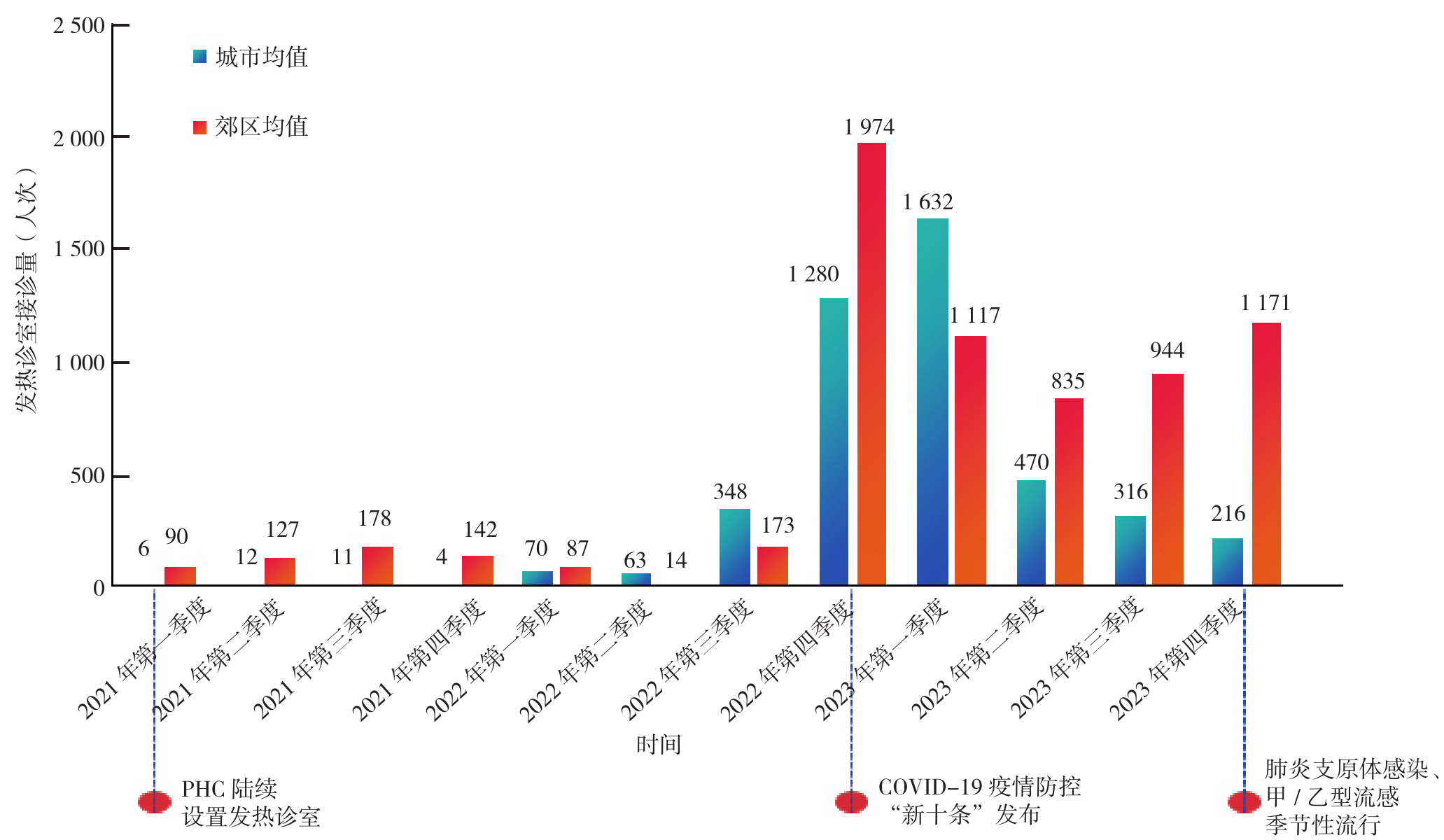
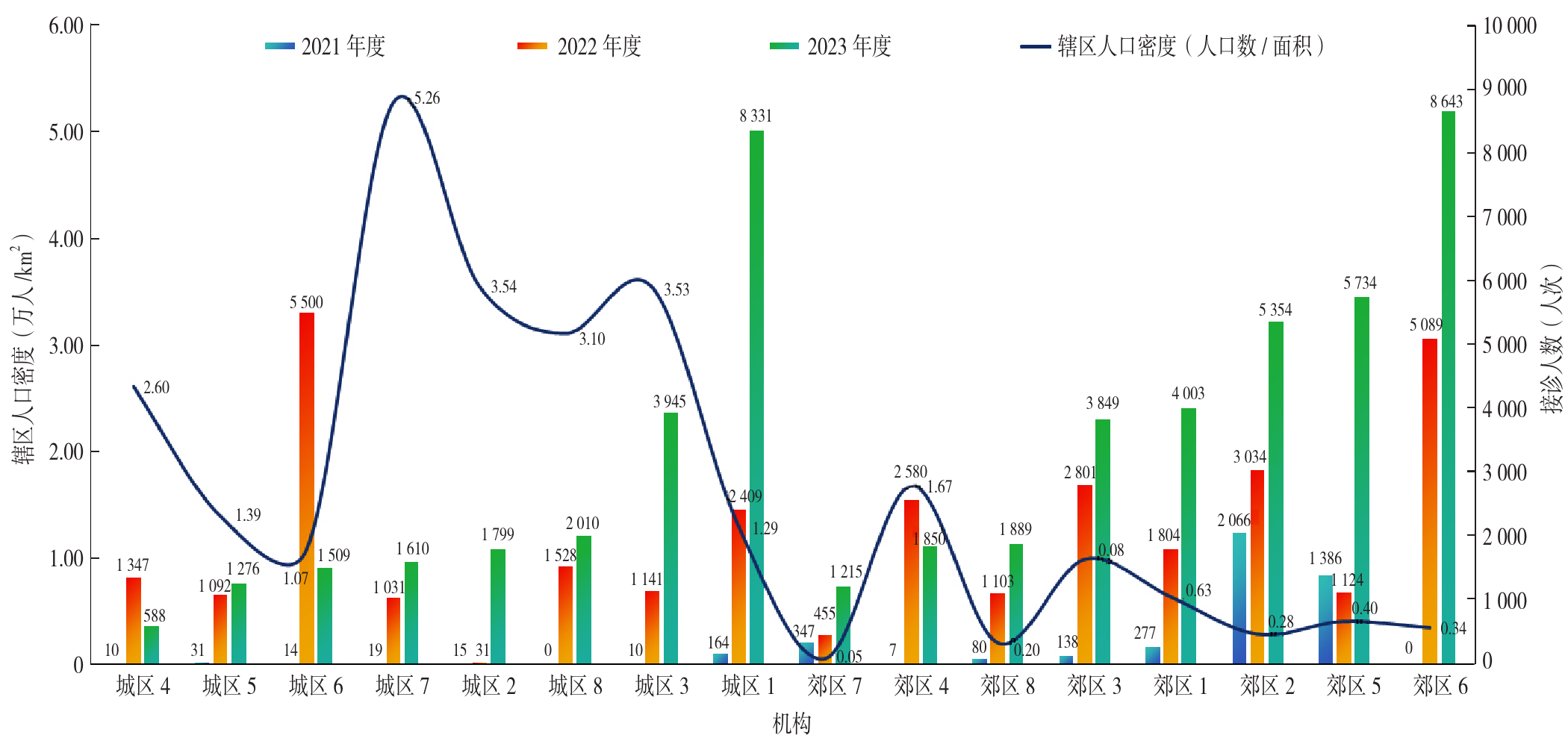
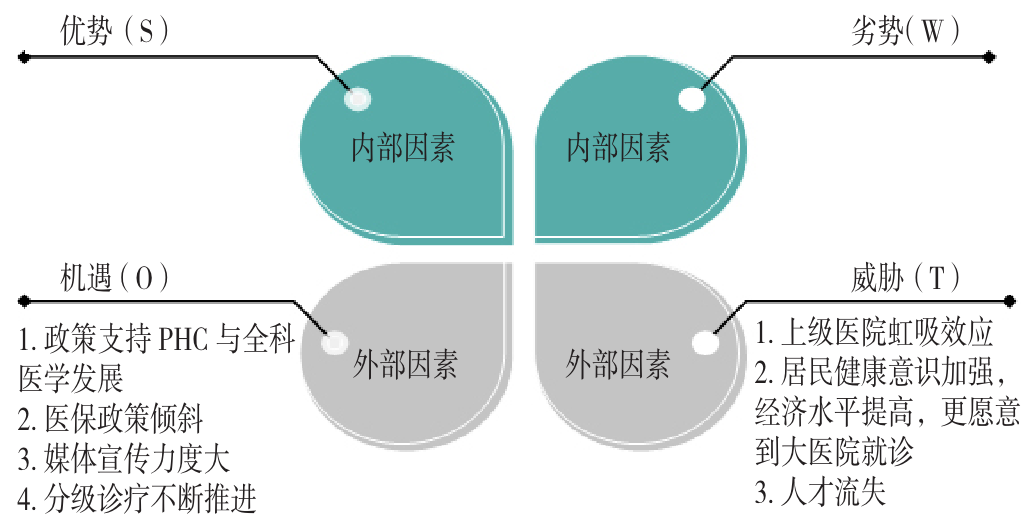
摘要: 背景 自2003年起,为有效应对突发呼吸道传染病事件,我国持续推进国家公共卫生事件医疗救治体系的建设与完善。随着新型冠状病毒感染(COVID-19)疫情防控工作的开展,我国基层医疗卫生机构(PHC)自2020年开始陆续设置发热诊室,形成了更为精细化的公共卫生事件医疗救治体系。此后,发热诊室的利用情况与接诊量不断变化,但其发展规律尚未探明。 目的 了解上海市PHC发热诊室设置3年来的运行情况,剖析问题,并提出针对性改进建议。 方法 2023-11-23—2024-06-18,采用典型抽样与方便抽样相结合的方法,在上海市16个辖区各抽取1家PHC发热诊室的管理人员进行半结构化访谈。通过文献与政策检索并开展预调查制定访谈提纲,内容包括发热诊室设置概况、运行过程、运行中遇到的问题等,采用框架分析法对访谈资料进行分析。收集相应16家PHC发热诊室2021—2023年的诊疗量、辖区人口数与辖区面积数据,分析诊疗量与城郊位置和辖区人口密度的相关性。结合SWOT矩阵分析法,总结发热诊室的运行优势、劣势、风险与机遇。 结果 受访的16名PHC发热诊室管理者中,14名(87.5%)具有副高级及以上职称,平均工作年限(20.0±6.6)年。定性访谈共提炼出5个主题,分别为发热诊室功能定位、发热诊室硬件配置、发热诊室运行过程、发热诊室运行中发现的问题、诊室运行影响因素。定量数据表明,郊区发热诊室的年平均诊疗量均高于城区。SWOT分析结果表明,发热诊室在传染病防控中有监测哨点细密的优势,但人力、房屋设置不足与资源浪费均存在。 结论 PHC发热诊室深入社区,居民就诊更便捷、更优惠,同时为传染病防控编织了更为细密的"网底"。就上海市而言,郊区发热诊室服务需求大。但是,发热诊室房屋配置受机构地理位置限制,存在不足之处。此外,非呼吸道传染病流行高发季节,发热诊室人力资源浪费情况突出。建议根据发热诊室哨点监测结果及传染病流行时间,动态调整发热诊室人员配置方案。仍需加强政策支持、新闻宣传,机构自身提高主动服务意识,充分发挥PHC发热诊室工作潜力。

关键词: 基层医疗卫生机构, 发热诊室, 运行, 传染病防控

Abstract:

Background

In China, the national public health emergency response system was originally established in 2003 to address emerging respiratory infectious diseases. In response to the COVID-19 pandemic, fever clinics were instituted within Primary Healthcare Centers (PHC) to serve as a supplementary measure to the existing healthcare infrastructure during public health emergencies. The final goal is leading to the subsequent development of a more sophisticated public health emergencies medical care system.

Objective

Over the past three years, the utilization rates and visitation numbers of fever clinics have fluctuated irregularly. This study seeks to summarize the operational processes of PHC fever clinics during this period, identify existing challenges, and propose potential strategies for improvement.

Methods

A convenience sampling method was employed to select 16 PHC fever clinics, with one clinic chosen from each of the 16 districts in Shanghai. Managers of these fever clinics were invited to participate in semi-structured, in-depth interviews conducted from November 23, 2023, to June 18, 2024. The interview guide was developed by integrating insights from existing literature, government regulations, and a preliminary survey. The interviews centered on themes related to the establishment, operation, and challenges encountered by the clinics in recent years. The framework analysis method was employed to manage the qualitative data. Quantitative data were collected on the number of patients visiting fever clinics over the past three years, alongside population statistics and jurisdictional areas of each PHC. The correlation among clinic visits, population size, and population density was examined. Additionally, the SWOT framework was applied to assess the strengths, weaknesses, opportunities, and threats associated with PHC fever clinics.

Results

Of the 16 participants interviewed, 14 individuals (87.5%) possessed either vice-high or superior professional titles, with an average professional tenure of (20.0±6.6) years. The qualitative interviews identified five distinct themes pertaining to functions, hardware configurations, operational processes, current operational challenges, and underlying influencing factors. The fever clinics were classified into urban or suburban categories according to their geographic location. Over the past three years, the mean frequency of visits to urban fever clinics had been lower compared to their suburban counterparts. The results of the SWOT analysis revealed that PHC fever clinics had established a more advanced sentinel surveillance network for the prevention and control of respiratory infectious diseases. Nonetheless, the analysis also identified shortcomings in human resources, infrastructure, and inefficiencies in the allocation and use of medical resources.

Conclusion

The PHC fever clinics are strategically located closer to communities, offering a more convenient and cost-effective option for patient access. Additionally, these fever clinics play a crucial role in forming a comprehensive network for the prevention and control of infectious diseases. In Shanghai, there is a notably higher demand for fever clinics situated in suburban areas. However, when compared to the standardized requirements for fever clinic settings, there are deficiencies attributed to the structural limitations of PHC facilities. Furthermore, there was a notable inefficiency in human resource allocation due to the intermittent nature of seasonal respiratory infectious disease epidemics. It is advisable to dynamically adjust the human resource management in PHC fever clinics in accordance with sentinel monitoring data and the prevailing trends of respiratory infectious disease epidemics. Supportive governmental policies and media advocacy can enhance the operational efficiency of fever clinics. The PHC has recommended active service implementation to ensure optimal utilization of these clinics.

Key words: Primary healthcare centers, Fever clinics, Running, Prevention and control of infectious disease