中国全科医学 ›› 2026, Vol. 29 ›› Issue (36): 5428-5441.DOI: 10.12114/j.issn.1007-9572.2025.0258
• 论著·医学循证 • 上一篇
池廖婧, 李娜, 李雅方*( )
收稿日期:2025-08-21
修回日期:2026-01-15
出版日期:2026-12-20
发布日期:2026-10-30
通讯作者:
李雅方
作者贡献:
池廖婧负责文章的构思与设计、研究资料的筛选与编码、表格的编辑与论文撰写;李雅方负责论文修订、文章的质量控制及审校,对文章整体负责、监督管理;李娜负责资料收集与整理。
基金资助:
CHI Liaojing, LI Na, LI Yafang*()
Received:2025-08-21
Revised:2026-01-15
Published:2026-12-20
Online:2026-10-30
Contact:
LI Yafang
摘要: 背景 工作记忆缺陷是抑郁症的核心认知特征,而体育锻炼可能通过神经可塑性机制对其进行改善。然而,现有相关元分析结论存在矛盾,且缺乏对干预剂量(如强度、周期)及年龄等关键调节因素的深入探讨。 目的 系统评价体育锻炼对抑郁症患者工作记忆的干预效果及影响因素,为临床抑郁症患者工作记忆损伤的体育锻炼方案制订提供参考。 方法 检索PubMed、Embase、Cochrane Library、Web of Science、中国知网、维普网、万方数据知识服务平台等中、英文数据库中与体育锻炼对抑郁症患者工作记忆干预相关的随机对照试验(RCT),检索时限为建库至2024年12月。由研究者独立筛选文献并进行编码,采用PEDro量表对RCT进行质量评价。采用RevMan 5.3和Stata 17软件进行Meta分析。 结果 纳入有效文献20篇,样本共计1 475例。研究共纳入31个效应量,Meta分析结果显示,体育锻炼对抑郁症患者的工作记忆改善具有显著疗效(SMD=0.18,95%CI=0.03~0.32,P=0.02)。亚组分析结果显示,体育锻炼干预形式、频次、时间均可调节运动改善抑郁症患者工作记忆的效应:八段锦/太极效应量最高(SMD=0.95,95%CI=0.49~1.40,P<0.001);每周锻炼7次效果最强(SMD=1.31,95%CI=0.84~1.78,P<0.001),每周5次仍存在明显效应(SMD=0.30,95%CI=0.09~0.52,P=0.005);单次60 min锻炼效应显著(SMD=0.48,95%CI=0.23~0.73,P<0.001)。 结论 体育锻炼能够有效改善抑郁症患者的工作记忆,干预效果与锻炼形式、锻炼频率和持续时间有关。制订体育锻炼方案时,尽量以太极、八段锦等慢节奏身心运动形式为主。
中图分类号:
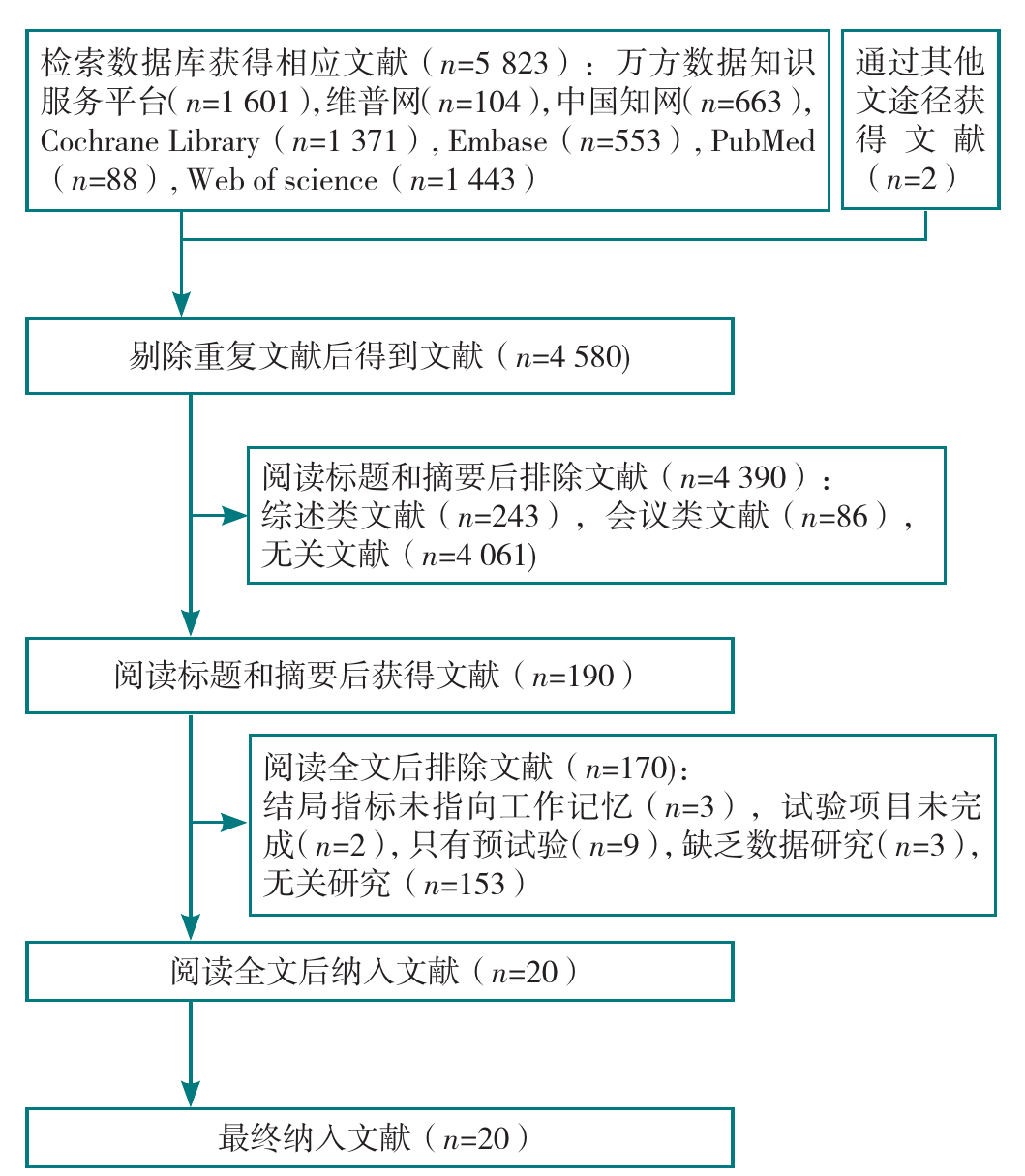
图1 文献筛选流程图
Figure 1 Literature screening flow diagram
| 第一作者 | 年份(年) | 国家 | 年龄(岁) | 性别(男/女) | 干预措施 | 疗程(周) | 结局指标 | |||
|---|---|---|---|---|---|---|---|---|---|---|
| 试验组 | 对照组 | 试验组 | 对照组 | 试验组 | 对照组 | |||||
| 符泽娟[ | 2022 | 中国 | 15.12±1.83 | 15.29±1.96 | 21/24 | 20/25 | 药物治疗+有氧运动,5次/周,40~50 min,中等到较大强度 | 药物治疗 | 8 | ① |
| 陈倩倩[ | 2021 | 中国 | 30.3±7.5 | 32.7±6.5 | 22/41 | 20/42 | 药物治疗+有氧运动,3次/周,30~60 min,中等强度 | 药物治疗 | 16 | ①② |
| 郑天生[ | 2019 | 中国 | 35.17±5.93 | 37.50±9.12 | 13/17 | 14/16 | 常规综合治疗+有氧运动,5次/周,30 min,中等强度 | 常规综合治疗 | 4 | ③④⑤ |
| Brüchle[ | 2021 | 德国 | 33.3±3.06 | 40.11±3.63 | 12/11 | 11/7 | 认知训练+身体活动,3次/周,60 min,中等强度 | 认知训练 | 3 | ⑥ |
| Buscher[ | 2018 | 德国 | 47.27±6.84 | 47.47±8.47 | 6/9 | 5/10 | 药物治疗+有氧运动,2~3次/周,30 min,中等强度 | 药物治疗+艺术治疗 | 3~4 | ① |
| Halappa[ | 2018 | 印度 | 34.6±8.85 | 32.84±9.14 | 38/27 | 5/14 | 药物治疗+瑜伽,3次/周,60 min,低强度 | 药物治疗 | 12 | ① |
| Hoffman[ | 2008 | 美国 | 51.9±7.4 | 51.2±7.8 | 26/78 | 11/38 | 有氧运动,3次/周,45 min,中度至剧烈强度 | 安慰剂 | 16 | ① |
| Imboden[ | 2016 | 瑞士 | 37.9±13.1 | 16 | 17 | 住院治疗+有氧运动,3次/周,约45 min,中等强度 | 住院治疗 | 6 | ② | |
| Imboden[ | 2020 | 瑞士 | 41.3±9.2 | 38.3±13.4 | 12/10 | 10/10 | 住院治疗+有氧运动,3次/周,45 min,中等强度 | 住院治疗+拉伸运动,45 min,3次/周,低强度 | 6 | ② |
| Khatri[ | 2001 | 英国 | 56.73±6.54 | 42 | 42 | 药物治疗+有氧运动,3次/周,30 min,中度至剧烈强度 | 药物治疗 | 16 | ① | |
| Krogh[ | 2009 | 丹麦 | 38.1±9.0 | 36.7±8.7 | 12/43 | 21/34 | 药物治疗+有氧运动,2次/周,90 min,中度至剧烈强度 | 药物治疗+放松训练 | 16 | ① |
| Krogh[ | 2012 | 丹麦 | 39.7±11.3 | 43.4±11.2 | 16/40 | 22/37 | 有氧运动,3次/周,45 min,中度至剧烈强度 | 拉伸运动,45 min,低强度 | 12 | ① |
| Lavretsky[ | 2021 | 美国 | 69.1±7.0 | 72.0±7.4 | 13/23 | 15/22 | 药物治疗+太极拳,3次/周,60 min,低强度 | 药物治疗+健康教育 | 12 | ⑦ |
| Muhammad[ | 2023 | 印度尼西亚 | 28.38±11.08 | 30.00±8.66 | 0/8 | 1/8 | 药物治疗+有氧运动,5次/周,30 min,中等强度 | 药物治疗 | 2 | ⑧ |
| Olson[ | 2017 | 美国 | 21.0±1.9 | 21.2±2.2 | 4/11 | 2/13 | 有氧运动,3次/周,45 min,中度强度 | 拉伸运动,30~45 min,低强度 | 8 | ① |
| Zhang[ | 2017 | 中国 | 31.4±7.2 | 32.2±7.6 | 22/0 | 20/0 | 药物治疗+有氧运动,3 d/周,3 km约30 min,中等强度 | 药物治疗 | 8 | |
| Zhang[ | 2022 | 中国 | 47.20±6.99 | 54.16±6.09 | 3/17 | 1/18 | 太极拳,2次/周,90 min,低强度 | 等待组维持日常行为 | 12 | ⑨ |
| Neviani[ | 2017 | 意大利 | 75.0±6.3 | 75.6±5.6 | 25/54 | 10/32 | 药物治疗+有氧运动,3次/周,60 min,强度渐进至高强度 | 药物治疗 | 24 | ⑧ |
| 李冰[ | 2024 | 中国 | 69.60±5.25 | 71.72±5.44 | 19/24 | 17/26 | 药物治疗+八段锦,约30 min,低强度 | 药物治疗 | 12 | ⑧ |
| 刘聪[ | 2024 | 中国 | 39.02±10.35 | 40.92±11.35 | 26/25 | 25/24 | 常规综合治疗+有氧运动,3次/周以上,30~60 min,中等强度 | 常规综合治疗 | 4 | ⑧ |
表1 纳入文献基本特征(n=20)
Table 1 Characteristics of included studies
| 第一作者 | 年份(年) | 国家 | 年龄(岁) | 性别(男/女) | 干预措施 | 疗程(周) | 结局指标 | |||
|---|---|---|---|---|---|---|---|---|---|---|
| 试验组 | 对照组 | 试验组 | 对照组 | 试验组 | 对照组 | |||||
| 符泽娟[ | 2022 | 中国 | 15.12±1.83 | 15.29±1.96 | 21/24 | 20/25 | 药物治疗+有氧运动,5次/周,40~50 min,中等到较大强度 | 药物治疗 | 8 | ① |
| 陈倩倩[ | 2021 | 中国 | 30.3±7.5 | 32.7±6.5 | 22/41 | 20/42 | 药物治疗+有氧运动,3次/周,30~60 min,中等强度 | 药物治疗 | 16 | ①② |
| 郑天生[ | 2019 | 中国 | 35.17±5.93 | 37.50±9.12 | 13/17 | 14/16 | 常规综合治疗+有氧运动,5次/周,30 min,中等强度 | 常规综合治疗 | 4 | ③④⑤ |
| Brüchle[ | 2021 | 德国 | 33.3±3.06 | 40.11±3.63 | 12/11 | 11/7 | 认知训练+身体活动,3次/周,60 min,中等强度 | 认知训练 | 3 | ⑥ |
| Buscher[ | 2018 | 德国 | 47.27±6.84 | 47.47±8.47 | 6/9 | 5/10 | 药物治疗+有氧运动,2~3次/周,30 min,中等强度 | 药物治疗+艺术治疗 | 3~4 | ① |
| Halappa[ | 2018 | 印度 | 34.6±8.85 | 32.84±9.14 | 38/27 | 5/14 | 药物治疗+瑜伽,3次/周,60 min,低强度 | 药物治疗 | 12 | ① |
| Hoffman[ | 2008 | 美国 | 51.9±7.4 | 51.2±7.8 | 26/78 | 11/38 | 有氧运动,3次/周,45 min,中度至剧烈强度 | 安慰剂 | 16 | ① |
| Imboden[ | 2016 | 瑞士 | 37.9±13.1 | 16 | 17 | 住院治疗+有氧运动,3次/周,约45 min,中等强度 | 住院治疗 | 6 | ② | |
| Imboden[ | 2020 | 瑞士 | 41.3±9.2 | 38.3±13.4 | 12/10 | 10/10 | 住院治疗+有氧运动,3次/周,45 min,中等强度 | 住院治疗+拉伸运动,45 min,3次/周,低强度 | 6 | ② |
| Khatri[ | 2001 | 英国 | 56.73±6.54 | 42 | 42 | 药物治疗+有氧运动,3次/周,30 min,中度至剧烈强度 | 药物治疗 | 16 | ① | |
| Krogh[ | 2009 | 丹麦 | 38.1±9.0 | 36.7±8.7 | 12/43 | 21/34 | 药物治疗+有氧运动,2次/周,90 min,中度至剧烈强度 | 药物治疗+放松训练 | 16 | ① |
| Krogh[ | 2012 | 丹麦 | 39.7±11.3 | 43.4±11.2 | 16/40 | 22/37 | 有氧运动,3次/周,45 min,中度至剧烈强度 | 拉伸运动,45 min,低强度 | 12 | ① |
| Lavretsky[ | 2021 | 美国 | 69.1±7.0 | 72.0±7.4 | 13/23 | 15/22 | 药物治疗+太极拳,3次/周,60 min,低强度 | 药物治疗+健康教育 | 12 | ⑦ |
| Muhammad[ | 2023 | 印度尼西亚 | 28.38±11.08 | 30.00±8.66 | 0/8 | 1/8 | 药物治疗+有氧运动,5次/周,30 min,中等强度 | 药物治疗 | 2 | ⑧ |
| Olson[ | 2017 | 美国 | 21.0±1.9 | 21.2±2.2 | 4/11 | 2/13 | 有氧运动,3次/周,45 min,中度强度 | 拉伸运动,30~45 min,低强度 | 8 | ① |
| Zhang[ | 2017 | 中国 | 31.4±7.2 | 32.2±7.6 | 22/0 | 20/0 | 药物治疗+有氧运动,3 d/周,3 km约30 min,中等强度 | 药物治疗 | 8 | |
| Zhang[ | 2022 | 中国 | 47.20±6.99 | 54.16±6.09 | 3/17 | 1/18 | 太极拳,2次/周,90 min,低强度 | 等待组维持日常行为 | 12 | ⑨ |
| Neviani[ | 2017 | 意大利 | 75.0±6.3 | 75.6±5.6 | 25/54 | 10/32 | 药物治疗+有氧运动,3次/周,60 min,强度渐进至高强度 | 药物治疗 | 24 | ⑧ |
| 李冰[ | 2024 | 中国 | 69.60±5.25 | 71.72±5.44 | 19/24 | 17/26 | 药物治疗+八段锦,约30 min,低强度 | 药物治疗 | 12 | ⑧ |
| 刘聪[ | 2024 | 中国 | 39.02±10.35 | 40.92±11.35 | 26/25 | 25/24 | 常规综合治疗+有氧运动,3次/周以上,30~60 min,中等强度 | 常规综合治疗 | 4 | ⑧ |
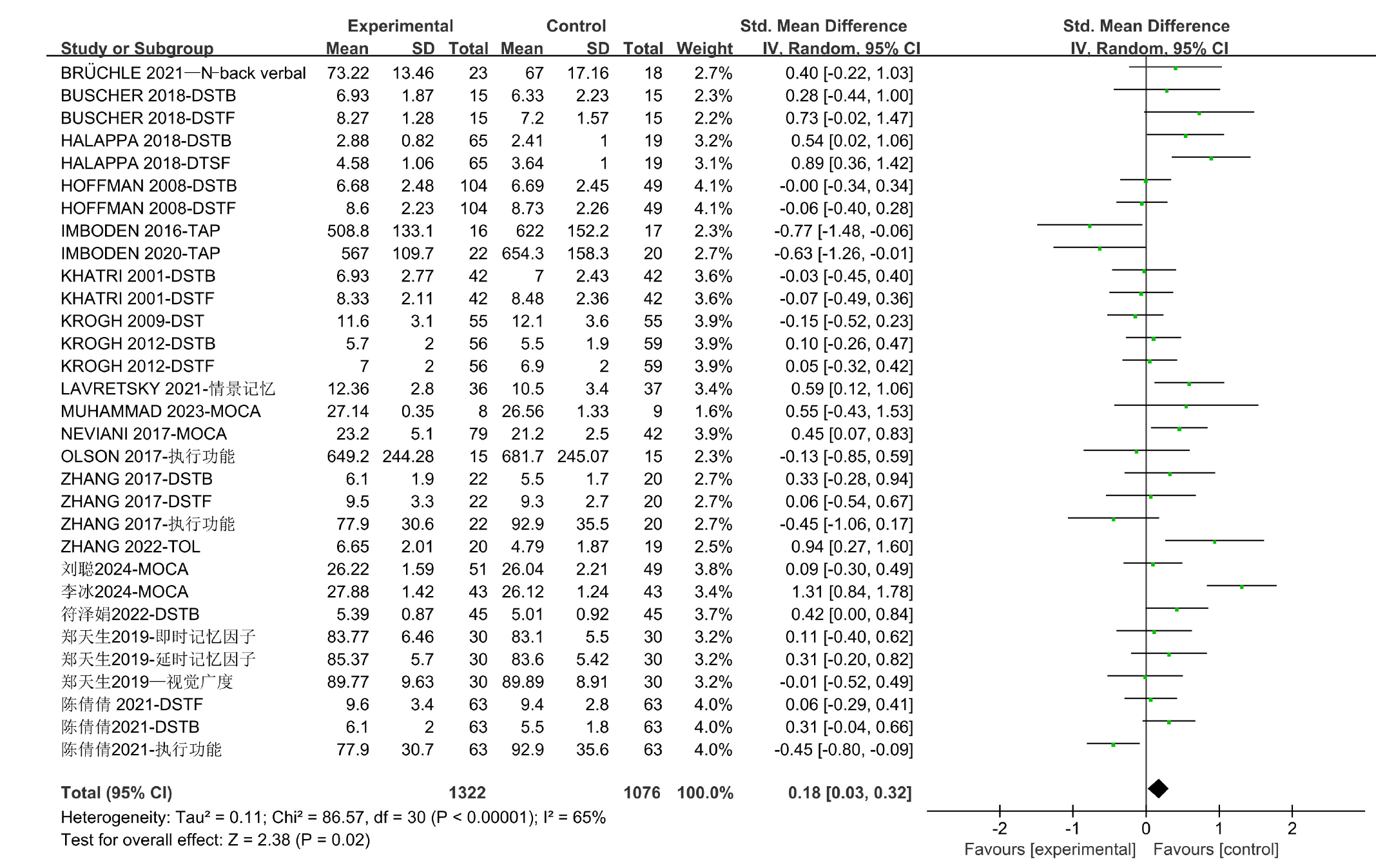
图2 体育锻炼对抑郁症患者工作记忆整体干预效果的Meta分析森林图注:DSTF=数字广度顺背测试,DSTB=数字广度倒背测试,TAP=注意力测验组合,DST=数字广度测验,MOCA=蒙特利尔认知评估量表,N-back verbal=N-back语言测验,TOL=伦敦塔测验。
Figure 2 Forest plot of the overall effect of physical exercise on working memory in depressed patients
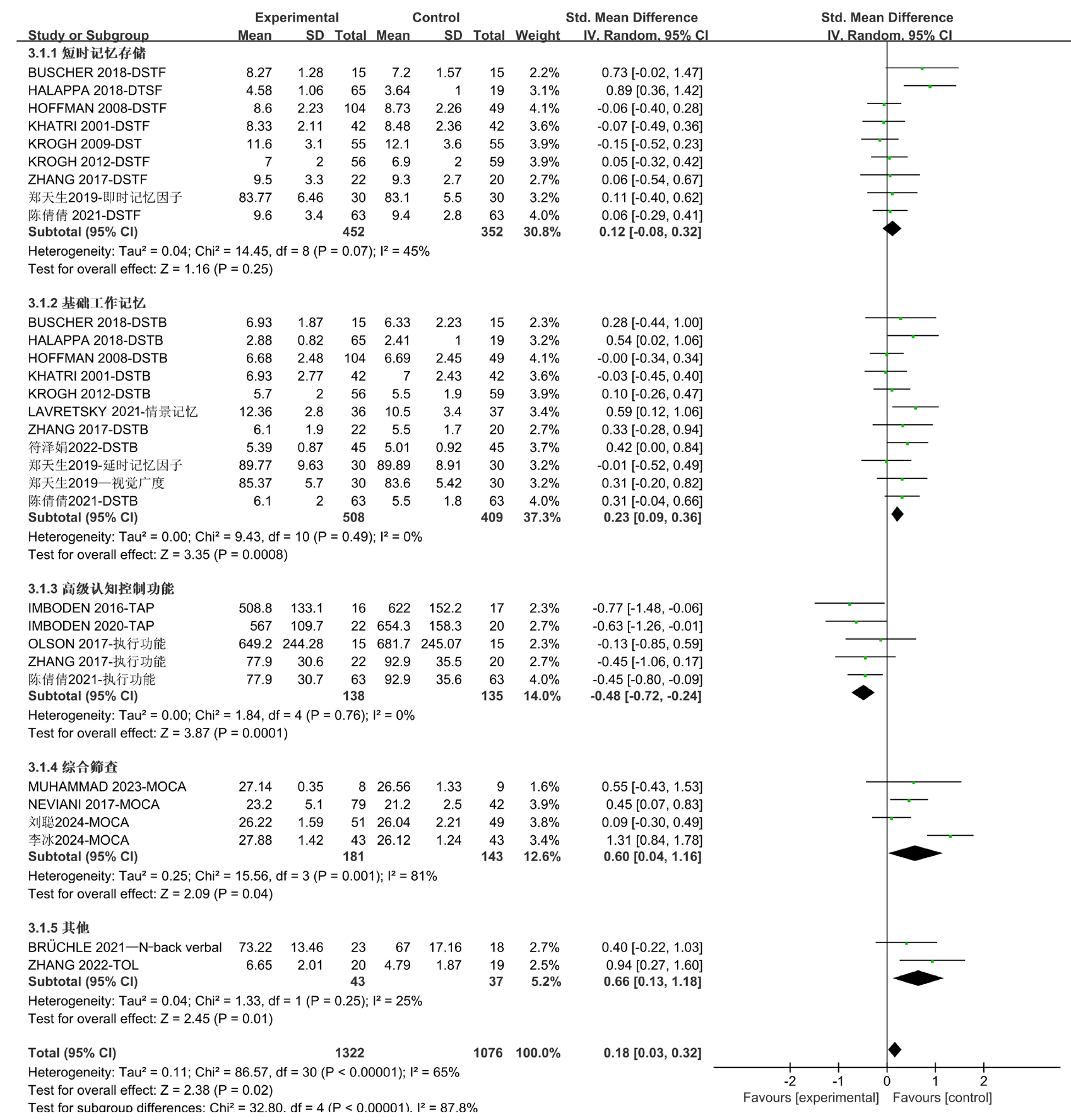
图3 工作记忆测量工具对体育锻炼干预抑郁症患者工作记忆干预效果影响的Meta分析森林图
Figure 3 Forest plot of meta-analysis on the effect of working memory measurement tools on the efficacy of physical exercise intervention for working memory in depressed patients
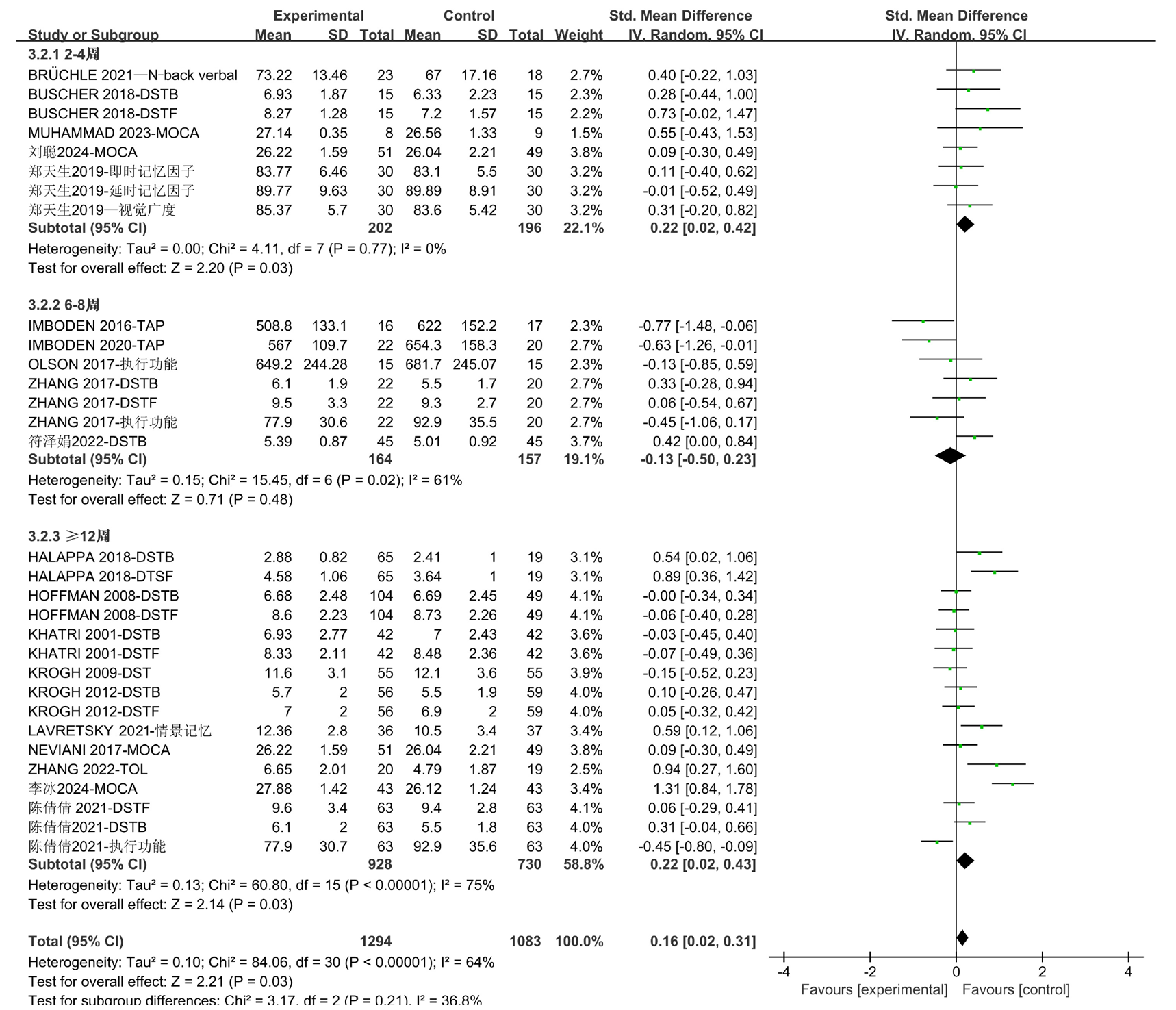
图4 体育锻炼干预周期对体育锻炼干预抑郁症患者工作记忆干预效果影响的Meta分析森林图
Figure 4 Forest plot of meta-analysis on the effect of physical exercise intervention duration on working memory in depressed patients
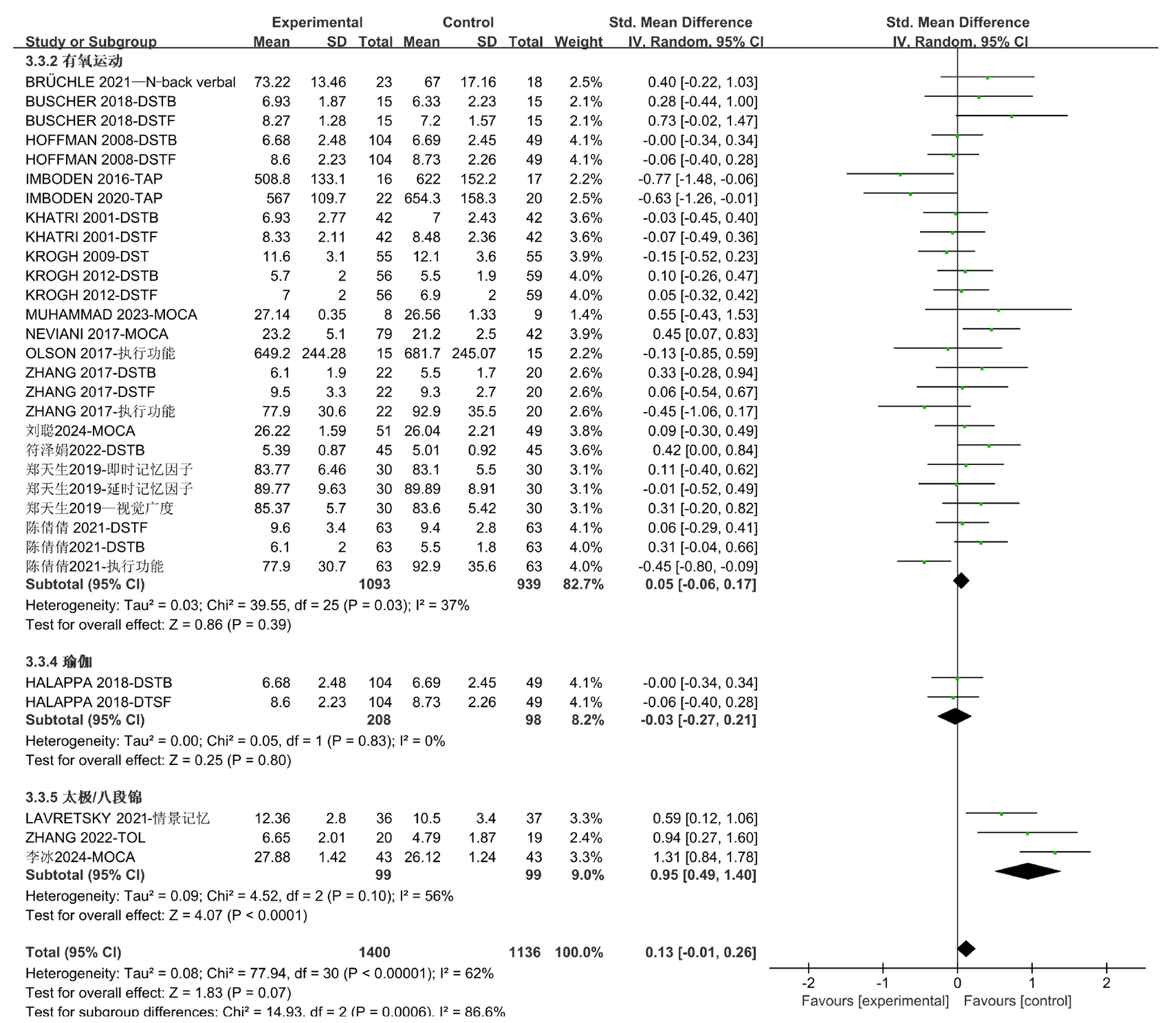
图5 体育锻炼干预形式对体育锻炼干预抑郁症患者工作记忆干预效果影响的Meta分析森林图
Figure 5 Forest plot of meta-analysis on the effect of exercise modality on working memory in depressed patients
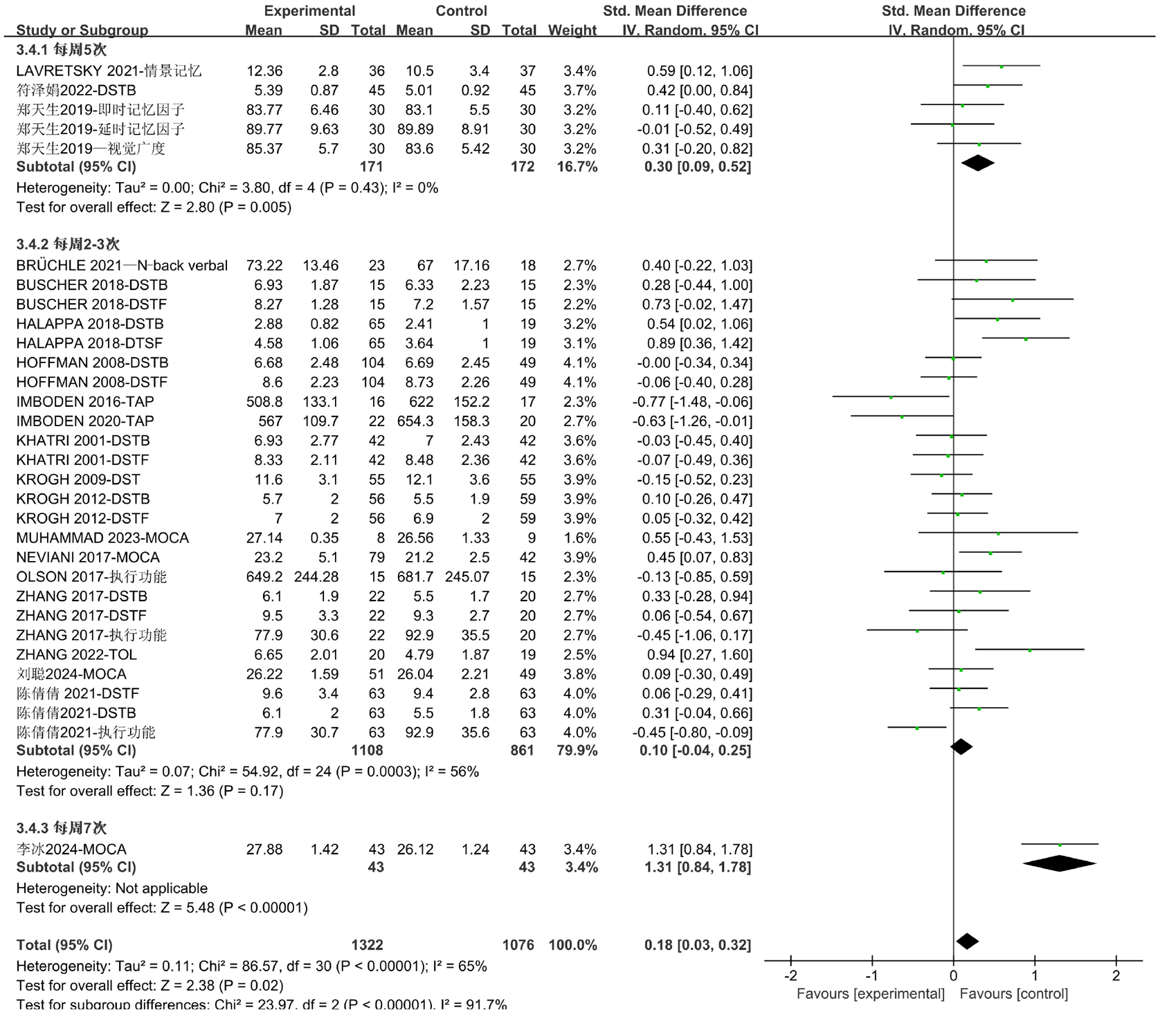
图6 体育锻炼干预频次对体育锻炼干预抑郁症患者工作记忆干预效果影响的Meta分析森林图
Figure 6 Forest plot of meta-analysis on the effect of physical exercise intervention frequency on working memory in depressed patients
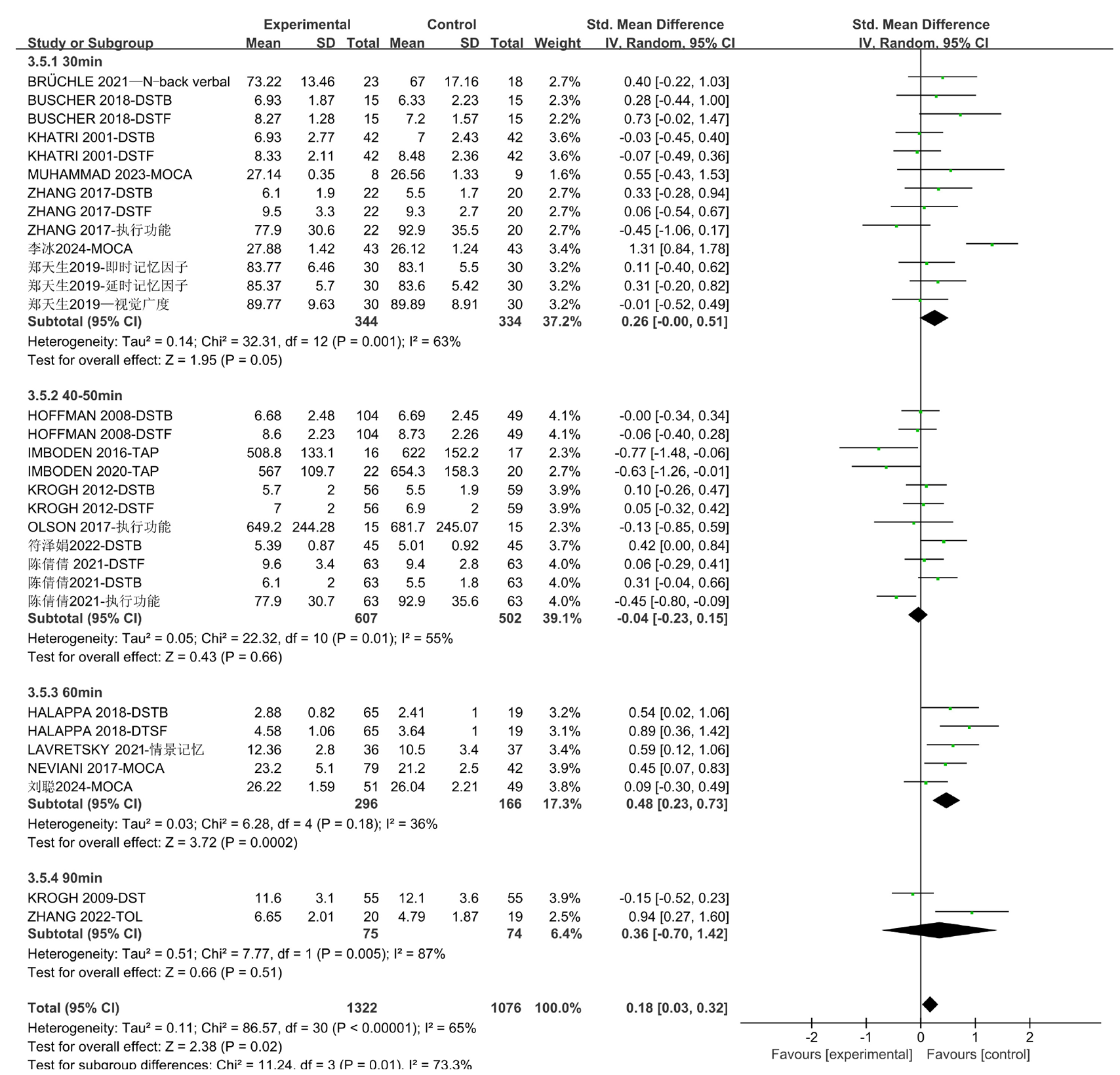
图7 体育锻炼干预时间对体育锻炼干预抑郁症患者工作记忆干预效果影响的Meta分析森林图
Figure 7 Forest plot of meta-analysis on the effect of per-session exercise duration on working memory in depressed patients
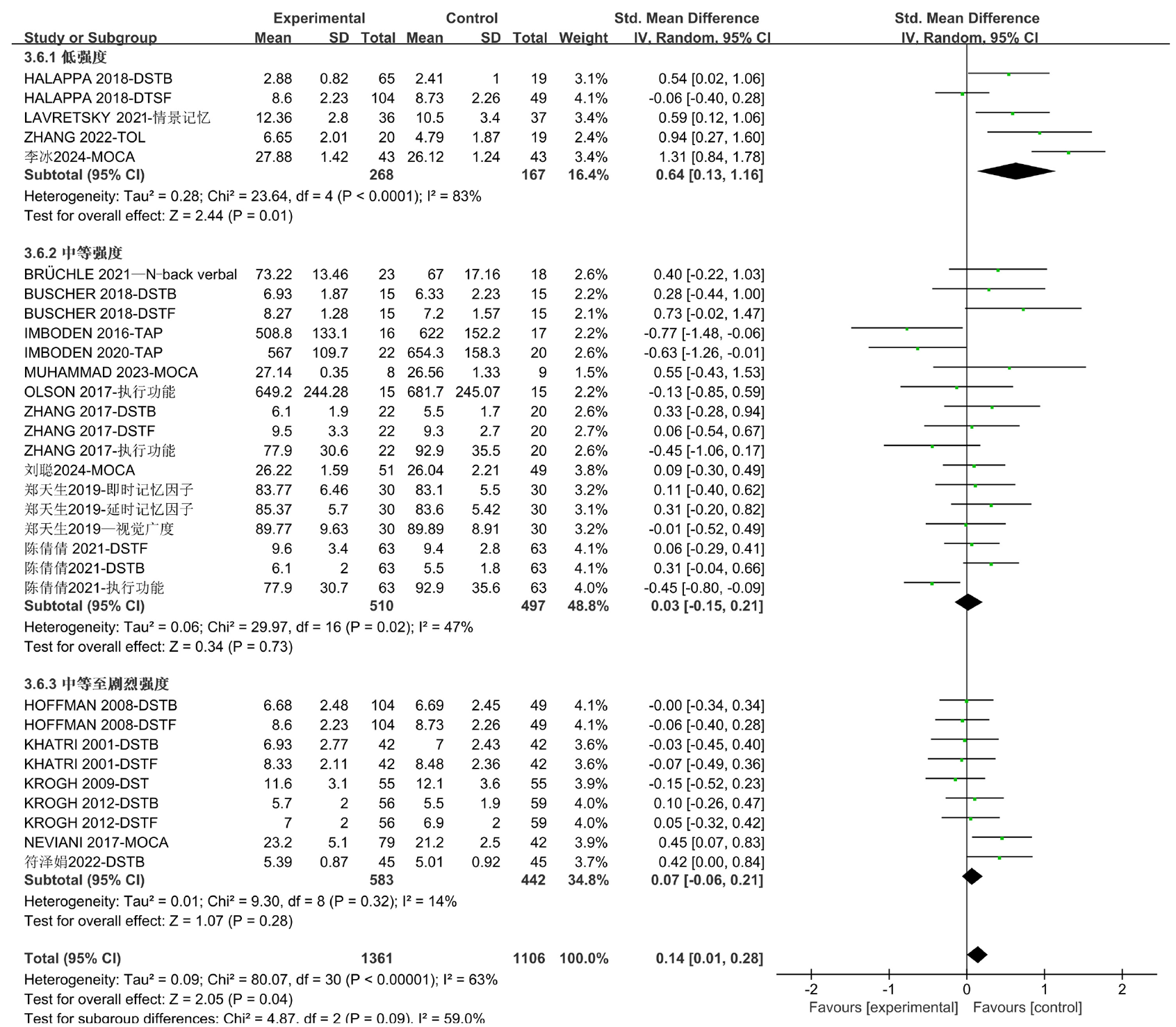
图8 体育锻炼干预强度对体育锻炼干预抑郁症患者工作记忆干预效果影响的Meta分析森林图
Figure 8 Forest plot of meta-analysis on the effect of exercise intensity on working memory in depressed patients
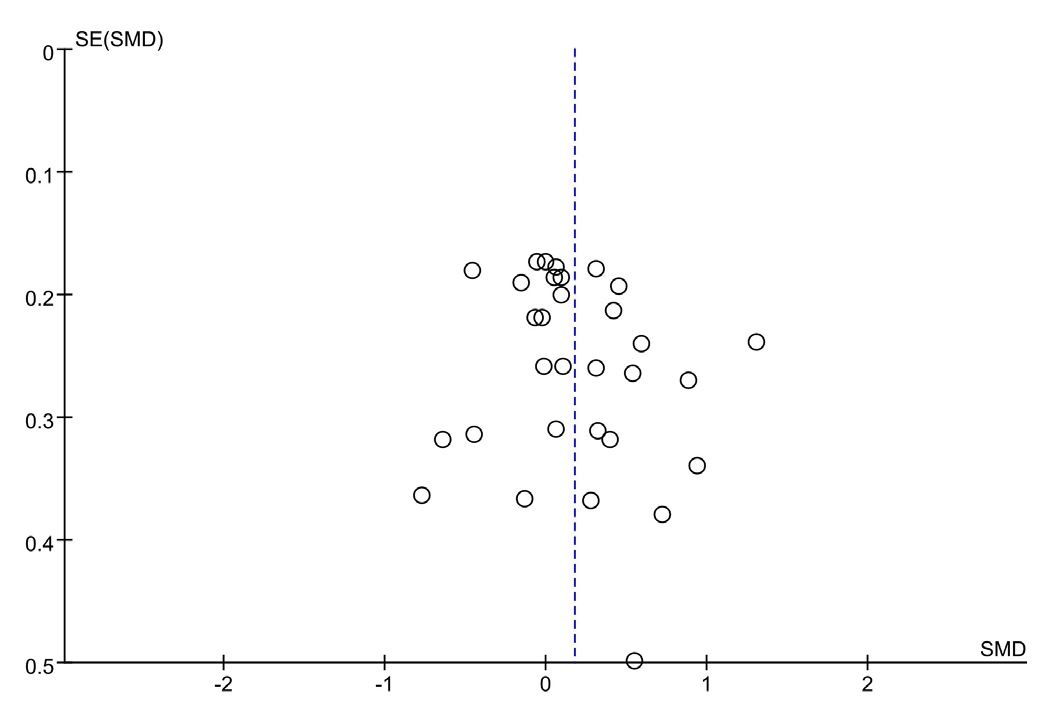
图9 体育锻炼对抑郁症患者工作记忆干预效果的Meta分析漏斗图
Figure 9 Funnel plot of meta-analysis on exercise intervention for working memory in depressed patients
| [1] |
|
| [2] |
|
| [3] |
|
| [4] |
|
| [5] |
|
| [6] |
|
| [7] |
|
| [8] |
|
| [9] |
|
| [10] |
|
| [11] |
|
| [12] |
|
| [13] |
|
| [14] |
王少堃, 王世强, 王一杰, 等. 运动对抑郁症的影响及其神经生物学机制研究进展[J]. 中国全科医学, 2022, 25(27): 3443-3451. DOI: 10.12114/j.issn.1007-9572.2022.0273.
|
| [15] |
|
| [16] |
|
| [17] |
|
| [18] |
|
| [19] |
|
| [20] |
|
| [21] |
|
| [22] |
|
| [23] |
|
| [24] |
|
| [25] |
翁鸿, 王颖, 李柄辉, 等. 系统评价与Meta分析的类型及制作步骤[J]. 同济大学学报(医学版), 2019, 40(2): 248-253. DOI: 10.16118/j.1008-0392.2019.02.022.
|
| [26] |
|
| [27] |
符泽娟, 徐明雅, 王天道, 等. 有氧运动疗法联合选择性5-羟色胺再摄取抑制剂对青少年抑郁症患者精神症状缓解效果和社会功能的影响[J]. 临床与病理杂志, 2022, 42(12): 3047-3054. DOI: 10.3978/j.issn.2095-6959.2022.12.028.
|
| [28] |
陈倩倩, 许瑞智, 汪晓静, 等. 有氧运动干预抑郁症缓解期患者认知功能的临床随机对照研究[J]. 中华精神科杂志, 2021, 54(1): 25-30. DOI: 10.3760/cma.j.cn113661-20201127-00485.
|
| [29] |
郑天生, 张赢斌, 董周浒, 等. 运动疗法对温州市某医院抑郁障碍患者抑郁症状和认知功能的影响[J]. 医学与社会, 2019, 32(3): 107-111. DOI: 10.13723/j.yxysh.2019.03.027.
|
| [30] |
|
| [31] |
|
| [32] |
|
| [33] |
|
| [34] |
|
| [35] |
|
| [36] |
|
| [37] |
|
| [38] |
|
| [39] |
|
| [40] |
|
| [41] |
|
| [42] |
|
| [43] |
|
| [44] |
|
| [45] |
李冰. 艾司西酞普兰联合八段锦运动对老年抑郁症患者睡眠及认知功能的影响[J]. 特别健康, 2024(22): 80-81.
|
| [46] |
刘聪, 王慧颖, 冀紫阳, 等. 运动疗法对轻中度抑郁症患者抑郁症状和睡眠质量及认知功能改善的效果分析[J]. 中华精神科杂志, 2024, 57(5): 298-304. DOI: 10.3760/cma.j.cn113661-20230923-00092.
|
| [47] |
|
| [48] |
|
| [49] |
|
| [50] |
|
| [51] |
|
| [52] |
|
| [53] |
|
| [54] |
|
| [55] |
|
| [56] |
|
| [57] |
|
| [58] |
|
| [59] |
|
| [60] |
|
| [61] |
|
| [62] |
|
| [63] |
|
| [64] |
王少堃, 王世强, 王一杰, 等. 骨骼肌介导的运动神经保护效应:作用途径和分子机制[J]. 中国体育科技, 2023, 59(4): 58-66. DOI: 10.16470/j.csst.2021152.
|
| [65] |
陈敏, 张晓波, 罗玉珍, 等. 运动锻炼改善抑郁症的神经生物学相关机制研究进展[J]. 中国体育科技, 2021, 57(4): 89-97. DOI: 10.16470/j.csst.2020137.
|
| [66] |
|
| [67] |
|
| [68] |
|
| [69] |
|
| [70] |
|
| [71] |
|
| [72] |
娄虎, 刘萍. 身体锻炼治疗抑郁症的元-元分析[J]. 天津体育学院学报, 2018, 33(6): 500-507. DOI: 10.13297/j.cnki.issn1005-0000.2018.06.007.
|
| [73] |
|
| [74] |
蔡治东, 尹继林, 王宁, 等. 体育锻炼对老年人工作记忆干预效果的meta分析[J]. 中国心理卫生杂志, 2022, 36(2): 140-146. DOI: 10.3969/j.issn.1000-6729.2022.02.009.
|
| [1] | 刘文静, 刘婷, 董林培, 杨梦洁, 张梦繁. 时限性自我调节理论视角下炎症性肠病患者饮食管理行为影响因素的混合方法研究[J]. 中国全科医学, 2026, 29(36): 5376-5384. |
| [2] | 颜克秋, 张晓雨, 肖文洁, 鲍新坤, 孙光军, 林爱珍. 首荟通便胶囊治疗便秘的疗效及安全性:一项更新的Meta分析[J]. 中国全科医学, 2026, 29(35): 5300-5310. |
| [3] | 赵阳, 杨颖, 刘玉, 高冰洁, 梅娜, 尹雪梅. 基于实施性研究综合框架的正常分娩中非必要干预实施的影响因素:一项质性研究[J]. 中国全科医学, 2026, 29(35): 5235-5241. |
| [4] | 曾庆秋, 王红义, 叶静雪, 刘丹, 蒋莉华. 成都市村(居)民委员会公共卫生委员会人员结构化能力的潜在剖面及其影响因素研究[J]. 中国全科医学, 2026, 29(35): 5197-5202. |
| [5] | 李俊杰, 梁俊荣, 刘震雄, 王新, 窦维佳. 不同成像方式对浅表食管癌浸润深度诊断效能的Meta分析[J]. 中国全科医学, 2026, 29(35): 5290-5299. |
| [6] | 刘艳萍, 唐荣欣, 刘姝, 梁闪, 张岩, 李梦, 彭广操, 游桂英, 孙国珍, 唐海玉, 丁艳丽, 杨红蕾, 孟玉璞, 杨永婷. 老年射血分数保留性心力衰竭患者中西医结合居家运动康复专家共识[J]. 中国全科医学, 2026, 29(35): 5153-5160. |
| [7] | 白云飞, 张永明, 李述刚, 高晓嶙, 孙碧云, 高文娟, 杨凡, 胡钰昊, 王思翔, 朱悦彤, 王文巧. 慢性阻塞性肺疾病运动处方指南[J]. 中国全科医学, 2026, 29(34): 4993-5009. |
| [8] | 满逸迪, 李思慧, 王芹, 李军. 不同非侵入性神经调控方式对颅脑损伤后意识障碍影响的网状Meta分析[J]. 中国全科医学, 2026, 29(33): 4960-4972. |
| [9] | 陈莱, 余雨枫, 周欣, 冉明慧, 舒思为, 张庭轩, 赵金锁. 中国成年人高血压、糖尿病、血脂异常三病共患患病率及相关因素的Meta分析[J]. 中国全科医学, 2026, 29(33): 4951-4959. |
| [10] | 李珊珊, 苗彩云, 毛佩芝, 沈珑慧. 高危妊娠患者药品不良反应的临床特征及影响因素研究[J]. 中国全科医学, 2026, 29(33): 4885-4890. |
| [11] | 杨新颖, 王凯蓉, 李俊, 叶凡婷, 王梦瑶, 李宾宾. 机会性筛查人群胃癌前状态检出现状及影响因素研究[J]. 中国全科医学, 2026, 29(32): 4716-4720. |
| [12] | 翟佳燚, 张雪艳, 时峰, 顾沁乐, 万和平, 陆媛. 不同类型功能社区人群的焦虑现状及影响因素差异研究[J]. 中国全科医学, 2026, 29(32): 4730-4737. |
| [13] | 中国体育科学学会. 血脂异常运动处方指南[J]. 中国全科医学, 2026, 29(32): 4673-4689. |
| [14] | 闫梓薇, 聂佳桦, 石妍, 魏立民. 白蛋白/γ-谷氨酰转移酶比值与2型糖尿病合并代谢相关脂肪性肝病的相关性研究[J]. 中国全科医学, 2026, 29(30): 4431-4437. |
| [15] | 郭治宏, 陈盈盈, 刘德伍. 抗生素骨水泥联合负压封闭引流技术治疗糖尿病足有效性和安全性的Meta分析[J]. 中国全科医学, 2026, 29(30): 4503-4512. |
| 阅读次数 | ||||||
|
全文 |
|
|||||
|
摘要 |
|
|||||