
Chinese General Practice ›› 2026, Vol. 29 ›› Issue (28): 4067-4077.DOI: 10.12114/j.issn.1007-9572.2025.0560
Special Issue: 社区卫生服务最新研究合辑; 数智医疗最新文章合辑
• Hot Topic Research • Previous Articles Next Articles
Received:2026-05-07
Revised:2026-07-15
Published:2026-10-05
Online:2026-09-02
Contact:
LIU Chenxi
通讯作者:
刘晨曦
作者简介:本文为中文翻译版本,原文Artificial Intelligence Research Practices in Primary Healthcare Institutions in China and the Potential Issue of Data Poverty: a Scoping Review,已获得授权。翻译与出版遵循COPE和ICMJE关于二次发表的指南。
作者贡献:
解霄芸负责研究实施、数据收集与整理、论文撰写;刘晨曦负责研究的构思与设计、论文修订、文章质量控制及审校;柳羽姝、周艺涵负责辅助文献收集和筛选。
Add to citation manager EndNote|Ris|BibTeX
URL: https://www.chinagp.net/EN/10.12114/j.issn.1007-9572.2025.0560
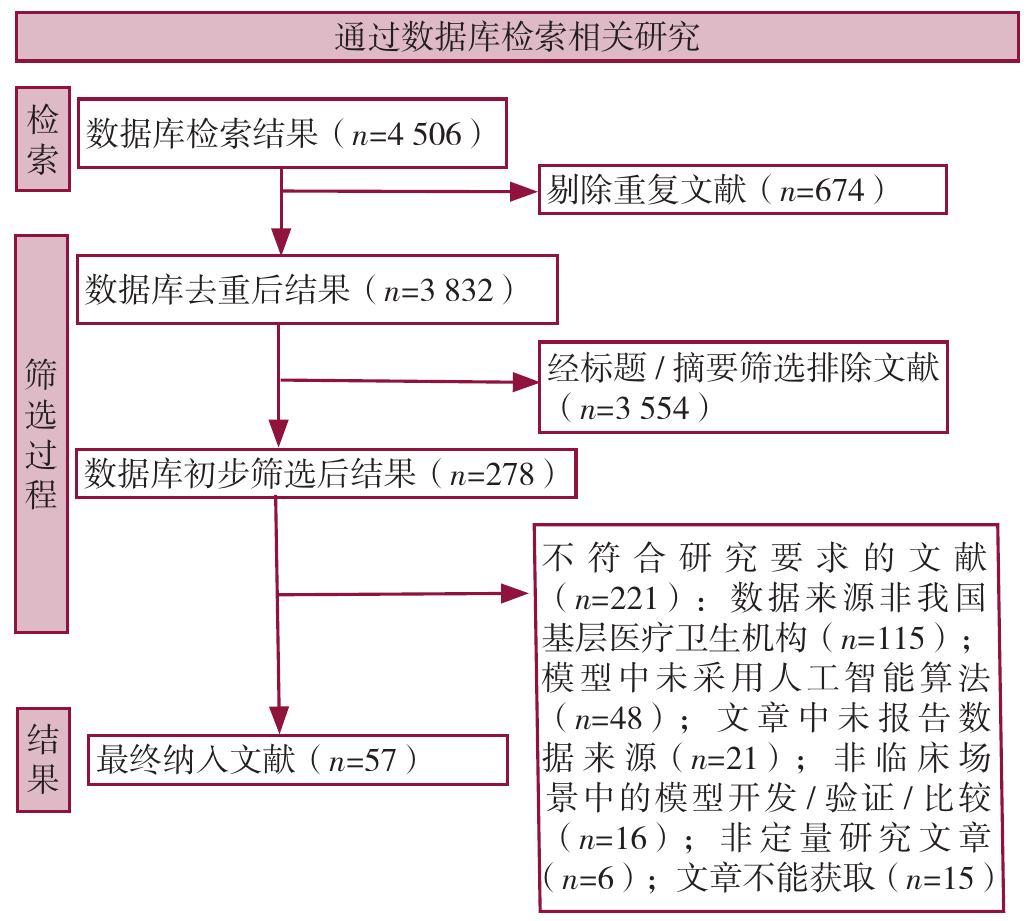
Figure 1 Flowchart of literature screening
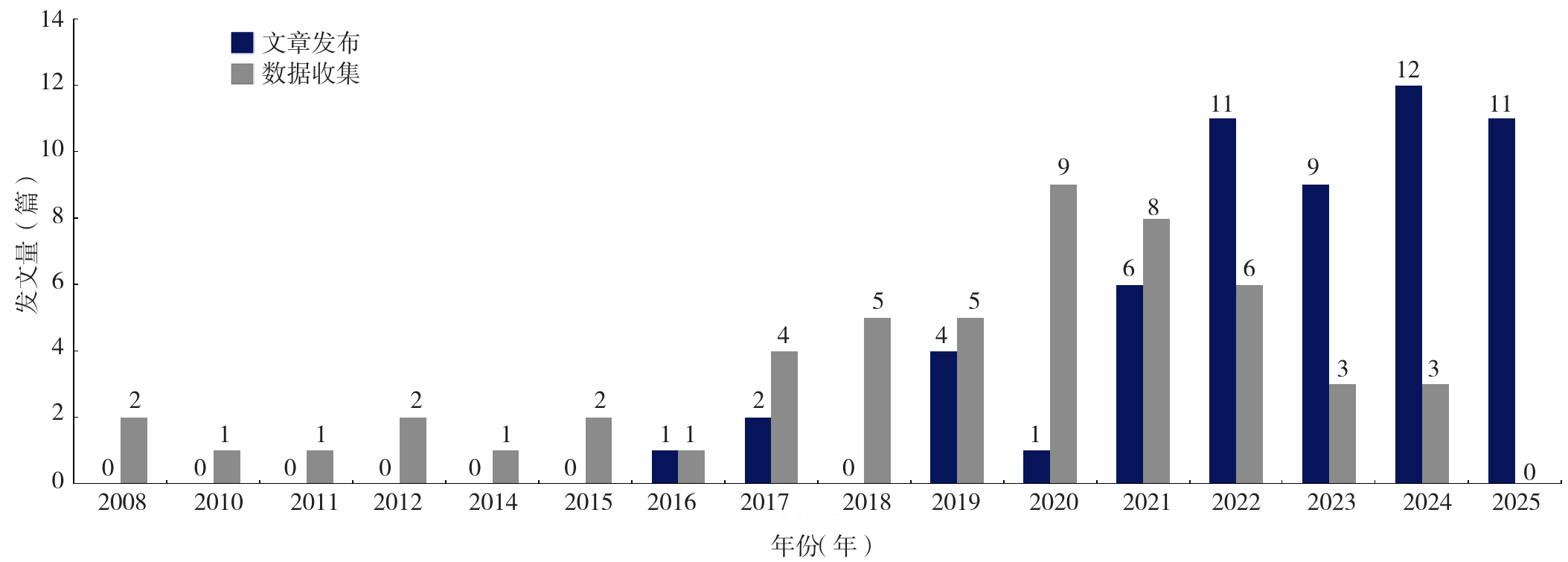
Figure 2 Chart of publication years of included studies and data collection cutoff years
| 模型特征 | 数量[篇(%)]a | 对应文献b |
|---|---|---|
| 模型开发面向的疾病 | ||
| 内分泌、营养和代谢疾病 | 11(19.3) | 3、9、21、27、29-30、34、39、52-54 |
| 血液循环系统疾病 | 11(19.3) | 6、10、12-13、18、20、22、38、44、48、57 |
| 精神、行为和神经发育障碍 | 5(8.8) | 4、23、36、45、50 |
| 眼和附器疾病 | 5(8.8) | 1、19、32、47、51 |
| 呼吸系统疾病 | 4(7.0) | 7、11、33、35 |
| 疾病并发症 | 2(3.5) | 28、56 |
| 老年健康 | 2(3.5) | 2、8 |
| 肿瘤 | 2(3.5) | 43、46 |
| 血液、造血和免疫系统疾病 | 2(3.5) | 15、24 |
| 其他系统疾病c | 8(14.0) | 14、16-17、26、40、42、49、55 |
| 未汇报(无具体疾病) | 5(8.8) | 5、25、31、37、41 |
| 算法类型d | ||
| 逻辑回归 | 30(24.2) | 2-4、6、9、11-12、18、20-21、23-24、26-27、29、33-41、43、45、48-49、56-57 |
| 极端梯度提升 | 19(15.3) | 2、6、11-12、18、23-24、27、34、36-38、40、42、49-50、54、56-57 |
| 随机森林 | 18(14.5) | 2、9、11、18、21、24、26-27、36-37、39-40、42-43、49、55-57 |
| 支持向量机 | 12(9.7) | 2、11、23-24、27、36-37、39-40、42、49、56 |
| 决策树 | 8(6.5) | 11、24、27、30、36、49、52、56 |
| k最近邻算法 | 6(4.8) | 11、24、36、39、42、49 |
| 朴素贝叶斯 | 5(4.0) | 2、11、42-43、49 |
| 卷积神经网络 | 5(4.0) | 1、15、19、44、51 |
| 人工神经网络 | 5(4.0) | 24、39、55-57 |
| 未汇报 | 11(8.9) | 5、7-8、10、13-14、16-17、31-32、47 |
| 验证方式 | ||
| 内部验证 | 28(49.1) | 2-4、6、9、12、18、20-21、23、25-30、34、36-42、48、50、54-55 |
| 外部验证 | 12(21.1) | 11、24、33、35、44-46、49、52-53、56-57 |
| 内部验证+外部验证 | 17(29.8) | 1、5、7-8、10、13-17、19、22、31-32、43、47、51 |
| 验证结果 | ||
| AUC | ||
| 优秀 | 内部验证:20(62.5) | 内部验证:2、6、11、20、23-24、26、34-36、40、42、44-46、49-50、53、55、57 |
| 外部验证:12(80.0) | 外部验证:1、11、22、35、43-46、49、51、53、57 | |
| 良好 | 内部验证:11(34.4) | 内部验证:12、18、21、27、29、33、37、41、48、52、56 |
| 外部验证:0 | 外部验证:— | |
| 可接受 | 内部验证:1(3.1) | 内部验证:39 |
| 外部验证:3(20.0) | 外部验证:33、52、56 | |
| 较差 | 内部验证:0 | 内部验证:— |
| 外部验证:0 | 外部验证:— | |
| 灵敏度 | ||
| 优秀 | 内部验证:11(55.0) | 内部验证:2、6、11、18、20、23、39-40、45-46、49 |
| 外部验证:15(93.8) | 外部验证:7-9、11、13、15、19、22、32、35、43、45-46、49、52 | |
| 良好 | 内部验证:7(35.0) | 内部验证:33-34、36-37、42、52、57 |
| 外部验证:1(6.3) | 外部验证:57 | |
| 可接受 | 内部验证:1(5.0) | 内部验证:21 |
| 外部验证:0 | 外部验证:— | |
| 较差 | 内部验证:1(5.0) | 内部验证:27 |
| 外部验证:0 | 外部验证:— | |
| 特异度 | ||
| 优秀 | 内部验证:10(50.0) | 内部验证:2、21、24、26-27、36-37、42、46、49 |
| 外部验证:12(80.0) | 外部验证:7-9、13、15、19、22、32、35、43、46、49 | |
| 良好 | 内部验证:6(30.0) | 内部验证:6、20、34、40、45、57 |
| 外部验证:2(13.3) | 外部验证:45、57 | |
| 可接受 | 内部验证:2(10.0) | 内部验证:33、52 |
| 外部验证:0 | 外部验证:— | |
| 较差 | 内部验证:2(10.0) | 内部验证:18、39 |
| 外部验证:1(6.7) | 外部验证:52 |
Table 1 Summary of model characteristics
| 模型特征 | 数量[篇(%)]a | 对应文献b |
|---|---|---|
| 模型开发面向的疾病 | ||
| 内分泌、营养和代谢疾病 | 11(19.3) | 3、9、21、27、29-30、34、39、52-54 |
| 血液循环系统疾病 | 11(19.3) | 6、10、12-13、18、20、22、38、44、48、57 |
| 精神、行为和神经发育障碍 | 5(8.8) | 4、23、36、45、50 |
| 眼和附器疾病 | 5(8.8) | 1、19、32、47、51 |
| 呼吸系统疾病 | 4(7.0) | 7、11、33、35 |
| 疾病并发症 | 2(3.5) | 28、56 |
| 老年健康 | 2(3.5) | 2、8 |
| 肿瘤 | 2(3.5) | 43、46 |
| 血液、造血和免疫系统疾病 | 2(3.5) | 15、24 |
| 其他系统疾病c | 8(14.0) | 14、16-17、26、40、42、49、55 |
| 未汇报(无具体疾病) | 5(8.8) | 5、25、31、37、41 |
| 算法类型d | ||
| 逻辑回归 | 30(24.2) | 2-4、6、9、11-12、18、20-21、23-24、26-27、29、33-41、43、45、48-49、56-57 |
| 极端梯度提升 | 19(15.3) | 2、6、11-12、18、23-24、27、34、36-38、40、42、49-50、54、56-57 |
| 随机森林 | 18(14.5) | 2、9、11、18、21、24、26-27、36-37、39-40、42-43、49、55-57 |
| 支持向量机 | 12(9.7) | 2、11、23-24、27、36-37、39-40、42、49、56 |
| 决策树 | 8(6.5) | 11、24、27、30、36、49、52、56 |
| k最近邻算法 | 6(4.8) | 11、24、36、39、42、49 |
| 朴素贝叶斯 | 5(4.0) | 2、11、42-43、49 |
| 卷积神经网络 | 5(4.0) | 1、15、19、44、51 |
| 人工神经网络 | 5(4.0) | 24、39、55-57 |
| 未汇报 | 11(8.9) | 5、7-8、10、13-14、16-17、31-32、47 |
| 验证方式 | ||
| 内部验证 | 28(49.1) | 2-4、6、9、12、18、20-21、23、25-30、34、36-42、48、50、54-55 |
| 外部验证 | 12(21.1) | 11、24、33、35、44-46、49、52-53、56-57 |
| 内部验证+外部验证 | 17(29.8) | 1、5、7-8、10、13-17、19、22、31-32、43、47、51 |
| 验证结果 | ||
| AUC | ||
| 优秀 | 内部验证:20(62.5) | 内部验证:2、6、11、20、23-24、26、34-36、40、42、44-46、49-50、53、55、57 |
| 外部验证:12(80.0) | 外部验证:1、11、22、35、43-46、49、51、53、57 | |
| 良好 | 内部验证:11(34.4) | 内部验证:12、18、21、27、29、33、37、41、48、52、56 |
| 外部验证:0 | 外部验证:— | |
| 可接受 | 内部验证:1(3.1) | 内部验证:39 |
| 外部验证:3(20.0) | 外部验证:33、52、56 | |
| 较差 | 内部验证:0 | 内部验证:— |
| 外部验证:0 | 外部验证:— | |
| 灵敏度 | ||
| 优秀 | 内部验证:11(55.0) | 内部验证:2、6、11、18、20、23、39-40、45-46、49 |
| 外部验证:15(93.8) | 外部验证:7-9、11、13、15、19、22、32、35、43、45-46、49、52 | |
| 良好 | 内部验证:7(35.0) | 内部验证:33-34、36-37、42、52、57 |
| 外部验证:1(6.3) | 外部验证:57 | |
| 可接受 | 内部验证:1(5.0) | 内部验证:21 |
| 外部验证:0 | 外部验证:— | |
| 较差 | 内部验证:1(5.0) | 内部验证:27 |
| 外部验证:0 | 外部验证:— | |
| 特异度 | ||
| 优秀 | 内部验证:10(50.0) | 内部验证:2、21、24、26-27、36-37、42、46、49 |
| 外部验证:12(80.0) | 外部验证:7-9、13、15、19、22、32、35、43、46、49 | |
| 良好 | 内部验证:6(30.0) | 内部验证:6、20、34、40、45、57 |
| 外部验证:2(13.3) | 外部验证:45、57 | |
| 可接受 | 内部验证:2(10.0) | 内部验证:33、52 |
| 外部验证:0 | 外部验证:— | |
| 较差 | 内部验证:2(10.0) | 内部验证:18、39 |
| 外部验证:1(6.7) | 外部验证:52 |
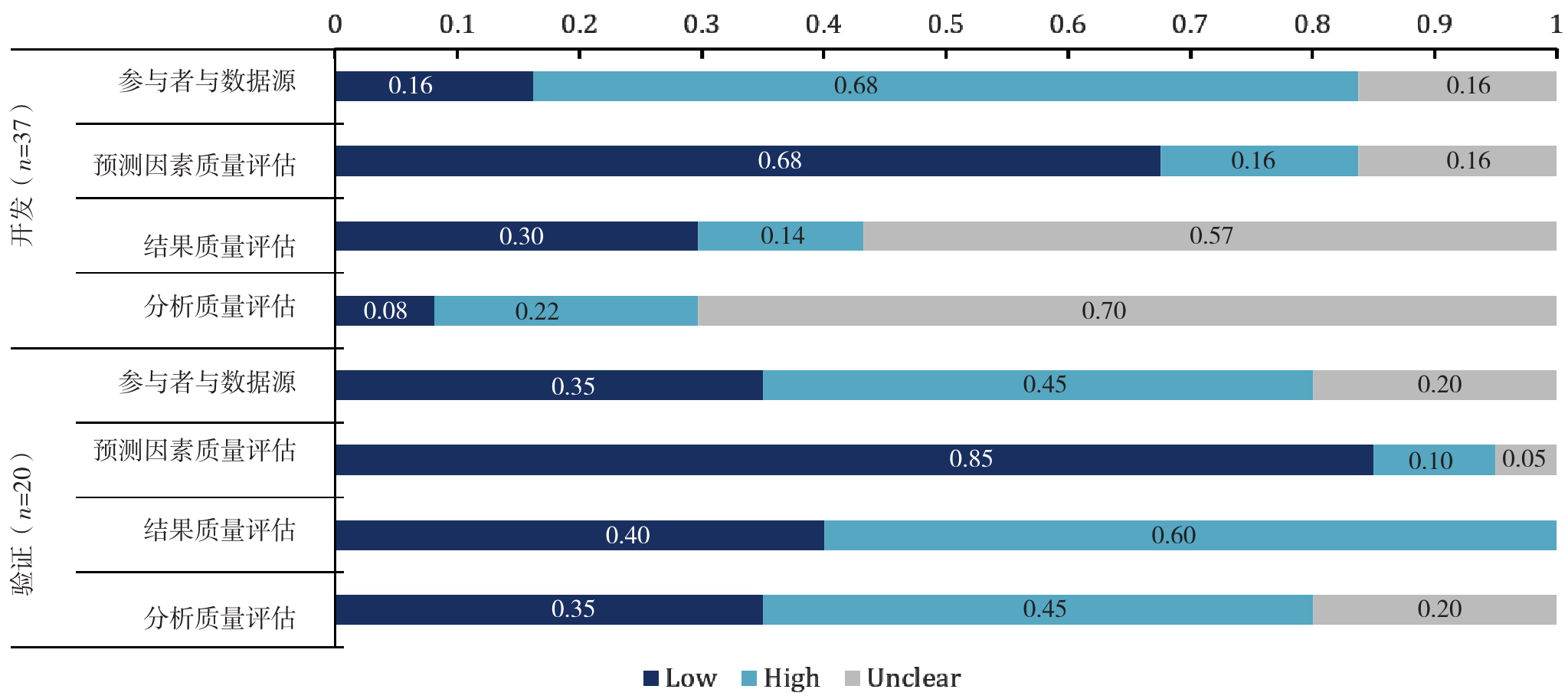
Figure 3 Risk of bias assessment results of prediction models based on PROBAST
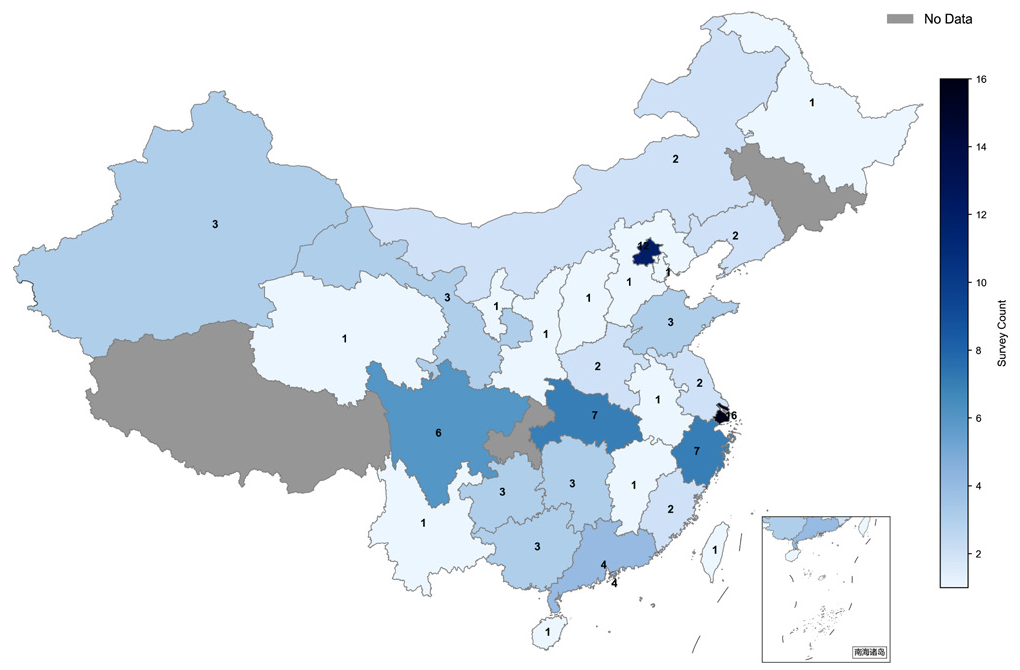
Figure 4 Geographic distribution of dataset sources
| 数据库特征 | 数量[篇(%)]a | 对应文献b |
|---|---|---|
| 数据产生原因c | ||
| 研究需要数据 | 21(36.8) | 1、2、5、7、13-14、16-17、20-22、24、29、31-32、35-36、42-43、47、52 |
| 日常产生数据 | 18(31.6) | 3-4、6、8-12、15、18-19、25、30、34、40-41、49、56 |
| 外部共享数据集 | 16(28.1) | 23、26-28、33、37-39、46、48、50-51、53-55、57 |
| 研究需要数据、日常产生数据 | 2(3.5) | 44-45 |
| 数据样本量 | ||
| <1 000 | 12(21.1) | 4-5、14、16-17、20、22、24、26、31、40、53 |
| 1 000~5 000 | 23(40.4) | 1、2、8、11-13、15、19、21、23、25、29、32、34-36、42、45、47-49、52、56 |
| 5 001~10 000 | 3(5.3) | 7、9、27 |
| 10 001~50 000 | 10(17.5) | 3、18、28、33、37、39、43、50-51、55 |
| >50 000 | 9(15.8) | 6、10、30、38、41、44、46、54、57 |
| 数据收集机构 | ||
| 仅社区卫生服务中心 | 22(38.6) | 1-3、6、8-9、12-14、16、18、22-23、25、28、32、36、42、45、47、50、56 |
| 社区卫生服务中心+乡镇卫生院 | 1(1.8) | 48 |
| 社区卫生服务中心+非基层医疗卫生机构 | 14(24.6) | 4-5、10、15、19-20、24、26、35、44、46、49、51-52 |
| 乡镇卫生院 | 1(1.8) | 40 |
| 其他基层医疗卫生机构+非基层医疗卫生机构 | 1(1.8) | 11 |
| 基层公共卫生机构(妇幼保健机构、残疾人康复服务机构) | 2(3.5) | 17、21 |
| 明确包括基层数据,但未明确具体机构 | 15(26.3) | 7、27、29-31、33-34、37、39、41、43、53-55、57 |
| 数据类型d | ||
| 结构化数据 | 40(58.8) | 3-4、6、9、10-13、18、21-31、33-35、37-43、45-46、48-49、52-57 |
| 文本 | 17(25.0) | 2、5、20-23、26、28-29、36、42-43、45、48、50、52-53 |
| 图像 | 11(16.2) | 1、7-8、15、17、19、31-32、44、47、51 |
Table 2 Summary of database characteristics
| 数据库特征 | 数量[篇(%)]a | 对应文献b |
|---|---|---|
| 数据产生原因c | ||
| 研究需要数据 | 21(36.8) | 1、2、5、7、13-14、16-17、20-22、24、29、31-32、35-36、42-43、47、52 |
| 日常产生数据 | 18(31.6) | 3-4、6、8-12、15、18-19、25、30、34、40-41、49、56 |
| 外部共享数据集 | 16(28.1) | 23、26-28、33、37-39、46、48、50-51、53-55、57 |
| 研究需要数据、日常产生数据 | 2(3.5) | 44-45 |
| 数据样本量 | ||
| <1 000 | 12(21.1) | 4-5、14、16-17、20、22、24、26、31、40、53 |
| 1 000~5 000 | 23(40.4) | 1、2、8、11-13、15、19、21、23、25、29、32、34-36、42、45、47-49、52、56 |
| 5 001~10 000 | 3(5.3) | 7、9、27 |
| 10 001~50 000 | 10(17.5) | 3、18、28、33、37、39、43、50-51、55 |
| >50 000 | 9(15.8) | 6、10、30、38、41、44、46、54、57 |
| 数据收集机构 | ||
| 仅社区卫生服务中心 | 22(38.6) | 1-3、6、8-9、12-14、16、18、22-23、25、28、32、36、42、45、47、50、56 |
| 社区卫生服务中心+乡镇卫生院 | 1(1.8) | 48 |
| 社区卫生服务中心+非基层医疗卫生机构 | 14(24.6) | 4-5、10、15、19-20、24、26、35、44、46、49、51-52 |
| 乡镇卫生院 | 1(1.8) | 40 |
| 其他基层医疗卫生机构+非基层医疗卫生机构 | 1(1.8) | 11 |
| 基层公共卫生机构(妇幼保健机构、残疾人康复服务机构) | 2(3.5) | 17、21 |
| 明确包括基层数据,但未明确具体机构 | 15(26.3) | 7、27、29-31、33-34、37、39、41、43、53-55、57 |
| 数据类型d | ||
| 结构化数据 | 40(58.8) | 3-4、6、9、10-13、18、21-31、33-35、37-43、45-46、48-49、52-57 |
| 文本 | 17(25.0) | 2、5、20-23、26、28-29、36、42-43、45、48、50、52-53 |
| 图像 | 11(16.2) | 1、7-8、15、17、19、31-32、44、47、51 |
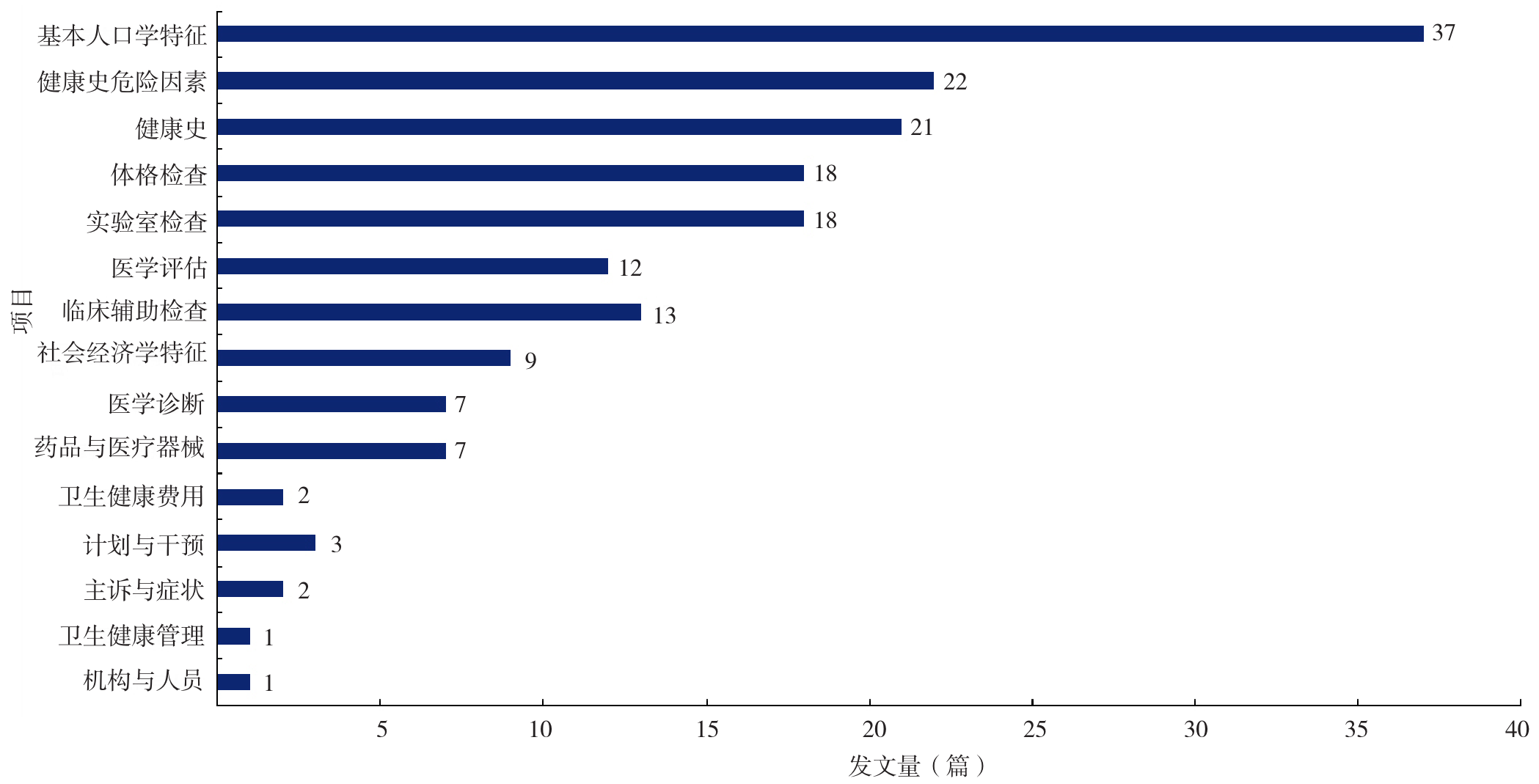
Figure 5 Overview of dataset content inclusion
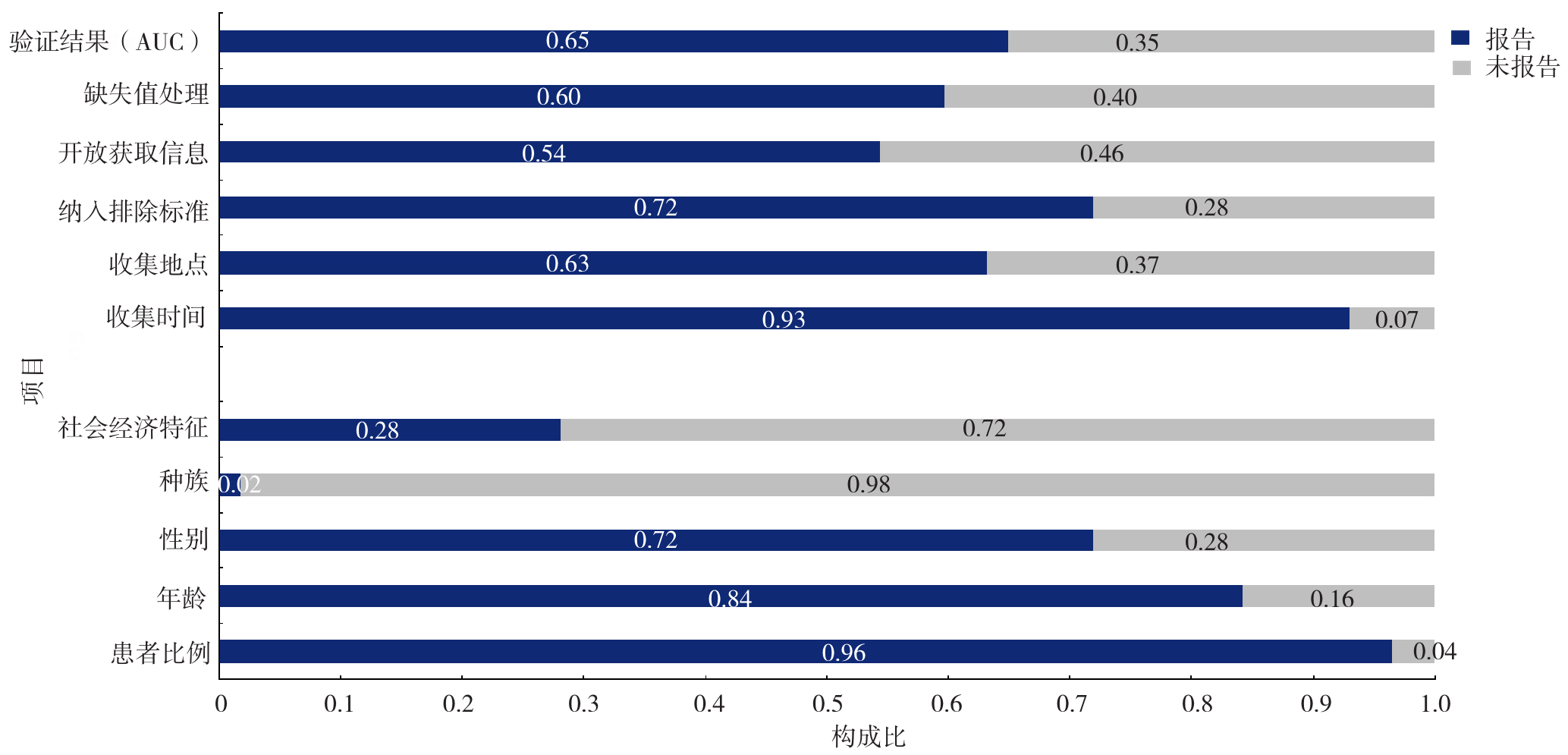
Figure 6 Basic information of metadata and content reporting status
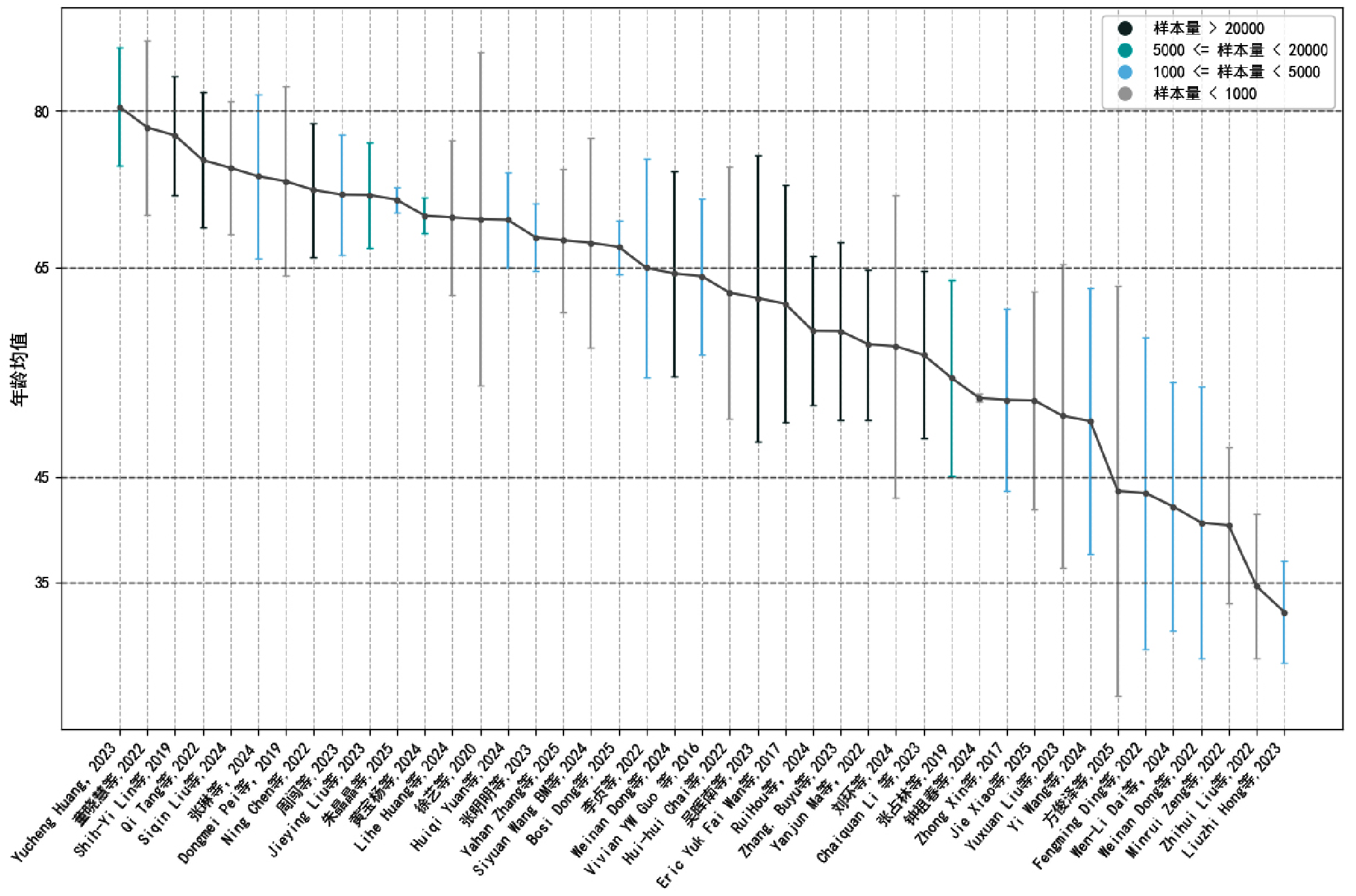
Figure 7 Age distribution of metadata samples
| [1] |
国家卫生健康委员会统计信息中心. 2024中国卫生健康统计年鉴[A/OL]. (2026-01-07)[2026-01-23].
|
| [2] |
|
| [3] |
|
| [4] |
国家卫生健康委员会规划发展与信息化司. 卫生健康行业人工智能应用场景参考指引[A/OL]. (2024-11-14)[2026-01-23].
|
| [5] |
国家卫生健康委员会规划发展与信息化司. 关于促进和规范"人工智能+医疗卫生"应用发展的实施意见[A/OL]. (2025-11-04)[2026-01-23].
|
| [6] |
|
| [7] |
|
| [8] |
|
| [9] |
|
| [10] |
|
| [11] |
|
| [12] |
|
| [13] |
|
| [14] |
|
| [15] |
张春娟,马小董,周昔程, 等. 人工智能对基层医院医疗发展的制约因素分析[J]. 中国农村卫生事业管理, 2024, 44(7): 522-526. DOI: 10.19955/j.cnki.1005-5916.2024.07.011.
|
| [16] |
王海旭,陈艳萍,赵凯. 中国人工智能医疗产业发展的现状及国际经验借鉴[J]. 卫生经济研究, 2020, 37(9): 9-11, 15.
|
| [17] |
|
| [18] |
|
| [19] |
中华人民共和国国家卫生健康委员会. 卫生健康信息数据元目录第1部分:总则[S/OL]. (2023-10-07)[2026-01-23].
|
| [20] |
|
| [21] |
|
| [22] |
|
| [23] |
|
| [24] |
|
| [25] |
|
| [26] |
RCGP. Oxford-RCGP Research and Surveillance Centre(RSC)[EB/OL]. [2026-01-03].
|
| [27] |
Queen Mary University of London. QResearch[EB/OL]. [2026-01-03].
|
| [28] |
NIVEL. Methode vaststellen cijfers zorgverlening huisartsen: Nivel Zorgregistraties Eerste Lijn[EB/OL]. [2026-01-03].
|
| [29] |
AHRQ. Data overview: Medical Expenditure Panel Survey (MEPS). U.S. Department of Health & Human Services[EB/OL]. [2026-01-03].
|
| [30] |
|
| [31] |
|
| [32] |
|
| [33] |
|
| [34] |
|
| [35] |
|
| [36] |
|
| [37] |
|
| [38] |
|
| [39] |
吴彦霖,李开明,郭玉清, 等. 医防融合视角下我国医疗卫生信息化现状与发展研究[J]. 中华流行病学杂志, 2024, 45(6): 892-898. DOI: 10.3760/cma.j.cn112338-20240218-00075.
|
| [40] |
|
| [41] |
|
| [1] | TIAN Xiangyang, ZHOU Yingsheng, GAO Ying. Prospects of Behavioral and Lifestyle Interventions for Diabetes Mellitus [J]. Chinese General Practice, 2026, 29(31): 4513-4520. |
| [2] | KUANG Li, DING Xinxin, MA Yuanzhu. Application of Motivational Interviewing in Healthcare Provider-Patient Communication for Chronic Disease Management in Primary Care: from Principles to Practice [J]. Chinese General Practice, 2026, 29(31): 4536-4542. |
| [3] | WEI Xuejuan, WANG Lihua, WANG Li, REN Jinglin, YAN Haiqing, YU Haiyang, LIU Jingfeng. Effectiveness of an Intelligent Voice Outbound Call System as an Adjunct to Usual Care for Health Management in Older Community-dwelling Patients with "Three Highs" Multimorbidity: a Randomized Controlled Trial [J]. Chinese General Practice, 2026, 29(31): 4635-4640. |
| [4] | XIE Yuanling, CHENG Li, LONG Xiangyu, SU Zhengxin, SU Yiyi, ZHANG Renyue, SUN Guoqiang, CHEN Xuxia, ZHOU Jilan. Effectiveness of an AI-powered Ophthalmic Telemedicine Diagnostic Platform in Community Eye Health Screening [J]. Chinese General Practice, 2026, 29(31): 4641-4649. |
| [5] | LI Xiling, ZHANG Fan, YANG Xinyue, YANG Heng. Application of Exercise Snacks in Chronic Disease Management: a Scoping Review [J]. Chinese General Practice, 2026, 29(30): 4472-4479. |
| [6] | HUANG Mu, ZHANG Daochun, YANG Wei, ZHONG Liming, YUAN Wenjing, JIA Ziqi, TAN Xiangliang, DUAN Xiaohui, LIU Xian, CHEN Weicui. Automatic Segmentation of Colorectal Cancer Lesions in Abdominal CT Images Using a Deep Learning Network Based on Fused 3D U-Net and Transformer: a Multicenter and Multidevice Study [J]. Chinese General Practice, 2026, 29(29): 4281-4287. |
| [7] | CHEN Yujing, WANG Yan, LI Guang, DONG Benchao, YANG Peichuan, MA Jianxiong. Digital Technologies in the Management of Sarcopenia among Older Adults in Asia: a Scoping Review [J]. Chinese General Practice, 2026, 29(29): 4200-4210. |
| [8] | MU Hongyu, LI Qianqian, LIU Lu, SUN Xinru, ZHANG Jiaqi, DUAN Yeqing, LI Bin. Research Progress and Challenges of Cognitive Digital Therapeutics in the Intervention of Mild Cognitive Impairment [J]. Chinese General Practice, 2026, 29(29): 4211-4216. |
| [9] | CHEN Cheng, CHEN Kaiyuan, SUN Nailing, ZENG Huatang, LEI Suwen, LIANG Wannian. Status and Suggestions on Standardization Construction of Artificial Intelligence-enabled Disease Prevention and Control [J]. Chinese General Practice, 2026, 29(29): 4193-4199. |
| [10] | DENG Wei, HUANG Mengting, YI Shengli, LIN Yang, XU Lidan, REN Zhexue, ZHU Xiuqiong, LI Yesha, REN Mengge, KE Dazhi, LI Guiqiong, WU Zhiqin, LUO Aoran, HE Fapei. Training and Effectiveness of AI-enabled Clinical Reasoning in General Practice [J]. Chinese General Practice, 2026, 29(28): 4078-4085. |
| [11] | ZHANG Rui, LU Wang, YANG Fan, LUO Yuan, CHEN Dandi. Trend Characteristics and Driving Mechanisms of Primary Care Service Volume under the Hierarchical Medical System: an Empirical Study Based on Its and Lmdi Models [J]. Chinese General Practice, 2026, 29(28): 4100-4106. |
| [12] | MA Feng, ZHOU Liang, JIN Jianfeng, LU Ya'er. Effect Evaluation of Color-coded Management and Active Recall in Post-examination Services for Health Checkups in Primary Healthcare Institutions [J]. Chinese General Practice, 2026, 29(28): 4125-4131. |
| [13] | Guangdong Provincial Association of Primary Health Care Precision Nutrition Application Branch. Expert Consensus on the Construction of Primary Care Nutrition Clinics Based on Medical-prevention Integration and N-RCSP Precision Nutrition Health Management [J]. Chinese General Practice, 2026, 29(28): 4033-4046. |
| [14] | YANG Zhikai, YUAN Beibei. The Relationship between the Operational Environment and Characteristics of Primary Healthcare Institutions and the Utilization of Primary Healthcare Services: Identifying Potential Intervention Points Based on Integrated Evidence and Empirical Data from Case City [J]. Chinese General Practice, 2026, 29(25): 3584-3592. |
| [15] | ZHOU Yuhan, MIN Yuqi, GUO Zhou, YANG Min, YUE Lu, HE Meichen, ZHOU Hairong, WANG Yongchen. Opportunities and Challenges for General Practitioners in the Age of Artificial Intelligence [J]. Chinese General Practice, 2026, 29(25): 3563-3568. |
| Viewed | ||||||
|
Full text |
|
|||||
|
Abstract |
|
|||||
