
Chinese General Practice ›› 2026, Vol. 29 ›› Issue (25): 3584-3592.DOI: 10.12114/j.issn.1007-9572.2025.0402
Special Issue: 社区卫生服务最新研究合辑
• General Practice/Community Health Service·Focus on Health Service Utilization • Previous Articles Next Articles
Received:2026-03-09
Revised:2026-05-28
Published:2026-09-05
Online:2026-08-11
Contact:
YUAN Beibei
通讯作者:
袁蓓蓓
作者简介:作者贡献:
杨智凯负责研究的实施,进行数据收集与整理、统计学处理、图表绘制与展示,撰写论文;杨智凯、袁蓓蓓提出主要研究目标,进行研究构思与设计、论文修订,对论文整体负责。
基金资助:
Add to citation manager EndNote|Ris|BibTeX
URL: https://www.chinagp.net/EN/10.12114/j.issn.1007-9572.2025.0402
| 数据库 | 检索策略 |
|---|---|
| 中国知网 | #1:TI=('卫生服务'+'医疗服务'+'卫生保健'+'医疗保健'+'就医'+'就诊'+'首诊'+'医疗'+'初级保健'+ '初级卫生保健'+'医院'+'社区卫生服务中心'+'乡镇卫生中心'+'中心卫生院'+'乡镇卫生院'+'村卫生室'+ '住院'+'门诊') #2:TI=('使用'+'利用'+'行为'+'选择'+'需求'+'意愿'+ '流向'+'倾向') #3:TI=('影响因素'+'影响因子'+'影响要素'+'决定因素'+'影响') #4: #1 and #2 and #3 |
| Web of Science | #1:TS=(((primary O R secondary O R tertiary O R communit* O R hospital*) NEAR/2 (care O R healthcare O R service*)) O R (source NEAR/2 (care* O R healthcare*)) O R ((township O R village) NEAR/2 (center* O R centre* O R clinic*)) O R (health* NEAR/2 (centre* O R center* O R facilit*))) #2: TS=(preference* O R choice* O R seeking O R attitude* O R priorit* O R utili* O R use O R willing* O R Behavior) #3:TS=(barrier* O R facilitator* O R obstacle* O R influence* O R determinant*) #4:TS=(China O R (chinese NOT (chinese NEAR/3 (immigrant* O R migrant* O R american* O R canad O R austral*)))) #5: #1 and #2 and #3 and #4 |
Table 1 Search strategy of CNKI and Web of Science
| 数据库 | 检索策略 |
|---|---|
| 中国知网 | #1:TI=('卫生服务'+'医疗服务'+'卫生保健'+'医疗保健'+'就医'+'就诊'+'首诊'+'医疗'+'初级保健'+ '初级卫生保健'+'医院'+'社区卫生服务中心'+'乡镇卫生中心'+'中心卫生院'+'乡镇卫生院'+'村卫生室'+ '住院'+'门诊') #2:TI=('使用'+'利用'+'行为'+'选择'+'需求'+'意愿'+ '流向'+'倾向') #3:TI=('影响因素'+'影响因子'+'影响要素'+'决定因素'+'影响') #4: #1 and #2 and #3 |
| Web of Science | #1:TS=(((primary O R secondary O R tertiary O R communit* O R hospital*) NEAR/2 (care O R healthcare O R service*)) O R (source NEAR/2 (care* O R healthcare*)) O R ((township O R village) NEAR/2 (center* O R centre* O R clinic*)) O R (health* NEAR/2 (centre* O R center* O R facilit*))) #2: TS=(preference* O R choice* O R seeking O R attitude* O R priorit* O R utili* O R use O R willing* O R Behavior) #3:TS=(barrier* O R facilitator* O R obstacle* O R influence* O R determinant*) #4:TS=(China O R (chinese NOT (chinese NEAR/3 (immigrant* O R migrant* O R american* O R canad O R austral*)))) #5: #1 and #2 and #3 and #4 |
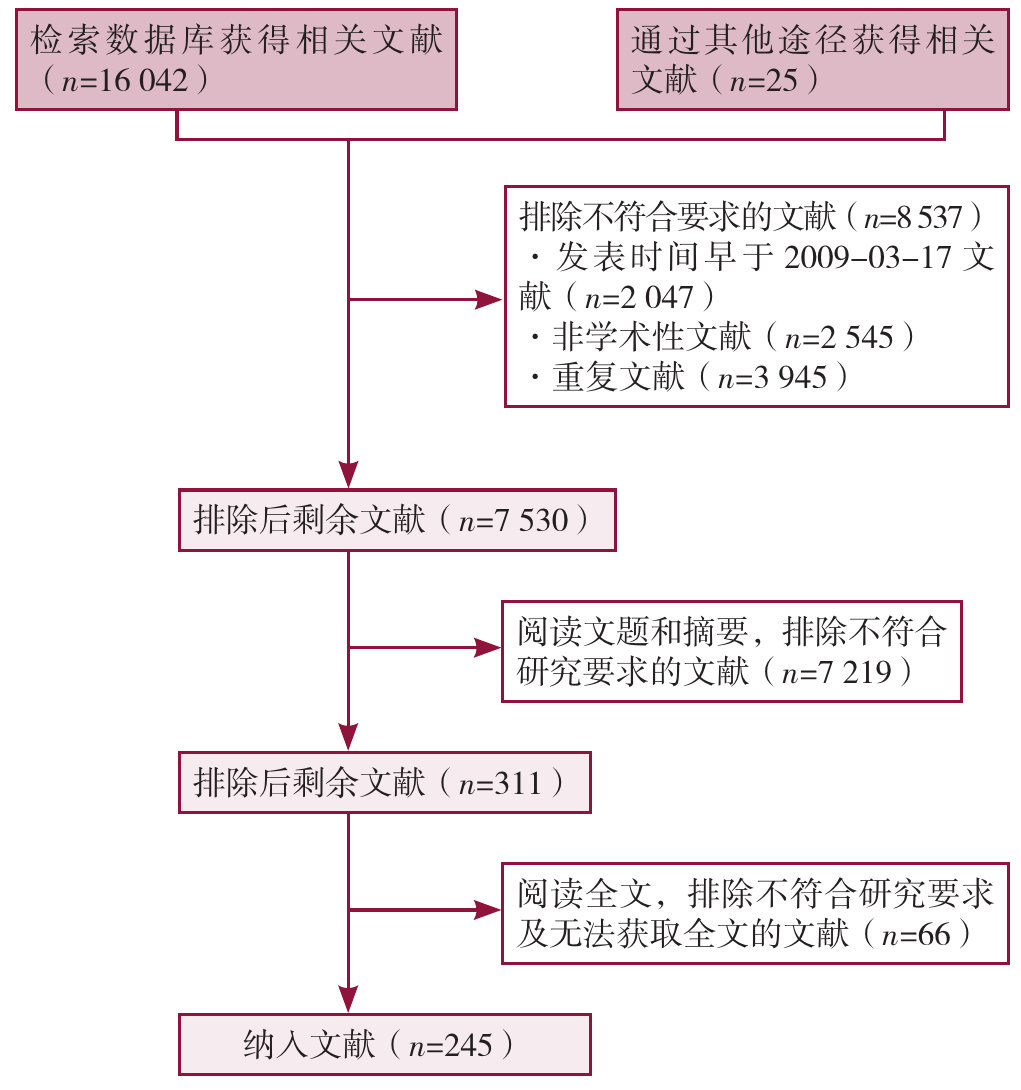
Figure 1 Flowchart of literature search and screening
| 类别 | 变量 | 观测指标 | 指标计算方法/定义 |
|---|---|---|---|
| 基层卫生服务利用 | — | 人均基层就诊量(次) | 基层医疗卫生机构年度门急诊量(人次)/基层医疗卫生机构同期服务人口数(人) |
| 基层与二级医院人均就诊量之比 | 人均基层就诊量(次)/[本区县二级综合医院年度门急诊量(人次)/同期区县常住人口数(人)] | ||
| 基层与三级医院人均就诊量之比 | 人均基层就诊量(次)/[本区县参保居民市内三级综合医院年度门急诊量(人次)/同期区县常住人口数(人)] | ||
| 供方 | 卫生人力数量 | 每千人机构职工数(人) | 机构在职职工数(人)×1 000/机构同期服务人口数(人) |
| 每千人全科医生数(人) | 机构全科医生数(人)×1 000/机构同期服务人口数(人) | ||
| 每千人护士数(人) | 机构护士数(人)×1 000/机构同期服务人口数(人) | ||
| 医疗卫生服务技术与质量 | 手术项目数(个)(对数引入) | 根据《医疗保障手术操作分类与编码(ICD-9-CM-3)》或本地手术分级目录,统计机构可实施的手术与介入治疗项目总数 | |
| 医疗收入占比(%) | 机构年度医疗收入(元)/机构年度总收入(元) | ||
| 1-药占比(%) | 1-{机构药品收入(含药品加成收入)(元)/[机构药品收入(含药品加成收入)(元)+机构医疗收入(元)]} | ||
| 公共卫生服务质量 | 人均基本公共卫生服务经费(元) | 机构实际获得的基本公共卫生年度服务经费(元)/机构同期服务人口数(人) | |
| 硬件设施 | 业务用房面积(m2)(对数引入) | — | |
| 实际开放床位数(张)(对数引入) | — | ||
| 万元以上设备总价值(万元)(对数引入) | — | ||
| 就诊费用 | 基层次均就诊费用(元) | 机构年度门诊总费用(元)/机构年度门急诊量(人次) | |
| 机构负债 | 机构在账负债(元) | 包括贷款、应付账款、预收款项、按财政部门规定应当缴纳的预算内资金、在财政专户中应当缴纳的预算外资金、按照上级单位规定应当缴纳的税款、其他应当缴纳的费用 | |
| 信息化建设 | 信息化建设水平 | 包括是否建立/接入健康管理信息系统、电子处方、电子病历,是否对居民健康档案进行电子建档、电子健康档案是否向居民开放,是否建立与上级医院的信息共享平台、远程医疗服务系统,每达成一个方面获得1分,最多7分 | |
| 治理连续性 | 机构近四届已卸任主管领导平均任职期限(月/人) | 近四届已卸任主管领导任职时间总和(月)/近四届已卸任主管领导人数(人) | |
| 需方 | 居民文化程度 | 地区居民平均受教育年限(年) | 区县常住人口总受教育年限(年)/同期区县常住人口数(人) |
| 居民健康素养 | 地区居民健康素养水平(%) | 取自地方居民健康素养监测数据 | |
| 居民支付能力 | 地区人均可支配收入(万元) | 地区常住人口总可支配收入(万元)/地区常住人口数(人) | |
| 居民健康水平 | 1-两周患病率(%) | 1-[调查前两周内患病人数(人次)/调查人数(人)×100%] | |
| 卫生体系与社会环境 | 二级综合医院密度 | 所在区县二级综合医院个数(个) | — |
| 医联体参与 | 机构是否加入医联体 | — | |
| 基层卫生服务地理可及性 | 到最近医疗点所需时间<15 min住户占比(%) | — | |
| 交通便利性 | 公路密度(km/km2) | 地区公路通车里程(km)/地区面积(km2) |
Table 2 Main variables and indicators
| 类别 | 变量 | 观测指标 | 指标计算方法/定义 |
|---|---|---|---|
| 基层卫生服务利用 | — | 人均基层就诊量(次) | 基层医疗卫生机构年度门急诊量(人次)/基层医疗卫生机构同期服务人口数(人) |
| 基层与二级医院人均就诊量之比 | 人均基层就诊量(次)/[本区县二级综合医院年度门急诊量(人次)/同期区县常住人口数(人)] | ||
| 基层与三级医院人均就诊量之比 | 人均基层就诊量(次)/[本区县参保居民市内三级综合医院年度门急诊量(人次)/同期区县常住人口数(人)] | ||
| 供方 | 卫生人力数量 | 每千人机构职工数(人) | 机构在职职工数(人)×1 000/机构同期服务人口数(人) |
| 每千人全科医生数(人) | 机构全科医生数(人)×1 000/机构同期服务人口数(人) | ||
| 每千人护士数(人) | 机构护士数(人)×1 000/机构同期服务人口数(人) | ||
| 医疗卫生服务技术与质量 | 手术项目数(个)(对数引入) | 根据《医疗保障手术操作分类与编码(ICD-9-CM-3)》或本地手术分级目录,统计机构可实施的手术与介入治疗项目总数 | |
| 医疗收入占比(%) | 机构年度医疗收入(元)/机构年度总收入(元) | ||
| 1-药占比(%) | 1-{机构药品收入(含药品加成收入)(元)/[机构药品收入(含药品加成收入)(元)+机构医疗收入(元)]} | ||
| 公共卫生服务质量 | 人均基本公共卫生服务经费(元) | 机构实际获得的基本公共卫生年度服务经费(元)/机构同期服务人口数(人) | |
| 硬件设施 | 业务用房面积(m2)(对数引入) | — | |
| 实际开放床位数(张)(对数引入) | — | ||
| 万元以上设备总价值(万元)(对数引入) | — | ||
| 就诊费用 | 基层次均就诊费用(元) | 机构年度门诊总费用(元)/机构年度门急诊量(人次) | |
| 机构负债 | 机构在账负债(元) | 包括贷款、应付账款、预收款项、按财政部门规定应当缴纳的预算内资金、在财政专户中应当缴纳的预算外资金、按照上级单位规定应当缴纳的税款、其他应当缴纳的费用 | |
| 信息化建设 | 信息化建设水平 | 包括是否建立/接入健康管理信息系统、电子处方、电子病历,是否对居民健康档案进行电子建档、电子健康档案是否向居民开放,是否建立与上级医院的信息共享平台、远程医疗服务系统,每达成一个方面获得1分,最多7分 | |
| 治理连续性 | 机构近四届已卸任主管领导平均任职期限(月/人) | 近四届已卸任主管领导任职时间总和(月)/近四届已卸任主管领导人数(人) | |
| 需方 | 居民文化程度 | 地区居民平均受教育年限(年) | 区县常住人口总受教育年限(年)/同期区县常住人口数(人) |
| 居民健康素养 | 地区居民健康素养水平(%) | 取自地方居民健康素养监测数据 | |
| 居民支付能力 | 地区人均可支配收入(万元) | 地区常住人口总可支配收入(万元)/地区常住人口数(人) | |
| 居民健康水平 | 1-两周患病率(%) | 1-[调查前两周内患病人数(人次)/调查人数(人)×100%] | |
| 卫生体系与社会环境 | 二级综合医院密度 | 所在区县二级综合医院个数(个) | — |
| 医联体参与 | 机构是否加入医联体 | — | |
| 基层卫生服务地理可及性 | 到最近医疗点所需时间<15 min住户占比(%) | — | |
| 交通便利性 | 公路密度(km/km2) | 地区公路通车里程(km)/地区面积(km2) |
| 观测指标 | 平均值 | 标准差 | P1 | P50 | P99 |
|---|---|---|---|---|---|
| 人均基层就诊量(次) | 1.15 | 0.67 | 0.09 | 0.95 | 3.35 |
| 人均基层相对于二级综合医院就诊量 | 1.51 | 1.04 | 0.19 | 1.17 | 4.31 |
| 人均基层相对于三级综合医院就诊量 | 15.59 | 9.49 | 2.23 | 13.50 | 44.92 |
| 每千人机构职工数(人) | 1.93 | 0.73 | 0.63 | 1.82 | 3.78 |
| 每千人全科医生数(人) | 0.22 | 0.12 | 0.03 | 0.20 | 0.51 |
| 每千人护士数(人) | 0.57 | 0.35 | 0.13 | 0.50 | 1.54 |
| 能进行的手术个数(个) | 122.10 | 399.73 | 0 | 20.00 | 1 615.60 |
| 医疗收入占比(%) | 35.29 | 13.76 | 5.64 | 35.27 | 66.83 |
| 药占比(%) | 39.52 | 16.84 | 13.40 | 36.60 | 89.30 |
| 人均基本公共卫生服务经费(元) | 71.33 | 13.33 | 44.91 | 70.00 | 117.67 |
| 业务用房面积(m2) | 5 605.90 | 4 821.40 | 999.52 | 4 400.00 | 27 840.00 |
| 实际开放床位数(张) | 74.73 | 52.65 | 12.08 | 60.00 | 255.92 |
| 万元以上设备总价值(万元) | 547.51 | 594.23 | 6.92 | 352.99 | 2 829.33 |
| 机构次均就诊费用(元) | 117.12 | 113.98 | 10.16 | 100.38 | 371.60 |
| 机构在账负债(万元) | 755.78 | 1 032.79 | 0 | 500.26 | 5 269.82 |
| 信息化建设水平 | 6.41 | 0.91 | 3.00 | 7.00 | 7.00 |
| 机构近四届已卸任主管领导平均任职期限(月/人) | 62.33 | 33.63 | 21.35 | 56.50 | 188.04 |
| 地区居民平均受教育年限(年) | 9.79 | 0.67 | 9.36 | 9.50 | 12.19 |
| 地区居民健康素养水平(%) | 26.84 | 2.89 | 23.15 | 26.40 | 32.70 |
| 地区人均可支配收入(元) | 34 279.34 | 11 025.55 | 22 051.00 | 26 527.00 | 52 040.00 |
| 两周患病率(%) | 20.06 | 7.83 | 10.21 | 21.51 | 35.79 |
| 所在区县二级综合医院个数(个) | 2.03 | 1.05 | 0 | 2.00 | 4.00 |
| 到最近医疗点所需时间短于15 min住户占比(%) | 94.52 | 6.96 | 80.00 | 100.00 | 100.00 |
| 公路密度(km/km2) | 1.78 | 0.50 | 0.18 | 1.89 | 2.62 |
Table 3 Distribution of various observation indicators in primary health care institutions
| 观测指标 | 平均值 | 标准差 | P1 | P50 | P99 |
|---|---|---|---|---|---|
| 人均基层就诊量(次) | 1.15 | 0.67 | 0.09 | 0.95 | 3.35 |
| 人均基层相对于二级综合医院就诊量 | 1.51 | 1.04 | 0.19 | 1.17 | 4.31 |
| 人均基层相对于三级综合医院就诊量 | 15.59 | 9.49 | 2.23 | 13.50 | 44.92 |
| 每千人机构职工数(人) | 1.93 | 0.73 | 0.63 | 1.82 | 3.78 |
| 每千人全科医生数(人) | 0.22 | 0.12 | 0.03 | 0.20 | 0.51 |
| 每千人护士数(人) | 0.57 | 0.35 | 0.13 | 0.50 | 1.54 |
| 能进行的手术个数(个) | 122.10 | 399.73 | 0 | 20.00 | 1 615.60 |
| 医疗收入占比(%) | 35.29 | 13.76 | 5.64 | 35.27 | 66.83 |
| 药占比(%) | 39.52 | 16.84 | 13.40 | 36.60 | 89.30 |
| 人均基本公共卫生服务经费(元) | 71.33 | 13.33 | 44.91 | 70.00 | 117.67 |
| 业务用房面积(m2) | 5 605.90 | 4 821.40 | 999.52 | 4 400.00 | 27 840.00 |
| 实际开放床位数(张) | 74.73 | 52.65 | 12.08 | 60.00 | 255.92 |
| 万元以上设备总价值(万元) | 547.51 | 594.23 | 6.92 | 352.99 | 2 829.33 |
| 机构次均就诊费用(元) | 117.12 | 113.98 | 10.16 | 100.38 | 371.60 |
| 机构在账负债(万元) | 755.78 | 1 032.79 | 0 | 500.26 | 5 269.82 |
| 信息化建设水平 | 6.41 | 0.91 | 3.00 | 7.00 | 7.00 |
| 机构近四届已卸任主管领导平均任职期限(月/人) | 62.33 | 33.63 | 21.35 | 56.50 | 188.04 |
| 地区居民平均受教育年限(年) | 9.79 | 0.67 | 9.36 | 9.50 | 12.19 |
| 地区居民健康素养水平(%) | 26.84 | 2.89 | 23.15 | 26.40 | 32.70 |
| 地区人均可支配收入(元) | 34 279.34 | 11 025.55 | 22 051.00 | 26 527.00 | 52 040.00 |
| 两周患病率(%) | 20.06 | 7.83 | 10.21 | 21.51 | 35.79 |
| 所在区县二级综合医院个数(个) | 2.03 | 1.05 | 0 | 2.00 | 4.00 |
| 到最近医疗点所需时间短于15 min住户占比(%) | 94.52 | 6.96 | 80.00 | 100.00 | 100.00 |
| 公路密度(km/km2) | 1.78 | 0.50 | 0.18 | 1.89 | 2.62 |
| 路径 | 路径系数 | 标准差 | t值 | P值 | f2值 |
|---|---|---|---|---|---|
| 医疗卫生服务能力→卫生人力数量 | 0.670 | 0.063 | 10.587 | <0.001 | 0.815 |
| 医疗卫生服务能力→医疗卫生服务技术与质量 | 0.852 | 0.022 | 38.270 | <0.001 | 2.653 |
| 医疗卫生服务能力→硬件设施 | 0.844 | 0.028 | 30.581 | <0.001 | 2.483 |
| 医疗卫生服务能力→基层卫生服务利用 | 0.471 | 0.079 | 5.926 | <0.001 | 0.314 |
| 公共卫生服务质量→基层卫生服务利用 | 0.266 | 0.128 | 2.083 | 0.037 | 0.094 |
| 就诊费用→基层卫生服务利用 | -0.148 | 0.083 | 1.783 | 0.075 | 0.035 |
| 机构负债→基层卫生服务利用 | -0.049 | 0.080 | 0.616 | 0.538 | 0.004 |
| 信息化建设→基层卫生服务利用 | 0.027 | 0.075 | 0.368 | 0.713 | 0.001 |
| 治理连续性→基层卫生服务利用 | -0.018 | 0.088 | 0.200 | 0.842 | <0.001 |
| 文化程度→基层卫生服务利用 | 0.210 | 0.123 | 1.713 | 0.087 | 0.032 |
| 健康素养→基层卫生服务利用 | 0.328 | 0.083 | 3.939 | <0.001 | 0.150 |
| 支付能力→基层卫生服务利用 | -0.010 | 0.073 | 0.134 | 0.893 | <0.001 |
| 健康水平→基层卫生服务利用 | 0.187 | 0.092 | 2.041 | 0.041 | 0.026 |
| 二级综合医院密度→基层卫生服务利用 | -0.120 | 0.128 | 0.939 | 0.348 | 0.011 |
| 医联体参与→基层卫生服务利用 | -0.468 | 0.205 | 2.282 | 0.023 | 0.057 |
| 基层卫生服务地理可及性→基层卫生服务利用 | 0.270 | 0.092 | 2.923 | 0.003 | 0.064 |
| 交通便利性→基层卫生服务利用 | -0.136 | 0.126 | 1.081 | 0.280 | 0.015 |
Table 4 Standardized path coefficients and significance results
| 路径 | 路径系数 | 标准差 | t值 | P值 | f2值 |
|---|---|---|---|---|---|
| 医疗卫生服务能力→卫生人力数量 | 0.670 | 0.063 | 10.587 | <0.001 | 0.815 |
| 医疗卫生服务能力→医疗卫生服务技术与质量 | 0.852 | 0.022 | 38.270 | <0.001 | 2.653 |
| 医疗卫生服务能力→硬件设施 | 0.844 | 0.028 | 30.581 | <0.001 | 2.483 |
| 医疗卫生服务能力→基层卫生服务利用 | 0.471 | 0.079 | 5.926 | <0.001 | 0.314 |
| 公共卫生服务质量→基层卫生服务利用 | 0.266 | 0.128 | 2.083 | 0.037 | 0.094 |
| 就诊费用→基层卫生服务利用 | -0.148 | 0.083 | 1.783 | 0.075 | 0.035 |
| 机构负债→基层卫生服务利用 | -0.049 | 0.080 | 0.616 | 0.538 | 0.004 |
| 信息化建设→基层卫生服务利用 | 0.027 | 0.075 | 0.368 | 0.713 | 0.001 |
| 治理连续性→基层卫生服务利用 | -0.018 | 0.088 | 0.200 | 0.842 | <0.001 |
| 文化程度→基层卫生服务利用 | 0.210 | 0.123 | 1.713 | 0.087 | 0.032 |
| 健康素养→基层卫生服务利用 | 0.328 | 0.083 | 3.939 | <0.001 | 0.150 |
| 支付能力→基层卫生服务利用 | -0.010 | 0.073 | 0.134 | 0.893 | <0.001 |
| 健康水平→基层卫生服务利用 | 0.187 | 0.092 | 2.041 | 0.041 | 0.026 |
| 二级综合医院密度→基层卫生服务利用 | -0.120 | 0.128 | 0.939 | 0.348 | 0.011 |
| 医联体参与→基层卫生服务利用 | -0.468 | 0.205 | 2.282 | 0.023 | 0.057 |
| 基层卫生服务地理可及性→基层卫生服务利用 | 0.270 | 0.092 | 2.923 | 0.003 | 0.064 |
| 交通便利性→基层卫生服务利用 | -0.136 | 0.126 | 1.081 | 0.280 | 0.015 |
| [1] |
|
| [2] |
中共中央办公厅,国务院办公厅. 关于进一步完善医疗卫生服务体系的意见[A/OL]. (2023-03-23) [2024-01-26].
|
| [3] |
梁金刚. "强基层"效果态势与基层医疗卫生服务能力提升研究——基于2010年~2021年中国卫生健康统计年鉴数据分析[J]. 中国卫生事业管理, 2025, 42(1): 57-58, 89.
|
| [4] |
郑瑞军,陈素凤,乔旭界, 等. 我国基层首诊制现状及其效果的系统评价[J]. 卫生软科学, 2020, 34(4): 14-18. DOI: 10.3969/j.issn.1003-2800.2020.04.003.
|
| [5] |
|
| [6] |
北京市卫生健康委员会. 开拓创新担当作为 奋力开创新时代首都卫生健康事业新局面[EB/OL]. (2021-03-03) [2024-01-26].
|
| [7] |
成王金,朱益民. 基层首诊实施的制约因素与促进对策[J]. 卫生经济研究, 2017, 34(10): 56-58. DOI: 10.14055/j.cnki.33-1056/f.20170926.006.
|
| [8] |
WHO. The World Health Report 2000: health systems—improving performance[R]. Geneva: World Health Organization, 2000.
|
| [9] |
WHO. The World Health Report 2007: a safer future—global public health security in the 21st century[R]. Geneva: World Health Organization, 2007.
|
| [10] |
WHO. Everybody's business—strengthening health systems to improve health outcomes[R]. Geneva: World Health Organization, 2007.
|
| [11] |
陈鸣声. 安德森卫生服务利用行为模型演变及其应用[J]. 南京医科大学学报(社会科学版), 2018,18(1): 5-8.
|
| [12] |
李月娥,卢珊. 医疗卫生领域安德森模型的发展、应用及启示[J]. 中国卫生政策研究, 2017, 10(11): 77-82.
|
| [13] |
|
| [14] |
田帝,周苑,周典. 中国居民就医选择供给侧影响因素的Meta分析[J]. 南京医科大学学报(社会科学版), 2018, 18(1): 9-13.
|
| [15] |
邓云婷,刘佐仁,王含贞. 公众选择社区卫生服务机构就诊行为影响因素的Meta分析[J]. 今日药学, 2018, 28(11): 783-789. DOI: 10.12048/j.issn.1674-229X.2018.11.018.
|
| [16] |
魏敏,肖锦铖,杨善发, 等. 2003—2013年农村居民就医行为相关影响因素文献计量分析[J]. 医学与社会, 2014, 27(3): 57-59, 62. DOI: 10.3870/YXYSH.2014.03.018.
|
| [17] |
蔡坚雄,王家爵. 基于文献计量学的我国患者就医选择的价值观与偏好特征和影响因素分析[J]. 广西医学, 2019, 41(17): 2206-2210. DOI: 10.11675/j.issn.0253-4304.2019.17.17.
|
| [18] |
|
| [19] |
杨威. 患者选择在乡镇卫生院就医的影响因素分析[D]. 合肥: 安徽医科大学, 2018.
|
| [20] |
楚蓓,王伟,兰迎春. 城乡居民就医行为多元影响因素分析[J]. 医学与哲学, 2013, 34(10): 45-47.
|
| [21] |
王子瑶,徐海波,郑黎, 等. 基于刺激-机体-反应理论的江苏省居民基层首诊意愿及其影响因素分析[J]. 现代预防医学, 2021, 48(21): 3906-3910. DOI: 10.20043/j.cnki.mpm.2021.21.015.
|
| [22] |
曾雁冰,袁志鹏,方亚. 中国老年人就医行为及其影响因素研究[J]. 中国卫生统计, 2020, 37(2): 199-205.
|
| [23] |
万梦云. 基本医疗保险对患者就医行为的影响研究:基于2015年CHNS数据的实证分析[D]. 武汉: 中南财经政法大学, 2019.
|
| [24] |
宫晓. 农村居民在乡镇卫生院就医意愿的影响因素分析[J]. 中国卫生事业管理, 2011, 28(11): 854-855.DOI: 10.3969/j.issn.1004-4663.2011.11.020.
|
| [25] |
曹晨晔,王沛田,杜露. 医联体模式下社区居民基层首诊意愿及影响因素——以晋城市城区为例[J]. 经济研究导刊, 2022(34): 58-60. DOI: 10.3969/j.issn.1673-291X.2022.34.019.
|
| [26] |
周钦,刘国恩. 区域协同医疗对中国居民就医选择的影响研究——以四川汶川县为例[J]. 中国卫生事业管理, 2015, 32(6): 404-407.
|
| [27] |
付晓丽,陈迪,时松和, 等. 河南省居民首诊医疗机构选择及影响因素分析[J]. 现代预防医学, 2021, 48(9): 1653-1657. DOI: 10.20043/j.cnki.mpm.2021.09.026.
|
| [28] |
王波,岳林琳,国昭贤. 家庭医生签约服务背景下社区居民就医行为影响因素分析[J]. 卫生经济研究, 2023, 40(4): 52-55. DOI: 10.14055/j.cnki.33-1056/f.2023.04.005.
|
| [29] |
|
| [30] |
刘珍珍. 医联体背景下患者就医机构选择行为影响因素研究[D]. 延安: 延安大学, 2022.
|
| [31] |
石文杰,陈帅,甄天民, 等. 基于文献计量的我国患者就医选择偏好及影响因素分析[J]. 中国医药科学, 2021, 11(6): 160-163.
|
| [32] |
陈晨,郑梦,高一瑞, 等. 分级诊疗背景下基于CHNS数据的我国居民就医行为影响因素分析[J]. 中国医院, 2022, 26(6): 19-22. DOI: 10.19660/j.issn.1671-0592.2022.6.06.
|
| [33] |
安然,秦立建,杨晓胜, 等. 广东省城乡居民基本医疗保险参保者基层首诊意愿的影响因素分析[J]. 医学与社会, 2022, 35(11): 61-65. DOI: 10.13723/j.yxysh.2022.11.012.
|
| [34] |
高阳. 居民就医机构选择及分级诊疗意愿行为差距影响因素研究[D]. 上海: 华东师范大学, 2020.
|
| [35] |
|
| [36] |
|
| [37] |
何蕾,高博,任晓晖, 等. 社会资本对居民就医机构选择的影响研究:基于分类树与logistic回归模型相结合的方法[J]. 四川大学学报(医学版), 2022, 53(2): 310-315. DOI: 10.12182/20220360107.
|
| [38] |
吴功华,姚明宏,徐嘉悦, 等. 四川省城乡居民就医行为现状及其影响因素分析[J]. 现代预防医学, 2020, 47(7): 1235-1239. DOI: 10.20043/j.cnki.mpm.2020.07.022.
|
| [39] |
游毅. 我国九省老年人就医行为的变化趋势及影响因素研究[D]. 北京: 北京中医药大学, 2015.
|
| [40] |
|
| [41] |
|
| [42] |
|
| [43] |
吕博,孟开. 政府卫生支出能否影响患者就医选择?——基于北京市郊区的实证研究[J]. 中国全科医学, 2024, 27(4): 420-426.
|
| [44] |
|
| [45] |
赵晶. 城乡居民基层卫生服务利用影响因素研究[D]. 南京: 南京大学, 2018.
|
| [46] |
|
| [47] |
|
| [48] |
|
| [49] |
|
| [50] |
罗楚枫. 医联体对基层医疗卫生机构服务量的影响评估[D]. 成都: 西南财经大学, 2024.
|
| [51] |
国家卫生健康委员会. 2022中国卫生健康统计年鉴[M]. 北京: 中国协和医科大学出版社, 2022.
|
| [52] |
新华社. 稳步提升!2021年我国居民健康素养水平达到25.40%[EB/OL]. (2022-06-18) [2024-01-26].
|
| [53] |
|
| [54] |
|
| [55] |
|
| [56] |
|
| [57] |
|
| [58] |
|
| [59] |
|
| [60] |
|
| [61] |
|
| [62] |
|
| [63] |
|
| [64] |
|
| [65] |
国家卫生健康委. 对十四届全国人大三次会议第1911号建议的答复 [EB/OL]. (2025-08-19) [2025-08-23].
|
| [66] |
国家卫生健康委,中央编办,国家发展改革委,等.关于优化基层医疗卫生机构布局建设的指导意见:国卫基层发〔2025〕2号[A/OL]. (2025-05-6)[2025-12-01].
|
| [67] |
吴素雄,余潇,杨华. 医疗卫生服务体系整合的过程、结构与治理边界:中国实践 [J]. 浙江学刊, 2022(3): 54-63.
|
| [1] | WANG Jiaxuan, WANG Zhaoxian, HUANG Xiaofen, ZHAO Jinkui, LABA Sangzhu. Spatiotemporal Patterns and Determinants of Dengue in China during 2004-2023 [J]. Chinese General Practice, 2026, 29(26): 3844-3850. |
| [2] | NI Yidan, WANG Ying, ZHU Yuke, XU Jing, WANG Li. The Latent Profile Analysis of Functional Fitness and Influencing Factors in Community-dwelling Older Adults [J]. Chinese General Practice, 2026, 29(24): 3493-3499. |
| [3] | LIN Zina, CUI Liangyu, JING Tianyue, LIU Dasheng, ZHAO Xueyao, HAN Xuejie, WANG Liying. Analysis of Methods for Raising Clinical Questions and Influencing Factors in Domestic and International Clinical Practice Guideline Development Manuals [J]. Chinese General Practice, 2026, 29(23): 3342-3350. |
| [4] | LIU Di, LI Kun, HU Bingjie, SHI Lei. Research on the Driving Factors and Enhancement Path of Job Performance of Community Health Service Personnel Based on Fuzzy Set Qualitative Comparative Analysis [J]. Chinese General Practice, 2026, 29(22): 3116-3122. |
| [5] | HUANG Haili, LI Yuhong, YU Yang, GUO Ping, HAN Changzheng, LIU Ping. A Mixed Study of Fertility Intention and Its Influencing Factors among the Childbearing-age Women in Anhui Province [J]. Chinese General Practice, 2026, 29(20): 2887-2894. |
| [6] | WANG Xuan, SHEN Ying, XI Qian, ZHAO Can, MO Yunjian, ZHANG Wenting. Research on Treatment Burden and Influencing Factors of Patients with Multimorbidity in Rural Township Health Centers in Guangxi Zhuang Autonomous Region [J]. Chinese General Practice, 2026, 29(20): 2808-2815. |
| [7] | XIANG Tong, YU Haiyan, LI Mingyue, GAO Wenjuan, ZHU Xiayuan, WU Hao. Analysis of Factors Influencing of Prediabetes Management Behaviors among Primary Care Physicians and Nurses: a Qualitative Study [J]. Chinese General Practice, 2026, 29(16): 2259-2263. |
| [8] | QIU Xinyu, ZHAO Qian, CHEN Yufei, JIAMULE· Maimaitiyiming, HAN Congcong, AIKEDAN· Aierken, LI Xiaomei, YANG Yining. Weight Status and Metabolic Characteristics on the Longitudinal Trajectory of Systolic Blood Pressure: a Cohort Study [J]. Chinese General Practice, 2026, 29(15): 2006-2013. |
| [9] | LIU Longxiao, XU Yuan, CHEN Yanyu, XUE Qi, FANG Yunlong, LUO Ruili, LI Yanqi, WANG Jinping, TAO Qingwen. Analysis of Clinical Characteristics and Influencing Factors of Rheumatoid Arthritis with Pain Combined with Central Sensitization [J]. Chinese General Practice, 2026, 29(14): 1858-1866. |
| [10] | ZHANG Yanjing, ZHOU Chunhua, LI Xiaodong, LIU Yan, WANG Jing, YU Jing. Study on the Clinical Value of a Risk Prediction Model for Venlafaxine Plasma Concentration Exceeding the Safety Threshold [J]. Chinese General Practice, 2026, 29(06): 777-782. |
| [11] | SHI Jiaqi, WANG Yuxin, LUO Jiani, JIANG Qi, WU Shanyu, JIN Toufeng. Factors Influencing Symptom Clusters in Patients with Gastrointestinal Cancers: a Scoping Review [J]. Chinese General Practice, 2026, 29(05): 668-675. |
| [12] | WANG Xue, YANG Chengming, WANG Ziyun, ZHOU Zhong. Analysis on Prognosis and Influencing Factors in Patients with Post-tuberculosis Bronchiectasis [J]. Chinese General Practice, 2026, 29(05): 606-611. |
| [13] | TIAN Ziwei, YANG Zhilan, ZHAO Huimin, ZHAI Yanping, LI Hongyan, DU Miao, JIN Yuanyuan, SONG Zeyu. Frailty in Patients with Knee Osteoarthritis: a Scoping Review [J]. Chinese General Practice, 2026, 29(05): 676-680. |
| [14] | LI Yan, HUANG Hao, SHI Jianwei, SONG Wei, ZHU Shanzhu, TANG Lan. The Key Mechanism and Optimization Countermeasures to Realize the Business Model of Chronic Disease Medical Prevention Integration in Primary Care Institutions [J]. Chinese General Practice, 2026, 29(01): 108-114. |
| [15] | YAN Ming, DONG Jiahui, LU Yiting, ZHAO Yang, FANG Lizheng, XU Zhijie. Treatment Burden of Disabled Persons with Multimorbidity in the Community and Its Influencing Factors [J]. Chinese General Practice, 2025, 28(32): 4015-4023. |
| Viewed | ||||||
|
Full text |
|
|||||
|
Abstract |
|
|||||
