
Chinese General Practice ›› 2026, Vol. 29 ›› Issue (03): 340-347.DOI: 10.12114/j.issn.1007-9572.2025.0006
• Article·Primary Healthcare Services Research·Chronic Disease Management • Previous Articles Next Articles
Received:2025-05-10
Revised:2025-10-20
Published:2026-01-20
Online:2025-12-11
Contact:
LIN Huiying
通讯作者:
林慧英
作者简介:作者贡献:
李丽清、万嘉雯负责文章的构思与设计、研究资料的收集与整理、论文撰写;曾传美负责论文修订、文章的质量控制;林慧英负责论文的审校、对文章整体负责,监督管理。
基金资助:
Add to citation manager EndNote|Ris|BibTeX
URL: https://www.chinagp.net/EN/10.12114/j.issn.1007-9572.2025.0006
| 发布时间 | 文件名称 |
|---|---|
| 2003年9月 | 国务院办公厅关于转发发展改革委卫生部突发公共卫生事件医疗救治体系建设规划的通知 |
| 2009年3月 | 中共中央 国务院关于深化医药卫生体制改革的意见 |
| 2015年3月 | 国务院办公厅关于印发全国医疗卫生服务体系规划纲要(2015—2020年) |
| 2015年9月 | 国务院办公厅关于推进分级诊疗制度建设的指导意见 |
| 2016年10月 | "健康中国2030"规划纲要 |
| 国家卫生计生委办公厅关于印发国家慢性病综合防控示范区建设管理办法的通知 | |
| 2016年12月 | 关于印发"十三五"卫生与健康规划的通知 |
| 国务院关于印发"十三五"深化医药卫生体制改革规划的通知 | |
| 脑卒中综合防治工作方案 | |
| 2017年2月 | 关于印发中国防治慢性病中长期规划(2017—2025年)的通知 |
| 2017年3月 | 关于印发基层医疗卫生服务能力提升年活动实施方案的通知 |
| 2017年11月 | 国家卫生计生委办公厅关于做实做好基层高血压防治管理工作的通知 |
| 2018年3月 | 关于做好2018年家庭医生签约服务工作的通知 |
| 2018年6月 | 关于做好2018年国家基本公共卫生服务项目工作的通知 |
| 2018年8月 | 关于进一步做好分级诊疗制度建设有关重点工作的通知 |
| 国务院办公厅关于印发深化医药卫生体制改革2018年下半年重点工作任务的通知 | |
| 2019年4月 | 国家卫生健康委办公厅关于做好2019年家庭医生签约服务工作的通知 |
| 2019年9月 | 关于印发健康中国行动——癌症防治实施方案(2019—2022年)的通知 |
| 关于做好2019年基本公共卫生服务项目工作的通知 | |
| 健康中国行动推进委员会办公室关于印发推进实施健康中国行动2019年工作计划的通知 | |
| 2019年11月 | 关于县级疾病预防控制等专业公共卫生机构指导基层开展基本公共卫生服务的通知 |
| 国务院深化医药卫生体制改革领导小组关于进一步推广福建省和三明市深化医药卫生体制改革经验的通知 | |
| 2019年12月 | 《中华人民共和国基本医疗卫生与健康促进法》 |
| 2020年6月 | 关于做好2020年基本公共卫生服务项目工作的通知 |
| 2020年7月 | 深化医药卫生体制改革2020年下半年重点工作任务 |
| 国家卫生健康委关于全面推进社区医院建设工作的通知 | |
| 关于印发医疗联合体管理办法(试行)的通知 | |
| 2020年8月 | 紧密型县域医疗卫生共同体建设评判标准和监测指标体系(试行)的通知 |
| 2020年9月 | 健康中国行动推进委员会办公室关于印发推进实施健康中国行动2020年工作计划的通知 |
| 2020年12月 | 关于深入推进"互联网+医疗健康""五个一"服务行动的通知 |
| 2021年5月 | 国务院办公厅关于推动公立医院高质量发展的意见 |
| 2021年6月 | 关于加快推进社区医院建设的通知 |
| 2021年7月 | 关于做好2021年基本公共卫生服务项目工作的通知 |
| 2021年10月 | 关于印发公立医院高质量发展促进行动(2021-2025年)的通知 |
| 2022年1月 | 国家卫生健康委关于印发"十四五"全国眼健康规划(2021-2025年)的通知 |
| 2022年3月 | 财政部办公厅 国家卫生健康委办公厅关于组织申报2023年中央财政支持公立医院改革与高质量发展示范项目的通知 |
| 关于推进家庭医生签约服务高质量发展的指导意见 | |
| 国家卫生健康委 财政部 人力资源社会保障部 国家医保局 国家中医药局 国家疾控局 关于推进家庭医生签约服务高质量发展的指导意见 | |
| 2022年4月 | 国务院办公厅关于印发"十四五"规划的通知 |
| 健康中国行动推进委员会办公室关于印发健康中国行动2022年工作要点的通知 | |
| 2022年10月 | 遏制微生物耐药国家行动计划(2022—2025年) |
| 2022年11月 | 国家卫生健康委办公厅关于建立动态调整机制加快推进基层卫生健康综合试验区建设的通知 |
| 2023年2月 | 中共中央办公厅 国务院办公厅印发《关于进一步深化改革促进乡村医疗卫生体系健康发展的意见》 |
| 2023年3月 | 中共中央办公厅 国务院办公厅印发《关于进一步完善医疗卫生服务体系的意见》 |
Table 1 The policy documents on the integration of medical care and prevention issued by the relevant state departments
| 发布时间 | 文件名称 |
|---|---|
| 2003年9月 | 国务院办公厅关于转发发展改革委卫生部突发公共卫生事件医疗救治体系建设规划的通知 |
| 2009年3月 | 中共中央 国务院关于深化医药卫生体制改革的意见 |
| 2015年3月 | 国务院办公厅关于印发全国医疗卫生服务体系规划纲要(2015—2020年) |
| 2015年9月 | 国务院办公厅关于推进分级诊疗制度建设的指导意见 |
| 2016年10月 | "健康中国2030"规划纲要 |
| 国家卫生计生委办公厅关于印发国家慢性病综合防控示范区建设管理办法的通知 | |
| 2016年12月 | 关于印发"十三五"卫生与健康规划的通知 |
| 国务院关于印发"十三五"深化医药卫生体制改革规划的通知 | |
| 脑卒中综合防治工作方案 | |
| 2017年2月 | 关于印发中国防治慢性病中长期规划(2017—2025年)的通知 |
| 2017年3月 | 关于印发基层医疗卫生服务能力提升年活动实施方案的通知 |
| 2017年11月 | 国家卫生计生委办公厅关于做实做好基层高血压防治管理工作的通知 |
| 2018年3月 | 关于做好2018年家庭医生签约服务工作的通知 |
| 2018年6月 | 关于做好2018年国家基本公共卫生服务项目工作的通知 |
| 2018年8月 | 关于进一步做好分级诊疗制度建设有关重点工作的通知 |
| 国务院办公厅关于印发深化医药卫生体制改革2018年下半年重点工作任务的通知 | |
| 2019年4月 | 国家卫生健康委办公厅关于做好2019年家庭医生签约服务工作的通知 |
| 2019年9月 | 关于印发健康中国行动——癌症防治实施方案(2019—2022年)的通知 |
| 关于做好2019年基本公共卫生服务项目工作的通知 | |
| 健康中国行动推进委员会办公室关于印发推进实施健康中国行动2019年工作计划的通知 | |
| 2019年11月 | 关于县级疾病预防控制等专业公共卫生机构指导基层开展基本公共卫生服务的通知 |
| 国务院深化医药卫生体制改革领导小组关于进一步推广福建省和三明市深化医药卫生体制改革经验的通知 | |
| 2019年12月 | 《中华人民共和国基本医疗卫生与健康促进法》 |
| 2020年6月 | 关于做好2020年基本公共卫生服务项目工作的通知 |
| 2020年7月 | 深化医药卫生体制改革2020年下半年重点工作任务 |
| 国家卫生健康委关于全面推进社区医院建设工作的通知 | |
| 关于印发医疗联合体管理办法(试行)的通知 | |
| 2020年8月 | 紧密型县域医疗卫生共同体建设评判标准和监测指标体系(试行)的通知 |
| 2020年9月 | 健康中国行动推进委员会办公室关于印发推进实施健康中国行动2020年工作计划的通知 |
| 2020年12月 | 关于深入推进"互联网+医疗健康""五个一"服务行动的通知 |
| 2021年5月 | 国务院办公厅关于推动公立医院高质量发展的意见 |
| 2021年6月 | 关于加快推进社区医院建设的通知 |
| 2021年7月 | 关于做好2021年基本公共卫生服务项目工作的通知 |
| 2021年10月 | 关于印发公立医院高质量发展促进行动(2021-2025年)的通知 |
| 2022年1月 | 国家卫生健康委关于印发"十四五"全国眼健康规划(2021-2025年)的通知 |
| 2022年3月 | 财政部办公厅 国家卫生健康委办公厅关于组织申报2023年中央财政支持公立医院改革与高质量发展示范项目的通知 |
| 关于推进家庭医生签约服务高质量发展的指导意见 | |
| 国家卫生健康委 财政部 人力资源社会保障部 国家医保局 国家中医药局 国家疾控局 关于推进家庭医生签约服务高质量发展的指导意见 | |
| 2022年4月 | 国务院办公厅关于印发"十四五"规划的通知 |
| 健康中国行动推进委员会办公室关于印发健康中国行动2022年工作要点的通知 | |
| 2022年10月 | 遏制微生物耐药国家行动计划(2022—2025年) |
| 2022年11月 | 国家卫生健康委办公厅关于建立动态调整机制加快推进基层卫生健康综合试验区建设的通知 |
| 2023年2月 | 中共中央办公厅 国务院办公厅印发《关于进一步深化改革促进乡村医疗卫生体系健康发展的意见》 |
| 2023年3月 | 中共中央办公厅 国务院办公厅印发《关于进一步完善医疗卫生服务体系的意见》 |
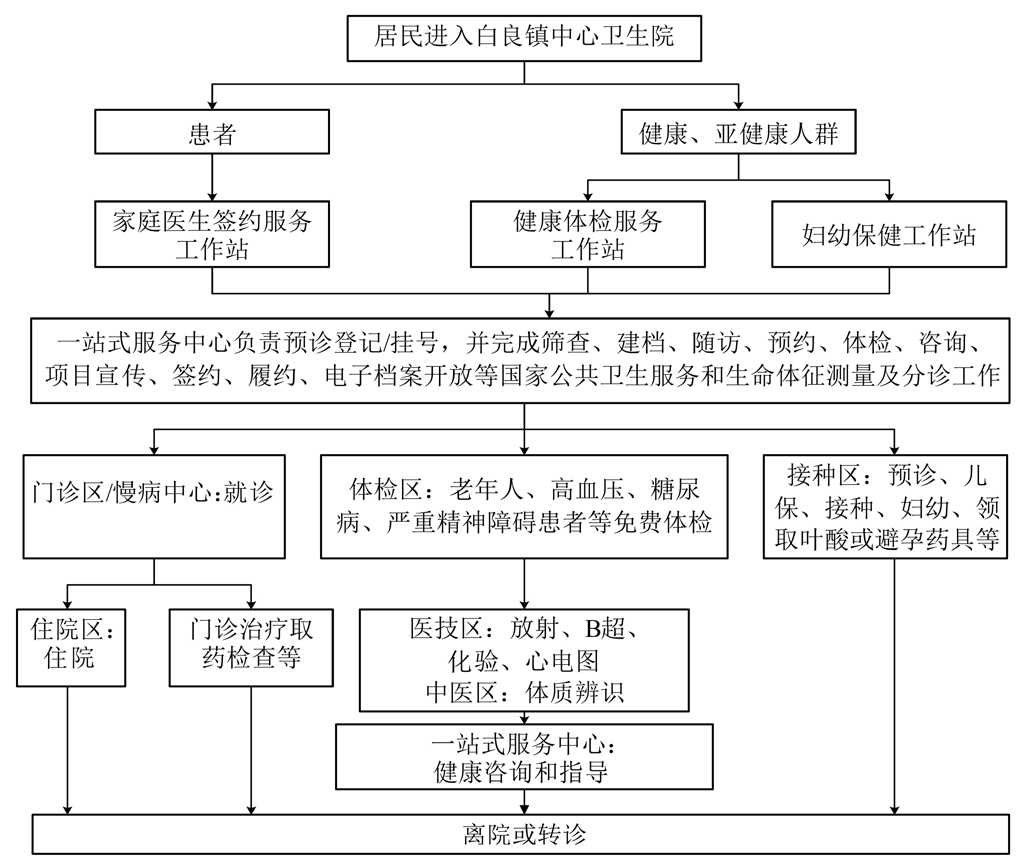
Figure 1 Flowchart of the one-stop service center in Baiyang Town, Wanzai County
| 时间(年) | 高血压中医药管理 | 糖尿病中医药管理 | ||||
|---|---|---|---|---|---|---|
| 已管理人数(名) | 规范管理人数(名) | 规范管理率(%) | 已管理人数(名) | 规范管理人数(名) | 规范管理率(%) | |
| 2020 | 512 | 80 | 15.63 | 225 | 50 | 22.22 |
| 2021 | 537 | 316 | 58.85 | 311 | 131 | 42.12 |
| 2022 | 532 | 336 | 63.16 | 211 | 129 | 61.14 |
| 2023 | 507 | 354 | 69.82 | 217 | 139 | 64.06 |
Table 2 The application of traditional Chinese medicine appropriate techniques in the chronic disease management at Linxi community health center of pu river sub-district
| 时间(年) | 高血压中医药管理 | 糖尿病中医药管理 | ||||
|---|---|---|---|---|---|---|
| 已管理人数(名) | 规范管理人数(名) | 规范管理率(%) | 已管理人数(名) | 规范管理人数(名) | 规范管理率(%) | |
| 2020 | 512 | 80 | 15.63 | 225 | 50 | 22.22 |
| 2021 | 537 | 316 | 58.85 | 311 | 131 | 42.12 |
| 2022 | 532 | 336 | 63.16 | 211 | 129 | 61.14 |
| 2023 | 507 | 354 | 69.82 | 217 | 139 | 64.06 |
| [1] |
李俊,江雁,鲍玥葵,等. 家庭医生团队医防融合一体化模式实施效果分析[J]. 中国公共卫生管理, 2021, 37(5): 574-578.
|
| [2] |
刘志刚,薛文静,杨懿,等. 我国医防融合理论与实践研究进展[J]. 卫生软科学, 2022, 36(3): 3-6, 12.
|
| [3] |
刘畅,陈鸣声. 质量与结果框架对我国慢性病医防融合服务的借鉴与启示[J]. 中国卫生事业管理, 2024, 41(2): 237-240.
|
| [4] |
李宇桐,陈清江. 基于县域医联体的医防融合服务模式探究[J]. 医药论坛杂志, 2025, 46(2): 117-120, 126. DOI: 10.20159/j.cnki.jmf.2025.02.002.
|
| [5] |
官为民,葛怀举,于晴,等. 我国中老年人增发慢性病与自评健康和抑郁倾向之间的关系研究[J]. 现代预防医学, 2024, 51(22): 4212-4218. DOI: 10.20043/j.cnki.MPM.202408052.
|
| [6] | |
| [7] |
中华人民共和国国务院.国务院关于实施健康中国行动的意见[EB/OL]. (2019-07-15)[2025-10-13].
|
| [8] |
丛凡超,贾仓仓,李志光. 中国式现代化进程中医防融合的发展路径研究[J]. 卫生经济研究, 2024, 41(10): 6-9. DOI: 10.14055/j.cnki.33-1056/f.2024.10.003.
|
| [9] |
崔珑严,代高岚歆,陶红兵. 我国医防融合典型路径及实现机制研究——基于主题框架分析[J]. 卫生经济研究, 2024, 41(12): 16-20. DOI: 10.14055/j.cnki.33-1056/f.2024.12.015.
|
| [10] |
李丽清,翟小婷,孙克,等. 医防融合视角下慢性病患者对上下转诊服务的满意度及影响因素分析——基于江西省乡镇基层医疗机构的调查分析[J]. 中国卫生事业管理, 2025, 42(1): 107-112.
|
| [11] |
中华人民共和国国家卫生健康委员会. 关于全面推进紧密型县域医疗卫生共同体建设的指导意见[EB/OL]. (2023-12-29)[2025-11-09].
|
| [12] |
中共江西省委,江西省人民政府. 关于加快推进卫生健康现代化的若干意见[EB/OL]. (2024-02-01)[2025-10-13].
|
| [13] |
陈韶樟. 新常态下公立医院内控管理现状分析[J]. 质量与市场, 2022(10): 85-87.
|
| [14] |
燕芳红,彭国恬,张国莉,等. 医联体内老年慢性病管理内容的匹配分析:基于"指南-实践-需求"视角[J]. 中国全科医学, 2025, 28(25): 3119-3126, 3136.
|
| [15] |
黄桂新,曾航齐,张武军. 基于时间轴的慢性病健康档案大数据平台构建[J]. 现代医院, 2022, 22(9): 1433-1435, 1439.
|
| [16] |
中华人民共和国国家卫生健康委员会. 国家卫生健康委关于印发"十四五"卫生健康人才发展规划的通知[EB/OL]. (2022-08-03)[2025-10-13].
|
| [17] |
毛菊丹·阿扎提,海丽且姆·阿卜杜巴日,黄涛,等. 以医联体为载体的分级诊疗服务在社区慢性病管理中的应用效果观察[J]. 新疆医学, 2022, 52(6): 669-673.
|
| [18] | |
| [19] |
吴明华. 医改"小岗村":医防融合的界首模式[J]. 决策, 2017(11): 50-53.
|
| [20] |
单莹,马方恩,张立恒,等. 县域医共体的医防融合实践进展研究[J]. 卫生经济研究, 2021, 38(9): 10-12, 17. DOI: 10.14055/j.cnki.33-1056/f.2021.09.002.
|
| [21] |
陈志仙. 镇江市分级诊疗制度的运行机制及效果研究[D]. 南京: 南京中医药大学, 2018.
|
| [22] |
臧德强,王智勇. 大连市普兰店区慢性病管理现状与建议[J]. 预防医学论坛, 2019, 25(2): 161-162. DOI: 10.16406/j.pmt.issn.1672-9153.2019.02.027.
|
| [23] |
赵琳琳,罗琪,胡清华,等. 家庭医生团队开展慢性病医防融合服务现状及阻碍的定性研究[J]. 中国全科医学, 2025, 28(13): 1661-1667.
|
| [1] | CUI Longyan, DAI Gaolanxin, TAO Hongbing. The Human Resources Policies of Integrated Medical and Prevention Services in China: from the Perspective of Human Resource Management Process [J]. Chinese General Practice, 2026, 29(21): 3012-3019. |
| [2] | LI Wenping, CHEN Jianhua, XU Jiapei, JIN Xue, PAN Zihan, CHI Chunhua. A Scoping Review on the Empowerment of Community Elderly Health Services by Digital-Intelligent Health Management Platforms [J]. Chinese General Practice, 2026, 29(21): 2938-2949. |
| [3] | YU Haiyan, XIANG Tong, GAO Wenjuan, WU Hao. Research and Application of Digital Health Technologies in Multimorbidity Management [J]. Chinese General Practice, 2026, 29(21): 2933-2937. |
| [4] | LI Wanyu, JIN Hua, YANG Sen, FU Qiangqiang, YU Dehua. Assessment and Optimization of Community Health Behaviors Guided by the Behaviour Change Wheel Theory [J]. Chinese General Practice, 2026, 29(19): 2688-2694. |
| [5] | ZHANG Xiaojuan, LIU Yang, PENG Bo, YE Yuan, ZHU Kun. Study on the Prevention and Treatment of Hypertension and Diabetes Mellitus in Community Hospital [J]. Chinese General Practice, 2026, 29(19): 2614-2620. |
| [6] | ZHAO Xinran, WU Yibo, ZHANG Xuxi, CHEN Ping, SUN Xinying. The Current Situation and Influencing Factors of Smart Health Management Services and Devices Utilization among Chinese Adults: a Mixed Methods Study [J]. Chinese General Practice, 2026, 29(19): 2724-2734. |
| [7] | FU Mingyuan, YU Xiaoyi, GE Caiying, KONG Min. Impaired Awareness of Hypoglycemia: Prevalence and Determinants among Community-based Patients with Type 2 Diabetes Mellitus [J]. Chinese General Practice, 2026, 29(16): 2252-2258. |
| [8] | WANG Ziwen, GAO Gangqiang, WANG Zhong, WU You. Consistency Evaluation of the Improved 2-minute Step Test and the 6-minute Walk Test in Community Populations [J]. Chinese General Practice, 2026, 29(16): 2214-2220. |
| [9] | CHEN Zhang, QIU Shanjiao, LI Anchun, HE Zhiguang, HUANG Wenjing. Interpretation and Discussion of the RACGP Guidelines for Preventive Activities: Promoting Physical Activity among the Working Population in General Practice [J]. Chinese General Practice, 2026, 29(13): 1645-1648. |
| [10] | LI Mingyue, ZHANG Xiaotian, TANG Haoqing, ZHENG Huixian, CHENG Xiaoran, WEI Tiantian, ZHANG Baisong, CHENG Haozhe, ZHOU Yuxun, LIU Xiaoyun. Avoidable Hospitalizations for Chronic Diseases in Rural Areas China [J]. Chinese General Practice, 2026, 29(10): 1267-1276. |
| [11] | LIN Xiaojie, YANG Ying, WANG Haoxiang. Research Progress on the Evaluation Indicator System for Primary Healthcare Services and Management [J]. Chinese General Practice, 2026, 29(10): 1256-1266. |
| [12] | GE Aoqi, GAO Xinyi, LI Jiawei, LI Juanjuan, YUAN Beibei. Education Training on Health Behaviors Management of Chronic Diseases among Primary Care Providers: a Systematic Review and Meta-analysis [J]. Chinese General Practice, 2026, 29(09): 1109-1120. |
| [13] | WANG Na, ZHAI Fangming. Study on Quality Evaluation of Community Health Service of Patients with Multiple Chronic Diseases Based on Ratchet Effect: Taking Medical Insurance as a Moderator Variable [J]. Chinese General Practice, 2026, 29(08): 982-987. |
| [14] | LIU Dianchun, WANG Qianyun, CHEN Xiaoying, WEI Xuehan, WANG Runze, PENG Hongye, WANG Ying, XUE Xue, YANG Guoyan, XIAO Wei, LU Chunli. Construction and Prospect of a Distinctive Medical Intervention Model for Chronic Disease Management Integrating Lifestyle Medicine and Traditional Chinese Medicine [J]. Chinese General Practice, 2026, 29(07): 830-838. |
| [15] | Institute for Healthy China, Tsinghua University, School of Public Health, Peking University, College of General Practice, Southern University of Science and Technology, Public Health Security and Health Professional Committee, Public Safety Science and Technology Society. Expert Consensus on Health Promotion Strategies for Adult Vaccination in China [J]. Chinese General Practice, 2026, 29(06): 681-687. |
| Viewed | ||||||
|
Full text |
|
|||||
|
Abstract |
|
|||||
