
中国全科医学 ›› 2027, Vol. 30 ›› Issue (01): 119-129.DOI: 10.12114/j.issn.1007-9572.2026.0164
• 论著·重点人群研究·老年衰弱 • 上一篇
谢慧1, 柳娅婷1, 陈珂1, 贺强2, 张宪亮2, 陈斯1,*( )
收稿日期:2026-02-22
修回日期:2026-10-30
出版日期:2027-01-05
发布日期:2026-11-17
通讯作者:
陈斯
作者贡献:
谢慧确定研究目标,负责设计论文框架、统计学处理及撰写、修改论文;柳娅婷、陈珂负责数据的收集与整理,统计学处理,图、表的绘制与展示;贺强、张宪亮负责梳理论文逻辑,进行论文的修订;陈斯负责文章的质量控制与审查,对文章整体负责,监督管理。
基金资助:
XIE Hui1, LIU Yating1, CHEN Ke1, HE Qiang2, ZHANG Xianliang2, CHEN Si1,*()
Received:2026-02-22
Revised:2026-10-30
Published:2027-01-05
Online:2026-11-17
Contact:
CHEN Si
摘要: 背景 24 h活动行为是老年人衰弱的关键可干预因素,但既往研究多孤立分析各行为,且缺乏针对中国农村人群的客观数据。 目的 探讨中国农村老年人24 h活动行为与衰弱的关联。 方法 于2024年4—8月,采用便利抽样法在山东省齐河县招募≥65周岁农村老年人,最终纳入有效样本1 524名。采用ActiGraph加速度计与中文版衰弱表型问卷分别评估24 h活动行为与衰弱状况,并采用成分线性回归与等时替代模型分析行为时间分配与衰弱的关联。 结果 1 524名老年人的平均年龄为(72.6±4.3)岁,其中男751名(49.3%)、女773名(50.7%),衰弱者66名(4.3%)。成分线性回归分析结果显示,在调整混杂因素后,中高强度体力活动(MVPA)的时间占比与衰弱评分呈负相关(B=-0.118,P<0.001);而静坐行为(SEB)、低强度体力活动(LPA)及睡眠(SLP)的时间占比与衰弱评分无显著关联(P>0.05)。等时替代分析显示,将时间从其他行为重新分配给MVPA,在统计预测上与衰弱评分的降低存在关联,减少MVPA时间时的衰弱评分上升幅度,大于增加等量MVPA时间时的下降幅度(非对称效应)。 结论 MVPA是该人群衰弱评分关联最强的行为组分,且其影响具有非对称性,这为后续研究提供了定量参考。
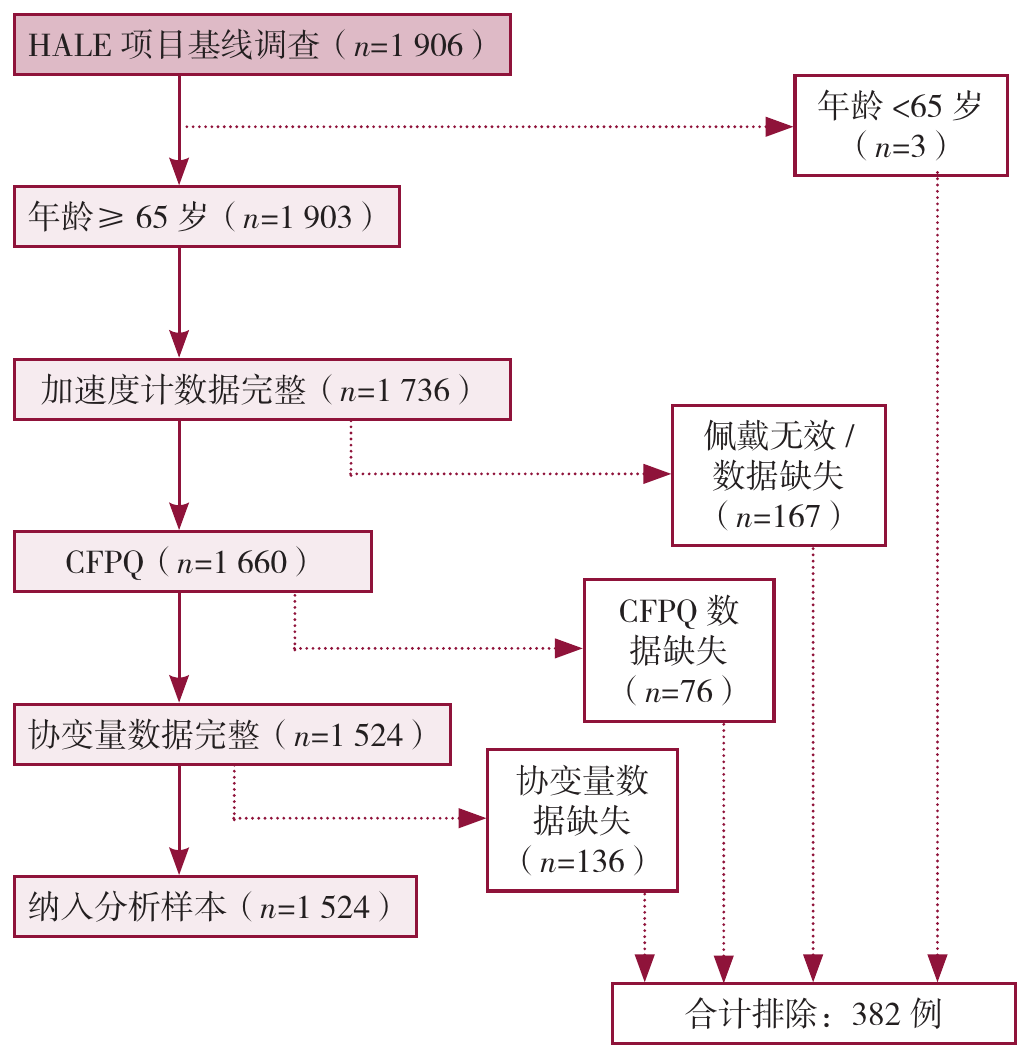
图1 研究对象筛选流程图注:HALE=健康老龄化与生活方式促进;CFPQ=中文版衰弱表型问卷。
Figure 1 Flowchart of the study participant selection
| 项目 | 总人群(n=1 524) | 非衰弱(n=1 458) | 衰弱(n=66) | χ2(t)值 | P值 |
|---|---|---|---|---|---|
| 年龄( | 72.6±4.3 | 72.5±4.3 | 74.2±4.3 | -3.003a | 0.004 |
| 年龄组[例(%)] | 7.039 | 0.030 | |||
| 65~<70岁 | 417(27.4) | 408(28.0) | 9(13.6) | ||
| 70~<80岁 | 1 016(66.7) | 965(66.2) | 51(77.3) | ||
| 80~91岁 | 91(6.0) | 85(5.8) | 6(9.1) | ||
| 性别[例(%)] | 0.579 | 0.447 | |||
| 男 | 751(49.3) | 722(49.5) | 29(43.9) | ||
| 女 | 773(50.7) | 736(50.5) | 37(56.1) | ||
| BMI( | 24.5±3.6 | 24.4±3.6 | 26.3±4.3 | -3.459a | <0.001 |
| EQ-5D VAS评分( | 79.8±16.2 | 80.6±15.3 | 62.0±22.9 | 6.542a | <0.001 |
| MoCA-B评分( | 18.5±5.0 | 18.6±5.0 | 15.4±5.5 | 4.702a | <0.001 |
| 教育水平[例(%)] | 3.224 | 0.358 | |||
| 小学以下 | 924(60.6) | 881(60.4) | 43(65.2) | ||
| 小学 | 274(18.0) | 260(17.8) | 14(21.2) | ||
| 初中 | 243(15.9) | 235(16.1) | 8(12.1) | ||
| 高中/中专及以上 | 83(5.4) | 82(5.6) | 1(1.5) | ||
| 家庭月收入[例(%)] | 7.634 | 0.054 | |||
| 0~250元 | 815(53.5) | 769(52.7) | 46(69.7) | ||
| >250~500元 | 365(24.0) | 356(24.4) | 9(13.6) | ||
| >500~1 000元 | 176(11.5) | 171(11.7) | 5(7.6) | ||
| >1 000元 | 168(11.0) | 162(11.1) | 6(9.1) | ||
| 婚姻状况[例(%)] | 3.878 | 0.144 | |||
| 未婚/离异 | 35(2.3) | 32(2.2) | 3(4.5) | ||
| 丧偶 | 303(19.9) | 295(20.2) | 8(12.1) | ||
| 已婚 | 1 186(77.8) | 1 131(77.6) | 55(83.3) | ||
| 独居状况[例(%)] | 0.750 | 0.386 | |||
| 非独居 | 1 243(81.6) | 1 186(81.3) | 57(86.4) | ||
| 独居 | 281(18.4) | 272(18.7) | 9(13.6) | ||
| 吸烟状况[例(%)] | 2.356 | 0.308 | |||
| 是 | 292(19.2) | 284(19.5) | 8(12.1) | ||
| 戒烟 | 335(22.0) | 318(21.8) | 17(25.8) | ||
| 否 | 897(58.9) | 856(58.7) | 41(62.1) | ||
| 饮酒状况[例(%)] | 20.075 | <0.001 | |||
| 是 | 589(38.6) | 575(39.4) | 14(21.2) | ||
| 戒酒 | 248(16.3) | 225(15.4) | 23(34.8) | ||
| 否 | 687(45.1) | 658(45.1) | 29(43.9) | ||
| 是否正在服药[例(%)] | 14.173 | <0.001 | |||
| 是 | 1 027(67.4) | 968(66.4) | 59(89.4) | ||
| 否 | 497(32.6) | 490(33.6) | 7(10.6) | ||
| 慢性病数量[例(%)] | 34.786 | <0.001 | |||
| 0种 | 332(21.8) | 332(22.8) | 0 | ||
| 1种 | 500(32.8) | 486(33.3) | 14(21.2) | ||
| ≥2种 | 692(45.4) | 640(43.9) | 52(78.8) | ||
| 行为时间 | |||||
| SEB( | 661.0±133.9 | 657.1±133.4 | 746.8±115.8 | -6.113a | <0.001 |
| LPA( | 320.3±109.6 | 323.3±108.7 | 254.5±107.9 | 5.066a | <0.001 |
| MVPA( | 47.4±54.3 | 48.7±55.0 | 20.2±24.1 | 8.648a | <0.001 |
| SLP( | 411.3±67.6 | 411.0±67.0 | 418.6±79.4 | -0.766a | 0.446 |
表1 农村老年人的基本特征
Table 1 Baseline characteristics of the rural older adults
| 项目 | 总人群(n=1 524) | 非衰弱(n=1 458) | 衰弱(n=66) | χ2(t)值 | P值 |
|---|---|---|---|---|---|
| 年龄( | 72.6±4.3 | 72.5±4.3 | 74.2±4.3 | -3.003a | 0.004 |
| 年龄组[例(%)] | 7.039 | 0.030 | |||
| 65~<70岁 | 417(27.4) | 408(28.0) | 9(13.6) | ||
| 70~<80岁 | 1 016(66.7) | 965(66.2) | 51(77.3) | ||
| 80~91岁 | 91(6.0) | 85(5.8) | 6(9.1) | ||
| 性别[例(%)] | 0.579 | 0.447 | |||
| 男 | 751(49.3) | 722(49.5) | 29(43.9) | ||
| 女 | 773(50.7) | 736(50.5) | 37(56.1) | ||
| BMI( | 24.5±3.6 | 24.4±3.6 | 26.3±4.3 | -3.459a | <0.001 |
| EQ-5D VAS评分( | 79.8±16.2 | 80.6±15.3 | 62.0±22.9 | 6.542a | <0.001 |
| MoCA-B评分( | 18.5±5.0 | 18.6±5.0 | 15.4±5.5 | 4.702a | <0.001 |
| 教育水平[例(%)] | 3.224 | 0.358 | |||
| 小学以下 | 924(60.6) | 881(60.4) | 43(65.2) | ||
| 小学 | 274(18.0) | 260(17.8) | 14(21.2) | ||
| 初中 | 243(15.9) | 235(16.1) | 8(12.1) | ||
| 高中/中专及以上 | 83(5.4) | 82(5.6) | 1(1.5) | ||
| 家庭月收入[例(%)] | 7.634 | 0.054 | |||
| 0~250元 | 815(53.5) | 769(52.7) | 46(69.7) | ||
| >250~500元 | 365(24.0) | 356(24.4) | 9(13.6) | ||
| >500~1 000元 | 176(11.5) | 171(11.7) | 5(7.6) | ||
| >1 000元 | 168(11.0) | 162(11.1) | 6(9.1) | ||
| 婚姻状况[例(%)] | 3.878 | 0.144 | |||
| 未婚/离异 | 35(2.3) | 32(2.2) | 3(4.5) | ||
| 丧偶 | 303(19.9) | 295(20.2) | 8(12.1) | ||
| 已婚 | 1 186(77.8) | 1 131(77.6) | 55(83.3) | ||
| 独居状况[例(%)] | 0.750 | 0.386 | |||
| 非独居 | 1 243(81.6) | 1 186(81.3) | 57(86.4) | ||
| 独居 | 281(18.4) | 272(18.7) | 9(13.6) | ||
| 吸烟状况[例(%)] | 2.356 | 0.308 | |||
| 是 | 292(19.2) | 284(19.5) | 8(12.1) | ||
| 戒烟 | 335(22.0) | 318(21.8) | 17(25.8) | ||
| 否 | 897(58.9) | 856(58.7) | 41(62.1) | ||
| 饮酒状况[例(%)] | 20.075 | <0.001 | |||
| 是 | 589(38.6) | 575(39.4) | 14(21.2) | ||
| 戒酒 | 248(16.3) | 225(15.4) | 23(34.8) | ||
| 否 | 687(45.1) | 658(45.1) | 29(43.9) | ||
| 是否正在服药[例(%)] | 14.173 | <0.001 | |||
| 是 | 1 027(67.4) | 968(66.4) | 59(89.4) | ||
| 否 | 497(32.6) | 490(33.6) | 7(10.6) | ||
| 慢性病数量[例(%)] | 34.786 | <0.001 | |||
| 0种 | 332(21.8) | 332(22.8) | 0 | ||
| 1种 | 500(32.8) | 486(33.3) | 14(21.2) | ||
| ≥2种 | 692(45.4) | 640(43.9) | 52(78.8) | ||
| 行为时间 | |||||
| SEB( | 661.0±133.9 | 657.1±133.4 | 746.8±115.8 | -6.113a | <0.001 |
| LPA( | 320.3±109.6 | 323.3±108.7 | 254.5±107.9 | 5.066a | <0.001 |
| MVPA( | 47.4±54.3 | 48.7±55.0 | 20.2±24.1 | 8.648a | <0.001 |
| SLP( | 411.3±67.6 | 411.0±67.0 | 418.6±79.4 | -0.766a | 0.446 |
| 分组 | 例数 | SEB | LPA | MVPA | SLP |
|---|---|---|---|---|---|
| 性别 | |||||
| 男 | 751 | 677.2±134.4 | 295.5±107.9 | 48.5±57.2 | 418.8±70.5 |
| 女 | 773 | 645.2±131.7 | 344.4±105.8 | 46.4±51.4 | 404.0±63.9 |
| t值 | 4.692 | -8.921 | 0.753 | 4.280 | |
| P值 | <0.001 | <0.001 | 0.451 | <0.001 | |
| 年龄组 | |||||
| 65~<70岁 | 417 | 625.6±132.1 | 347.7±104.7 | 58.1±48.7 | 408.6±59.8 |
| 70~<80岁 | 1 016 | 671.9±131.1 | 310.6±109.6 | 44.9±57.6 | 412.7±69.2 |
| 80~91岁 | 91 | 701.1±142.8 | 303.1±110.6 | 27.2±22.8 | 408.6±82.4 |
| F值 | 22.641 | 18.573 | 15.802 | 0.606 | |
| P值 | <0.001 | <0.001 | <0.001 | 0.546 |
表2 不同年龄及性别老年人的24 h活动行为时间分布(±s,min/d)
Table 2 Distribution of 24-hour movement behaviors among older adults by age group and sex
| 分组 | 例数 | SEB | LPA | MVPA | SLP |
|---|---|---|---|---|---|
| 性别 | |||||
| 男 | 751 | 677.2±134.4 | 295.5±107.9 | 48.5±57.2 | 418.8±70.5 |
| 女 | 773 | 645.2±131.7 | 344.4±105.8 | 46.4±51.4 | 404.0±63.9 |
| t值 | 4.692 | -8.921 | 0.753 | 4.280 | |
| P值 | <0.001 | <0.001 | 0.451 | <0.001 | |
| 年龄组 | |||||
| 65~<70岁 | 417 | 625.6±132.1 | 347.7±104.7 | 58.1±48.7 | 408.6±59.8 |
| 70~<80岁 | 1 016 | 671.9±131.1 | 310.6±109.6 | 44.9±57.6 | 412.7±69.2 |
| 80~91岁 | 91 | 701.1±142.8 | 303.1±110.6 | 27.2±22.8 | 408.6±82.4 |
| F值 | 22.641 | 18.573 | 15.802 | 0.606 | |
| P值 | <0.001 | <0.001 | <0.001 | 0.546 |
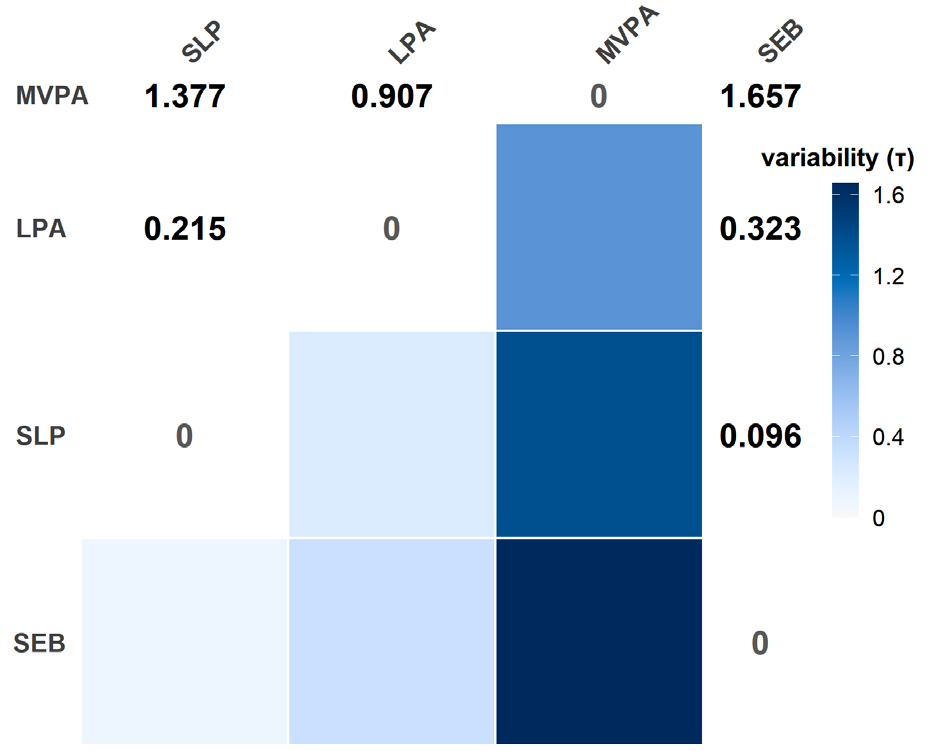
图2 农村老年人24 h各时间使用成分比例的变异矩阵注:该矩阵为对称矩阵,对角线取值为0;上三角(数值区)标注变异程度(τ)具体数值,下三角(色块区)表示变异程度,颜色越深表明τ值越大;SEB=静坐行为,LPA=低强度体力活动,MVPA=中高强度体力活动,SLP =睡眠。
Figure 2 Variation matrix of time allocation proportions over 24 hours among older adults in rural areas
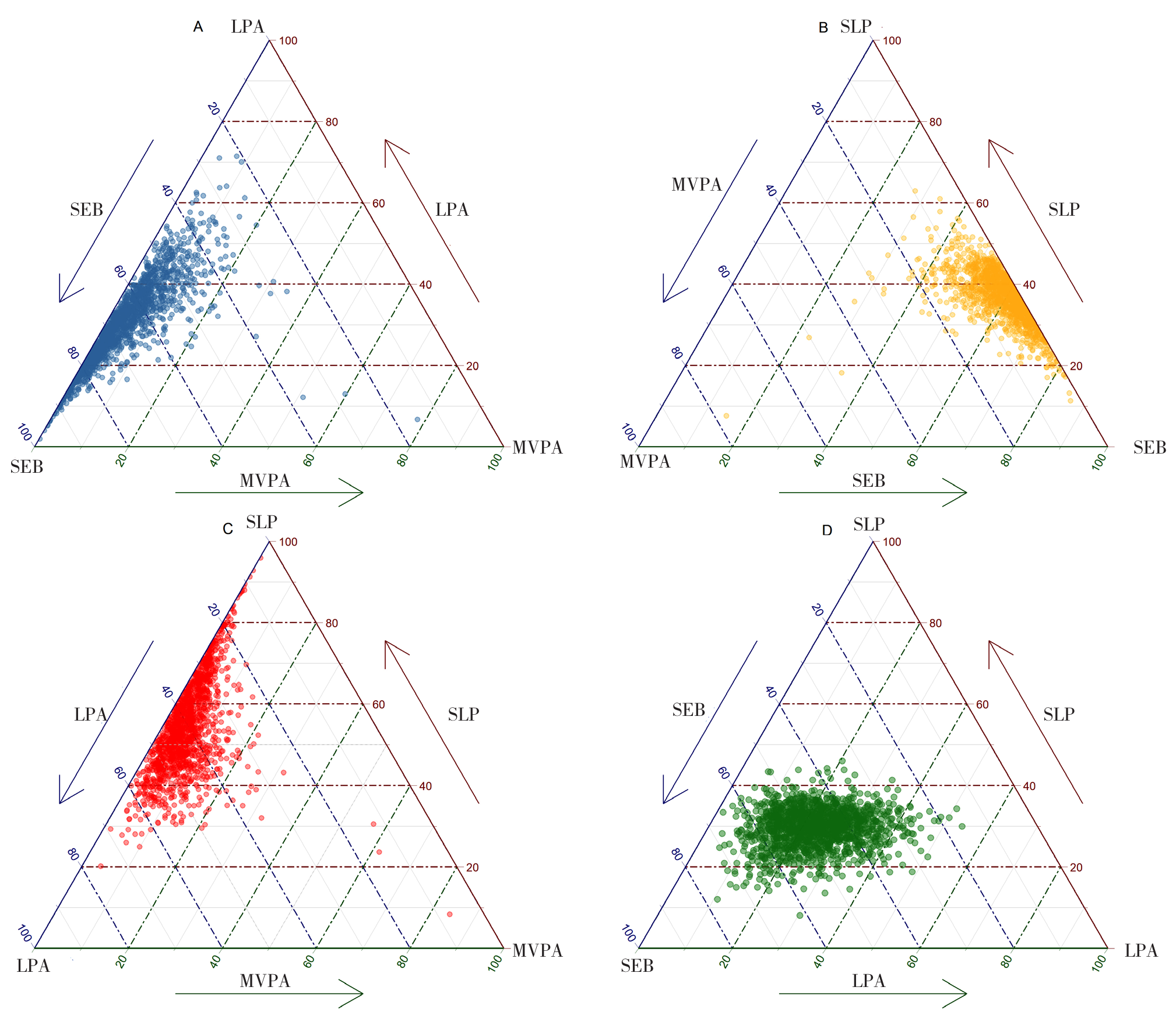
图3 24 h活动行为分布三元图注:基于24 h活动行为成分数据,将4种行为按不同组合归一化至总和100%(每张子图剔除其中1类行为,剩余3类展示其相对构成);点越靠近某一顶点,代表对应行为的时间占比越高;子图A~D依次为剔除SLP、剔除LPA、剔除SEB、剔除MVPA后的三元分布图。
Figure 3 Ternary plot of 24-hour movement behavior distribution
| 变量 | B | 95%CI | SE | β | t值 | P值 |
|---|---|---|---|---|---|---|
| MVPA | ||||||
| 模型1 | -0.191 | -0.247~-0.136 | 0.028 | -0.221 | -6.756 | <0.001 |
| 模型2 | -0.118 | -0.170~-0.066 | 0.027 | -0.136 | -4.437 | <0.001 |
| SEB | ||||||
| 模型1 | 0.067 | -0.092~0.226 | 0.081 | 0.045 | 0.826 | 0.409 |
| 模型2 | 0.045 | -0.104~0.194 | 0.076 | 0.030 | 0.589 | 0.556 |
| LPA | ||||||
| 模型1 | -0.001 | -0.139~0.136 | 0.070 | 0 | -0.016 | 0.987 |
| 模型2 | 0.013 | -0.114~0.139 | 0.064 | 0.005 | 0.201 | 0.841 |
| SLP | ||||||
| 模型1 | 0.125 | -0.062~0.313 | 0.095 | 0.064 | 1.311 | 0.190 |
| 模型2 | 0.060 | -0.114~0.234 | 0.088 | 0.031 | 0.678 | 0.498 |
表3 24 h活动行为各组分时间占比与衰弱得分的成分线性回归分析
Table 3 Compositional linear regression of 24-hour movement behavior components on frailty score
| 变量 | B | 95%CI | SE | β | t值 | P值 |
|---|---|---|---|---|---|---|
| MVPA | ||||||
| 模型1 | -0.191 | -0.247~-0.136 | 0.028 | -0.221 | -6.756 | <0.001 |
| 模型2 | -0.118 | -0.170~-0.066 | 0.027 | -0.136 | -4.437 | <0.001 |
| SEB | ||||||
| 模型1 | 0.067 | -0.092~0.226 | 0.081 | 0.045 | 0.826 | 0.409 |
| 模型2 | 0.045 | -0.104~0.194 | 0.076 | 0.030 | 0.589 | 0.556 |
| LPA | ||||||
| 模型1 | -0.001 | -0.139~0.136 | 0.070 | 0 | -0.016 | 0.987 |
| 模型2 | 0.013 | -0.114~0.139 | 0.064 | 0.005 | 0.201 | 0.841 |
| SLP | ||||||
| 模型1 | 0.125 | -0.062~0.313 | 0.095 | 0.064 | 1.311 | 0.190 |
| 模型2 | 0.060 | -0.114~0.234 | 0.088 | 0.031 | 0.678 | 0.498 |
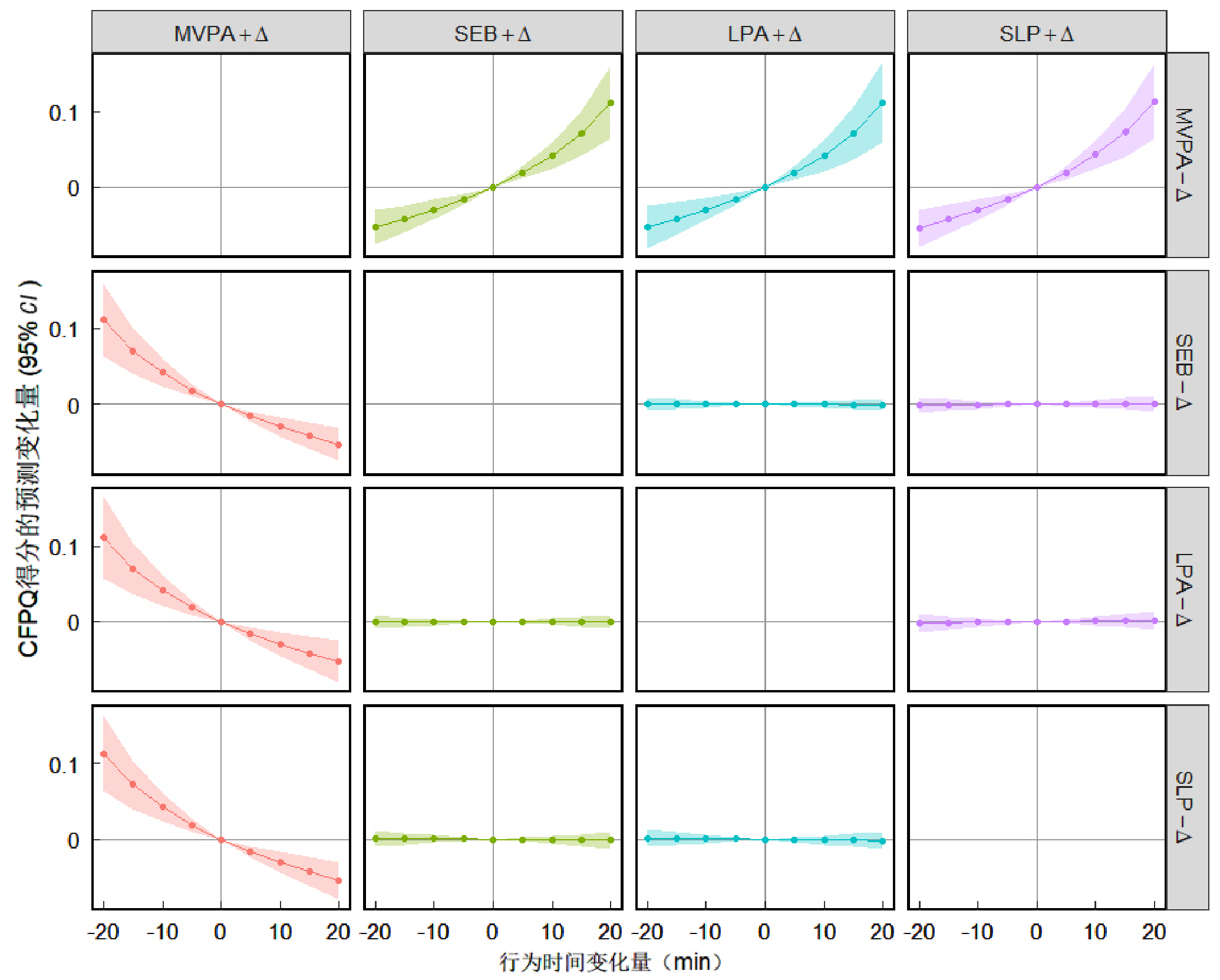
图4 24 h活动行为等时替代效应图
Figure 4 Effect of isotemporal substitution of 24-hour movement behaviors
| 替换成分组合 | 变化时间(min) | 衰弱得分变化量 | 95%CI |
|---|---|---|---|
| MVPA与LPA(LPA替换为MVPA) | 20 | -0.052 6 | -0.080 7~-0.024 5 |
| 15 | -0.041 7 | -0.063 7~-0.019 7 | |
| 10 | -0.029 5 | -0.045 0~-0.014 1 | |
| 5 | -0.015 8 | -0.024 0~-0.007 7 | |
| -5 | 0.018 6 | 0.009 3~0.028 0 | |
| -10 | 0.041 4 | 0.020 9~0.061 9 | |
| -15 | 0.070 6 | 0.036 1~0.105 0 | |
| -20 | 0.111 4 | 0.057 9~0.165 0 | |
| MVPA与SLP(SLP替换为MVPA) | 20 | -0.054 4 | -0.078 8~-0.029 9 |
| 15 | -0.043 0 | -0.062 3~-0.023 7 | |
| 10 | -0.030 4 | -0.044 0~-0.016 8 | |
| 5 | -0.016 2 | -0.023 5~-0.009 0 | |
| -5 | 0.019 1 | 0.010 6~0.027 5 | |
| -10 | 0.042 2 | 0.023 6~0.060 9 | |
| -15 | 0.071 9 | 0.040 1~0.103 6 | |
| -20 | 0.113 2 | 0.063 3~0.163 0 | |
| MVPA与SEB(SEB替换为MVPA) | 20 | -0.053 0 | -0.075 2~-0.030 8 |
| 15 | -0.042 0 | -0.059 7~-0.024 4 | |
| 10 | -0.029 8 | -0.042 3~-0.017 2 | |
| 5 | -0.015 9 | -0.022 6~-0.009 2 | |
| -5 | 0.018 8 | 0.010 8~0.026 7 | |
| -10 | 0.041 6 | 0.023 9~0.059 3 | |
| -15 | 0.070 9 | 0.040 6~0.101 2 | |
| -20 | 0.111 9 | 0.063 8~0.160 0 |
表4 MVPA与其他行为等时替代后衰弱得分的变化情况
Table 4 Changes in frailty score following isotemporal substitution of MVPA with other behaviors
| 替换成分组合 | 变化时间(min) | 衰弱得分变化量 | 95%CI |
|---|---|---|---|
| MVPA与LPA(LPA替换为MVPA) | 20 | -0.052 6 | -0.080 7~-0.024 5 |
| 15 | -0.041 7 | -0.063 7~-0.019 7 | |
| 10 | -0.029 5 | -0.045 0~-0.014 1 | |
| 5 | -0.015 8 | -0.024 0~-0.007 7 | |
| -5 | 0.018 6 | 0.009 3~0.028 0 | |
| -10 | 0.041 4 | 0.020 9~0.061 9 | |
| -15 | 0.070 6 | 0.036 1~0.105 0 | |
| -20 | 0.111 4 | 0.057 9~0.165 0 | |
| MVPA与SLP(SLP替换为MVPA) | 20 | -0.054 4 | -0.078 8~-0.029 9 |
| 15 | -0.043 0 | -0.062 3~-0.023 7 | |
| 10 | -0.030 4 | -0.044 0~-0.016 8 | |
| 5 | -0.016 2 | -0.023 5~-0.009 0 | |
| -5 | 0.019 1 | 0.010 6~0.027 5 | |
| -10 | 0.042 2 | 0.023 6~0.060 9 | |
| -15 | 0.071 9 | 0.040 1~0.103 6 | |
| -20 | 0.113 2 | 0.063 3~0.163 0 | |
| MVPA与SEB(SEB替换为MVPA) | 20 | -0.053 0 | -0.075 2~-0.030 8 |
| 15 | -0.042 0 | -0.059 7~-0.024 4 | |
| 10 | -0.029 8 | -0.042 3~-0.017 2 | |
| 5 | -0.015 9 | -0.022 6~-0.009 2 | |
| -5 | 0.018 8 | 0.010 8~0.026 7 | |
| -10 | 0.041 6 | 0.023 9~0.059 3 | |
| -15 | 0.070 9 | 0.040 6~0.101 2 | |
| -20 | 0.111 9 | 0.063 8~0.160 0 |
| [1] |
|
| [2] |
|
| [3] |
|
| [4] |
|
| [5] |
|
| [6] |
|
| [7] |
|
| [8] |
|
| [9] |
石婧,于普林. 强化对老年人衰弱的全程管理[J]. 中国临床保健杂志, 2026, 29(1): 27-31.
|
| [10] |
|
| [11] |
|
| [12] |
|
| [13] |
|
| [14] |
|
| [15] |
|
| [16] |
|
| [17] |
|
| [18] |
|
| [19] |
|
| [20] |
|
| [21] |
|
| [22] |
|
| [23] |
张婷,李红娟. 成分数据分析方法在身体活动与健康研究领域的应用展望[J]. 体育科学, 2020, 40(9): 74-82, 97.
|
| [24] |
|
| [25] |
王予童,刘卉萌,曹岁霞,等. 等时替代模型在流行病学研究中的应用[J]. 中华流行病学杂志, 2022, 43(11): 1842-1847.
|
| [26] |
|
| [27] |
|
| [28] |
|
| [29] |
|
| [30] |
|
| [31] |
|
| [32] |
|
| [33] |
|
| [34] |
|
| [35] |
|
| [36] |
|
| [37] |
|
| [38] |
|
| [39] |
|
| [40] |
|
| [41] |
|
| [42] |
|
| [43] |
|
| [44] |
|
| [45] |
诸葛毅,俎德玲,王小同. 农村社区老年居民生活质量EQ-5D量表评价分析[J]. 中华物理医学与康复杂志, 2015, 37(4): 258-261.
|
| [46] |
|
| [47] |
|
| [48] |
|
| [49] |
|
| [50] |
|
| [51] |
|
| [52] |
|
| [53] |
|
| [54] |
|
| [55] |
|
| [56] |
|
| [57] |
|
| [58] |
|
| [59] |
|
| [60] |
邓瑞冰,王晓明,张伟,等. 慢性炎症与衰弱的研究进展[J]. 国际老年医学杂志, 2025, 46(5): 513-517.
|
| [61] |
|
| [62] |
|
| [63] |
|
| [64] |
|
| [65] |
宋云峰,徐驰,谭思洁,等. 大学生24 h活动行为对新型肥胖指标的成分等时替代效应分析[J]. 中国医学科学院学报, 2025, 47(2): 164-174. DOI: 10.3881/j.issn.1000-503X.16362.
|
| [1] | 缪乐瑶, 吴雪柠, 卢茜, 陈燕婷, 孔祥杰, 崔艺冰, 林达岑. BMI和腰围与衰弱轨迹的"J"形关联:基于中国中老年人的纵向研究[J]. 中国全科医学, 2027, 30(01): 111-118. |
| [2] | 马慧琳, 王瑶瑶, 李赞, 杨晨, 于新娟, 韩伟. 甘油三酯-总胆固醇-体重指数与老年人筛查定义慢性阻塞性肺疾病和肺功能的关联:一项基于青岛市老年人的横断面调查[J]. 中国全科医学, 2026, 29(34): 5051-5060. |
| [3] | 庞姝, 李星明, 白红梅, 姜春燕. 社区衰弱前期老年人对衰弱前期的概念认知及筛查管理观点:一项半结构式访谈研究[J]. 中国全科医学, 2026, 29(31): 4600-4608. |
| [4] | 王帅航, 曹业迪, 陈飞, 朱赛楠, 高莹. 体质量调整腰围指数与甲状腺功能和自身免疫的关系:基于NHANES数据[J]. 中国全科医学, 2026, 29(30): 4406-4414. |
| [5] | 贺洋, 杨荣, 沈灿, 易珊烨, 刘力滴, 赵茜, 万智, 廖晓阳. 衰弱轨迹及其影响因素研究进展[J]. 中国全科医学, 2026, 29(30): 4372-4378. |
| [6] | 张帅帅, 陈玥, 邱娇娇, 朱平, 王曙霞. 残余胆固醇炎症指数与中国中老年人生物学年龄加速的关联:一项全国性队列研究[J]. 中国全科医学, 2026, 29(30): 4397-4405. |
| [7] | 陈莹莹, 朱高培, 薛付忠. 主动健康管理模式下山东省老年人服药依从性现状及影响因素分析[J]. 中国全科医学, 2026, 29(22): 3220-3225. |
| [8] | 范文瑜, 冯霞, 张世龙, 马兴丽, 张馨丹, 赵洋, 王海鹏. 山东省糖尿病患者医防融合服务利用行为及影响因素研究[J]. 中国全科医学, 2026, 29(22): 3192-3198. |
| [9] | 刘影, 刘世炜, 张驰, 沈姞, 张玉珊, 张洁, 桑莹宸, 王友娇, 王蕾, 周厚广, 施红. 中国老年脑卒中患者主观认知功能下降流行特征及影响因素研究[J]. 中国全科医学, 2026, 29(20): 2829-2835. |
| [10] | 庞姝, 孙颖, 姜春燕. Fried衰弱表型量表与FRAIL量表在社区体检老年人衰弱前期评估中的效能比较[J]. 中国全科医学, 2026, 29(19): 2664-2670. |
| [11] | 郑泽陆, 周峻, 梁志, 王雪惠, 徐峰, 李欧静, 肖红, 刘晓雨, 杨青梅, 张梅, 林娜, 宓保宏, 陈卫衡. 骨关节炎患者共病特征和治疗现状:一项基于社区诊疗数据的横断面调查[J]. 中国全科医学, 2026, 29(16): 2205-2213. |
| [12] | 顾瀚东, 卢鸿润, 顾可羿, 韩正, 杨菲, 付晓雅, 王为强. 相对脂肪量与心血管代谢性共病发病风险的相关性研究[J]. 中国全科医学, 2026, 29(11): 1456-1462. |
| [13] | 项天乐, 周娜, 李芳, 曹梅娟. 儿童24 h活动行为测评方法研究进展[J]. 中国全科医学, 2026, 29(06): 760-766. |
| [14] | 张祉薇, 贺盼盼, 杨茜文, 金雪怡, 毛雪倩, 胡颖, 井立鹏. 农村老年人不同肥胖指标与衰弱的相关性研究[J]. 中国全科医学, 2026, 29(06): 699-709. |
| [15] | 田紫薇, 杨支兰, 赵慧敏, 翟艳萍, 李鸿雁, 杜淼, 晋源媛, 宋泽雨. 膝骨关节炎患者衰弱研究的范围综述[J]. 中国全科医学, 2026, 29(05): 676-680. |
| 阅读次数 | ||||||
|
全文 |
|
|||||
|
摘要 |
|
|||||