中国全科医学 ›› 2026, Vol. 29 ›› Issue (34): 5078-5084.DOI: 10.12114/j.issn.1007-9572.2025.0284
• 论著 • 上一篇
刘芙蓉1, 夏丽2, 邓莉3, 敖家丽4, 高云5, 孙亮2,*( )
收稿日期:2025-09-25
修回日期:2026-04-22
出版日期:2026-12-05
发布日期:2026-10-26
通讯作者:
孙亮
作者贡献:
刘芙蓉提出主要研究目标,负责研究的构思与设计、实施,撰写论文;夏丽进行数据的收集和整理,以及图的绘制;邓莉、敖家丽协助数据收集;高云进行论文修订;孙亮负责文章的质量控制与审查,对文章整体负责,监督管理。
基金资助:
LIU Furong1, XIA Li2, DENG Li3, AO Jiali4, GAO Yun5, SUN Liang2,*()
Received:2025-09-25
Revised:2026-04-22
Published:2026-12-05
Online:2026-10-26
Contact:
SUN Liang
摘要: 背景 随着《健康中国行动(2019—2030)》的推进,健康知识普及越发重要。全科医生在基层健康科普中作用关键,但当前科普效果欠佳。鉴于家庭在健康促进中的独特作用,以家庭为视角开展研究,有助于提升全民健康素养、优化健康科普服务。 目的 了解不同家庭类型居民的健康科普需求属性,探讨居民的健康科普需求属性差异,为全科医生开展健康科普工作提供参考。 方法 于2023年8—10月,采用随机抽样方法抽取河南省健康素养省级监测点内的1个区和1个县,对样本地区15~69岁常住居民进行问卷调查。家庭类型分为核心家庭、扩展家庭和单人户三种。采用基于Kano模型的健康科普需求属性问卷分析不同家庭类型居民的健康科普需求,问卷内容包含健康科普内容、健康科普开展形式、获取健康知识的途径、健康科普活动开展时间、居民信任的健康知识传播机构和居民信任的健康知识传播人员6个维度。 结果 共收集有效问卷606份。核心家庭类型居民有286名(47.2%),扩展家庭居民263名(43.4%),单人户57名(9.4%)。核心家庭居民中识别出魅力属性6项,期望属性8项,反向属性3项,无差异属性17项;扩展家庭居民中识别出魅力属性10项,期望属性8项,反向属性3项,无差异属性13项;单人户家庭居民识别出魅力属性18项、反向属性1项、无差异属性15项。3种家庭类型居民需求的Better-Worse矩阵图分布不同。 结论 不同家庭类型居民在健康科普内容、开展形式、途径、时间及机构与人员上的需求均存在差异。全科医生应强化核心与扩展家庭居民的慢性病防治与家庭保健技能,侧重为单人户居民提供营养与自我防护知识,并针对不同家庭类型灵活匹配科普形式与时间。
| 正向问题 | 反向问题 | ||||
|---|---|---|---|---|---|
| 满意 | 理所当然 | 无所谓 | 勉强接受 | 不满意 | |
| 满意 | Q | A | A | A | O |
| 理所当然 | R | I | I | I | M |
| 无所谓 | R | I | I | I | M |
| 勉强接受 | R | I | I | I | M |
| 不满意 | R | R | R | R | Q |
表1 Kano需求属性分类评估表
Table 1 Kano demand attribute classification assessment form
| 正向问题 | 反向问题 | ||||
|---|---|---|---|---|---|
| 满意 | 理所当然 | 无所谓 | 勉强接受 | 不满意 | |
| 满意 | Q | A | A | A | O |
| 理所当然 | R | I | I | I | M |
| 无所谓 | R | I | I | I | M |
| 勉强接受 | R | I | I | I | M |
| 不满意 | R | R | R | R | Q |
| 项目 | 核心家庭(n=286) | 扩展家庭(n=263) | 单人户(n=57) | |||
|---|---|---|---|---|---|---|
| 人数 | 构成比(%) | 人数 | 构成比(%) | 人数 | 构成比(%) | |
| 性别 | ||||||
| 男 | 115 | 40.2 | 98 | 37.3 | 28 | 49.1 |
| 女 | 171 | 59.8 | 165 | 62.7 | 29 | 50.9 |
| 年龄 | ||||||
| 15~25岁 | 13 | 4.6 | 5 | 1.9 | 2 | 3.5 |
| >25~35岁 | 40 | 14.0 | 25 | 9.5 | 7 | 12.3 |
| >35~45岁 | 50 | 17.5 | 35 | 13.3 | 6 | 10.5 |
| >45~55岁 | 82 | 28.7 | 47 | 17.9 | 10 | 17.5 |
| >55~65岁 | 75 | 26.2 | 108 | 41.1 | 19 | 33.3 |
| >65~70岁 | 26 | 9.1 | 43 | 16.4 | 13 | 22.8 |
| 民族 | ||||||
| 汉族 | 285 | 99.7 | 263 | 100.0 | 56 | 98.3 |
| 其他 | 1 | 0.4 | 0 | 0 | 1 | 1.8 |
| 职业 | ||||||
| 事业单位/公务员/政府工作人员 | 17 | 5.9 | 7 | 2.7 | 4 | 7.0 |
| 专业人士 | 16 | 5.6 | 10 | 3.8 | 3 | 5.3 |
| 服务业人员 | 3 | 1.1 | 6 | 2.2 | 0 | 0.0 |
| 自由职业者 | 15 | 5.2 | 11 | 4.2 | 1 | 1.8 |
| 公司职员 | 25 | 8.7 | 24 | 9.1 | 3 | 5.3 |
| 工人 | 21 | 7.3 | 16 | 6.1 | 4 | 7.0 |
| 个体经营者 | 23 | 8.0 | 15 | 5.7 | 2 | 3.5 |
| 农民 | 100 | 35.0 | 116 | 44.1 | 28 | 49.1 |
| 学生 | 3 | 1.1 | 4 | 1.5 | 1 | 1.8 |
| 退休 | 31 | 10.8 | 30 | 11.4 | 7 | 12.3 |
| 失业/待业 | 32 | 11.2 | 24 | 9.1 | 4 | 7.0 |
| 文化程度 | ||||||
| 文盲及小学 | 85 | 29.7 | 84 | 31.9 | 27 | 47.4 |
| 初中/高中/中专 | 132 | 46.2 | 126 | 47.9 | 19 | 33.3 |
| 本科/大专 | 68 | 23.8 | 51 | 19.4 | 11 | 19.3 |
| 硕士及以上 | 1 | 0.4 | 2 | 0.8 | 0 | 0.0 |
| 居住地 | ||||||
| 城市社区 | 188 | 65.7 | 150 | 57.0 | 30 | 52.6 |
| 农村社区 | 98 | 34.3 | 113 | 43.0 | 27 | 47.4 |
| 个人月收入 | ||||||
| 2 000~4 000元 | 100 | 35.0 | 88 | 33.5 | 14 | 24.6 |
| >4 000~6 000元 | 62 | 21.7 | 43 | 16.4 | 12 | 21.1 |
| >6 000元 | 33 | 11.5 | 20 | 7.6 | 4 | 7.0 |
| 无固定收入 | 91 | 31.8 | 112 | 42.6 | 27 | 47.4 |
表2 三类家庭的居民基本情况
Table 2 Basic information of survey respondents from three types of families
| 项目 | 核心家庭(n=286) | 扩展家庭(n=263) | 单人户(n=57) | |||
|---|---|---|---|---|---|---|
| 人数 | 构成比(%) | 人数 | 构成比(%) | 人数 | 构成比(%) | |
| 性别 | ||||||
| 男 | 115 | 40.2 | 98 | 37.3 | 28 | 49.1 |
| 女 | 171 | 59.8 | 165 | 62.7 | 29 | 50.9 |
| 年龄 | ||||||
| 15~25岁 | 13 | 4.6 | 5 | 1.9 | 2 | 3.5 |
| >25~35岁 | 40 | 14.0 | 25 | 9.5 | 7 | 12.3 |
| >35~45岁 | 50 | 17.5 | 35 | 13.3 | 6 | 10.5 |
| >45~55岁 | 82 | 28.7 | 47 | 17.9 | 10 | 17.5 |
| >55~65岁 | 75 | 26.2 | 108 | 41.1 | 19 | 33.3 |
| >65~70岁 | 26 | 9.1 | 43 | 16.4 | 13 | 22.8 |
| 民族 | ||||||
| 汉族 | 285 | 99.7 | 263 | 100.0 | 56 | 98.3 |
| 其他 | 1 | 0.4 | 0 | 0 | 1 | 1.8 |
| 职业 | ||||||
| 事业单位/公务员/政府工作人员 | 17 | 5.9 | 7 | 2.7 | 4 | 7.0 |
| 专业人士 | 16 | 5.6 | 10 | 3.8 | 3 | 5.3 |
| 服务业人员 | 3 | 1.1 | 6 | 2.2 | 0 | 0.0 |
| 自由职业者 | 15 | 5.2 | 11 | 4.2 | 1 | 1.8 |
| 公司职员 | 25 | 8.7 | 24 | 9.1 | 3 | 5.3 |
| 工人 | 21 | 7.3 | 16 | 6.1 | 4 | 7.0 |
| 个体经营者 | 23 | 8.0 | 15 | 5.7 | 2 | 3.5 |
| 农民 | 100 | 35.0 | 116 | 44.1 | 28 | 49.1 |
| 学生 | 3 | 1.1 | 4 | 1.5 | 1 | 1.8 |
| 退休 | 31 | 10.8 | 30 | 11.4 | 7 | 12.3 |
| 失业/待业 | 32 | 11.2 | 24 | 9.1 | 4 | 7.0 |
| 文化程度 | ||||||
| 文盲及小学 | 85 | 29.7 | 84 | 31.9 | 27 | 47.4 |
| 初中/高中/中专 | 132 | 46.2 | 126 | 47.9 | 19 | 33.3 |
| 本科/大专 | 68 | 23.8 | 51 | 19.4 | 11 | 19.3 |
| 硕士及以上 | 1 | 0.4 | 2 | 0.8 | 0 | 0.0 |
| 居住地 | ||||||
| 城市社区 | 188 | 65.7 | 150 | 57.0 | 30 | 52.6 |
| 农村社区 | 98 | 34.3 | 113 | 43.0 | 27 | 47.4 |
| 个人月收入 | ||||||
| 2 000~4 000元 | 100 | 35.0 | 88 | 33.5 | 14 | 24.6 |
| >4 000~6 000元 | 62 | 21.7 | 43 | 16.4 | 12 | 21.1 |
| >6 000元 | 33 | 11.5 | 20 | 7.6 | 4 | 7.0 |
| 无固定收入 | 91 | 31.8 | 112 | 42.6 | 27 | 47.4 |
| 维度 | Kano属性构成(名) | Kano属性 | |||||
|---|---|---|---|---|---|---|---|
| A | O | M | I | R | Q | ||
| A健康科普内容 | |||||||
| A1慢性病防治 | 87 | 92 | 12 | 75 | 20 | 0 | O |
| A2传染病防治 | 82 | 85 | 17 | 79 | 23 | 0 | O |
| A3性病防治 | 60 | 50 | 16 | 109 | 49 | 2 | I |
| A4季节病防治 | 86 | 76 | 11 | 91 | 22 | 0 | I |
| A5地方病防治 | 57 | 50 | 13 | 124 | 42 | 0 | I |
| A6家庭保健 | 94 | 81 | 12 | 80 | 19 | 0 | A |
| A7妇幼保健 | 72 | 69 | 14 | 96 | 35 | 0 | I |
| A8营养健康 | 78 | 93 | 15 | 89 | 11 | 0 | O |
| A9心理卫生 | 71 | 63 | 9 | 106 | 37 | 0 | I |
| A10损伤中毒 | 83 | 64 | 15 | 97 | 27 | 0 | I |
| B健康科普开展形式 | |||||||
| B1手机短视频软件 | 78 | 98 | 12 | 52 | 45 | 1 | O |
| B2手机微信公众号、搜索引擎等 | 62 | 69 | 8 | 83 | 62 | 2 | I |
| B3电脑活动、线上参与 | 46 | 32 | 7 | 87 | 113 | 1 | R |
| B4电视、报纸、书籍等 | 76 | 64 | 10 | 77 | 59 | 0 | I |
| B5专家讲座 | 96 | 67 | 9 | 85 | 28 | 1 | A |
| B6医院科普活动 | 86 | 78 | 11 | 88 | 23 | 0 | I |
| B7海报、宣传栏、宣传册 | 58 | 56 | 10 | 107 | 54 | 1 | I |
| C获取健康知识途径 | |||||||
| C1自我学习 | 73 | 81 | 10 | 71 | 49 | 2 | O |
| C2人际间 | 76 | 91 | 16 | 84 | 19 | 0 | O |
| C3群体间 | 93 | 79 | 12 | 82 | 19 | 1 | A |
| C4组织机构 | 78 | 58 | 6 | 112 | 31 | 1 | I |
| C5社区社会层面 | 80 | 74 | 10 | 88 | 33 | 1 | I |
| D健康科普活动开展时间 | |||||||
| D1工作时间 | 35 | 22 | 9 | 95 | 123 | 2 | R |
| D2放假时间 | 62 | 71 | 16 | 118 | 19 | 0 | I |
| E居民信任的健康知识传播机构 | |||||||
| E1大型医院 | 103 | 104 | 13 | 54 | 12 | 0 | O |
| E2社区医院 | 101 | 95 | 17 | 63 | 10 | 0 | A |
| E3疾控中心 | 105 | 80 | 14 | 75 | 12 | 0 | A |
| E4学校 | 93 | 52 | 6 | 94 | 41 | 0 | I |
| E5企事业单位 | 61 | 41 | 9 | 105 | 68 | 2 | I |
| E6大众传媒(电视台) | 78 | 43 | 13 | 104 | 46 | 2 | I |
| F居民信任的健康知识传播人员 | |||||||
| F1普通医护人员 | 95 | 103 | 10 | 62 | 16 | 0 | O |
| F2医学或健康专家 | 106 | 100 | 9 | 62 | 9 | 0 | A |
| F3亲朋好友 | 71 | 27 | 15 | 107 | 66 | 0 | I |
| F4自媒体人员 | 50 | 19 | 8 | 97 | 112 | 0 | R |
表3 核心家庭类型居民健康科普需求的Kano模型属性分类(n=286)
Table 3 Kano model attribute classification of health science popularization demands of residents in core family types
| 维度 | Kano属性构成(名) | Kano属性 | |||||
|---|---|---|---|---|---|---|---|
| A | O | M | I | R | Q | ||
| A健康科普内容 | |||||||
| A1慢性病防治 | 87 | 92 | 12 | 75 | 20 | 0 | O |
| A2传染病防治 | 82 | 85 | 17 | 79 | 23 | 0 | O |
| A3性病防治 | 60 | 50 | 16 | 109 | 49 | 2 | I |
| A4季节病防治 | 86 | 76 | 11 | 91 | 22 | 0 | I |
| A5地方病防治 | 57 | 50 | 13 | 124 | 42 | 0 | I |
| A6家庭保健 | 94 | 81 | 12 | 80 | 19 | 0 | A |
| A7妇幼保健 | 72 | 69 | 14 | 96 | 35 | 0 | I |
| A8营养健康 | 78 | 93 | 15 | 89 | 11 | 0 | O |
| A9心理卫生 | 71 | 63 | 9 | 106 | 37 | 0 | I |
| A10损伤中毒 | 83 | 64 | 15 | 97 | 27 | 0 | I |
| B健康科普开展形式 | |||||||
| B1手机短视频软件 | 78 | 98 | 12 | 52 | 45 | 1 | O |
| B2手机微信公众号、搜索引擎等 | 62 | 69 | 8 | 83 | 62 | 2 | I |
| B3电脑活动、线上参与 | 46 | 32 | 7 | 87 | 113 | 1 | R |
| B4电视、报纸、书籍等 | 76 | 64 | 10 | 77 | 59 | 0 | I |
| B5专家讲座 | 96 | 67 | 9 | 85 | 28 | 1 | A |
| B6医院科普活动 | 86 | 78 | 11 | 88 | 23 | 0 | I |
| B7海报、宣传栏、宣传册 | 58 | 56 | 10 | 107 | 54 | 1 | I |
| C获取健康知识途径 | |||||||
| C1自我学习 | 73 | 81 | 10 | 71 | 49 | 2 | O |
| C2人际间 | 76 | 91 | 16 | 84 | 19 | 0 | O |
| C3群体间 | 93 | 79 | 12 | 82 | 19 | 1 | A |
| C4组织机构 | 78 | 58 | 6 | 112 | 31 | 1 | I |
| C5社区社会层面 | 80 | 74 | 10 | 88 | 33 | 1 | I |
| D健康科普活动开展时间 | |||||||
| D1工作时间 | 35 | 22 | 9 | 95 | 123 | 2 | R |
| D2放假时间 | 62 | 71 | 16 | 118 | 19 | 0 | I |
| E居民信任的健康知识传播机构 | |||||||
| E1大型医院 | 103 | 104 | 13 | 54 | 12 | 0 | O |
| E2社区医院 | 101 | 95 | 17 | 63 | 10 | 0 | A |
| E3疾控中心 | 105 | 80 | 14 | 75 | 12 | 0 | A |
| E4学校 | 93 | 52 | 6 | 94 | 41 | 0 | I |
| E5企事业单位 | 61 | 41 | 9 | 105 | 68 | 2 | I |
| E6大众传媒(电视台) | 78 | 43 | 13 | 104 | 46 | 2 | I |
| F居民信任的健康知识传播人员 | |||||||
| F1普通医护人员 | 95 | 103 | 10 | 62 | 16 | 0 | O |
| F2医学或健康专家 | 106 | 100 | 9 | 62 | 9 | 0 | A |
| F3亲朋好友 | 71 | 27 | 15 | 107 | 66 | 0 | I |
| F4自媒体人员 | 50 | 19 | 8 | 97 | 112 | 0 | R |
| 维度 | Kano属性构成(名) | Kano属性 | |||||
|---|---|---|---|---|---|---|---|
| A | O | M | I | R | Q | ||
| A健康科普内容 | |||||||
| A1慢性病防治 | 91 | 98 | 10 | 55 | 8 | 1 | O |
| A2传染病防治 | 91 | 68 | 11 | 81 | 12 | 0 | A |
| A3性病防治 | 64 | 42 | 10 | 106 | 41 | 0 | I |
| A4季节病防治 | 94 | 83 | 5 | 71 | 10 | 0 | A |
| A5地方病防治 | 68 | 51 | 7 | 106 | 29 | 2 | I |
| A6家庭保健 | 105 | 75 | 12 | 60 | 11 | 0 | A |
| A7妇幼保健 | 72 | 63 | 8 | 89 | 31 | 0 | I |
| A8营养健康 | 99 | 82 | 9 | 66 | 7 | 0 | A |
| A9心理卫生 | 74 | 61 | 7 | 106 | 14 | 1 | I |
| A10损伤中毒 | 86 | 72 | 7 | 89 | 9 | 0 | I |
| B健康科普开展形式 | |||||||
| B1手机短视频软件 | 82 | 91 | 7 | 50 | 33 | 0 | O |
| B2手机微信公众号、搜索引擎等 | 73 | 53 | 11 | 69 | 56 | 1 | A |
| B3电脑活动、线上参与 | 54 | 28 | 4 | 75 | 100 | 2 | R |
| B4电视、报纸、书籍等 | 67 | 68 | 8 | 78 | 42 | 0 | I |
| B5专家讲座 | 92 | 70 | 6 | 79 | 16 | 0 | A |
| B6医院科普活动 | 80 | 92 | 8 | 71 | 11 | 1 | O |
| B7海报、宣传栏、宣传册 | 70 | 66 | 8 | 82 | 37 | 0 | I |
| C获取健康知识途径 | |||||||
| C1自我学习 | 74 | 77 | 5 | 68 | 38 | 1 | O |
| C2人际间 | 82 | 90 | 14 | 60 | 17 | 0 | O |
| C3群体间 | 91 | 82 | 12 | 61 | 15 | 2 | A |
| C4组织机构 | 83 | 57 | 8 | 85 | 29 | 1 | I |
| C5社区社会层面 | 83 | 81 | 10 | 64 | 25 | 0 | A |
| D健康科普活动开展时间 | |||||||
| D1工作时间 | 31 | 18 | 3 | 93 | 117 | 1 | R |
| D2放假时间 | 67 | 67 | 7 | 108 | 13 | 1 | I |
| E居民信任的健康知识传播机构 | |||||||
| E1大型医院 | 97 | 105 | 9 | 47 | 5 | 0 | O |
| E2社区医院 | 87 | 102 | 7 | 63 | 4 | 0 | O |
| E3疾控中心 | 100 | 81 | 5 | 73 | 4 | 0 | A |
| E4学校 | 89 | 54 | 2 | 91 | 27 | 0 | I |
| E5企事业单位 | 65 | 38 | 2 | 96 | 62 | 0 | I |
| E6大众传媒(电视台) | 72 | 54 | 4 | 90 | 41 | 2 | I |
| F居民信任的健康知识传播人员 | |||||||
| F1普通医护人员 | 96 | 111 | 7 | 44 | 4 | 1 | O |
| F2医学或健康专家 | 105 | 103 | 5 | 45 | 5 | 0 | A |
| F3亲朋好友 | 69 | 31 | 5 | 102 | 55 | 1 | I |
| F4自媒体人员 | 64 | 19 | 5 | 75 | 98 | 2 | R |
表4 扩展家庭类型居民健康科普需求的Kano模型属性分类(n=263)
Table 4 Kano model attribute classification of health science popularization demands of residents in extended family types
| 维度 | Kano属性构成(名) | Kano属性 | |||||
|---|---|---|---|---|---|---|---|
| A | O | M | I | R | Q | ||
| A健康科普内容 | |||||||
| A1慢性病防治 | 91 | 98 | 10 | 55 | 8 | 1 | O |
| A2传染病防治 | 91 | 68 | 11 | 81 | 12 | 0 | A |
| A3性病防治 | 64 | 42 | 10 | 106 | 41 | 0 | I |
| A4季节病防治 | 94 | 83 | 5 | 71 | 10 | 0 | A |
| A5地方病防治 | 68 | 51 | 7 | 106 | 29 | 2 | I |
| A6家庭保健 | 105 | 75 | 12 | 60 | 11 | 0 | A |
| A7妇幼保健 | 72 | 63 | 8 | 89 | 31 | 0 | I |
| A8营养健康 | 99 | 82 | 9 | 66 | 7 | 0 | A |
| A9心理卫生 | 74 | 61 | 7 | 106 | 14 | 1 | I |
| A10损伤中毒 | 86 | 72 | 7 | 89 | 9 | 0 | I |
| B健康科普开展形式 | |||||||
| B1手机短视频软件 | 82 | 91 | 7 | 50 | 33 | 0 | O |
| B2手机微信公众号、搜索引擎等 | 73 | 53 | 11 | 69 | 56 | 1 | A |
| B3电脑活动、线上参与 | 54 | 28 | 4 | 75 | 100 | 2 | R |
| B4电视、报纸、书籍等 | 67 | 68 | 8 | 78 | 42 | 0 | I |
| B5专家讲座 | 92 | 70 | 6 | 79 | 16 | 0 | A |
| B6医院科普活动 | 80 | 92 | 8 | 71 | 11 | 1 | O |
| B7海报、宣传栏、宣传册 | 70 | 66 | 8 | 82 | 37 | 0 | I |
| C获取健康知识途径 | |||||||
| C1自我学习 | 74 | 77 | 5 | 68 | 38 | 1 | O |
| C2人际间 | 82 | 90 | 14 | 60 | 17 | 0 | O |
| C3群体间 | 91 | 82 | 12 | 61 | 15 | 2 | A |
| C4组织机构 | 83 | 57 | 8 | 85 | 29 | 1 | I |
| C5社区社会层面 | 83 | 81 | 10 | 64 | 25 | 0 | A |
| D健康科普活动开展时间 | |||||||
| D1工作时间 | 31 | 18 | 3 | 93 | 117 | 1 | R |
| D2放假时间 | 67 | 67 | 7 | 108 | 13 | 1 | I |
| E居民信任的健康知识传播机构 | |||||||
| E1大型医院 | 97 | 105 | 9 | 47 | 5 | 0 | O |
| E2社区医院 | 87 | 102 | 7 | 63 | 4 | 0 | O |
| E3疾控中心 | 100 | 81 | 5 | 73 | 4 | 0 | A |
| E4学校 | 89 | 54 | 2 | 91 | 27 | 0 | I |
| E5企事业单位 | 65 | 38 | 2 | 96 | 62 | 0 | I |
| E6大众传媒(电视台) | 72 | 54 | 4 | 90 | 41 | 2 | I |
| F居民信任的健康知识传播人员 | |||||||
| F1普通医护人员 | 96 | 111 | 7 | 44 | 4 | 1 | O |
| F2医学或健康专家 | 105 | 103 | 5 | 45 | 5 | 0 | A |
| F3亲朋好友 | 69 | 31 | 5 | 102 | 55 | 1 | I |
| F4自媒体人员 | 64 | 19 | 5 | 75 | 98 | 2 | R |
| 维度 | Kano属性构成(名) | Kano属性 | |||||
|---|---|---|---|---|---|---|---|
| A | O | M | I | R | Q | ||
| A健康科普内容 | |||||||
| A1慢性病防治 | 21 | 16 | 4 | 12 | 4 | 0 | A |
| A2传染病防治 | 20 | 11 | 3 | 20 | 3 | 0 | I |
| A3性病防治 | 13 | 8 | 3 | 21 | 11 | 1 | I |
| A4季节病防治 | 20 | 13 | 2 | 19 | 3 | 0 | A |
| A5地方病防治 | 17 | 6 | 1 | 23 | 9 | 1 | I |
| A6家庭保健 | 23 | 10 | 2 | 18 | 3 | 1 | A |
| A7妇幼保健 | 19 | 9 | 2 | 19 | 8 | 0 | I |
| A8营养健康 | 17 | 14 | 2 | 22 | 2 | 0 | I |
| A9心理卫生 | 17 | 7 | 2 | 26 | 5 | 0 | I |
| A10损伤中毒 | 20 | 10 | 1 | 24 | 1 | 1 | I |
| B健康科普开展形式 | |||||||
| B1手机短视频软件 | 20 | 15 | 1 | 10 | 10 | 1 | A |
| B2手机微信公众号、搜索引擎等 | 18 | 15 | 0 | 13 | 11 | 0 | A |
| B3电脑活动、线上参与 | 11 | 7 | 0 | 22 | 17 | 0 | I |
| B4电视、报纸、书籍等 | 18 | 8 | 1 | 28 | 2 | 0 | I |
| B5专家讲座 | 21 | 12 | 1 | 18 | 5 | 0 | A |
| B6医院科普活动 | 19 | 16 | 3 | 16 | 3 | 0 | A |
| B7海报、宣传栏、宣传册 | 18 | 7 | 3 | 21 | 8 | 0 | I |
| C获取健康知识途径 | |||||||
| C1自我学习 | 20 | 14 | 2 | 14 | 7 | 0 | A |
| C2人际间 | 24 | 13 | 1 | 18 | 1 | 0 | A |
| C3群体间 | 24 | 9 | 3 | 17 | 4 | 0 | A |
| C4组织机构 | 22 | 8 | 1 | 20 | 6 | 0 | A |
| C5社区社会层面 | 20 | 10 | 2 | 20 | 5 | 0 | I |
| D健康科普活动开展时间 | |||||||
| D1工作时间 | 8 | 4 | 1 | 12 | 32 | 0 | R |
| D2放假时间 | 19 | 5 | 3 | 23 | 7 | 0 | I |
| E居民信任的健康知识传播机构 | |||||||
| E1大型医院 | 22 | 15 | 2 | 17 | 1 | 0 | A |
| E2社区医院 | 24 | 16 | 3 | 13 | 1 | 0 | A |
| E3疾控中心 | 25 | 12 | 2 | 17 | 1 | 0 | A |
| E4学校 | 20 | 11 | 2 | 21 | 3 | 0 | I |
| E5企事业单位 | 12 | 6 | 1 | 25 | 13 | 0 | I |
| E6大众传媒(电视台) | 24 | 9 | 0 | 17 | 7 | 0 | A |
| F居民信任的健康知识传播人员 | |||||||
| F1普通医护人员 | 20 | 19 | 4 | 13 | 1 | 0 | A |
| F2医学或健康专家 | 27 | 15 | 3 | 11 | 1 | 0 | A |
| F3亲朋好友 | 22 | 6 | 1 | 21 | 6 | 1 | A |
| F4自媒体人员 | 13 | 4 | 1 | 23 | 16 | 0 | I |
表5 单人户家庭类型居民健康科普需求的Kano模型属性分类(n=57)
Table 5 Kano model attribute classification of health science popularization demands of residents in single-person households
| 维度 | Kano属性构成(名) | Kano属性 | |||||
|---|---|---|---|---|---|---|---|
| A | O | M | I | R | Q | ||
| A健康科普内容 | |||||||
| A1慢性病防治 | 21 | 16 | 4 | 12 | 4 | 0 | A |
| A2传染病防治 | 20 | 11 | 3 | 20 | 3 | 0 | I |
| A3性病防治 | 13 | 8 | 3 | 21 | 11 | 1 | I |
| A4季节病防治 | 20 | 13 | 2 | 19 | 3 | 0 | A |
| A5地方病防治 | 17 | 6 | 1 | 23 | 9 | 1 | I |
| A6家庭保健 | 23 | 10 | 2 | 18 | 3 | 1 | A |
| A7妇幼保健 | 19 | 9 | 2 | 19 | 8 | 0 | I |
| A8营养健康 | 17 | 14 | 2 | 22 | 2 | 0 | I |
| A9心理卫生 | 17 | 7 | 2 | 26 | 5 | 0 | I |
| A10损伤中毒 | 20 | 10 | 1 | 24 | 1 | 1 | I |
| B健康科普开展形式 | |||||||
| B1手机短视频软件 | 20 | 15 | 1 | 10 | 10 | 1 | A |
| B2手机微信公众号、搜索引擎等 | 18 | 15 | 0 | 13 | 11 | 0 | A |
| B3电脑活动、线上参与 | 11 | 7 | 0 | 22 | 17 | 0 | I |
| B4电视、报纸、书籍等 | 18 | 8 | 1 | 28 | 2 | 0 | I |
| B5专家讲座 | 21 | 12 | 1 | 18 | 5 | 0 | A |
| B6医院科普活动 | 19 | 16 | 3 | 16 | 3 | 0 | A |
| B7海报、宣传栏、宣传册 | 18 | 7 | 3 | 21 | 8 | 0 | I |
| C获取健康知识途径 | |||||||
| C1自我学习 | 20 | 14 | 2 | 14 | 7 | 0 | A |
| C2人际间 | 24 | 13 | 1 | 18 | 1 | 0 | A |
| C3群体间 | 24 | 9 | 3 | 17 | 4 | 0 | A |
| C4组织机构 | 22 | 8 | 1 | 20 | 6 | 0 | A |
| C5社区社会层面 | 20 | 10 | 2 | 20 | 5 | 0 | I |
| D健康科普活动开展时间 | |||||||
| D1工作时间 | 8 | 4 | 1 | 12 | 32 | 0 | R |
| D2放假时间 | 19 | 5 | 3 | 23 | 7 | 0 | I |
| E居民信任的健康知识传播机构 | |||||||
| E1大型医院 | 22 | 15 | 2 | 17 | 1 | 0 | A |
| E2社区医院 | 24 | 16 | 3 | 13 | 1 | 0 | A |
| E3疾控中心 | 25 | 12 | 2 | 17 | 1 | 0 | A |
| E4学校 | 20 | 11 | 2 | 21 | 3 | 0 | I |
| E5企事业单位 | 12 | 6 | 1 | 25 | 13 | 0 | I |
| E6大众传媒(电视台) | 24 | 9 | 0 | 17 | 7 | 0 | A |
| F居民信任的健康知识传播人员 | |||||||
| F1普通医护人员 | 20 | 19 | 4 | 13 | 1 | 0 | A |
| F2医学或健康专家 | 27 | 15 | 3 | 11 | 1 | 0 | A |
| F3亲朋好友 | 22 | 6 | 1 | 21 | 6 | 1 | A |
| F4自媒体人员 | 13 | 4 | 1 | 23 | 16 | 0 | I |
| Kano属性 | 核心家庭 | 扩展家庭 | 单人户 |
|---|---|---|---|
| A | A6家庭保健、B5专家讲座、C3群体间、E2社区医院、E3疾控中心、F2医学或健康专家 | A2传染病防治、A4季节病防治、A6家庭保健、A8营养健康、B2手机微信公众号、搜索引擎等、B5专家讲座、C3群体间、C5社区社会层面、E3疾控中心、F2医学或健康专家 | A1慢性病防治、A4季节病防治、A6家庭保健、B1手机短视频软件、B2手机微信公众号、搜索引擎等、B5专家讲座、B6医院科普活动、C1自我学习、C2人际间、C3群体间、C4组织机构、E1大型医院、E2社区医院、E3疾控中心、E6大众传媒(电视台)、F1普通医护人员、F2医学或健康专家、F3亲朋好友 |
| O | A1慢性病防治、A2传染病防治、A8营养健康、B1手机短视频软件、C1自我学习、C2人际间、E1大型医院、F1普通医护人员 | A1慢性病防治、B1手机短视频软件、B6医院科普活动、C1自我学习、C2人际间、E1大型医院、E2社区医院、F1普通医护人员 | 无 |
| M | 无 | 无 | 无 |
| I | A3性病防治、A4季节病防治、A5地方病防治、A7妇幼保健、A9心理卫生、A10损伤中毒、B2手机微信公众号、搜索引擎等、B4电视、报纸、书籍等、B6医院科普活动、B7海报、宣传栏、宣传册、C4组织机构、C5社区社会层面、D2放假时间、E4学校、E5企事业单位、E6大众传媒(电视台)、F3亲朋好友 | A3性病防治、A5地方病防治、A7妇幼保健、A9心理卫生、A10损伤中毒、B4电视、报纸、书籍等、B7海报、宣传栏、宣传册、C4组织机构、D2放假时间、E4学校、E5企事业单位、E6大众传媒(电视台)、F3亲朋好友 | A2传染病防治、A3性病防治、A5地方病防治、A7妇幼保健、A8营养健康、A9心理卫生、A10损伤中毒、B3电脑活动、线上参与、B4电视、报纸、书籍等、B7海报、宣传栏、宣传册、C5社区社会层面、D2放假时间、E4学校、E5企事业单位、F4自媒体人员 |
| R | B3电脑活动、线上参与、D1工作时间、F4自媒体人员 | B3电脑活动、线上参与、D1工作时间、F4自媒体人员 | D1工作时间 |
表6 不同家庭类型居民健康科普需求的Kano模型属性分类
Table 6 Kano model attribute classification of health science popularization demands of residents across different family types
| Kano属性 | 核心家庭 | 扩展家庭 | 单人户 |
|---|---|---|---|
| A | A6家庭保健、B5专家讲座、C3群体间、E2社区医院、E3疾控中心、F2医学或健康专家 | A2传染病防治、A4季节病防治、A6家庭保健、A8营养健康、B2手机微信公众号、搜索引擎等、B5专家讲座、C3群体间、C5社区社会层面、E3疾控中心、F2医学或健康专家 | A1慢性病防治、A4季节病防治、A6家庭保健、B1手机短视频软件、B2手机微信公众号、搜索引擎等、B5专家讲座、B6医院科普活动、C1自我学习、C2人际间、C3群体间、C4组织机构、E1大型医院、E2社区医院、E3疾控中心、E6大众传媒(电视台)、F1普通医护人员、F2医学或健康专家、F3亲朋好友 |
| O | A1慢性病防治、A2传染病防治、A8营养健康、B1手机短视频软件、C1自我学习、C2人际间、E1大型医院、F1普通医护人员 | A1慢性病防治、B1手机短视频软件、B6医院科普活动、C1自我学习、C2人际间、E1大型医院、E2社区医院、F1普通医护人员 | 无 |
| M | 无 | 无 | 无 |
| I | A3性病防治、A4季节病防治、A5地方病防治、A7妇幼保健、A9心理卫生、A10损伤中毒、B2手机微信公众号、搜索引擎等、B4电视、报纸、书籍等、B6医院科普活动、B7海报、宣传栏、宣传册、C4组织机构、C5社区社会层面、D2放假时间、E4学校、E5企事业单位、E6大众传媒(电视台)、F3亲朋好友 | A3性病防治、A5地方病防治、A7妇幼保健、A9心理卫生、A10损伤中毒、B4电视、报纸、书籍等、B7海报、宣传栏、宣传册、C4组织机构、D2放假时间、E4学校、E5企事业单位、E6大众传媒(电视台)、F3亲朋好友 | A2传染病防治、A3性病防治、A5地方病防治、A7妇幼保健、A8营养健康、A9心理卫生、A10损伤中毒、B3电脑活动、线上参与、B4电视、报纸、书籍等、B7海报、宣传栏、宣传册、C5社区社会层面、D2放假时间、E4学校、E5企事业单位、F4自媒体人员 |
| R | B3电脑活动、线上参与、D1工作时间、F4自媒体人员 | B3电脑活动、线上参与、D1工作时间、F4自媒体人员 | D1工作时间 |
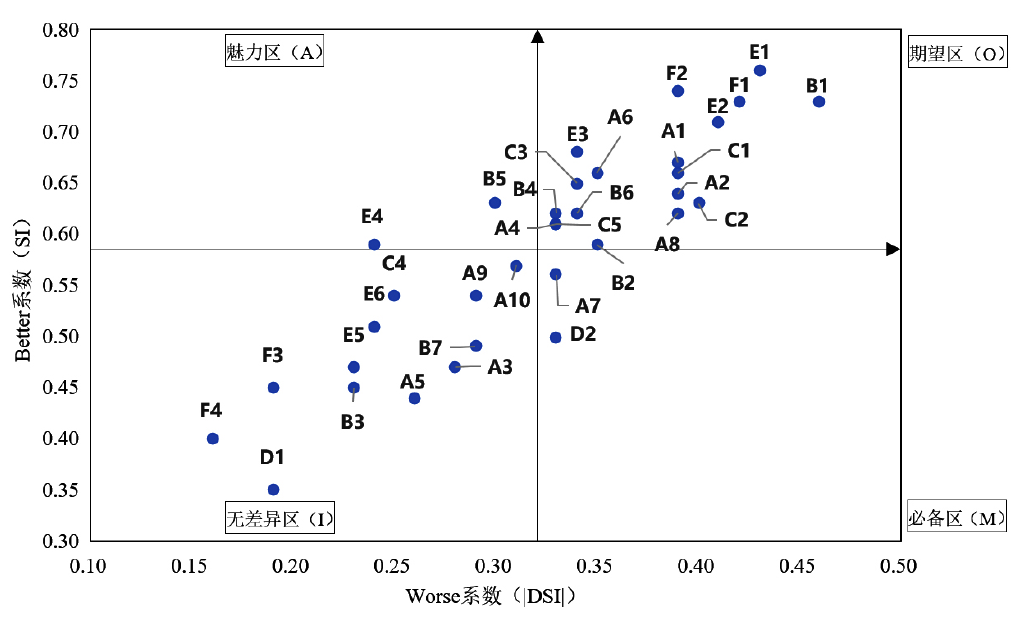
图1 核心家庭居民健康科普需求Better-Worse矩阵图
Figure 1 Better-Worse matrix diagram of health science popularization demands of core family residents
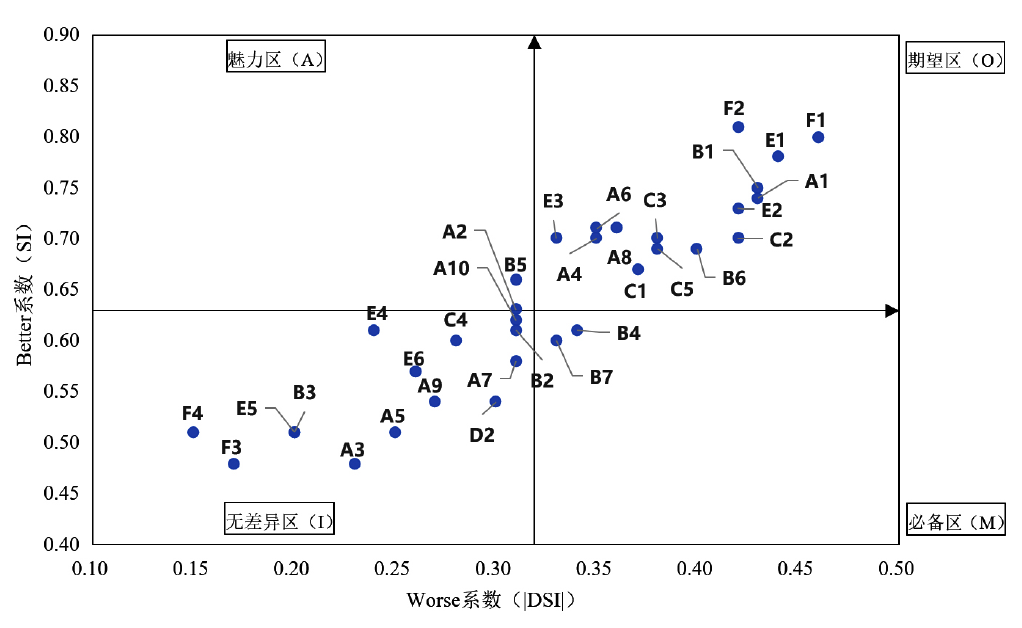
图2 扩展家庭居民健康科普需求Better-Worse矩阵图
Figure 2 Better-Worse matrix diagram of health science popularization demands of extended family residents
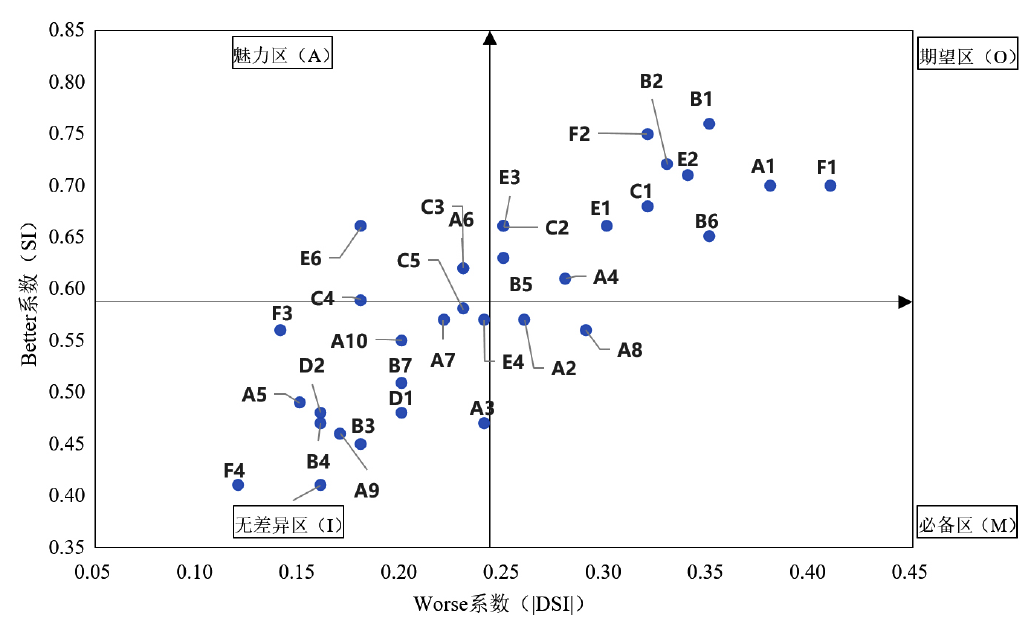
图3 单人户居民健康科普需求Better-Worse矩阵图
Figure 3 Better-Worse matrix diagram of health science popularization demands of single-person household residents
| [1] |
中共中央,国务院. "健康中国2030"规划纲要[EB/OL]. (2016-10-25)[2025-06-01].
|
| [2] |
续琨,黄晓兰,俞铭敏,等. 突发公共卫生事件中的应急健康科普模式探索[J]. 健康教育与健康促进, 2020, 15(6): 594-596. DOI: 10.16117/j.cnki.31-1974/r.202006002.
|
| [3] |
黄征宇,张梦婷. 自媒体时代公立医院开展健康科普实践与思考[J]. 中国健康教育, 2021, 37(9): 861-863. DOI: 10.16168/j.cnki.issn.1002-9982.2021.09.021.
|
| [4] |
田甜,张飞,张璇,等. 基于ChatGPT的人工智能技术在全科医疗服务中的应用研究[J]. 中华全科医学, 2025, 23(5): 721-725. DOI: 10.16766/j.cnki.issn.1674-4152.003988.
|
| [5] | |
| [6] |
李浩淼,吴一波,孙菊,等. 家庭健康与慢性病控制:健康素养、健康行为与基层服务信任度的中介作用[J]. 人口与发展, 2023, 29(5): 145-160.
|
| [7] |
王磊. 中国家庭结构变动趋势、问题与对策研究[J]. 中共中央党校(国家行政学院学报), 2024, 28(4): 77-88. DOI: 10.14119/j.cnki.zgxb.2024.04.013.
|
| [8] |
曾雪萍. 基于Kano模型的胃癌术后患者支持性照护需求问卷的编制及应用研究[D]. 南昌: 南昌大学, 2023.
|
| [9] |
周昌艳. 家庭结构对商业健康保险购买需求的影响研究[D]. 太原: 山西财经大学, 2024.
|
| [10] |
魏婷婷,张志博,李若兰,等. 基于Kano模型的天津市居民家庭医生签约服务需求分析和满意度调查[J]. 中国全科医学, 2026, 29(31): 4565-4572. DOI: 10.12114/j.issn.1007-9572.2024.0694.
|
| [11] |
焦姝婷,赵亚利. 基于Kano模型的医学生对《全科医学概论》课程的需求分析[J]. 中国全科医学, 2025, 28(25): 3180-3186. DOI: 10.12114/j.issn.1007-9572.2024.0183.
|
| [12] |
洪秀敏,朱文婷,陶鑫萌. 我国3岁以下婴幼儿照护的家庭支持需求及群体差异:基于Kano模型的构建与分析[J]. 首都师范大学学报(社会科学版), 2021(2): 151-160. DOI: 10.3969/j.issn.1004-9142.2021.02.017.
|
| [13] |
李亚男. 全面二孩政策下山西省育龄人群生育意愿及影响因素量化分析[D]. 太原: 山西医科大学, 2021.
|
| [14] |
张波,丁金宏. 家庭结构、代际关系与婚姻稳定性:费孝通"基本三角理论"的现代性扩展及其应用[J]. 浙江社会科学, 2023(10): 77-84, 156.
|
| [15] |
康亚辉. 情感视角下老年人对代际健康信息传播的接受效果与机制研究[D]. 呼和浩特: 内蒙古大学, 2023.
|
| [16] |
赵乐. 健康传播视域下家庭代际数字鸿沟成因及对策研究[D]. 成都: 四川省社会科学院, 2022.
|
| [17] |
李其容,李春萱,龚淑英,等. 双职工核心家庭父母工作狂与青少年情绪症状、品行问题:情绪耗竭的中介作用[J]. 心理研究, 2023, 16(3): 260-272. DOI: 10.19988/j.cnki.issn.2095-1159.2023.03.008.
|
| [18] |
易敏哲,高清涛,杨娴筱,等. 不同类型社区居民的健康教育需求研究[J]. 中国全科医学, 2026, 29(19): 2621-2630.
|
| [19] |
王小如,李跃平. 全科医疗核心特征功能在2型糖尿病健康管理与患者自我管理行为间的中介作用[J]. 中国全科医学, 2025, 28(4): 470-475. DOI: 10.12114/j.issn.1007-9572.2024.0188.
|
| [1] | 王宏, 杨信, 牛晓翠, 田朝伟, 邓彬, 甘幸雯, 赖思伶, 谢东霖, 胡丙杰. 中国全科医学研究热点、前沿与趋势分析(2019—2024):基于文献计量学、命名实体识别与主题模型的整合分析[J]. 中国全科医学, 2026, 29(34): 5033-5044. |
| [2] | 龙仁, 李志翔, 赵思琪, 徐志杰, 刘晓云, 何莉, 赵洋. 中国大陆地区慢性病共病研究十五年回顾和展望:文献综述与态势分析[J]. 中国全科医学, 2026, 29(34): 5022-5032. |
| [3] | 李永斌, 汪文新, 杨肖光, 石慧. 从疾病治疗到全生命周期健康管理医疗范式的转型[J]. 中国全科医学, 2026, 29(33): 4907-4913. |
| [4] | 夏林, 姜岳. 澳大利亚全科医生学会《全科医学的预防活动指南》解读与讨论:睡眠问题[J]. 中国全科医学, 2026, 29(33): 4841-4846. |
| [5] | 李滨, 葛梦飞, 韩静, 肖渝, 钟宇. 社区居家老年人身心健康影响因素及医务社工赋能策略研究[J]. 中国全科医学, 2026, 29(31): 4627-4634. |
| [6] | 魏婷婷, 张志博, 李若兰, 刘沛, 刘莹, 潘立平, 贾洁, 张娜, 边波. 基于Kano模型的天津市居民家庭医生签约服务需求分析和满意度调查[J]. 中国全科医学, 2026, 29(31): 4565-4572. |
| [7] | 程玉, 杨荣, 龙仁, 廖晓阳, 赵洋. 社区基本医疗的随机对照试验研究设计、实施和案例解析[J]. 中国全科医学, 2026, 29(31): 4528-4535. |
| [8] | 邓玮, 黄梦婷, 易胜利, 林杨, 许力丹, 任哲学, 朱秀琼, 李烨莎, 任梦鸽, 柯大智, 李桂琼, 吴志勤, 骆傲然, 何发培. AI赋能全科临床思维的培养与实施效果研究[J]. 中国全科医学, 2026, 29(28): 4078-4085. |
| [9] | 李亚慧, 谢坤, 练璐, 张怀平, 陈家应. 基于冰山模型下我国基层医生职业素质现状分析[J]. 中国全科医学, 2026, 29(27): 3891-3898. |
| [10] | 何国枢, 任菁菁, 朱佳宏, 马方晖, 孙文萍, 刘雷, 殷安康, 唐文娟. 基于多中心真实世界数据的全科未分化疾病患者南北地区特征对比研究[J]. 中国全科医学, 2026, 29(26): 3745-3751. |
| [11] | 赵亚文, 王杰萍, 杜雪平, 吴薇, 闫巍, 周晓霞, 关亚杰, 李倩, 李昊东. 北京市某三级综合医院全科医学科门诊就诊患者疾病特征分析[J]. 中国全科医学, 2026, 29(26): 3733-3738. |
| [12] | 赵泽宙, 王杰萍, 杜雪平, 闫巍, 吴薇, 李倩, 赵亚文, 李昊东. 北京市某三级综合医院全科医学科住院患者疾病特征研究[J]. 中国全科医学, 2026, 29(26): 3739-3744. |
| [13] | 杨信, 王宏, 徐浩枫, 韩建军, 梁万年, 胡丙杰. 国外全科医学定义演进逻辑、核心特征对中国全科医学发展的启示[J]. 中国全科医学, 2026, 29(25): 3553-3562. |
| [14] | 袁成菊, 肖雪, 范腾阳, 刘仕方, 黄念, 张年, 余昌胤. 农村订单定向全科医生继续医学教育指标体系的初步构建[J]. 中国全科医学, 2026, 29(22): 3110-3115. |
| [15] | 汪洋, 邹川, 郭梦若, 何柳华, 陆许航, 桂贤忠, 徐志杰, 林恺, 金花, 姚弥, 杨辉, 于德华. 全科医务人员在人工智能的辅助下提炼高质量研究问题的五个步骤[J]. 中国全科医学, 2026, 29(22): 3094-3102. |
| 阅读次数 | ||||||
|
全文 |
|
|||||
|
摘要 |
|
|||||