中国全科医学 ›› 2026, Vol. 29 ›› Issue (08): 1029-1036.DOI: 10.12114/j.issn.1007-9572.2024.0473
尹婷婷, 徒文静, 柏亚妹, 黄丽娜, 李伊婷, 徐桂华*( )
)
收稿日期:2024-08-13
修回日期:2024-12-15
出版日期:2026-03-15
发布日期:2026-02-03
通讯作者:
徐桂华
作者贡献:
尹婷婷、徒文静、黄丽娜负责研究设计、课题实施、资料分析、论文撰写;李伊婷负责论文修改;柏亚妹、徐桂华负责研究指导、论文审阅。
基金资助:
YIN Tingting, TU Wenjing, BAI Yamei, HUANG Lina, LI Yiting, XU Guihua*()
Received:2024-08-13
Revised:2024-12-15
Published:2026-03-15
Online:2026-02-03
Contact:
XU Guihua
摘要: 背景 膳食是炎症性肠病(IBD)患者健康管理的关键部分,构建健康膳食推荐模型有助于为IBD患者提供工具,辅助膳食管理和疾病康复。 目的 构建成年IBD患者健康膳食推荐模型并初步验证。 方法 2023年9月成立研究小组,采用文献研究和德尔菲专家咨询法明确IBD患者推荐营养素种类及摄入量,筛选具有抗炎或促炎特性的营养素,采用食物-频次矩阵方法识别患者膳食偏好,在此基础上利用多目标优化算法和协同过滤算法建立成年IBD患者健康膳食推荐模型。采用目的性抽样和最大差异抽样,于2023年12月选取在南京中医药大学附属南京中医院IBD中心就诊的20例成年IBD患者,采用多目标粒子群算法和协同过滤算法为IBD患者推荐个性化膳食种类和摄入量,据此验证模型可行性和科学性。 结果 成年IBD患者健康膳食推荐模型需同时满足营养需求、辅助治疗和膳食偏好三大目标。营养需求主要考虑能量、蛋白质、膳食纤维、维生素D、钙和铁6个指标,辅助治疗从膳食纤维、维生素A、维生素C、维生素E、硒、镁和锌等7类抗炎营养素以及能量、脂肪、蛋白质和铁等4大促炎营养进行综合考量,算法求解得出符合20例IBD患者膳食偏好的个性化膳食推荐方案。验证结果显示该模型食物种类推荐平均准确率为95.5%,营养素平均误差为12.60%。 结论 该研究构建的成年IBD患者健康膳食推荐模型准确有效,有助于提升IBD膳食管理精细化。
中图分类号:
| 序号 | 性别 | 年龄(岁) | 学历 | 职称级别 | 研究领域 | 专业 | 工作年限(年) |
|---|---|---|---|---|---|---|---|
| 1 | 男 | 27 | 博士 | 中级 | IBD | 临床医学 | ≤10 |
| 2 | 女 | 49 | 本科 | 副高级 | 临床护理IBD | 护理学 | ≥30 |
| 3 | 男 | 43 | 博士 | 正高级 | IBD | 临床医学 | 20~29 |
| 4 | 女 | 34 | 硕士 | 中级 | 临床护理IBD | 护理学 | 10~19 |
| 5 | 女 | 35 | 博士 | 中级 | 教育 | 营养学 | ≤10 |
| 6 | 女 | 37 | 硕士 | 副高级 | 临床护理IBD | 护理学 | 10~19 |
| 7 | 男 | 66 | 硕士 | 正高级 | IBD | 临床医学 | ≥30 |
| 8 | 女 | 32 | 博士 | 中级 | 临床 | 营养学 | ≤10 |
| 9 | 女 | 35 | 博士 | 中级 | 临床 | 营养学 | ≤10 |
| 10 | 女 | 43 | 本科 | 正高级 | 临床护理IBD | 护理学 | 20~29 |
| 11 | 女 | 31 | 博士 | 副高级 | 教育 | 护理学 | ≤10 |
| 12 | 女 | 38 | 博士 | 中级 | 教育 | 护理学 | ≤10 |
| 13 | 女 | 36 | 硕士 | 副高级 | 教育 | 营养学 | 10~19 |
| 14 | 女 | 34 | 博士 | 副高级 | 教育 | 营养学 | 10~19 |
| 15 | 女 | 56 | 硕士 | 正高级 | 临床护理IBD | 护理学 | ≥30 |
表1 德尔菲咨询专家基本资料
Table 1 General information on the Delphi correspondence experts
| 序号 | 性别 | 年龄(岁) | 学历 | 职称级别 | 研究领域 | 专业 | 工作年限(年) |
|---|---|---|---|---|---|---|---|
| 1 | 男 | 27 | 博士 | 中级 | IBD | 临床医学 | ≤10 |
| 2 | 女 | 49 | 本科 | 副高级 | 临床护理IBD | 护理学 | ≥30 |
| 3 | 男 | 43 | 博士 | 正高级 | IBD | 临床医学 | 20~29 |
| 4 | 女 | 34 | 硕士 | 中级 | 临床护理IBD | 护理学 | 10~19 |
| 5 | 女 | 35 | 博士 | 中级 | 教育 | 营养学 | ≤10 |
| 6 | 女 | 37 | 硕士 | 副高级 | 临床护理IBD | 护理学 | 10~19 |
| 7 | 男 | 66 | 硕士 | 正高级 | IBD | 临床医学 | ≥30 |
| 8 | 女 | 32 | 博士 | 中级 | 临床 | 营养学 | ≤10 |
| 9 | 女 | 35 | 博士 | 中级 | 临床 | 营养学 | ≤10 |
| 10 | 女 | 43 | 本科 | 正高级 | 临床护理IBD | 护理学 | 20~29 |
| 11 | 女 | 31 | 博士 | 副高级 | 教育 | 护理学 | ≤10 |
| 12 | 女 | 38 | 博士 | 中级 | 教育 | 护理学 | ≤10 |
| 13 | 女 | 36 | 硕士 | 副高级 | 教育 | 营养学 | 10~19 |
| 14 | 女 | 34 | 博士 | 副高级 | 教育 | 营养学 | 10~19 |
| 15 | 女 | 56 | 硕士 | 正高级 | 临床护理IBD | 护理学 | ≥30 |
| 指标 | 推荐值 |
|---|---|
| 1.能量 | 1.1缓解期成年IBD患者静息状态下能量推荐为25~30 kcal·kg-1·d-1,体力活动高的患者应适当增加 |
| 1.2活动期成年IBD患者静息状态下能量推荐为24~33 kcal·kg-1·d-1,体力活动高的患者应适当增加 | |
| 2.蛋白质 | 2.1缓解期成年IBD患者蛋白质需要量约为1.0 g·kg-1·d-1,同时优质蛋白质应占50%以上 |
| 2.2活动期成年IBD患者蛋白质需要量为1.2~1.5 g·kg-1·d-1,同时优质蛋白质应占50%以上 | |
| 3.膳食纤维 | 3.1无明显梗阻风险的CD患者无需限制膳食纤维摄入,但应监测胃肠道症状评估对纤维摄入量耐受性 |
| 3.2缓解期且无狭窄的IBD患者膳食纤维的推荐摄入量为14 g/1 000 kcal | |
| 3.3处于缓解期但有慢性狭窄性疾病的CD患者每日纤维摄入量为5 g | |
| 4.维生素D | 4.1 IBD患者维生素D推荐摄入量为300 U/d,并监测有无维生素D缺乏 |
| 5.钙 | 5.1 <40岁的男性和绝经前女性IBD患者钙推荐摄入量为1 000 mg/d |
| 5.2绝经后女性和40岁以上男性IBD患者钙推荐摄入量为1 200 mg/d | |
| 5.3若IBD患者进行负重锻炼,需保持1 g/d的膳食钙摄入 | |
| 6.铁 | 6.1成年IBD患者男性的铁推荐摄入量为12 mg/d,女性的铁推荐摄入量为20 mg/d |
表2 炎症性肠病患者营养需求的核心指标
Table 2 Core indicators of nutritional needs in patients with inflammatory bowel disease
| 指标 | 推荐值 |
|---|---|
| 1.能量 | 1.1缓解期成年IBD患者静息状态下能量推荐为25~30 kcal·kg-1·d-1,体力活动高的患者应适当增加 |
| 1.2活动期成年IBD患者静息状态下能量推荐为24~33 kcal·kg-1·d-1,体力活动高的患者应适当增加 | |
| 2.蛋白质 | 2.1缓解期成年IBD患者蛋白质需要量约为1.0 g·kg-1·d-1,同时优质蛋白质应占50%以上 |
| 2.2活动期成年IBD患者蛋白质需要量为1.2~1.5 g·kg-1·d-1,同时优质蛋白质应占50%以上 | |
| 3.膳食纤维 | 3.1无明显梗阻风险的CD患者无需限制膳食纤维摄入,但应监测胃肠道症状评估对纤维摄入量耐受性 |
| 3.2缓解期且无狭窄的IBD患者膳食纤维的推荐摄入量为14 g/1 000 kcal | |
| 3.3处于缓解期但有慢性狭窄性疾病的CD患者每日纤维摄入量为5 g | |
| 4.维生素D | 4.1 IBD患者维生素D推荐摄入量为300 U/d,并监测有无维生素D缺乏 |
| 5.钙 | 5.1 <40岁的男性和绝经前女性IBD患者钙推荐摄入量为1 000 mg/d |
| 5.2绝经后女性和40岁以上男性IBD患者钙推荐摄入量为1 200 mg/d | |
| 5.3若IBD患者进行负重锻炼,需保持1 g/d的膳食钙摄入 | |
| 6.铁 | 6.1成年IBD患者男性的铁推荐摄入量为12 mg/d,女性的铁推荐摄入量为20 mg/d |
| 患者 | 疾病类型 | 性别 | 年龄(岁) | 身高(cm) | 体质量(kg) |
|---|---|---|---|---|---|
| 1 | UC | 男 | 60 | 175 | 82 |
| 2 | UC | 男 | 38 | 175 | 62 |
| 3 | CD | 男 | 23 | 172 | 58 |
| 4 | CD | 女 | 24 | 160 | 45 |
| 5 | UC | 男 | 54 | 170 | 61 |
| 6 | UC | 男 | 21 | 171 | 58 |
| 7 | CD | 女 | 42 | 160 | 50 |
| 8 | UC | 男 | 36 | 179 | 72 |
| 9 | UC | 男 | 33 | 173 | 75 |
| 10 | CD | 男 | 24 | 183 | 77 |
| 11 | UC | 男 | 44 | 178 | 82 |
| 12 | UC | 男 | 27 | 174 | 63 |
| 13 | CD | 女 | 39 | 163 | 60.5 |
| 14 | CD | 男 | 40 | 173 | 71 |
| 15 | CD | 男 | 22 | 170 | 60 |
| 16 | UC | 男 | 27 | 172 | 53 |
| 17 | UC | 男 | 52 | 170 | 78 |
| 18 | UC | 女 | 25 | 161 | 42 |
| 19 | CD | 男 | 39 | 180 | 68 |
| 20 | CD | 男 | 49 | 163 | 61 |
表3 20例患者一般资料
Table 3 General information of 20 patients
| 患者 | 疾病类型 | 性别 | 年龄(岁) | 身高(cm) | 体质量(kg) |
|---|---|---|---|---|---|
| 1 | UC | 男 | 60 | 175 | 82 |
| 2 | UC | 男 | 38 | 175 | 62 |
| 3 | CD | 男 | 23 | 172 | 58 |
| 4 | CD | 女 | 24 | 160 | 45 |
| 5 | UC | 男 | 54 | 170 | 61 |
| 6 | UC | 男 | 21 | 171 | 58 |
| 7 | CD | 女 | 42 | 160 | 50 |
| 8 | UC | 男 | 36 | 179 | 72 |
| 9 | UC | 男 | 33 | 173 | 75 |
| 10 | CD | 男 | 24 | 183 | 77 |
| 11 | UC | 男 | 44 | 178 | 82 |
| 12 | UC | 男 | 27 | 174 | 63 |
| 13 | CD | 女 | 39 | 163 | 60.5 |
| 14 | CD | 男 | 40 | 173 | 71 |
| 15 | CD | 男 | 22 | 170 | 60 |
| 16 | UC | 男 | 27 | 172 | 53 |
| 17 | UC | 男 | 52 | 170 | 78 |
| 18 | UC | 女 | 25 | 161 | 42 |
| 19 | CD | 男 | 39 | 180 | 68 |
| 20 | CD | 男 | 49 | 163 | 61 |
| 患者 | 记录食物(3 d) | 推荐食物(1 d) |
|---|---|---|
| 1 | 胡萝卜60 g、粳米300 g、猪肉340 g、香菇150 g、面条790 g、鸡肉190 g、番茄150 g、鸡蛋200 g、茨菇110 g、萝卜430 g、排骨130 g、白菜240 g、青菜420 g、虾仁80 g、包菜120 g、香干100 g、菌菇80 g | 猪肉40 g、粳米140 g、白菜50 g、面条150 g、鸡肉20 g、番茄47 g、鸡蛋50 g、胡萝卜70 g、排骨20 g、青菜70 g、虾仁70 g、包菜70 g |
| 2 | 粳米100 g、豆腐120 g、鸭血80 g、猪肉130 g、胡萝卜70 g、面条700 g、粳米500 g、鸡蛋200 g、排骨80 g、白菜100 g、青菜120 g、虾仁60 g、肥牛80 g、油面筋50 g、鹅胗80 g、花椰菜250 g、土豆150 g、白瓜80 g、榴莲170 g、昂刺鱼70 g、猪肝80 g、大头菜70 g、粉丝100 g | 面条125 g、鸡蛋50 g、豆腐10 g、粳米125 g、花椰菜130 g、胡萝卜140 g、猪肉20 g、白菜90 g、青菜90 g、虾仁40 g、鸭血15 g、油面筋25 g |
| 3 | 粳米300 g、猪肉310 g、白瓜100 g、胡萝卜60 g、面条450 g、鸡肉70 g、鸡蛋70 g、青菜210 g、包菜120 g、梨300 g、土豆60 g、青椒120 g、白瓜230 g、百叶60 g、蘑菇80 g、鸭肉70 g | 猪肉50 g、粳米175 g、白菜65 g、面条165 g、鸡蛋50 g、梨200 g、青椒60 g、白瓜60 g、鱼95 g、鸡肉30 g、包菜60 g、山药50 g |
表4 患者1~3的饮食数据
Table 4 Dietary data for patients 1-3
| 患者 | 记录食物(3 d) | 推荐食物(1 d) |
|---|---|---|
| 1 | 胡萝卜60 g、粳米300 g、猪肉340 g、香菇150 g、面条790 g、鸡肉190 g、番茄150 g、鸡蛋200 g、茨菇110 g、萝卜430 g、排骨130 g、白菜240 g、青菜420 g、虾仁80 g、包菜120 g、香干100 g、菌菇80 g | 猪肉40 g、粳米140 g、白菜50 g、面条150 g、鸡肉20 g、番茄47 g、鸡蛋50 g、胡萝卜70 g、排骨20 g、青菜70 g、虾仁70 g、包菜70 g |
| 2 | 粳米100 g、豆腐120 g、鸭血80 g、猪肉130 g、胡萝卜70 g、面条700 g、粳米500 g、鸡蛋200 g、排骨80 g、白菜100 g、青菜120 g、虾仁60 g、肥牛80 g、油面筋50 g、鹅胗80 g、花椰菜250 g、土豆150 g、白瓜80 g、榴莲170 g、昂刺鱼70 g、猪肝80 g、大头菜70 g、粉丝100 g | 面条125 g、鸡蛋50 g、豆腐10 g、粳米125 g、花椰菜130 g、胡萝卜140 g、猪肉20 g、白菜90 g、青菜90 g、虾仁40 g、鸭血15 g、油面筋25 g |
| 3 | 粳米300 g、猪肉310 g、白瓜100 g、胡萝卜60 g、面条450 g、鸡肉70 g、鸡蛋70 g、青菜210 g、包菜120 g、梨300 g、土豆60 g、青椒120 g、白瓜230 g、百叶60 g、蘑菇80 g、鸭肉70 g | 猪肉50 g、粳米175 g、白菜65 g、面条165 g、鸡蛋50 g、梨200 g、青椒60 g、白瓜60 g、鱼95 g、鸡肉30 g、包菜60 g、山药50 g |
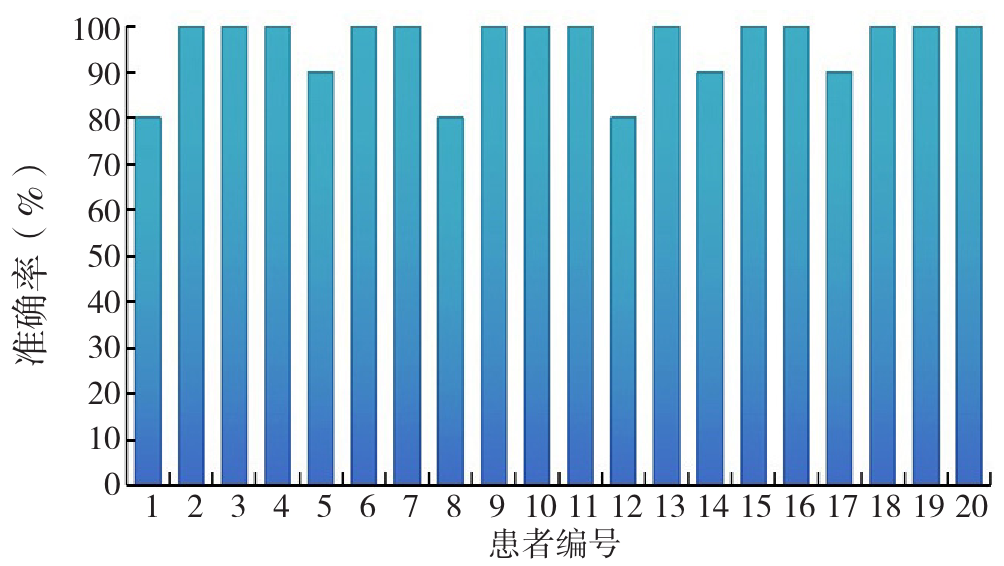
图1 食物推荐准确率
Figure 1 Accuracy of food recommendation
| 营养素 | 标准摄入 | 模型推荐 | 偏差 | 误差(%) |
|---|---|---|---|---|
| 热量 | 1 505.00 kcal | 1 385.75 kcal | -119.25 kcal | 7.92 |
| 蛋白质 | 60.50 g | 60.998 g | 0.498 g | 0.82 |
| 膳食纤维 | 5.00 g | 2.446 g | -2.554 g | 51.08 |
| 维生素D | 14.00 mg | 4.410 6 mg | -0.589 4 mg | 4.21 |
| 钙 | 800.00 mg | 317.29 mg | -82.71 mg | 10.34 |
| 铁 | 12.00 mg | 11.854 mg | -0.146 mg | 1.22 |
表5 模型推荐与标准摄入的误差比较
Table 5 Comparison of errors in nutritional blending and standardized intake
| 营养素 | 标准摄入 | 模型推荐 | 偏差 | 误差(%) |
|---|---|---|---|---|
| 热量 | 1 505.00 kcal | 1 385.75 kcal | -119.25 kcal | 7.92 |
| 蛋白质 | 60.50 g | 60.998 g | 0.498 g | 0.82 |
| 膳食纤维 | 5.00 g | 2.446 g | -2.554 g | 51.08 |
| 维生素D | 14.00 mg | 4.410 6 mg | -0.589 4 mg | 4.21 |
| 钙 | 800.00 mg | 317.29 mg | -82.71 mg | 10.34 |
| 铁 | 12.00 mg | 11.854 mg | -0.146 mg | 1.22 |
| [1] |
|
| [2] |
|
| [3] |
|
| [4] |
|
| [5] |
|
| [6] |
尹婷婷, 徒文静, 徐雯婧, 等. 炎症性肠病患者饮食限制行为现状及其影响因素的研究进展[J]. 胃肠病学, 2022, 27(7): 439-443. DOI: 10.3969/j.issn.1008-7125.2022.07.009.
|
| [7] |
|
| [8] |
|
| [9] |
中华医学会肠内肠外营养学分会, 中国医药教育协会炎症性肠病专业委员会. 中国炎症性肠病营养诊疗共识[J]. 中华消化病与影像杂志(电子版), 2021, 11(1): 8-15.
|
| [10] |
王昱, 徒文静, 张萍, 等. 炎症性肠病患者饮食限制现况及其饮食限制种类影响因素的多中心研究[J]. 中国全科医学, 2022, 25(6): 663-668. DOI: 10.12114/j.issn.1007-9572.2021.02.065.
|
| [11] |
方园, 周英凤, 李丽, 等. 妊娠期糖尿病非药物管理决策支持系统的构建及应用[J]. 中华护理杂志, 2023, 58(9): 1043-1049.
|
| [12] |
沐婷玉, 许日祥, 朱倩寅, 等. 正常高值血压人群生活方式决策支持系统的构建及应用[J]. 中华护理杂志, 2024, 59(6): 654-661.
|
| [13] | |
| [14] |
赖旺宝. 慢性溃疡性结肠炎患者饮食特点及诱发因素[J]. 慢性病学杂志, 2020, 21(11): 1686-1688. DOI: 10.16440/j.cnki.1674-8166.2020.11.023.
|
| [15] |
|
| [16] |
|
| [17] |
|
| [18] |
黄雨桦, 姚丹华. 克罗恩病围手术期营养支持指南(2021版)[J]. 中国实用外科杂志, 2021, 41(6): 646-652. DOI: 10.19538/j.cjps.issn1005-2208.2021.06.05.
|
| [19] |
|
| [20] |
|
| [21] |
|
| [22] |
|
| [23] |
|
| [24] |
朱秀琴, 张素, 王霞, 等. 成人活动期炎症性肠病护理专家共识[J]. 护理学杂志, 2022, 37(8): 1-6.
|
| [25] |
|
| [26] |
|
| [27] |
朱维铭, 胡品津, 龚剑峰. 炎症性肠病营养支持治疗专家共识(2013·深圳)[J]. 胃肠病学, 2015, 20(2): 97-105.
|
| [28] |
|
| [29] |
殷青霞, 王莉慧, 区洁霞, 等. 克罗恩病患者饮食管理的证据总结[J]. 护理学报, 2022, 29(1): 47-52. DOI: 10.16460/j.issn1008-9969.2022.01.047.
|
| [30] |
李苗苗, 熊宇, 罗健. 炎症性肠病患者营养支持的最佳证据总结[J]. 中华护理杂志, 2021, 56(9): 1394-1401. DOI: 10.3761/j.issn.0254-1769.2021.09.020.
|
| [31] |
|
| [32] |
|
| [33] |
《中国食物成分表》标准版第6版第一二册出版[J]. 营养学报, 2019, 41(5): 426.
|
| [34] |
舒世昌, 张野. 兼顾经济与偏好的多目标分析在营养膳食决策中的应用[J]. 价值工程, 2013, 32(28): 15-18.
|
| [35] |
|
| [36] |
中国居民膳食指南(2022)平衡膳食准则[J]. 疾病预防控制通报, 2024, 39(1): 95.
|
| [37] |
何金超, 罗芳, 袁知才, 等. 协同过滤和粒子群算法在饮食推荐中的应用[J]. 计算机应用与软件, 2019, 36(8): 36-40, 59. DOI: 10.3969/j.issn.1000-386x.2019.08.007.
|
| [38] |
|
| [39] |
张文玉, 马贤纵, 谢惠, 等. 炎症性肠病患者营养障碍的研究[J]. 胃肠病学和肝病学杂志, 2024, 33(6): 641-645. DOI: 10.3969/j.issn.1006-5709.2024.06.002.
|
| [40] |
|
| [41] |
薛宁, 魏绪霞. 定制饮食与炎症性肠病研究进展[J]. 肠外与肠内营养, 2022, 29(6): 375-379.
|
| [42] |
|
| [43] |
张萍, 徒文静, 韩娟. 对成人初显期炎症性肠病患者基于LEARNS模式健康教育的效果观察[J]. 护理学报, 2022, 29(4): 74-78. DOI: 10.16460/j.issn1008-9969.2022.04.074.
|
| [44] |
杨宇霖. IBD患者食物特异性抗体分布特征及其临床意义[D]. 南京: 南京大学, 2019.
|
| [1] | 李伊婷, 徒文静, 尹婷婷, 梅紫琦, 张苏闽, 王萌, 徐桂华. 人工智能在炎症性肠病患者营养管理中应用的范围综述[J]. 中国全科医学, 2025, 28(14): 1709-1716. |
| [2] | 徐军, 高亚南, 徐涯鑫, 姚亭, 陈亚梅. 炎症性肠病患者疾病负担的潜在剖面分析及其影响因素研究[J]. 中国全科医学, 2025, 28(14): 1744-1750. |
| [3] | 尹婷婷, 徒文静, 张苏闽, 李伊婷, 徐桂华. 炎症性肠病患者食物素养与避免/限制性食物摄入障碍的相关性研究[J]. 中国全科医学, 2024, 27(12): 1445-1451. |
| [4] | 蒲瑜, 张吉翔, 董卫国. 铁死亡与炎症性肠病的研究进展[J]. 中国全科医学, 2023, 26(29): 3698-3703. |
| [5] | 陈晓芬, 陈钰涵, 马娟. 炎症性肠病新型治疗方法的研究进展[J]. 中国全科医学, 2023, 26(27): 3349-3354. |
| [6] | 岑秋宇, 庞日朝, 崔艳如, 魏娟芳, 张安仁. 鼠李糖乳杆菌对炎症性肠病的影响机制研究进展[J]. 中国全科医学, 2022, 25(36): 4595-4600. |
| [7] | 罗建峰, 侯江涛, 侯政昆, 彭彬, 李辉标, 刘诗颖, 何镇帆, 钟嘉敏, 张诗静, 刘凤斌, 陈新林. 基于中医理论构建炎症性肠病患者报告结局量表及条目筛选研究[J]. 中国全科医学, 2022, 25(29): 3672-3677. |
| [8] | 刘展鹏, 杨晓钟, 陈梦雪, 张梦辉, 王宏刚. 炎症性肠病症状量表评估炎症性肠病疾病活动度的临床价值研究[J]. 中国全科医学, 2022, 25(14): 1713-1718. |
| [9] | 王昱, 徒文静, 张萍, 方健, 史一, 刘晓雯, 金泓丞. 炎症性肠病患者饮食限制现况及其饮食限制种类影响因素的多中心研究[J]. 中国全科医学, 2022, 25(06): 663-668. |
| [10] | 王英德. 新型生物制剂在炎症性肠病中的临床应用:现状与未来[J]. 中国全科医学, 2021, 24(21): 2629-2633. |
| [11] | 徒文静,徐桂华. 炎症性肠病患者成人初显期管理的研究进展及启示[J]. 中国全科医学, 2021, 24(15): 1861-1866. |
| [12] | 柏亚妹1,宋玉磊1,卞秋桂2,王丹丹1,万红1,许晨1,陈菁3,倪冬梅3*. 炎症性肠病患者服药依从性及其影响因素研究[J]. 中国全科医学, 2017, 20(32): 4018-4022. |
| [13] | 陈晨, 戴新娟, 黎军, 邢敬, 施琪, 许珊珊. 以专病管理团队为主导的疾病管理对炎症性肠病患者的效果研究[J]. 中国全科医学, 2016, 19(35): 4397-4402. |
| [14] | 曹志辉,陈丽丽,张金燕,郑贺英,陈桂芝. 基于计划行为理论的护理人员不良事件报告行为模型构建及实证研究[J]. 中国全科医学, 2015, 18(16): 1936-1939. |
| 阅读次数 | ||||||
|
全文 |
|
|||||
|
摘要 |
|
|||||