中国全科医学 ›› 2026, Vol. 29 ›› Issue (01): 42-49.DOI: 10.12114/j.issn.1007-9572.2024.0375

所属专题: 社区卫生服务最新研究合辑

• 中国全科医疗/社区卫生服务工作研究 • 上一篇    下一篇

连续性卫生服务视角下我国居家社区医养结合政策效力量化研究

胡哲涛1, 潘小毅1,2,*()   

  1. 1.430065 湖北省武汉市,湖北中医药大学管理学院
    2.430065 湖北省武汉市,湖北省高校人文社会科学重点研究基地中医药发展研究中心
  • 收稿日期:2024-11-04 修回日期:2025-07-19 出版日期:2026-01-05 发布日期:2025-12-18
  • 通讯作者: 潘小毅

  • 作者贡献:

    胡哲涛负责提出选题方向,负责文章整体构思和设计、研究资料收集与整理、文章撰写与修订;潘小毅对文章监督管理,整体负责。

  • 基金资助:
    2023年度湖北省高校人文社会科学重点研究基地"中医药发展研究中心"开放性课题重点项目(ZXZD002)

A Quantitative Research on Effectiveness of China's Community-dwelling Integrated Medical and Elderly Care Policy from the Perspective of Health Service Continuity

HU Zhetao1, PAN Xiaoyi1,2,*()   

  1. 1. School of Management, Hubei University of Chinese Medicine, Wuhan 430065, China
    2. Development Research Center of Chinese Medicine, Key Research Base for Humanities and Social Sciences in Universities of Hubei Province, Wuhan 430065, China
  • Received:2024-11-04 Revised:2025-07-19 Published:2026-01-05 Online:2025-12-18
  • Contact: PAN Xiaoyi

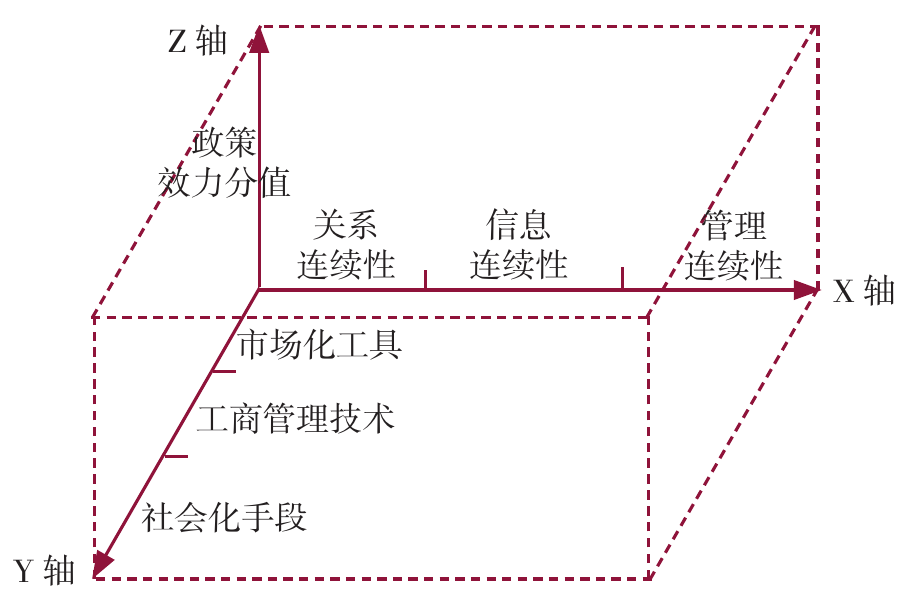
摘要: 背景 提供连续性卫生服务是居家社区医养结合的一项重点任务,政策设计对连续性卫生服务体系构建起到关键作用,但既往研究较少对我国居家社区医养结合的连续性卫生服务政策进行分析。 目的 了解我国居家社区医养结合领域连续性卫生服务相关政策的特征与不足,为完善居家社区医养结合的连续性卫生服务体系提供政策建议。 方法 于2024年5月,在北大法宝网站上,以"医养""养老服务""老年""老龄"为标题检索词,检索牵头发布单位为国家级机关(如中共中央、国务院)或医疗领域主管部门(如国家卫生健康委、国家医疗保障局、国家中医药管理局、国家疾病预防控制局)且发布时间为2000年1月—2024年5月的政策文件,筛选出涉及居家社区医养结合领域连续性卫生服务的政策为样本(n=41)。基于卫生服务连续性指标体系、政策工具类型、政策效力分值建立三维分析框架,对政策进行量化分析。 结果 关系连续性、信息连续性、管理连续性指标政策效力分值占比分别为8.62%(264/3 063)、10.61%(325/3 063)、80.77%(2 474/3 063),三级指标的政策效力分值占比与重要性权重严重不匹配,Pearson相关系数为-0.10(P>0.05);市场化工具、工商管理技术、社会化手段类政策工具效力分值占比分别为22.62%(693/3 063)、67.29%(2 061/3 063)、10.09%(309/3 063)。总体政策效力平均分值为12.20分,关系连续性、信息连续性、管理连续性政策效力平均分值分别为13.89、16.25、11.67分;市场化工具、工商管理技术、社会化手段政策效力平均分值分别为16.90、11.45、10.30分。总体政策措施和政策目标平均效力分值分别为3.25、2.80分,相差16.07%;总体政策措施和政策目标平均效力分值仅为3.03分,接近具体化临界值3.00分。 结论 我国居家社区医养结合的连续性卫生服务政策在效力分布、工具选择、具体化方面存在提升空间。建议政策效力科学覆盖卫生服务连续性指标,提升居家社区老年人获得感;加大市场化工具使用力度,强化对市场主体经济刺激;平衡政策措施与目标效力,提高政策具体化程度。

关键词: 医养结合, 卫生政策, 连续性卫生服务, 老年人保健服务, 健康老龄化

Abstract:

Background

Providing continuous health services is a key task in community-dwelling integrated medical and elderly care, policy design plays a crucial role in the construction of continuous health service system, but previous research is limited in analyzing the continuous health service policy of community-dwelling integrated medical and elderly care in China.

Objective

To analyze the characteristics and shortcomings of policies of community-dwelling integrated medical and elderly care in China, and provide policy recommendations for improving the continuous health service system of community-dwelling integrated medical and elderly care.

Methods

In May 2024, search policy documents on the website "www.pkulaw.com", using the title keywords "integrated medical and elderly care" "elderly care service" "elder" "ageing", the leading department of introduction is national level (Central Committee of the Communist Party of China, State Council), or competent departments of health service (National Health Commission, National Healthcare Security Administration, National Administration of Traditional Chinese Medicine, or National Disease Control and Prevention Administration), introduced from January 2000 to May 2024, and related to continuous health service of community-dwelling integrated medical and elderly care, select as samples (n=41). Based on the indicators system of continuous health services, policy tool types, and policy effectiveness scores, establish a three-dimensional analysis framework to quantitatively analyze the policies.

Results

The proportion of policy effectiveness scores for the indicators of relationship continuity, information continuity, and management continuity accounted for 8.62% (264/3 063), 10.61% (325/3 063), and 80.77% (2 474/3 063), respectively. The proportion of policy effectiveness scores and importance weights in the tertiary indicators were severely mismatched, with a Pearson correlation coefficient of only -0.10 (P>0.05). The effectiveness scores of market-oriented tools, business management techniques, and socialization methods account for 22.62% (693/3 063), 67.29% (2 061/3 063), and 10.09% (309/3 063), respectively. The overall average score for policy effectiveness is 12.20, while the average scores for policy effectiveness for relationship continuity, information continuity, and management continuity are 13.89, 16.25, and 11.67, respectively. The average scores for the effectiveness of market-oriented tools, business management techniques, and socialization methods policies are 16.90, 11.45, and 10.30, respectively. The average effectiveness scores of policy measures and targets are 3.25 and 2.80, respectively, with a difference of 16.07%. The overall average effectiveness score of policy measures and targets is only 3.03, close to 3.00 which is the critical value of specificity.

Conclusion

There is room for improvement in the effectiveness distribution, tool selection, and specificity of China's continuous health service policy of community-dwelling integrated medical and elderly care. We suggest that the effectiveness of policy should scientifically cover the continuity indicators of health service and enhance the sense of gain of elderly people in home-based communities. Increase the use of market-oriented tools and strengthen economic stimulation for market entities. Balance the effectiveness of policy measures and targets, and improve the specificity of policy.

Key words: Integrated medical and elderly care, Health policy, Continuous of health service, Health services for the aged, Healthy aging

中图分类号: