
Chinese General Practice ›› 2026, Vol. 29 ›› Issue (30): 4390-4396.DOI: 10.12114/j.issn.1007-9572.2025.0423
• Article • Previous Articles Next Articles
Received:2025-10-20
Revised:2026-01-11
Published:2026-10-20
Online:2026-09-02
Contact:
YANG Honghui
通讯作者:
杨宏辉
作者简介:作者贡献:
杨宇青负责提出研究思路、设计方案、撰写论文;杨廷杰、朱利杰负责进行论文的审阅、修订;李文哲、郭一鸣、陈璐琳负责研究的可行性分析、数据收集;曹煜栋、袁江淑负责数据的整理、统计学分析及结果可视化图表绘制;杨宏辉负责为研究方案提供意见和指导,论文的审阅及质量控制。所有作者对最终稿件负责,并同意投稿。
基金资助:
Add to citation manager EndNote|Ris|BibTeX
URL: https://www.chinagp.net/EN/10.12114/j.issn.1007-9572.2025.0423
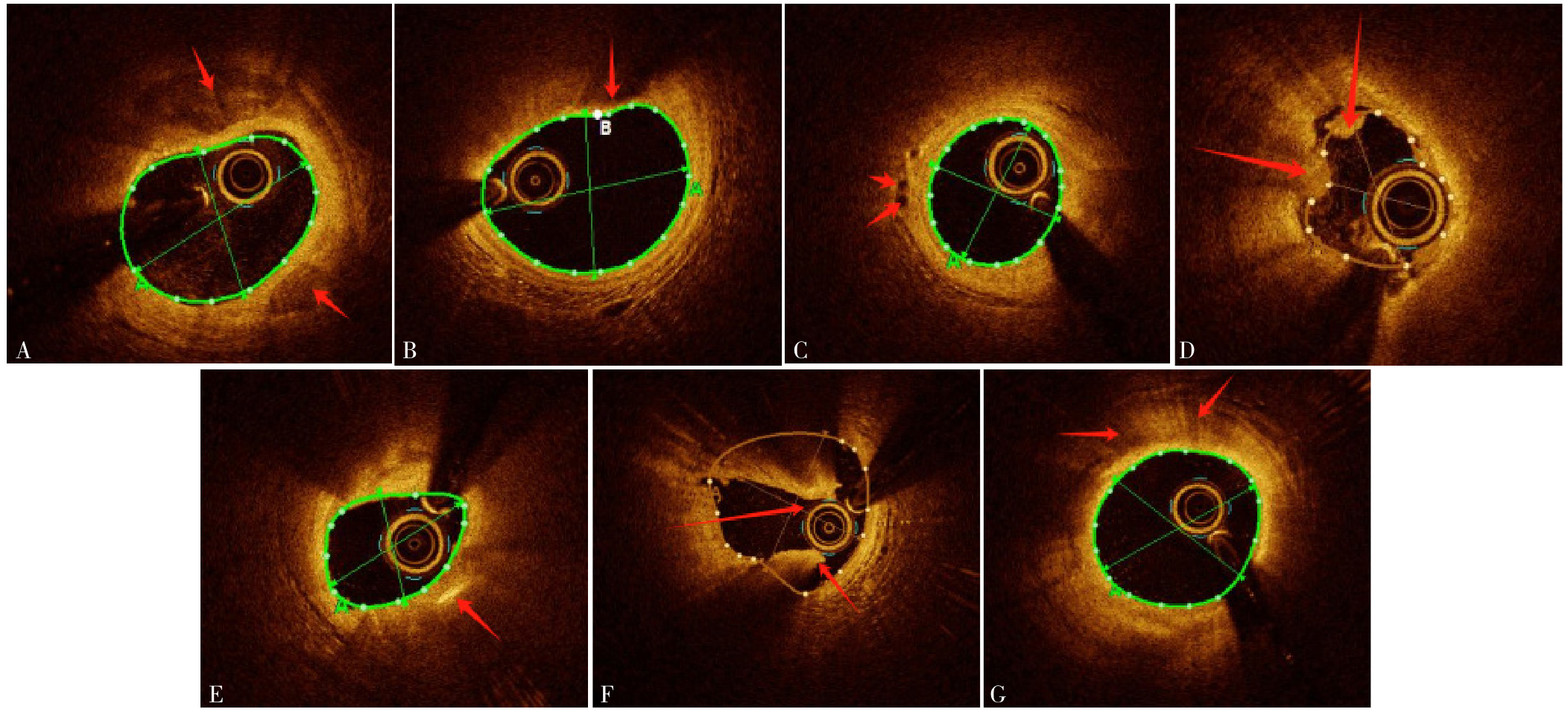
Figure 1 OCT images of common plaque features
| 组别 | 例数 | 年龄( | BMI( | 性别(男/女) | 吸烟[例(%)] | 饮酒[例(%)] | 高血压[例(%)] | 糖尿病[例(%)] | 脑卒中史[例(%)] | 白细胞计数[M(P25,P75),×109/L] |
|---|---|---|---|---|---|---|---|---|---|---|
| 非CAC组 | 218 | 59.3±11.2 | 26.2±3.1 | 168/50 | 89(40.8) | 82(37.6) | 95(43.6) | 65(29.8) | 17(7.8) | 6.33(5.40,7.72) |
| CAC组 | 212 | 63.3±11.0 | 26.1±3.4 | 155/57 | 88(41.5) | 69(32.5) | 138(65.1) | 93(43.9) | 24(11.3) | 6.73(5.53,8.08) |
| 检验统计量值 | -3.670a | 0.287a | 0.898b | 0.021b | 1.211b | 20.044b | 9.130b | 1.546b | -2.357 | |
| P值 | <0.001 | 0.774 | 0.343 | 0.885 | 0.271 | <0.001 | 0.003 | 0.214 | 0.018 | |
| 组别 | 中性粒细胞计数[M(P25,P75),×109/L] | 中性粒细胞百分比[M(P25,P75),%] | 淋巴细胞计数[M(P25,P75),×109/L] | 总蛋白[M(P25,P75),g/L] | 白蛋白[M(P25,P75),g/L] | 总胆固醇[M(P25,P75),mmol/L] | 甘油三酯[M(P25,P75),mmol/L] | |||
| 非CAC组 | 3.81(3.12,4.72) | 60.1(55.9,64.8) | 1.83(1.45,2.23) | 64.25(60.80,67.40) | 42.50(40.19,44.73) | 3.26(2.83,4.01) | 1.40(0.98,1.78) | |||
| CAC组 | 4.60(3.62,5.54) | 67.0(61.9,74.4) | 1.48(1.21,1.80) | 63.25(58.80,66.10) | 41.00(38.00,42.88) | 3.77(2.98,4.36) | 1.52(1.05,2.05) | |||
| 检验统计量值 | -4.950 | -8.083 | -6.180 | -3.094 | -4.757 | -3.455 | -1.800 | |||
| P值 | <0.001 | <0.001 | <0.001 | 0.002 | <0.001 | <0.001 | 0.072 | |||
| 组别 | HDL-C[M(P25,P75),mmol/L] | LDL-C[M(P25,P75),mmol/L] | 血肌酐[M(P25,P75),mmol/L] | 血尿酸( | 空腹血糖[M(P25,P75),mmol/L] | 糖化血红蛋白[M(P25,P75),%] | NPAR[M(P25,P75)] | |||
| 非CAC组 | 0.98(0.85,1.17) | 2.14(1.57,2.67) | 70.00(61.00,81.25) | 318.01±100.25 | 5.20(4.62,6.21) | 6.00(5.52,6.21) | 1.42(1.28,1.56) | |||
| CAC组 | 1.01(0.84,1.20) | 2.05(1.48,2.60) | 69.00(57.25,80.00) | 304.30±82.79 | 5.75(4.71,7.30) | 6.15(5.52,6.73) | 1.64(1.49,1.86) | |||
| 检验统计量值 | -0.204 | -1.112 | -0.646 | 1.545a | -3.462 | -1.054 | -9.013 | |||
| P值 | 0.838 | 0.266 | 0.518 | 0.122 | <0.001 | 0.292 | <0.001 |
Table 1 Comparison of baseline characteristics between patients in the CAC group and the non-CAC group.
| 组别 | 例数 | 年龄( | BMI( | 性别(男/女) | 吸烟[例(%)] | 饮酒[例(%)] | 高血压[例(%)] | 糖尿病[例(%)] | 脑卒中史[例(%)] | 白细胞计数[M(P25,P75),×109/L] |
|---|---|---|---|---|---|---|---|---|---|---|
| 非CAC组 | 218 | 59.3±11.2 | 26.2±3.1 | 168/50 | 89(40.8) | 82(37.6) | 95(43.6) | 65(29.8) | 17(7.8) | 6.33(5.40,7.72) |
| CAC组 | 212 | 63.3±11.0 | 26.1±3.4 | 155/57 | 88(41.5) | 69(32.5) | 138(65.1) | 93(43.9) | 24(11.3) | 6.73(5.53,8.08) |
| 检验统计量值 | -3.670a | 0.287a | 0.898b | 0.021b | 1.211b | 20.044b | 9.130b | 1.546b | -2.357 | |
| P值 | <0.001 | 0.774 | 0.343 | 0.885 | 0.271 | <0.001 | 0.003 | 0.214 | 0.018 | |
| 组别 | 中性粒细胞计数[M(P25,P75),×109/L] | 中性粒细胞百分比[M(P25,P75),%] | 淋巴细胞计数[M(P25,P75),×109/L] | 总蛋白[M(P25,P75),g/L] | 白蛋白[M(P25,P75),g/L] | 总胆固醇[M(P25,P75),mmol/L] | 甘油三酯[M(P25,P75),mmol/L] | |||
| 非CAC组 | 3.81(3.12,4.72) | 60.1(55.9,64.8) | 1.83(1.45,2.23) | 64.25(60.80,67.40) | 42.50(40.19,44.73) | 3.26(2.83,4.01) | 1.40(0.98,1.78) | |||
| CAC组 | 4.60(3.62,5.54) | 67.0(61.9,74.4) | 1.48(1.21,1.80) | 63.25(58.80,66.10) | 41.00(38.00,42.88) | 3.77(2.98,4.36) | 1.52(1.05,2.05) | |||
| 检验统计量值 | -4.950 | -8.083 | -6.180 | -3.094 | -4.757 | -3.455 | -1.800 | |||
| P值 | <0.001 | <0.001 | <0.001 | 0.002 | <0.001 | <0.001 | 0.072 | |||
| 组别 | HDL-C[M(P25,P75),mmol/L] | LDL-C[M(P25,P75),mmol/L] | 血肌酐[M(P25,P75),mmol/L] | 血尿酸( | 空腹血糖[M(P25,P75),mmol/L] | 糖化血红蛋白[M(P25,P75),%] | NPAR[M(P25,P75)] | |||
| 非CAC组 | 0.98(0.85,1.17) | 2.14(1.57,2.67) | 70.00(61.00,81.25) | 318.01±100.25 | 5.20(4.62,6.21) | 6.00(5.52,6.21) | 1.42(1.28,1.56) | |||
| CAC组 | 1.01(0.84,1.20) | 2.05(1.48,2.60) | 69.00(57.25,80.00) | 304.30±82.79 | 5.75(4.71,7.30) | 6.15(5.52,6.73) | 1.64(1.49,1.86) | |||
| 检验统计量值 | -0.204 | -1.112 | -0.646 | 1.545a | -3.462 | -1.054 | -9.013 | |||
| P值 | 0.838 | 0.266 | 0.518 | 0.122 | <0.001 | 0.292 | <0.001 |
| 组别 | 例数 | TCFA | 胆固醇结晶 | 微通道形成 | 巨噬细胞浸润 | 血栓形成 | 病变处斑块破裂 | 斑块侵蚀 |
|---|---|---|---|---|---|---|---|---|
| T1 | 144 | 59(41.0) | 20(13.9) | 14(9.7) | 10(6.9) | 18(12.5) | 26(18.1) | 4(2.8) |
| T2 | 143 | 74(51.7) | 26(18.2) | 13(9.1) | 11(7.7) | 20(14.0) | 22(15.4) | 13(9.1) |
| T3 | 143 | 70(49.0) | 40(28.0) | 10(7.0) | 34(23.8) | 36(25.2) | 22(15.4) | 18(12.6) |
| χ2值 | 3.604 | 9.337 | 0.744 | 23.216 | 9.652 | 0.501 | 9.493 | |
| P值 | 0.165 | 0.009 | 0.689 | <0.001 | 0.008 | 0.778 | 0.009 |
Table 2 Plaque characteristics in patients grouped by NPAR tertiles
| 组别 | 例数 | TCFA | 胆固醇结晶 | 微通道形成 | 巨噬细胞浸润 | 血栓形成 | 病变处斑块破裂 | 斑块侵蚀 |
|---|---|---|---|---|---|---|---|---|
| T1 | 144 | 59(41.0) | 20(13.9) | 14(9.7) | 10(6.9) | 18(12.5) | 26(18.1) | 4(2.8) |
| T2 | 143 | 74(51.7) | 26(18.2) | 13(9.1) | 11(7.7) | 20(14.0) | 22(15.4) | 13(9.1) |
| T3 | 143 | 70(49.0) | 40(28.0) | 10(7.0) | 34(23.8) | 36(25.2) | 22(15.4) | 18(12.6) |
| χ2值 | 3.604 | 9.337 | 0.744 | 23.216 | 9.652 | 0.501 | 9.493 | |
| P值 | 0.165 | 0.009 | 0.689 | <0.001 | 0.008 | 0.778 | 0.009 |
| 分组 | 模型1 | 模型2 | 模型3 | |||
|---|---|---|---|---|---|---|
| OR(95%CI) | P值 | OR(95%CI) | P值 | OR(95%CI) | P值 | |
| NPAR每增加1个SD | 3.358(2.394~4.710) | <0.001 | 3.177(2.247~4.493) | <0.001 | 2.760(1.842~4.135) | <0.001 |
| NPAR分组(以T1为参照) | ||||||
| T2 | 3.909(2.335~6.544) | <0.001 | 3.824(2.277~6.423) | <0.001 | 3.818(2.211~6.594) | <0.001 |
| T3 | 10.834(6.262~18.745) | <0.001 | 9.956(5.669~17.484) | <0.001 | 8.585(4.430~16.637) | <0.001 |
| P趋势值 | <0.001 | <0.001 | <0.001 | |||
Table 3 Multivariate Logistic regression analysis of the correlation between NPAR and CAC
| 分组 | 模型1 | 模型2 | 模型3 | |||
|---|---|---|---|---|---|---|
| OR(95%CI) | P值 | OR(95%CI) | P值 | OR(95%CI) | P值 | |
| NPAR每增加1个SD | 3.358(2.394~4.710) | <0.001 | 3.177(2.247~4.493) | <0.001 | 2.760(1.842~4.135) | <0.001 |
| NPAR分组(以T1为参照) | ||||||
| T2 | 3.909(2.335~6.544) | <0.001 | 3.824(2.277~6.423) | <0.001 | 3.818(2.211~6.594) | <0.001 |
| T3 | 10.834(6.262~18.745) | <0.001 | 9.956(5.669~17.484) | <0.001 | 8.585(4.430~16.637) | <0.001 |
| P趋势值 | <0.001 | <0.001 | <0.001 | |||
| 分组 | β | SE | Wald χ2值 | OR(95%CI) | P值 | P交互值 |
|---|---|---|---|---|---|---|
| 年龄 | 0.199 | |||||
| ≤60岁 | 0.940 | 0.316 | 8.853 | 2.559(1.378~4.752) | 0.003 | |
| >60岁 | 1.171 | 0.316 | 13.689 | 3.224(1.734~5.995) | <0.001 | |
| 性别 | 0.055 | |||||
| 女 | 1.649 | 0.495 | 11.091 | 5.200(1.971~13.722) | <0.001 | |
| 男 | 0.948 | 0.253 | 14.022 | 2.581(1.571~4.239) | <0.001 | |
| BMI | 0.554 | |||||
| <24.0 kg/m2 | 1.275 | 0.502 | 6.450 | 3.579(1.338~9.574) | 0.011 | |
| ≥24.0 kg/m2 | 1.103 | 0.257 | 18.407 | 3.013(1.820~4.987) | <0.001 | |
| 吸烟 | 0.741 | |||||
| 无 | 1.077 | 0.287 | 14.088 | 2.935(1.673~5.151) | <0.001 | |
| 有 | 1.160 | 0.368 | 9.908 | 3.189(1.549~6.566) | 0.002 |
Table 4 Analysis of the effect of NPAR on CAC in different subgroups of patients and interaction analysis
| 分组 | β | SE | Wald χ2值 | OR(95%CI) | P值 | P交互值 |
|---|---|---|---|---|---|---|
| 年龄 | 0.199 | |||||
| ≤60岁 | 0.940 | 0.316 | 8.853 | 2.559(1.378~4.752) | 0.003 | |
| >60岁 | 1.171 | 0.316 | 13.689 | 3.224(1.734~5.995) | <0.001 | |
| 性别 | 0.055 | |||||
| 女 | 1.649 | 0.495 | 11.091 | 5.200(1.971~13.722) | <0.001 | |
| 男 | 0.948 | 0.253 | 14.022 | 2.581(1.571~4.239) | <0.001 | |
| BMI | 0.554 | |||||
| <24.0 kg/m2 | 1.275 | 0.502 | 6.450 | 3.579(1.338~9.574) | 0.011 | |
| ≥24.0 kg/m2 | 1.103 | 0.257 | 18.407 | 3.013(1.820~4.987) | <0.001 | |
| 吸烟 | 0.741 | |||||
| 无 | 1.077 | 0.287 | 14.088 | 2.935(1.673~5.151) | <0.001 | |
| 有 | 1.160 | 0.368 | 9.908 | 3.189(1.549~6.566) | 0.002 |
| [1] |
国家心血管病中心, 中国心血管健康与疾病报告编写组, 胡盛寿. 中国心血管健康与疾病报告2024概要[J]. 中国循环杂志, 2025, 40(6): 521-559. DOI: 10.3969/j.issn.1000-3614.2025.06.001.
|
| [2] |
|
| [3] |
占宇骥, 王亚斌. 腔内影像学指导冠状动脉钙化病变介入治疗研究进展[J]. 临床军医杂志, 2025, 53(2): 201-204. DOI: 10.16680/j.1671-3826.2025.02.25.
|
| [4] |
|
| [5] |
|
| [6] |
|
| [7] |
|
| [8] |
龚晓璇, 叶泽康, 王彤, 等. 脂蛋白相关磷脂酶A2对冠脉病变严重程度的预测价值[J]. 南京医科大学学报(自然科学版), 2021, 41(10): 1463-1467, 1496.
|
| [9] |
|
| [10] |
|
| [11] |
|
| [12] |
|
| [13] |
|
| [14] |
|
| [15] |
|
| [16] |
窦敏, 单迎光, 许建威, 等. 纤维蛋白原/白蛋白比值与冠状动脉微血管疾病的相关性分析[J]. 中国心血管杂志, 2023, 28(1): 29-33. DOI: 10.3969/j.issn.1007-5410.2023.01.007.
|
| [17] |
|
| [18] |
杨婷, 童传凤. 早期白蛋白水平对急性心肌梗死患者发生急性肾损伤的预测价值分析:基于MIMIC-Ⅲ数据库的回顾性研究[J]. 中国心血管杂志, 2022, 27(2): 153-156. DOI: 10.3969/j.issn.1007-5410.2022.02.011.
|
| [19] |
|
| [20] |
麦培彪, 黄晟文, 张坤, 等. 早期慢性肾脏病患者体内血清白蛋白水平对冠脉钙化的预测价值[J]. 中山大学学报(医学科学版), 2024, 45(2): 268-275. DOI: 10.13471/j.cnki.j.sun.yat-sen.univ(med.sci).20240305.007.
|
| [21] |
|
| [22] |
|
| [23] |
|
| [24] |
|
| [25] |
|
| [26] |
高红丽, 陈晖, 李卫萍, 等. WMR、NPAR及两者联合对冠心病及冠状动脉病变狭窄程度的诊断价值[J]. 临床和实验医学杂志, 2023, 22(12): 1282-1286. DOI: 10.3969/j.issn.1671-4695.2023.12.013.
|
| [27] |
|
| [28] |
于泽宁, 陈清杰, 李晓梅, 等. 急性冠状动脉综合征患者血清中性粒细胞百分比与白蛋白比值与冠状动脉分层斑块的相关性[J]. 中国动脉硬化杂志, 2023, 31(12): 1051-1057. DOI: 10.20039/j.cnki.1007-3949.2023.12.006.
|
| [29] |
|
| [30] |
|
| [31] |
|
| [1] | GUO Junchi, ZHANG Mingyan, QIN Guangning, XU Qiang, LU Meijuan. Preliminary Application of the Novel Biomarker TANS01 in Cardiovascular Risk Assessment among Individuals with Phlegm-dampness Constitution [J]. Chinese General Practice, 2026, 29(27): 3924-3930. |
| [2] | LI Jia, HE Jun, ZHU Jinmei, LIU Fuming, WU Yuan, DING Yuquan, QIAN Hua, XU Xinyu. Effects of Low-volume High-intensity Interval Training Combined with Virtual Reality Technology on Cardiac Rehabilitation in Patients with Coronary Heart Disease [J]. Chinese General Practice, 2026, 29(25): 3640-3649. |
| [3] | LI Wenzhe, YANG Yuqing, YANG Tingjie, GUO Yiming, CHEN Lulin, CAO Yudong, YUAN Jiangshu, YANG Honghui, WANG Che. Correlation Analysis between Triglyceride-glucose Index, Triglyceride-glucose-BMI and Vulnerable Plaques in Patients with Acute Coronary Syndrome [J]. Chinese General Practice, 2026, 29(23): 3287-3293. |
| [4] | SUN Qinyu, YANG Tianxiao, DENG Yifan, FANG Zhen, JI Jun, HE Shenghu, ZHANG Jing. Analysis of the Correlation between Different Surrogate Indicators of Insulin Resistance and the Occurrence of MACEs after PCI in Patients with Metabolic Dysfunction-associated Steatotic Liver Disease and Coronary Heart Disease [J]. Chinese General Practice, 2026, 29(22): 3146-3153. |
| [5] | YUAN Yujuan, TAO Jing, WANG Ying, PENG Hui, YANG Yining. Elevated Neutrophil Percentage to Albumin Ratio is Associated with In-hospital Outcomes in Patients with Acute Myocardial Infarction [J]. Chinese General Practice, 2026, 29(18): 2489-2497. |
| [6] | SUN Qinyu, DENG Yifan, YANG Tianxiao, FANG Zhen, JI Jun, HE Shenghu, ZHANG Jing. Clinical Study of HbA1c/ApoA-1, TyG-BMI and Their Combination to Predict the Severity of Coronary Artery Calcification [J]. Chinese General Practice, 2026, 29(09): 1137-1145. |
| [7] | JIANG Xiaorui, YAN Yuyao, WEI Jingjing, QIAO Lijie, PENG Guangcao, ZHU Mingjun. Systematic Review of Risk Prediction Models for Concurrent Heart Failure with Coronary Heart Disease [J]. Chinese General Practice, 2026, 29(03): 393-402. |
| [8] | ZHANG Yunqiu, LI Yangxue, LIU Haoyang, CHEN Peixuan, WANG Xingyue, CUI Jingya. Research on Comorbidity Conditions and Comorbidity Patterns in Patients with Premature Coronary Heart Disease [J]. Chinese General Practice, 2026, 29(02): 226-231. |
| [9] | CHEN Li, XIONG Weihong, LU Xiaoqin. Study on Medication Compliance and Influencing Factors in Patients after Percutaneous Coronary Intervention [J]. Chinese General Practice, 2025, 28(36): 4586-4591. |
| [10] | HE Ting, LI Jia, TAN Wenbin. Research Progress of Circulatory System Diseases and Secondary Osteoporosis [J]. Chinese General Practice, 2025, 28(17): 2101-2112. |
| [11] | SHENG Jingyu, LIU Fanfan, MA Mei, TIAN Lin, LIU Yutong, LIU Fengmin, GAO Shan, YU Chunquan. Association between Blood Urea Nitrogen to Serum Albumin Ratio and Carotid Plaque in Patients with Coronary Heart Disease [J]. Chinese General Practice, 2025, 28(15): 1831-1839. |
| [12] | SONG Hongna, XU Hongmei, LIU Yuhuan, WANG Qinglong, TANG Yunzhao, YU Xiang. Construction and Application of Comorbidity Follow-up Model for Patients with Coronary Heart Disease Complicated with Diabetes after PCI [J]. Chinese General Practice, 2025, 28(14): 1737-1743. |
| [13] | ZHANG Gaoyu, WANG Zihan, GAO Xuefei, ZHANG Jin, DAI Tiangu, HE Qing, FAN Jiarong, HUANG Li, LI Lin. Research on the Development of a Risk Model for Coronary Heart Disease in Postmenopausal Hypertensive Women Based on the Triglyceride Glucose Index Combined with Vascular Elasticity Indicators [J]. Chinese General Practice, 2025, 28(01): 39-46. |
| [14] | HE Junhui, WAN Daguo, DONG Jing, ZHANG Juan. Correlation Analysis between Pan-immune Inflammatory Value, Systemic Immune-inflammatory Index, and Vulnerable Plaques in Patients with Acute Coronary Syndrome [J]. Chinese General Practice, 2024, 27(24): 2976-2981. |
| [15] | LIANG Keke, GUO Qingge, LI Xiaohuan, MA Jianjun, YANG Hongqi, SHI Xiaoxue, FAN Yongyan, YANG Dawei, GUO Dashuai, DONG Linrui, GU Qi, LI Dongsheng. Predictive Value of Machine Learning Based on Retinal Structural Changes for Early Parkinson's Disease Diagnosis [J]. Chinese General Practice, 2024, 27(09): 1102-1108. |
| Viewed | ||||||
|
Full text |
|
|||||
|
Abstract |
|
|||||
