
Chinese General Practice ›› 2026, Vol. 29 ›› Issue (03): 380-392.DOI: 10.12114/j.issn.1007-9572.2025.0073
• Article·Evidence-based Medicine • Previous Articles Next Articles
Received:2025-03-03
Revised:2025-05-18
Published:2026-01-20
Online:2025-12-11
Contact:
LI Juan
通讯作者:
李娟
作者简介:作者贡献:
赵雪姣负责文章的构思与设计、数据收集与整理、论文撰写及修订;李雨洁、卢婷、先丽红、颜欢负责文献检索、数据提取、质量评价及数据分析;李娟负责文章审校、质量控制及资金支持。
基金资助:CLC Number:
Add to citation manager EndNote|Ris|BibTeX
URL: https://www.chinagp.net/EN/10.12114/j.issn.1007-9572.2025.0073
| 步骤 | 检索策略 |
|---|---|
| #1 | (((((((Stroke[MeSH Terms])OR(Cerebrovascular Accident[MeSH Terms]))OR(Cerebrovascular Accidents[MeSH Terms]))OR(Vascular Accident, Brain[MeSH Terms]))OR(Brain Vascular Accidents[MeSH Terms]))OR(Apoplexy[MeSH Terms]))OR(Intracerebral Hemorrhage[Title/ Abstract]))OR(Subarachnoid Hemorrhage[Title/Abstract]) |
| #2 | (((((((Cognitive Dysfunction[MeSH Terms])OR(Cognitive Dysfunction*[Title/ Abstract]))OR(Cognitive Deficit*[Title/Abstract]))OR(Mental Deterioration[Title/Abstract]))OR(Cognitive Decline*[Title/Abstract]))OR(Cognitive Disorder*[Title/Abstract]))OR(Cognitive Impairment*[Title/ Abstract]) |
| #3 | ((((((((((((((((Morbidity[MeSH Terms])OR(Epidemiology[MeSH Terms]))OR(Prevalence[MeSH Terms]))OR(Incidence[MeSH Terms]))OR(Morbidity[Title/Abstract]))OR(Epidemiology[Title/Abstract]))OR(Prevalence[Title/Abstract]))OR(Incidence[Title/Abstract]))OR(Occurrence[MeSH Terms]))OR(Prevalent Rate[MeSH Terms]))OR(Disease Rate[MeSH Terms]))OR(Influencing Factor[Title/Abstract]))OR(Affecting Factor[Title/Abstract]))OR(Dangerous Factor[Title/Abstract]))OR(Risky Factor[Title/Abstract]) |
| #4 | (((((((China[MeSH Terms])OR(China))OR(Inner Mongolia))OR(Sinkiang))OR(Chinese))OR(Hong Kong))OR(Macao))OR(Taiwan) |
| #5 | (((#1)AND(#2))AND(#3))AND(#4) |
Table 1 Search strategies in PubMed
| 步骤 | 检索策略 |
|---|---|
| #1 | (((((((Stroke[MeSH Terms])OR(Cerebrovascular Accident[MeSH Terms]))OR(Cerebrovascular Accidents[MeSH Terms]))OR(Vascular Accident, Brain[MeSH Terms]))OR(Brain Vascular Accidents[MeSH Terms]))OR(Apoplexy[MeSH Terms]))OR(Intracerebral Hemorrhage[Title/ Abstract]))OR(Subarachnoid Hemorrhage[Title/Abstract]) |
| #2 | (((((((Cognitive Dysfunction[MeSH Terms])OR(Cognitive Dysfunction*[Title/ Abstract]))OR(Cognitive Deficit*[Title/Abstract]))OR(Mental Deterioration[Title/Abstract]))OR(Cognitive Decline*[Title/Abstract]))OR(Cognitive Disorder*[Title/Abstract]))OR(Cognitive Impairment*[Title/ Abstract]) |
| #3 | ((((((((((((((((Morbidity[MeSH Terms])OR(Epidemiology[MeSH Terms]))OR(Prevalence[MeSH Terms]))OR(Incidence[MeSH Terms]))OR(Morbidity[Title/Abstract]))OR(Epidemiology[Title/Abstract]))OR(Prevalence[Title/Abstract]))OR(Incidence[Title/Abstract]))OR(Occurrence[MeSH Terms]))OR(Prevalent Rate[MeSH Terms]))OR(Disease Rate[MeSH Terms]))OR(Influencing Factor[Title/Abstract]))OR(Affecting Factor[Title/Abstract]))OR(Dangerous Factor[Title/Abstract]))OR(Risky Factor[Title/Abstract]) |
| #4 | (((((((China[MeSH Terms])OR(China))OR(Inner Mongolia))OR(Sinkiang))OR(Chinese))OR(Hong Kong))OR(Macao))OR(Taiwan) |
| #5 | (((#1)AND(#2))AND(#3))AND(#4) |
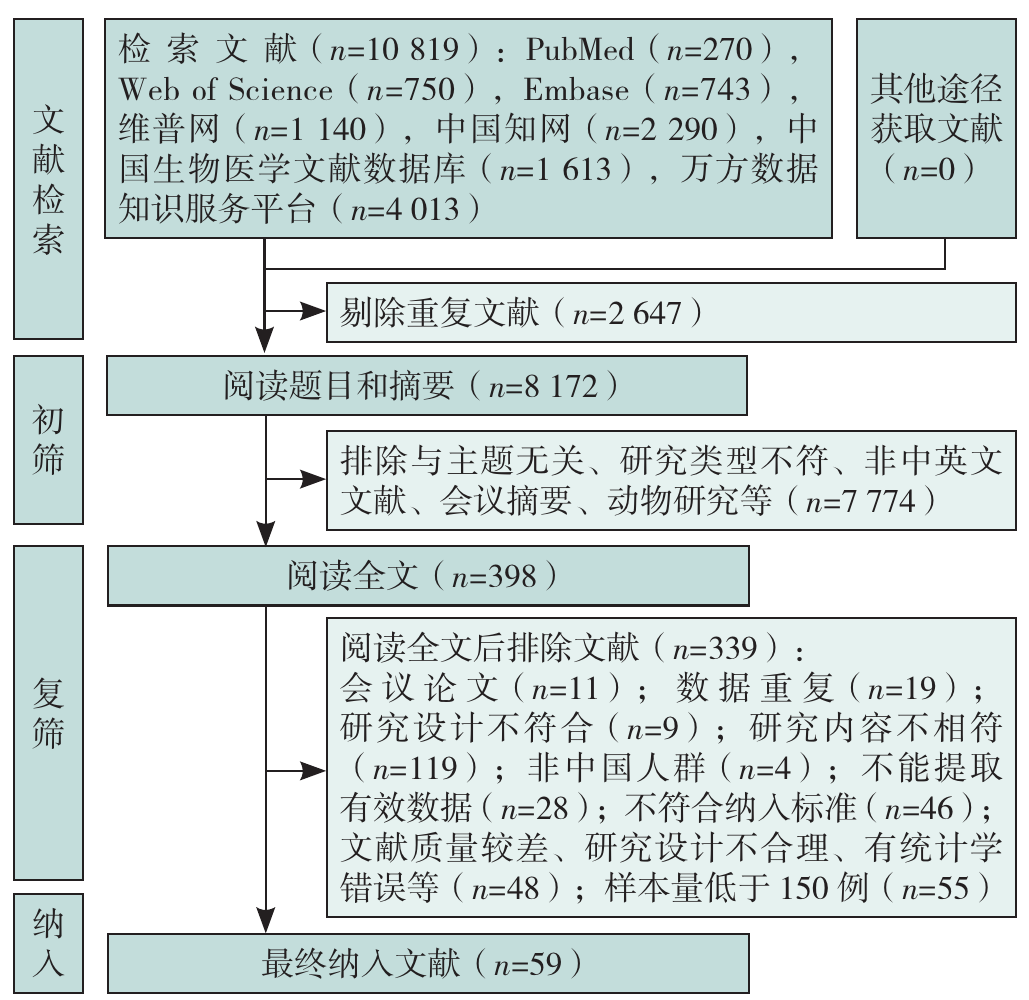
Figure 1 Flow chart of literature screening
| 第一作者 | 发表年份(年) | 地区 | 卒中性质 | 样本量(例) | 病例数(例) | 评估工具 | 研究类型 | 质量评价(分) |
|---|---|---|---|---|---|---|---|---|
| 相久全[ | 2014 | 北京市 | 缺血性 | 213 | 89 | MoCA | 队列研究 | 8 |
| TU[ | 2014 | 湖南省 | 缺血性 | 689 | 288 | MMSE+MoCA | 横断面研究 | 11 |
| 栾丽芹[ | 2015 | 南京市 | 缺血性 | 247 | 57 | MMSE | 横断面研究 | 8 |
| 雷军[ | 2015 | 河北省 | 缺血性 | 237 | 67 | MoCA | 横断面研究 | 9 |
| 何奕涛[ | 2015 | 广东省 | 缺血性 | 400 | 304 | MoCA | 队列研究 | 7 |
| QU[ | 2015 | 北京市、上海市 | 脑卒中 | 599 | 485 | MoCA | 横断面研究 | 10 |
| 周婵娟[ | 2016 | 湖南省 | 缺血性 | 313 | 191 | MMSE+MoCA | 横断面研究 | 10 |
| 叶心国[ | 2016 | 湖北省 | 缺血性 | 228 | 136 | MoCA | 横断面研究 | 10 |
| 李楷[ | 2016 | 甘肃省 | 缺血性 | 480 | 204 | MoCA | 横断面研究 | 9 |
| 曾瑞[ | 2016 | 天津市 | 缺血性 | 491 | 343 | MoCA | 横断面研究 | 10 |
| 何雯[ | 2017 | 北京市 | 缺血性 | 163 | 72 | MMSE | 横断面研究 | 9 |
| 曙光[ | 2017 | 青海省 | 缺血性 | 238 | 62 | MoCA | 横断面研究 | 9 |
| 冯清春[ | 2017 | 海南省 | 缺血性 | 426 | 201 | MMSE | 横断面研究 | 7 |
| 朱慧君[ | 2017 | 北京市 | 缺血性 | 703 | 297 | MMSE+MoCA | 横断面研究 | 9 |
| 刘萍萍[ | 2018 | 四川省 | 缺血性 | 310 | 183 | MoCA | 横断面研究 | 10 |
| 吴昊[ | 2018 | 天津市 | 缺血性 | 165 | 107 | MoCA | 横断面研究 | 9 |
| 关欣[ | 2018 | 北京市 | 缺血性 | 285 | 151 | MMSE+MoCA | 横断面研究 | 9 |
| TU[ | 2018 | 浙江省 | 缺血性 | 327 | 105 | MMSE | 队列研究 | 7 |
| ZHANG[ | 2018 | 内蒙古自治区 | 脑卒中 | 444 | 357 | MoCA | 横断面研究 | 8 |
| 周永志[ | 2019 | 浙江省 | 出血性 | 167 | 86 | MoCA | 队列研究 | 8 |
| 谢宁伟[ | 2019 | 河南省 | 缺血性 | 206 | 146 | MoCA | 横断面研究 | 9 |
| 张洁[ | 2019 | 山东省 | 缺血性 | 288 | 151 | MMSE | 横断面研究 | 9 |
| HOU[ | 2019 | 广东省 | 缺血性 | 261 | 141 | MoCA | 队列研究 | 9 |
| 张雪海[ | 2019 | 海南省 | 缺血性 | 183 | 77 | MMSE | 横断面研究 | 9 |
| MAO[ | 2020 | 上海市 | 缺血性 | 188 | 72 | MoCA | 队列研究 | 7 |
| 黄稀谷[ | 2020 | 江西省 | 缺血性 | 260 | 178 | MoCA | 横断面研究 | 9 |
| 李淑恩[ | 2020 | 广东省 | 缺血性 | 408 | 124 | MMSE | 队列研究 | 8 |
| LI[ | 2020 | 上海市 | 缺血性 | 185 | 163 | MoCA | 队列研究 | 8 |
| JIA[ | 2020 | 河南省 | 缺血性 | 1 019 | 523 | MMSE | 队列研究 | 9 |
| SUN[ | 2020 | 浙江省 | 缺血性 | 274 | 188 | MMSE | 横断面研究 | 9 |
| MENG[ | 2020 | 浙江省 | 缺血性 | 920 | 485 | MMSE | 队列研究 | 6 |
| 郝美美[ | 2021 | 陕西省 | 缺血性 | 495 | 258 | MoCA | 横断面研究 | 9 |
| 廖永凤[ | 2021 | 广西壮族自治区 | 缺血性 | 924 | 496 | MoCA | 横断面研究 | 7 |
| 李万里[ | 2021 | 河南省 | 出血性 | 180 | 60 | MMSE | 队列研究 | 9 |
| 邱晓雪[ | 2021 | 河北省 | 缺血性 | 162 | 78 | MMSE | 病例对照 | 9 |
| ZHANG[ | 2021 | 四川省 | 缺血性 | 198 | 80 | MoCA | 队列研究 | 8 |
| YANG[ | 2021 | 河北省 | 缺血性 | 180 | 96 | MMSE | 病例对照 | 9 |
| DONG[ | 2021 | 上海市 | 缺血性 | 383 | 131 | MoCA | 队列研究 | 9 |
| 陈友红[ | 2022 | 海南省 | 缺血性 | 661 | 238 | MoCA | 队列研究 | 7 |
| 陈昕灏[ | 2022 | 上海市 | 缺血性 | 415 | 178 | MMSE | 队列研究 | 7 |
| 聂毅[ | 2022 | 四川省 | 缺血性 | 255 | 125 | MoCA | 横断面研究 | 8 |
| HUANG[ | 2022 | 江苏省 | 出血性 | 185 | 86 | MoCA | 队列研究 | 7 |
| SHANG[ | 2022 | 吉林省 | 缺血性 | 454 | 253 | MoCA | 队列研究 | 8 |
| 蔡莉[ | 2023 | 浙江省 | 出血性 | 312 | 126 | MMSE | 病例对照 | 9 |
| 刘兴东[ | 2023 | 江苏省 | 出血性 | 195 | 120 | MoCA | 病例对照 | 9 |
| 薛超[ | 2023 | 贵州省 | 缺血性 | 188 | 124 | MMSE | 横断面研究 | 10 |
| XU[ | 2023 | 四川省 | 缺血性 | 311 | 120 | MoCA | 队列研究 | 7 |
| HUANG[ | 2023 | 湖南省 | 缺血性 | 483 | 195 | MMSE | 横断面研究 | 8 |
| 涂舒婷[ | 2024 | 8个省 | 脑卒中 | 402 | 307 | MoCA | 横断面研究 | 11 |
| 陈娟[ | 2024 | 浙江省 | 缺血性 | 281 | 124 | MoCA | 病例对照 | 9 |
| 赵玉婷[ | 2024 | 江苏省 | 缺血性 | 682 | 349 | MoCA | 横断面研究 | 10 |
| 马彩云[ | 2024 | 河北省 | 缺血性 | 176 | 82 | MMSE | 队列研究 | 8 |
| 董凯生[ | 2024 | 北京市 | 缺血性 | 525 | 389 | MoCA | 横断面研究 | 10 |
| LI[ | 2024 | 山东省 | 缺血性 | 180 | 79 | MMSE | 病例对照 | 8 |
| CHU[ | 2024 | 上海市 | 缺血性 | 1 342 | 690 | MMSE | 横断面研究 | 9 |
| LI[ | 2024 | 重庆市 | 出血性 | 167 | 101 | MMSE | 队列研究 | 9 |
| YAN[ | 2024 | 辽宁省 | 缺血性 | 256 | 150 | MoCA | 队列研究 | 8 |
| 周涛[ | 2024 | 新疆维吾尔自治区 | 缺血性 | 220 | 106 | MMSE+MoCA | 横断面研究 | 9 |
| 姬燕梅[ | 2024 | 云南省 | 缺血性 | 175 | 81 | MMSE+MoCA | 横断面研究 | 9 |
Table 2 Characteristics of include articles
| 第一作者 | 发表年份(年) | 地区 | 卒中性质 | 样本量(例) | 病例数(例) | 评估工具 | 研究类型 | 质量评价(分) |
|---|---|---|---|---|---|---|---|---|
| 相久全[ | 2014 | 北京市 | 缺血性 | 213 | 89 | MoCA | 队列研究 | 8 |
| TU[ | 2014 | 湖南省 | 缺血性 | 689 | 288 | MMSE+MoCA | 横断面研究 | 11 |
| 栾丽芹[ | 2015 | 南京市 | 缺血性 | 247 | 57 | MMSE | 横断面研究 | 8 |
| 雷军[ | 2015 | 河北省 | 缺血性 | 237 | 67 | MoCA | 横断面研究 | 9 |
| 何奕涛[ | 2015 | 广东省 | 缺血性 | 400 | 304 | MoCA | 队列研究 | 7 |
| QU[ | 2015 | 北京市、上海市 | 脑卒中 | 599 | 485 | MoCA | 横断面研究 | 10 |
| 周婵娟[ | 2016 | 湖南省 | 缺血性 | 313 | 191 | MMSE+MoCA | 横断面研究 | 10 |
| 叶心国[ | 2016 | 湖北省 | 缺血性 | 228 | 136 | MoCA | 横断面研究 | 10 |
| 李楷[ | 2016 | 甘肃省 | 缺血性 | 480 | 204 | MoCA | 横断面研究 | 9 |
| 曾瑞[ | 2016 | 天津市 | 缺血性 | 491 | 343 | MoCA | 横断面研究 | 10 |
| 何雯[ | 2017 | 北京市 | 缺血性 | 163 | 72 | MMSE | 横断面研究 | 9 |
| 曙光[ | 2017 | 青海省 | 缺血性 | 238 | 62 | MoCA | 横断面研究 | 9 |
| 冯清春[ | 2017 | 海南省 | 缺血性 | 426 | 201 | MMSE | 横断面研究 | 7 |
| 朱慧君[ | 2017 | 北京市 | 缺血性 | 703 | 297 | MMSE+MoCA | 横断面研究 | 9 |
| 刘萍萍[ | 2018 | 四川省 | 缺血性 | 310 | 183 | MoCA | 横断面研究 | 10 |
| 吴昊[ | 2018 | 天津市 | 缺血性 | 165 | 107 | MoCA | 横断面研究 | 9 |
| 关欣[ | 2018 | 北京市 | 缺血性 | 285 | 151 | MMSE+MoCA | 横断面研究 | 9 |
| TU[ | 2018 | 浙江省 | 缺血性 | 327 | 105 | MMSE | 队列研究 | 7 |
| ZHANG[ | 2018 | 内蒙古自治区 | 脑卒中 | 444 | 357 | MoCA | 横断面研究 | 8 |
| 周永志[ | 2019 | 浙江省 | 出血性 | 167 | 86 | MoCA | 队列研究 | 8 |
| 谢宁伟[ | 2019 | 河南省 | 缺血性 | 206 | 146 | MoCA | 横断面研究 | 9 |
| 张洁[ | 2019 | 山东省 | 缺血性 | 288 | 151 | MMSE | 横断面研究 | 9 |
| HOU[ | 2019 | 广东省 | 缺血性 | 261 | 141 | MoCA | 队列研究 | 9 |
| 张雪海[ | 2019 | 海南省 | 缺血性 | 183 | 77 | MMSE | 横断面研究 | 9 |
| MAO[ | 2020 | 上海市 | 缺血性 | 188 | 72 | MoCA | 队列研究 | 7 |
| 黄稀谷[ | 2020 | 江西省 | 缺血性 | 260 | 178 | MoCA | 横断面研究 | 9 |
| 李淑恩[ | 2020 | 广东省 | 缺血性 | 408 | 124 | MMSE | 队列研究 | 8 |
| LI[ | 2020 | 上海市 | 缺血性 | 185 | 163 | MoCA | 队列研究 | 8 |
| JIA[ | 2020 | 河南省 | 缺血性 | 1 019 | 523 | MMSE | 队列研究 | 9 |
| SUN[ | 2020 | 浙江省 | 缺血性 | 274 | 188 | MMSE | 横断面研究 | 9 |
| MENG[ | 2020 | 浙江省 | 缺血性 | 920 | 485 | MMSE | 队列研究 | 6 |
| 郝美美[ | 2021 | 陕西省 | 缺血性 | 495 | 258 | MoCA | 横断面研究 | 9 |
| 廖永凤[ | 2021 | 广西壮族自治区 | 缺血性 | 924 | 496 | MoCA | 横断面研究 | 7 |
| 李万里[ | 2021 | 河南省 | 出血性 | 180 | 60 | MMSE | 队列研究 | 9 |
| 邱晓雪[ | 2021 | 河北省 | 缺血性 | 162 | 78 | MMSE | 病例对照 | 9 |
| ZHANG[ | 2021 | 四川省 | 缺血性 | 198 | 80 | MoCA | 队列研究 | 8 |
| YANG[ | 2021 | 河北省 | 缺血性 | 180 | 96 | MMSE | 病例对照 | 9 |
| DONG[ | 2021 | 上海市 | 缺血性 | 383 | 131 | MoCA | 队列研究 | 9 |
| 陈友红[ | 2022 | 海南省 | 缺血性 | 661 | 238 | MoCA | 队列研究 | 7 |
| 陈昕灏[ | 2022 | 上海市 | 缺血性 | 415 | 178 | MMSE | 队列研究 | 7 |
| 聂毅[ | 2022 | 四川省 | 缺血性 | 255 | 125 | MoCA | 横断面研究 | 8 |
| HUANG[ | 2022 | 江苏省 | 出血性 | 185 | 86 | MoCA | 队列研究 | 7 |
| SHANG[ | 2022 | 吉林省 | 缺血性 | 454 | 253 | MoCA | 队列研究 | 8 |
| 蔡莉[ | 2023 | 浙江省 | 出血性 | 312 | 126 | MMSE | 病例对照 | 9 |
| 刘兴东[ | 2023 | 江苏省 | 出血性 | 195 | 120 | MoCA | 病例对照 | 9 |
| 薛超[ | 2023 | 贵州省 | 缺血性 | 188 | 124 | MMSE | 横断面研究 | 10 |
| XU[ | 2023 | 四川省 | 缺血性 | 311 | 120 | MoCA | 队列研究 | 7 |
| HUANG[ | 2023 | 湖南省 | 缺血性 | 483 | 195 | MMSE | 横断面研究 | 8 |
| 涂舒婷[ | 2024 | 8个省 | 脑卒中 | 402 | 307 | MoCA | 横断面研究 | 11 |
| 陈娟[ | 2024 | 浙江省 | 缺血性 | 281 | 124 | MoCA | 病例对照 | 9 |
| 赵玉婷[ | 2024 | 江苏省 | 缺血性 | 682 | 349 | MoCA | 横断面研究 | 10 |
| 马彩云[ | 2024 | 河北省 | 缺血性 | 176 | 82 | MMSE | 队列研究 | 8 |
| 董凯生[ | 2024 | 北京市 | 缺血性 | 525 | 389 | MoCA | 横断面研究 | 10 |
| LI[ | 2024 | 山东省 | 缺血性 | 180 | 79 | MMSE | 病例对照 | 8 |
| CHU[ | 2024 | 上海市 | 缺血性 | 1 342 | 690 | MMSE | 横断面研究 | 9 |
| LI[ | 2024 | 重庆市 | 出血性 | 167 | 101 | MMSE | 队列研究 | 9 |
| YAN[ | 2024 | 辽宁省 | 缺血性 | 256 | 150 | MoCA | 队列研究 | 8 |
| 周涛[ | 2024 | 新疆维吾尔自治区 | 缺血性 | 220 | 106 | MMSE+MoCA | 横断面研究 | 9 |
| 姬燕梅[ | 2024 | 云南省 | 缺血性 | 175 | 81 | MMSE+MoCA | 横断面研究 | 9 |
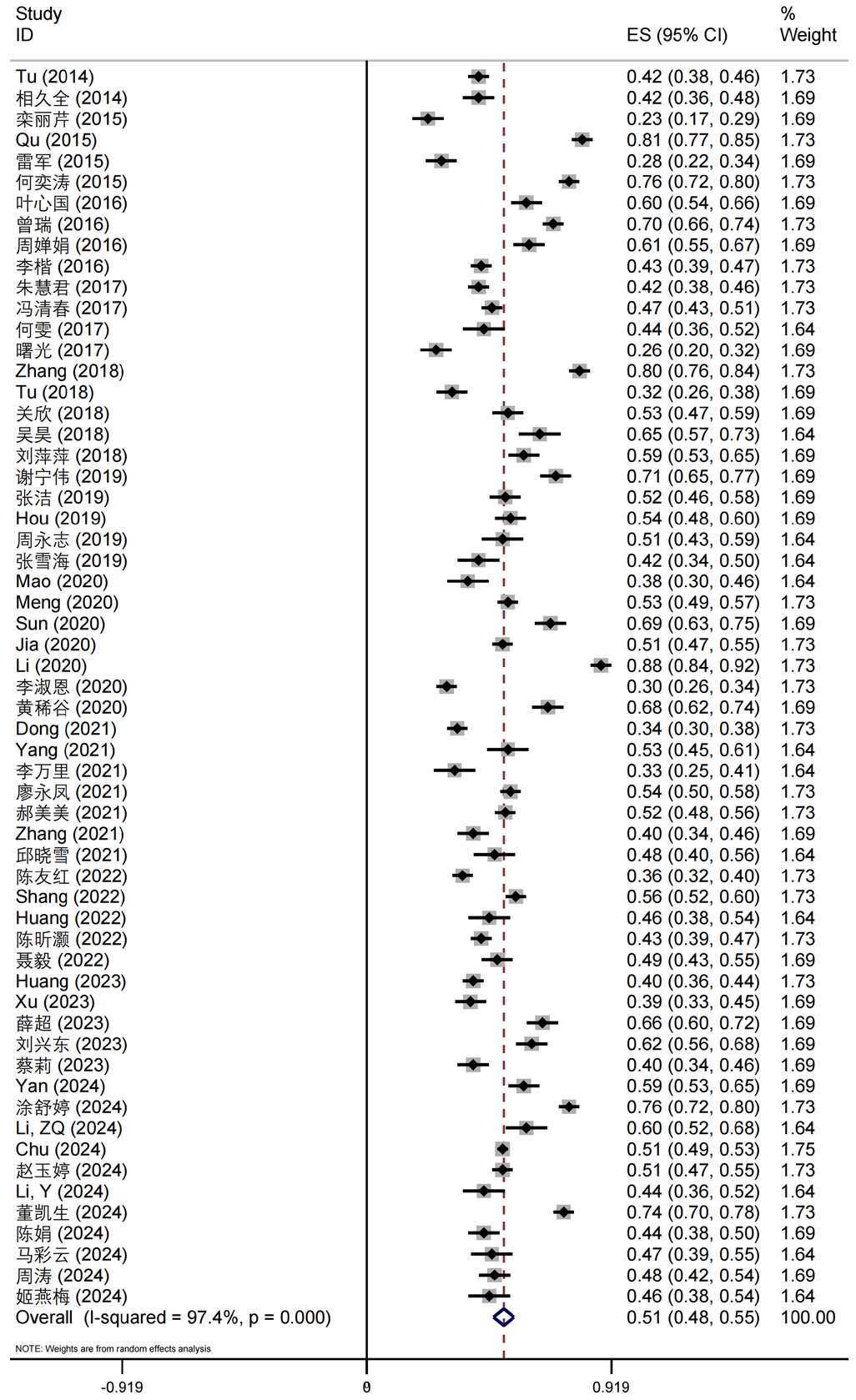
Figure 2 Forest plot of prevalence of PSCI in China of meta-analysis
| 亚组 | 纳入研究数量(篇) | 异质性检验结果 | 效应模型 | 患病率(95%CI) | χ2(χ2趋势)值 | P值 | |
|---|---|---|---|---|---|---|---|
| I2值(%) | P值 | ||||||
| 性别 | 56.172 | <0.010 | |||||
| 男 | 59[ | 96.5 | <0.01 | 随机 | 50%(46%~54%) | ||
| 女 | 59[ | 95.2 | <0.01 | 随机 | 56%(51%~60%) | ||
| 年龄 | 73.805 | <0.010 | |||||
| <60岁 | 10[ | 88.5 | <0.01 | 随机 | 47%(40%~55%) | ||
| ≥60岁 | 18[ | 97.7 | <0.01 | 随机 | 59%(50%~67%) | ||
| 地区 | 74.701 | <0.010 | |||||
| 华东 | 18[ | 97.5 | <0.01 | 随机 | 49%(42%~56%) | ||
| 华南 | 7[ | 98.2 | <0.01 | 随机 | 48%(36%~61%) | ||
| 华北 | 12[ | 96.7 | <0.01 | 随机 | 53%(44%~62%) | ||
| 华中 | 6[ | 93.4 | <0.01 | 随机 | 48%(40%~56%) | ||
| 东北 | 2[ | 0 | <0.01 | 固定 | 57%(54%~60%) | ||
| 西北 | 4[ | 94.4 | <0.01 | 随机 | 42%(32%~52%) | ||
| 西南 | 7[ | 91.3 | <0.01 | 随机 | 51%(43%~59%) | ||
| 脑卒中性质 | 3.504 | 0.061 | |||||
| 出血性 | 7[ | 95.7 | <0.01 | 随机 | 54%(41%~67%) | ||
| 缺血性 | 51[ | 97.6 | <0.01 | 随机 | 52%(48%~56%) | ||
| 评估时间 | 186.504 | 0.010 | |||||
| ≤2周 | 26[ | 97.8 | <0.01 | 随机 | 52%(45%~58%) | ||
| >2周~3个月 | 16[ | 96.1 | <0.01 | 随机 | 52%(45%~58%) | ||
| >3~6个月 | 9[ | 81.5 | <0.01 | 随机 | 40%(35%~44%) | ||
| >6个月 | 7[ | 97.4 | <0.01 | 随机 | 56%(43%~70%) | ||
| 评估工具 | 185.044 | <0.010 | |||||
| MMSE | 21[ | 94.1 | <0.01 | 随机 | 46%(42%~50%) | ||
| MoCA | 32[ | 97.9 | <0.01 | 随机 | 55%(49%~61%) | ||
| MMSE+MoCA | 6[ | 87.0 | <0.01 | 随机 | 49%(43%~54%) | ||
| 受教育程度 | 164.711a | <0.010 | |||||
| 小学及以下 | 25[ | 97.5 | <0.01 | 随机 | 63%(55%~71%) | ||
| 初高中 | 14[ | 97.9 | <0.01 | 随机 | 50%(38%~63%) | ||
| 大专及以上 | 18[ | 90.5 | <0.01 | 随机 | 42%(34%~51%) | ||
| 婚姻状况 | 7.141 | <0.010 | |||||
| 已婚 | 11[ | 98.3 | <0.01 | 随机 | 57%(46%~68%) | ||
| 单身 | 11[ | 92.2 | <0.01 | 随机 | 64%(52%~75%) | ||
| 工作状况 | 3.398 | 0.065 | |||||
| 有工作 | 4[ | 92.4 | <0.01 | 随机 | 64%(44%~84%) | ||
| 无业 | 4[ | 96.6 | <0.01 | 随机 | 71%(56%~87%) | ||
| 劳动情况 | 3.683 | 0.055 | |||||
| 脑力劳动 | 5[ | 95.7 | <0.01 | 随机 | 48%(33%~64%) | ||
| 体力劳动 | 5[ | 99.0 | <0.01 | 随机 | 53%(30%~76%) | ||
| 居住情况 | 4.163 | 0.041 | |||||
| 与家人同住 | 5[ | 98.8 | <0.01 | 随机 | 62%(43%~82%) | ||
| 独居 | 5[ | 52.7 | <0.01 | 随机 | 71%(62%~81%) | ||
Table 3 Meta-analysis results of the prevalence of PSCI in China
| 亚组 | 纳入研究数量(篇) | 异质性检验结果 | 效应模型 | 患病率(95%CI) | χ2(χ2趋势)值 | P值 | |
|---|---|---|---|---|---|---|---|
| I2值(%) | P值 | ||||||
| 性别 | 56.172 | <0.010 | |||||
| 男 | 59[ | 96.5 | <0.01 | 随机 | 50%(46%~54%) | ||
| 女 | 59[ | 95.2 | <0.01 | 随机 | 56%(51%~60%) | ||
| 年龄 | 73.805 | <0.010 | |||||
| <60岁 | 10[ | 88.5 | <0.01 | 随机 | 47%(40%~55%) | ||
| ≥60岁 | 18[ | 97.7 | <0.01 | 随机 | 59%(50%~67%) | ||
| 地区 | 74.701 | <0.010 | |||||
| 华东 | 18[ | 97.5 | <0.01 | 随机 | 49%(42%~56%) | ||
| 华南 | 7[ | 98.2 | <0.01 | 随机 | 48%(36%~61%) | ||
| 华北 | 12[ | 96.7 | <0.01 | 随机 | 53%(44%~62%) | ||
| 华中 | 6[ | 93.4 | <0.01 | 随机 | 48%(40%~56%) | ||
| 东北 | 2[ | 0 | <0.01 | 固定 | 57%(54%~60%) | ||
| 西北 | 4[ | 94.4 | <0.01 | 随机 | 42%(32%~52%) | ||
| 西南 | 7[ | 91.3 | <0.01 | 随机 | 51%(43%~59%) | ||
| 脑卒中性质 | 3.504 | 0.061 | |||||
| 出血性 | 7[ | 95.7 | <0.01 | 随机 | 54%(41%~67%) | ||
| 缺血性 | 51[ | 97.6 | <0.01 | 随机 | 52%(48%~56%) | ||
| 评估时间 | 186.504 | 0.010 | |||||
| ≤2周 | 26[ | 97.8 | <0.01 | 随机 | 52%(45%~58%) | ||
| >2周~3个月 | 16[ | 96.1 | <0.01 | 随机 | 52%(45%~58%) | ||
| >3~6个月 | 9[ | 81.5 | <0.01 | 随机 | 40%(35%~44%) | ||
| >6个月 | 7[ | 97.4 | <0.01 | 随机 | 56%(43%~70%) | ||
| 评估工具 | 185.044 | <0.010 | |||||
| MMSE | 21[ | 94.1 | <0.01 | 随机 | 46%(42%~50%) | ||
| MoCA | 32[ | 97.9 | <0.01 | 随机 | 55%(49%~61%) | ||
| MMSE+MoCA | 6[ | 87.0 | <0.01 | 随机 | 49%(43%~54%) | ||
| 受教育程度 | 164.711a | <0.010 | |||||
| 小学及以下 | 25[ | 97.5 | <0.01 | 随机 | 63%(55%~71%) | ||
| 初高中 | 14[ | 97.9 | <0.01 | 随机 | 50%(38%~63%) | ||
| 大专及以上 | 18[ | 90.5 | <0.01 | 随机 | 42%(34%~51%) | ||
| 婚姻状况 | 7.141 | <0.010 | |||||
| 已婚 | 11[ | 98.3 | <0.01 | 随机 | 57%(46%~68%) | ||
| 单身 | 11[ | 92.2 | <0.01 | 随机 | 64%(52%~75%) | ||
| 工作状况 | 3.398 | 0.065 | |||||
| 有工作 | 4[ | 92.4 | <0.01 | 随机 | 64%(44%~84%) | ||
| 无业 | 4[ | 96.6 | <0.01 | 随机 | 71%(56%~87%) | ||
| 劳动情况 | 3.683 | 0.055 | |||||
| 脑力劳动 | 5[ | 95.7 | <0.01 | 随机 | 48%(33%~64%) | ||
| 体力劳动 | 5[ | 99.0 | <0.01 | 随机 | 53%(30%~76%) | ||
| 居住情况 | 4.163 | 0.041 | |||||
| 与家人同住 | 5[ | 98.8 | <0.01 | 随机 | 62%(43%~82%) | ||
| 独居 | 5[ | 52.7 | <0.01 | 随机 | 71%(62%~81%) | ||
| 省级行政区 | 纳入研究数量(篇) | 样本量(例) | 患病率(95%CI) |
|---|---|---|---|
| 北京市 | 5[ | 1 889 | 51%(37%~66%) |
| 甘肃省 | 1[ | 480 | 43%(39%~47%) |
| 广东省 | 3[ | 1 069 | 53%(24%~83%) |
| 广西壮族自治区 | 1[ | 924 | 54%(50%~58%) |
| 贵州省 | 1[ | 188 | 66%(60%~72%) |
| 海南省 | 3[ | 1 270 | 42%(34%~49%) |
| 河北省 | 4[ | 755 | 44%(32%~56%) |
| 河南省 | 3[ | 1 405 | 52%(34%~70%) |
| 湖北省 | 1[ | 228 | 60%(54%~66%) |
| 湖南省 | 3[ | 1 485 | 47%(36%~59%) |
| 吉林省 | 1[ | 454 | 56%(52%~60%) |
| 江苏省 | 4[ | 1 309 | 46%(30%~61%) |
| 江西省 | 1[ | 260 | 68%(62%~74%) |
| 辽宁省 | 1[ | 256 | 59%(53%~65%) |
| 内蒙古自治区 | 1[ | 444 | 80%(76%~84%) |
| 青海省 | 1[ | 238 | 26%(20%~32%) |
| 山东省 | 2[ | 468 | 48%(41%~56%) |
| 陕西省 | 1[ | 495 | 52%(48%~56%) |
| 上海市 | 5[ | 2 513 | 51%(34%~68%) |
| 四川省 | 5[ | 1 241 | 49%(41%~58%) |
| 天津市 | 2[ | 656 | 69%(64%~73%) |
| 浙江省 | 6[ | 2 281 | 48%(38%~58%) |
| 新疆维吾尔自治区 | 1[ | 220 | 48%(42%~54%) |
| 云南省 | 1[ | 175 | 46%(38%~54%) |
Table 4 Prevalence of PSCI in 24 provincial-level administrative regions
| 省级行政区 | 纳入研究数量(篇) | 样本量(例) | 患病率(95%CI) |
|---|---|---|---|
| 北京市 | 5[ | 1 889 | 51%(37%~66%) |
| 甘肃省 | 1[ | 480 | 43%(39%~47%) |
| 广东省 | 3[ | 1 069 | 53%(24%~83%) |
| 广西壮族自治区 | 1[ | 924 | 54%(50%~58%) |
| 贵州省 | 1[ | 188 | 66%(60%~72%) |
| 海南省 | 3[ | 1 270 | 42%(34%~49%) |
| 河北省 | 4[ | 755 | 44%(32%~56%) |
| 河南省 | 3[ | 1 405 | 52%(34%~70%) |
| 湖北省 | 1[ | 228 | 60%(54%~66%) |
| 湖南省 | 3[ | 1 485 | 47%(36%~59%) |
| 吉林省 | 1[ | 454 | 56%(52%~60%) |
| 江苏省 | 4[ | 1 309 | 46%(30%~61%) |
| 江西省 | 1[ | 260 | 68%(62%~74%) |
| 辽宁省 | 1[ | 256 | 59%(53%~65%) |
| 内蒙古自治区 | 1[ | 444 | 80%(76%~84%) |
| 青海省 | 1[ | 238 | 26%(20%~32%) |
| 山东省 | 2[ | 468 | 48%(41%~56%) |
| 陕西省 | 1[ | 495 | 52%(48%~56%) |
| 上海市 | 5[ | 2 513 | 51%(34%~68%) |
| 四川省 | 5[ | 1 241 | 49%(41%~58%) |
| 天津市 | 2[ | 656 | 69%(64%~73%) |
| 浙江省 | 6[ | 2 281 | 48%(38%~58%) |
| 新疆维吾尔自治区 | 1[ | 220 | 48%(42%~54%) |
| 云南省 | 1[ | 175 | 46%(38%~54%) |
| 发表年份(年) | 纳入研究数量(篇) | 样本量(例) | 患病率(95%CI) |
|---|---|---|---|
| 2014 | 2[ | 902 | 42%(39%~45%) |
| 2015 | 4[ | 1 483 | 52%(24%~81%) |
| 2016 | 4[ | 1 512 | 58%(45%~72%) |
| 2017 | 4[ | 1 530 | 40%(31%~48%) |
| 2018 | 5[ | 1 531 | 58%(40%~75%) |
| 2019 | 5[ | 1 105 | 54%(45%~64%) |
| 2020 | 7[ | 3 254 | 57%(41%~73%) |
| 2021 | 7[ | 2 522 | 45%(38%~52%) |
| 2022 | 5[ | 1 970 | 46%(38%~54%) |
| 2023 | 5[ | 1 489 | 49%(38%~61%) |
| 2024 | 11[ | 4 406 | 55%(48%~62%) |
Table 5 Prevalence of PSCI in China from January 2014 to November in 2024
| 发表年份(年) | 纳入研究数量(篇) | 样本量(例) | 患病率(95%CI) |
|---|---|---|---|
| 2014 | 2[ | 902 | 42%(39%~45%) |
| 2015 | 4[ | 1 483 | 52%(24%~81%) |
| 2016 | 4[ | 1 512 | 58%(45%~72%) |
| 2017 | 4[ | 1 530 | 40%(31%~48%) |
| 2018 | 5[ | 1 531 | 58%(40%~75%) |
| 2019 | 5[ | 1 105 | 54%(45%~64%) |
| 2020 | 7[ | 3 254 | 57%(41%~73%) |
| 2021 | 7[ | 2 522 | 45%(38%~52%) |
| 2022 | 5[ | 1 970 | 46%(38%~54%) |
| 2023 | 5[ | 1 489 | 49%(38%~61%) |
| 2024 | 11[ | 4 406 | 55%(48%~62%) |
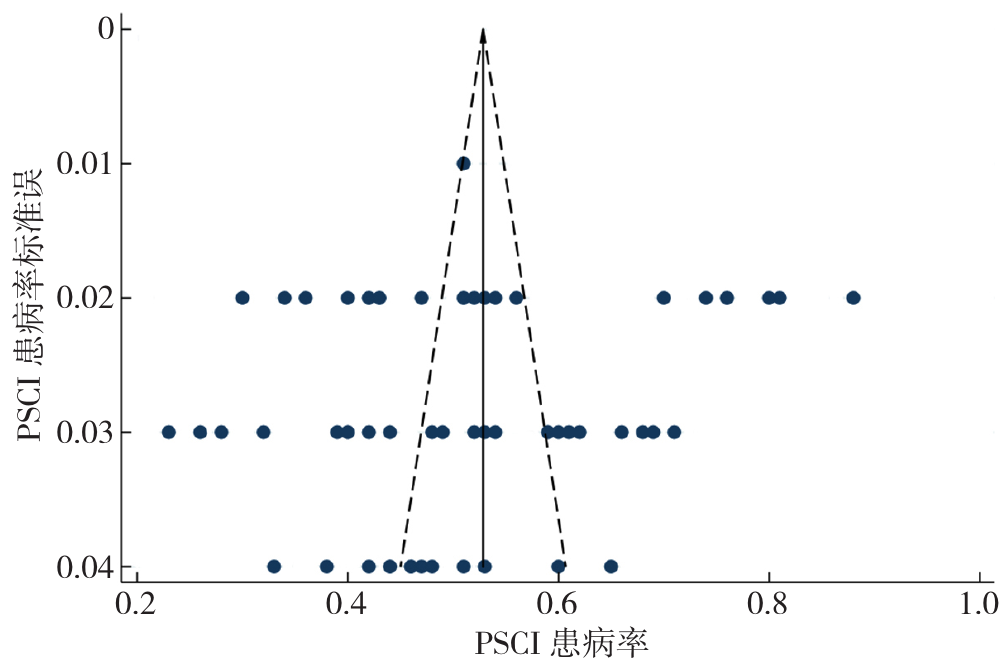
Figure 3 Meta-analysis funnel plot of PSCI prevalence in China
| 影响因素 | 纳入研究数量(篇) | 样本量(例) | 异质性 | 合并效应量OR(95%CI) | P值 | ||
|---|---|---|---|---|---|---|---|
| PSCI | 非PSCI | I2值(%) | 模型选择 | ||||
| 年龄 | 33[ | 6 285 | 6 727 | 89 | 随机 | 1.08(1.05~1.11) | <0.01 |
| 女性 | 7[ | 2 103 | 2 119 | 63 | 随机 | 1.65(1.22~2.23) | <0.01 |
| 受教育程度 | 28[ | 6 269 | 5 621 | 91 | 随机 | 0.71(0.63~0.79) | <0.01 |
| 高血压 | 15[ | 2 964 | 3 131 | 79 | 随机 | 2.01(1.55~2.60) | <0.01 |
| 糖尿病 | 17[ | 3 789 | 3 858 | 76 | 随机 | 2.03(1.64~2.52) | <0.01 |
| 冠心病 | 3[ | 938 | 658 | 0 | 固定 | 1.03(0.91~1.17) | 0.66 |
| 高脂血症 | 5[ | 1 542 | 1 268 | 43 | 固定 | 1.55(1.41~1.71) | <0.01 |
| 卒中史 | 12[ | 1 591 | 1 856 | 1 | 固定 | 2.56(2.11~3.10) | <0.01 |
| 尿酸 | 4[ | 462 | 455 | 88 | 随机 | 1.00(0.99~1.01) | 0.85 |
| 颈动脉斑块 | 4[ | 763 | 777 | 0 | 固定 | 1.76(1.45~2.14) | <0.01 |
| 高同型半胱氨酸 | 15[ | 2 440 | 2 203 | 81 | 随机 | 1.10(1.04~1.17) | <0.01 |
| 血红蛋白 | 3[ | 755 | 652 | 78 | 随机 | 1.38(0.87~2.20) | 0.18 |
| C反应蛋白 | 5[ | 465 | 626 | 74 | 随机 | 1.14(1.01~1.28) | 0.04 |
| 吸烟 | 9[ | 2 824 | 2 840 | 63 | 随机 | 1.63(1.29~2.06) | <0.01 |
| 饮酒 | 7[ | 2 131 | 2 031 | 13 | 固定 | 2.11(1.74~2.57) | <0.01 |
| 体育锻炼 | 3[ | 1 035 | 672 | 0 | 固定 | 0.71(0.61~0.82) | <0.01 |
| NIHSS评分 | 19[ | 3 329 | 3 900 | 77 | 随机 | 1.20(1.14~1.27) | <0.01 |
Table 6 Meta-analysis results of the influencing factors of PSCI in China
| 影响因素 | 纳入研究数量(篇) | 样本量(例) | 异质性 | 合并效应量OR(95%CI) | P值 | ||
|---|---|---|---|---|---|---|---|
| PSCI | 非PSCI | I2值(%) | 模型选择 | ||||
| 年龄 | 33[ | 6 285 | 6 727 | 89 | 随机 | 1.08(1.05~1.11) | <0.01 |
| 女性 | 7[ | 2 103 | 2 119 | 63 | 随机 | 1.65(1.22~2.23) | <0.01 |
| 受教育程度 | 28[ | 6 269 | 5 621 | 91 | 随机 | 0.71(0.63~0.79) | <0.01 |
| 高血压 | 15[ | 2 964 | 3 131 | 79 | 随机 | 2.01(1.55~2.60) | <0.01 |
| 糖尿病 | 17[ | 3 789 | 3 858 | 76 | 随机 | 2.03(1.64~2.52) | <0.01 |
| 冠心病 | 3[ | 938 | 658 | 0 | 固定 | 1.03(0.91~1.17) | 0.66 |
| 高脂血症 | 5[ | 1 542 | 1 268 | 43 | 固定 | 1.55(1.41~1.71) | <0.01 |
| 卒中史 | 12[ | 1 591 | 1 856 | 1 | 固定 | 2.56(2.11~3.10) | <0.01 |
| 尿酸 | 4[ | 462 | 455 | 88 | 随机 | 1.00(0.99~1.01) | 0.85 |
| 颈动脉斑块 | 4[ | 763 | 777 | 0 | 固定 | 1.76(1.45~2.14) | <0.01 |
| 高同型半胱氨酸 | 15[ | 2 440 | 2 203 | 81 | 随机 | 1.10(1.04~1.17) | <0.01 |
| 血红蛋白 | 3[ | 755 | 652 | 78 | 随机 | 1.38(0.87~2.20) | 0.18 |
| C反应蛋白 | 5[ | 465 | 626 | 74 | 随机 | 1.14(1.01~1.28) | 0.04 |
| 吸烟 | 9[ | 2 824 | 2 840 | 63 | 随机 | 1.63(1.29~2.06) | <0.01 |
| 饮酒 | 7[ | 2 131 | 2 031 | 13 | 固定 | 2.11(1.74~2.57) | <0.01 |
| 体育锻炼 | 3[ | 1 035 | 672 | 0 | 固定 | 0.71(0.61~0.82) | <0.01 |
| NIHSS评分 | 19[ | 3 329 | 3 900 | 77 | 随机 | 1.20(1.14~1.27) | <0.01 |
| [1] |
|
| [2] |
|
| [3] |
汪凯,董强,郁金泰,等. 卒中后认知障碍管理专家共识2021[J]. 中国卒中杂志, 2021, 16(4): 376-389.
|
| [4] |
|
| [5] |
陆银,吴春燕,车彦军,等. 神经科医护人员对脑卒中认知障碍管理知识及行为的调查分析[J]. 现代医药卫生, 2022, 38(13): 2222-2227.
|
| [6] |
|
| [7] |
曾宪涛,刘慧,陈曦,等. Meta分析系列之四:观察性研究的质量评价工具[J]. 中国循证心血管医学杂志, 2012, 4(4): 297-299. DOI: 10.3969/j.1674-4055.2012.04.004.
|
| [8] |
薛超,李娟,方茜,等. 中国卒中后疲劳患病率及发展趋势的Meta分析[J]. 中国全科医学, 2024, 27(3): 364-374.
|
| [9] |
|
| [10] |
蹇秋枫,徐荣华,姚倩,等. 中国老年脑卒中患者认知障碍患病率和影响因素的Meta分析[J]. 中国全科医学, 2023, 26(32): 4070-4079, 4088. DOI: 10.12114/j.issn.1007-9572.2023.0212.
|
| [11] |
涂舒婷,林嘉滢,庄金阳,等. 脑卒中后认知障碍发病现状及相关因素分析:一项基于脑卒中全周期康复的多中心横断面研究[J]. 中国全科医学, 2024, 27(23): 2829-2837. DOI: 10.12114/j.issn.1007-9572.2023.0784.
|
| [12] |
相久全,汪立君. 缺血性脑卒中后早期发生血管性认知功能障碍的相关因素分析[J]. 中国当代医药, 2014, 21(27): 21-24, 27.
|
| [13] |
|
| [14] |
栾丽芹. 急性脑梗死后认知功能障碍的相关危险因素分析[J]. 中国实用神经疾病杂志, 2015, 18(3): 45-47. DOI: 10.3969/j.issn.1673-5110.2015.03.025.
|
| [15] |
雷军,王淑娟,刘业松,等. 老年脑梗死后认知障碍发生的危险因素分析[J]. 中国综合临床, 2015, 31(2): 114-117. DOI: 10.3760/cma.j.issn.1008-6315.2015.02.006.
|
| [16] |
何奕涛,郭毅. 急性脑梗死后认知功能障碍与血同型半胱氨酸的相关性[J]. 广东医学, 2015, 36(11): 1678-1681. DOI: 10.13820/j.cnki.gdyx.2015.11.012.
|
| [17] |
|
| [18] |
周婵娟. 缺血性脑卒中患者急性期认知功能特点及相关危险因素研究[D]. 衡阳: 南华大学, 2016.
|
| [19] |
叶心国,李景,李涛. 血浆同型半胱氨酸与急性脑梗死后认知功能障碍的相关性研究[J]. 蚌埠医学院学报, 2016, 41(11): 1462-1464. DOI: 10.13898/j.cnki.issn.1000-2200.2016.11.018.
|
| [20] |
李楷,吕云利,刘吉耀,等. 急性脑梗死患者血清淀粉样蛋白A与认知功能障碍的相关性研究[J]. 卒中与神经疾病, 2016, 23(5): 314-317. DOI: 10.3969/j.issn.1007-0478.2016.05.002.
|
| [21] |
曾瑞,李春芳,刘蕾,等. 急性缺血性卒中患者血管性认知障碍及其亚型的相关因素分析[J]. 中国卒中杂志, 2016, 11(4): 255-261.
|
| [22] |
何雯,刘艳云,李莉娜,等. 急性缺血性卒中后认知功能障碍危险因素分析[J]. 脑与神经疾病杂志, 2017, 25(11): 699-703.
|
| [23] |
曙光,牛小丽. 急性脑梗死患者认知障碍的相关因素分析及预防对策[J]. 陕西医学杂志, 2017, 46(12): 1674-1675. DOI: 10.3969/j.issn.1000-7377.2017.12.022.
|
| [24] |
冯清春,黄达,胡少敏,等. 高龄急性缺血性脑卒中患者认知功能障碍影响因素的Logistic回归分析[J]. 中华疾病控制杂志, 2017, 21(8): 822-826. DOI: 10.16462/j.cnki.zhjbkz.2017.08.017.
|
| [25] |
朱慧君,刘伟,孙淑娟,等. 北京市某社区脑卒中人群非痴呆型血管性认知功能障碍调查研究[J]. 中国预防医学杂志, 2017, 18(7): 559-561. DOI: 10.16506/j.1009-6639.2017.07.019.
|
| [26] |
刘萍萍,季一飞,龙继发,等. 缺血性脑卒中患者非急性期血管性认知功能障碍的影响因素分析[J]. 中国病案, 2018, 19(12): 93-96.
|
| [27] |
吴昊,纪勇. 青年卒中后认知障碍的危险因素分析[J]. 中国卒中杂志, 2018, 13(11): 1134-1138.
|
| [28] |
关欣,王军. 缺血性脑卒中非急性期血管性认知障碍影响因素分析[J]. 护理研究, 2018, 32(9): 1468-1472. DOI: 10.12102/j.issn.1009-6493.2018.09.036.
|
| [29] |
|
| [30] |
|
| [31] |
周永志,张小兵,王建莉,等. 颅内动脉瘤性蛛网膜下腔出血后认知障碍及影响因素分析[J]. 浙江医学, 2019, 41(18): 1975-1977, 1982. DOI: 10.12056/j.issn.1006-2785.2019.41.18.2019-898.
|
| [32] |
谢宁伟,靳茜茜,刘琳. 首发急性缺血性脑卒中患者认知功能障碍与抑郁状态的相关因素[J]. 实用临床医药杂志, 2019, 23(15): 1-4.
|
| [33] |
张洁,李伟,张亚红,等. 急性缺血性脑卒中后患者认知功能障碍的相关因素研究[J]. 中国临床神经科学, 2019, 27(3): 259-266.
|
| [34] |
|
| [35] |
张雪海,周少珑,张倩. 急性脑梗死患者认知功能障碍危险因素及预防策略[J]. 中国老年学杂志, 2019, 39(14): 3366-3368. DOI: 10.3969/j.issn.1005-9202.2019.14.008.
|
| [36] |
黄稀谷,熊晶,杨洲. 急性轻中度脑梗死患者认知功能障碍的危险因素分析[J]. 实用临床医学, 2020, 21(12): 12-14. DOI: 10.13764/j.cnki.lcsy.2020.12.004.
|
| [37] |
李淑恩,郑伟城,林显仙,等. 脑梗死急性期低白蛋白血症与卒中后认知障碍相关性研究[J]. 中国神经精神疾病杂志, 2020, 46(2): 75-79. DOI: 10.3969/j.issn.1002-0152.2020.02.003.
|
| [38] |
|
| [39] |
|
| [40] |
|
| [41] |
|
| [42] |
|
| [43] |
郝美美,郑方,康志霞,等. 延安地区急性缺血性脑卒中患者认知障碍的危险因素分析[J]. 临床医学研究与实践, 2021, 6(28): 40-42, 56. DOI: 10.19347/j.cnki.2096-1413.202128012.
|
| [44] |
廖永凤,温玉媚,邓艳丽,等. 急性脑梗死后认知功能障碍特征及影响因素分析[J]. 华南预防医学, 2021, 47(8): 1024-1026. DOI: 10.12183/j.scjpm.2021.1024.
|
| [45] |
李万里,曹金娟,王焕焕,等. 脑出血患者血清脑源性神经营养因子与痴呆的相关性分析[J]. 中国实用神经疾病杂志, 2021, 24(7): 570-577.
|
| [46] |
邱晓雪,陈红霞,李世文,等. 卒中后认知障碍的危险因素分析[J]. 中国卒中杂志, 2021, 16(3): 272-277. DOI: 10.3969/j.issn.1673-5765.2021.03.010.
|
| [47] |
|
| [48] |
|
| [49] |
|
| [50] |
陈友红,赵琳琳,陈擘璨. 急性脑梗死患者血清Klotho水平变化及其与卒中后认知障碍的关系[J]. 山东医药, 2022, 62(35): 52-55.
|
| [51] |
陈昕灏,卢根娣. 缺血性脑卒中后认知障碍危险因素前瞻性队列研究[J]. 护理学报, 2022, 29(18): 6-11. DOI: 10.16460/j.issn1008-9969.2022.18.006.
|
| [52] |
聂毅,柳华,季一飞. 对氧磷酶基因与缺血性脑卒中后认知障碍的相关性研究[J]. 脑与神经疾病杂志, 2022, 30(3): 172-176.
|
| [53] |
|
| [54] |
|
| [55] |
蔡莉,黄学才. 动脉瘤性蛛网膜下腔出血后发生认知障碍的危险因素分析及预测模型构建[J]. 广东医学, 2023, 44(11): 1357-1361. DOI: 10.13820/j.cnki.gdyx.20230526.
|
| [56] |
刘兴东,王希,颜伟. 原发性脑出血并发认知障碍列线图模型的构建与验证[J]. 神经疾病与精神卫生, 2023, 23(8): 538-543.
|
| [57] |
薛超,李娟,方茜,等. 急性脑梗死患者认知功能与抑郁情绪、疲劳程度及睡眠质量的关系[J]. 贵州中医药大学学报, 2023, 45(4): 39-44. DOI: 10.16588/j.cnki.issn2096-8426.2023.04.09.
|
| [58] |
|
| [59] |
|
| [60] |
陈娟,陈世宣,王丰,等. 血清铁相关指标与脑卒中后认知障碍风险的相关性[J]. 中华全科医学, 2024, 22(11): 1876-1879. DOI: 10.16766/j.cnki.issn.1674-4152.003754.
|
| [61] |
赵玉婷,崔杨慧,陈秋香,等. 海安市急性脑梗死患者继发认知功能障碍情况及影响因素分析[J]. 华南预防医学, 2024, 50(8): 732-735.
|
| [62] |
马彩云,王尚臣,朱倩,等. 急性脑梗死患者血清miRNA-126和miRNA-182表达与卒中后血管性认知功能障碍的关系[J]. 中国急救复苏与灾害医学杂志, 2024, 19(6): 811-815.
|
| [63] |
董凯生,陶香君,王颖,等. 首发脑梗死患者急性期血管性认知功能障碍的影响因素分析[J]. 中国病案, 2024, 25(6): 103-106.
|
| [64] |
|
| [65] |
|
| [66] |
|
| [67] |
|
| [68] |
周涛. 缺血性卒中急性期HALP评分与卒中后认知障碍相关性研究[D]. 乌鲁木齐: 新疆医科大学, 2024.
|
| [69] |
姬燕梅,李文俊,李青芸,等. 急性缺血性脑卒中后认知障碍相关因素分析及列线图模型构建[J]. 昆明医科大学学报, 2024, 45(5): 73-81.
|
| [70] |
赵万年,焦胜先,焦倩,等. 中国人群卒中后认知障碍发生危险因素的Meta分析[J]. 疑难病杂志, 2023, 22(1): 82-89.
|
| [71] |
|
| [72] |
|
| [73] |
陆珍辉,郭啸鸣,李新玲,等. 血清25-羟维生素D3水平对老年首发脑梗死患者卒中后认知功能的影响[J]. 实用临床医药杂志, 2021, 25(17): 61-66.
|
| [74] |
|
| [75] |
|
| [76] |
裴嘉宇,吴红霞,弓巧巧,等. 中国老年人轻度认知障碍危险因素的系统评价和Meta分析[J]. 现代预防医学, 2021, 48(12): 2249-2254. DOI: 10.20043/j.cnki.mpm.2021.12.028.
|
| [77] |
|
| [78] |
|
| [79] |
|
| [80] |
|
| [81] |
|
| [82] |
|
| [83] |
|
| [84] |
|
| [85] |
|
| [86] |
|
| [87] |
|
| [88] |
|
| [89] |
|
| [90] |
|
| [91] |
|
| [92] |
|
| [93] |
|
| [94] |
|
| [1] | LI Jiawei, GAO Xinyi, GE Aoqi, LI Juanjuan, YUAN Beibei. Demand and Associated Factors for Integrated Medical Care and Preventive Services among Patients with Type 2 Diabetes [J]. Chinese General Practice, 2026, 29(21): 3028-3039. |
| [2] | LI Feng, HU Changhao, LUO Xu. Progress in the Study of Influencing Factors and Intervention Strategies of Mental Health in Elderly Patients with Multiple Chronic Conditions [J]. Chinese General Practice, 2026, 29(20): 2816-2828. |
| [3] | YANG Xiaofeng, LI Xianwen, WU Yanfeng, ZHANG Qian, CHEN Juan, ZHAO Fengjiao. Association of Serum Vascular Endothelial Cadherin Levels with the Risk of Post-stroke Cognitive Impairment in Patients with Acute Ischemic Stroke [J]. Chinese General Practice, 2026, 29(20): 2867-2873. |
| [4] | LIU Ying, LIU Shiwei, ZHANG Chi, SHEN Ji, ZHANG Yushan, ZHANG Jie, SANG Yingchen, WANG Youjiao, WANG Lei, ZHOU Houguang, SHI Hong. Prevalence and Associated Factors of Subjective Cognitive Decline among Older Stroke Patients in China [J]. Chinese General Practice, 2026, 29(20): 2829-2835. |
| [5] | ZHANG Huifang, CHEN Cunchuan, FAN Boyang, SUN Wenning, WANG Yingjie, ZHANG Ao, ZHAO Yang, WANG Haipeng. Study on the Service Capability of Primary Care Doctors to Integrate Medical and Preventive Services and Its Influencing Factors in Shandong Province [J]. Chinese General Practice, 2026, 29(19): 2711-2716. |
| [6] | TANG Lijuan, QI Qi, ZHANG Fan, GAO Yifu, CAO Yajing, YUE Fujuan, GAO Jinchai, LIU Xiaoli. Characterisation of the Prevalence of Overweight/Obesity among Residents Aged 18-44 Years in Hebei Province in 2013 and 2020 [J]. Chinese General Practice, 2026, 29(19): 2695-2704. |
| [7] | LI Yutong, ZHAO Danting, JIANG Feng, WANG Yanna, LIU Yizong, LIANG Wenjuan, LU Jiahai. Systematic Review and Meta-analysis of the Efficacy and Safety of mRNA and Recombinant Protein Subunit Vaccines Against Respiratory Syncytial Virus [J]. Chinese General Practice, 2026, 29(19): 2744-2752. |
| [8] | ZHANG Wenbo, WANG Junlong, ZHANG Yuping, JIANG Shuai, WANG Huaqi. The Risk of Pre-COPD Populations Progressing to COPD under Different Criteria: a Meta-analysis [J]. Chinese General Practice, 2026, 29(19): 2735-2743. |
| [9] | LIU Fang, LIU Weinan, XIANG Yuanyue, LU Cheng, ZHU Binhai. Factors Influencing Work-related Flow among "3+2" Order-oriented Assistant General Practitioners in Jiangsu Province [J]. Chinese General Practice, 2026, 29(18): 2454-2460. |
| [10] | WU Ruining, ZHOU Ming, ZHANG Gongzi, LI Jun, XIE Suhang, LIU Yangxiaoxue, ZHANG Jiali, LIU Maomao, HUANG Liping. Study on Fixed and Mobile Exoskeleton Robots in Improving Lower Limb Function and Quality of Life in Stroke Patients: a Randomized Controlled Trial [J]. Chinese General Practice, 2026, 29(17): 2326-2333. |
| [11] | CHEN Yan, SHEN Dequan, SHENG Renlei, CHANG Yujie, YANG Jiaqi, DING Jie, SUN Zhifang, WANG Dahui. Influencing Factors and Importance Ranking of the Utilization of Primary-level Traditional Chinese Medicine Preventive and Health Care Services for the Elderly [J]. Chinese General Practice, 2026, 29(16): 2182-2189. |
| [12] | YU Shan, CHE Yajie, SUBIYINUER· Maimaiti, GUO Kaiyang, FENG Xingxing, YAN Ping. A Comparative Study on the Current Situation and Influencing Factors of Subjective Cognitive Decline among Urban and Rural Elderly People in Xinjiang [J]. Chinese General Practice, 2026, 29(16): 2227-2233. |
| [13] | CHEN Bihua, LIN Qiyi, LI Wuhua, SU Jin, TU Liping, SHI Lan, DING Xiaoqin, YI Chuntao. The Influencing Factors and Mechanisms of the Work Output Level of Family Doctor Teams from the Perspective of Team Effectiveness [J]. Chinese General Practice, 2026, 29(16): 2167-2173. |
| [14] | YU Chao, SONG Lihua, WANG Linyan, LU Yunping, WANG Linyang, CUI Wei. The Functional Outcomes and Influencing Factors in Patients with First-episode Major Depressive Disorder after 7 Years [J]. Chinese General Practice, 2026, 29(16): 2221-2226. |
| [15] | LUO Yutong, LI Jing. The HPV Vaccine Coverage and Its Influencing Factors among the Eligible Population in China Based on a Geographically Weighted Regression Model [J]. Chinese General Practice, 2026, 29(16): 2234-2243. |
| Viewed | ||||||
|
Full text |
|
|||||
|
Abstract |
|
|||||
