
Chinese General Practice ›› 2026, Vol. 29 ›› Issue (02): 207-212.DOI: 10.12114/j.issn.1007-9572.2025.0159
• Article • Previous Articles
Received:2025-05-10
Revised:2025-07-18
Published:2026-01-15
Online:2025-12-11
Contact:
LIU Fujing
通讯作者:
刘福菁
作者简介:作者贡献:
闵叶平提出研究思路,设计研究方案并且完成论文的写作;薛垚执行研究过程的实施,采集数据并参与文章写作;冯同保和张合负责数据收集和统计学分析;刘福菁负责文章的质量控制与审查,对文章整体负责,监督管理。
基金资助:
Add to citation manager EndNote|Ris|BibTeX
URL: https://www.chinagp.net/EN/10.12114/j.issn.1007-9572.2025.0159
| 变量 | 未发生AKI(n=141) | 发生AKI(n=96) | Z(χ2)值 | P值 |
|---|---|---|---|---|
| 年龄[M(P25,P75),岁] | 76(68,82) | 76(69,84) | 0.984 | 0.325 |
| 性别[例(%)] | 3.058a | 0.080 | ||
| 男 | 89(63.1) | 71(74.0) | ||
| 女 | 52(36.9) | 25(26.0) | ||
| 入院时生命体征 | ||||
| 呼吸[M(P25,P75),次/min] | 23(19,31) | 24(20,31) | 0.561 | 0.575 |
| 体温[M(P25,P75),℃] | 37.0(36.5,38.2) | 37.1(36.6,38.0) | -0.309 | 0.757 |
| 心率[M(P25,P75),次/min] | 110(95,121) | 114(95,134) | 1.506 | 0.132 |
| 外周收缩压[M(P25,P75),mmHg] | 111(89,137) | 101(88,132) | -1.226 | 0.220 |
| 外周舒张压[M(P25,P75),mmHg] | 63(50,78) | 60(42,76) | -2.064 | 0.039 |
| MAP[M(P25,P75),mmHg] | 82.7(63.7,96.2) | 71.7(57.6,95.2) | -1.908 | 0.056 |
| 伴随的慢性基础疾病[例(%)] | ||||
| 高血压 | 61(43.3) | 42(43.8) | 0.006a | 0.941 |
| 糖尿病 | 57(40.4) | 30(31.3) | 2.070a | 0.150 |
| 冠心病 | 22(15.6) | 17(17.7) | 0.184a | 0.668 |
| 慢性阻塞性肺疾病 | 0 | 0 | ||
| 心房颤动 | 16(11.3) | 12(12.5) | 0.730a | 0.787 |
| 慢性心功能不全 | 15(10.6) | 8(8.3) | 0.346a | 0.556 |
| 脑卒中 | 22(15.6) | 23(24.0) | 2.592a | 0.107 |
| 启动升压药24 h后血压参数 | ||||
| 外周收缩压[M(P25,P75),mmHg] | 116(110,125) | 112(106,116) | -3.381 | 0.001 |
| 外周舒张压[M(P25,P75),mmHg] | 69(60.76) | 60(55,67) | -5.228 | <0.001 |
| MAP[M(P25,P75),mmHg] | 84.5(77.0,91.7) | 76.7(73.3,83.3) | -4.933 | <0.001 |
| VIS[M(P25,P75)] | 5.3(4.5,7.9) | 8.0(6.8,8.4) | 6.950 | <0.001 |
| BPRI[M(P25,P75)] | 15.5(11.4,19.2) | 9.5(8.6,11.8) | -8.065 | <0.001 |
| 炎症指标 | ||||
| C反应蛋白[M(P25,P75),mg/L] | 86.9(44.0,132.8) | 109.5(47.0,164.6) | 1.770 | 0.077 |
| 降钙素原[M(P25,P75),μg/L] | 1.60(0.47,6.99) | 9.02(3.30,26.00) | 6.559 | <0.001 |
| 乳酸[M(P25,P75),mmol/L] | 2.7(1.5,4.3) | 4.5(3.4,5.8) | 5.917 | <0.001 |
| 血清尿素氮[M(P25,P75),mmol/L] | 8.4(5.9,10.2) | 9.2(7.6,12.6) | 3.165 | 0.002 |
| 血清肌酐[M(P25,P75),mmol/L] | 86.0(57.4,106.5) | 100.4(80.0,126.4) | 3.525 | <0.001 |
| 气管插管[例(%)] | 72(51.1) | 51(53.1) | 0.097a | 0.755 |
| 住院天数[M(P25,P75),d] | 14(8,20) | 12(6,20) | -1.261 | 0.207 |
| SOFA评分[M(P25,P75),分] | 8(7,9) | 10(9,11) | 7.266 | <0.001 |
| 死亡[例(%)] | 46(32.4) | 51(53.1) | 9.929a | 0.002 |
Table 1 Comparison of clinic characteristics between patients with and without AKI among those with severe pneumonia shock
| 变量 | 未发生AKI(n=141) | 发生AKI(n=96) | Z(χ2)值 | P值 |
|---|---|---|---|---|
| 年龄[M(P25,P75),岁] | 76(68,82) | 76(69,84) | 0.984 | 0.325 |
| 性别[例(%)] | 3.058a | 0.080 | ||
| 男 | 89(63.1) | 71(74.0) | ||
| 女 | 52(36.9) | 25(26.0) | ||
| 入院时生命体征 | ||||
| 呼吸[M(P25,P75),次/min] | 23(19,31) | 24(20,31) | 0.561 | 0.575 |
| 体温[M(P25,P75),℃] | 37.0(36.5,38.2) | 37.1(36.6,38.0) | -0.309 | 0.757 |
| 心率[M(P25,P75),次/min] | 110(95,121) | 114(95,134) | 1.506 | 0.132 |
| 外周收缩压[M(P25,P75),mmHg] | 111(89,137) | 101(88,132) | -1.226 | 0.220 |
| 外周舒张压[M(P25,P75),mmHg] | 63(50,78) | 60(42,76) | -2.064 | 0.039 |
| MAP[M(P25,P75),mmHg] | 82.7(63.7,96.2) | 71.7(57.6,95.2) | -1.908 | 0.056 |
| 伴随的慢性基础疾病[例(%)] | ||||
| 高血压 | 61(43.3) | 42(43.8) | 0.006a | 0.941 |
| 糖尿病 | 57(40.4) | 30(31.3) | 2.070a | 0.150 |
| 冠心病 | 22(15.6) | 17(17.7) | 0.184a | 0.668 |
| 慢性阻塞性肺疾病 | 0 | 0 | ||
| 心房颤动 | 16(11.3) | 12(12.5) | 0.730a | 0.787 |
| 慢性心功能不全 | 15(10.6) | 8(8.3) | 0.346a | 0.556 |
| 脑卒中 | 22(15.6) | 23(24.0) | 2.592a | 0.107 |
| 启动升压药24 h后血压参数 | ||||
| 外周收缩压[M(P25,P75),mmHg] | 116(110,125) | 112(106,116) | -3.381 | 0.001 |
| 外周舒张压[M(P25,P75),mmHg] | 69(60.76) | 60(55,67) | -5.228 | <0.001 |
| MAP[M(P25,P75),mmHg] | 84.5(77.0,91.7) | 76.7(73.3,83.3) | -4.933 | <0.001 |
| VIS[M(P25,P75)] | 5.3(4.5,7.9) | 8.0(6.8,8.4) | 6.950 | <0.001 |
| BPRI[M(P25,P75)] | 15.5(11.4,19.2) | 9.5(8.6,11.8) | -8.065 | <0.001 |
| 炎症指标 | ||||
| C反应蛋白[M(P25,P75),mg/L] | 86.9(44.0,132.8) | 109.5(47.0,164.6) | 1.770 | 0.077 |
| 降钙素原[M(P25,P75),μg/L] | 1.60(0.47,6.99) | 9.02(3.30,26.00) | 6.559 | <0.001 |
| 乳酸[M(P25,P75),mmol/L] | 2.7(1.5,4.3) | 4.5(3.4,5.8) | 5.917 | <0.001 |
| 血清尿素氮[M(P25,P75),mmol/L] | 8.4(5.9,10.2) | 9.2(7.6,12.6) | 3.165 | 0.002 |
| 血清肌酐[M(P25,P75),mmol/L] | 86.0(57.4,106.5) | 100.4(80.0,126.4) | 3.525 | <0.001 |
| 气管插管[例(%)] | 72(51.1) | 51(53.1) | 0.097a | 0.755 |
| 住院天数[M(P25,P75),d] | 14(8,20) | 12(6,20) | -1.261 | 0.207 |
| SOFA评分[M(P25,P75),分] | 8(7,9) | 10(9,11) | 7.266 | <0.001 |
| 死亡[例(%)] | 46(32.4) | 51(53.1) | 9.929a | 0.002 |
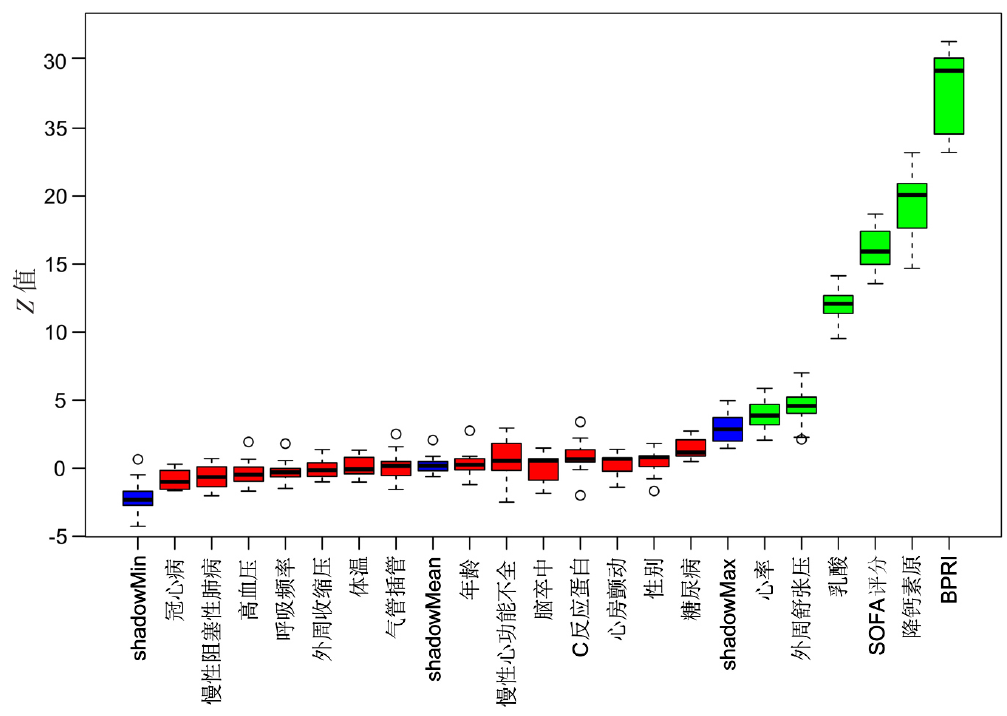
Figure 1 The Boruta algorithm screens important variables affecting the occurrence of AKI in patients with severe pneumonia shock
| 变量 | 单因素分析 | 多因素分析 | ||||
|---|---|---|---|---|---|---|
| OR值 | 95%CI | P值 | OR值 | 95%CI | P值 | |
| BPRI | 0.763 | 0.704~0.825 | <0.001 | 0.751 | 0.678~0.831 | <0.001 |
| 降钙素原 | 1.031 | 1.014~1.048 | <0.001 | 1.017 | 0.997~1.036 | 0.094 |
| 乳酸 | 1.455 | 1.260~1.682 | <0.001 | 1.239 | 1.039~1.477 | 0.017 |
| SOFA评分 | 1.892 | 1.549~2.311 | <0.001 | 1.930 | 1.497~2.488 | <0.001 |
Table 2 Univariate and multivariate Logistic regression analysis of influencing factors for the AKI in patients with severe pneumonia shock
| 变量 | 单因素分析 | 多因素分析 | ||||
|---|---|---|---|---|---|---|
| OR值 | 95%CI | P值 | OR值 | 95%CI | P值 | |
| BPRI | 0.763 | 0.704~0.825 | <0.001 | 0.751 | 0.678~0.831 | <0.001 |
| 降钙素原 | 1.031 | 1.014~1.048 | <0.001 | 1.017 | 0.997~1.036 | 0.094 |
| 乳酸 | 1.455 | 1.260~1.682 | <0.001 | 1.239 | 1.039~1.477 | 0.017 |
| SOFA评分 | 1.892 | 1.549~2.311 | <0.001 | 1.930 | 1.497~2.488 | <0.001 |
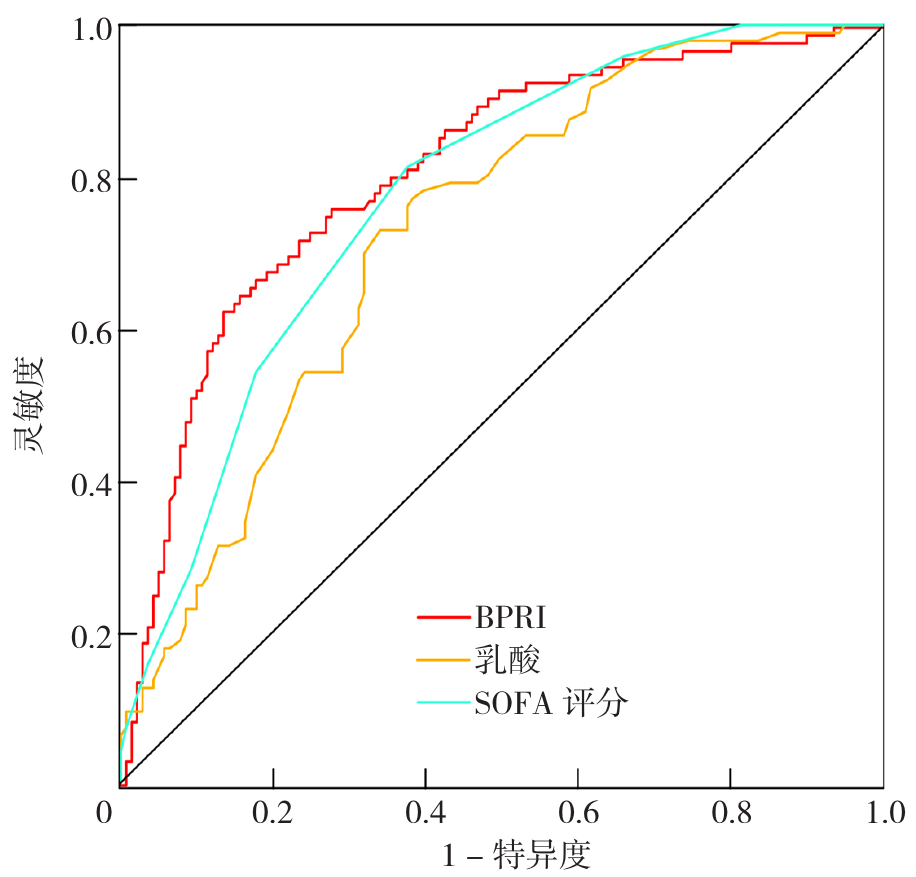
Figure 2 ROC curves for the efficacy of BPRI, lactate and SOFA in predicting the occurrence of AKI in patients with severe pneumonia shock
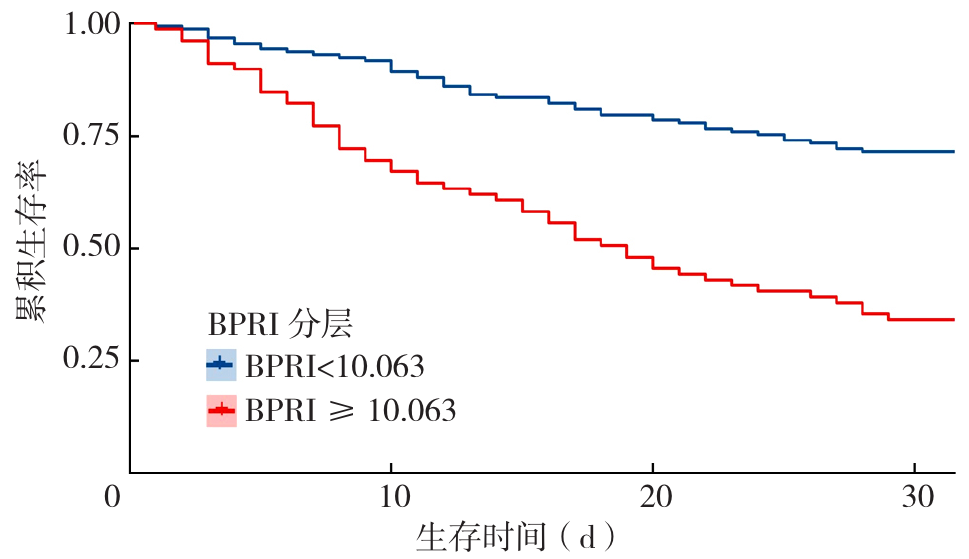
Figure 3 Analysis of 30-day survival rate in AKI high-risk and AKI low-risk populations
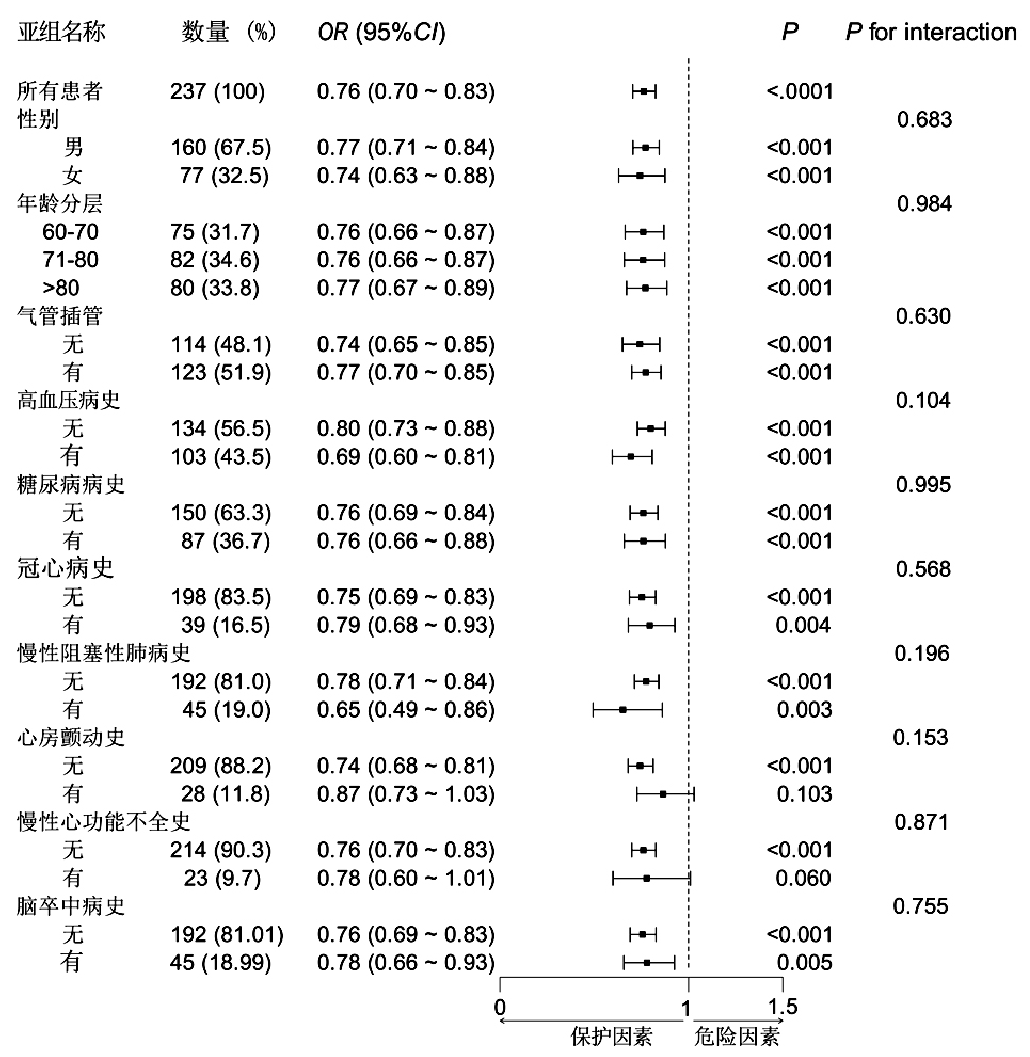
Figure 4 Forest plot of BPRI on the occurrence of AKI in different subgroups of the patients with severe pneumonia shock
| [1] |
中华医学会急诊医学分会, 中国老年社区获得性肺炎急诊诊疗专家共识组. 中国老年社区获得性肺炎急诊诊疗专家共识 [J]. 中华急诊医学杂志, 2023, 32(10): 1319-1327. DOI: 10.3760/cma.j.issn.1671-0282.2023.10.005.
|
| [2] |
|
| [3] |
|
| [4] |
|
| [5] |
李鹏飞, 陈齐齐, 蒋文, 等. 不同时间的血管活性药物评分对脓毒性休克患者死亡风险的预测价值[J]. 中华急诊医学杂志. 2021, 30(5): 582-587. DOI: 10.3760/cma.j.issn.1671-0282.2021.05.013.
|
| [6] |
|
| [7] |
|
| [8] |
|
| [9] |
|
| [10] |
|
| [11] |
王林娜, 张靖辉. 血清淀粉样蛋白A、白介素6、肿瘤坏死因子α及微小RNA在脓毒症并发急性肾损伤患儿中的表达及预后评估价值研究[J]. 中国全科医学, 2025, 28(3): 293-298. DOI: 10.12114/j.issn.1007-9572.2023.0763.
|
| [12] |
刘梅, 莫曼秋, 谭琳, 等. 单中心急性肾损伤的短期预后调查分析[J]. 实用医学杂志, 2022, 38(1): 101-105.
|
| [13] |
|
| [14] |
|
| [15] |
|
| [16] |
|
| [17] |
|
| [18] |
|
| [19] |
|
| [20] |
李雪芳, 金魁, 田丽源, 等. 急诊危重患者急性肾损伤发生的危险因素分析[J]. 中华急诊医学杂志, 2021, 30(6): 749-753. DOI: 10.3760/cma.j.issn.1671-0282.2021.06.019.
|
| [21] |
贾岚, 毕学青, 孟甲, 等. 脓毒症患者严重急性肾损伤风险因素分析及其时间相关预测模型的建立与验证[J].中华危重病急救医学, 2024, 36(9): 910-916. DOI: 10.3760/cma.j.cn121430-20240111-00038.
|
| [22] |
|
| Viewed | ||||||
|
Full text |
|
|||||
|
Abstract |
|
|||||
