
Chinese General Practice ›› 2026, Vol. 29 ›› Issue (05): 656-667.DOI: 10.12114/j.issn.1007-9572.2025.0107
• Article·Research Trends of Traditional Chinese Medicine • Previous Articles Next Articles
Received:2025-02-03
Revised:2025-05-21
Published:2026-02-15
Online:2026-01-05
Contact:
ZHAO Qi
通讯作者:
赵琦
作者简介:作者贡献:
田蓉负责研究框架构思、数据处理分析、撰写论文以及最终版本修订,对论文负责;李开楊、张飞负责数据核对、统计学处理及图表绘制;杨梅、黄敬负责指导文章框架构思、撰写论文以及初步修改;赵琦负责指导最终版本修订、论文质量控制与审查工作。
基金资助:CLC Number:
Add to citation manager EndNote|Ris|BibTeX
URL: https://www.chinagp.net/EN/10.12114/j.issn.1007-9572.2025.0107
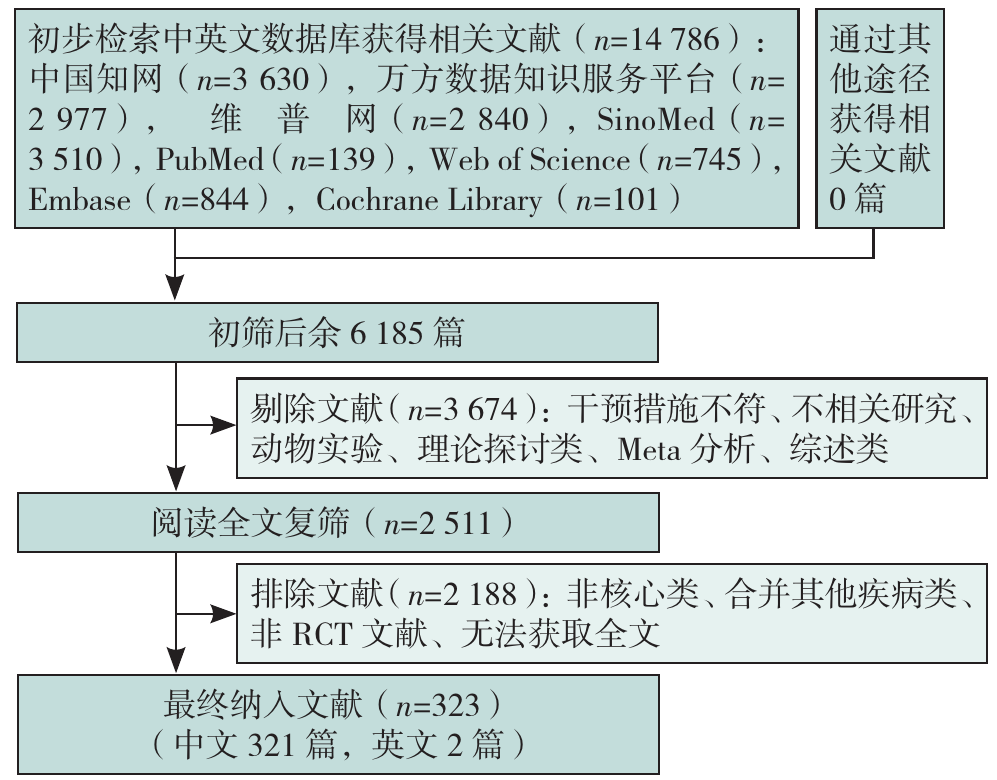
Figure 1 Literature screening process
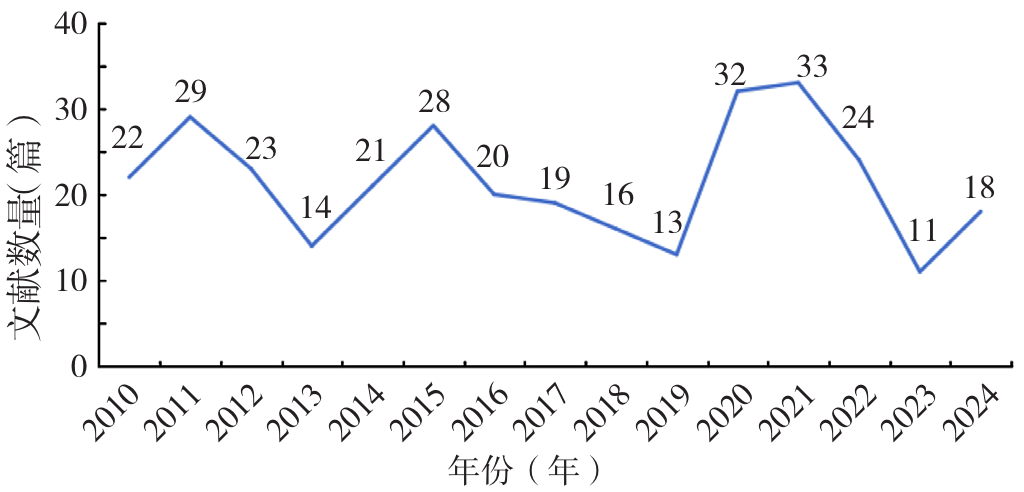
Figure 2 The annual publication trend of RCT on peptic ulcer treated with Traditional Chinese Medicine
| 疗程 | 频数(次) | 频率(%) | 疗程 | 频数(次) | 频率(%) |
|---|---|---|---|---|---|
| 4周 | 119 | 36.84 | 30 d | 4 | 1.24 |
| 6周 | 60 | 18.58 | 3周 | 3 | 0.93 |
| 8周 | 46 | 14.24 | 1周 | 3 | 0.93 |
| 2周 | 29 | 8.98 | 10 d | 3 | 0.93 |
| 1个月 | 17 | 5.26 | 15 d | 2 | 0.62 |
| 3个月 | 11 | 3.41 | 40 d | 2 | 0.62 |
| 2个月 | 11 | 3.41 | 7周 | 1 | 0.31 |
| 12周 | 5 | 1.55 | 6~8周 | 1 | 0.31 |
| 5周 | 5 | 1.55 | 6个月 | 1 | 0.31 |
Table 1 Distribution of treatment course
| 疗程 | 频数(次) | 频率(%) | 疗程 | 频数(次) | 频率(%) |
|---|---|---|---|---|---|
| 4周 | 119 | 36.84 | 30 d | 4 | 1.24 |
| 6周 | 60 | 18.58 | 3周 | 3 | 0.93 |
| 8周 | 46 | 14.24 | 1周 | 3 | 0.93 |
| 2周 | 29 | 8.98 | 10 d | 3 | 0.93 |
| 1个月 | 17 | 5.26 | 15 d | 2 | 0.62 |
| 3个月 | 11 | 3.41 | 40 d | 2 | 0.62 |
| 2个月 | 11 | 3.41 | 7周 | 1 | 0.31 |
| 12周 | 5 | 1.55 | 6~8周 | 1 | 0.31 |
| 5周 | 5 | 1.55 | 6个月 | 1 | 0.31 |
| 序号 | 中医证型 | 频数(次) | 频率(%) | 序号 | 中医证型 | 频数(次) | 频率(%) |
|---|---|---|---|---|---|---|---|
| 1 | 脾胃虚寒 | 31 | 18.13 | 25 | 上热下寒 | 1 | 0.58 |
| 2 | 肝胃不和 | 14 | 8.19 | 26 | 上寒下热 | 1 | 0.58 |
| 3 | 脾胃湿热 | 11 | 6.43 | 27 | 脾胃虚热 | 1 | 0.58 |
| 4 | 肝胃郁热 | 10 | 5.85 | 28 | 湿热蕴结 | 1 | 0.58 |
| 5 | 肝郁脾虚 | 6 | 3.51 | 29 | 脾虚血瘀 | 1 | 0.58 |
| 6 | 寒热错杂 | 6 | 3.51 | 30 | 脾虚湿困 | 1 | 0.58 |
| 7 | 脾胃虚弱 | 6 | 3.51 | 31 | 气滞证 | 1 | 0.58 |
| 8 | 毒热蕴胃 | 5 | 2.92 | 32 | 脾胃郁热 | 1 | 0.58 |
| 9 | 肝气犯胃 | 3 | 1.75 | 33 | 胃虚弱型 | 1 | 0.58 |
| 10 | 脾胃气虚 | 3 | 1.75 | 34 | 胃阴不足 | 1 | 0.58 |
| 11 | 脾虚湿热 | 3 | 1.75 | 35 | 胃虚寒夹滞 | 1 | 0.58 |
| 12 | 气滞血瘀 | 3 | 1.75 | 36 | 肝胃阴虚 | 1 | 0.58 |
| 13 | 湿热中阻 | 3 | 1.75 | 37 | 湿热瘀阻 | 1 | 0.58 |
| 14 | 肝胃气滞 | 3 | 1.75 | 38 | 湿热阻胃 | 1 | 0.58 |
| 15 | 虚寒证 | 3 | 1.75 | 39 | 浊毒内蕴 | 1 | 0.58 |
| 16 | 血瘀型 | 2 | 1.17 | 40 | 胃络瘀阻 | 1 | 0.58 |
| 17 | 脾胃不和 | 2 | 1.17 | 41 | 肝郁气滞 | 1 | 0.58 |
| 18 | 瘀血阻络 | 2 | 1.17 | 42 | 气滞脾虚血瘀 | 1 | 0.58 |
| 19 | 气虚血瘀 | 2 | 1.17 | 43 | 脾胃虚弱兼肝郁 | 1 | 0.58 |
| 20 | 脾虚胃热 | 2 | 1.17 | 44 | 脾胃虚寒兼胃络瘀阻 | 1 | 0.58 |
| 21 | 气阴双虚 | 1 | 0.58 | 45 | 脾胃虚弱兼胃络瘀阻 | 1 | 0.58 |
| 22 | 脾虚热郁 | 1 | 0.58 | 46 | 脾胃气虚兼瘀血阻络 | 1 | 0.58 |
| 23 | 脾虚气滞 | 1 | 0.58 | 47 | 寒热夹杂兼瘀血阻络 | 1 | 0.58 |
| 24 | 脾虚证 | 1 | 0.58 | 48 | 同时纳入多种证型 | 24 | 14.04 |
Table 2 Distribution of Traditional Chinese Medicine syndromes
| 序号 | 中医证型 | 频数(次) | 频率(%) | 序号 | 中医证型 | 频数(次) | 频率(%) |
|---|---|---|---|---|---|---|---|
| 1 | 脾胃虚寒 | 31 | 18.13 | 25 | 上热下寒 | 1 | 0.58 |
| 2 | 肝胃不和 | 14 | 8.19 | 26 | 上寒下热 | 1 | 0.58 |
| 3 | 脾胃湿热 | 11 | 6.43 | 27 | 脾胃虚热 | 1 | 0.58 |
| 4 | 肝胃郁热 | 10 | 5.85 | 28 | 湿热蕴结 | 1 | 0.58 |
| 5 | 肝郁脾虚 | 6 | 3.51 | 29 | 脾虚血瘀 | 1 | 0.58 |
| 6 | 寒热错杂 | 6 | 3.51 | 30 | 脾虚湿困 | 1 | 0.58 |
| 7 | 脾胃虚弱 | 6 | 3.51 | 31 | 气滞证 | 1 | 0.58 |
| 8 | 毒热蕴胃 | 5 | 2.92 | 32 | 脾胃郁热 | 1 | 0.58 |
| 9 | 肝气犯胃 | 3 | 1.75 | 33 | 胃虚弱型 | 1 | 0.58 |
| 10 | 脾胃气虚 | 3 | 1.75 | 34 | 胃阴不足 | 1 | 0.58 |
| 11 | 脾虚湿热 | 3 | 1.75 | 35 | 胃虚寒夹滞 | 1 | 0.58 |
| 12 | 气滞血瘀 | 3 | 1.75 | 36 | 肝胃阴虚 | 1 | 0.58 |
| 13 | 湿热中阻 | 3 | 1.75 | 37 | 湿热瘀阻 | 1 | 0.58 |
| 14 | 肝胃气滞 | 3 | 1.75 | 38 | 湿热阻胃 | 1 | 0.58 |
| 15 | 虚寒证 | 3 | 1.75 | 39 | 浊毒内蕴 | 1 | 0.58 |
| 16 | 血瘀型 | 2 | 1.17 | 40 | 胃络瘀阻 | 1 | 0.58 |
| 17 | 脾胃不和 | 2 | 1.17 | 41 | 肝郁气滞 | 1 | 0.58 |
| 18 | 瘀血阻络 | 2 | 1.17 | 42 | 气滞脾虚血瘀 | 1 | 0.58 |
| 19 | 气虚血瘀 | 2 | 1.17 | 43 | 脾胃虚弱兼肝郁 | 1 | 0.58 |
| 20 | 脾虚胃热 | 2 | 1.17 | 44 | 脾胃虚寒兼胃络瘀阻 | 1 | 0.58 |
| 21 | 气阴双虚 | 1 | 0.58 | 45 | 脾胃虚弱兼胃络瘀阻 | 1 | 0.58 |
| 22 | 脾虚热郁 | 1 | 0.58 | 46 | 脾胃气虚兼瘀血阻络 | 1 | 0.58 |
| 23 | 脾虚气滞 | 1 | 0.58 | 47 | 寒热夹杂兼瘀血阻络 | 1 | 0.58 |
| 24 | 脾虚证 | 1 | 0.58 | 48 | 同时纳入多种证型 | 24 | 14.04 |
| 序号 | 中医诊断标准 | 频数(次) | 频率(%) |
|---|---|---|---|
| 1 | 《中药新药临床研究指导原则:试行》 | 63 | 34.05 |
| 2 | 《消化性溃疡中医诊疗专家共识意见(2017)》 | 21 | 11.35 |
| 3 | 《中医病证诊断疗效标准》 | 18 | 9.73 |
| 4 | 《中医内科学》 | 18 | 9.73 |
| 5 | 《消化性溃疡中医诊疗共识意见(2009,深圳)》 | 17 | 9.19 |
| 6 | 《消化性溃疡中西医结合诊疗共识意见(2011年天津)》 | 9 | 4.86 |
| 7 | 《消化性溃疡中西医结合诊疗共识意见(2017年)》 | 6 | 3.24 |
| 8 | 《消化性溃疡的中西医结合诊治方案(草案)》 | 5 | 2.70 |
| 9 | 《中医消化病诊疗指南》 | 5 | 2.70 |
| 10 | 《中医病症诊断疗效标准》 | 5 | 2.70 |
Table 3 Diagnostic criteria of Traditional Chinese Medicine
| 序号 | 中医诊断标准 | 频数(次) | 频率(%) |
|---|---|---|---|
| 1 | 《中药新药临床研究指导原则:试行》 | 63 | 34.05 |
| 2 | 《消化性溃疡中医诊疗专家共识意见(2017)》 | 21 | 11.35 |
| 3 | 《中医病证诊断疗效标准》 | 18 | 9.73 |
| 4 | 《中医内科学》 | 18 | 9.73 |
| 5 | 《消化性溃疡中医诊疗共识意见(2009,深圳)》 | 17 | 9.19 |
| 6 | 《消化性溃疡中西医结合诊疗共识意见(2011年天津)》 | 9 | 4.86 |
| 7 | 《消化性溃疡中西医结合诊疗共识意见(2017年)》 | 6 | 3.24 |
| 8 | 《消化性溃疡的中西医结合诊治方案(草案)》 | 5 | 2.70 |
| 9 | 《中医消化病诊疗指南》 | 5 | 2.70 |
| 10 | 《中医病症诊断疗效标准》 | 5 | 2.70 |
| 序号 | 西医诊断标准 | 频数(次) | 频率(%) |
|---|---|---|---|
| 1 | 《中药新药临床研究指导原则:试行》 | 33 | 14.54 |
| 2 | 《实用内科学》 | 32 | 14.10 |
| 3 | 《内科学》 | 32 | 14.10 |
| 4 | 《消化性溃疡中西医结合诊疗共识意见(2017年)》 | 26 | 11.45 |
| 5 | 《消化性溃疡病诊断与治疗规范(2013年,深圳)》 | 22 | 9.69 |
| 6 | 《消化性溃疡中西医结合诊疗共识意见(2011年天津)》 | 17 | 7.49 |
| 7 | 《消化性溃疡诊断与治疗规范(2016年,西安)》 | 17 | 7.49 |
| 8 | 《消化性溃疡的中西医结合诊治方案(草案)》 | 12 | 5.29 |
| 9 | 《消化性溃疡病诊断与治疗规范建议(2008,黄山)》 | 6 | 2.64 |
| 10 | 《中西医临床消化病学》 | 4 | 1.76 |
Table 4 Diagnostic criteria of western medicine
| 序号 | 西医诊断标准 | 频数(次) | 频率(%) |
|---|---|---|---|
| 1 | 《中药新药临床研究指导原则:试行》 | 33 | 14.54 |
| 2 | 《实用内科学》 | 32 | 14.10 |
| 3 | 《内科学》 | 32 | 14.10 |
| 4 | 《消化性溃疡中西医结合诊疗共识意见(2017年)》 | 26 | 11.45 |
| 5 | 《消化性溃疡病诊断与治疗规范(2013年,深圳)》 | 22 | 9.69 |
| 6 | 《消化性溃疡中西医结合诊疗共识意见(2011年天津)》 | 17 | 7.49 |
| 7 | 《消化性溃疡诊断与治疗规范(2016年,西安)》 | 17 | 7.49 |
| 8 | 《消化性溃疡的中西医结合诊治方案(草案)》 | 12 | 5.29 |
| 9 | 《消化性溃疡病诊断与治疗规范建议(2008,黄山)》 | 6 | 2.64 |
| 10 | 《中西医临床消化病学》 | 4 | 1.76 |
| 序号 | 干预措施 | 频数(次) | 频率(%) | 序号 | 干预措施 | 频数(次) | 频率(%) |
|---|---|---|---|---|---|---|---|
| 1 | 黄芪建中汤加减 | 21 | 6.75 | 9 | 芍药甘草汤加减 | 4 | 1.29 |
| 2 | 半夏泻心汤加减 | 18 | 5.79 | 10 | 乌贝散加减 | 4 | 1.29 |
| 3 | 香砂六君子加减 | 8 | 2.57 | 11 | 消痈溃得康颗粒 | 4 | 1.29 |
| 4 | 失笑散加减 | 7 | 2.25 | 12 | 胃苏颗粒 | 4 | 1.29 |
| 5 | 康复新液 | 5 | 1.61 | 13 | 荆花胃康胶囊 | 4 | 1.29 |
| 6 | 荜铃胃痛颗粒 | 5 | 1.61 | 14 | 安胃疡胶囊 | 3 | 0.96 |
| 7 | 柴胡疏肝散 | 5 | 1.61 | 15 | 小建中汤/胶囊 | 3 | 0.96 |
| 8 | 胃复春 | 4 | 1.29 | 16 | 四君子汤加减 | 3 | 0.96 |
Table 5 Statistics on the usage frequency of Traditional Chinese Medicine Compound Prescriptions/Chinese Patent Medicine
| 序号 | 干预措施 | 频数(次) | 频率(%) | 序号 | 干预措施 | 频数(次) | 频率(%) |
|---|---|---|---|---|---|---|---|
| 1 | 黄芪建中汤加减 | 21 | 6.75 | 9 | 芍药甘草汤加减 | 4 | 1.29 |
| 2 | 半夏泻心汤加减 | 18 | 5.79 | 10 | 乌贝散加减 | 4 | 1.29 |
| 3 | 香砂六君子加减 | 8 | 2.57 | 11 | 消痈溃得康颗粒 | 4 | 1.29 |
| 4 | 失笑散加减 | 7 | 2.25 | 12 | 胃苏颗粒 | 4 | 1.29 |
| 5 | 康复新液 | 5 | 1.61 | 13 | 荆花胃康胶囊 | 4 | 1.29 |
| 6 | 荜铃胃痛颗粒 | 5 | 1.61 | 14 | 安胃疡胶囊 | 3 | 0.96 |
| 7 | 柴胡疏肝散 | 5 | 1.61 | 15 | 小建中汤/胶囊 | 3 | 0.96 |
| 8 | 胃复春 | 4 | 1.29 | 16 | 四君子汤加减 | 3 | 0.96 |
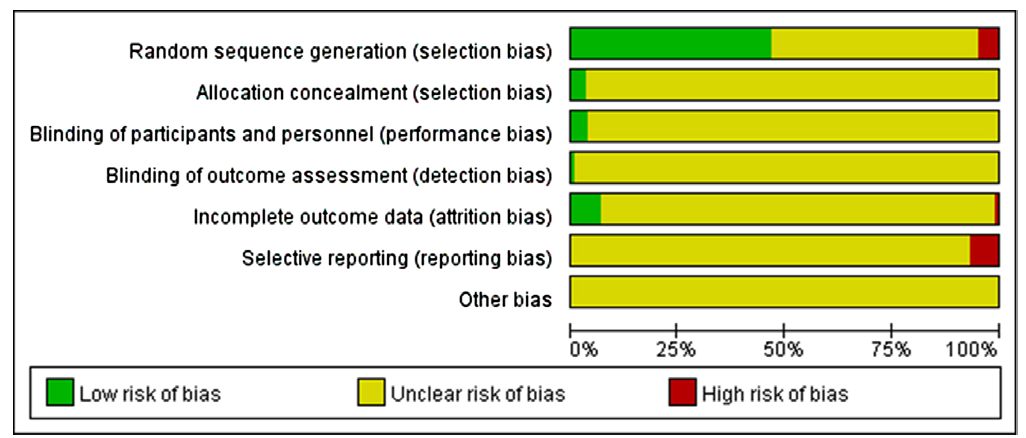
Figure 3 Proportion of risk of bias items among included studies
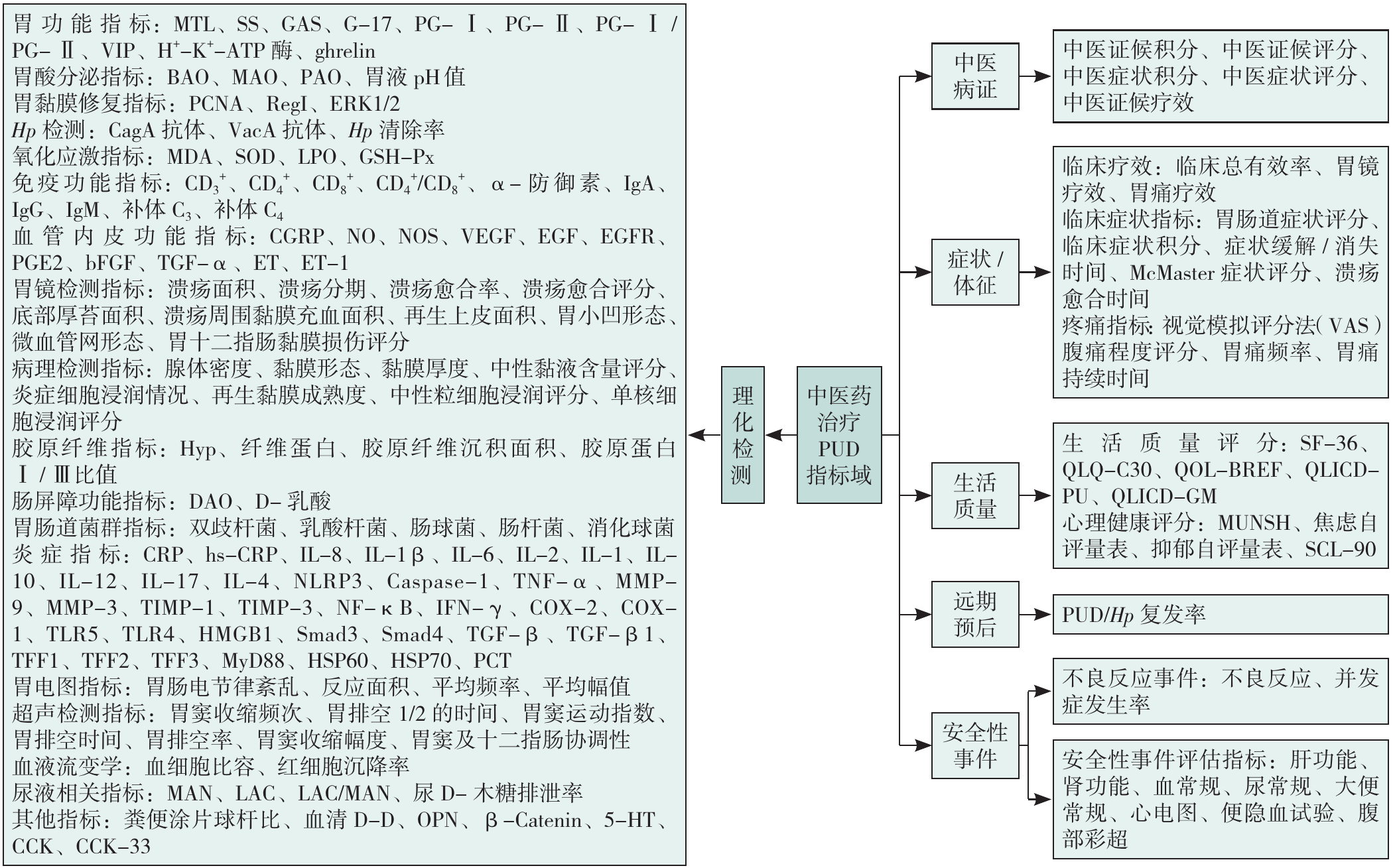
Figure 4 Outcome index domain of peptic ulcer
| 指标域 | 指标分类 | 详细指标名称 | 频数(次) | 频率(%) |
|---|---|---|---|---|
| 中医病证 | 中医证候积分 | 73 | 3.72 | |
| 中医证候评分 | 12 | 0.61 | ||
| 中医症状积分 | 43 | 2.19 | ||
| 中医症状评分 | 10 | 0.51 | ||
| 中医证候疗效 | 53 | 2.70 | ||
| 症状/体征 | 临床疗效 | 临床总有效率 | 233 | 11.88 |
| 胃镜疗效 | 103 | 5.25 | ||
| 胃痛疗效 | 8 | 0.41 | ||
| 症状相关指标 | 症状缓解/消失时间 | 18 | 0.92 | |
| 临床症状积分 | 10 | 0.51 | ||
| 胃肠道症状评分 | 4 | 0.20 | ||
| 溃疡愈合时间 | 1 | 0.05 | ||
| McMaster症状评分 | 1 | 0.05 | ||
| 疼痛指标 | 腹痛-视觉模拟评分(VAS) | 2 | 0.10 | |
| 胃痛持续时间 | 1 | 0.05 | ||
| 胃痛频率 | 1 | 0.05 | ||
| 理化检测 | 胃功能指标 | 胃泌素(GAS) | 54 | 2.75 |
| 胃动素(MTL) | 36 | 1.83 | ||
| 胃蛋白酶原Ⅰ(PG-Ⅰ) | 19 | 0.97 | ||
| 胃蛋白酶原Ⅱ(PG-Ⅱ) | 15 | 0.76 | ||
| 生长抑素(SS) | 14 | 0.71 | ||
| 胃泌素17(G-17) | 6 | 0.31 | ||
| 胃蛋白酶原Ⅰ/胃蛋白酶原Ⅱ(PG-Ⅰ/PG-Ⅱ) | 6 | 0.31 | ||
| 血管活性肠肽(VIP) | 2 | 0.10 | ||
| H+-K+-ATP酶 | 1 | 0.05 | ||
| 饥饿激素(ghrelin) | 1 | 0.05 | ||
| 胃酸分泌指标 | 基础胃酸分泌量(BAO) | 7 | 0.36 | |
| 最大胃酸分泌量(MAO) | 7 | 0.36 | ||
| 高峰胃酸分泌量(PAO) | 6 | 0.31 | ||
| 胃液pH值 | 2 | 0.10 | ||
| 胃黏膜修复指标 | 细胞外调节蛋白激酶1/2(ERK1/2) | 2 | 0.10 | |
| 增殖细胞核抗原(PCNA) | 1 | 0.05 | ||
| 再生蛋白I(RegI) | 1 | 0.05 | ||
| Hp相关指标 | Hp根除率 | 165 | 8.41 | |
| CagA抗体 | 1 | 0.05 | ||
| VacA抗体 | 1 | 0.05 | ||
| 氧化应激指标 | 超氧化物歧化酶(SOD) | 14 | 0.71 | |
| 丙二醛(MDA) | 9 | 0.46 | ||
| 谷胱甘肽过氧化物酶(GSH-Px) | 1 | 0.05 | ||
| 脂质过氧化物(LPO) | 1 | 0.05 | ||
| 免疫功能指标 | CD4+ | 6 | 0.31 | |
| CD3+ | 5 | 0.25 | ||
| CD8+ | 5 | 0.25 | ||
| CD4+/CD8+ | 5 | 0.25 | ||
| α-防御素 | 2 | 0.10 | ||
| 免疫球蛋白A(IgA) | 1 | 0.05 | ||
| 免疫球蛋白G(IgG) | 1 | 0.05 | ||
| 免疫球蛋白M(IgM) | 1 | 0.05 | ||
| 补体C3 | 1 | 0.05 | ||
| 补体C4 | 1 | 0.05 | ||
| 血管内皮功能指标 | 表皮生长因子(EGF) | 26 | 1.33 | |
| 一氧化氮(NO) | 19 | 0.97 | ||
| 血管内皮生长因子(VEGF) | 16 | 0.82 | ||
| 前列腺素E2(PGE2) | 12 | 0.61 | ||
| 碱性成纤维细胞生长因子(bFGF) | 11 | 0.56 | ||
| 转化生长因子α(TGF-α) | 7 | 0.36 | ||
| 表皮生长因子受体(EGFR) | 4 | 0.20 | ||
| 内皮素1(ET-1) | 3 | 0.15 | ||
| 一氧化氮合酶(NOS) | 3 | 0.15 | ||
| 降钙素基因相关肽(CGRP) | 2 | 0.10 | ||
| 内皮素(ET) | 2 | 0.10 | ||
| 胃镜检测指标 | 溃疡愈合率 | 21 | 1.07 | |
| 溃疡面积/直径 | 19 | 0.97 | ||
| 溃疡分期 | 8 | 0.41 | ||
| 溃疡周围黏膜充血面积 | 5 | 0.25 | ||
| 再生上皮面积 | 5 | 0.25 | ||
| 底部厚苔面积 | 5 | 0.25 | ||
| 溃疡愈合评分 | 2 | 0.10 | ||
| 胃小凹形态 | 2 | 0.10 | ||
| 微血管网形态 | 2 | 0.10 | ||
| 胃十二指肠黏膜损伤评分 | 1 | 0.05 | ||
| 病理检测指标 | 再生黏膜成熟度 | 15 | 0.76 | |
| 炎性细胞浸润评分 | 10 | 0.51 | ||
| 黏膜厚度 | 9 | 0.46 | ||
| 黏膜形态 | 6 | 0.31 | ||
| 腺体密度 | 6 | 0.31 | ||
| 中性黏液含量评分 | 2 | 0.10 | ||
| 中性粒细胞浸润评分 | 2 | 0.10 | ||
| 单核细胞浸润评分 | 2 | 0.10 | ||
| 胶原纤维指标 | 羟脯氨酸(Hyp) | 1 | 0.05 | |
| 胶原纤维沉积面积 | 1 | 0.05 | ||
| 胶原蛋白Ⅰ/Ⅲ比值 | 1 | 0.05 | ||
| 纤维蛋白 | 1 | 0.05 | ||
| 肠屏障功能指标 | 二胺氧化酶(DAO) | 1 | 0.05 | |
| D-乳酸 | 1 | 0.05 | ||
| 胃肠道菌群指标 | 肠杆菌 | 3 | 0.15 | |
| 乳酸杆菌 | 2 | 0.10 | ||
| 双歧杆菌 | 2 | 0.10 | ||
| 肠球菌 | 2 | 0.10 | ||
| 消化球菌 | 1 | 0.05 | ||
| 炎症指标 | 肿瘤坏死因子α(TNF-α) | 46 | 2.34 | |
| 白介素6(IL-6) | 38 | 1.94 | ||
| 白介素8(IL-8) | 24 | 1.22 | ||
| C反应蛋白(CRP) | 16 | 0.82 | ||
| 白介素17(IL-17) | 13 | 0.66 | ||
| 转化生长因子β1(TGF-β1) | 12 | 0.61 | ||
| 三叶因子2(TFF2) | 12 | 0.61 | ||
| 核因子κB(NF-κB) | 8 | 0.41 | ||
| 白介素2(IL-2) | 6 | 0.31 | ||
| 白介素1(IL-1) | 5 | 0.25 | ||
| 超敏C反应蛋白(hs-CRP) | 4 | 0.20 | ||
| 白介素1β(IL-1β) | 4 | 0.20 | ||
| 环氧化酶2(COX-2) | 4 | 0.20 | ||
| 环氧化酶1(COX-1) | 3 | 0.15 | ||
| 干扰素γ(IFN-γ) | 3 | 0.15 | ||
| 转化生长因子β(TGF-β) | 3 | 0.15 | ||
| 基质金属蛋白酶9(MMP-9) | 3 | 0.15 | ||
| 降钙素原(PCT) | 2 | 0.10 | ||
| 白介素4(IL-4) | 2 | 0.10 | ||
| NOD样受体蛋白3(NLRP3) | 2 | 0.10 | ||
| 白介素12(IL-12) | 2 | 0.10 | ||
| 白介素10(IL-10) | 2 | 0.10 | ||
| 信号转导蛋白3(Smad3) | 2 | 0.10 | ||
| 热休克蛋白60(HSP60) | 2 | 0.10 | ||
| 三叶因子1(TFF1) | 2 | 0.10 | ||
| 基质金属蛋白酶抑制剂1(TIMP-1) | 2 | 0.10 | ||
| 热休克蛋白70(HSP70) | 2 | 0.10 | ||
| 基质金属蛋白酶3(MMP-3) | 2 | 0.10 | ||
| 高迁移率族蛋白B1(HMGB1) | 2 | 0.10 | ||
| Toll样受体5(TLR5) | 1 | 0.05 | ||
| 基质金属蛋白酶抑制剂3(TIMP-3) | 1 | 0.05 | ||
| 信号转导蛋白4(Smad4) | 1 | 0.05 | ||
| Toll样受体4(TLR4) | 1 | 0.05 | ||
| 三叶因子3(TFF3) | 1 | 0.05 | ||
| 髓样分化因子88(MyD88) | 1 | 0.05 | ||
| 半胱天冬氨酶1(Caspase-1) | 1 | 0.05 | ||
| 胃电图指标 | 胃肠电节律紊乱 | 1 | 0.05 | |
| 反应面积 | 1 | 0.05 | ||
| 平均频率 | 1 | 0.05 | ||
| 平均幅值 | 1 | 0.05 | ||
| 超声仪诊断指标 | 胃窦收缩频次 | 3 | 0.15 | |
| 胃窦收缩幅度 | 3 | 0.15 | ||
| 胃窦及十二指肠协调性 | 2 | 0.10 | ||
| 胃排空时间 | 2 | 0.10 | ||
| 胃排空率 | 1 | 0.05 | ||
| 胃排空1/2的时间(GET1/2) | 1 | 0.05 | ||
| 胃窦运动指数(MI) | 1 | 0.05 | ||
| 血液流变学 | 血细胞比容 | 1 | 0.05 | |
| 红细胞沉降率 | 1 | 0.05 | ||
| 尿液相关指标 | 尿液甘露醇(MAN) | 1 | 0.05 | |
| 尿液乳果糖(LAC) | 1 | 0.05 | ||
| 尿液乳果糖/尿液甘露醇(LAC/MAN) | 1 | 0.05 | ||
| 尿D-木糖排泄率 | 1 | 0.05 | ||
| 其他 | 胆囊收缩素(CCK) | 4 | 0.20 | |
| 胆囊收缩素33(CCK-33) | 3 | 0.15 | ||
| β-Catenin | 3 | 0.15 | ||
| 骨桥蛋白(OPN) | 3 | 0.15 | ||
| 血清D-二聚体(血清D-D) | 1 | 0.05 | ||
| 5-羟色胺(5-HT) | 1 | 0.05 | ||
| 粪便涂片球杆比 | 1 | 0.05 | ||
| 生活质量 | 生活质量评分 | 36项健康调查简表(SF-36)评分 | 6 | 0.31 |
| 生活质量核心量表(QLQ-C30) | 1 | 0.05 | ||
| WHO生存质量测定表(QOL-BREF) | 1 | 0.05 | ||
| 慢性病生命质量量表-共性模块(QLICD-GM)评分 | 1 | 0.05 | ||
| 慢性病生命质量测定量表体系之消化溃疡量表(QLICD-PU)评分 | 1 | 0.05 | ||
| 心理健康评分 | 焦虑自评量表(SAS)评分 | 4 | 0.20 | |
| 抑郁自评量表(SDS)评分 | 3 | 0.15 | ||
| 症状自评量表(SCL-90)评分 | 1 | 0.05 | ||
| 纽芬兰纪念大学幸福度量表(MUNSH) | 1 | 0.05 | ||
| 远期预后 | 随访 | PUD/Hp复发率 | 110 | 5.61 |
| 安全性事件 | 不良反应指标 | 不良反应 | 155 | 7.90 |
| 并发症发生率 | 1 | 0.05 | ||
| 安全性事件评估指标 | 肝功能 | 44 | 2.24 | |
| 肾功能 | 41 | 2.09 | ||
| 血常规 | 33 | 1.68 | ||
| 心电图 | 17 | 0.87 | ||
| 尿常规 | 29 | 1.48 | ||
| 大便常规 | 19 | 0.97 | ||
| 便隐血试验 | 3 | 0.15 | ||
| 腹部彩超 | 1 | 0.05 |
Table 6 Classification of outcome indexes and analysis of frequency distribution of included studies
| 指标域 | 指标分类 | 详细指标名称 | 频数(次) | 频率(%) |
|---|---|---|---|---|
| 中医病证 | 中医证候积分 | 73 | 3.72 | |
| 中医证候评分 | 12 | 0.61 | ||
| 中医症状积分 | 43 | 2.19 | ||
| 中医症状评分 | 10 | 0.51 | ||
| 中医证候疗效 | 53 | 2.70 | ||
| 症状/体征 | 临床疗效 | 临床总有效率 | 233 | 11.88 |
| 胃镜疗效 | 103 | 5.25 | ||
| 胃痛疗效 | 8 | 0.41 | ||
| 症状相关指标 | 症状缓解/消失时间 | 18 | 0.92 | |
| 临床症状积分 | 10 | 0.51 | ||
| 胃肠道症状评分 | 4 | 0.20 | ||
| 溃疡愈合时间 | 1 | 0.05 | ||
| McMaster症状评分 | 1 | 0.05 | ||
| 疼痛指标 | 腹痛-视觉模拟评分(VAS) | 2 | 0.10 | |
| 胃痛持续时间 | 1 | 0.05 | ||
| 胃痛频率 | 1 | 0.05 | ||
| 理化检测 | 胃功能指标 | 胃泌素(GAS) | 54 | 2.75 |
| 胃动素(MTL) | 36 | 1.83 | ||
| 胃蛋白酶原Ⅰ(PG-Ⅰ) | 19 | 0.97 | ||
| 胃蛋白酶原Ⅱ(PG-Ⅱ) | 15 | 0.76 | ||
| 生长抑素(SS) | 14 | 0.71 | ||
| 胃泌素17(G-17) | 6 | 0.31 | ||
| 胃蛋白酶原Ⅰ/胃蛋白酶原Ⅱ(PG-Ⅰ/PG-Ⅱ) | 6 | 0.31 | ||
| 血管活性肠肽(VIP) | 2 | 0.10 | ||
| H+-K+-ATP酶 | 1 | 0.05 | ||
| 饥饿激素(ghrelin) | 1 | 0.05 | ||
| 胃酸分泌指标 | 基础胃酸分泌量(BAO) | 7 | 0.36 | |
| 最大胃酸分泌量(MAO) | 7 | 0.36 | ||
| 高峰胃酸分泌量(PAO) | 6 | 0.31 | ||
| 胃液pH值 | 2 | 0.10 | ||
| 胃黏膜修复指标 | 细胞外调节蛋白激酶1/2(ERK1/2) | 2 | 0.10 | |
| 增殖细胞核抗原(PCNA) | 1 | 0.05 | ||
| 再生蛋白I(RegI) | 1 | 0.05 | ||
| Hp相关指标 | Hp根除率 | 165 | 8.41 | |
| CagA抗体 | 1 | 0.05 | ||
| VacA抗体 | 1 | 0.05 | ||
| 氧化应激指标 | 超氧化物歧化酶(SOD) | 14 | 0.71 | |
| 丙二醛(MDA) | 9 | 0.46 | ||
| 谷胱甘肽过氧化物酶(GSH-Px) | 1 | 0.05 | ||
| 脂质过氧化物(LPO) | 1 | 0.05 | ||
| 免疫功能指标 | CD4+ | 6 | 0.31 | |
| CD3+ | 5 | 0.25 | ||
| CD8+ | 5 | 0.25 | ||
| CD4+/CD8+ | 5 | 0.25 | ||
| α-防御素 | 2 | 0.10 | ||
| 免疫球蛋白A(IgA) | 1 | 0.05 | ||
| 免疫球蛋白G(IgG) | 1 | 0.05 | ||
| 免疫球蛋白M(IgM) | 1 | 0.05 | ||
| 补体C3 | 1 | 0.05 | ||
| 补体C4 | 1 | 0.05 | ||
| 血管内皮功能指标 | 表皮生长因子(EGF) | 26 | 1.33 | |
| 一氧化氮(NO) | 19 | 0.97 | ||
| 血管内皮生长因子(VEGF) | 16 | 0.82 | ||
| 前列腺素E2(PGE2) | 12 | 0.61 | ||
| 碱性成纤维细胞生长因子(bFGF) | 11 | 0.56 | ||
| 转化生长因子α(TGF-α) | 7 | 0.36 | ||
| 表皮生长因子受体(EGFR) | 4 | 0.20 | ||
| 内皮素1(ET-1) | 3 | 0.15 | ||
| 一氧化氮合酶(NOS) | 3 | 0.15 | ||
| 降钙素基因相关肽(CGRP) | 2 | 0.10 | ||
| 内皮素(ET) | 2 | 0.10 | ||
| 胃镜检测指标 | 溃疡愈合率 | 21 | 1.07 | |
| 溃疡面积/直径 | 19 | 0.97 | ||
| 溃疡分期 | 8 | 0.41 | ||
| 溃疡周围黏膜充血面积 | 5 | 0.25 | ||
| 再生上皮面积 | 5 | 0.25 | ||
| 底部厚苔面积 | 5 | 0.25 | ||
| 溃疡愈合评分 | 2 | 0.10 | ||
| 胃小凹形态 | 2 | 0.10 | ||
| 微血管网形态 | 2 | 0.10 | ||
| 胃十二指肠黏膜损伤评分 | 1 | 0.05 | ||
| 病理检测指标 | 再生黏膜成熟度 | 15 | 0.76 | |
| 炎性细胞浸润评分 | 10 | 0.51 | ||
| 黏膜厚度 | 9 | 0.46 | ||
| 黏膜形态 | 6 | 0.31 | ||
| 腺体密度 | 6 | 0.31 | ||
| 中性黏液含量评分 | 2 | 0.10 | ||
| 中性粒细胞浸润评分 | 2 | 0.10 | ||
| 单核细胞浸润评分 | 2 | 0.10 | ||
| 胶原纤维指标 | 羟脯氨酸(Hyp) | 1 | 0.05 | |
| 胶原纤维沉积面积 | 1 | 0.05 | ||
| 胶原蛋白Ⅰ/Ⅲ比值 | 1 | 0.05 | ||
| 纤维蛋白 | 1 | 0.05 | ||
| 肠屏障功能指标 | 二胺氧化酶(DAO) | 1 | 0.05 | |
| D-乳酸 | 1 | 0.05 | ||
| 胃肠道菌群指标 | 肠杆菌 | 3 | 0.15 | |
| 乳酸杆菌 | 2 | 0.10 | ||
| 双歧杆菌 | 2 | 0.10 | ||
| 肠球菌 | 2 | 0.10 | ||
| 消化球菌 | 1 | 0.05 | ||
| 炎症指标 | 肿瘤坏死因子α(TNF-α) | 46 | 2.34 | |
| 白介素6(IL-6) | 38 | 1.94 | ||
| 白介素8(IL-8) | 24 | 1.22 | ||
| C反应蛋白(CRP) | 16 | 0.82 | ||
| 白介素17(IL-17) | 13 | 0.66 | ||
| 转化生长因子β1(TGF-β1) | 12 | 0.61 | ||
| 三叶因子2(TFF2) | 12 | 0.61 | ||
| 核因子κB(NF-κB) | 8 | 0.41 | ||
| 白介素2(IL-2) | 6 | 0.31 | ||
| 白介素1(IL-1) | 5 | 0.25 | ||
| 超敏C反应蛋白(hs-CRP) | 4 | 0.20 | ||
| 白介素1β(IL-1β) | 4 | 0.20 | ||
| 环氧化酶2(COX-2) | 4 | 0.20 | ||
| 环氧化酶1(COX-1) | 3 | 0.15 | ||
| 干扰素γ(IFN-γ) | 3 | 0.15 | ||
| 转化生长因子β(TGF-β) | 3 | 0.15 | ||
| 基质金属蛋白酶9(MMP-9) | 3 | 0.15 | ||
| 降钙素原(PCT) | 2 | 0.10 | ||
| 白介素4(IL-4) | 2 | 0.10 | ||
| NOD样受体蛋白3(NLRP3) | 2 | 0.10 | ||
| 白介素12(IL-12) | 2 | 0.10 | ||
| 白介素10(IL-10) | 2 | 0.10 | ||
| 信号转导蛋白3(Smad3) | 2 | 0.10 | ||
| 热休克蛋白60(HSP60) | 2 | 0.10 | ||
| 三叶因子1(TFF1) | 2 | 0.10 | ||
| 基质金属蛋白酶抑制剂1(TIMP-1) | 2 | 0.10 | ||
| 热休克蛋白70(HSP70) | 2 | 0.10 | ||
| 基质金属蛋白酶3(MMP-3) | 2 | 0.10 | ||
| 高迁移率族蛋白B1(HMGB1) | 2 | 0.10 | ||
| Toll样受体5(TLR5) | 1 | 0.05 | ||
| 基质金属蛋白酶抑制剂3(TIMP-3) | 1 | 0.05 | ||
| 信号转导蛋白4(Smad4) | 1 | 0.05 | ||
| Toll样受体4(TLR4) | 1 | 0.05 | ||
| 三叶因子3(TFF3) | 1 | 0.05 | ||
| 髓样分化因子88(MyD88) | 1 | 0.05 | ||
| 半胱天冬氨酶1(Caspase-1) | 1 | 0.05 | ||
| 胃电图指标 | 胃肠电节律紊乱 | 1 | 0.05 | |
| 反应面积 | 1 | 0.05 | ||
| 平均频率 | 1 | 0.05 | ||
| 平均幅值 | 1 | 0.05 | ||
| 超声仪诊断指标 | 胃窦收缩频次 | 3 | 0.15 | |
| 胃窦收缩幅度 | 3 | 0.15 | ||
| 胃窦及十二指肠协调性 | 2 | 0.10 | ||
| 胃排空时间 | 2 | 0.10 | ||
| 胃排空率 | 1 | 0.05 | ||
| 胃排空1/2的时间(GET1/2) | 1 | 0.05 | ||
| 胃窦运动指数(MI) | 1 | 0.05 | ||
| 血液流变学 | 血细胞比容 | 1 | 0.05 | |
| 红细胞沉降率 | 1 | 0.05 | ||
| 尿液相关指标 | 尿液甘露醇(MAN) | 1 | 0.05 | |
| 尿液乳果糖(LAC) | 1 | 0.05 | ||
| 尿液乳果糖/尿液甘露醇(LAC/MAN) | 1 | 0.05 | ||
| 尿D-木糖排泄率 | 1 | 0.05 | ||
| 其他 | 胆囊收缩素(CCK) | 4 | 0.20 | |
| 胆囊收缩素33(CCK-33) | 3 | 0.15 | ||
| β-Catenin | 3 | 0.15 | ||
| 骨桥蛋白(OPN) | 3 | 0.15 | ||
| 血清D-二聚体(血清D-D) | 1 | 0.05 | ||
| 5-羟色胺(5-HT) | 1 | 0.05 | ||
| 粪便涂片球杆比 | 1 | 0.05 | ||
| 生活质量 | 生活质量评分 | 36项健康调查简表(SF-36)评分 | 6 | 0.31 |
| 生活质量核心量表(QLQ-C30) | 1 | 0.05 | ||
| WHO生存质量测定表(QOL-BREF) | 1 | 0.05 | ||
| 慢性病生命质量量表-共性模块(QLICD-GM)评分 | 1 | 0.05 | ||
| 慢性病生命质量测定量表体系之消化溃疡量表(QLICD-PU)评分 | 1 | 0.05 | ||
| 心理健康评分 | 焦虑自评量表(SAS)评分 | 4 | 0.20 | |
| 抑郁自评量表(SDS)评分 | 3 | 0.15 | ||
| 症状自评量表(SCL-90)评分 | 1 | 0.05 | ||
| 纽芬兰纪念大学幸福度量表(MUNSH) | 1 | 0.05 | ||
| 远期预后 | 随访 | PUD/Hp复发率 | 110 | 5.61 |
| 安全性事件 | 不良反应指标 | 不良反应 | 155 | 7.90 |
| 并发症发生率 | 1 | 0.05 | ||
| 安全性事件评估指标 | 肝功能 | 44 | 2.24 | |
| 肾功能 | 41 | 2.09 | ||
| 血常规 | 33 | 1.68 | ||
| 心电图 | 17 | 0.87 | ||
| 尿常规 | 29 | 1.48 | ||
| 大便常规 | 19 | 0.97 | ||
| 便隐血试验 | 3 | 0.15 | ||
| 腹部彩超 | 1 | 0.05 |
| 序号 | 中医疗效评价参考标准 | 频数(次) | 频率(%) |
|---|---|---|---|
| 1 | 《中药新药临床研究指导原则:试行》 | 84 | 63.16 |
| 2 | 《消化性溃疡中医诊疗专家共识意见(2017)》 | 7 | 5.26 |
| 3 | 《中医病证诊断疗效标准》 | 7 | 5.26 |
| 4 | 《消化性溃疡中医诊疗共识意见(2009,深圳)》 | 6 | 4.51 |
| 5 | 《胃肠疾病中医症状评分表》 | 4 | 3.01 |
| 6 | 《消化性溃疡中西医结合诊疗共识意见(2017年)》 | 3 | 2.26 |
| 7 | 《消化病专科中医临床诊治》 | 2 | 1.5 |
| 8 | 《实用中医消化病学》 | 2 | 1.5 |
| 9 | 《证候类中药新药临床研究技术指导原则》 | 2 | 1.5 |
Table 7 TCM efficacy evaluation criteria and frequency distribution
| 序号 | 中医疗效评价参考标准 | 频数(次) | 频率(%) |
|---|---|---|---|
| 1 | 《中药新药临床研究指导原则:试行》 | 84 | 63.16 |
| 2 | 《消化性溃疡中医诊疗专家共识意见(2017)》 | 7 | 5.26 |
| 3 | 《中医病证诊断疗效标准》 | 7 | 5.26 |
| 4 | 《消化性溃疡中医诊疗共识意见(2009,深圳)》 | 6 | 4.51 |
| 5 | 《胃肠疾病中医症状评分表》 | 4 | 3.01 |
| 6 | 《消化性溃疡中西医结合诊疗共识意见(2017年)》 | 3 | 2.26 |
| 7 | 《消化病专科中医临床诊治》 | 2 | 1.5 |
| 8 | 《实用中医消化病学》 | 2 | 1.5 |
| 9 | 《证候类中药新药临床研究技术指导原则》 | 2 | 1.5 |
| 序号 | 评分标准 | 频数(次) | 频率(%) |
|---|---|---|---|
| 1 | 按照无、轻、中、重的程度,依次对应计0、1、2、3分 | 44 | 34.38 |
| 2 | 按照无、轻、中、重的程度,依次对应计0、2、4、6分 | 31 | 24.22 |
| 3 | 按照无、轻、中、重的程度,主症对应计0、2、4、6分,次症对应计0、1、2、3分 | 22 | 17.19 |
| 4 | 按严重程度依次计为0~3分,分数越高,表示症状越严重 | 5 | 3.91 |
| 5 | 按照无、轻、中、重的程度,主症对应计0、2、4、6分,次症对应计0、1、2、3分,舌、脉正常0分,异常1分 | 2 | 1.56 |
| 6 | 按照无、轻、中、重的程度,主症对应计0、3、5、7分,次症对应计0、1、2、3分 | 2 | 1.56 |
| 7 | 按照无、轻、中、重的程度,依次对应计0、1、2、4分 | 2 | 1.56 |
| 8 | 按照无、轻、中、重、极重的程度,依次对应计0、1、2、3、4分 | 2 | 1.56 |
Table 8 TCM syndrome/symptom score criteria and frequency
| 序号 | 评分标准 | 频数(次) | 频率(%) |
|---|---|---|---|
| 1 | 按照无、轻、中、重的程度,依次对应计0、1、2、3分 | 44 | 34.38 |
| 2 | 按照无、轻、中、重的程度,依次对应计0、2、4、6分 | 31 | 24.22 |
| 3 | 按照无、轻、中、重的程度,主症对应计0、2、4、6分,次症对应计0、1、2、3分 | 22 | 17.19 |
| 4 | 按严重程度依次计为0~3分,分数越高,表示症状越严重 | 5 | 3.91 |
| 5 | 按照无、轻、中、重的程度,主症对应计0、2、4、6分,次症对应计0、1、2、3分,舌、脉正常0分,异常1分 | 2 | 1.56 |
| 6 | 按照无、轻、中、重的程度,主症对应计0、3、5、7分,次症对应计0、1、2、3分 | 2 | 1.56 |
| 7 | 按照无、轻、中、重的程度,依次对应计0、1、2、4分 | 2 | 1.56 |
| 8 | 按照无、轻、中、重、极重的程度,依次对应计0、1、2、3、4分 | 2 | 1.56 |
| 序号 | 参考标准 | 频数(次) | 频率(%) |
|---|---|---|---|
| 1 | 《中药新药临床研究指导原则:试行》 | 75 | 42.86 |
| 2 | 《中医病证诊断疗效标准》 | 18 | 10.29 |
| 3 | 《消化性溃疡中西医结合诊疗共识意见(2011年天津)》 | 11 | 6.29 |
| 4 | 《消化性溃疡中医诊疗共识意见(2009,深圳)》 | 7 | 4.00 |
| 5 | 《消化性溃疡中医诊疗专家共识意见(2017)》 | 4 | 2.29 |
| 6 | 《消化性溃疡病诊断与治疗规范(2013年,深圳)》 | 4 | 2.29 |
| 7 | 《消化性溃疡中西医结合诊疗共识意见(2017年)》 | 4 | 2.29 |
| 8 | 《消化性溃疡》 | 3 | 1.71 |
| 9 | 《中医临床病证诊断疗效标准》 | 3 | 1.71 |
| 10 | 《中华胃肠病学》 | 2 | 1.14 |
| 11 | 《消化内科学》 | 2 | 1.14 |
| 12 | 《消化性溃疡病诊断与治疗规范建议(2008,黄山)》 | 2 | 1.14 |
| 13 | 《临床疾病诊断与疗效判断标准》 | 2 | 1.14 |
| 14 | 《消化性溃疡的中西医结合诊治方案(草案)》 | 2 | 1.14 |
Table 9 Clinical total effective rate measurement reference standard and frequency distribution
| 序号 | 参考标准 | 频数(次) | 频率(%) |
|---|---|---|---|
| 1 | 《中药新药临床研究指导原则:试行》 | 75 | 42.86 |
| 2 | 《中医病证诊断疗效标准》 | 18 | 10.29 |
| 3 | 《消化性溃疡中西医结合诊疗共识意见(2011年天津)》 | 11 | 6.29 |
| 4 | 《消化性溃疡中医诊疗共识意见(2009,深圳)》 | 7 | 4.00 |
| 5 | 《消化性溃疡中医诊疗专家共识意见(2017)》 | 4 | 2.29 |
| 6 | 《消化性溃疡病诊断与治疗规范(2013年,深圳)》 | 4 | 2.29 |
| 7 | 《消化性溃疡中西医结合诊疗共识意见(2017年)》 | 4 | 2.29 |
| 8 | 《消化性溃疡》 | 3 | 1.71 |
| 9 | 《中医临床病证诊断疗效标准》 | 3 | 1.71 |
| 10 | 《中华胃肠病学》 | 2 | 1.14 |
| 11 | 《消化内科学》 | 2 | 1.14 |
| 12 | 《消化性溃疡病诊断与治疗规范建议(2008,黄山)》 | 2 | 1.14 |
| 13 | 《临床疾病诊断与疗效判断标准》 | 2 | 1.14 |
| 14 | 《消化性溃疡的中西医结合诊治方案(草案)》 | 2 | 1.14 |
| 测量节点 | 测量时间 | 频数(次) | 频率(%) |
|---|---|---|---|
| 治疗前、后测量 | 0、4周 | 98 | 30.34 |
| 0、8周 | 45 | 13.93 | |
| 0、6周 | 45 | 13.93 | |
| 0、2周 | 20 | 6.19 | |
| 0、4、8周 | 15 | 4.64 | |
| 0、1个月 | 12 | 3.72 | |
| 0、2个月 | 12 | 3.72 | |
| 0、3个月 | 9 | 2.79 | |
| 0、6、10周 | 8 | 2.48 | |
| 0、5周 | 4 | 1.24 | |
| 0、12周 | 4 | 1.24 | |
| 0、2、6周 | 4 | 1.24 | |
| 0、30 d | 4 | 1.24 | |
| 0、3周 | 3 | 0.93 | |
| 0、4、6周 | 3 | 0.93 | |
| 0、1周 | 3 | 0.93 | |
| 0、8、12周 | 2 | 0.62 | |
| 0、15 d | 2 | 0.62 | |
| 0、40 d | 2 | 0.62 | |
| 0、2、4周 | 1 | 0.31 | |
| 0、2、6、14周 | 1 | 0.31 | |
| 0、10 d、8周 | 1 | 0.31 | |
| 0、14、28、42 d | 1 | 0.31 | |
| 0、12周、6个月 | 1 | 0.31 | |
| 0、2、3、4个月 | 1 | 0.31 | |
| 0、35 d | 1 | 0.31 | |
| 0、8、12、16周 | 1 | 0.31 | |
| 0、6、7、10周 | 1 | 0.31 | |
| 0、1、2、3个月 | 1 | 0.31 | |
| 0、7、8、12周 | 1 | 0.31 | |
| 0、6、8周 | 1 | 0.31 | |
| 0、1、3、6个月 | 1 | 0.31 | |
| 0、10 d | 1 | 0.31 | |
| 0、1、2个月 | 1 | 0.31 | |
| 0、4、6、8周 | 1 | 0.31 | |
| 0、6周、6个月 | 1 | 0.31 | |
| 0、6个月 | 1 | 0.31 | |
| 0、5、8周 | 1 | 0.31 | |
| 治疗前、中、后测量 | 0、2、5、8周 | 1 | 0.31 |
| 0、4、6、10周 | 1 | 0.31 | |
| 0、2、4、6周 | 1 | 0.31 | |
| 0、1、2、3、4周 | 1 | 0.31 | |
| 0、6周、3个月 | 1 | 0.31 | |
| 0、1、3个月 | 1 | 0.31 | |
| 0、14、28、42 d | 1 | 0.31 | |
| 0、2、4周 | 1 | 0.31 | |
| 0、1、2、3、4、5、6、7、8周 | 1 | 0.31 |
Table 10 Peptic ulcer outcome measures time distribution and frequency
| 测量节点 | 测量时间 | 频数(次) | 频率(%) |
|---|---|---|---|
| 治疗前、后测量 | 0、4周 | 98 | 30.34 |
| 0、8周 | 45 | 13.93 | |
| 0、6周 | 45 | 13.93 | |
| 0、2周 | 20 | 6.19 | |
| 0、4、8周 | 15 | 4.64 | |
| 0、1个月 | 12 | 3.72 | |
| 0、2个月 | 12 | 3.72 | |
| 0、3个月 | 9 | 2.79 | |
| 0、6、10周 | 8 | 2.48 | |
| 0、5周 | 4 | 1.24 | |
| 0、12周 | 4 | 1.24 | |
| 0、2、6周 | 4 | 1.24 | |
| 0、30 d | 4 | 1.24 | |
| 0、3周 | 3 | 0.93 | |
| 0、4、6周 | 3 | 0.93 | |
| 0、1周 | 3 | 0.93 | |
| 0、8、12周 | 2 | 0.62 | |
| 0、15 d | 2 | 0.62 | |
| 0、40 d | 2 | 0.62 | |
| 0、2、4周 | 1 | 0.31 | |
| 0、2、6、14周 | 1 | 0.31 | |
| 0、10 d、8周 | 1 | 0.31 | |
| 0、14、28、42 d | 1 | 0.31 | |
| 0、12周、6个月 | 1 | 0.31 | |
| 0、2、3、4个月 | 1 | 0.31 | |
| 0、35 d | 1 | 0.31 | |
| 0、8、12、16周 | 1 | 0.31 | |
| 0、6、7、10周 | 1 | 0.31 | |
| 0、1、2、3个月 | 1 | 0.31 | |
| 0、7、8、12周 | 1 | 0.31 | |
| 0、6、8周 | 1 | 0.31 | |
| 0、1、3、6个月 | 1 | 0.31 | |
| 0、10 d | 1 | 0.31 | |
| 0、1、2个月 | 1 | 0.31 | |
| 0、4、6、8周 | 1 | 0.31 | |
| 0、6周、6个月 | 1 | 0.31 | |
| 0、6个月 | 1 | 0.31 | |
| 0、5、8周 | 1 | 0.31 | |
| 治疗前、中、后测量 | 0、2、5、8周 | 1 | 0.31 |
| 0、4、6、10周 | 1 | 0.31 | |
| 0、2、4、6周 | 1 | 0.31 | |
| 0、1、2、3、4周 | 1 | 0.31 | |
| 0、6周、3个月 | 1 | 0.31 | |
| 0、1、3个月 | 1 | 0.31 | |
| 0、14、28、42 d | 1 | 0.31 | |
| 0、2、4周 | 1 | 0.31 | |
| 0、1、2、3、4、5、6、7、8周 | 1 | 0.31 |
| [1] |
张敏敏. 消化性溃疡诊断与治疗共识意见(2022年,上海)[J]. 胃肠病学, 2023, 28(4): 208-225.
|
| [2] |
|
| [3] |
|
| [4] |
李娜, 汪哲, 包云丽, 等. 1990—2019年中国消化性溃疡疾病负担及变化趋势分析[J]. 现代预防医学, 2023, 50(17): 3090-3095, 3101. DOI: 10.20043/j.cnki.MPM.202305375.
|
| [5] |
|
| [6] |
张旭, 周元植, 陈雯雯, 等. 1990—2019年消化性溃疡的疾病负担分析[J]. 中国循证医学杂志, 2023, 23(4): 391-397.
|
| [7] |
张声生, 王垂杰, 李玉锋, 等. 消化性溃疡中医诊疗专家共识意见(2017)[J]. 中华中医药杂志, 2017, 32(9): 4089-4093.
|
| [8] |
李玉锋, 王垂杰, 蔡敏, 等. 消化性溃疡中医诊疗专家共识(2023)[J]. 中医杂志, 2024, 65(10): 1086-1092. DOI: 10.13288/j.11-2166/r.2024.10.019.
|
| [9] |
王垂杰, 郝微微, 唐旭东, 等. 消化系统常见病消化性溃疡中医诊疗指南(基层医生版)[J]. 中华中医药杂志, 2019, 34(10): 4721-4726.
|
| [10] |
李佳泽, 沈晓璞. 健脾愈胃汤联合奥美拉唑对胃溃疡脾胃虚寒证患者溃疡面积、胃肠道症状及血清TFF2水平的影响[J]. 中国实验方剂学杂志, 2024, 30(19): 133-138. DOI: 10.13422/j.cnki.syfjx.20241723.
|
| [11] |
杨宇成, 袁宇婷, 刘海云, 等. 宁胃胶囊联合奥美拉唑治疗消化性溃疡临床观察[J]. 中国药业, 2024, 33(16): 109-112.
|
| [12] |
刘海涛, 方邦江, 刘德喜, 等. 沉香和胃丸辅助常规西医治疗胃溃疡的疗效观察及对溃疡愈合、胃运动功能的影响[J]. 时珍国医国药, 2024, 35(6): 1423-1426. DOI: 10.3969/j.issn.1008-0805.2024.06.33.
|
| [13] |
张明妍, 杨丰文, 李越, 等. 核心指标集报告规范(COS-STAR)介绍[J]. 中国循证医学杂志, 2017, 17(7): 857-861. DOI: 10.7507/1672-2531.201703121.
|
| [14] |
邱瑞瑾, 万思琦, 关之玥, 等. 核心指标集在循证中医药学研究中的应用价值及前景分析[J]. 北京中医药, 2023, 42(5): 470-474. DOI: 10.16025/j.1674-1307.2023.05.003.
|
| [15] |
张明妍, 张俊华, 张伯礼, 等. 中医药临床试验核心指标集研制技术规范[J]. 中华中医药杂志, 2021, 36(2): 924-928. DOI: 10.7661/j.cjim.20180103.002.
|
| [16] |
|
| [17] |
郑筱萸. 中药新药临床研究指导原则:试行[M]. 北京: 中国医药科技出版社, 2002.
|
| [18] |
孙亚男, 万颖, 张英, 等. 体现辨证论治干预效果的证候疗效特色结局指标集初探研究[J]. 中华中医药杂志, 2020, 35(10): 4815-4819.
|
| [19] |
李影迪, 梁茂新. 消化性溃疡中医辨证存在的问题及解决策略[J]. 中华中医药杂志, 2022, 37(3): 1548-1551.
|
| [20] |
|
| [21] |
张海洪. 从伦理效应反思伦理审查的制度化建设——兼论涉及人的医学研究利益相关方责任[J]. 医学与哲学, 2024, 45(21): 1-5.
|
| [22] |
袁平, 李红娟, 李晓京, 等.生物医学新技术临床应用的伦理治理要点[J].中国医学伦理学, 2025, 38(1): 89-94.
|
| [23] |
陈宇静, 刘晖, 付乾芳, 等. 中药治疗儿童抽动障碍随机对照试验结局指标的现状分析[J]. 中国实验方剂学杂志, 2024, 30(20): 103-110. DOI: 10.13422/j.cnki.syfjx.20241023.
|
| [24] |
|
| [1] | XIAO Junjie, HE Jiawei, ZENG Xiao, XIANG Hongxia, LEI Mao, ZHENG Ruyi, ZHENG Chuan, REN Yifeng, YOU Fengming, FU Xi, MA Qiong. Exploring the Causal Relationship between Circadian Rhythm Disorders and Lung Cancer and Potential Interventional Traditional Chinese Medicine [J]. Chinese General Practice, 2025, 28(36): 4605-4618. |
| [2] | LIU Yongcheng, LIU Siyu, LIANG Xiaoyu, HAO Xiaopeng, WEI Yue, DONG Guoju. Analysis of Echocardiographic Outcome Measures in Randomized Controlled Trials in Heart Failure with Preserved Ejection Fraction [J]. Chinese General Practice, 2025, 28(33): 4140-4147. |
| [3] | YANG Yingtian, LYU Qianyu, WU Qian, HOU Xinzheng, SONG Jianjun, YE Xuejiao, YANG Chenyan, WANG Shihan. Efficacy of Five-body Balance Exercise on Obesity-related Hypertension Based on the Rehabilitation Model of "Hospital-Gym-Community" : a Randomized Controlled Trial [J]. Chinese General Practice, 2025, 28(32): 4038-4046. |
| [4] | LI Zanmei, LI Jiao, YANG Lin, MA Liangkun, XUAN Lei, YAO Weiwei. Pregnant and Postpartum Women's Intention to Use Traditional Chinese Medicine and Its Influencing Factors [J]. Chinese General Practice, 2025, 28(32): 4082-4088. |
| [5] | HUANG Zichen, XIA Zhongyuan, ZHI Congcong, CHEN Ying, LIU Ningyuan, LIU Dianlong, ZHENG Lihua. Defining Clinical Queries and Construction of Outcome Indexes in Guidelines on the Diagnosis and Treatment of Anal Fistula by Integrated Traditional Chinese and Western Medicine [J]. Chinese General Practice, 2025, 28(32): 4095-4101. |
| [6] | TU Kunkun, ZHAO Jie, SHI Xiuyuan, XIE Pei, HAN Xinxin. The Impact of Generalist-Specialist Collaborative Care Models on Health Outcomes in Hypertension and Diabetes: a Systematic Review and Meta-analysis in China [J]. Chinese General Practice, 2025, 28(31): 3912-3923. |
| [7] | LI Hao, LI Peijin, LIU Tingting, CUI Yiyuan, LI Sicong, LIU Lixing, FENG Li, Working Group on Integrated Traditional Chinese and Western Medicine Diagnosis and Treatment Guidelines for Cancer Pain. Guidelines on the Diagnosis and Treatment of Cancer Pain by Integrated Traditional Chinese and Western Medicine [J]. Chinese General Practice, 2025, 28(30): 3729-3740. |
| [8] | HAN Xue, LIU Huan, LOU Xiaole, SONG Jianing, ZHANG Ziang, GENG Zongxiao, WANG Shan, ZHANG Yongqing, XU Lei. Intermittent θ Burst Stimulation Combined with Chin Tuck Against Resistance Training for Dysphagia in Stroke Patients: a Randomized Controlled Trial [J]. Chinese General Practice, 2025, 28(29): 3625-3630. |
| [9] | CUI Yiyuan, YAN Yijing, WANG Ying, MENG Xiangju, ZHANG Qinglin, LIU Lixing, LI Sicong, FENG Li, The Working Group for the Clinical Practice Guideline for the Cancer-related Fatigue with Integrated Traditional Chinese and Western Medicine. Clinical Practice Guideline for the Integrated Traditional Chinese and Western Medicine Diagnosis and Treatment of Cancer-related Fatigue [J]. Chinese General Practice, 2025, 28(27): 3345-3358. |
| [10] | ZHANG Ruimin, DONG Zheyi, LI Shuang, WANG Qian, CHEN Xiangmei. Traditional Chinese Medicine Factors Associated with Diabetic Nephropathy Diagnosed by Renal Biopsy [J]. Chinese General Practice, 2025, 28(26): 3307-3313. |
| [11] | NIE Daning, SHI Shusheng, TAO Yuru. Clinical Effect of Proprioceptive Neuromuscular Facilitation Technique Combined with Spiral Stabilizing Muscle Chain Training in the Treatment of Adolescent Idiopathic Scoliosis [J]. Chinese General Practice, 2025, 28(24): 3032-3042. |
| [12] | XU Yutong, SU Wei, TANG Song, MA Shuang. A Comparative Study on Chinese Residents' Attitudes and Behaviors towards Traditional Chinese Medicine: an Empirical Analysis Based on the Data from the Chinese General Social Survey in 2011 and 2021 [J]. Chinese General Practice, 2025, 28(23): 2915-2923. |
| [13] | WEN Min, ZHOU Yongling, LIU Jingjing, JIANG Keqing, LIU Juan, ZHU Xiaodan. The Effect and Mechanism of Compensatory Cognitive Training Based on mHealth APP on Stable Schizophrenia Patients [J]. Chinese General Practice, 2025, 28(22): 2819-2825. |
| [14] | YANG Handan, QIAO Wen, HE Shu, CHEN Yi, TONG Yunmei. The Impact of Acceptance and Commitment Therapy Combined with Sertraline on Depressive Mood, Suicidal Ideation, and Sleep Quality of Adolescents with Depression [J]. Chinese General Practice, 2025, 28(22): 2813-2818. |
| [15] | WANG Ying, YAN Yijun, LIU Lei, HU Yumin, ZHANG Yang, LIU Kai, JIANG Boren. Effects of Resistance Exercise Combined with Nutritional Intervention on Blood Glucose Stability in Elderly Patients with Type 2 Diabetes Mellitus with Sarcopenia [J]. Chinese General Practice, 2025, 28(21): 2604-2610. |
| Viewed | ||||||
|
Full text |
|
|||||
|
Abstract |
|
|||||
