
中国全科医学 ›› 2026, Vol. 29 ›› Issue (24): 3538-3544.DOI: 10.12114/j.issn.1007-9572.2024.0445
所属专题: 安宁疗护专题研究
刘雅慧, 徐雅楠, 袁玲*( ), 武丽桂, 周玉洁, 康玉彪
收稿日期:2024-05-22
修回日期:2025-03-04
出版日期:2026-08-20
发布日期:2026-07-03
通讯作者:
袁玲
作者贡献:
刘雅慧负责文章的构思与设计、研究资料的收集与整理、论文撰写;徐雅楠负责文章的构思与设计、研究资料的收集与整理;袁玲负责论文修订、文章的质量控制及审校、对文章整体负责,监督管理;武丽桂、周玉洁、康玉彪负责论文修订、文章的质量控制、文章的编辑、整理。
基金资助:
LIU Yahui, XU Yanan, YUAN Ling*(), WU Ligui, ZHOU Yujie, KANG Yubiao
Received:2024-05-22
Revised:2025-03-04
Published:2026-08-20
Online:2026-07-03
Contact:
YUAN Ling
摘要: 背景 安宁疗护作为改善疾病晚期患者生活质量的重要医疗服务,其分级诊疗和资源分配的合理性直接影响患者的医疗体验和结局。然而目前国内外针对安宁疗护患者分诊的优先级决策研究较为分散,尚缺乏系统性总结和规范化指导工具。 目的 对国内外基于优先级决策的安宁疗护分诊相关研究进行范围综述,为今后安宁疗护分级转诊评估工具开发以及开展转诊决策提供参考。 方法 以乔安娜布里格斯研究所范围综述指南为方法学框架,检索PubMed、Web of Science、Embase、Cochrane Library、中国知网、万方数据知识服务平台、维普网、中国生物医学文献数据库中的相关研究,检索时限为建库至2024年4月,对纳入文献进行汇总和分析。 结果 最终纳入13篇文献,经提取后共总结出3类影响因素,6种评估工具。安宁疗护分诊影响因素包括疾病严重程度及稳定性、患者及照顾者需求和偏好、医疗资源支持与供给。评估工具针对不同场所,综合考虑症状、心理、照顾者因素、护理需求、护理地点等因素,决定患者获取安宁疗护资源的优先级。 结论 分级诊疗是安宁疗护体系的重要组成部分,应重视安宁疗护分级诊疗优先级相关理念的发展和完善,并在其指导下构建规范统一的评价工具或标准,将医疗资源与疾病诉求相匹配,将患者按照优先级转诊到各等级安宁疗护机构,保证资源合理利用,促进分级诊疗政策落地。
| 步骤 | 检索式 |
|---|---|
| #1 | "Hospice Care"[Mesh] |
| #2 | "Palliative Care"[Title/Abstract] O R "Terminal Care"[Title/Abstract] O R"Hospice Care"[Title/Abstract] O R "Hospice Nursing"[Title/Abstract] O R "Palliative Nursing"[Title/Abstract] O R "End of Life"[Title/Abstract] |
| #3 | #1O R #2 |
| #4 | priority[Title/Abstract] O R grade[Title/Abstract] O R Urgency[Title/Abstract] O R Primacy[Title/Abstract] |
| #5 | Referral[Title/Abstract] O R refer[Title/Abstract] O R "Transfer treatment"[Title/Abstract] O R Triage[Title/Abstract] O R shunt[Title/Abstract] |
| #6 | #3 AND #4 AND #5 |
表1 PubMed数据库检索策略
Table 1 Strategy for searching PubMed database
| 步骤 | 检索式 |
|---|---|
| #1 | "Hospice Care"[Mesh] |
| #2 | "Palliative Care"[Title/Abstract] O R "Terminal Care"[Title/Abstract] O R"Hospice Care"[Title/Abstract] O R "Hospice Nursing"[Title/Abstract] O R "Palliative Nursing"[Title/Abstract] O R "End of Life"[Title/Abstract] |
| #3 | #1O R #2 |
| #4 | priority[Title/Abstract] O R grade[Title/Abstract] O R Urgency[Title/Abstract] O R Primacy[Title/Abstract] |
| #5 | Referral[Title/Abstract] O R refer[Title/Abstract] O R "Transfer treatment"[Title/Abstract] O R Triage[Title/Abstract] O R shunt[Title/Abstract] |
| #6 | #3 AND #4 AND #5 |
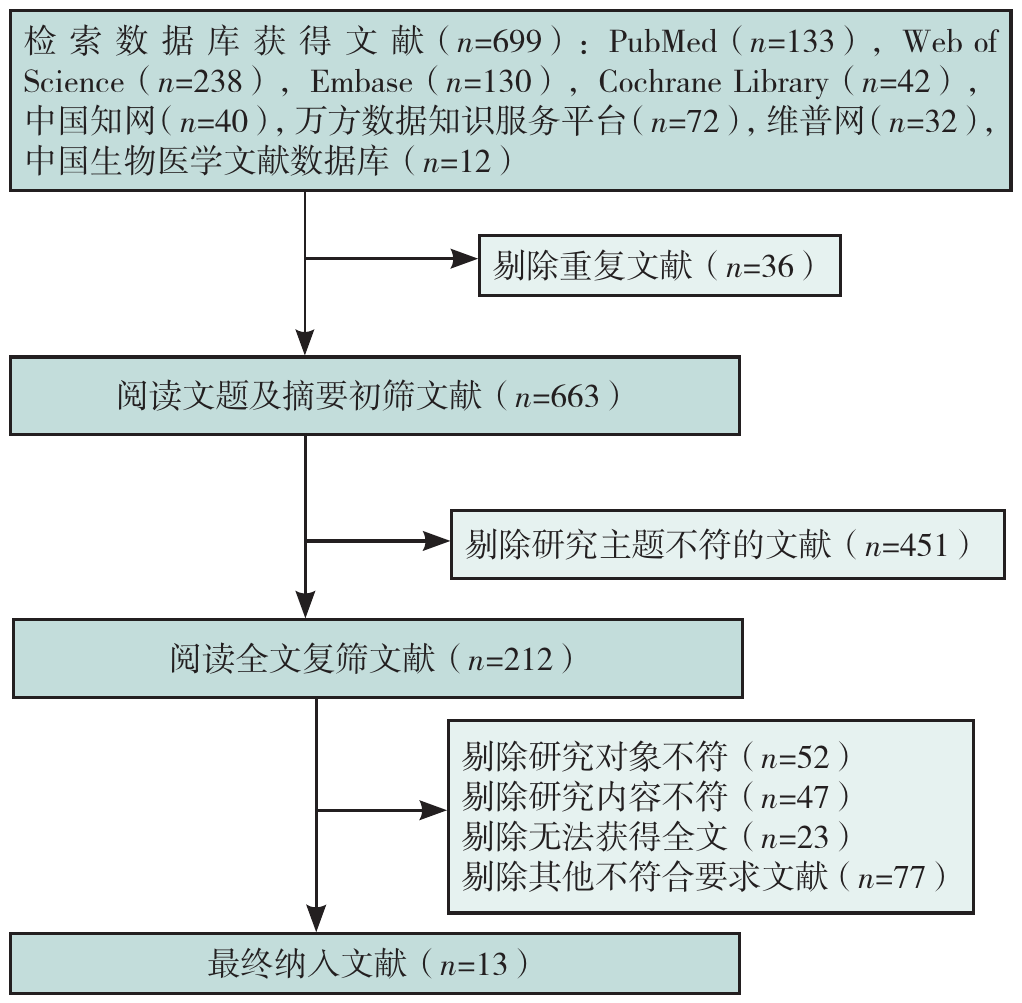
图1 文献筛选流程图
Figure 1 Literature screening flowchart
| 第一作者 | 发表时间(年) | 国家 | 研究主题 | 影响因素 |
|---|---|---|---|---|
| Russell[ | 2018 | 澳大利亚 | 安宁疗护服务分诊工具开发 | 身体痛苦、心理痛苦、照顾者痛苦、紧急沟通或信息需求、护理需求和护理安排之间的差异、护理地点和期望的护理地点之间的不匹配、即将死亡 |
| Bull[ | 2017 | 美国 | 基于社区的安宁疗护入院优先级评估工具的构建 | 近期护理环境改变、症状严重程度、功能状态、药物数量和药物变化、营养状况、近期感染 |
| Newpo r t[ | 2014 | 美国 | 住院安宁疗护咨询跨学科分诊的简单工具 | 患者疾病阶段稳定性、症状严重程度、入院原因 |
| Duraisamy[ | 2011 | 印度 | 家庭安宁疗护病房的分诊系统 | 症状严重程度、心理困扰、社会困扰、精神痛苦 |
| Glajchen[ | 2011 | 美国 | 美国急诊科安宁疗护转入病人快速筛查方案 | 日常生活活动(ADL)、症状严重程度、功能状态、照顾者负担水平 |
| Philip[ | 2010 | 澳大利亚 | 住院安宁疗护分诊工具的开发与评价 | 患者疾病阶段稳定性、症状严重程度、预期生存期、心理社会困扰、照护场所的适宜性评估 |
| Fergus[ | 2008 | 英国 | 专科安宁疗护住院部的患者进行分诊 | 疼痛、其他症状、家庭焦虑、精神困扰、护理环境 |
| Eagle[ | 2005 | 英国 | 安宁疗护住院患者入院决策程序探讨 | 患者疾病阶段稳定性、症状严重程度、入院前所在地、入院原因、患者需求 |
| Macdonald[ | 1995 | 美国 | 基于价值的临终关怀入院分诊方法 | 转介个案准备入院的时间长度、症状的严重程度、家庭压力水平、对安宁疗护机构产生影响的程度 |
表2 安宁疗护分诊影响因素
Table 2 Factors influencing hospice triage
| 第一作者 | 发表时间(年) | 国家 | 研究主题 | 影响因素 |
|---|---|---|---|---|
| Russell[ | 2018 | 澳大利亚 | 安宁疗护服务分诊工具开发 | 身体痛苦、心理痛苦、照顾者痛苦、紧急沟通或信息需求、护理需求和护理安排之间的差异、护理地点和期望的护理地点之间的不匹配、即将死亡 |
| Bull[ | 2017 | 美国 | 基于社区的安宁疗护入院优先级评估工具的构建 | 近期护理环境改变、症状严重程度、功能状态、药物数量和药物变化、营养状况、近期感染 |
| Newpo r t[ | 2014 | 美国 | 住院安宁疗护咨询跨学科分诊的简单工具 | 患者疾病阶段稳定性、症状严重程度、入院原因 |
| Duraisamy[ | 2011 | 印度 | 家庭安宁疗护病房的分诊系统 | 症状严重程度、心理困扰、社会困扰、精神痛苦 |
| Glajchen[ | 2011 | 美国 | 美国急诊科安宁疗护转入病人快速筛查方案 | 日常生活活动(ADL)、症状严重程度、功能状态、照顾者负担水平 |
| Philip[ | 2010 | 澳大利亚 | 住院安宁疗护分诊工具的开发与评价 | 患者疾病阶段稳定性、症状严重程度、预期生存期、心理社会困扰、照护场所的适宜性评估 |
| Fergus[ | 2008 | 英国 | 专科安宁疗护住院部的患者进行分诊 | 疼痛、其他症状、家庭焦虑、精神困扰、护理环境 |
| Eagle[ | 2005 | 英国 | 安宁疗护住院患者入院决策程序探讨 | 患者疾病阶段稳定性、症状严重程度、入院前所在地、入院原因、患者需求 |
| Macdonald[ | 1995 | 美国 | 基于价值的临终关怀入院分诊方法 | 转介个案准备入院的时间长度、症状的严重程度、家庭压力水平、对安宁疗护机构产生影响的程度 |
| 第一作者 | 发表时间(年) | 国家 | 研究主题 | 评估工具 | 评估内容 | 使用方式 |
|---|---|---|---|---|---|---|
| Paiva[ | 2022 | 巴西 | 晚期癌症患者急诊安宁疗护的分诊 | 急诊环境下的安宁疗护分诊系统(PCTS) | 每一级别均有对应的分诊标准,主要包括各种疾病症状指标如KPS、意识、疼痛、体温等,此外还有患者精神状态及照顾者需求 | PCTS采用4级分诊,以不同颜色进行区分,按紧急程度由重到轻分别是红色、黄色、绿色、蓝色,分别要求≤15 min、≤30 min、≤1 h、≤2 h接诊 |
| Russell[ | 2020 | 澳大利亚 | 终末期疾病患者的安宁疗护入院优先级评估 | 安宁疗护急需分诊工具(RUN-PC) | 患者的身体痛苦;患者的心理或精神痛苦;照顾者的痛苦;患者或照顾者的紧急和复杂的沟通或信息需求;护理需求与护理安排之间的差异;当前护理地点与患者或照顾者所需的护理地点不匹配;患者即将死亡 | 由专业分诊人员(接受过培训的医生、护士)分诊;总分0~100分,分为常规、非紧急、紧急、危急4级,向社区或者住院环境转介,来评估和比较新转诊患者在分配住院床位或安排社区访问时的紧迫性 |
| Dhiliwal[ | 2016 | 印度 | 采用埃德蒙顿症状评估量表(ESAS)对在家庭安宁疗护中的应用 | ESAS | 评估疼痛、乏力、呼吸困难、食欲、抑郁、焦虑等各种不适症状 | 对于埃德蒙顿症状评估量表中1种或多种症状得分>7分的患者,分配高优先级,将在1~3个工作日内由家庭护理团队就诊;得分为4~6分的患者,分配中等优先级,将在10个工作日内由家庭护理团队就诊;得分在0~3分的患者,分配低优先级,将在15个工作日内由家庭护理团队就诊 |
| Tan[ | 2012 | 澳大利亚 | 社区安宁疗护入院优先级评估工具的构建 | 社区安宁疗护服务分诊工具 | 评估指标主要包括疾病状态、疼痛、其他不稳定或不受控制的症状、心理社会困扰、认知和其他问题(如日常护理需求) | 根据得分分为3个等级,A(得分≥10分)、B(得分6~9分)、C(得分<6分),要求分别在24 h,2~5 d,6~10 d内转诊至合适的安宁疗护场所 |
| Philip[ | 2010 | 澳大利亚 | 住院安宁疗护患者优先级评估工具 | 住院安宁疗护入院分诊工具(IPAT) | 评估条目包括预后、身体症状、心理社会困扰、疾病阶段、护理环境5个维度 | 根据IPAT工具计算出的入院分数,按敏锐度对入院患者进行优先排序;随着临床状况的变化或每周更新等待名单上的患者的分数 |
| Macdonald[ | 1995 | 美国 | 基于价值观的临终关怀入院分诊方法研究 | SARP安宁疗护入院优先级评估工具 | "seniority"是指转介个案准备入院的时间长度,以转介后所经过的时间来衡量安宁疗护资格。"acuity"指的是患者症状的相对严重程度;"risk"指的是目前明显的家庭压力水平,或者是对患者安全和福祉的威胁的严重程度;"political significance"指的是如果某一特定患者没有得到优先关注,对安宁疗护机构产生负面影响的程度 | 4项标准中的每一项被赋予1~3的数值,3代表最强或最严重;这4个值加在一起就是SARP得分,SARP得分最低为4分,最高为12分;SARP得分最高的患者会被优先安排合适的医疗机构 |
表3 安宁疗护分诊评估工具
Table 3 Hospice triage assessment tool
| 第一作者 | 发表时间(年) | 国家 | 研究主题 | 评估工具 | 评估内容 | 使用方式 |
|---|---|---|---|---|---|---|
| Paiva[ | 2022 | 巴西 | 晚期癌症患者急诊安宁疗护的分诊 | 急诊环境下的安宁疗护分诊系统(PCTS) | 每一级别均有对应的分诊标准,主要包括各种疾病症状指标如KPS、意识、疼痛、体温等,此外还有患者精神状态及照顾者需求 | PCTS采用4级分诊,以不同颜色进行区分,按紧急程度由重到轻分别是红色、黄色、绿色、蓝色,分别要求≤15 min、≤30 min、≤1 h、≤2 h接诊 |
| Russell[ | 2020 | 澳大利亚 | 终末期疾病患者的安宁疗护入院优先级评估 | 安宁疗护急需分诊工具(RUN-PC) | 患者的身体痛苦;患者的心理或精神痛苦;照顾者的痛苦;患者或照顾者的紧急和复杂的沟通或信息需求;护理需求与护理安排之间的差异;当前护理地点与患者或照顾者所需的护理地点不匹配;患者即将死亡 | 由专业分诊人员(接受过培训的医生、护士)分诊;总分0~100分,分为常规、非紧急、紧急、危急4级,向社区或者住院环境转介,来评估和比较新转诊患者在分配住院床位或安排社区访问时的紧迫性 |
| Dhiliwal[ | 2016 | 印度 | 采用埃德蒙顿症状评估量表(ESAS)对在家庭安宁疗护中的应用 | ESAS | 评估疼痛、乏力、呼吸困难、食欲、抑郁、焦虑等各种不适症状 | 对于埃德蒙顿症状评估量表中1种或多种症状得分>7分的患者,分配高优先级,将在1~3个工作日内由家庭护理团队就诊;得分为4~6分的患者,分配中等优先级,将在10个工作日内由家庭护理团队就诊;得分在0~3分的患者,分配低优先级,将在15个工作日内由家庭护理团队就诊 |
| Tan[ | 2012 | 澳大利亚 | 社区安宁疗护入院优先级评估工具的构建 | 社区安宁疗护服务分诊工具 | 评估指标主要包括疾病状态、疼痛、其他不稳定或不受控制的症状、心理社会困扰、认知和其他问题(如日常护理需求) | 根据得分分为3个等级,A(得分≥10分)、B(得分6~9分)、C(得分<6分),要求分别在24 h,2~5 d,6~10 d内转诊至合适的安宁疗护场所 |
| Philip[ | 2010 | 澳大利亚 | 住院安宁疗护患者优先级评估工具 | 住院安宁疗护入院分诊工具(IPAT) | 评估条目包括预后、身体症状、心理社会困扰、疾病阶段、护理环境5个维度 | 根据IPAT工具计算出的入院分数,按敏锐度对入院患者进行优先排序;随着临床状况的变化或每周更新等待名单上的患者的分数 |
| Macdonald[ | 1995 | 美国 | 基于价值观的临终关怀入院分诊方法研究 | SARP安宁疗护入院优先级评估工具 | "seniority"是指转介个案准备入院的时间长度,以转介后所经过的时间来衡量安宁疗护资格。"acuity"指的是患者症状的相对严重程度;"risk"指的是目前明显的家庭压力水平,或者是对患者安全和福祉的威胁的严重程度;"political significance"指的是如果某一特定患者没有得到优先关注,对安宁疗护机构产生负面影响的程度 | 4项标准中的每一项被赋予1~3的数值,3代表最强或最严重;这4个值加在一起就是SARP得分,SARP得分最低为4分,最高为12分;SARP得分最高的患者会被优先安排合适的医疗机构 |
| [1] |
WHO. Global Atlas of Palliative Care 2nd Edition [EB/OL].(2020-10-01)[2024-04-26].
|
| [2] |
|
| [3] |
|
| [4] |
张琳苑, 郎红娟, 徐蕾, 等. 急诊预检分诊系统及信息化管理研究进展[J]. 护理研究, 2020, 34(24): 4414-4419. DOI: 10.12102/j.issn.1009-6493.2020.24.020.
|
| [5] |
雍永权, 宋鹤, 熊悦安, 等. 灾难救援远程医疗救治模式的探讨[J]. 临床急诊杂志, 2011, 12(1): 46-49. DOI: 10.3969/j.issn.1009-5918.2011.01.020.
|
| [6] |
王毅豪, 宓林晖, 袁骏毅. 日间手术术前检查预约登记流程设计与应用研究[J]. 中国数字医学, 2023, 18(2): 27-31. DOI: 10.3969/j.issn.1673-7571.2023.01.006.
|
| [7] |
张帅, 许国栋, 陈红霞, 等. 晚期癌症患者居家安宁疗护需求评估量表的编制及信效度检验[J]. 护理学杂志, 2023, 38(2): 96-99. DOI: 10.3870/j.issn.1001-4152.2023.02.096.
|
| [8] |
刘艳, 彭伟. 安宁疗护中常用的症状群评估工具[J]. 护理研究, 2019, 33(17): 2983-2986. DOI: 10.12102/j.issn.1009-6493.2019.17.015.
|
| [9] |
包慧敏, 朱冰河, 朱雪娇, 等. 安宁疗护服务实践现状与发展[J]. 中华现代护理杂志, 2024, 30(7): 841-847. DOI: 10.3760/cma.j.cn115682-20231226-02811.
|
| [10] |
罗涛, 赵越, 刘兰秋. 健康老龄化视角下我国安宁疗护服务体系建设现状与对策建议[J]. 中国全科医学, 2022, 25(19): 2315-2319, 2324. DOI: 10.12114/j.issn.1007-9572.2022.0257.
|
| [11] |
王喜益, 叶志弘, 汤磊雯. 范围综述在护理领域的应用进展[J]. 中华护理杂志, 2019, 54(8): 1259-1263. DOI: 10.3761/j.issn.0254-1769.2019.08.030.
|
| [12] |
|
| [13] |
|
| [14] |
|
| [15] |
|
| [16] |
|
| [17] |
|
| [18] |
|
| [19] |
|
| [20] |
|
| [21] |
|
| [22] |
|
| [23] |
|
| [24] |
|
| [25] |
赵伟, 姜延菊, 沈翠珍. 高龄老年患者对临终关怀照护需求的研究进展[J]. 中国护理管理, 2017, 17(4): 559-561. DOI: 10.3969/j.issn.1672-1756.2017.04.028.
|
| [26] |
丁敏, 闫荣, 林雨婷, 等. 安宁疗护病人家庭照顾者支持性护理干预的研究进展[J]. 护理研究, 2022, 36(11): 1951-1957. DOI: 10.12102/j.issn.1009-6493.2022.11.012.
|
| [27] |
Australia P C. National Palliative Care Standards [EB/OL].(2018-02-16)[2024-03-27].
|
| [28] |
缪俊, 张瑞云, 曹文群, 等. 社区安宁疗护服务对象准入准出标准研究[J]. 中华全科医学, 2019, 17(12): 2063-2068. DOI: 10.16766/j.cnki.issn.1674-4152.001128.
|
| [29] |
李迎鑫, 张倩倩, 程明明. 人文关怀专业化服务的发展——第二届安宁疗护社会工作实务2019上海论坛会议综述[J]. 中国医学伦理学, 2020, 33(2): 238-241. DOI: 10.12026/j.issn.1001-8565.2020.02.21.
|
| [30] |
诸海燕, 黄丽, 周淑珍, 等. 依托三甲医院在基层医疗机构开展安宁疗护的实践及探讨[J]. 医院管理论坛, 2020, 37(11): 32-34, 7. DOI: 10.3969/j.issn.1671-9069.2020.11.009.
|
| [31] |
杨子敬, 舒晓, 周玉兰, 等. 家庭照顾者对老年患者死亡地点的选择倾向及相关因素研究[J]. 护士进修杂志, 2023, 38(3): 193-198. DOI: 10.16821/j.cnki.hsjx.2023.03.001.
|
| [32] |
|
| [33] |
|
| [34] |
茅燕芬, 胡秀慧, 顾雯烨, 等. 分级诊疗中社区安宁疗护与上级医院转诊标准及流程的探讨[J]. 世界最新医学信息文摘(连续型电子期刊), 2020, 20(34): 221-222. DOI: 10.3969/j.issn.1671-3141.2020.34.107.
|
| [35] |
张大辉, 冷菲菲, 董一哲, 等. 黑龙江省《安宁疗护服务规范》编制研究[J]. 中国初级卫生保健, 2023, 37(4): 10-13. DOI: 10.3969/j.issn.1001-568X.2023.04.0003.
|
| [36] |
袁玲, 于成功, 傅晓红, 等. 南京市安宁疗护服务规范[J]. 实用老年医学, 2022, 36(6): 541-551. DOI: 10.3969/j.issn.1003-9198.2022.06.001.
|
| [37] |
宋宇娟. 肿瘤安宁疗护患者三级综合医院至社区转诊体验的质性研究[D]. 南京: 南京大学, 2019.
|
| [38] |
周玉洁, 袁玲, 武丽桂, 等. 安宁疗护分级转诊服务体系的构建及应用效果评价[J]. 中国护理管理, 2024, 24(5): 675-680.
|
| [39] |
|
| [40] |
喻建芳, 曾超超, 吴俊琪. 安宁疗护病房住院患者的基于需求评估的护理实践[J]. 护理学报, 2024, 31(4): 75-78. DOI: 10.16460/j.issn1008-9969.2024.04.075.
|
| [41] |
|
| [42] |
郭俊晨, 许湘华, 黄梦英, 等. 安宁疗护病房病人对远程照护服务需求的质性研究[J]. 护理研究, 2023, 37(23): 4281-4285. DOI: 10.12102/j.issn.1009-6493.2023.23.022.
|
| [43] |
|
| [44] |
|
| [45] |
|
| [46] |
张清慧, 谌永毅, 陈偶英, 等. 医护人员安宁疗护分级服务知信行调查[J]. 当代护士(中旬刊), 2021, 28(4): 83-87. DOI: 10.19792/j.cnki.1006-6411.2021.11.030.
|
| [47] |
刘丽香, 黎轶丽, 张依婷, 等. 非肿瘤科医护人员安宁疗护分级诊疗知信行现况调查[J]. 护理学杂志, 2023, 38(23): 109-112. DOI: 10.3870/j.issn.1001-4152.2023.23.109.
|
| [48] |
郭卓然, 孙中艮. 安宁疗护运行机制概念与建设[J]. 全科护理, 2023, 21(33): 4685-4690. DOI: 10.12104/j.issn.1674-4748.2023.33.019.
|
| [49] |
谢沛英, 应文娟, 伍艳春, 等. 医联体视域下"医院-社区-居家"安宁疗护服务模式的探索与实践[J]. 中国护理管理, 2023, 23(11): 1668-1672. DOI: 10.3969/j.issn.1672-1756.2023.11.014.
|
| [1] | 李喜玲, 张帆, 杨欣月, 杨姮. "零食式锻炼"在慢性病管理中应用的范围综述[J]. 中国全科医学, 2026, 29(30): 4472-4479. |
| [2] | 陈毓婧, 王岩, 李光, 董本超, 杨培川, 马剑雄. 数字技术在亚洲地区老年人肌少症干预中应用的范围综述[J]. 中国全科医学, 2026, 29(29): 4200-4210. |
| [3] | 李志新, 刘晓云. 分级诊疗背景下区域化医联体医疗质量协同治理的实践研究[J]. 中国全科医学, 2026, 29(28): 4107-4116. |
| [4] | 张涵, 蔡根深, 冯郑文, 张恺悦, 廉东波, 张华, 张晶. 分级诊疗背景下北京市肥胖症共病相关卫生服务可得性评估:基于医疗机构的调查研究[J]. 中国全科医学, 2026, 29(28): 4117-4124. |
| [5] | 解霄芸, 刘晨曦, 柳羽姝, 周艺涵. 中国基层医疗卫生机构人工智能研究实践及潜在数据贫困问题:一项范围综述[J]. 中国全科医学, 2026, 29(28): 4067-4077. |
| [6] | 张锐, 鲁旺, 杨梵, 罗苑, 陈丹镝. 分级诊疗背景下基层服务量的趋势特征与驱动机制:基于中断时间序列与对数平均迪氏指数分解法模型的实证研究[J]. 中国全科医学, 2026, 29(28): 4100-4106. |
| [7] | 陈龙, 胡伟, 叶兵. 广东省居民门诊就医选择及其影响因素:基于2023年第七次全国卫生服务调查数据的分析[J]. 中国全科医学, 2026, 29(25): 3608-3613. |
| [8] | 吴礼云, 孙华婧, 顾艺卿, 梅紫琦, 金胜姬, 张素菊, 诸赟, 张瑶, 李琴, 刘小苗, 王庆, 柏亚妹, 徐桂华. 数智化技术用于急性心肌梗死心电监测的范围综述[J]. 中国全科医学, 2026, 29(24): 3545-3552. |
| [9] | 李文萍, 陈建华, 许家培, 金雪, 潘子涵, 迟春花. 数智化健康管理平台赋能社区老年人健康服务的范围综述[J]. 中国全科医学, 2026, 29(21): 2938-2949. |
| [10] | 海峡两岸医药卫生交流协会全科医学分会, 浙江省医学会全科医学分会, 浙江省数理医学学会全科未分化疾病专委会, 中国老年医学学会. 麻木诊治与管理专家共识(2025)[J]. 中国全科医学, 2026, 29(18): 2433-2449. |
| [11] | 闫温馨, 刘珏, 梁万年. 中国全科医学学科发展若干问题思考[J]. 中国全科医学, 2026, 29(13): 1649-1653. |
| [12] | 张涵, 张华, 蔡根深, 廉东波, 张晶. 基层医疗卫生机构减重门诊建设与典型案例研究[J]. 中国全科医学, 2026, 29(12): 1520-1524. |
| [13] | 王昱棋, 叶睿雪, 高焱, 薛凯文, 周静, 李冬霞, 郝英姿, 李晓轩, 王玉龙. 康复分级诊疗体系的国内外发展现状及应用需求探讨[J]. 中国全科医学, 2026, 29(10): 1250-1255. |
| [14] | 严明, 夏瑀, 周鹏翔, 周馨媚, 方力争, 赵洋, 徐志杰. 处方精简实施的阻碍因素和促进因素:基于更新版实施性研究综合框架的范围综述[J]. 中国全科医学, 2026, 29(07): 936-944. |
| [15] | 孔春燕, 赵芳. 分级诊疗视域下基层首诊意愿影响因素的联合实验研究[J]. 中国全科医学, 2026, 29(07): 851-857. |
| 阅读次数 | ||||||
|
全文 |
|
|||||
|
摘要 |
|
|||||