
Chinese General Practice ›› 2026, Vol. 29 ›› Issue (07): 922-928.DOI: 10.12114/j.issn.1007-9572.2024.0371
• Original Research·Focus on Health Poverty Vulnerability • Previous Articles Next Articles
Received:2024-10-15
Revised:2025-04-16
Published:2026-03-05
Online:2026-02-13
Contact:
QIAO Hui
通讯作者:
乔慧
作者简介:作者贡献:
王宥匀提出研究选题方向,撰写文章,负责数据分析与论文撰写;乔慧为课题研究提供资金支持,并对文章整体把控;宋明莎负责数据清洗与管理;李春生负责文献查找、整理和归纳;所有作者参加问卷调查和数据收集。
基金资助:CLC Number:
Add to citation manager EndNote|Ris|BibTeX
URL: https://www.chinagp.net/EN/10.12114/j.issn.1007-9572.2024.0371
| 变量 | 赋值 |
|---|---|
| 个人特征 | |
| 人均可支配收入 | 实测值 |
| 性别 | 男=0,女=1 |
| 年龄 | 实测值 |
| 婚姻状况 | 未婚/离异/丧偶=0,在婚=1 |
| 文化程度 | 没上过学=0,小学=1,初中=2,高中及以上=3 |
| 健康水平 | |
| 自评健康状况 | 不健康=0,一般=1,健康=2 |
| BMI | <18.5 kg/m2=0,18.5~23.9 kg/m2=1,≥24.0 kg/m2=2 |
| 患慢病种数 | 1种=0,2种=1,3种及以上=2 |
| 最长患病年限 | 实测值 |
| 疾病预防与控制 | |
| 吸烟情况 | 从未吸=0,偶尔吸=1,经常吸=2,已戒烟=3 |
| 饮酒情况 | 从未喝过=0,偶尔喝/经常喝/已戒酒=1 |
| 每周有意识锻炼次数 | 从不锻炼=0,不到1次=1,1~2次=2,3~5次=3,6次及以上=4 |
| 医疗保障 | |
| 是否参加城乡统筹基本医疗或城镇职工医疗保险 | 否=0,是=1 |
| 最近看病点 | 村卫生室=0,乡卫生院=1,县医院=2 |
| 疾病负担 | |
| 近3个月自付医疗费用 | ≤1 000元=0,1 001~2 000元=1,>2 000元=2 |
| 风险性卫生支出 | 实测值 |
Table 1 Variable assignment
| 变量 | 赋值 |
|---|---|
| 个人特征 | |
| 人均可支配收入 | 实测值 |
| 性别 | 男=0,女=1 |
| 年龄 | 实测值 |
| 婚姻状况 | 未婚/离异/丧偶=0,在婚=1 |
| 文化程度 | 没上过学=0,小学=1,初中=2,高中及以上=3 |
| 健康水平 | |
| 自评健康状况 | 不健康=0,一般=1,健康=2 |
| BMI | <18.5 kg/m2=0,18.5~23.9 kg/m2=1,≥24.0 kg/m2=2 |
| 患慢病种数 | 1种=0,2种=1,3种及以上=2 |
| 最长患病年限 | 实测值 |
| 疾病预防与控制 | |
| 吸烟情况 | 从未吸=0,偶尔吸=1,经常吸=2,已戒烟=3 |
| 饮酒情况 | 从未喝过=0,偶尔喝/经常喝/已戒酒=1 |
| 每周有意识锻炼次数 | 从不锻炼=0,不到1次=1,1~2次=2,3~5次=3,6次及以上=4 |
| 医疗保障 | |
| 是否参加城乡统筹基本医疗或城镇职工医疗保险 | 否=0,是=1 |
| 最近看病点 | 村卫生室=0,乡卫生院=1,县医院=2 |
| 疾病负担 | |
| 近3个月自付医疗费用 | ≤1 000元=0,1 001~2 000元=1,>2 000元=2 |
| 风险性卫生支出 | 实测值 |
| 项目 | 非健康贫困脆弱组(n=4 525) | 健康贫困脆弱组(n=253) | χ2(Z)值 | P值 |
|---|---|---|---|---|
| 个人特征 | ||||
| 性别[例(%)] | 0.124 | 0.725 | ||
| 男 | 2 126(46.98) | 116(45.85) | ||
| 女 | 2 399(53.03) | 137(54.15) | ||
| 年龄[M(QR),岁] | 60(54,70) | 75(68,80) | 245.552a | <0.001 |
| 婚姻状况[例(%)] | 53.556 | <0.001 | ||
| 未婚/离异/丧偶 | 562(12.42) | 72(28.46) | ||
| 在婚 | 3 963(87.58) | 181(71.54) | ||
| 文化程度[例(%)] | 78.164 | <0.001 | ||
| 没上过学 | 2 037(45.02) | 184(72.73) | ||
| 小学 | 1 657(36.62) | 57(22.53) | ||
| 初中 | 622(13.75) | 10(3.95) | ||
| 高中及以上 | 209(4.62) | 2(0.79) | ||
| 健康水平 | ||||
| 自评健康状况[例(%)] | 96.017 | <0.001 | ||
| 不健康 | 1 011(22.34) | 120(47.43) | ||
| 一般 | 1 882(41.59) | 96(37.94) | ||
| 健康 | 1 632(36.07) | 37(14.62) | ||
| BMI[例(%)] | 36.679 | <0.001 | ||
| <18.5 kg/m2 | 351(7.76) | 31(12.25) | ||
| 18.5~23.9 kg/m2 | 2 524(55.78) | 176(69.57) | ||
| ≥24.0 kg/m2 | 1 650(36.46) | 46(18.18) | ||
| 患慢病种数[例(%)] | 0.628 | 0.731 | ||
| 1种 | 3 107(68.66) | 169(66.80) | ||
| 2种 | 1 030(22.76) | 59(23.32) | ||
| 3种及以上 | 388(8.57) | 25(9.88) | ||
| 最长患病年限[M(QR),年] | 7(4,12) | 8(5,13) | 4.959a | 0.025 |
| 疾病预防与控制 | ||||
| 吸烟情况[例(%)] | 14.081 | 0.003 | ||
| 从未吸 | 3 667(81.04) | 228(90.12) | ||
| 偶尔吸 | 119(2.63) | 3(1.19) | ||
| 经常吸 | 615(13.59) | 16(6.32) | ||
| 已戒烟 | 124(2.74) | 6(2.37) | ||
| 饮酒情况[例(%)] | 9.931 | 0.002 | ||
| 从未喝过 | 4 259(94.12) | 250(98.81) | ||
| 偶尔喝/经常喝/已戒酒 | 266(5.88) | 3(1.19) | ||
| 每周有意识锻炼次数[例(%)] | 31.590 | <0.001 | ||
| 从不锻炼 | 2 989(66.06) | 208(82.21) | ||
| 1~2次 | 295(6.52) | 10(3.95) | ||
| 3~5次 | 465(10.28) | 17(6.72) | ||
| 6次及以上 | 776(17.15) | 18(7.11) | ||
| 医疗保障 | ||||
| 是否参加城乡统筹基本医疗或城镇职工医疗保险[例(%)] | 168.749 | <0.001 | ||
| 否 | 16(0.35) | 19(7.51) | ||
| 是 | 4 509(99.65) | 234(92.49) | ||
| 最近看病点[例(%)] | 13.548 | 0.001 | ||
| 村卫生室 | 4 293(94.87) | 227(89.72) | ||
| 乡卫生院 | 208(4.60) | 22(8.70) | ||
| 县医院 | 24(0.53) | 4(1.58) | ||
| 疾病负担 | ||||
| 近3个月自付医疗费用[例(%)] | 6.920 | 0.031 | ||
| ≤1 000元 | 4 172(92.20) | 244(96.44) | ||
| 1 001~2 000元 | 161(3.56) | 6(2.37) | ||
| >2 000元 | 192(4.24) | 3(1.19) | ||
| 风险性卫生支出[M(QR),元] | 0.11(0.04,0.25) | 0.06(0.02,0.15) | 44.234a | <0.001 |
Table 2 Comparison of different dimensions of health poverty vulnerability groups
| 项目 | 非健康贫困脆弱组(n=4 525) | 健康贫困脆弱组(n=253) | χ2(Z)值 | P值 |
|---|---|---|---|---|
| 个人特征 | ||||
| 性别[例(%)] | 0.124 | 0.725 | ||
| 男 | 2 126(46.98) | 116(45.85) | ||
| 女 | 2 399(53.03) | 137(54.15) | ||
| 年龄[M(QR),岁] | 60(54,70) | 75(68,80) | 245.552a | <0.001 |
| 婚姻状况[例(%)] | 53.556 | <0.001 | ||
| 未婚/离异/丧偶 | 562(12.42) | 72(28.46) | ||
| 在婚 | 3 963(87.58) | 181(71.54) | ||
| 文化程度[例(%)] | 78.164 | <0.001 | ||
| 没上过学 | 2 037(45.02) | 184(72.73) | ||
| 小学 | 1 657(36.62) | 57(22.53) | ||
| 初中 | 622(13.75) | 10(3.95) | ||
| 高中及以上 | 209(4.62) | 2(0.79) | ||
| 健康水平 | ||||
| 自评健康状况[例(%)] | 96.017 | <0.001 | ||
| 不健康 | 1 011(22.34) | 120(47.43) | ||
| 一般 | 1 882(41.59) | 96(37.94) | ||
| 健康 | 1 632(36.07) | 37(14.62) | ||
| BMI[例(%)] | 36.679 | <0.001 | ||
| <18.5 kg/m2 | 351(7.76) | 31(12.25) | ||
| 18.5~23.9 kg/m2 | 2 524(55.78) | 176(69.57) | ||
| ≥24.0 kg/m2 | 1 650(36.46) | 46(18.18) | ||
| 患慢病种数[例(%)] | 0.628 | 0.731 | ||
| 1种 | 3 107(68.66) | 169(66.80) | ||
| 2种 | 1 030(22.76) | 59(23.32) | ||
| 3种及以上 | 388(8.57) | 25(9.88) | ||
| 最长患病年限[M(QR),年] | 7(4,12) | 8(5,13) | 4.959a | 0.025 |
| 疾病预防与控制 | ||||
| 吸烟情况[例(%)] | 14.081 | 0.003 | ||
| 从未吸 | 3 667(81.04) | 228(90.12) | ||
| 偶尔吸 | 119(2.63) | 3(1.19) | ||
| 经常吸 | 615(13.59) | 16(6.32) | ||
| 已戒烟 | 124(2.74) | 6(2.37) | ||
| 饮酒情况[例(%)] | 9.931 | 0.002 | ||
| 从未喝过 | 4 259(94.12) | 250(98.81) | ||
| 偶尔喝/经常喝/已戒酒 | 266(5.88) | 3(1.19) | ||
| 每周有意识锻炼次数[例(%)] | 31.590 | <0.001 | ||
| 从不锻炼 | 2 989(66.06) | 208(82.21) | ||
| 1~2次 | 295(6.52) | 10(3.95) | ||
| 3~5次 | 465(10.28) | 17(6.72) | ||
| 6次及以上 | 776(17.15) | 18(7.11) | ||
| 医疗保障 | ||||
| 是否参加城乡统筹基本医疗或城镇职工医疗保险[例(%)] | 168.749 | <0.001 | ||
| 否 | 16(0.35) | 19(7.51) | ||
| 是 | 4 509(99.65) | 234(92.49) | ||
| 最近看病点[例(%)] | 13.548 | 0.001 | ||
| 村卫生室 | 4 293(94.87) | 227(89.72) | ||
| 乡卫生院 | 208(4.60) | 22(8.70) | ||
| 县医院 | 24(0.53) | 4(1.58) | ||
| 疾病负担 | ||||
| 近3个月自付医疗费用[例(%)] | 6.920 | 0.031 | ||
| ≤1 000元 | 4 172(92.20) | 244(96.44) | ||
| 1 001~2 000元 | 161(3.56) | 6(2.37) | ||
| >2 000元 | 192(4.24) | 3(1.19) | ||
| 风险性卫生支出[M(QR),元] | 0.11(0.04,0.25) | 0.06(0.02,0.15) | 44.234a | <0.001 |
| 变量 | Logistic回归 | 边际效应 | |||
|---|---|---|---|---|---|
| SE | P值 | OR(95%CI) | SE | dy/dx | |
| 年龄(以实测值纳入) | 0.010 | <0.001 | 1.109(1.091~1.129) | 0.000 | 0.004a |
| 婚姻状况(以未婚/离异/丧偶为对照) | |||||
| 在婚 | 0.266 | 0.060 | 1.421(0.985~2.05) | 0.007 | 0.013 |
| 文化程度(以没上过学为对照) | |||||
| 小学 | 0.109 | 0.018 | 0.618(0.438~0.873) | 0.007 | -0.019a |
| 初中 | 0.164 | 0.043 | 0.453(0.223~0.92) | 0.010 | -0.028a |
| 高中及以上 | 0.249 | 0.144 | 0.316(0.067~1.48) | 0.017 | -0.037 |
| 自评健康状况(以不健康为对照) | |||||
| 一般 | 0.083 | <0.001 | 0.507(0.368~0.699) | 0.008 | -0.033a |
| 健康 | 0.055 | <0.001 | 0.252(0.164~0.386) | 0.008 | -0.055a |
| BMI(以<18.5 kg/m2为对照) | |||||
| 18.5~23.9 kg/m2 | 0.312 | 0.257 | 1.310(0.821~2.088) | 0.009 | 0.011 |
| ≥24.0 kg/m2 | 0.199 | 0.235 | 0.720(0.418~1.239) | 0.010 | -0.011 |
| 最长患病年限(以实测值纳入) | 0.010 | 0.013 | 0.966(0.947~0.986) | 0.000 | -0.001a |
| 吸烟情况(以从不吸烟为对照) | |||||
| 偶尔吸 | 0.527 | 0.790 | 0.847(0.251~2.865) | 0.022 | -0.006 |
| 经常吸 | 0.203 | 0.180 | 0.664(0.365~1.208) | 0.010 | -0.014 |
| 已戒烟 | 0.797 | 0.294 | 1.656(0.645~4.254) | 0.026 | 0.024 |
| 饮酒情况(以从不饮酒为对照) | |||||
| 偶尔喝/经常喝/已戒酒 | 0.270 | 0.175 | 0.411(0.113~1.488) | 0.015 | -0.027 |
| 每周有意识锻炼次数(以从不锻炼为对照) | |||||
| 1~2次 | 0.226 | 0.189 | 0.618(0.301~1.267) | 0.012 | -0.018 |
| 3~5次 | 0.204 | 0.236 | 0.713(0.408~1.248) | 0.011 | -0.014 |
| 6次及以上 | 0.113 | 0.006 | 0.416(0.245~0.707) | 0.007 | -0.030a |
| 是否参加城乡统筹基本医疗或城镇职工医疗保险(以否为对照) | |||||
| 是 | 0.006 | <0.001 | 0.013(0.005~0.034) | 0.075 | -0.474a |
| 最近看病点(以村卫生室为对照) | |||||
| 乡卫生院 | 0.669 | <0.001 | 2.519(1.497~4.240) | 0.017 | 0.047a |
| 县医院 | 5.349 | <0.001 | 7.509(1.859~30.334) | 0.075 | 0.140 |
| 近3个月自付医疗费用(以≤1 000元为对照) | |||||
| 1 001~2 000元 | 0.266 | 0.241 | 0.587(0.241~1.428) | 0.013 | -0.018 |
| >2 000元 | 0.229 | 0.109 | 0.380(0.117~1.239) | 0.013 | -0.029 |
| 风险性卫生支出(以实测值纳入) | 0.004 | <0.001 | 0.007(0.002~0.023) | 0.025 | -0.197a |
Table 3 Logistic regression analysis and marginal effect analysis of factors influencing the vulnerability to health poverty
| 变量 | Logistic回归 | 边际效应 | |||
|---|---|---|---|---|---|
| SE | P值 | OR(95%CI) | SE | dy/dx | |
| 年龄(以实测值纳入) | 0.010 | <0.001 | 1.109(1.091~1.129) | 0.000 | 0.004a |
| 婚姻状况(以未婚/离异/丧偶为对照) | |||||
| 在婚 | 0.266 | 0.060 | 1.421(0.985~2.05) | 0.007 | 0.013 |
| 文化程度(以没上过学为对照) | |||||
| 小学 | 0.109 | 0.018 | 0.618(0.438~0.873) | 0.007 | -0.019a |
| 初中 | 0.164 | 0.043 | 0.453(0.223~0.92) | 0.010 | -0.028a |
| 高中及以上 | 0.249 | 0.144 | 0.316(0.067~1.48) | 0.017 | -0.037 |
| 自评健康状况(以不健康为对照) | |||||
| 一般 | 0.083 | <0.001 | 0.507(0.368~0.699) | 0.008 | -0.033a |
| 健康 | 0.055 | <0.001 | 0.252(0.164~0.386) | 0.008 | -0.055a |
| BMI(以<18.5 kg/m2为对照) | |||||
| 18.5~23.9 kg/m2 | 0.312 | 0.257 | 1.310(0.821~2.088) | 0.009 | 0.011 |
| ≥24.0 kg/m2 | 0.199 | 0.235 | 0.720(0.418~1.239) | 0.010 | -0.011 |
| 最长患病年限(以实测值纳入) | 0.010 | 0.013 | 0.966(0.947~0.986) | 0.000 | -0.001a |
| 吸烟情况(以从不吸烟为对照) | |||||
| 偶尔吸 | 0.527 | 0.790 | 0.847(0.251~2.865) | 0.022 | -0.006 |
| 经常吸 | 0.203 | 0.180 | 0.664(0.365~1.208) | 0.010 | -0.014 |
| 已戒烟 | 0.797 | 0.294 | 1.656(0.645~4.254) | 0.026 | 0.024 |
| 饮酒情况(以从不饮酒为对照) | |||||
| 偶尔喝/经常喝/已戒酒 | 0.270 | 0.175 | 0.411(0.113~1.488) | 0.015 | -0.027 |
| 每周有意识锻炼次数(以从不锻炼为对照) | |||||
| 1~2次 | 0.226 | 0.189 | 0.618(0.301~1.267) | 0.012 | -0.018 |
| 3~5次 | 0.204 | 0.236 | 0.713(0.408~1.248) | 0.011 | -0.014 |
| 6次及以上 | 0.113 | 0.006 | 0.416(0.245~0.707) | 0.007 | -0.030a |
| 是否参加城乡统筹基本医疗或城镇职工医疗保险(以否为对照) | |||||
| 是 | 0.006 | <0.001 | 0.013(0.005~0.034) | 0.075 | -0.474a |
| 最近看病点(以村卫生室为对照) | |||||
| 乡卫生院 | 0.669 | <0.001 | 2.519(1.497~4.240) | 0.017 | 0.047a |
| 县医院 | 5.349 | <0.001 | 7.509(1.859~30.334) | 0.075 | 0.140 |
| 近3个月自付医疗费用(以≤1 000元为对照) | |||||
| 1 001~2 000元 | 0.266 | 0.241 | 0.587(0.241~1.428) | 0.013 | -0.018 |
| >2 000元 | 0.229 | 0.109 | 0.380(0.117~1.239) | 0.013 | -0.029 |
| 风险性卫生支出(以实测值纳入) | 0.004 | <0.001 | 0.007(0.002~0.023) | 0.025 | -0.197a |
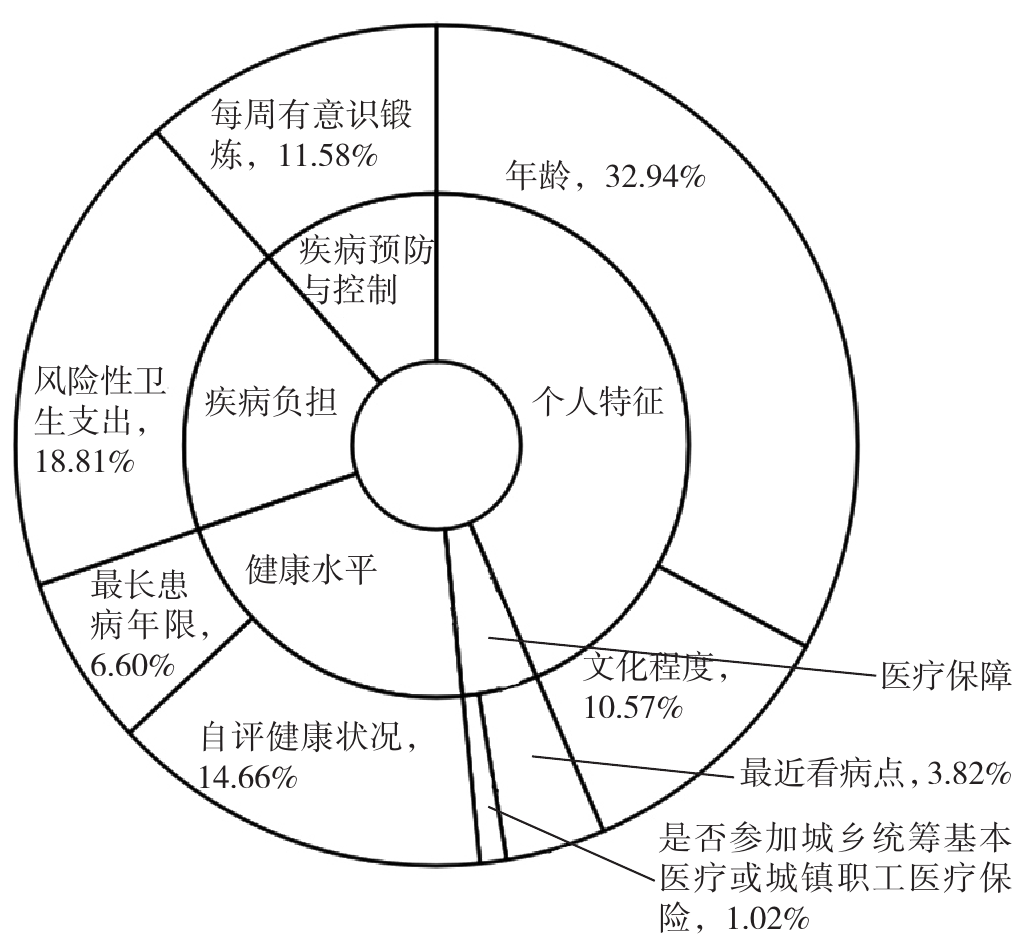
Figure 1 Shapley value decomposition of factors influencing health poverty vulnerability of chronic disease patients
| [1] |
刘跃,刘慧敏,李艾春,等. 健康贫困及健康贫困脆弱性内涵探析[J]. 医学与社会, 2018, 31(5): 8-10, 16.
|
| [2] |
国家卫生健康委员会. 中国卫生健康统计年鉴2022[M]. 北京: 中国协和医科大学出版社, 2022.
|
| [3] |
中国疾病预防控制中心慢性非传染性疾病预防控制中心, 国家卫生健康委统计信息中心. 中国死因监测数据集2021[M]. 北京: 中国科学技术出版社, 2022: 22.
|
| [4] |
范潇茹,陈莎,施予宁,等.我国中老年人慢性病共病现状及其对卫生服务利用和医疗费用的影响研究[J].中国全科医学, 2022, 25(19): 2371-2378. DOI: 10.12114/j.issn.1007-9572.2022.0220.
|
| [5] |
梁嘉琳. 这一类疾病防治,为何会被二十大报告特别强调?[N]. 新京报, 2022-10-21(A02).
|
| [6] |
国务院新闻办公室.人类减贫的中国实践[N]. 人民日报, 2021-04-07(9-12).
|
| [7] |
刘军军,王高玲,严蓓蕾. 慢性病患者健康贫困脆弱性的影响因素研究[J]. 中国卫生经济, 2019, 38(5): 56-59.
|
| [8] |
肖丹丹,陈秀红,王绚璇,等. 海南省慢性病对老年家庭消费能力的影响因素分析[J]. 医学与社会, 2019, 32(4): 28-31.
|
| [9] |
刘军军,王高玲. 江苏省慢性病患者医疗依从性及影响因素研究[J]. 中国医疗管理科学, 2019, 9(4): 45-49.
|
| [10] |
马喜民,李培雯,贺嘉慧,等. 中西部农村慢性病老年人住院服务利用及其影响因素分析——基于多水平模型的宁夏四县为例[J]. 现代预防医学, 2023, 50(2): 285-291.
|
| [11] |
|
| [12] |
|
| [13] |
虎昭言.宁夏农村家庭相对健康贫困脆弱性指标体系构建及其影响因素研究[D].银川: 宁夏医科大学, 2023.
|
| [14] |
|
| [15] |
徐佳琳. 老年人慢性病患者的健康贫困脆弱性研究[D]. 广州: 广东药科大学, 2020.
|
| [16] |
韦艳,李美琪. 农村女性健康贫困脆弱性及影响因素研究[J]. 湖北民族大学学报(哲学社会科学版), 2021, 39(4): 105-118.
|
| [17] |
|
| [18] |
|
| [19] |
虎昭言,肖文文,高保锴,等. 宁夏农村育龄期妇女相对健康贫困脆弱性及其影响因素分析[J]. 医学与社会, 2023, 36(4): 20-24.
|
| [20] |
虎昭言,王文龙,高保锴,等. 宁夏农村居民健康贫困脆弱性及影响因素研究[J]. 农村经济与科技, 2022, 33(7): 224-226, 254.
|
| [21] |
|
| [22] |
王高玲,钱毅兰. 江苏慢性病患者健康素养的影响因素及提升措施[J]. 南京中医药大学学报(社会科学版), 2018, 19(3): 172-177.
|
| [23] |
严蓓蕾. 慢性病患者健康贫困脆弱性测度与影响因素分析——以苏北三市为例[D]. 南京: 南京中医药大学, 2019.
|
| [24] |
曾莉,刘珍玲,彭娟文,等. 冠心病患者自我管理能力的影响因素分析[J]. 中国医学创新, 2022, 19(17): 165-168.
|
| [25] |
刘军军. 慢性病患者自我管理能力对健康贫困脆弱性的影响研究[D]. 南京: 南京中医药大学, 2020.
|
| [26] |
向琴. 农村老年慢病家庭贫困脆弱性的健康多维风险识别及作用机制研究[D]. 武汉: 华中科技大学, 2021.
|
| [27] |
魏传永. 分级诊疗背景下山东省居民首诊就医机构选择及影响因素研究[D]. 济南: 山东大学, 2023.
|
| [28] |
|
| [1] | LI Jiawei, GAO Xinyi, GE Aoqi, LI Juanjuan, YUAN Beibei. Demand and Associated Factors for Integrated Medical Care and Preventive Services among Patients with Type 2 Diabetes [J]. Chinese General Practice, 2026, 29(21): 3028-3039. |
| [2] | YU Haiyan, XIANG Tong, GAO Wenjuan, WU Hao. Research and Application of Digital Health Technologies in Multimorbidity Management [J]. Chinese General Practice, 2026, 29(21): 2933-2937. |
| [3] | LI Feng, HU Changhao, LUO Xu. Progress in the Study of Influencing Factors and Intervention Strategies of Mental Health in Elderly Patients with Multiple Chronic Conditions [J]. Chinese General Practice, 2026, 29(20): 2816-2828. |
| [4] | CHENG Yu, HAN Shiyao, SUN Ping, XIANG Juan, YANG Hui, LI Dongze, ZHENG Li, LIAO Xiaoyang. Analysis of Socioeconomic and Demographic Challenges in Chronic Disease Management [J]. Chinese General Practice, 2026, 29(20): 2800-2807. |
| [5] | ZHANG Xiaojuan, LIU Yang, PENG Bo, YE Yuan, ZHU Kun. Study on the Prevention and Treatment of Hypertension and Diabetes Mellitus in Community Hospital [J]. Chinese General Practice, 2026, 29(19): 2614-2620. |
| [6] | ZHANG Huifang, CHEN Cunchuan, FAN Boyang, SUN Wenning, WANG Yingjie, ZHANG Ao, ZHAO Yang, WANG Haipeng. Study on the Service Capability of Primary Care Doctors to Integrate Medical and Preventive Services and Its Influencing Factors in Shandong Province [J]. Chinese General Practice, 2026, 29(19): 2711-2716. |
| [7] | TANG Lijuan, QI Qi, ZHANG Fan, GAO Yifu, CAO Yajing, YUE Fujuan, GAO Jinchai, LIU Xiaoli. Characterisation of the Prevalence of Overweight/Obesity among Residents Aged 18-44 Years in Hebei Province in 2013 and 2020 [J]. Chinese General Practice, 2026, 29(19): 2695-2704. |
| [8] | LIU Fang, LIU Weinan, XIANG Yuanyue, LU Cheng, ZHU Binhai. Factors Influencing Work-related Flow among "3+2" Order-oriented Assistant General Practitioners in Jiangsu Province [J]. Chinese General Practice, 2026, 29(18): 2454-2460. |
| [9] | CHEN Qiulong, CHEN Jia, FANG Jing, DAI Wei, YANG Qing. Application Status and Research Progress of Observer-reported Outcome [J]. Chinese General Practice, 2026, 29(18): 2561-2570. |
| [10] | CHEN Yan, SHEN Dequan, SHENG Renlei, CHANG Yujie, YANG Jiaqi, DING Jie, SUN Zhifang, WANG Dahui. Influencing Factors and Importance Ranking of the Utilization of Primary-level Traditional Chinese Medicine Preventive and Health Care Services for the Elderly [J]. Chinese General Practice, 2026, 29(16): 2182-2189. |
| [11] | YU Shan, CHE Yajie, SUBIYINUER· Maimaiti, GUO Kaiyang, FENG Xingxing, YAN Ping. A Comparative Study on the Current Situation and Influencing Factors of Subjective Cognitive Decline among Urban and Rural Elderly People in Xinjiang [J]. Chinese General Practice, 2026, 29(16): 2227-2233. |
| [12] | CHEN Bihua, LIN Qiyi, LI Wuhua, SU Jin, TU Liping, SHI Lan, DING Xiaoqin, YI Chuntao. The Influencing Factors and Mechanisms of the Work Output Level of Family Doctor Teams from the Perspective of Team Effectiveness [J]. Chinese General Practice, 2026, 29(16): 2167-2173. |
| [13] | YU Chao, SONG Lihua, WANG Linyan, LU Yunping, WANG Linyang, CUI Wei. The Functional Outcomes and Influencing Factors in Patients with First-episode Major Depressive Disorder after 7 Years [J]. Chinese General Practice, 2026, 29(16): 2221-2226. |
| [14] | LUO Yutong, LI Jing. The HPV Vaccine Coverage and Its Influencing Factors among the Eligible Population in China Based on a Geographically Weighted Regression Model [J]. Chinese General Practice, 2026, 29(16): 2234-2243. |
| [15] | FU Mingyuan, YU Xiaoyi, GE Caiying, KONG Min. Impaired Awareness of Hypoglycemia: Prevalence and Determinants among Community-based Patients with Type 2 Diabetes Mellitus [J]. Chinese General Practice, 2026, 29(16): 2252-2258. |
| Viewed | ||||||
|
Full text |
|
|||||
|
Abstract |
|
|||||
