
Chinese General Practice ›› 2026, Vol. 29 ›› Issue (25): 3704-3712.DOI: 10.12114/j.issn.1007-9572.2025.0230
• Evidence-based Medicine • Previous Articles
Received:2025-10-20
Revised:2026-04-08
Published:2026-09-05
Online:2026-08-11
Contact:
CHEN Yamei
通讯作者:
陈亚梅
作者简介:作者贡献:
王蓉负责文章的构思与设计及论文撰写;王蓉、邸允政负责文献检索、筛选及证据提取与汇总;徐涯鑫、徐军负责文献质量评价及证据分级;姚亭负责表格的编辑、整理及论文初稿的撰写;陈亚梅负责论文修订、文章的质量控制及审校,对文章整体负责。
基金资助:CLC Number:
Add to citation manager EndNote|Ris|BibTeX
URL: https://www.chinagp.net/EN/10.12114/j.issn.1007-9572.2025.0230
| 序号 | 检索策略 |
|---|---|
| #1 | (Inflammatory Bowel Diseases [MESH]) |
| #2 | (Inflammatory Bowel Diseases [Title/Abstract])O R(Ulcerative Colitis [Title/Abstract])O R(Crohn Disease [Title/Abstract]) |
| #3 | #1 O R #2 |
| #4 | (transition readiness [Title/Abstract])O R(adolescent [Title/Abstract])O R(emerging adult [Title/Abstract])O R(paediatric [Title/Abstract])O R(prime adult [Title/Abstract])O R(young adult [Title/Abstract])O R(teen [Title/Abstract])O R(puberty [Title/Abstract])O R(juvenile [Title/Abstract])O R(teenager [Title/Abstract])O R(early adulthood [Title/Abstract])O R(handover [Title/Abstract])O R(transfer [Title/Abstract])O R(transition [Title/Abstract])O R(transition care [Title/Abstract])O R(transition model [Title/Abstract])O R(health care [Title/Abstract]) |
| #5 | #3 AND #4 |
| #6 | (guid* [Title/Abstract])O R(recommendation* [Title/Abstract])O R(evidence* [Title/Abstract])O R(consensus [Title/Abstract])O R(systematic review [Title/Abstract])O R(practice [Title/Abstract])O R(meta-analysis [Title/Abstract]) |
| #7 | #5 AND #6 |
Table 1 PubMed search strategies
| 序号 | 检索策略 |
|---|---|
| #1 | (Inflammatory Bowel Diseases [MESH]) |
| #2 | (Inflammatory Bowel Diseases [Title/Abstract])O R(Ulcerative Colitis [Title/Abstract])O R(Crohn Disease [Title/Abstract]) |
| #3 | #1 O R #2 |
| #4 | (transition readiness [Title/Abstract])O R(adolescent [Title/Abstract])O R(emerging adult [Title/Abstract])O R(paediatric [Title/Abstract])O R(prime adult [Title/Abstract])O R(young adult [Title/Abstract])O R(teen [Title/Abstract])O R(puberty [Title/Abstract])O R(juvenile [Title/Abstract])O R(teenager [Title/Abstract])O R(early adulthood [Title/Abstract])O R(handover [Title/Abstract])O R(transfer [Title/Abstract])O R(transition [Title/Abstract])O R(transition care [Title/Abstract])O R(transition model [Title/Abstract])O R(health care [Title/Abstract]) |
| #5 | #3 AND #4 |
| #6 | (guid* [Title/Abstract])O R(recommendation* [Title/Abstract])O R(evidence* [Title/Abstract])O R(consensus [Title/Abstract])O R(systematic review [Title/Abstract])O R(practice [Title/Abstract])O R(meta-analysis [Title/Abstract]) |
| #7 | #5 AND #6 |
| 第一作者/机构 | 来源 | 发表年份(年) | 文献主题 | 证据类型 |
|---|---|---|---|---|
| Kuo[ | UpToDate | 2018 | 有特殊保健需求的儿童和青少年 | 临床决策 |
| Rufo[ | UpToDate | 2017 | 儿童和青少年炎症性肠病的重要保健问题 | 临床决策 |
| Barry[ | PubMed | 2024 | 儿科胃肠病医生向成人胃肠病医生有效过渡和移交儿科炎症性肠病患者护理的临床指南 | 指南 |
| Pape[ | PubMed | 2022 | 从儿科到成人的医疗过渡:循证指南 | 指南 |
| NICE[ | NICE | 2021 | 婴幼儿和青少年的医疗保健体验 | 指南 |
| Brooks[ | PubMed | 2017 | 英国关于患有慢性消化系统疾病的青少年从儿科到成人护理的过渡指南 | 指南 |
| Van Rheenen[ | PubMed | 2017 | 欧洲克罗恩病和结肠炎组织:炎症性肠病的过渡护理 | 指南 |
| NICE[ | NICE | 2016 | 使用医疗或社会护理服务的青少年从儿童服务向成人服务的过渡 | 指南 |
| Kumagai[ | PubMed | 2022 | 关于儿童期炎症性肠病患者医疗保健过渡的共识声明 | 专家共识 |
| Van Den Brink[ | PubMed | 2019 | 炎症性肠病的医疗过渡结果 | 专家共识 |
| Elli[ | PubMed | 2015 | 意大利肠胃病学会的立场声明:将肠胃病患者从儿科转到成人护理 | 专家共识 |
| García-Rodríguez[ | PubMed | 2022 | 过渡性护理计划对青少年慢性炎症性系统疾病的影响 | 系统评价 |
| Wakimizu[ | PubMed | 2022 | 针对儿童期慢性病成人患者的多学科方法 | 系统评价 |
| Cassidy[ | PubMed | 2022 | 改善从儿科到成人医疗保健的过渡 | 系统评价 |
| Erős[ | PubMed | 2020 | 聚焦炎症性肠病患者的过渡 | 系统评价 |
| Schmidt[ | PubMed | 2020 | 儿科到成人医疗保健过渡干预的结果 | 系统评价 |
| Yassaee[ | PubMed | 2019 | 转院年龄对从儿科医疗系统向成人医疗系统过渡的结果的影响 | 系统评价 |
Table 2 Basic characteristics of included studies
| 第一作者/机构 | 来源 | 发表年份(年) | 文献主题 | 证据类型 |
|---|---|---|---|---|
| Kuo[ | UpToDate | 2018 | 有特殊保健需求的儿童和青少年 | 临床决策 |
| Rufo[ | UpToDate | 2017 | 儿童和青少年炎症性肠病的重要保健问题 | 临床决策 |
| Barry[ | PubMed | 2024 | 儿科胃肠病医生向成人胃肠病医生有效过渡和移交儿科炎症性肠病患者护理的临床指南 | 指南 |
| Pape[ | PubMed | 2022 | 从儿科到成人的医疗过渡:循证指南 | 指南 |
| NICE[ | NICE | 2021 | 婴幼儿和青少年的医疗保健体验 | 指南 |
| Brooks[ | PubMed | 2017 | 英国关于患有慢性消化系统疾病的青少年从儿科到成人护理的过渡指南 | 指南 |
| Van Rheenen[ | PubMed | 2017 | 欧洲克罗恩病和结肠炎组织:炎症性肠病的过渡护理 | 指南 |
| NICE[ | NICE | 2016 | 使用医疗或社会护理服务的青少年从儿童服务向成人服务的过渡 | 指南 |
| Kumagai[ | PubMed | 2022 | 关于儿童期炎症性肠病患者医疗保健过渡的共识声明 | 专家共识 |
| Van Den Brink[ | PubMed | 2019 | 炎症性肠病的医疗过渡结果 | 专家共识 |
| Elli[ | PubMed | 2015 | 意大利肠胃病学会的立场声明:将肠胃病患者从儿科转到成人护理 | 专家共识 |
| García-Rodríguez[ | PubMed | 2022 | 过渡性护理计划对青少年慢性炎症性系统疾病的影响 | 系统评价 |
| Wakimizu[ | PubMed | 2022 | 针对儿童期慢性病成人患者的多学科方法 | 系统评价 |
| Cassidy[ | PubMed | 2022 | 改善从儿科到成人医疗保健的过渡 | 系统评价 |
| Erős[ | PubMed | 2020 | 聚焦炎症性肠病患者的过渡 | 系统评价 |
| Schmidt[ | PubMed | 2020 | 儿科到成人医疗保健过渡干预的结果 | 系统评价 |
| Yassaee[ | PubMed | 2019 | 转院年龄对从儿科医疗系统向成人医疗系统过渡的结果的影响 | 系统评价 |
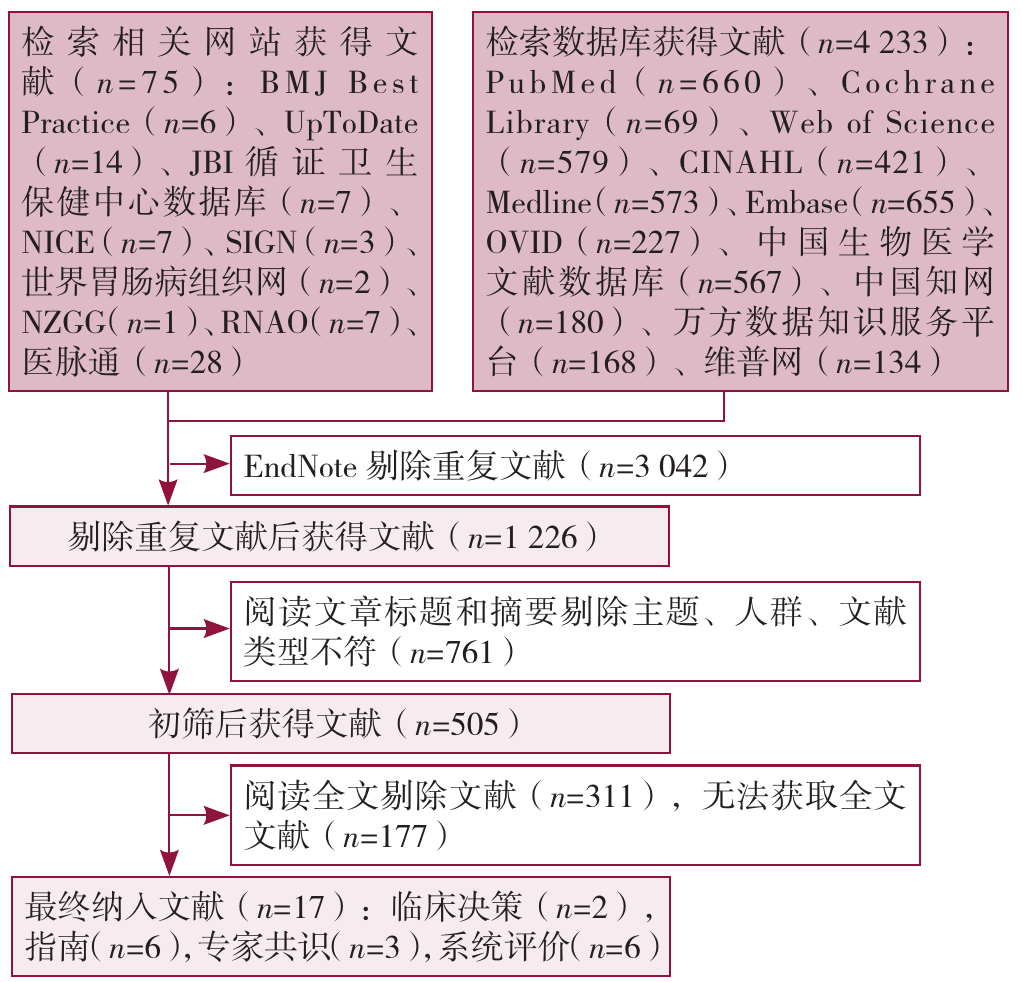
Figure 1 Flow chart of literature screening
| 第一作者/机构 | 各领域标准化百分比(%) | ≥60%的领域数(个) | ≥30%的领域数(个) | ICC | 综合评价(级) | |||||
|---|---|---|---|---|---|---|---|---|---|---|
| 范围和目的 | 参与人员 | 严谨性 | 清晰性 | 应用性 | 独立性 | |||||
| Barry[ | 94.44 | 83.33 | 79.17 | 88.89 | 68.75 | 66.67 | 6 | 6 | 0.768 | A |
| Pape[ | 97.22 | 94.44 | 90.63 | 100 | 72.92 | 100 | 6 | 6 | 0.864 | A |
| NICE[ | 83.33 | 94.44 | 79.17 | 100 | 100 | 68.75 | 6 | 6 | 0.911 | A |
| Brooks[ | 94.44 | 80.56 | 80.20 | 86.11 | 72.92 | 75 | 6 | 6 | 0.883 | A |
| Van Rheenen[ | 91.67 | 83.33 | 82.29 | 94.44 | 83.33 | 87.5 | 6 | 6 | 0.769 | A |
| NICE[ | 97.22 | 91.67 | 82.29 | 91.67 | 83.33 | 87.5 | 6 | 6 | 0.783 | A |
Table 3 Quality evaluation of included guidelines
| 第一作者/机构 | 各领域标准化百分比(%) | ≥60%的领域数(个) | ≥30%的领域数(个) | ICC | 综合评价(级) | |||||
|---|---|---|---|---|---|---|---|---|---|---|
| 范围和目的 | 参与人员 | 严谨性 | 清晰性 | 应用性 | 独立性 | |||||
| Barry[ | 94.44 | 83.33 | 79.17 | 88.89 | 68.75 | 66.67 | 6 | 6 | 0.768 | A |
| Pape[ | 97.22 | 94.44 | 90.63 | 100 | 72.92 | 100 | 6 | 6 | 0.864 | A |
| NICE[ | 83.33 | 94.44 | 79.17 | 100 | 100 | 68.75 | 6 | 6 | 0.911 | A |
| Brooks[ | 94.44 | 80.56 | 80.20 | 86.11 | 72.92 | 75 | 6 | 6 | 0.883 | A |
| Van Rheenen[ | 91.67 | 83.33 | 82.29 | 94.44 | 83.33 | 87.5 | 6 | 6 | 0.769 | A |
| NICE[ | 97.22 | 91.67 | 82.29 | 91.67 | 83.33 | 87.5 | 6 | 6 | 0.783 | A |
| 第一作者 | ① | ② | ③ | ④ | ⑤ | ⑥ | 是否纳入 |
|---|---|---|---|---|---|---|---|
| Kumagai[ | 是 | 是 | 是 | 是 | 是 | 否 | 是 |
| Van Den Brink[ | 是 | 是 | 是 | 是 | 是 | 否 | 是 |
| Elli[ | 是 | 是 | 是 | 是 | 是 | 否 | 是 |
Table 4 Quality assessment results of expert consensus.
| 第一作者 | ① | ② | ③ | ④ | ⑤ | ⑥ | 是否纳入 |
|---|---|---|---|---|---|---|---|
| Kumagai[ | 是 | 是 | 是 | 是 | 是 | 否 | 是 |
| Van Den Brink[ | 是 | 是 | 是 | 是 | 是 | 否 | 是 |
| Elli[ | 是 | 是 | 是 | 是 | 是 | 否 | 是 |
| 第一作者 | ① | ② | ③ | ④ | ⑤ | ⑥ | ⑦ | ⑧ | ⑨ | ⑩ | ⑪ |
|---|---|---|---|---|---|---|---|---|---|---|---|
| García-Rodríguez[ | 是 | 是 | 是 | 是 | 是 | 是 | 是 | 是 | 是 | 是 | 是 |
| Cassidy[ | 是 | 是 | 是 | 不清楚 | 是 | 是 | 是 | 是 | 是 | 是 | 是 |
| Wakimizu[ | 是 | 是 | 是 | 是 | 是 | 是 | 是 | 是 | 是 | 是 | 是 |
| Erős[ | 是 | 是 | 是 | 是 | 是 | 是 | 是 | 是 | 否 | 是 | 是 |
| Schmidt[ | 是 | 是 | 是 | 是 | 是 | 是 | 是 | 是 | 否 | 是 | 是 |
| Yassaee[ | 是 | 是 | 是 | 是 | 是 | 不清楚 | 是 | 是 | 是 | 是 | 是 |
Table 5 Quality assessment results of the systematic review.
| 第一作者 | ① | ② | ③ | ④ | ⑤ | ⑥ | ⑦ | ⑧ | ⑨ | ⑩ | ⑪ |
|---|---|---|---|---|---|---|---|---|---|---|---|
| García-Rodríguez[ | 是 | 是 | 是 | 是 | 是 | 是 | 是 | 是 | 是 | 是 | 是 |
| Cassidy[ | 是 | 是 | 是 | 不清楚 | 是 | 是 | 是 | 是 | 是 | 是 | 是 |
| Wakimizu[ | 是 | 是 | 是 | 是 | 是 | 是 | 是 | 是 | 是 | 是 | 是 |
| Erős[ | 是 | 是 | 是 | 是 | 是 | 是 | 是 | 是 | 否 | 是 | 是 |
| Schmidt[ | 是 | 是 | 是 | 是 | 是 | 是 | 是 | 是 | 否 | 是 | 是 |
| Yassaee[ | 是 | 是 | 是 | 是 | 是 | 不清楚 | 是 | 是 | 是 | 是 | 是 |
| 证据类别 | 证据内容 | 证据等级(级) | 推荐强度(级) |
|---|---|---|---|
| 过渡的目标 | 1.过渡的目的是通过良好的过渡准备,将患者从依赖性的、家庭主导、父母决策的儿童医疗保健系统转向独立的、个人主导、主动决策的成人医疗保健系统[ | 1 | A |
| 2.成功过渡的关键评价指标包括过渡准备能力、自我效能、健康知识、疾病知识、自我管理技能、服药依从性、门诊就诊率、生活质量、患者满意度、家庭支持和社会融合度[ | 2 | A | |
| 过渡的时机 | 3.准备过渡的开始时机根据患者的发育成熟度、心理准备情况和认知能力来决定,而不是严格限定于年龄[ | 2 | A |
| 4.儿童时期发病者建议从12岁起就开始进行过渡准备。最迟应在16岁前开始过渡准备工作,在适当的情况下鼓励提前实施[ | 4 | B | |
| 5.建议在疾病稳定/缓解期间进行过渡[ | 1 | A | |
| 6.建议根据青春期早期(12~14岁)、青春期中期(14~17岁)和青春期晚期(≥18岁)为划分标准,制订个性化的过渡准备计划[ | 4 | B | |
| 多学科团队准备 | 7.组建包括儿科医生、儿童护士、成人消化科医生、炎症性肠病专科护士、心理专家、营养师、康复医师、社区医务人员、社会工作者、医保工作人员和信息技术人员在内的过渡管理团队,明确每个成员的职责[ | 1 | A |
| 8.建议设置一名专门的过渡协调员,以促进儿科和成人医疗保健系统之间的有序转移,并在整个过渡过程中提供全面的监督、协调和专业支持[ | 3 | A | |
| 9.准备全面的病历资料,包括疾病资料、手术史、住院史、并发症、用药史、药物不良反应、内窥镜检查结果、影像结果、疫苗接种记录和其他相关临床数据,以确保医疗保健系统之间的完整信息交接[ | 3 | B | |
| 10.设立专门的过渡诊所,由多学科团队提供专业医疗服务,作为标准化的过渡中心[ | 2 | A | |
| 11.团队的所有成员都应接受全面系统的培训:炎症性肠病管理、过渡护理策略及在过渡过程中与青少年及其照护者进行有效沟通的技巧[ | 2 | A | |
| 12.定期评估过渡计划的实施情况,以监测有效性并指导质量改进措施[ | 5 | B | |
| 过渡准备评估 | 13.所有过渡患者在过渡前和整个过渡过程中都需要进行准备情况评估[ | 1 | A |
| 14.自我效能和疾病知识可用于间接评估过渡准备情况,过渡准备评估问卷(TRAQ)和UNC TRxANSITION量表可用于直接测量过渡准备情况[ | 4 | A | |
| 15.评估患者的社会、身体和心理状况,包括过渡准备、自我管理能力、疾病知识储备、用药依从性、社会支持网络和心理健康状况,并对其进行纵向跟踪,以评估患者能力的变化和干预效果[ | 1 | A | |
| 患者过渡准备 | 16.在对患者的发育成熟度、心理状态、认知功能、未来目标、长期发展要求、家庭结构和社会关系进行全面评估后,患者、医疗服务提供者和家庭成员共同制订个性化的过渡计划[ | 1 | A |
| 17.指导患者管理疾病资料的能力,使其逐渐独立掌握疾病检查结果、用药记录、手术干预和治疗计划[ | 1 | A | |
| 18.制订针对睡眠节律、饮酒、吸烟、体育活动和营养摄入的结构化干预措施,倡导健康的生活方式行为[ | 2 | A | |
| 19.应特别关注患者的心理健康,由团队心理学家提供专业的心理评估和支持性干预[ | 2 | A | |
| 20.女性患者应接受妇科和生殖健康教育培训,重点是未来疾病的影响及避免药物治疗下意外怀孕的措施,减少与妊娠有关的并发症,优化计划妊娠中的疾病控制[ | 1 | A | |
| 21.通过电话、电子邮件、短信和网络应用程序,建立患者与医疗服务提供者之间的沟通平台[ | 2 | A | |
| 22.至少每年与患者一起审查过渡计划的完成情况,并评估患者状况和发展需求进行计划调整[ | 1 | A | |
| 家庭合作支持 | 23.家庭参与在患者的成功过渡中发挥着关键作用,有必要制订以家庭为中心的过渡计划[ | 1 | A |
| 24.告知照护者过渡的意义和重要性,并鼓励其减少在患者疾病管理中的代理[ | 1 | A | |
| 25.了解照护者和患者对过渡的看法、意见和期望,协调制订双方认可的过渡计划和干预措施[ | 3 | A | |
| 26.以面对面讲座、发放手册和在线课程的形式提供详细的健康教育计划和技能培训[ | 3 | A | |
| 环境和政策支持 | 27.寻求国家、地方政府、医院、机构的政策与资金支持,以确保过渡性护理的连续性及系统和全面的实施[ | 4 | B |
| 28.开发移动医疗平台和在线远程技术等,帮助患者方便快捷地获取报告、预约信息、教育信息及与医疗系统的沟通信息[ | 3 | B | |
| 29.建立并引导患者参加正式的同伴互助小组,以同伴交流的形式培养患者获取和交流疾病信息的独立性和自主性[ | 2 | A | |
| 30.关注患者的医疗保险类型以制订适当的治疗和护理计划[ | 5 | B |
Table 6 Summary of the best evidence for transition readiness management in patients with IBD
| 证据类别 | 证据内容 | 证据等级(级) | 推荐强度(级) |
|---|---|---|---|
| 过渡的目标 | 1.过渡的目的是通过良好的过渡准备,将患者从依赖性的、家庭主导、父母决策的儿童医疗保健系统转向独立的、个人主导、主动决策的成人医疗保健系统[ | 1 | A |
| 2.成功过渡的关键评价指标包括过渡准备能力、自我效能、健康知识、疾病知识、自我管理技能、服药依从性、门诊就诊率、生活质量、患者满意度、家庭支持和社会融合度[ | 2 | A | |
| 过渡的时机 | 3.准备过渡的开始时机根据患者的发育成熟度、心理准备情况和认知能力来决定,而不是严格限定于年龄[ | 2 | A |
| 4.儿童时期发病者建议从12岁起就开始进行过渡准备。最迟应在16岁前开始过渡准备工作,在适当的情况下鼓励提前实施[ | 4 | B | |
| 5.建议在疾病稳定/缓解期间进行过渡[ | 1 | A | |
| 6.建议根据青春期早期(12~14岁)、青春期中期(14~17岁)和青春期晚期(≥18岁)为划分标准,制订个性化的过渡准备计划[ | 4 | B | |
| 多学科团队准备 | 7.组建包括儿科医生、儿童护士、成人消化科医生、炎症性肠病专科护士、心理专家、营养师、康复医师、社区医务人员、社会工作者、医保工作人员和信息技术人员在内的过渡管理团队,明确每个成员的职责[ | 1 | A |
| 8.建议设置一名专门的过渡协调员,以促进儿科和成人医疗保健系统之间的有序转移,并在整个过渡过程中提供全面的监督、协调和专业支持[ | 3 | A | |
| 9.准备全面的病历资料,包括疾病资料、手术史、住院史、并发症、用药史、药物不良反应、内窥镜检查结果、影像结果、疫苗接种记录和其他相关临床数据,以确保医疗保健系统之间的完整信息交接[ | 3 | B | |
| 10.设立专门的过渡诊所,由多学科团队提供专业医疗服务,作为标准化的过渡中心[ | 2 | A | |
| 11.团队的所有成员都应接受全面系统的培训:炎症性肠病管理、过渡护理策略及在过渡过程中与青少年及其照护者进行有效沟通的技巧[ | 2 | A | |
| 12.定期评估过渡计划的实施情况,以监测有效性并指导质量改进措施[ | 5 | B | |
| 过渡准备评估 | 13.所有过渡患者在过渡前和整个过渡过程中都需要进行准备情况评估[ | 1 | A |
| 14.自我效能和疾病知识可用于间接评估过渡准备情况,过渡准备评估问卷(TRAQ)和UNC TRxANSITION量表可用于直接测量过渡准备情况[ | 4 | A | |
| 15.评估患者的社会、身体和心理状况,包括过渡准备、自我管理能力、疾病知识储备、用药依从性、社会支持网络和心理健康状况,并对其进行纵向跟踪,以评估患者能力的变化和干预效果[ | 1 | A | |
| 患者过渡准备 | 16.在对患者的发育成熟度、心理状态、认知功能、未来目标、长期发展要求、家庭结构和社会关系进行全面评估后,患者、医疗服务提供者和家庭成员共同制订个性化的过渡计划[ | 1 | A |
| 17.指导患者管理疾病资料的能力,使其逐渐独立掌握疾病检查结果、用药记录、手术干预和治疗计划[ | 1 | A | |
| 18.制订针对睡眠节律、饮酒、吸烟、体育活动和营养摄入的结构化干预措施,倡导健康的生活方式行为[ | 2 | A | |
| 19.应特别关注患者的心理健康,由团队心理学家提供专业的心理评估和支持性干预[ | 2 | A | |
| 20.女性患者应接受妇科和生殖健康教育培训,重点是未来疾病的影响及避免药物治疗下意外怀孕的措施,减少与妊娠有关的并发症,优化计划妊娠中的疾病控制[ | 1 | A | |
| 21.通过电话、电子邮件、短信和网络应用程序,建立患者与医疗服务提供者之间的沟通平台[ | 2 | A | |
| 22.至少每年与患者一起审查过渡计划的完成情况,并评估患者状况和发展需求进行计划调整[ | 1 | A | |
| 家庭合作支持 | 23.家庭参与在患者的成功过渡中发挥着关键作用,有必要制订以家庭为中心的过渡计划[ | 1 | A |
| 24.告知照护者过渡的意义和重要性,并鼓励其减少在患者疾病管理中的代理[ | 1 | A | |
| 25.了解照护者和患者对过渡的看法、意见和期望,协调制订双方认可的过渡计划和干预措施[ | 3 | A | |
| 26.以面对面讲座、发放手册和在线课程的形式提供详细的健康教育计划和技能培训[ | 3 | A | |
| 环境和政策支持 | 27.寻求国家、地方政府、医院、机构的政策与资金支持,以确保过渡性护理的连续性及系统和全面的实施[ | 4 | B |
| 28.开发移动医疗平台和在线远程技术等,帮助患者方便快捷地获取报告、预约信息、教育信息及与医疗系统的沟通信息[ | 3 | B | |
| 29.建立并引导患者参加正式的同伴互助小组,以同伴交流的形式培养患者获取和交流疾病信息的独立性和自主性[ | 2 | A | |
| 30.关注患者的医疗保险类型以制订适当的治疗和护理计划[ | 5 | B |
| [1] |
吴开春,梁洁,冉志华, 等. 炎症性肠病诊断与治疗的共识意见(2018年·北京)[J]. 中国实用内科杂志, 2018, 38(9): 796-813. DOI: 10.19538/j.nk2018090106.
|
| [2] |
|
| [3] |
|
| [4] |
包云丽,汪哲,唐海茹, 等. 1990—2019年中国炎症性肠病疾病负担及变化趋势分析[J]. 中国全科医学, 2023, 26(36): 4581-4586.
|
| [5] |
|
| [6] |
|
| [7] |
|
| [8] |
|
| [9] |
马佳莉,盛楠,丁文雯, 等. 慢性病患儿过渡期准备对其生活质量的影响[J]. 中国当代儿科杂志, 2018, 20(1): 60-66. DOI: 10.7499/j.issn.1008-8830.2018.01.013.
|
| [10] |
邢唯杰,胡雁,周英凤, 等. 推动证据向临床转化(六)证据总结的制作与撰写[J]. 护士进修杂志, 2020, 35(12): 1129-1132. DOI: 10.16821/j.cnki.hsjx.2020.12.016.
|
| [11] |
|
| [12] |
|
| [13] |
周芬,郝玉芳,丛雪, 等. 指南研究与评价工具AGREE Ⅱ及各领域分值的补充解释及思考[J]. 护理学报, 2018, 25(18): 56-58. DOI: 10.16460/j.issn1008-9969.2018.18.056.
|
| [14] |
|
| [15] |
|
| [16] |
胡雁,郝玉芳. 循证护理学[M]. 2版. 北京: 人民卫生出版社, 2018.
|
| [17] |
王春青,胡雁. JBI证据预分级及证据推荐级别系统(2014版)[J]. 护士进修杂志, 2015, 30(11): 964-967. DOI: 10.16821/j.cnki.hsjx.2015.11.002.
|
| [18] |
|
| [19] |
|
| [20] |
|
| [21] |
|
| [22] |
NICE. Babies, children and young people's experience of healthcare[EB/OL]. (2021-08-25) [2025-02-16].
|
| [23] |
|
| [24] |
|
| [25] |
NICE. Transition from children's to adults' services for young people using health or social care services[EB/OL]. (2016-02-24) [2024-10-21].
|
| [26] |
|
| [27] |
|
| [28] |
|
| [29] |
|
| [30] |
|
| [31] |
|
| [32] |
|
| [33] |
|
| [34] |
|
| [35] |
|
| [36] |
|
| [37] |
|
| [38] |
|
| [39] |
|
| [40] |
|
| [41] |
|
| [42] |
|
| [43] |
|
| [44] |
|
| [45] |
|
| [46] |
|
| [47] |
|
| [48] |
|
| [1] | Chinese Association of Rehabilitation Medicine, Critical Care Rehabilitation Specialty Committee, DENG Luoyi, HUANG Huai, WU Shuang. Expert Consensus on Whole-period Systematic Rehabilitation Management for Critically Ill Patients [J]. Chinese General Practice, 2026, 29(26): 3713-3725. |
| [2] | ZHANG Jingyu, ZHANG Yu, LU Xinxi, LI Min, XU Lu, ZHENG Jundi, NIE Yuxian, SHI Qiuling, DAI Xiaojun. The Current Status and Needs of Community-based Cancer Patients Management from the Perspective of Stakeholders [J]. Chinese General Practice, 2026, 29(25): 3664-3669. |
| [3] | ZHAO Yiru, HAO Xinyu, ZHAO Lei, ZHANG Caihui, WANG Zhaoxia, ZHANG Yueying. Summary of the Best Evidence for the Management of Diuretic Resistance in Patients with Heart Failure [J]. Chinese General Practice, 2026, 29(25): 3694-3703. |
| [4] | XUE Cuirong, WEI Wei, WU Renyuan, XUE Yaqin, XU Huijiang, LYU Weijiang, JIANG Dandan. Prevalence and Management Status of Chronic Kidney Disease in Hypertensive and Type 2 Diabetic Populations: a Community-based Cross-sectional Study [J]. Chinese General Practice, 2026, 29(25): 3650-3654. |
| [5] | LI Haijin, ZHU Chenli, LI Hui, FENG Zhengwen, QIAO Yuchen, DU Juan. Quality Evaluation and Content Analysis of Guidelines Related to Post-diagnosis Management of Dementia [J]. Chinese General Practice, 2026, 29(25): 3569-3576. |
| [6] | WANG Yi, CHEN Yujie, LI Yao, YANG Linglin, LI Yong, HE Qinze, YUAN Quan. Effect of Eszopiclone and Telemedicine Management on NPPV Adherence in Patients with Coexisting Insomnia and Obstructive Sleep Apnea [J]. Chinese General Practice, 2026, 29(25): 3686-3693. |
| [7] | LI Haijin, ZHU Chenli, LI Hui, GAO Jingxuan, CHANG Bingjie, DU Juan, ZHANG Juan. The Development of a Community-based Post-diagnostic Co-management Program for People with Dementia and Their Caregivers in Beijing [J]. Chinese General Practice, 2026, 29(25): 3577-3583. |
| [8] | ZHOU Yuhan, MIN Yuqi, GUO Zhou, YANG Min, YUE Lu, HE Meichen, ZHOU Hairong, WANG Yongchen. Opportunities and Challenges for General Practitioners in the Age of Artificial Intelligence [J]. Chinese General Practice, 2026, 29(25): 3563-3568. |
| [9] | Nanjing Drum Tower Hospital, the Affiliated Hospital of Nanjing University Medicine School, China Rehabilitation Science Institute, China Rehabilitation Research Center, Professional Committee on Integrative Nutrition Management, Jiangsu Integrative Medicine Research Society, Specialty Committee of Rehabilitation Engineering and Industry, China Association of Rehabilitation Medicine, Regenerative Repair and Anti-Aging Branch of Guangdong Association for the Development of Rehabilitation Medicine. Expert Consensus on Nutritional Rehabilitation Management of Adolescent Idiopathic Scoliosis [J]. Chinese General Practice, 2026, 29(24): 3393-3408. |
| [10] | XIE Wan, TU Xulian, WU Liping, LIU Xia, LI Xiaoyan, LENG Mingyue, YANG Xueqing, LI Li. A Systematic Review of Guidelines and Expert Consensus Related to Pain Management in Endometriosis [J]. Chinese General Practice, 2026, 29(23): 3351-3358. |
| [11] | Expert Group on Guidelines for the Assessment, Treatment, and Prevention of Childhood Obesity in China, Professional Committee on Obesity Control in Women and Children, China Maternal and Child Health Research Association. Guidelines for the Assessment, Treatment, and Prevention of Childhood Obesity in China (Second Edition) [J]. Chinese General Practice, 2026, 29(23): 3233-3252. |
| [12] | LI Wenping, CHEN Jianhua, XU Jiapei, JIN Xue, PAN Zihan, CHI Chunhua. A Scoping Review on the Empowerment of Community Elderly Health Services by Digital-Intelligent Health Management Platforms [J]. Chinese General Practice, 2026, 29(21): 2938-2949. |
| [13] | YU Haiyan, XIANG Tong, GAO Wenjuan, WU Hao. Research and Application of Digital Health Technologies in Multimorbidity Management [J]. Chinese General Practice, 2026, 29(21): 2933-2937. |
| [14] | CHEN Dian, LONG Huanyu, CHU Lanhe, JIANG Yixia, GUO Wanjin, NIU Yang, CHEN Yahong. Interpretation of Global Strategy for the Diagnosis, Treatment, Management and Prevention of Chronic Obstructive Pulmonary Disease 2026 Report [J]. Chinese General Practice, 2026, 29(21): 2913-2932. |
| [15] | CHENG Yu, HAN Shiyao, SUN Ping, XIANG Juan, YANG Hui, LI Dongze, ZHENG Li, LIAO Xiaoyang. Analysis of Socioeconomic and Demographic Challenges in Chronic Disease Management [J]. Chinese General Practice, 2026, 29(20): 2800-2807. |
| Viewed | ||||||
|
Full text |
|
|||||
|
Abstract |
|
|||||
