
Chinese General Practice ›› 2026, Vol. 29 ›› Issue (21): 3004-3011.DOI: 10.12114/j.issn.1007-9572.2024.0382
Special Issue: 内分泌代谢性疾病最新文章合辑
• Article·Specific Research·Diabetes • Previous Articles Next Articles
Received:2025-03-10
Revised:2025-09-20
Published:2026-07-20
Online:2026-06-03
Contact:
CAI Yulan
通讯作者:
蔡玉兰
作者简介:作者贡献:
赵曼鹭、杨奔奔、朱秋瑾、蔡玉兰提出主要研究目标,负责研究的构思与设计,研究的实施,撰写论文;赵曼鹭、李昌露、上官怡涵进行数据的收集与整理,统计学处理,图、表的绘制与展示;赵曼鹭、陈霞、蔡玉兰进行论文的修订;蔡玉兰负责文章的质量控制与审查,对文章整体负责,监督管理。
基金资助:
Add to citation manager EndNote|Ris|BibTeX
URL: https://www.chinagp.net/EN/10.12114/j.issn.1007-9572.2024.0382
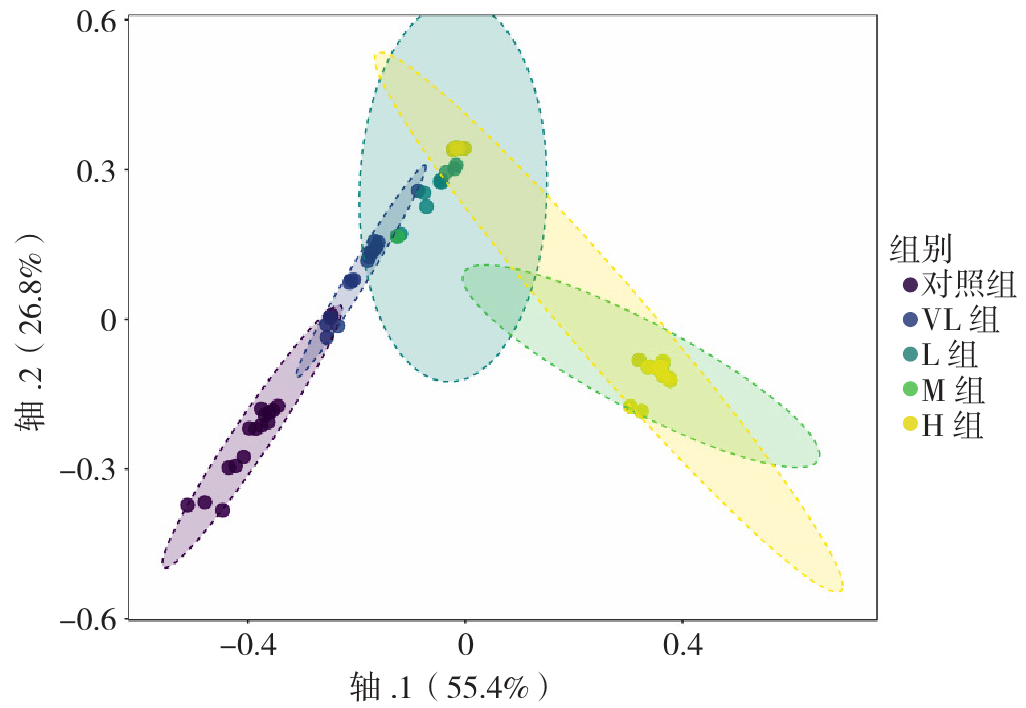
Figure 1 PCoA of plantar skin microbiota composition in patients at varying risk degrees of DF
| 组别 | 例数 | Chao1指数 | ACE指数 | Shannon指数 | Simpson指数 |
|---|---|---|---|---|---|
| 对照组 | 16 | 29.25±2.09 | 28.34±2.43 | 2.35±0.12 | 0.87±0.02 |
| VL组 | 16 | 30.75±1.56 | 31.17±1.95a | 2.46±0.04a | 0.89±0.01a |
| L组 | 15 | 34.03±1.77ab | 35.30±2.54ab | 2.64±0.052ab | 0.92±0.00ab |
| M组 | 16 | 36.54±1.93abc | 38.01±1.48abc | 2.93±0.07abc | 0.93±0.01abc |
| H组 | 17 | 41.64±1.94abcd | 41.05±0.93abcd | 3.13±0.06abcd | 0.95±0.01abcd |
| F值 | 86.840 | 81.799 | 232.976 | 111.584 | |
| P值 | <0.001 | <0.001 | <0.001 | <0.001 |
Table 1 Comparison of alpha diversity indices of foot skin microbiota among groups at varying risk degrees of DF
| 组别 | 例数 | Chao1指数 | ACE指数 | Shannon指数 | Simpson指数 |
|---|---|---|---|---|---|
| 对照组 | 16 | 29.25±2.09 | 28.34±2.43 | 2.35±0.12 | 0.87±0.02 |
| VL组 | 16 | 30.75±1.56 | 31.17±1.95a | 2.46±0.04a | 0.89±0.01a |
| L组 | 15 | 34.03±1.77ab | 35.30±2.54ab | 2.64±0.052ab | 0.92±0.00ab |
| M组 | 16 | 36.54±1.93abc | 38.01±1.48abc | 2.93±0.07abc | 0.93±0.01abc |
| H组 | 17 | 41.64±1.94abcd | 41.05±0.93abcd | 3.13±0.06abcd | 0.95±0.01abcd |
| F值 | 86.840 | 81.799 | 232.976 | 111.584 | |
| P值 | <0.001 | <0.001 | <0.001 | <0.001 |

Figure 2 Stacked bar charts of relative abundances at the phylum and genus levels
| 组别 | 例数 | 厚壁菌门 | 拟杆菌门 | 变形菌门 | 放线菌门 |
|---|---|---|---|---|---|
| 对照组 | 16 | 0.67(0.63,0.79) | 0.08(0.05,0.10) | 0.08(0.07,0.11) | 0.15(0.08,0.17) |
| VL组 | 16 | 0.41(0.40,0.48) | 0.19(0.17,0.20) | 0.25(0.23,0.31)a | 0.11(0.08,0.13) |
| L组 | 15 | 0.25(0.19,0.30)ab | 0.37(0.36,0.39)ab | 0.29(0.24,0.39)a | 0.10(0.07,0.10) |
| M组 | 16 | 0.28(0.27,0.30)a | 0.41(0.34,0.44)ab | 0.26(0.21,0.29)a | 0.04(0.03,0.04)abc |
| H组 | 17 | 0.16(0.15,0.18)abd | 0.45(0.41,0.47)ab | 0.34(0.33,0.39)ac | 0.01(0.01,0.02)abc |
| H值 | 69.391 | 63.517 | 48.938 | 55.815 | |
| P值 | <0.001 | <0.001 | <0.001 | <0.001 |
Table 2 Comparison of relative abundances of major bacterial phyla among the five groups
| 组别 | 例数 | 厚壁菌门 | 拟杆菌门 | 变形菌门 | 放线菌门 |
|---|---|---|---|---|---|
| 对照组 | 16 | 0.67(0.63,0.79) | 0.08(0.05,0.10) | 0.08(0.07,0.11) | 0.15(0.08,0.17) |
| VL组 | 16 | 0.41(0.40,0.48) | 0.19(0.17,0.20) | 0.25(0.23,0.31)a | 0.11(0.08,0.13) |
| L组 | 15 | 0.25(0.19,0.30)ab | 0.37(0.36,0.39)ab | 0.29(0.24,0.39)a | 0.10(0.07,0.10) |
| M组 | 16 | 0.28(0.27,0.30)a | 0.41(0.34,0.44)ab | 0.26(0.21,0.29)a | 0.04(0.03,0.04)abc |
| H组 | 17 | 0.16(0.15,0.18)abd | 0.45(0.41,0.47)ab | 0.34(0.33,0.39)ac | 0.01(0.01,0.02)abc |
| H值 | 69.391 | 63.517 | 48.938 | 55.815 | |
| P值 | <0.001 | <0.001 | <0.001 | <0.001 |
| 组别 | 例数 | 棒状杆菌属 | 葡萄球菌属 | 链球菌属 | 拟杆菌属 |
|---|---|---|---|---|---|
| 对照组 | 16 | 0.08(0.05,0.10) | 0.46(0.43,0.53) | 0.02(0.00,0.03) | 0.00(0.00,0.00) |
| VL组 | 16 | 0.18(0.17,0.20) | 0.17(0.10,0.21)a | 0.05(0.04,0.06) | 0.00(0.00,0.01) |
| L组 | 15 | 0.27(0.28,0.30)a | 0.11(0.09,0.13)a | 0.05(0.04,0.08)a | 0.01(0.00,0.01)a |
| M组 | 16 | 0.29(0.28,0.30)ab | 0.10(0.07,0.11)a | 0.09(0.06,0.11)a | 0.13(0.13,0.14)abc |
| H组 | 17 | 0.35(0.34,0.36)abc | 0.03(0.01,0.04)abcd | 0.11(0.10,0.12)abc | 0.13(0.07,0.14)ab |
| H值 | 72.060 | 64.263 | 49.133 | 63.995 | |
| P值 | <0.001 | <0.001 | <0.001 | <0.001 |
Table 3 Comparison of relative abundances of major bacterial genera among the five groups
| 组别 | 例数 | 棒状杆菌属 | 葡萄球菌属 | 链球菌属 | 拟杆菌属 |
|---|---|---|---|---|---|
| 对照组 | 16 | 0.08(0.05,0.10) | 0.46(0.43,0.53) | 0.02(0.00,0.03) | 0.00(0.00,0.00) |
| VL组 | 16 | 0.18(0.17,0.20) | 0.17(0.10,0.21)a | 0.05(0.04,0.06) | 0.00(0.00,0.01) |
| L组 | 15 | 0.27(0.28,0.30)a | 0.11(0.09,0.13)a | 0.05(0.04,0.08)a | 0.01(0.00,0.01)a |
| M组 | 16 | 0.29(0.28,0.30)ab | 0.10(0.07,0.11)a | 0.09(0.06,0.11)a | 0.13(0.13,0.14)abc |
| H组 | 17 | 0.35(0.34,0.36)abc | 0.03(0.01,0.04)abcd | 0.11(0.10,0.12)abc | 0.13(0.07,0.14)ab |
| H值 | 72.060 | 64.263 | 49.133 | 63.995 | |
| P值 | <0.001 | <0.001 | <0.001 | <0.001 |
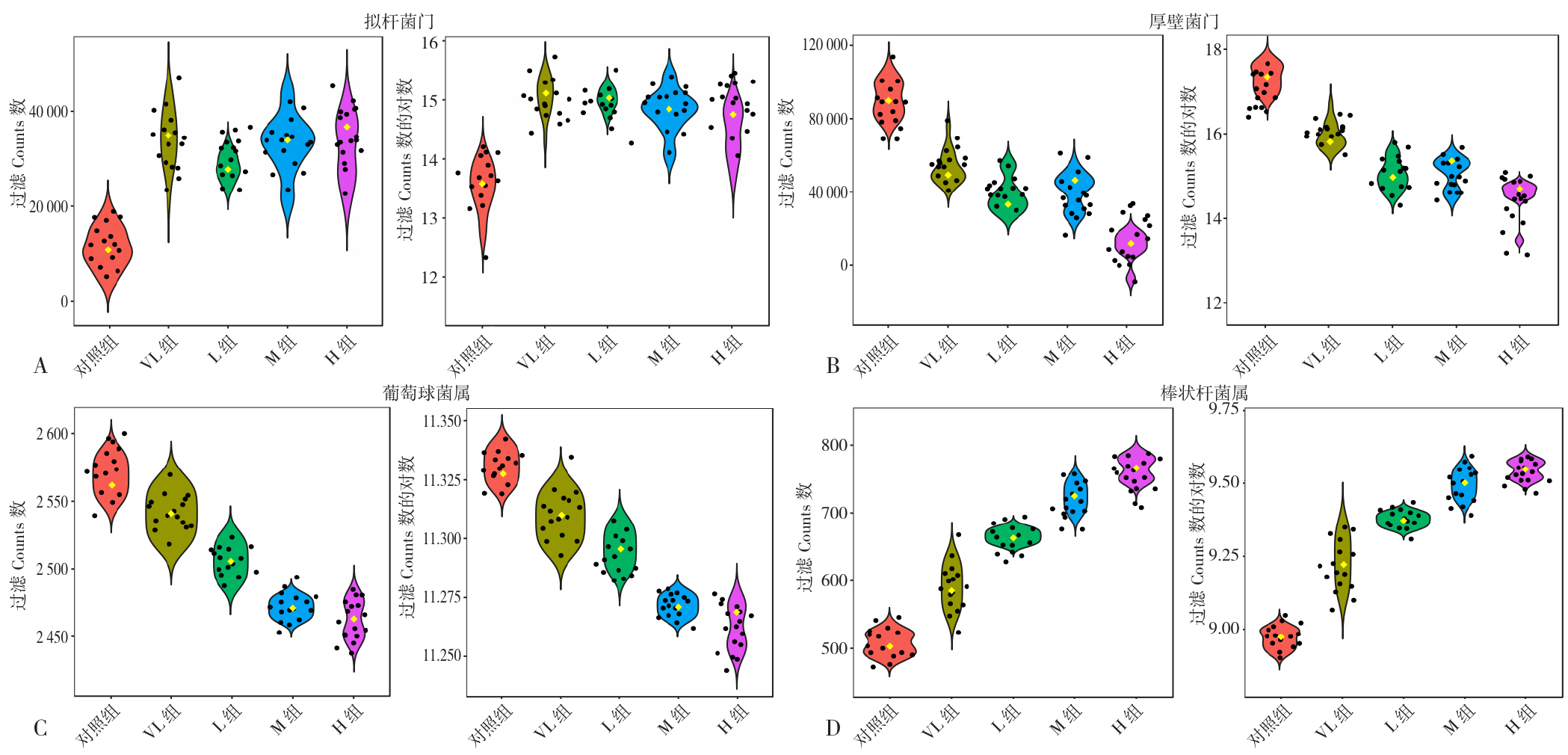
Figure 3 Violin plots of the relative abundance of major skin microbiota in the feet of patients at varying risk degrees of DF
| 组别 | 例数 | 拟杆菌门 | 厚壁菌门 | 葡萄球菌属 | 棒状杆菌属 |
|---|---|---|---|---|---|
| 对照组 | 16 | 13.59±0.47 | 16.99±0.38 | 11.33±0.06 | 8.98±0.04 |
| VL组 | 16 | 15.02±0.34a | 16.03±0.27a | 11.31±0.01a | 9.21±0.09a |
| L组 | 15 | 14.91±0.27a | 15.05±0.45ab | 11.29±0.07ab | 9.38±0.03ab |
| M组 | 16 | 14.90±0.36a | 14.94±0.36ab | 11.27±0.05abc | 9.49±0.06abc |
| H组 | 17 | 14.97±0.39a | 14.40±0.61abcd | 11.26±0.01abcd | 9.53±0.04abcd |
| F值 | 40.426 | 88.453 | 190.594 | 253.290 | |
| P值 | <0.001 | <0.001 | <0.001 | <0.001 |
Table 4 Comparison of log-transformed filtered counts of Bacteroidetes, Firmicutes, Staphylococcus, and Corynebacterium among the five groups
| 组别 | 例数 | 拟杆菌门 | 厚壁菌门 | 葡萄球菌属 | 棒状杆菌属 |
|---|---|---|---|---|---|
| 对照组 | 16 | 13.59±0.47 | 16.99±0.38 | 11.33±0.06 | 8.98±0.04 |
| VL组 | 16 | 15.02±0.34a | 16.03±0.27a | 11.31±0.01a | 9.21±0.09a |
| L组 | 15 | 14.91±0.27a | 15.05±0.45ab | 11.29±0.07ab | 9.38±0.03ab |
| M组 | 16 | 14.90±0.36a | 14.94±0.36ab | 11.27±0.05abc | 9.49±0.06abc |
| H组 | 17 | 14.97±0.39a | 14.40±0.61abcd | 11.26±0.01abcd | 9.53±0.04abcd |
| F值 | 40.426 | 88.453 | 190.594 | 253.290 | |
| P值 | <0.001 | <0.001 | <0.001 | <0.001 |
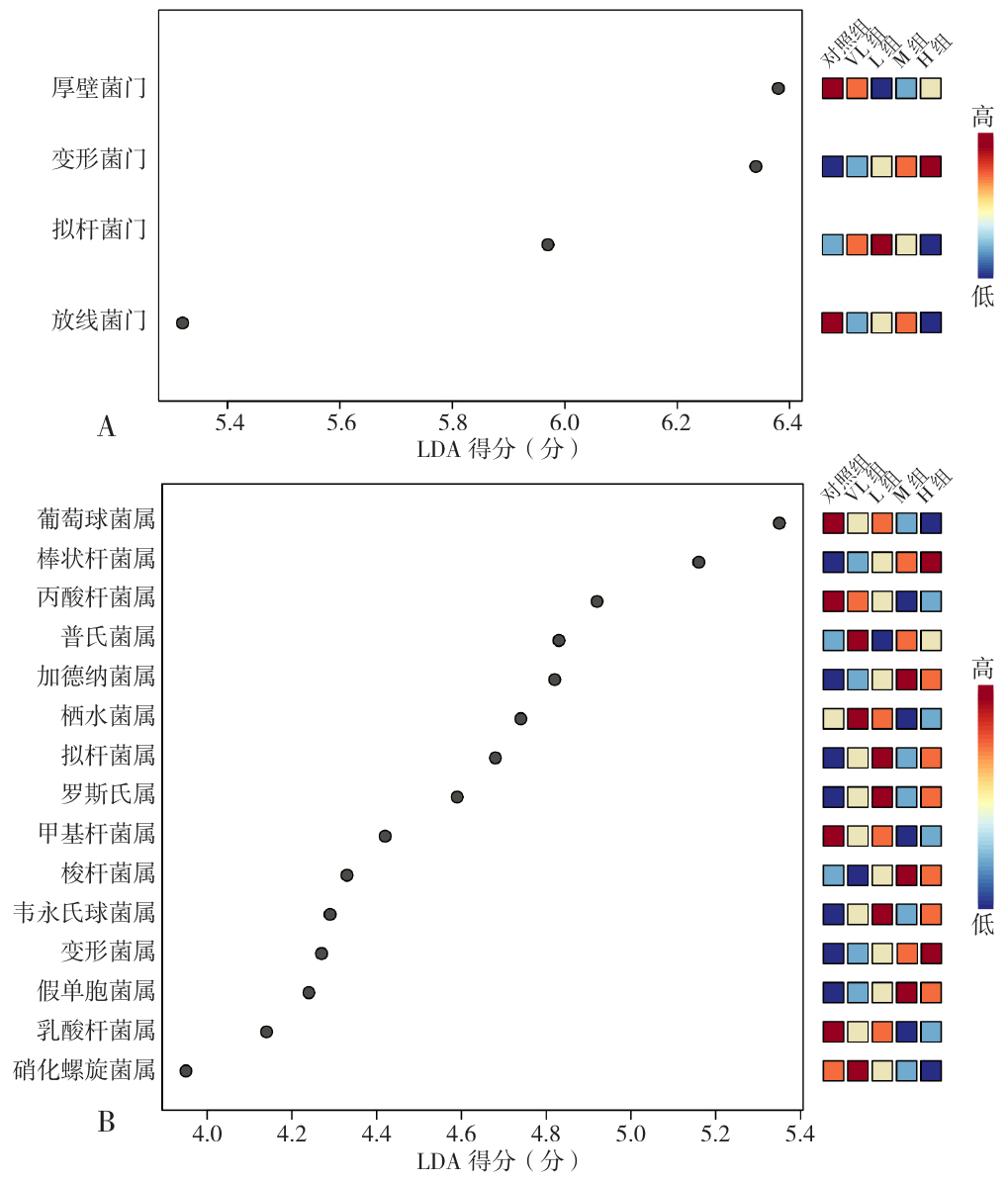
Figure 4 LEfSe analysis of skin microbiota
| [1] |
|
| [2] |
|
| [3] |
|
| [4] |
|
| [5] |
|
| [6] |
张玉萍, 徐文阁. 糖尿病皮肤感染与微生物菌群关系的研究进展[J]. 中国微生态学杂志, 2013, 25(11): 1364-1365. DOI: 10.13381/j.cnki.cjm.2013.11.029.
|
| [7] |
|
| [8] |
|
| [9] |
蔡玉兰, 阳琰, 岳瑜, 等. 糖尿病足严重程度连续分级创面菌群组成[J]. 中国老年学杂志, 2024, 44(5): 1079-1083.
|
| [10] |
|
| [11] |
Chinese Diabetes Society. 中国2型糖尿病防治指南(2020年版)(上)[J]. 中国实用内科杂志, 2021, 41(8): 668-695. DOI: 10.19538/j.nk2021080106.
|
| [12] |
|
| [13] |
李海燕, 单国林, 黄生才, 等. 糖尿病足患者感染特征与下肢血管病变及免疫功能关系的研究[J]. 中华医院感染学杂志, 2019, 29(4): 574-577, 581.
|
| [14] |
洪旺兵, 刘名倬, 郭光华. 糖尿病足溃疡危险因素的研究进展[J]. 感染、炎症、修复, 2020, 21(4): 242-244.
|
| [15] |
|
| [16] |
郁天泽, 李巍. 皮肤菌群参与维持皮肤屏障功能[J]. 中华临床免疫和变态反应杂志, 2022, 16(4): 444-445.
|
| [17] |
|
| [18] |
|
| [19] |
|
| [20] |
|
| [21] |
|
| [22] |
|
| [23] |
|
| [24] |
|
| [25] |
|
| [26] |
|
| [27] |
|
| [28] |
|
| [29] |
|
| [30] |
|
| [31] |
|
| [32] |
|
| [33] |
|
| [34] |
|
| [35] |
|
| [36] |
|
| [37] |
|
| [1] | SHI Yufeng, LU Chenxia, LYU Anqi, LI Xiaodong. Research Progress on the Relationship between Veillonella and Liver Diseases Based on the Theory of Intestinal-hepatic Axis [J]. Chinese General Practice, 2026, 29(11): 1488-1496. |
| [2] | GUO Yangyang, ZHANG Linlin, SHI Guangzhi, ZHANG Jindong. A Bibliometric and Visualized Analysis of Research Trends in the Relationship between Neurological Disorders and Gut Microbiota from 2000 to 2024 [J]. Chinese General Practice, 2026, 29(09): 1168-1179. |
| [3] | LUO Xiu, MA Zhaoli, HUANG Mengyu, REN Qian. A Study of the Causal Effect of Gut Microbiota on Genetic Prediction of Metabolic Syndrome [J]. Chinese General Practice, 2026, 29(05): 612-622. |
| [4] | ZHANG Kexing, ZHANG Bo, WU Qiong, ZHU Shanshan, WANG Di, ZHANG Chunnan. Research on the Mechanism of Action of Simiao Yongan Decoction in the Treatment of Diabetic Foot Based on Metabolomics [J]. Chinese General Practice, 2025, 28(30): 3796-3805. |
| [5] | CEN Nimiao, WEI Yunshi, HUANG Lina, WU Biaoliang. Research Progress of Exosome miRNA Involved in the Repair of Diabetic Foot Ulcer [J]. Chinese General Practice, 2025, 28(09): 1156-1160. |
| [6] | HUANG Kai, ZHANG Yi, YANG Chun, YANG Ling. Advances in Gut Microbiota in Heart Failure Combined with Depression [J]. Chinese General Practice, 2024, 27(35): 4455-4461. |
| [7] | YANG Xinhui, PENG Xiaoxiao, MA Lili, ZHAO Guoyu, MA Xiuhua, GUO Jing. Title Vaginal Microbiota Changes of Gestational Diabetes Mellitus Pregnant Women at Different Gestational Weeks and the Impact on Pregnancy Outcome: a Prospective Cohort Study [J]. Chinese General Practice, 2024, 27(29): 3587-3594. |
| [8] | HAO Qi, LU Chenxia, LI Xiaodong. Advances in the Impact of Microbial Dissemination in Metabolic Fatty Liver Disease through the Oral-gut-liver Axis Theory [J]. Chinese General Practice, 2024, 27(26): 3320-3324. |
| [9] | CHEN Wensheng, LIU Wenming. Research Progress on the Role of Gut Microbiota in the Pathogenesis and Treatment of Sepsis-associated Liver Injury [J]. Chinese General Practice, 2024, 27(21): 2665-2671. |
| [10] | WU Yunfeng, LUO Yanhong, JIANG Pingnan, WU Min, YANG Jia, YANG Yan, CHEN Xia, CAI Yulan. The Correlation between Serum 25 (OH) D3 Levels and Diabetic Foot Wound Healing: a Nested Case-control Study [J]. Chinese General Practice, 2024, 27(15): 1811-1816. |
| [11] | LIN Lingjun, GUO Jun, WANG Junwei, GAO Yang, CHEN Huiying, WAN Yongli. A Systematic Review of Risk Prediction Models for Diabetic Foot Development [J]. Chinese General Practice, 2024, 27(03): 357-363. |
| [12] | ZHANG Juan, LI Haifen, LI Xiaoman, YAO Miao, MA Huizhen, MA Qiang. Construction of Recurrence Risk Prediction Model for Diabetic Foot Ulcer on the Basis of Logistic Regression, Support Vector Machine and BP Neural Network Model [J]. Chinese General Practice, 2023, 26(32): 4013-4019. |
| [13] | XIAO Liqi, YANG Li, CUI Saixian, ZHANG Yayuan, WANG Yulu, HE Yan. Advances in the Association of High Salt-induced Gut Microbiota Disturbances with Salt-sensitive Blood Pressure [J]. Chinese General Practice, 2023, 26(29): 3704-3709. |
| [14] | DONG Yanan, JIANG Xiaorui, WANG Kai, ZONG Chuanchong, LIN Guodong, LI Xiangqing, LIN Chunxiao, CHI Juntao. The Effect of Modified Tibial Transverse Transport Technique in the Treatment of Wagner Grade Ⅲ and Ⅳ Diabetic Foot Patients [J]. Chinese General Practice, 2023, 26(27): 3411-3416. |
| [15] | SHEN Junxi, ZHU Xing, CHEN Yunzhi, LI Wen. Novel Developments in Lung and Gut Microbiota and Their Cross-talk with the Development of Chronic Obstructive Pulmonary Disease [J]. Chinese General Practice, 2023, 26(20): 2548-2554. |
| Viewed | ||||||
|
Full text |
|
|||||
|
Abstract |
|
|||||
