
Chinese General Practice ›› 2025, Vol. 28 ›› Issue (18): 2193-2204.DOI: 10.12114/j.issn.1007-9572.2024.0686
Special Issue: 指南/共识最新文章合辑
• Guidelines·Consensus • Next Articles
Received:2024-12-02
Revised:2025-03-10
Published:2025-06-20
Online:2025-04-25
Supported by:
基金资助:
Add to citation manager EndNote|Ris|BibTeX
URL: https://www.chinagp.net/EN/10.12114/j.issn.1007-9572.2024.0686
| 生理功能 | 气管切开负面效应 | 语音阀获益 | |
|---|---|---|---|
| 生理获益 | 临床获益 | ||
| 加温加湿功能 | 丧失 | 部分恢复 | 增强气道保护能力,减少误吸和感染风险,缩短患者机械通气和拔除气管切开导管时间 |
| 咳嗽功能 | 咳嗽反射减弱 | 提高呼气压力,增强咳嗽反射 | |
| 吞咽功能 | 受损 | 改善 | |
| 呼吸功能 | 气道塌陷风险增加,自主呼吸能力受限 | 提升肺功能,增强呼吸肌耐力 | |
| 发声功能 | 丧失,影响语言发育 | 恢复,改善儿童语言发育 | 促进康复,减少并发症及住院时间,降低医疗成本 |
| 心理健康 | 无法发声可能引发焦虑、抑郁 | 恢复沟通,缓解心理压力 | |
| 活动能力 | 受限 | 促进早期活动 | |
Table 1 Negative physiological effects of tracheotomy and benefits of speaking valve
| 生理功能 | 气管切开负面效应 | 语音阀获益 | |
|---|---|---|---|
| 生理获益 | 临床获益 | ||
| 加温加湿功能 | 丧失 | 部分恢复 | 增强气道保护能力,减少误吸和感染风险,缩短患者机械通气和拔除气管切开导管时间 |
| 咳嗽功能 | 咳嗽反射减弱 | 提高呼气压力,增强咳嗽反射 | |
| 吞咽功能 | 受损 | 改善 | |
| 呼吸功能 | 气道塌陷风险增加,自主呼吸能力受限 | 提升肺功能,增强呼吸肌耐力 | |
| 发声功能 | 丧失,影响语言发育 | 恢复,改善儿童语言发育 | 促进康复,减少并发症及住院时间,降低医疗成本 |
| 心理健康 | 无法发声可能引发焦虑、抑郁 | 恢复沟通,缓解心理压力 | |
| 活动能力 | 受限 | 促进早期活动 | |
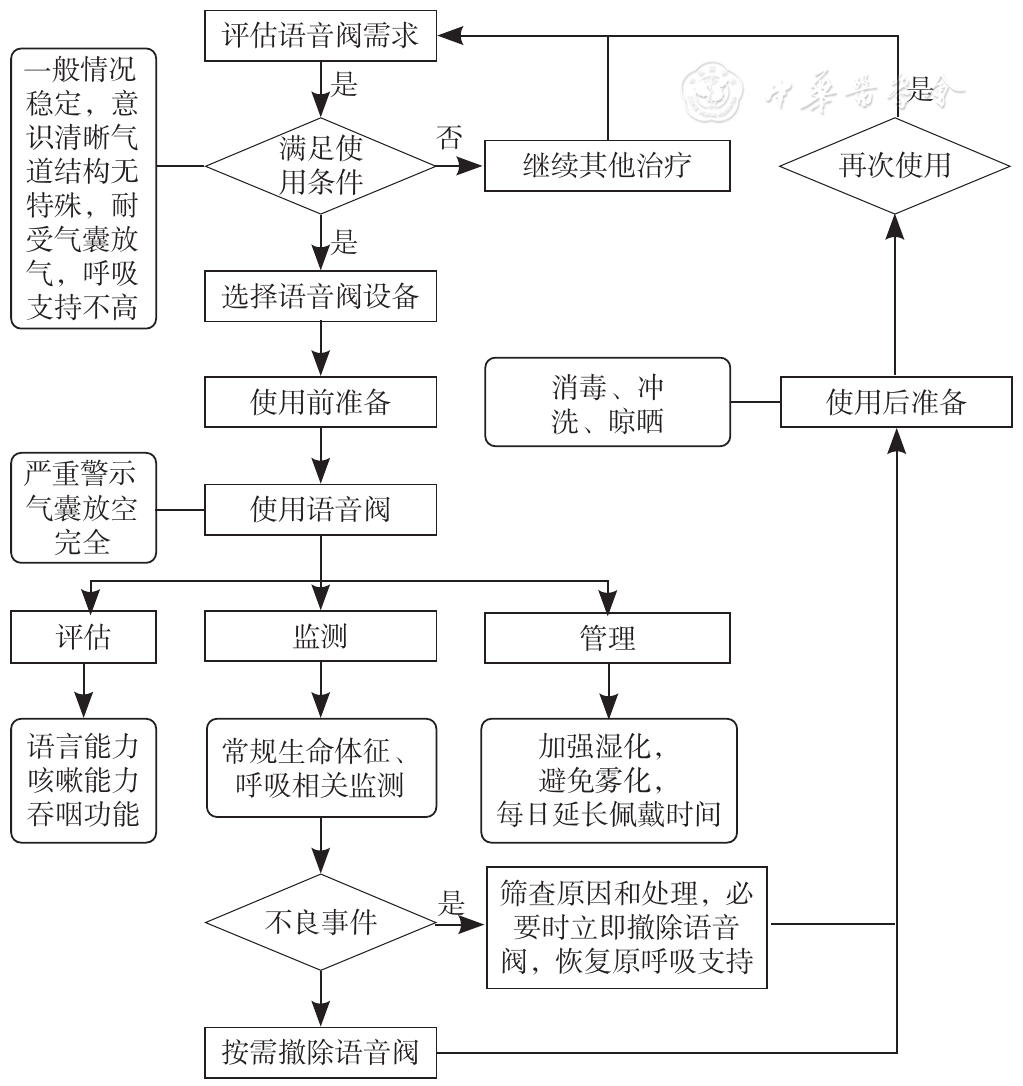
Figure 1 Usage process of the speaking valve
| 不良事件类型 | 可能原因 | 处理措施 |
|---|---|---|
| 低氧血症 | (1)患者基础呼吸功能差 (2)气管切开导管过粗、气囊排空或分泌物引流不充分 (3)经口鼻腔吸入空气,降低实际吸入氧浓度 | (1)根据患者情况在气管切开处提供氧气治疗和呼吸支持 (2)严格遵循使用规范,佩戴语音阀前进行吸痰和声门下吸引,并确认气囊充分放气 (3)必要时更换型号较小的气管切开导管 (4)必要时增加口鼻处氧供 |
| 气道廓清障碍 | (1)呼气相气道阻力增加,降低气道廓清能力 (2)气道分泌物过多 | (1)移除语音阀,充分进行气道内吸引 (2)必要时更换型号较小的气管切开导管 (3)气道分泌物过多的患者不建议佩戴语音阀 |
| 剧烈咳嗽 | (1)上呼吸道气流刺激 (2)分泌物引发咳嗽 | (1)辅助患者咳痰或进行分泌物吸引 (2)若患者咳嗽持续或表现痛苦,立即移除语音阀并重新评估是否继续应用 |
| 气道湿化不足 | (1)痰液黏稠 (2)湿化设备选择或设置不当、湿化水不足或设备故障 | (1)使用恰当的湿化设备或调整湿化设置,及时清理痰液 (2)及时补充湿化水 (3)气道分泌物过于黏稠、难以咳出的患者不建议佩戴语音阀 |
| 误吸 | (1)患者存在误吸风险 (2)语音阀移位而被误吸入气道 | (1)佩戴语音阀前停止进食,保持床头抬高30°~45°,气囊放气前充分吸引口鼻腔及气囊上分泌物,从而降低误吸发生风险 (2)若明确发生误吸,应重新评估患者是否具备佩戴语音阀的条件 (3)对于存在高误吸风险的患者,不建议佩戴语音阀 (4)将语音阀连接到气管切开导管固定带上,预防语音阀被误吸入气道 (5)一旦发现语音阀被误吸入气道,应尽快将其移除 |
| 气压伤 | (1)气囊未完全放气导致气道内压力升高 (2)操作者对使用规范不熟悉 | (1)气囊处张贴警告标签 (2)床边张贴使用流程 (3)对医护人员定期开展培训 |
| 其他 | 患者焦虑 | (1)对患者进行全面教育,解释语音阀功能和可能出现的不适 (2)使用分散注意力技术,鼓励社交活动 (3)提供视觉辅助工具帮助练习呼吸和发声 |
Table 2 Causes and management measures of speaking valve-related adverse events
| 不良事件类型 | 可能原因 | 处理措施 |
|---|---|---|
| 低氧血症 | (1)患者基础呼吸功能差 (2)气管切开导管过粗、气囊排空或分泌物引流不充分 (3)经口鼻腔吸入空气,降低实际吸入氧浓度 | (1)根据患者情况在气管切开处提供氧气治疗和呼吸支持 (2)严格遵循使用规范,佩戴语音阀前进行吸痰和声门下吸引,并确认气囊充分放气 (3)必要时更换型号较小的气管切开导管 (4)必要时增加口鼻处氧供 |
| 气道廓清障碍 | (1)呼气相气道阻力增加,降低气道廓清能力 (2)气道分泌物过多 | (1)移除语音阀,充分进行气道内吸引 (2)必要时更换型号较小的气管切开导管 (3)气道分泌物过多的患者不建议佩戴语音阀 |
| 剧烈咳嗽 | (1)上呼吸道气流刺激 (2)分泌物引发咳嗽 | (1)辅助患者咳痰或进行分泌物吸引 (2)若患者咳嗽持续或表现痛苦,立即移除语音阀并重新评估是否继续应用 |
| 气道湿化不足 | (1)痰液黏稠 (2)湿化设备选择或设置不当、湿化水不足或设备故障 | (1)使用恰当的湿化设备或调整湿化设置,及时清理痰液 (2)及时补充湿化水 (3)气道分泌物过于黏稠、难以咳出的患者不建议佩戴语音阀 |
| 误吸 | (1)患者存在误吸风险 (2)语音阀移位而被误吸入气道 | (1)佩戴语音阀前停止进食,保持床头抬高30°~45°,气囊放气前充分吸引口鼻腔及气囊上分泌物,从而降低误吸发生风险 (2)若明确发生误吸,应重新评估患者是否具备佩戴语音阀的条件 (3)对于存在高误吸风险的患者,不建议佩戴语音阀 (4)将语音阀连接到气管切开导管固定带上,预防语音阀被误吸入气道 (5)一旦发现语音阀被误吸入气道,应尽快将其移除 |
| 气压伤 | (1)气囊未完全放气导致气道内压力升高 (2)操作者对使用规范不熟悉 | (1)气囊处张贴警告标签 (2)床边张贴使用流程 (3)对医护人员定期开展培训 |
| 其他 | 患者焦虑 | (1)对患者进行全面教育,解释语音阀功能和可能出现的不适 (2)使用分散注意力技术,鼓励社交活动 (3)提供视觉辅助工具帮助练习呼吸和发声 |
| 方向 | 内容 |
|---|---|
| 材料和设计 | 开发新型生物材料来减少细菌定植并延长使用寿命 |
| 结合各类传感器技术的智能化适应患者呼吸形态 | |
| 临床使用 | 探讨语音阀临床早期干预时机和标准 |
| 探索语音阀在不同患者群体中误吸防治效果 | |
| 研究佩戴语音阀对患者长期生活质量影响 | |
| 探索包含语音阀的最优化撤机拔管流程 | |
| 建立语音阀使用的标准化评估体系 | |
| 团队协作 | 探讨多学科协作管理机制 |
| 出院随访 | 探索长期家庭应用的远程监控和预警 |
Table 3 Future clinical exploration and research directions for the speaking valve
| 方向 | 内容 |
|---|---|
| 材料和设计 | 开发新型生物材料来减少细菌定植并延长使用寿命 |
| 结合各类传感器技术的智能化适应患者呼吸形态 | |
| 临床使用 | 探讨语音阀临床早期干预时机和标准 |
| 探索语音阀在不同患者群体中误吸防治效果 | |
| 研究佩戴语音阀对患者长期生活质量影响 | |
| 探索包含语音阀的最优化撤机拔管流程 | |
| 建立语音阀使用的标准化评估体系 | |
| 团队协作 | 探讨多学科协作管理机制 |
| 出院随访 | 探索长期家庭应用的远程监控和预警 |
| [1] |
|
| [2] |
|
| [3] |
|
| [4] |
|
| [5] |
|
| [6] |
|
| [7] |
|
| [8] |
|
| [9] |
|
| [10] |
|
| [11] |
|
| [12] |
|
| [13] |
|
| [14] |
|
| [15] |
|
| [16] |
|
| [17] |
|
| [18] |
|
| [19] |
|
| [20] |
|
| [21] |
|
| [22] |
|
| [23] |
|
| [24] |
|
| [25] |
|
| [26] |
|
| [27] |
|
| [28] |
|
| [29] |
|
| [30] |
|
| [31] |
|
| [32] |
|
| [33] |
|
| [34] |
|
| [35] |
|
| [36] |
|
| [37] |
|
| [38] |
|
| [39] |
|
| [40] |
|
| [41] |
|
| [42] |
|
| [43] |
|
| [44] |
|
| [45] |
|
| [46] |
|
| [47] |
|
| [48] |
|
| [49] |
|
| [50] |
|
| [51] |
|
| [52] |
|
| [53] |
|
| [54] |
|
| [55] |
|
| [56] |
|
| [57] |
|
| [58] |
|
| [59] |
|
| [60] |
|
| [61] |
|
| [62] |
|
| [63] |
|
| [64] |
|
| [65] |
|
| [66] |
|
| [67] |
|
| [68] |
|
| [69] |
|
| [70] |
|
| [71] |
|
| [72] |
|
| [73] |
|
| [74] |
|
| [75] |
|
| [76] |
|
| [77] |
|
| [78] |
|
| [79] |
|
| [80] |
|
| [81] |
|
| [82] |
|
| [83] |
|
| [84] |
|
| [85] |
|
| [86] |
|
| [87] |
|
| [1] | LIN Zehua, ZHANG Lan, DAI Shanshan, WEI Yuanyuan, LI Xingli, MA Yingchun. Evaluation and Comparison of Multidimensional Functional Disability in Geriatric Comorbidities and Comorbid Acute Kidney Injury [J]. Chinese General Practice, 2026, 29(32): 4777-4782. |
| [2] | LI Zhijiang, WEI Shuimiao, LI Yang, YANG Tingting, WEN Xiangxiang, WANG Jiatian, JIA Jie. Experiences and Rehabilitation Needs of Patients during the Post-discharge Transitional Period after Sphincter-preserving Surgery for Rectal Cancer: a Qualitative Study [J]. Chinese General Practice, 2026, 29(32): 4759-4767. |
| [3] | JIN Qianhui, ZHANG Xiaozhen, WANG Shuai, ZHOU Jihe, RUBTSOVA Nataliya Olegovna. Effects of an Intelligent Home-based Rehabilitation System on Functional Recovery and Family Caregiver Burden in Children with Cerebral Palsy [J]. Chinese General Practice, 2026, 29(31): 4650-4661. |
| [4] | LIN Weiming, ZOU Yucong, SHEN Mei, YE Ruixue, WANG Yulong. The Relationship between the Levels of Medical Institutions and Rehabilitation Patient Satisfaction in China and the Influencing Factors of Patient Satisfaction [J]. Chinese General Practice, 2026, 29(31): 4559-4564. |
| [5] | ZHANG Yipin, ZHANG Yukang, GU Xinyu, QIAN Qunqun, CHENG Lulu, LI Dongjing, CHEN Zhaohui. Clinical Efficacy and Preliminary Exploration of Neural Mechanisms of Tendon-regulating and Bone-setting Combined with Dynamic Neuromuscular Stabilization Technique in the Treatment of Chronic Nonspecific Low Back Pain: a Randomized Controlled Study [J]. Chinese General Practice, 2026, 29(30): 4445-4452. |
| [6] | ZHANG Xiaozhen, YANG Chengbo, JIN Qianhui, WANG Shuai, ZHOU Jihe. Comparative Study on the Effects of the Computer Assisted Rehabilitation Environment System and Conventional Rehabilitation on Improving Motor Function in Children with Global Developmental Delay [J]. Chinese General Practice, 2026, 29(27): 3938-3946. |
| [7] | Chinese Association of Rehabilitation Medicine, Critical Care Rehabilitation Specialty Committee, DENG Luoyi, HUANG Huai, WU Shuang. Expert Consensus on Whole-period Systematic Rehabilitation Management for Critically Ill Patients [J]. Chinese General Practice, 2026, 29(26): 3713-3725. |
| [8] | LIN Yansheng, ZHANG Shuyang, LIN Jiaying, ZHU Jie, ZHOU Yuxin, LIN Jiali, JIA Jie. Correlation of Upper Limb Somatosensory Function and Attention, and Memory in Stroke Patients with Different Sides of Hemiplegia [J]. Chinese General Practice, 2026, 29(26): 3752-3759. |
| [9] | LI Jia, HE Jun, ZHU Jinmei, LIU Fuming, WU Yuan, DING Yuquan, QIAN Hua, XU Xinyu. Effects of Low-volume High-intensity Interval Training Combined with Virtual Reality Technology on Cardiac Rehabilitation in Patients with Coronary Heart Disease [J]. Chinese General Practice, 2026, 29(25): 3640-3649. |
| [10] | QI Jing, CAI Qing, ZHANG Wanting, GU Yan. A WeChat Mini-program-based Telerehabilitation Program for Stable COPD: Multidimensional Efficacy and Adherence Study [J]. Chinese General Practice, 2026, 29(24): 3476-3485. |
| [11] | Nanjing Drum Tower Hospital, the Affiliated Hospital of Nanjing University Medicine School, China Rehabilitation Science Institute, China Rehabilitation Research Center, Professional Committee on Integrative Nutrition Management, Jiangsu Integrative Medicine Research Society, Specialty Committee of Rehabilitation Engineering and Industry, China Association of Rehabilitation Medicine, Regenerative Repair and Anti-Aging Branch of Guangdong Association for the Development of Rehabilitation Medicine. Expert Consensus on Nutritional Rehabilitation Management of Adolescent Idiopathic Scoliosis [J]. Chinese General Practice, 2026, 29(24): 3393-3408. |
| [12] | Community Rehabilitation Working Committee of Chinese Rehabilitation Medicine Association. Chinese Expert Consensus on the Management of Home-based Rehabilitation for Cognitive Impairment (2026 Edition) [J]. Chinese General Practice, 2026, 29(14): 1793-1802. |
| [13] | WANG Tingting, LIN Zehua, MA Yingchun, Committee of Kidney Disease Rehabilitation, Chinese Association of Rehabilitation Medicine. Specification of Rehabilitation Service for Elderly Patients with Comorbidity Complicated with Acute Kidney Injury [J]. Chinese General Practice, 2026, 29(11): 1361-1366. |
| [14] | WANG Yuqi, YE Ruixue, GAO Yan, XUE Kaiwen, ZHOU Jing, LI Dongxia, HAO Yingzi, LI Xiaoxuan, WANG Yulong. Rehabilitation Grading Diagnosis System of the Domestic and Foreign Development Present Situation and Application Requirements [J]. Chinese General Practice, 2026, 29(10): 1250-1255. |
| [15] | HU Naixiao, ZHANG Hao, WANG Bo, QI Xin, DONG Jianhong, XUE Ruizhong, ZHANG Qingsu. Study of the Therapeutic Effect of Intraoral Balloon Dilation Combined with K-point Stimulation in Patients with Post-stroke Pseudobulbar Palsy Associated Dysphagia and Trismus [J]. Chinese General Practice, 2026, 29(05): 591-596. |
| Viewed | ||||||
|
Full text |
|
|||||
|
Abstract |
|
|||||
