
Chinese General Practice ›› 2026, Vol. 29 ›› Issue (02): 240-246.DOI: 10.12114/j.issn.1007-9572.2025.0147
• Article·Digital and Intelligent Healthcare • Previous Articles Next Articles
Received:2025-07-10
Revised:2025-09-15
Published:2026-01-15
Online:2025-12-11
Contact:
LUO Li
通讯作者:
罗力
作者简介:作者贡献:
余浩负责文章的构思与设计、研究资料的收集与整理、论文撰写,表格的编辑、整理;廖鹏负责论文修订;罗力负责文章的质量控制及审校、对文章整体负责,监督管理。
基金资助:
Add to citation manager EndNote|Ris|BibTeX
URL: https://www.chinagp.net/EN/10.12114/j.issn.1007-9572.2025.0147
| 数字工具类型 | 样本量(名) | 灵敏度(%) | 特异度(%) | 阳性预测值(%) |
|---|---|---|---|---|
| 心电手表[ | 419 297 | 92.6 | 98.2 | 84.0 |
| PPG手环[ | 8 635 | 91.2 | 94.8 | 78.5 |
| 单导联心电记录仪[ | 5 214 | 96.2 | 94.0 | 76.4 |
| 智能手机App[ | 2 100 | 84.9 | 91.5 | 64.8 |
Table 1 Performance comparison of different digital tools in atrial fibrillation screening
| 数字工具类型 | 样本量(名) | 灵敏度(%) | 特异度(%) | 阳性预测值(%) |
|---|---|---|---|---|
| 心电手表[ | 419 297 | 92.6 | 98.2 | 84.0 |
| PPG手环[ | 8 635 | 91.2 | 94.8 | 78.5 |
| 单导联心电记录仪[ | 5 214 | 96.2 | 94.0 | 76.4 |
| 智能手机App[ | 2 100 | 84.9 | 91.5 | 64.8 |
| 干预类型 | 样本量(名) | 干预时长(月) | 主要结局指标 | 干预效果 |
|---|---|---|---|---|
| 移动健康管理平台[ | 2 876 | 24 | 脑卒中发生率 | 降低28.6% |
| 游戏化行为干预[ | 1 234 | 6 | 健康行为改变 | 步行量增加1 850步/d |
| 远程监测预警系统[ | 1 876 | 12 | 风险事件预警 | 准确率82.6% |
| 综合干预平台[ | 2 105 | 18 | 脑卒中复发率 | 降低17.5% |
Table 2 Comparison of the effectiveness of digital therapy in stroke prevention
| 干预类型 | 样本量(名) | 干预时长(月) | 主要结局指标 | 干预效果 |
|---|---|---|---|---|
| 移动健康管理平台[ | 2 876 | 24 | 脑卒中发生率 | 降低28.6% |
| 游戏化行为干预[ | 1 234 | 6 | 健康行为改变 | 步行量增加1 850步/d |
| 远程监测预警系统[ | 1 876 | 12 | 风险事件预警 | 准确率82.6% |
| 综合干预平台[ | 2 105 | 18 | 脑卒中复发率 | 降低17.5% |
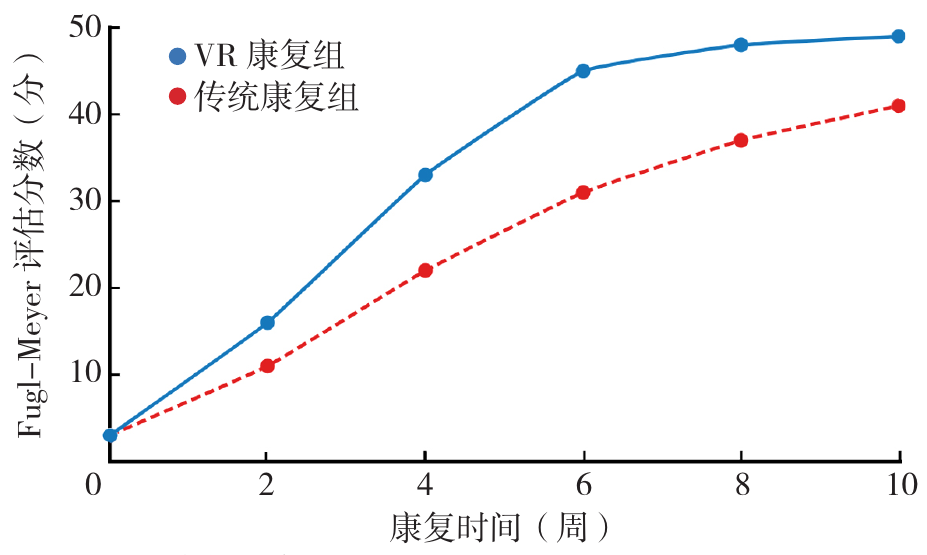
Figure 1 The impact of VR rehabilitation training and traditional rehabilitation on upper limb function recovery
| 技术类型 | 主要功能 | 适用阶段 | 适用功能障碍 | 优势 | 局限性 |
|---|---|---|---|---|---|
| VR康复系统 | 沉浸式训练 | 恢复期/缓慢恢复期 | 运动功能/认知功能 | 高参与度、可量化 | 设备成本高、适应性要求高 |
| AR康复系统 | 视觉引导和反馈 | 恢复期 | 步态/平衡功能 | 实时反馈、易于接受 | 技术要求高、场地限制 |
| 远程康复系统 | 居家监督训练 | 恢复期/缓慢恢复期 | 综合功能障碍 | 便利、长期坚持 | 缺乏直接指导、技术依赖性 |
| AI个性化系统 | 动态调整方案 | 全康复阶段 | 多种功能障碍 | 精准化、效率高 | 算法复杂、需大数据支持 |
| 机器人辅助系统 | 高强度精准训练 | 急性期/恢复期 | 肢体运动功能 | 高强度、精准 | 成本极高、操作复杂 |
Table 3 Comparison of characteristics of digital rehabilitation techniques for stroke
| 技术类型 | 主要功能 | 适用阶段 | 适用功能障碍 | 优势 | 局限性 |
|---|---|---|---|---|---|
| VR康复系统 | 沉浸式训练 | 恢复期/缓慢恢复期 | 运动功能/认知功能 | 高参与度、可量化 | 设备成本高、适应性要求高 |
| AR康复系统 | 视觉引导和反馈 | 恢复期 | 步态/平衡功能 | 实时反馈、易于接受 | 技术要求高、场地限制 |
| 远程康复系统 | 居家监督训练 | 恢复期/缓慢恢复期 | 综合功能障碍 | 便利、长期坚持 | 缺乏直接指导、技术依赖性 |
| AI个性化系统 | 动态调整方案 | 全康复阶段 | 多种功能障碍 | 精准化、效率高 | 算法复杂、需大数据支持 |
| 机器人辅助系统 | 高强度精准训练 | 急性期/恢复期 | 肢体运动功能 | 高强度、精准 | 成本极高、操作复杂 |
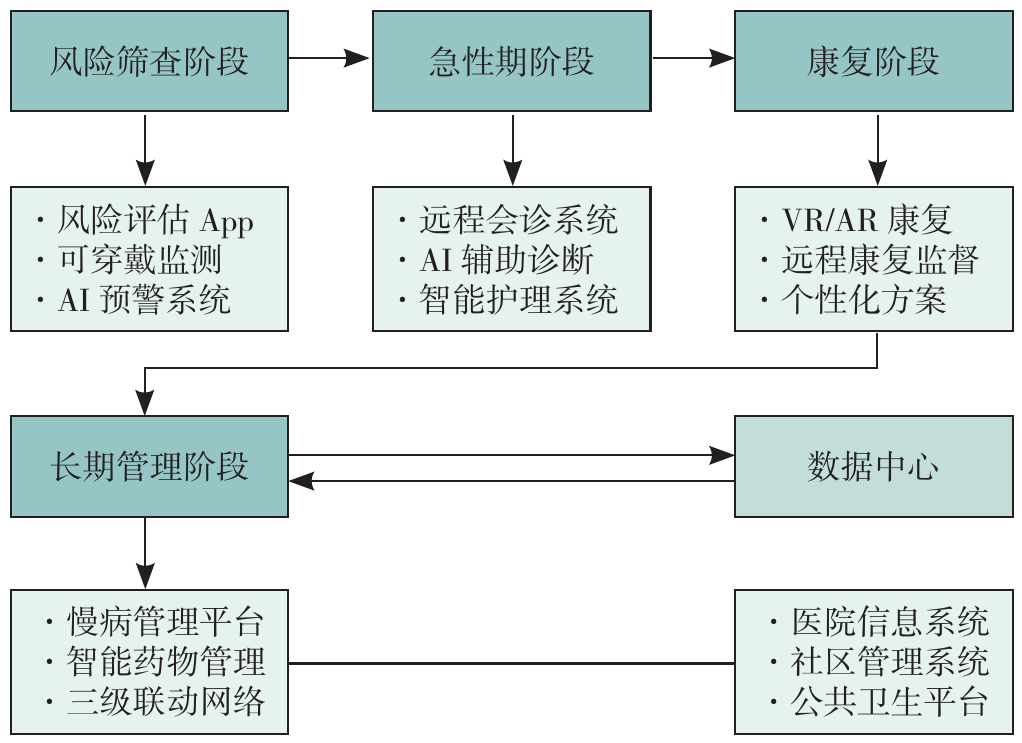
Figure 2 Digital stroke whole course management model
| [1] |
|
| [2] |
|
| [3] |
|
| [4] |
|
| [5] |
|
| [6] |
|
| [7] |
|
| [8] |
GBD 2021 Stroke Risk Factor Collaborators. Global, regional, and national burden of stroke and its risk factors, 1990-2021: a systematic analysis for the Global Burden of Disease Study 2021[J]. Lancet Neurol, 2024, 23(10): 973-1003. DOI: 10.1016/S1474-4422(24)00369-7.
|
| [9] |
|
| [10] |
|
| [11] |
|
| [12] |
|
| [13] |
|
| [14] |
|
| [15] |
|
| [16] |
|
| [17] |
|
| [18] |
|
| [19] |
|
| [20] |
|
| [21] |
|
| [22] |
|
| [23] |
|
| [24] |
|
| [25] |
|
| [26] |
|
| [27] |
|
| [28] |
|
| [29] |
|
| [30] |
|
| [31] |
|
| [32] |
|
| [33] |
|
| [34] |
|
| [35] |
|
| [36] |
|
| [37] |
|
| [38] |
|
| [39] |
|
| [40] |
|
| [41] |
|
| [1] | WANG Yang, ZHAO Shiting, CHEN Yingying, SUN Zilin, QIU Shanhu. Key Points of Exercise Intervention and Implementation for People with Complications of Type 2 Diabetes Mellitus [J]. Chinese General Practice, 2026, 29(21): 2989-2994. |
| [2] | LI Feng, HU Changhao, LUO Xu. Progress in the Study of Influencing Factors and Intervention Strategies of Mental Health in Elderly Patients with Multiple Chronic Conditions [J]. Chinese General Practice, 2026, 29(20): 2816-2828. |
| [3] | YANG Xiaofeng, LI Xianwen, WU Yanfeng, ZHANG Qian, CHEN Juan, ZHAO Fengjiao. Association of Serum Vascular Endothelial Cadherin Levels with the Risk of Post-stroke Cognitive Impairment in Patients with Acute Ischemic Stroke [J]. Chinese General Practice, 2026, 29(20): 2867-2873. |
| [4] | LIU Ying, LIU Shiwei, ZHANG Chi, SHEN Ji, ZHANG Yushan, ZHANG Jie, SANG Yingchen, WANG Youjiao, WANG Lei, ZHOU Houguang, SHI Hong. Prevalence and Associated Factors of Subjective Cognitive Decline among Older Stroke Patients in China [J]. Chinese General Practice, 2026, 29(20): 2829-2835. |
| [5] | CHEN Xinyi, HUANG Ziqian, CHEN Yufeng, HUANG Jun, WENG Fan, LAI Zhisheng, XUE Yumei, CAO Xi. Diagnostic Performance of a Hand-held Single-lead ECG Device in Detecting Atrial Fibrillation and Its Potential in Atrial Fibrillation Screening in Community [J]. Chinese General Practice, 2026, 29(19): 2717-2723. |
| [6] | FAN Meixiang, YAN Yunyun, HUANG Yanyan. Interpretation and Discussion of Guidelines for Preventive Activities in General Practice: Bladder Cancer [J]. Chinese General Practice, 2026, 29(18): 2450-2453. |
| [7] | WANG Yibo, HE Kaiyu, LIANG Guofen, YANG Zhenhua, ZHAO Tingxian, LIAO Biyi, ZHANG La, LIU Shiwei, GONG Xuezhong, LIU Xusheng, GU Yueyu, QIN Xindong, SU Guobin. Diagnosis and Management of Recurrent Urinary Tract Infections in Women: a Comparison and Interpretation Based on Existing Guidelines and Evidence [J]. Chinese General Practice, 2026, 29(17): 2387-2399. |
| [8] | WU Ruining, ZHOU Ming, ZHANG Gongzi, LI Jun, XIE Suhang, LIU Yangxiaoxue, ZHANG Jiali, LIU Maomao, HUANG Liping. Study on Fixed and Mobile Exoskeleton Robots in Improving Lower Limb Function and Quality of Life in Stroke Patients: a Randomized Controlled Trial [J]. Chinese General Practice, 2026, 29(17): 2326-2333. |
| [9] | Chinese Nutrition Society Obesity Prevention and Control Branch. Chinese Guidelines for Behavioral and Lifestyle Interventions for Obesity [J]. Chinese General Practice, 2026, 29(16): 2113-2139. |
| [10] | JI Ying, GUO Chuan, ZHU Shizhe, JI Panpan, WANG Tong, KAN Chaojie, WANG Qinglei. Effects of Intermittent Theta Burst Stimulation of the Cerebellum on Different Balance Abilities in Patients with Supratentorial Stroke: a Randomized Controlled Trial [J]. Chinese General Practice, 2026, 29(15): 2022-2028. |
| [11] | TIAN Anni, YANG Jing, SUN Jing, WANG Shichun. Effect of Robot-assisted Training on the Recovery of Hand Motor Function in Patients with Different Stages of Stroke: a Meta-analysis [J]. Chinese General Practice, 2026, 29(14): 1911-1920. |
| [12] | HAN Yue, BIAN Zhe, GU Haochen, WANG Dali, PENG Yanbo. Impact of Cumulative Defined Daily Dose of Statins on Recurrence Risk in Ischemic Stroke Patients [J]. Chinese General Practice, 2026, 29(14): 1821-1826. |
| [13] | Community Rehabilitation Working Committee of Chinese Rehabilitation Medicine Association. Chinese Expert Consensus on the Management of Home-based Rehabilitation for Cognitive Impairment (2026 Edition) [J]. Chinese General Practice, 2026, 29(14): 1793-1802. |
| [14] | SHAO Wenjuan, CAI Keshu, JIA Xiao, ZHANG Yimin. Research on the Construction and Application of a Community Intervention Model for Knee Osteoarthritis Based on Sports and Medicine Integration [J]. Chinese General Practice, 2026, 29(13): 1699-1705. |
| [15] | XIANG Tong, HUANG Yafang, WU Hao. Investigation Study on Older People's Willingness to Use Webcast Exercise Guidance: Based on the UTAUT Model and the Perceived Risk Theory [J]. Chinese General Practice, 2026, 29(13): 1720-1725. |
| Viewed | ||||||
|
Full text |
|
|||||
|
Abstract |
|
|||||
