
Chinese General Practice ›› 2026, Vol. 29 ›› Issue (17): 2400-2409.DOI: 10.12114/j.issn.1007-9572.2024.0544
Special Issue: 躯体功能与健康最新文章合辑; 肥胖/减重最新文章合辑
• Article·Study of Evidence-based Medicine • Previous Articles Next Articles
Received:2024-09-10
Revised:2025-03-20
Published:2026-06-15
Online:2026-05-21
Contact:
PING Weiwei
通讯作者:
平卫伟
作者简介:作者贡献:
李思旻负责文章的构思与设计、研究资料的收集与整理、论文撰写;张婷婷强负责论文修订;王鲲博、杨建洲负责表格的编辑、整理;平卫伟负责文章的质量控制及审校,对文章整体负责,监督管理。
基金资助:CLC Number:
Add to citation manager EndNote|Ris|BibTeX
URL: https://www.chinagp.net/EN/10.12114/j.issn.1007-9572.2024.0544
| 运动剂量 | 心肺运动 | 阻力运动 |
|---|---|---|
| 频率 | 4~5 d/周 | 1~2 d/周(非连续性),逐渐增加到2~3 d/周 |
| 强度 | 中等强度,40%~59% VO2R/HRR,CR-10评分3~4级 | 调整阻力,最后两组具有挑战性,如果可承受,可以进行高强度训练 |
| 持续时间 | 从20 min逐渐增加到30 min,最长45~60 min | 从一组8~12次开始,然后逐渐增加到两组,每次练习不超过8~10组 |
Table 1 ACSM's recommendations for aerobic fitness and muscle strength in healthy adults
| 运动剂量 | 心肺运动 | 阻力运动 |
|---|---|---|
| 频率 | 4~5 d/周 | 1~2 d/周(非连续性),逐渐增加到2~3 d/周 |
| 强度 | 中等强度,40%~59% VO2R/HRR,CR-10评分3~4级 | 调整阻力,最后两组具有挑战性,如果可承受,可以进行高强度训练 |
| 持续时间 | 从20 min逐渐增加到30 min,最长45~60 min | 从一组8~12次开始,然后逐渐增加到两组,每次练习不超过8~10组 |
| 评估内容 | 纳入研究数量(项) | 研究设计 | 偏倚风险 | 不一致性 | 间接性 | 精确性 | 患者例数(例) | 组间差异[MD(95%CI)] | 重要性 | |
|---|---|---|---|---|---|---|---|---|---|---|
| T | C | |||||||||
| 体脂率(用皮肤褶皱厚度评估) | 11 | 随机对照试验 | 不严重 | 严重 | 不严重 | 不严重 | 301 | 279 | -2.59(-4.12~-1.07) | 关键 |
| BMI(用体质量秤评估) | 5 | 随机对照试验 | 不严重 | 不严重 | 不严重 | 严重 | 142 | 136 | -1.91(-2.80~-1.02) | 重要 |
| 体质量(用体质量秤评估) | 5 | 随机对照试验 | 不严重 | 不严重 | 不严重 | 不严重 | 85 | 84 | -3.80(-6.27~-1.33) | 关键 |
| ASM(用生物电阻抗分析法评估) | 4 | 随机对照试验 | 不严重 | 严重 | 不严重 | 不严重 | 111 | 108 | -0.11(-0.69~0.48) | 重要 |
| 握力(用握力计评估) | 8 | 随机对照试验 | 不严重 | 不严重 | 不严重 | 不严重 | 201 | 194 | 2.74(0.87~4.60) | 关键 |
| 步速(用5米步速测试评估) | 7 | 随机对照试验 | 不严重 | 不严重 | 不严重 | 不严重 | 184 | 169 | 0.20(0.09~0.32) | 关键 |
Table 2 GRADE rating
| 评估内容 | 纳入研究数量(项) | 研究设计 | 偏倚风险 | 不一致性 | 间接性 | 精确性 | 患者例数(例) | 组间差异[MD(95%CI)] | 重要性 | |
|---|---|---|---|---|---|---|---|---|---|---|
| T | C | |||||||||
| 体脂率(用皮肤褶皱厚度评估) | 11 | 随机对照试验 | 不严重 | 严重 | 不严重 | 不严重 | 301 | 279 | -2.59(-4.12~-1.07) | 关键 |
| BMI(用体质量秤评估) | 5 | 随机对照试验 | 不严重 | 不严重 | 不严重 | 严重 | 142 | 136 | -1.91(-2.80~-1.02) | 重要 |
| 体质量(用体质量秤评估) | 5 | 随机对照试验 | 不严重 | 不严重 | 不严重 | 不严重 | 85 | 84 | -3.80(-6.27~-1.33) | 关键 |
| ASM(用生物电阻抗分析法评估) | 4 | 随机对照试验 | 不严重 | 严重 | 不严重 | 不严重 | 111 | 108 | -0.11(-0.69~0.48) | 重要 |
| 握力(用握力计评估) | 8 | 随机对照试验 | 不严重 | 不严重 | 不严重 | 不严重 | 201 | 194 | 2.74(0.87~4.60) | 关键 |
| 步速(用5米步速测试评估) | 7 | 随机对照试验 | 不严重 | 不严重 | 不严重 | 不严重 | 184 | 169 | 0.20(0.09~0.32) | 关键 |
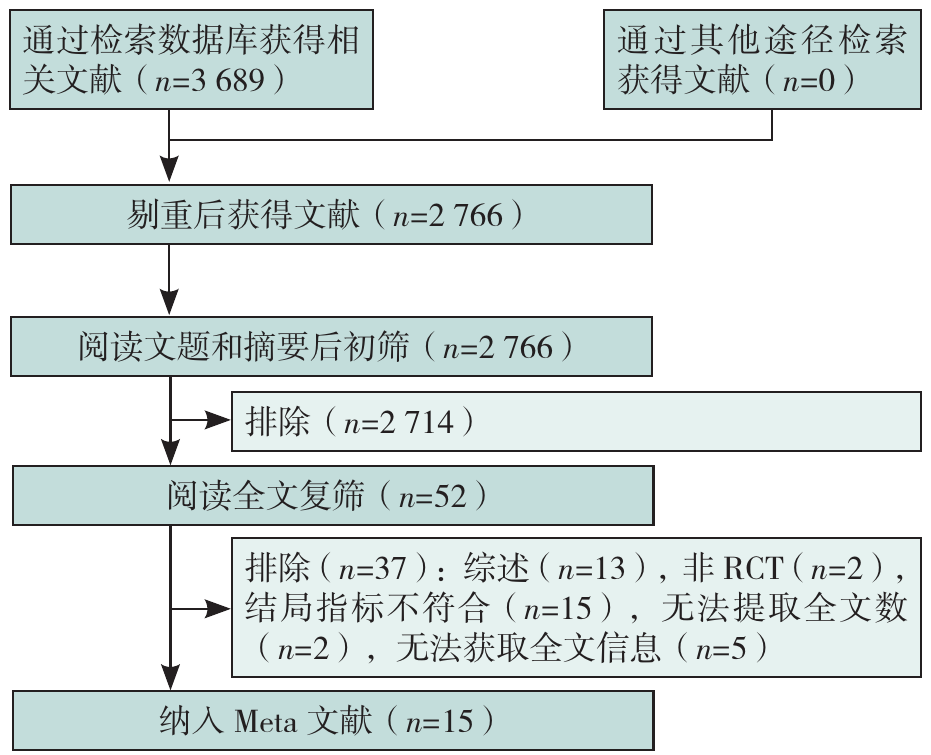
Figure 1 Literature search process chart
| 第一作者 | 国家 | 发表年份(年) | 年龄( | 样本量(总例数/男/女) | 干预措施 | 干预时间 | 对照组 | 干预前BMI( | 结局指标 |
|---|---|---|---|---|---|---|---|---|---|
| COLLELUORI[ | 美国 | 2019 | T:69±1 C:70±1 | T:12/4/8 C:12/6/6 | 有氧结合抗阻训练 | 6个月 | 空白 | T:35±3.46 C:36.1±4.16 | D |
| CHIU[ | 中国 | 2018 | T:79.9±7.8 C:79.9±7.8 | T:36/14/22 C:34/21/3 | 椅子肌肉力量训练 | 3个月 | 常规护理 | T:25.1±3.75 C:24.8±3.08 | A、E、F |
| FERHI[ | 瑞士 | 2023 | T:74.1±3.7 C:76.6±5.6 | T:20/NR/NR C:20/NR/NR | 姿势力量运动锻炼(PSM) | 24周 | 空白 | T:35.8±2.7 C:35.8±2.1 | A、B、D、F、G |
| GADELHA[ | 巴西 | 2016 | T:66.79±5.4 C:67.67±5.04 | T:69/0/69 C:64/0/64 | 阻力训练 | 24周 | 维持生活习惯 | T:28.1±6.4 C:29.0±5.08 | A、B |
| HUANG[ | 中国 | 2017 | T:48.89±4.91 C:69.53±5.09 | T:18/NR/NR C:17/NR/NR | 弹力带阻力训练 | 12周 | 运动课程 | T:27.31±3.74 C:28.96±3.49 | A、B、D |
| KIM[ | 日本 | 2016 | T:81.4±4.3 C:81.1±5.1 | T:35/0/35 C:34/0/34 | 椅子训练,阻力带训练,有氧运动 | 12周 | 健康教育课程 | T:25.1±2.5 C:25.3±2.8 | E、F |
| VASCONCELOS[ | 巴西 | 2016 | T:72±4.6 C:72±3.6 | T:16/0/16 C:15/0/15 | 渐进式抗阻训练 | 10周 | 电话检测健康状况 | T:32±2.3 C:33±2.9 | G |
| PARK[ | 中国 | 2017 | T:73.5±7.1 C:74.7±5.1 | T:25/0/25 C:25/0/25 | 有氧和阻力训练 | 24周 | 空白 | T:27.0 ±1.4 C:27.6±2.0 | A、E、F、G |
| LIAO[ | 中国 | 2017 | T:66.39±4.49 C:68.42±5.86 | T:25/0/25 C:21/0/21 | 弹力带阻力训练 | 12周 | 空白 | T:27.32±3.33 C:28.19±3.27 | A、F、G |
| LIAO[ | 中国 | 2018 | T:66.67±4.54 C:68.32±6.05 | T:33/0/33 C:23/0/23 | 弹力带阻力训练 | 9个月 | 空白 | T:27.27±3.72 C:29.16±3.62 | A、G |
| CHEN[ | 中国 | 2017 | T:68.5±2.7 C:68.6±3.1 | T:15/4/11 C:15/2/13 | 有氧结合抗阻训练 | 12周 | 空白 | T:NR C:NR | A、B、D、F |
| 李申[ | 中国 | 2020 | T:63.87±3.56 C:64.93±3.84 | T:15/NR/NR T:15/NR/NR | 有氧步行联合快速力量训练 | 12周 | 保持日常生活不变 | T:NR C:NR | A、E |
| 王丽珍[ | 中国 | 2019 | T:65.1±3.4 C:64.1±2.8 | T:20/11/9 C:20/10/10 | 渐进式阻力训练 | 8周 | 空白 | T:NR C:NR | A、B、D、F |
| KEMMLER[ | 德国 | 2016 | T:77.3±4.9 C:77.4±4.9 | T:25/0/25 C:25/0/25 | 全身肌电刺激 | 26周 | 维持生活方式不变 | T:25.2±1.8 C:24.7±1.4 | A、F、G |
| WATERS[ | 美国 | 2022 | T:70±5 C:70±5 | T:40/16/24 C:40/12/28 | 有氧训练结合抗阻训练 | 26周 | 空白 | T:35.8±4.5 C:36.7±5.0 | G |
Table 3 General characteristics of the literature included in the meta-analysis
| 第一作者 | 国家 | 发表年份(年) | 年龄( | 样本量(总例数/男/女) | 干预措施 | 干预时间 | 对照组 | 干预前BMI( | 结局指标 |
|---|---|---|---|---|---|---|---|---|---|
| COLLELUORI[ | 美国 | 2019 | T:69±1 C:70±1 | T:12/4/8 C:12/6/6 | 有氧结合抗阻训练 | 6个月 | 空白 | T:35±3.46 C:36.1±4.16 | D |
| CHIU[ | 中国 | 2018 | T:79.9±7.8 C:79.9±7.8 | T:36/14/22 C:34/21/3 | 椅子肌肉力量训练 | 3个月 | 常规护理 | T:25.1±3.75 C:24.8±3.08 | A、E、F |
| FERHI[ | 瑞士 | 2023 | T:74.1±3.7 C:76.6±5.6 | T:20/NR/NR C:20/NR/NR | 姿势力量运动锻炼(PSM) | 24周 | 空白 | T:35.8±2.7 C:35.8±2.1 | A、B、D、F、G |
| GADELHA[ | 巴西 | 2016 | T:66.79±5.4 C:67.67±5.04 | T:69/0/69 C:64/0/64 | 阻力训练 | 24周 | 维持生活习惯 | T:28.1±6.4 C:29.0±5.08 | A、B |
| HUANG[ | 中国 | 2017 | T:48.89±4.91 C:69.53±5.09 | T:18/NR/NR C:17/NR/NR | 弹力带阻力训练 | 12周 | 运动课程 | T:27.31±3.74 C:28.96±3.49 | A、B、D |
| KIM[ | 日本 | 2016 | T:81.4±4.3 C:81.1±5.1 | T:35/0/35 C:34/0/34 | 椅子训练,阻力带训练,有氧运动 | 12周 | 健康教育课程 | T:25.1±2.5 C:25.3±2.8 | E、F |
| VASCONCELOS[ | 巴西 | 2016 | T:72±4.6 C:72±3.6 | T:16/0/16 C:15/0/15 | 渐进式抗阻训练 | 10周 | 电话检测健康状况 | T:32±2.3 C:33±2.9 | G |
| PARK[ | 中国 | 2017 | T:73.5±7.1 C:74.7±5.1 | T:25/0/25 C:25/0/25 | 有氧和阻力训练 | 24周 | 空白 | T:27.0 ±1.4 C:27.6±2.0 | A、E、F、G |
| LIAO[ | 中国 | 2017 | T:66.39±4.49 C:68.42±5.86 | T:25/0/25 C:21/0/21 | 弹力带阻力训练 | 12周 | 空白 | T:27.32±3.33 C:28.19±3.27 | A、F、G |
| LIAO[ | 中国 | 2018 | T:66.67±4.54 C:68.32±6.05 | T:33/0/33 C:23/0/23 | 弹力带阻力训练 | 9个月 | 空白 | T:27.27±3.72 C:29.16±3.62 | A、G |
| CHEN[ | 中国 | 2017 | T:68.5±2.7 C:68.6±3.1 | T:15/4/11 C:15/2/13 | 有氧结合抗阻训练 | 12周 | 空白 | T:NR C:NR | A、B、D、F |
| 李申[ | 中国 | 2020 | T:63.87±3.56 C:64.93±3.84 | T:15/NR/NR T:15/NR/NR | 有氧步行联合快速力量训练 | 12周 | 保持日常生活不变 | T:NR C:NR | A、E |
| 王丽珍[ | 中国 | 2019 | T:65.1±3.4 C:64.1±2.8 | T:20/11/9 C:20/10/10 | 渐进式阻力训练 | 8周 | 空白 | T:NR C:NR | A、B、D、F |
| KEMMLER[ | 德国 | 2016 | T:77.3±4.9 C:77.4±4.9 | T:25/0/25 C:25/0/25 | 全身肌电刺激 | 26周 | 维持生活方式不变 | T:25.2±1.8 C:24.7±1.4 | A、F、G |
| WATERS[ | 美国 | 2022 | T:70±5 C:70±5 | T:40/16/24 C:40/12/28 | 有氧训练结合抗阻训练 | 26周 | 空白 | T:35.8±4.5 C:36.7±5.0 | G |
| 第一作者 | 心肺运动 | 抗阻运动 | ACSM建议依从情况(n/N,%) | ||||||||||||
|---|---|---|---|---|---|---|---|---|---|---|---|---|---|---|---|
| 频率(d/周) | 强度(工作量) | 持续时间(min) | 频率(d/周) | 强度(工作量) | 重复次数(次) | 组数 | |||||||||
| CHIU[ | 2 | NR | 4~10 | 3组 | 5/8(62.5) | ||||||||||
| FERHI[ | 2 | 调整阻力,逐渐增加 | 3~15 | 1~5组 | 7/8(87.5) | ||||||||||
| GADELHA[ | 3 | 前4周60% 1RM,后16周70% 1RM | 8~12 | 3组 | 6/8(75.0) | ||||||||||
| HUANG[ | 3 | 最大承受强度 | 10 | 3组 | 6/8(75.0) | ||||||||||
| KIM[ | 2 | NR | 12 | 2 | NR | 10 | 1~3组 | 7/14(57.1) | |||||||
| VASCONCELOS[ | 2 | 50% 1RM 12周,75% 1RM 3~4周,40% 1RM 5~6周,60% 1RM 7~8周,60% 1RM 9~10周 | 30 | 前8周2组,后2周3组 | 4/8(50.0) | ||||||||||
| PARK[ | 5 | NR | 30~50 | 3 | NR | 8~15 | 2~3组 | 11/14(78.5) | |||||||
| LIAO[ | 3 | 中等强度 | 10 | 3组 | 6/8(75.0) | ||||||||||
| LIAO[ | 3 | 中等强度 | 10 | 3组 | 6/8(75.0) | ||||||||||
| 李申[ | 5 | 中等强度,快速步行 | 30~45 | 3 | NR | 10 | 2组 | 10/12(83.3) | |||||||
| 王丽珍[ | 2 | NR | 20 | 2 | 中等强度 | 10~15 | 3~5组 | 9/14(64.2) | |||||||
| CHEN[ | 2 | 中等强度 | 60 | 2 | 60%~70% 1RM | 8~12 | 3组 | 10/14(71.0) | |||||||
| COLLELUORI[ | 2.8±1 | 2.8±1 | 1RM | NR | NR | 4/8(50.0) | |||||||||
| KEMMLER[ | 1 | 85 Hz | NR | NR | 5/8(62.5) | ||||||||||
| WATERS[ | 3 | 峰值心率的65% | 60~90 | 3 | 65% 1RM | 8~12 | 1~2组 | 9/14(64.2) | |||||||
Table 4 Exercise intervention measures evaluated according to ACSM recommendations
| 第一作者 | 心肺运动 | 抗阻运动 | ACSM建议依从情况(n/N,%) | ||||||||||||
|---|---|---|---|---|---|---|---|---|---|---|---|---|---|---|---|
| 频率(d/周) | 强度(工作量) | 持续时间(min) | 频率(d/周) | 强度(工作量) | 重复次数(次) | 组数 | |||||||||
| CHIU[ | 2 | NR | 4~10 | 3组 | 5/8(62.5) | ||||||||||
| FERHI[ | 2 | 调整阻力,逐渐增加 | 3~15 | 1~5组 | 7/8(87.5) | ||||||||||
| GADELHA[ | 3 | 前4周60% 1RM,后16周70% 1RM | 8~12 | 3组 | 6/8(75.0) | ||||||||||
| HUANG[ | 3 | 最大承受强度 | 10 | 3组 | 6/8(75.0) | ||||||||||
| KIM[ | 2 | NR | 12 | 2 | NR | 10 | 1~3组 | 7/14(57.1) | |||||||
| VASCONCELOS[ | 2 | 50% 1RM 12周,75% 1RM 3~4周,40% 1RM 5~6周,60% 1RM 7~8周,60% 1RM 9~10周 | 30 | 前8周2组,后2周3组 | 4/8(50.0) | ||||||||||
| PARK[ | 5 | NR | 30~50 | 3 | NR | 8~15 | 2~3组 | 11/14(78.5) | |||||||
| LIAO[ | 3 | 中等强度 | 10 | 3组 | 6/8(75.0) | ||||||||||
| LIAO[ | 3 | 中等强度 | 10 | 3组 | 6/8(75.0) | ||||||||||
| 李申[ | 5 | 中等强度,快速步行 | 30~45 | 3 | NR | 10 | 2组 | 10/12(83.3) | |||||||
| 王丽珍[ | 2 | NR | 20 | 2 | 中等强度 | 10~15 | 3~5组 | 9/14(64.2) | |||||||
| CHEN[ | 2 | 中等强度 | 60 | 2 | 60%~70% 1RM | 8~12 | 3组 | 10/14(71.0) | |||||||
| COLLELUORI[ | 2.8±1 | 2.8±1 | 1RM | NR | NR | 4/8(50.0) | |||||||||
| KEMMLER[ | 1 | 85 Hz | NR | NR | 5/8(62.5) | ||||||||||
| WATERS[ | 3 | 峰值心率的65% | 60~90 | 3 | 65% 1RM | 8~12 | 1~2组 | 9/14(64.2) | |||||||
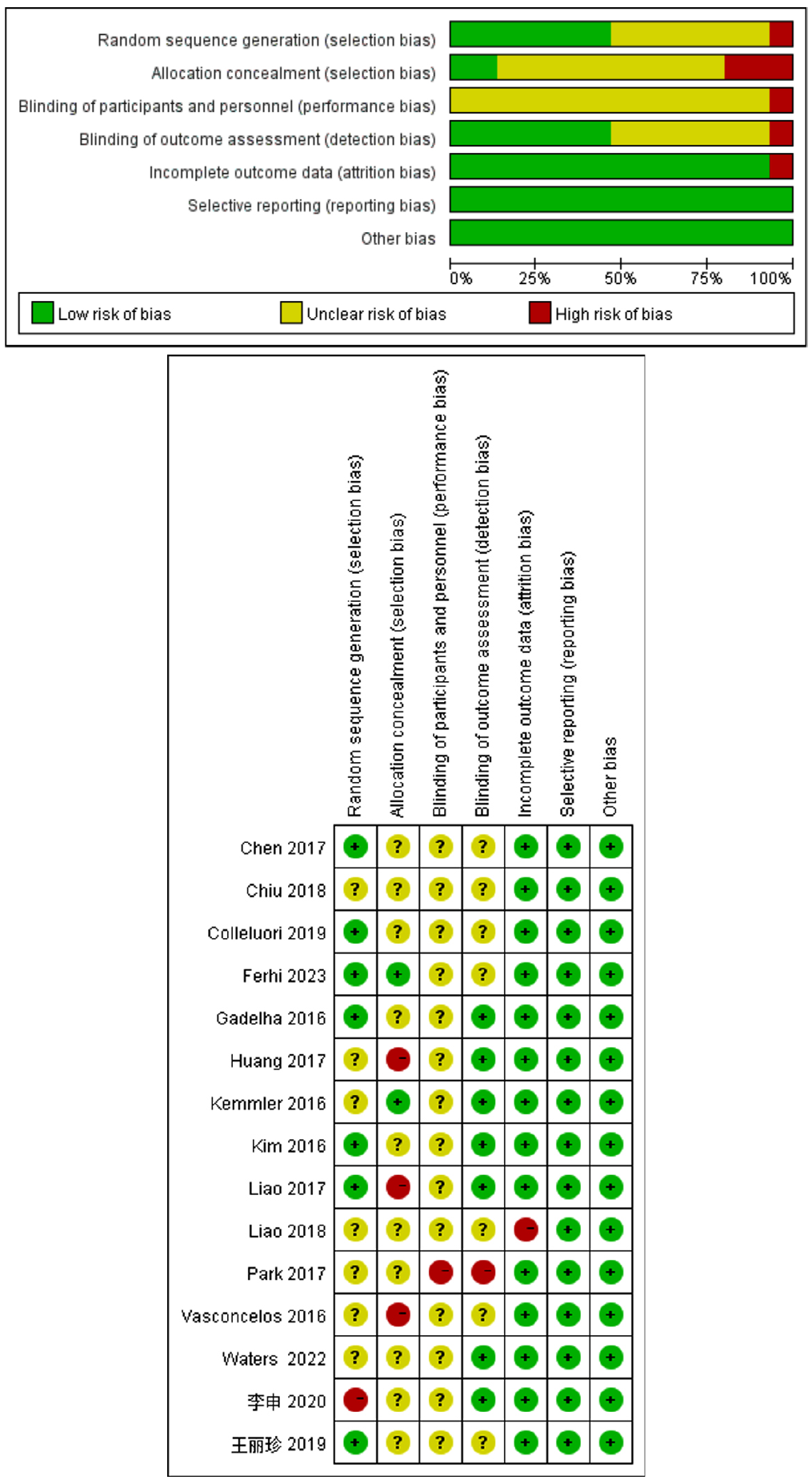
Figure 2 Risk of bias plot
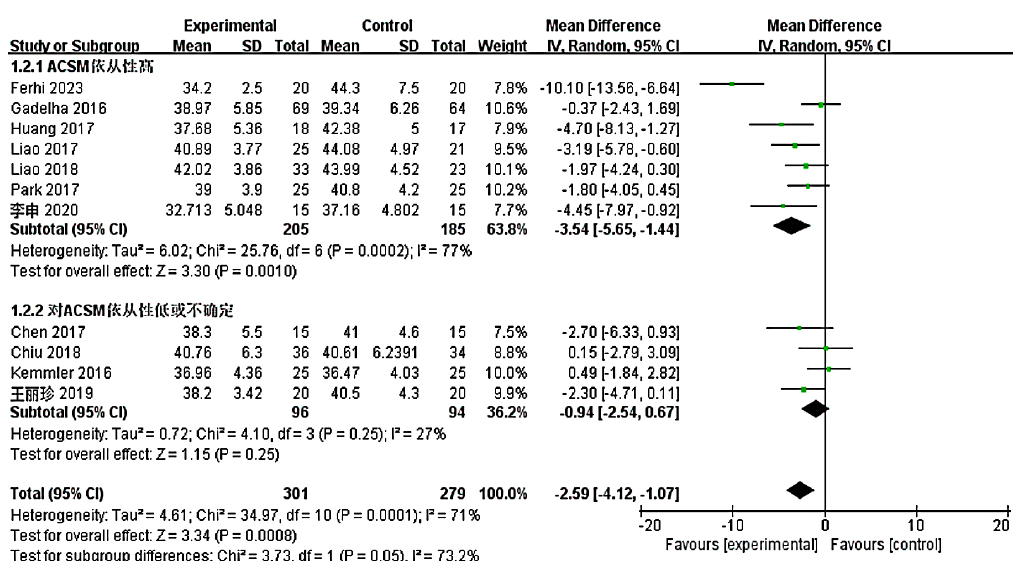
Figure 3 Forest plotting of the effects of exercise intervention on body fat percentage
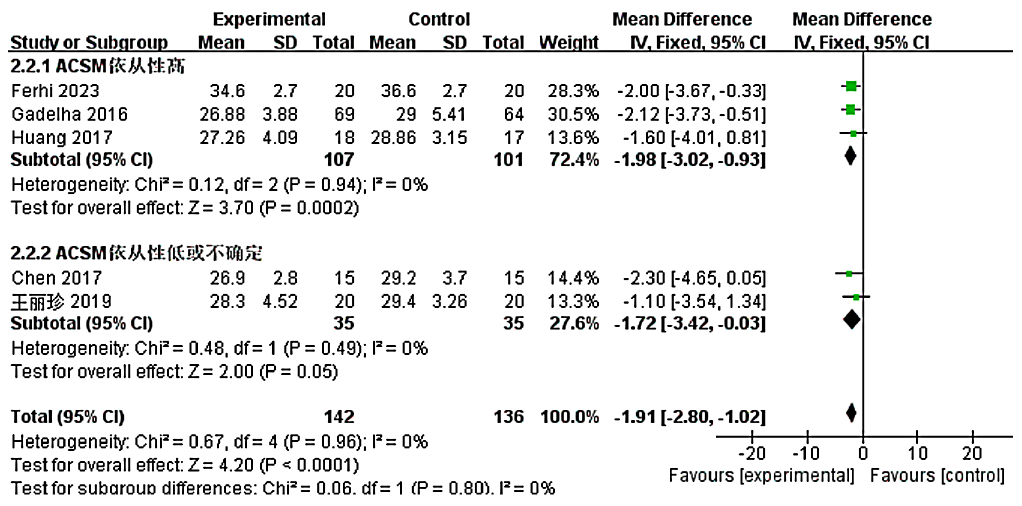
Figure 4 Forest plotting of the effect of exercise intervention on BMI
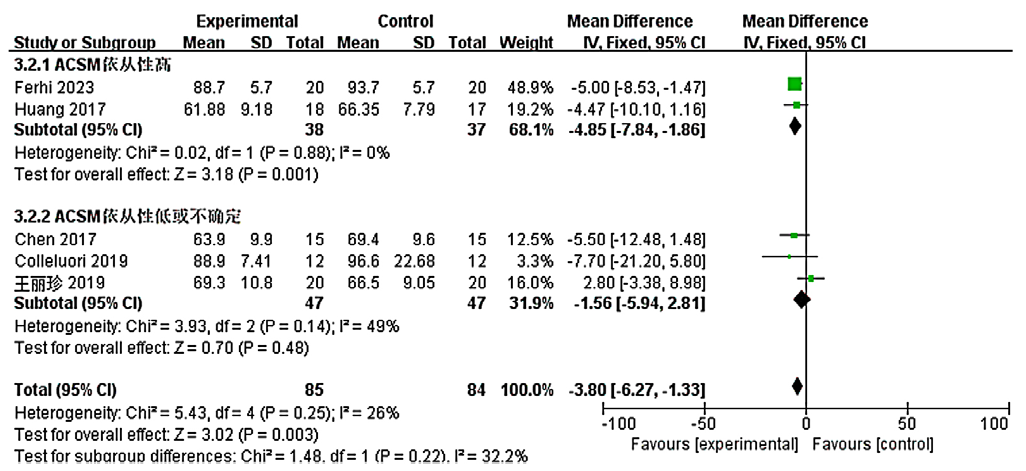
Figure 5 Forest plotting of the effect of exercise intervention on body mass
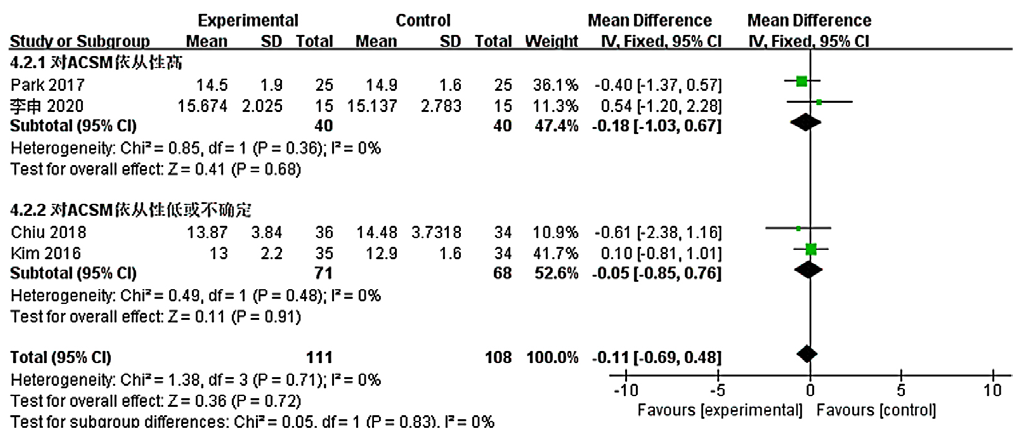
Figure 6 Forest plotting of the effect of exercise intervention on ASM
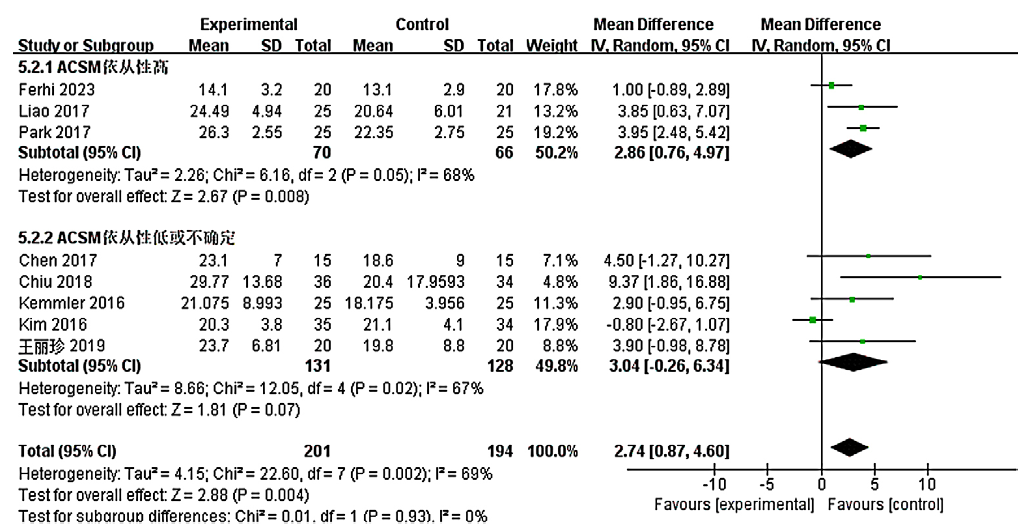
Figure 7 Forest plotting of the effects of exercise intervention on grip strength
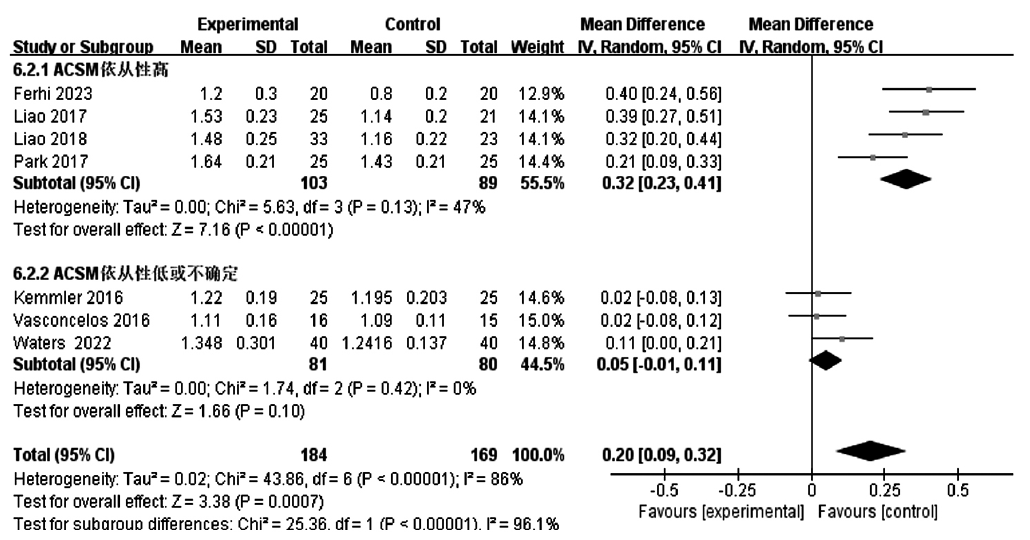
Figure 8 Forest plotting of the effect of exercise on gait speed
| [1] |
|
| [2] |
钟飞, 黄聪, 赖欣怡, 等. 联合有氧-抗阻运动对老年人肠道菌群和肌少性肥胖风险的影响研究:随机对照试验[C]//第十二届全国体育科学大会论文摘要汇编——专题报告(体质与健康分会). 日照, 2022: 152-154.
|
| [3] |
|
| [4] |
|
| [5] |
|
| [6] |
李玎嘉, 吴学平. 警惕肥胖的危害[J]. 家庭医学(下半月), 2023(4): 10-11.
|
| [7] |
钟静, 王秀华. 老年人肌少症非药物干预的研究进展[J]. 中国护理管理, 2019, 19(8): 1256-1262. DOI: 10.3969/j.issn.1672-1756.2019.08.030.
|
| [8] |
|
| [9] |
郭回希, 庄则豪. 肌肉减少症的药物治疗[J]. 肿瘤代谢与营养电子杂志, 2014, 1(3): 5-9.
|
| [10] |
|
| [11] |
胡斌.体卫融合背景下运动处方与肌少性肥胖的研究进展[C]//江西省体育科学学会,全国学校体育联盟江西省分联盟,江西省体育学学科联盟,华东交通大学体育与健康学院.第四届"全民健身 科学运动"学术交流大会暨运动与健康国际学术论坛论文集.上海体育大学运动健康学院, 2023: 2.
|
| [12] |
|
| [13] |
|
| [14] |
|
| [15] |
|
| [16] |
|
| [17] |
|
| [18] |
|
| [19] |
|
| [20] |
|
| [21] |
|
| [22] |
|
| [23] |
|
| [24] |
|
| [25] |
|
| [26] |
|
| [27] |
|
| [28] |
|
| [29] |
|
| [30] |
李申, 黄力平, 王磊, 等. 12周有氧步行联合快速力量训练对肌骨减少性肥胖老年人干预效果研究[J]. 中国康复医学杂志, 2020, 35(4): 420-426. DOI: 10.3969/j.issn.1001-1242.2020.04.007.
|
| [31] |
王丽珍, 郭颖彬, 骆俊宏. 居家运动训练对老年肥胖型肌少症的效果[J]. 中国康复理论与实践, 2019, 25(1): 90-96. DOI: 10.3969/j.issn.1006-9771.2019.01.012.
|
| [32] |
|
| [33] |
|
| [34] |
夏艳霞. 老年人群肥胖与肌少症的相关性及有氧运动对老年肥胖肌少症的影响[D]. 武汉: 武汉体育学院, 2020.
|
| [35] | |
| [36] |
|
| [37] |
|
| [38] |
|
| Viewed | ||||||
|
Full text |
|
|||||
|
Abstract |
|
|||||
