Chinese General Practice ›› 2026, Vol. 29 ›› Issue (27): 3906-3914.DOI: 10.12114/j.issn.1007-9572.2025.0193

Special Issue: 社区卫生服务最新研究合辑

• General Practice/Community Health Service·Physician Development • Previous Articles     Next Articles

Development of Primary Care Traditional Chinese Medicine Workforce in China: a Policy Analysis Using the Three-dimensional "Theme-instrument-evaluation" Framework


  1. 1. College of Traditional Chinese Medicine, Hebei University of Chinese Medicine, Shijiazhuang 050299, China
    2. Chinese Academy of Medical Sciences & Peking Union Medical College, Beijing 100730, China
    3. Monitoring and Statistics Center, National Administration of Traditional Chinese Medicine, Beijing 100600, China
    4. Nanjing University of Chinese Medicine, Nanjing 210023, China
    5. Sun Yat-sen University, Guangzhou 510080, China
  • Received:2025-07-17 Revised:2025-07-23 Published:2026-09-20 Online:2026-08-11
  • Contact: WU Ning

我国基层中医药人才队伍发展的政策研究:基于"主题-工具-评价"三维分析框架


  1. 1.050299 河北省石家庄市,河北中医药大学
    2.100730 北京市,中国医学科学院北京协和医学院
    3.100600 北京市,国家中医药管理局监测统计中心
    4.210023 江苏省南京市,南京中医药大学
    5.510080 广东省广州市,中山大学
  • 通讯作者: 武宁
  • 作者简介:

    作者贡献:

    杨照珩提出研究思路,设计研究方案,全程参与研究,对论文负责;党媛参与研究,撰写研究论文,负责最终版本修订和审校;史穆然参与研究,负责论文起草;李文心负责核实数据;赵一默负责图片的编辑和整理;王梓涵负责研究资料的收集与整理;武宁对研究思路提出建议,修改、完善研究方案,对文章进行质量控制和监督管理。

Abstract:

Background

Primary-level traditional Chinese medicine (TCM)personnel serve as the cornerstone of China's TCM development. Strengthening this workforce is crucial for advancing the inheritance and innovation of TCM and safeguarding public health.

Objective

This study analyzes the formulation characteristics and implementation outcomes of China's primary-level TCM talent policies (2012-2024), reveals policy instrument preferences, and assesses workforce development status to optimize TCM service capacity at the grassroots.

Methods

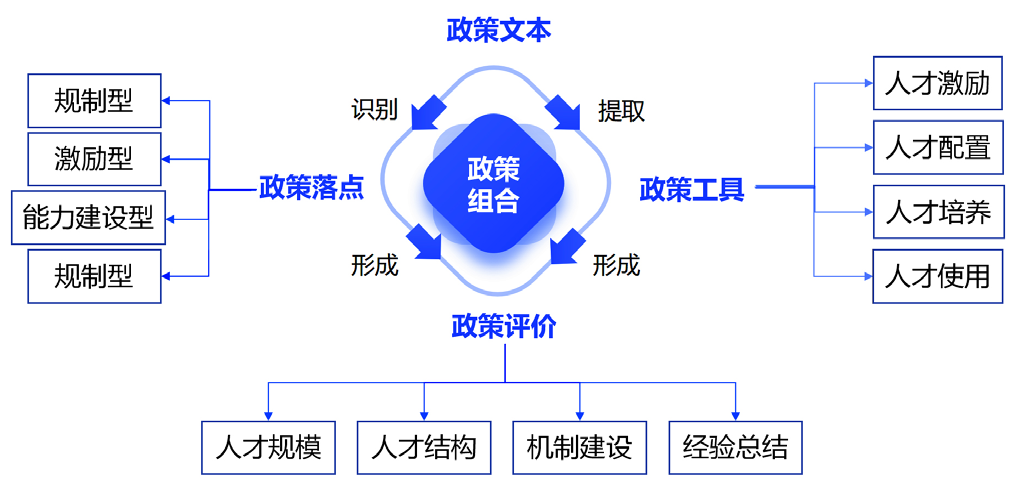
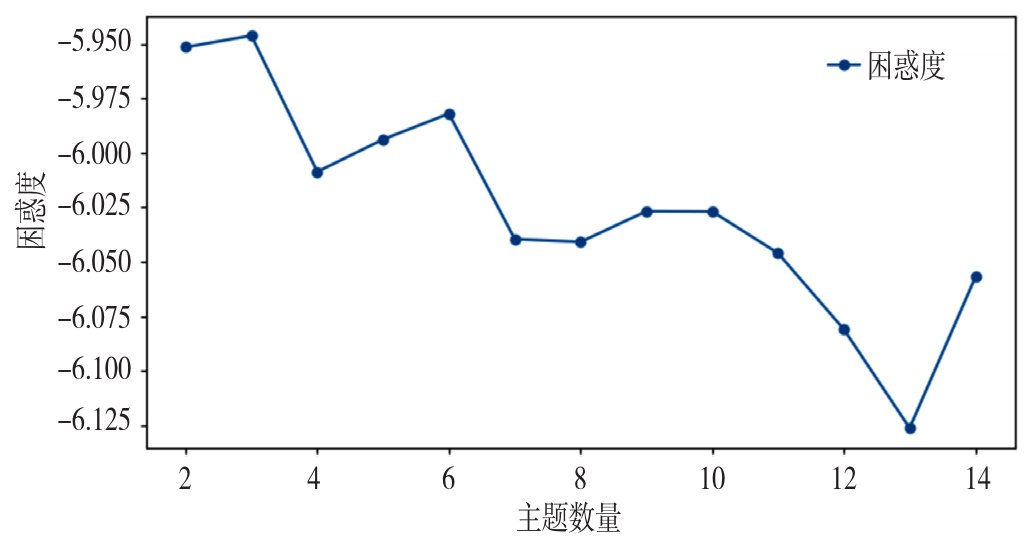
Based on a three-dimensional "theme-instrument-evaluation" framework, we employed LDA topic modeling to analyze 47 policy documents publicly available on Chinese government websites, used NVivo coding to examine policy tool distribution, and evaluated policy implementation effectiveness using data from official sources including the National Administration of Traditional Chinese Medicine.

Results

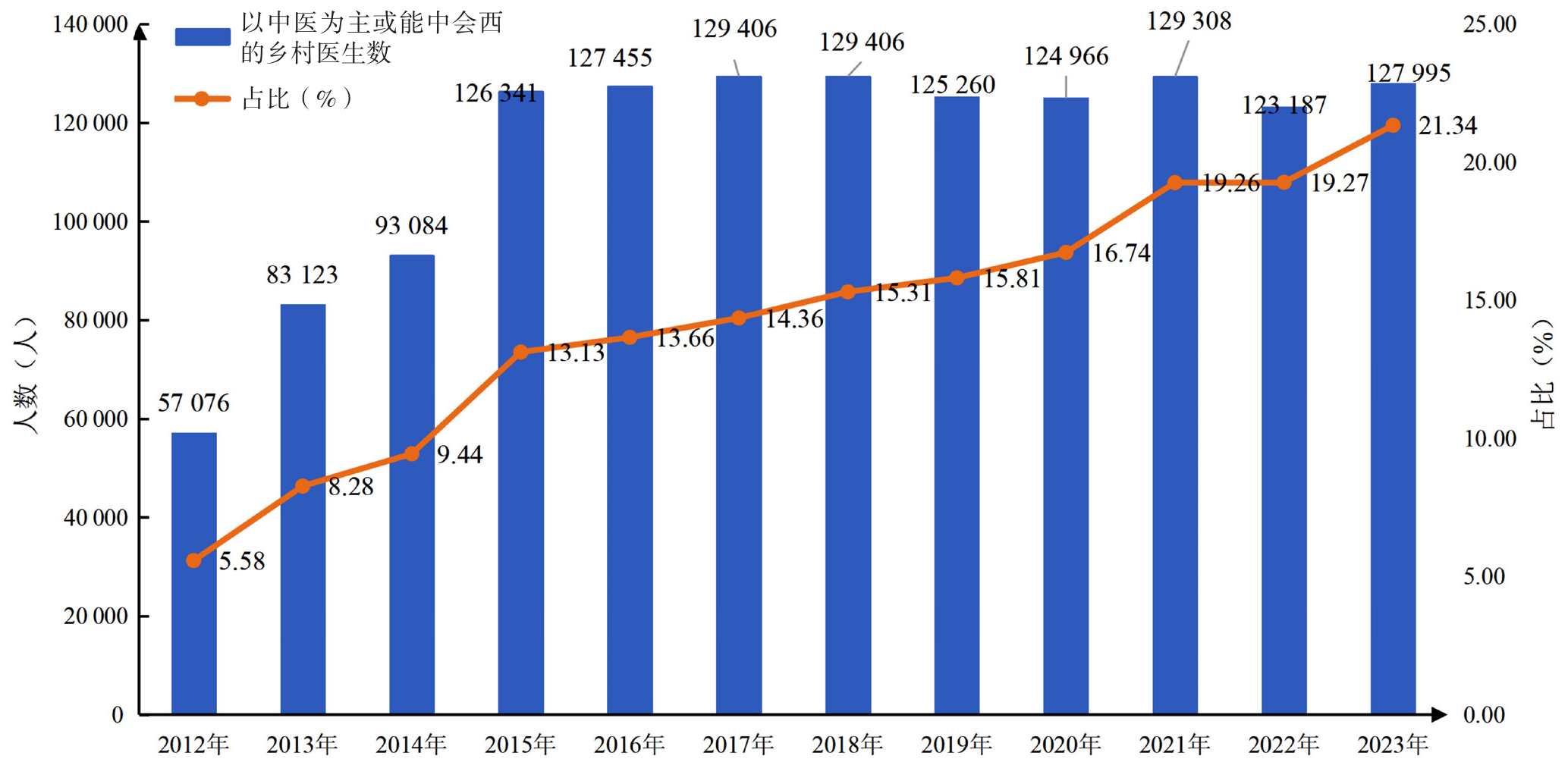
reveal that policy themes predominantly focus on talent utilization and cultivation (combined >65%). Instrument usage exhibits a capacity-building-dominated structure (47.0%)> regulatory (23.5%)> incentive (20.2%)> informational/persuasive (9.3%), yet demonstrates structural imbalances: economic incentives constitute merely 5%, while information provision and promotion tools each account for <5%. By 2023, China's primary-level TCM workforce reached 277 000 personnel, with rural doctors proficient in TCM or TCM-Western integrated practices surging to 128 000 (significant growth since 2012). Structural challenges persist: TCM practitioners comprise only 22.6% of health personnel in corresponding institutions (below the 25% target), per-capita allocation remains inadequate, and shortages of high-caliber professionals endure despite expanded service coverage.

Conclusion

Thematic analysis confirms policy prioritizes talent utilization and cultivation. Instrument deployment reveals a "capacity-building-led, regulation-supported, incentive-supplemented" framework, with training programs, standard-setting, and non-financial incentives as dominant sub-tools. However, insufficient economic incentives and underutilized informational constrain policy effectiveness. Implementation challenges persist: imbalanced talent distribution, regional disparities, and shortages of high-caliber professionals. While systemic policy architecture exists, optimizing instrument combinations and resource allocation remains crucial to enhance the accessibility and sustainability of grassroots TCM services.

Key words: Education, medical and pharmacy, Primary-level traditional Chinese medicine workforce, Talents cultivation, Team building, Primary medical institution, Grassroots health workforce management, Policy research

摘要:

背景

基层中医药人才队伍是国家中医药事业发展的基石,发展基层中医药人才队伍是推动中医药事业传承与创新、维护人民群众健康福祉的重要议题。

目的

分析2012年9月—2024年9月我国基层中医药人才政策的制定特征与实施成效,揭示政策工具使用偏好与人才队伍建设现状,为优化基层中医药服务能力提供依据。

方法

基于"主题-工具-评价"三维分析框架,采用潜在狄利克雷分布主题模型对47份中国政府网站公开的政策文本进行主题挖掘,运用NVivo编码分析政策工具分布,并结合国家中医药管理局及其相关部门官方网站公开的数据资料评价政策实施效果。

结果

政策主题分析结果显示当前基层中医药人才队伍发展政策主题聚焦人才使用与人才培养,合计占比超65%。工具使用呈现能力建设型(47.0%)>规制型(23.5%)>激励型(20.2%)>信息与劝诫型(9.3%)的格局,但尚存结构性失衡问题,如经济激励工具仅占5%,信息提供与推广工具占比均<5%。政策评价方面,2023年基层中医药人员总量达27.7万人,以中医为主或能中会西的乡村医生达12.8万人,较2012年增长显著;人员结构方面,中医药人员在同类别机构卫生人员中的占比仍然较低,中医师占比(22.6%)仍低于25%的目标;服务能力结构方面,基层中医药人才服务的覆盖率不断提升,但人均配置量不足,高素质人才仍然短缺。

结论

政策主题方面,当前基层中医药政策聚焦于人才使用与培养领域。政策工具方面,已初步形成"能力建设主导、规制保障执行、激励引导补充"的运用格局,其中人才培养、标准设定与非经济激励为高频子工具,但经济激励不足、信息与劝诫工具的缺位制约了政策效能。政策评价方面,当前仍面临人才结构不均衡、区域发展不平衡、高素质人才匮乏等挑战。我国基层中医药人才政策已形成系统性布局,建议进一步优化工具组合与资源配置,以全面提升基层中医药服务的可及性与可持续性。

关键词: 教育,中医药, 中医药人才队伍, 人才培养, 队伍建设, 基层医疗卫生机构, 基层卫生人力管理, 政策研究

CLC Number: