
Chinese General Practice ›› 2026, Vol. 29 ›› Issue (08): 1069-1076.DOI: 10.12114/j.issn.1007-9572.2024.0719
• Article·Drug Use Guide • Previous Articles Next Articles
Received:2025-04-10
Revised:2025-07-02
Published:2026-03-15
Online:2026-02-03
Contact:
CHEN Hongru
通讯作者:
陈虹汝
作者简介:作者贡献:
张紫钰提出研究思路和研究方案,检索GBD 2021数据库进行数据整理、统计分析、绘制图表并撰写论文;韩树奎负责论文和相关图表的修改;马昕、宋盼盼负责对数据资料进行二次校对;马金祥、任义涛负责论文的质量控制及审校,对论文最终版本进行修订;陈虹汝负责对科研过程全程把控;全部作者已确认论文终稿。
基金资助:CLC Number:
Add to citation manager EndNote|Ris|BibTeX
URL: https://www.chinagp.net/EN/10.12114/j.issn.1007-9572.2024.0719
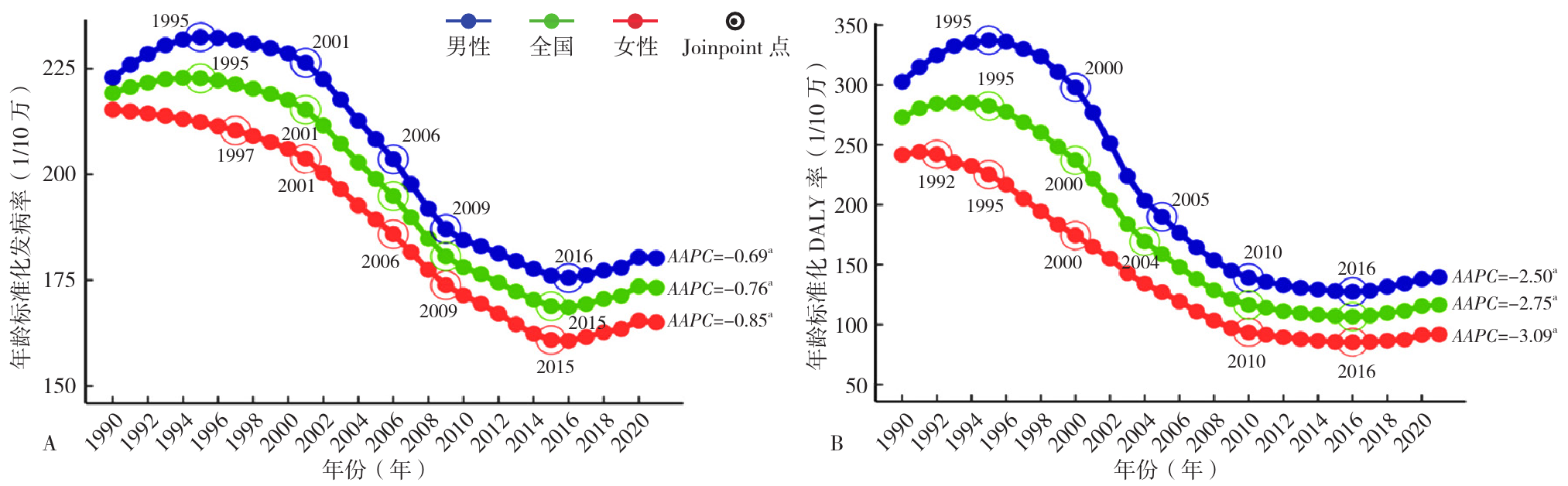
Figure 1 Change trend of drug use disorders burden in China from 1990 to 2021
| 指标 | 全国 | 男性 | 女性 |
|---|---|---|---|
| 药物滥用障碍 | |||
| 年龄标准化发病率 | -0.76(-0.83~-0.69) | -0.69(-0.76~-0.61) | -0.85(-0.92~-0.78) |
| 年龄标准化DALY率 | -2.75(-2.97~-2.53) | -2.50(-2.73~-2.27) | -3.09(-3.31~-2.87) |
| 阿片类药物滥用障碍 | |||
| 年龄标准化发病率 | -1.97(-2.14~-1.80) | -1.93(-2.14~-1.72) | -2.05(-2.34~-1.77) |
| 年龄标准化DALY率 | -3.41(-3.65~-3.16) | -3.60(-3.84~-3.36) | -3.17(-3.44~-2.91) |
| 安非他明类滥用障碍 | |||
| 年龄标准化发病率 | -1.50(-1.61~-1.39) | -1.26(-1.37~-1.15) | -1.88(-1.95~-1.80) |
| 年龄标准化DALY率 | -1.66(-1.81~-1.50) | -0.96(-1.11~-0.82) | -2.73(-2.93~-2.54) |
| 大麻滥用障碍 | |||
| 年龄标准化发病率 | 0.66(0.64~0.68) | 0.70(0.69~0.72) | 0.56(0.55~0.57) |
| 年龄标准化DALY率 | 0.71(0.69~0.73) | 0.76(0.74~0.79) | 0.62(0.58~0.65) |
| 可卡因滥用障碍 | |||
| 年龄标准化发病率 | -0.66(-0.78~-0.55) | -0.61(-0.79~-0.42) | -0.83(-0.97~-0.69) |
| 年龄标准化DALY率 | -2.12(-2.45~-1.80) | -1.59(-1.93~-1.25) | -3.18(-3.39~-2.96) |
| 其他类药物滥用障碍 | |||
| 年龄标准化发病率 | -0.64(-0.70~-0.59) | -0.67(-0.74~-0.59) | -0.61(-0.75~-0.48) |
| 年龄标准化DALY率 | -3.83(-4.31~-3.36) | -3.03(-3.58~-2.48) | -5.36(-5.93~-4.79) |
Table 1 Epidemiological trends of drug use disorders in the elderly population in China from 1990 to 2021
| 指标 | 全国 | 男性 | 女性 |
|---|---|---|---|
| 药物滥用障碍 | |||
| 年龄标准化发病率 | -0.76(-0.83~-0.69) | -0.69(-0.76~-0.61) | -0.85(-0.92~-0.78) |
| 年龄标准化DALY率 | -2.75(-2.97~-2.53) | -2.50(-2.73~-2.27) | -3.09(-3.31~-2.87) |
| 阿片类药物滥用障碍 | |||
| 年龄标准化发病率 | -1.97(-2.14~-1.80) | -1.93(-2.14~-1.72) | -2.05(-2.34~-1.77) |
| 年龄标准化DALY率 | -3.41(-3.65~-3.16) | -3.60(-3.84~-3.36) | -3.17(-3.44~-2.91) |
| 安非他明类滥用障碍 | |||
| 年龄标准化发病率 | -1.50(-1.61~-1.39) | -1.26(-1.37~-1.15) | -1.88(-1.95~-1.80) |
| 年龄标准化DALY率 | -1.66(-1.81~-1.50) | -0.96(-1.11~-0.82) | -2.73(-2.93~-2.54) |
| 大麻滥用障碍 | |||
| 年龄标准化发病率 | 0.66(0.64~0.68) | 0.70(0.69~0.72) | 0.56(0.55~0.57) |
| 年龄标准化DALY率 | 0.71(0.69~0.73) | 0.76(0.74~0.79) | 0.62(0.58~0.65) |
| 可卡因滥用障碍 | |||
| 年龄标准化发病率 | -0.66(-0.78~-0.55) | -0.61(-0.79~-0.42) | -0.83(-0.97~-0.69) |
| 年龄标准化DALY率 | -2.12(-2.45~-1.80) | -1.59(-1.93~-1.25) | -3.18(-3.39~-2.96) |
| 其他类药物滥用障碍 | |||
| 年龄标准化发病率 | -0.64(-0.70~-0.59) | -0.67(-0.74~-0.59) | -0.61(-0.75~-0.48) |
| 年龄标准化DALY率 | -3.83(-4.31~-3.36) | -3.03(-3.58~-2.48) | -5.36(-5.93~-4.79) |
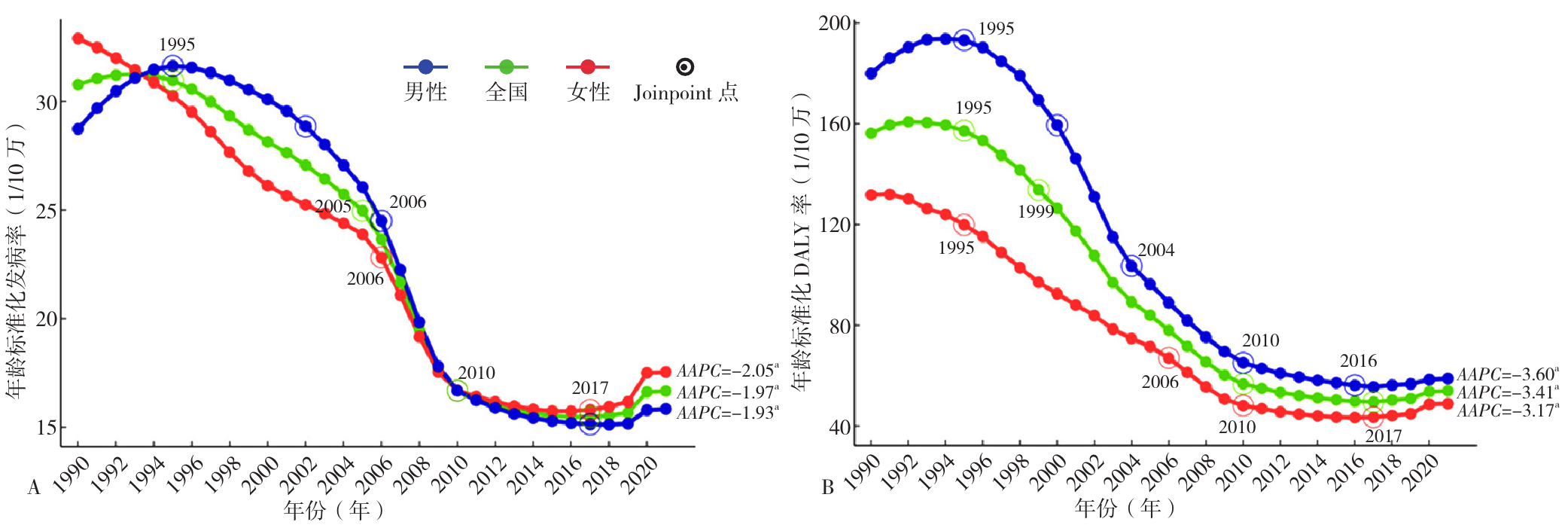
Figure 2 Change trend of opioid use disorders burden in China from 1990 to 2021
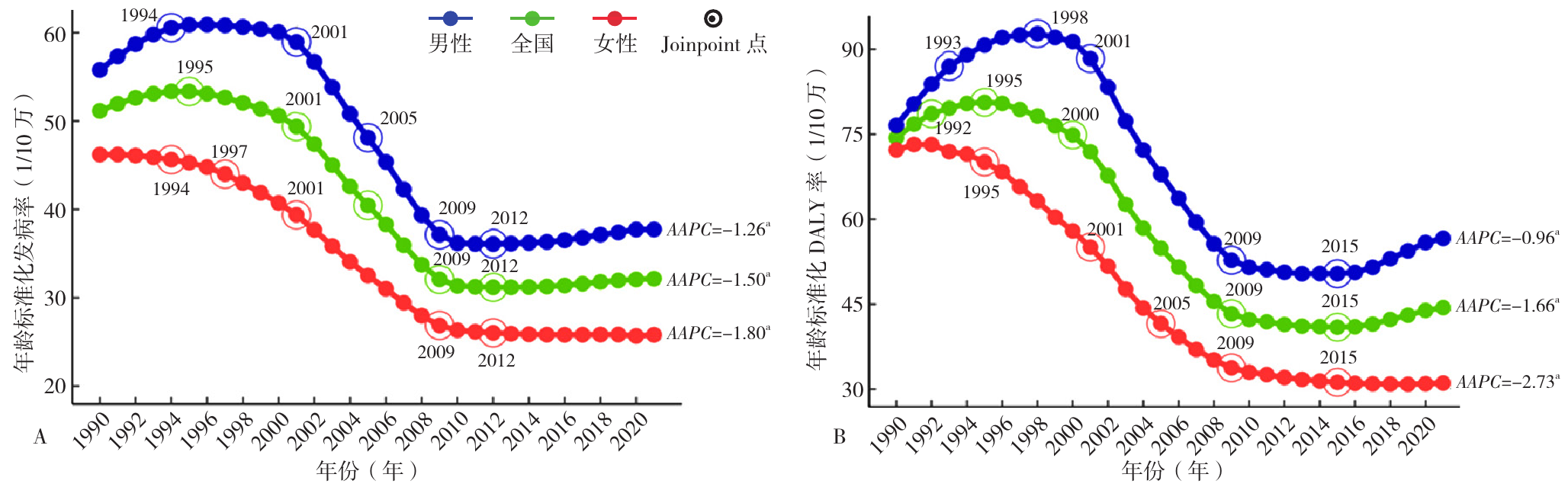
Figure 3 Change trend of amphetamine use disorders burden in China from 1990 to 2021
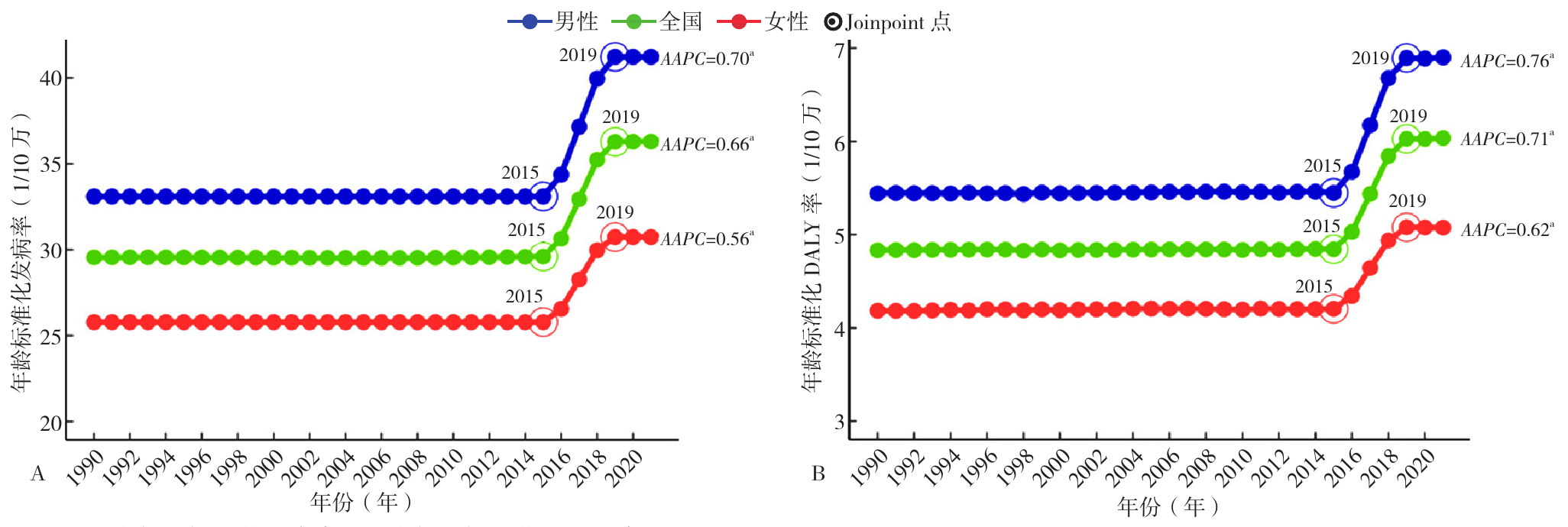
Figure 4 Change trend of cannabis use disorders burden in China from 1990 to 2021
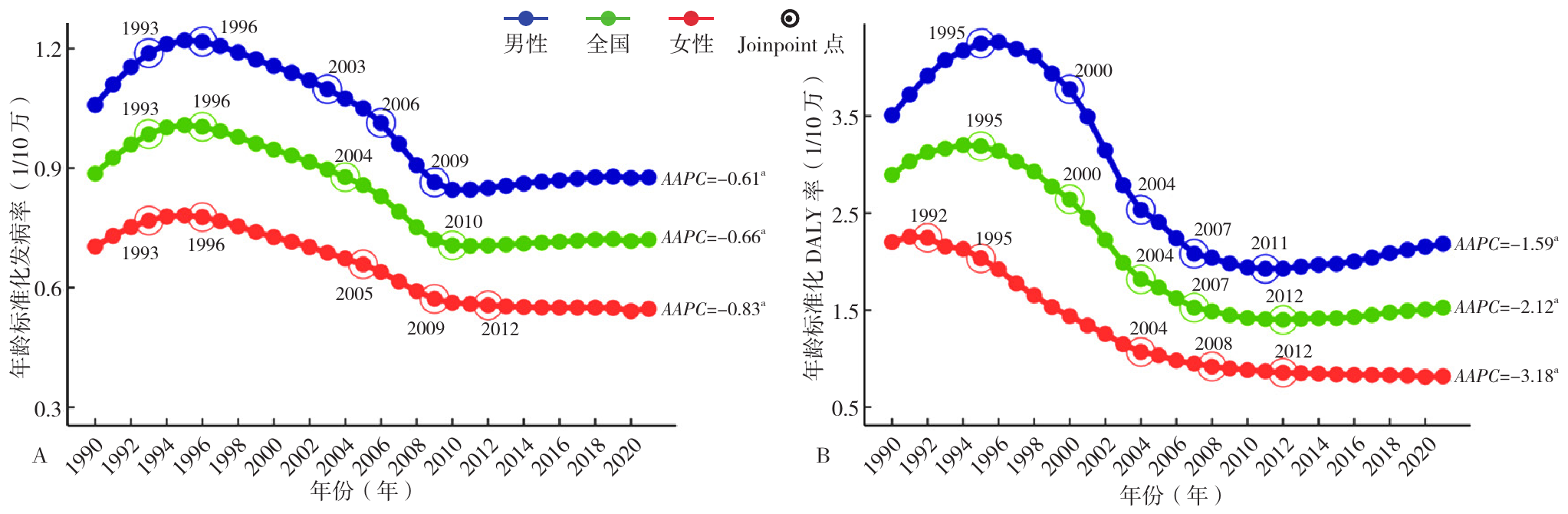
Figure 5 Change trend of cocaine use disorders burden in China from 1990 to 2021
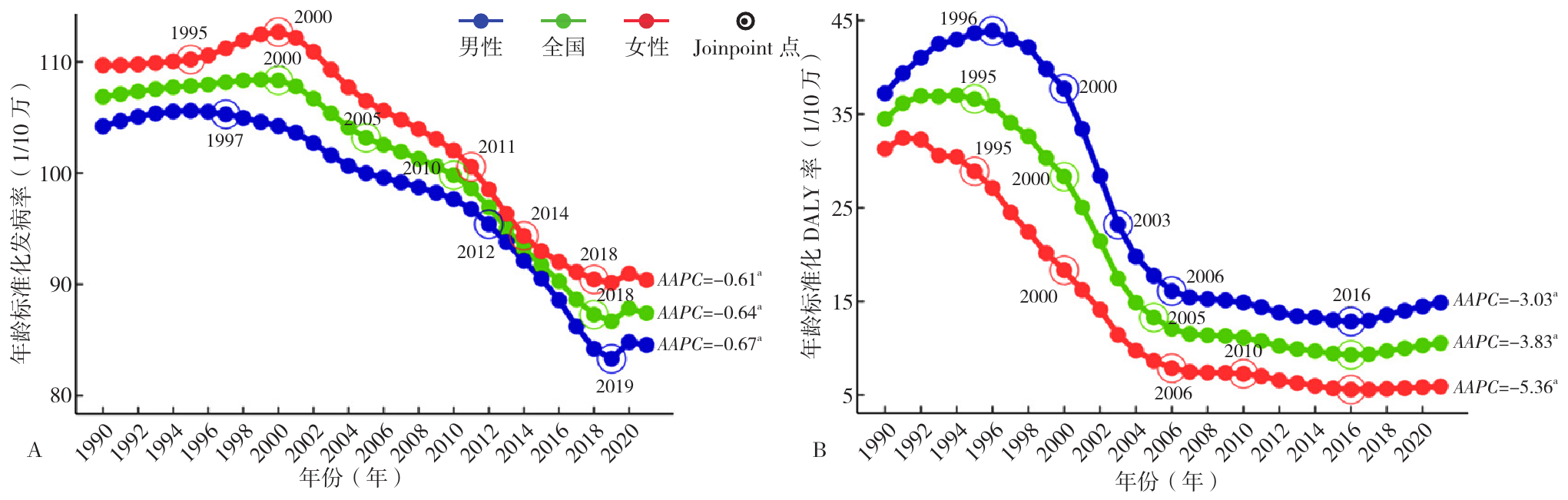
Figure 6 Change trend of other drug use disorders burden in China from 1990 to 2021
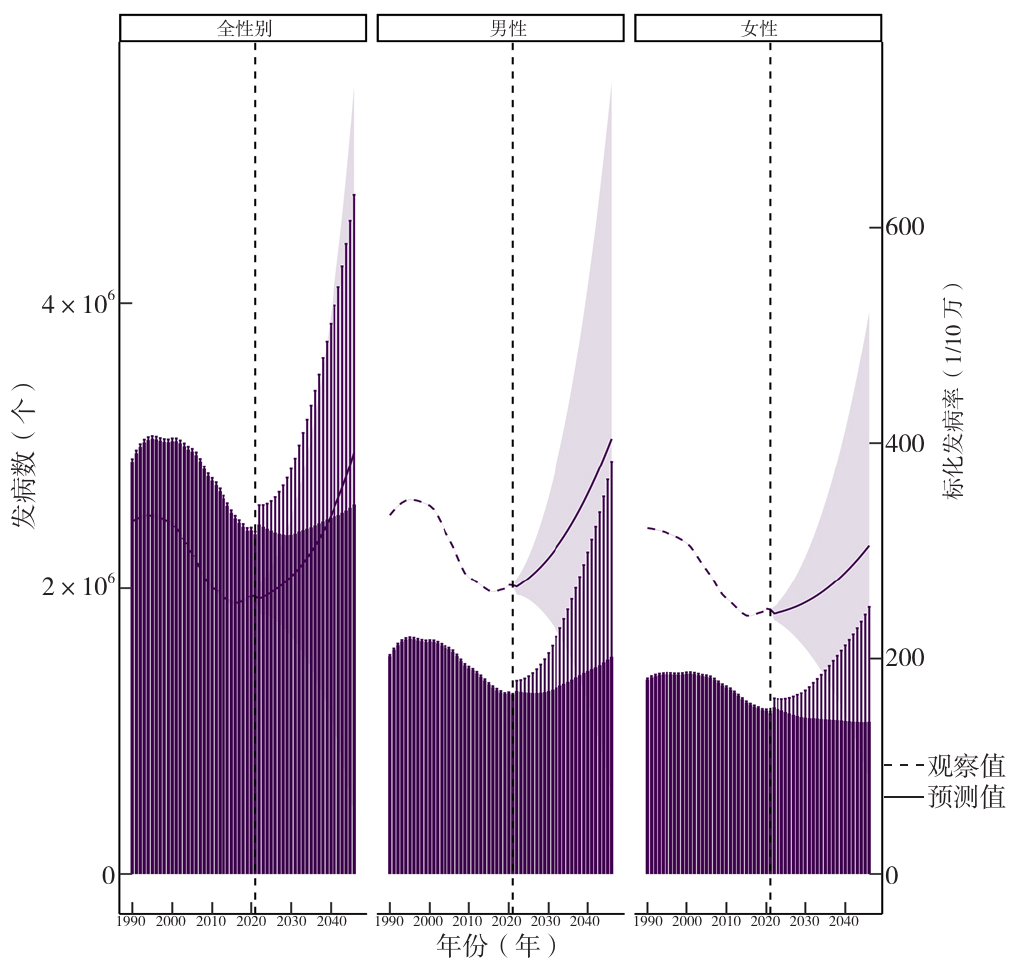
Figure 7 Predicted of drug use disorders incidence trend in China from 2022 to 2046
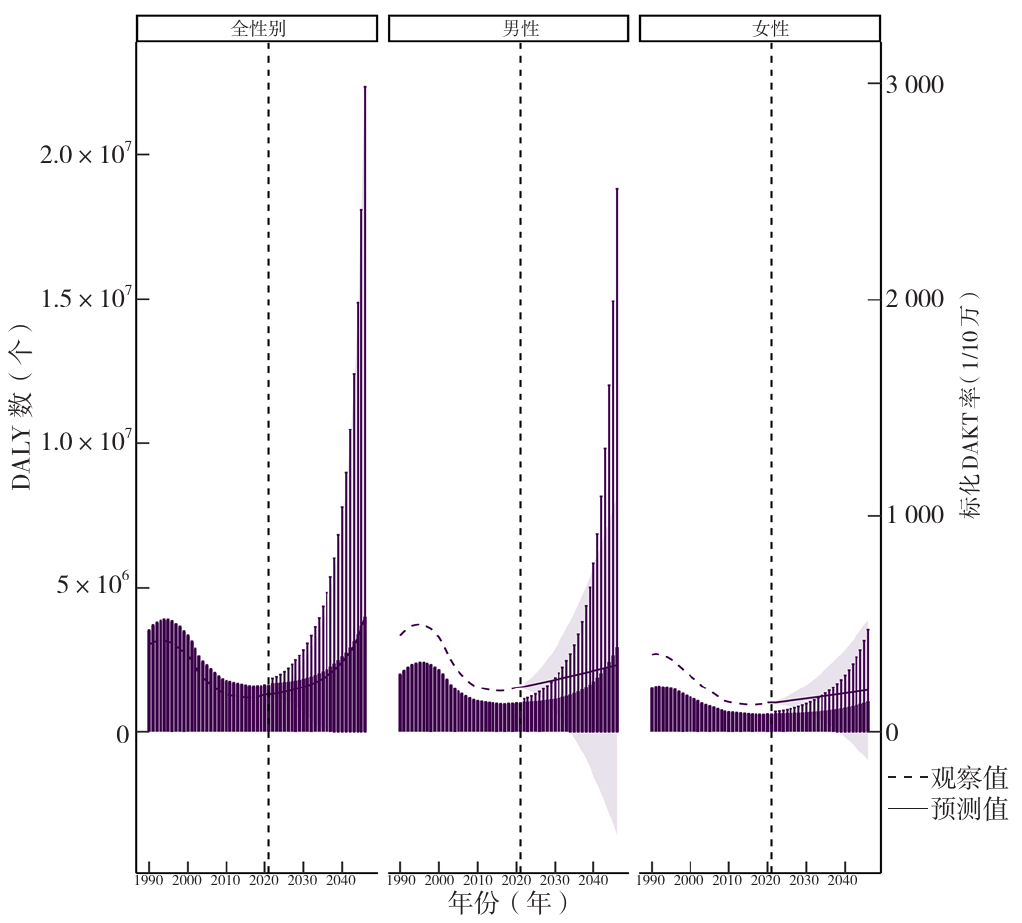
Figure 8 Predicted of drug use disorders DALY rates trend in China from 2022 to 2046
| [1] |
|
| [2] |
|
| [3] |
|
| [4] |
聂沛沛, 朵林, 闫萍, 等. 清洁针具致缅甸吸毒人群高危注射行为改变结果分析[J]. 现代预防医学, 2013, 40(6): 1125-1127.
|
| [5] |
张淮, 刘迎男, 杲柏呈, 等. 2022年内蒙古吸毒人群哨点监测丙型肝炎感染状况及基因分型分析[J]. 中国公共卫生, 2024, 40(7): 794-799.
|
| [6] |
黄红樱, 陈玉明, 黄茜. 吸毒人员吸毒行为与HIV、HCV、HBV及梅毒感染关系的分析[J]. 中国疗养医学, 2018, 27(9): 1002-1004. DOI: 10.13517/j.cnki.ccm.2018.09.045.
|
| [7] |
王玲玲, 贺莉, 崔芳. 延安市2105例吸毒人员HIV、HCV和梅毒感染情况分析[J]. 延安大学学报(医学科学版), 2022, 20(3): 96-98. DOI: 10.19893/j.cnki.ydyxb.2021-0182.
|
| [8] |
|
| [9] |
|
| [10] |
|
| [11] |
|
| [12] |
|
| [13] |
|
| [14] |
|
| [15] |
王玉婷. 吸毒型驾驶行为刑法规制研究[D]. 合肥: 安徽财经大学, 2023.
|
| [16] |
殷浩. 当前我国吸毒人员暴力犯罪问题研究[D]. 北京: 中国人民公安大学, 2020.
|
| [17] |
|
| [18] |
|
| [19] |
GBD 2016 Alcohol and Drug Use Collaborators. The global burden of disease attributable to alcohol and drug use in 195 countries and territories, 1990-2016: a systematic analysis for the Global Burden of Disease Study 2016[J]. Lancet Psychiatry, 2018, 5(12): 987-1012. DOI: 10.1016/S2215-0366(18)30337-7.
|
| [20] |
|
| [21] |
曾四清. Joinpoint回归模型及其在传染病流行趋势分析中的应用[J]. 中国卫生统计, 2019, 36(5): 787-791.
|
| [22] |
|
| [23] |
|
| [24] |
|
| [25] |
|
| [26] |
|
| [27] |
|
| [28] |
|
| [29] |
国家禁毒委员会办公室. 2023年中国毒情形势报告[EB/OL].(2024-06-19)[2025-06-28].
|
| [30] |
|
| [31] |
中华人民共和国禁毒法[J]. 吉林政报, 2008(1): 18-23.
|
| [32] |
杨凡. 全国统一司法行政戒毒工作基本模式的推行路径研究——以Y省F强制隔离戒毒所为例[D]. 昆明: 云南师范大学, 2021.
|
| [33] |
吴爱英. 深入推进司法行政戒毒工作发展 全面提升司法行政戒毒工作水平[J]. 中国司法, 2015(12): 6-13.
|
| [34] |
|
| [35] |
王延涛. 新冠疫情中境外毒品交易的变化及应对措施[J]. 犯罪与改造研究, 2020(12): 2.
|
| [1] | ZHANG Zhidong, JIN Hua, HU Jihong, JIANG Lu, WANG Li, LONG Kaichong, ZHANG Ronghua. Analysis and Prediction of the Incidence and Mortality Trends of Hypertensive Nephropathy in China from 1990 to 2021 [J]. Chinese General Practice, 2025, 28(18): 2262-2269. |
| [2] | FANG Liangmei, MIAO Ruifen, WANG Rong, QIU Beibei, HONG Xin, WANG Lina. Analysis of Changing Trends in Disease Burden of Multidrug-resistant Tuberculosis in China, 1992-2021 [J]. Chinese General Practice, 2025, 28(17): 2163-2171. |
| [3] | MIAO Lipeng, REN Kehao, LI Mengdie, LYU Juncheng. Trend Analysis and Prediction of Cardiovascular Disease Mortality in China from 2009 to 2021 [J]. Chinese General Practice, 2024, 27(18): 2260-2264. |
| [4] | HUANG Gang, CAO Guiying, LIU Min. Current Situation and Trends in the Disease Burden of Dental Caries in China, 1990-2019 [J]. Chinese General Practice, 2024, 27(14): 1735-1741. |
| [5] | ZHANG Shengnan, XU Shihua, HUANG Rongchao, CHEN Jian, ZHAO Chunru, MENG Minglyu, MA Yingjiao. Trend and Forecast Analysis of Premature Mortality Probability by Four Major Non-communicable Diseases in Baise from 2015 to 2021 [J]. Chinese General Practice, 2024, 27(11): 1387-1394. |
| [6] | CHEN Dan, WANG Yawei, HUANG Fang, XU Yifan, ZHANG Yiying, SHAO Yueqin. Epidemic Trend Analysis of Colorectal Cancer in Jiading District, Shanghai from 2003 to 2019 [J]. Chinese General Practice, 2024, 27(10): 1261-1266. |
| [7] | SONG Weimei, WANG Xuchun, REN Hao, ZHAO Ying, CHEN Liming, QIU Lixia. A Study on the Prevalence Trend of Overweight and Obesity among Adults Aged 20 and above in Shanxi Province from 2010 to 2018 [J]. Chinese General Practice, 2024, 27(10): 1245-1251. |
| [8] | LI Ziyue, FANG Jiawen, LIN Kaicheng. Analysis and Prediction of the Disease Burden of Type 2 Diabetes Attributable to High Body Mass Index in China from 1990 to 2019 [J]. Chinese General Practice, 2024, 27(09): 1126-1133. |
| [9] | DUAN Zhaohui, ZHANG Min, XU Jieru, XIONG Wenjing, CHEN Lei, ZHAO Xiangling, ZHANG Yiyun, RANG Weiqing. Past (2000-2019) and Future (2020-2024) Trends of Brain Cancer Mortality in China [J]. Chinese General Practice, 2023, 26(06): 734-741. |
| [10] | WANG Hongxin, FAN Wenlong, YANG Xiaoyu, CHEN Dongyu, HUANG Qiao, PAN Suyue, WANG Pu, HU Min, HE Yuqing. Protein-energy Malnutrition Incidence in China: Trend in 1990-2019 and Future Trend in 2020-2029 [J]. Chinese General Practice, 2023, 26(05): 591-597. |
| [11] | Jinyao WANG, Nianping ZHANG, Zhiqiang BAI, Zhenkun WANG. Age-Period-Cohort Analysis of Secular Trends of Cervical Cancer Incidence and Mortality in China, 1993—2017 [J]. Chinese General Practice, 2022, 25(13): 1564-1568. |
| [12] |
TANG Hui, GUO Hong, CAO Fang, YAN Yizhong, HE Jia, GUO Heng, CUI Xiaobin, HU Yunhua.
Characteristics of Cancer Epidemiology among 0-14 years old Chinese Children,2005—2015 [J]. Chinese General Practice, 2022, 25(08): 984-989. |
| [13] |
HUANG Haitao, CHEN Shuyu, GENG Xu, WAN Xiao, JIA Ruiying, LIANG Dandan, CHEN Chaoran.
Ovarian Cancer in China:Trends in Incidence and Mortality,2005—2016 [J]. Chinese General Practice, 2022, 25(08): 990-994. |
| [14] |
HUANG Haitao, GENG Xu, SHANG Yanqiu, LIANG Yipei, WAN Xiao, CHEN Chaoran.
Trends of Laryngeal Cancer Incidence and Mortality in China,2005—2016 [J]. Chinese General Practice, 2022, 25(05): 608-614. |
| [15] | SHI Jianhua,GU Huining,QIAN Mengcen,JIANG Hongli. Workload of Public Health Services in Primary Medical and Health Institutions: a Seven-year Trend Analysis [J]. Chinese General Practice, 2020, 23(34): 4291-4297. |
| Viewed | ||||||
|
Full text |
|
|||||
|
Abstract |
|
|||||
