
Chinese General Practice ›› 2026, Vol. 29 ›› Issue (17): 2282-2295.DOI: 10.12114/j.issn.1007-9572.2025.0532
• Thematic Report on China's Medical and Health System Reform: 15 Years of Deepening Efforts (Ⅲ) • Previous Articles Next Articles
Received:2025-12-30
Revised:2026-04-12
Published:2026-06-15
Online:2026-05-21
Contact:
ZHANG Bingli
通讯作者:
张并立
作者简介:作者贡献:
尤莉莉提出研究思路,设计研究方案,负责论文起草;刘璐负责数据收集、清洗、统计学分析、结果解读与图表绘制,参与论文起草;陈营负责文献检索、整理,参与数据收集、整理与初步分析,参与论文起草;康琪雪参与数据收集、整理与初步分析,参与论文起草;王雨星负责项目管理与协调,参与数据整理与初步分析;王竞波负责政策背景与制度分析,提供专业与学术指导;张并立负责研究总体设计与指导,数据获取与监督,负责最终版本修订,对论文负责。
Add to citation manager EndNote|Ris|BibTeX
URL: https://www.chinagp.net/EN/10.12114/j.issn.1007-9572.2025.0532
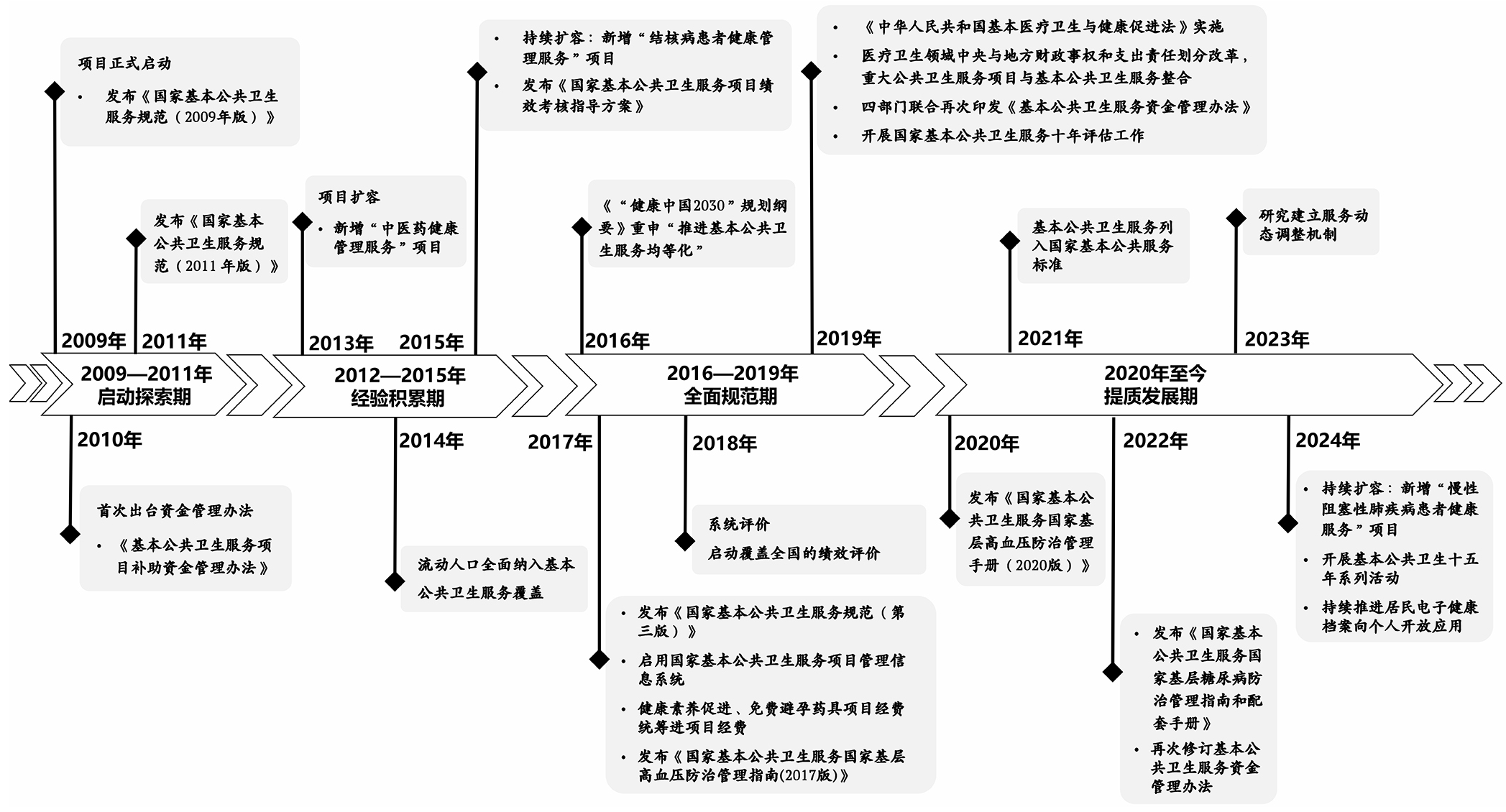
Figure 1 Key milestones in the development of national essential public health services (2009-2024)
| 年份 | 基本公共卫生服务项目人均补助经费(元) | 全国人口数(亿人) | 基本公共卫生服务项目总投入(亿元) | 基本公共卫生服务项目经费在GDP中的占比(1/10 000) |
|---|---|---|---|---|
| 2009年 | 15 | 12.97 | 194.55 | 5.6 |
| 2010年 | 15 | 13.06 | 195.90 | 4.8 |
| 2011年 | 25 | 13.17 | 329.25 | 6.8 |
| 2012年 | 25 | 13.17 | 329.25 | 6.2 |
| 2013年 | 30 | 13.50 | 405.00 | 6.9 |
| 2014年 | 35 | 13.58 | 475.30 | 7.5 |
| 2015年 | 40 | 13.58 | 543.20 | 8.0 |
| 2016年 | 45 | 13.58 | 611.10 | 8.2 |
| 2017年 | 50 | 13.82 | 724.61 | 8.4 |
| 2018年 | 55 | 13.74 | 798.54 | 8.4 |
| 2019年 | 69 | 13.81 | 877.04 | 9.6 |
| 2020年 | 74 | 13.91 | 974.45 | 9.6 |
| 2021年 | 79 | 14.01 | 1 111.40 | 9.7 |
| 2022年 | 84 | 14.09 | 1 363.69 | 11.3 |
| 2023年 | 89 | 14.10 | 1 176.03 | 9.3 |
| 2024年 | 94 | 13.87 | 1 237.63 | 9.2 |
Table 1 National financial investment in basic public health from 2009 to 2024
| 年份 | 基本公共卫生服务项目人均补助经费(元) | 全国人口数(亿人) | 基本公共卫生服务项目总投入(亿元) | 基本公共卫生服务项目经费在GDP中的占比(1/10 000) |
|---|---|---|---|---|
| 2009年 | 15 | 12.97 | 194.55 | 5.6 |
| 2010年 | 15 | 13.06 | 195.90 | 4.8 |
| 2011年 | 25 | 13.17 | 329.25 | 6.8 |
| 2012年 | 25 | 13.17 | 329.25 | 6.2 |
| 2013年 | 30 | 13.50 | 405.00 | 6.9 |
| 2014年 | 35 | 13.58 | 475.30 | 7.5 |
| 2015年 | 40 | 13.58 | 543.20 | 8.0 |
| 2016年 | 45 | 13.58 | 611.10 | 8.2 |
| 2017年 | 50 | 13.82 | 724.61 | 8.4 |
| 2018年 | 55 | 13.74 | 798.54 | 8.4 |
| 2019年 | 69 | 13.81 | 877.04 | 9.6 |
| 2020年 | 74 | 13.91 | 974.45 | 9.6 |
| 2021年 | 79 | 14.01 | 1 111.40 | 9.7 |
| 2022年 | 84 | 14.09 | 1 363.69 | 11.3 |
| 2023年 | 89 | 14.10 | 1 176.03 | 9.3 |
| 2024年 | 94 | 13.87 | 1 237.63 | 9.2 |
| 指标 | 2009年 | 2010年 | 2011年 | 2012年 | 2013年 | 2014年 | 2015年 | 2016年 |
|---|---|---|---|---|---|---|---|---|
| 在管高血压患者人数(亿人) | — | — | — | — | — | — | — | — |
| 高血压患者基层规范管理率(%) | 45.20 | 71.84 | 72.60 | 72.60 | 73.38 | 82.26 | 79.40 | 72.72 |
| 管理人群血压控制率(%) | 50.88 | 60.42 | 55.17 | 52.40 | 58.13 | 62.97 | 62.17 | 56.24 |
| 在管糖尿病患者人数(万人) | — | — | — | — | — | — | — | — |
| 糖尿病患者基层规范管理率(%) | 46.30 | 61.03 | 71.55 | 74.98 | 79.94 | 78.47 | 76.96 | 69.22 |
| 管理人群的血糖控制率(%) | 38.86 | 45.75 | 57.95 | 53.78 | 56.92 | 57.38 | 59.57 | 53.16 |
| 指标 | 2017年 | 2018年 | 2019年 | 2020年 | 2021年 | 2022年 | 2023年 | 2024年 |
| 在管高血压患者人数(亿人) | 1 010.19 | 985.33 | 1 001.37 | 1 052.91 | 1 093.84 | 1 123.63 | 1 138.07 | 1 153.67 |
| 高血压患者基层规范管理率(%) | 75.09 | 75.60 | 74.54 | 73.13 | 76.14 | 75.61 | 76.43 | 76.90 |
| 管理人群血压控制率(%) | 62.66 | 65.21 | 67.79 | 71.08 | 72.25 | 71.52 | 71.39 | 72.14 |
| 在管糖尿病患者人数(万人) | 3 127.77 | 3 050.72 | 3 126.72 | 3 380.43 | 3 571.32 | 3 791.49 | 3 952.86 | 4 086.69 |
| 糖尿病患者基层规范管理率(%) | 73.99 | 74.57 | 73.76 | 71.85 | 75.28 | 74.55 | 75.70 | 76.31 |
| 管理人群的血糖控制率(%) | 59.56 | 67.58 | 63.73 | 66.66 | 68.09 | 67.33 | 66.56 | 66.88 |
Table 2 Management of hypertension and diabetes patients nationwide, 2009-2024
| 指标 | 2009年 | 2010年 | 2011年 | 2012年 | 2013年 | 2014年 | 2015年 | 2016年 |
|---|---|---|---|---|---|---|---|---|
| 在管高血压患者人数(亿人) | — | — | — | — | — | — | — | — |
| 高血压患者基层规范管理率(%) | 45.20 | 71.84 | 72.60 | 72.60 | 73.38 | 82.26 | 79.40 | 72.72 |
| 管理人群血压控制率(%) | 50.88 | 60.42 | 55.17 | 52.40 | 58.13 | 62.97 | 62.17 | 56.24 |
| 在管糖尿病患者人数(万人) | — | — | — | — | — | — | — | — |
| 糖尿病患者基层规范管理率(%) | 46.30 | 61.03 | 71.55 | 74.98 | 79.94 | 78.47 | 76.96 | 69.22 |
| 管理人群的血糖控制率(%) | 38.86 | 45.75 | 57.95 | 53.78 | 56.92 | 57.38 | 59.57 | 53.16 |
| 指标 | 2017年 | 2018年 | 2019年 | 2020年 | 2021年 | 2022年 | 2023年 | 2024年 |
| 在管高血压患者人数(亿人) | 1 010.19 | 985.33 | 1 001.37 | 1 052.91 | 1 093.84 | 1 123.63 | 1 138.07 | 1 153.67 |
| 高血压患者基层规范管理率(%) | 75.09 | 75.60 | 74.54 | 73.13 | 76.14 | 75.61 | 76.43 | 76.90 |
| 管理人群血压控制率(%) | 62.66 | 65.21 | 67.79 | 71.08 | 72.25 | 71.52 | 71.39 | 72.14 |
| 在管糖尿病患者人数(万人) | 3 127.77 | 3 050.72 | 3 126.72 | 3 380.43 | 3 571.32 | 3 791.49 | 3 952.86 | 4 086.69 |
| 糖尿病患者基层规范管理率(%) | 73.99 | 74.57 | 73.76 | 71.85 | 75.28 | 74.55 | 75.70 | 76.31 |
| 管理人群的血糖控制率(%) | 59.56 | 67.58 | 63.73 | 66.66 | 68.09 | 67.33 | 66.56 | 66.88 |
| 项目 | 2009年 | 2010年 | 2011年 | 2012年 | 2013年 | 2014年 | 2015年 | 2016年 |
|---|---|---|---|---|---|---|---|---|
| 新生儿访视率 | 77.99 | 87.29 | 84.82 | 87.02 | 88.86 | 91.65 | 91.76 | 93.52 |
| 0~6岁儿童健康管理率 | 73.34 | 79.29 | 85.45 | 94.67 | 93.25 | 95.35 | 93.25 | 92.57 |
| 早孕建册率 | 79.72 | 80.62 | 78.31 | 82.28 | 83.01 | 89.03 | 86.83 | 87.81 |
| 产后访视率 | 83.47 | 84.11 | 85.53 | 85.63 | 87.70 | 92.15 | 90.98 | 91.83 |
| 项目 | 2017年 | 2018年 | 2019年 | 2020年 | 2021年 | 2022年 | 2023年 | 2024年 |
| 新生儿访视率 | 91.69 | 91.77 | 92.08 | 94.87 | — | 96.29 | 96.79 | 97.39 |
| 0~6岁儿童健康管理率 | 90.61 | 91.25 | 91.16 | 92.97 | 93.42 | 93.84 | 94.88 | 95.81 |
| 早孕建册率 | 83.53 | 84.54 | 85.78 | 90.73 | — | 93.03 | 93.85 | 94.63 |
| 产后访视率 | 90.76 | 90.59 | 91.26 | 94.38 | — | 95.83 | 96.44 | 96.89 |
Table 3 Coverage rates of maternal, newborn, and child health management in 31 provinces, autonomous regions and municipalities, 2009-2024
| 项目 | 2009年 | 2010年 | 2011年 | 2012年 | 2013年 | 2014年 | 2015年 | 2016年 |
|---|---|---|---|---|---|---|---|---|
| 新生儿访视率 | 77.99 | 87.29 | 84.82 | 87.02 | 88.86 | 91.65 | 91.76 | 93.52 |
| 0~6岁儿童健康管理率 | 73.34 | 79.29 | 85.45 | 94.67 | 93.25 | 95.35 | 93.25 | 92.57 |
| 早孕建册率 | 79.72 | 80.62 | 78.31 | 82.28 | 83.01 | 89.03 | 86.83 | 87.81 |
| 产后访视率 | 83.47 | 84.11 | 85.53 | 85.63 | 87.70 | 92.15 | 90.98 | 91.83 |
| 项目 | 2017年 | 2018年 | 2019年 | 2020年 | 2021年 | 2022年 | 2023年 | 2024年 |
| 新生儿访视率 | 91.69 | 91.77 | 92.08 | 94.87 | — | 96.29 | 96.79 | 97.39 |
| 0~6岁儿童健康管理率 | 90.61 | 91.25 | 91.16 | 92.97 | 93.42 | 93.84 | 94.88 | 95.81 |
| 早孕建册率 | 83.53 | 84.54 | 85.78 | 90.73 | — | 93.03 | 93.85 | 94.63 |
| 产后访视率 | 90.76 | 90.59 | 91.26 | 94.38 | — | 95.83 | 96.44 | 96.89 |
| [1] |
卫生部 财政部 人口计生委关于促进基本公共卫生服务逐步均等化的意见[A/OL]. [2026-04-07].
|
| [2] |
卫生部关于印发《国家基本公共卫生服务规范(2009年版)》的通知[A/OL]. [2026-04-07].
|
| [3] |
卫生部关于印发《国家基本公共卫生服务规范(2011年版)》的通知[A/OL]. [2026-04-07].
|
| [4] |
关于做好2013年国家基本公共卫生服务项目工作的通知[A/OL]. [2026-04-07].
|
| [5] |
关于印发国家基本公共卫生服务项目绩效考核指导方案的通知 [A/OL]. [2026-04-07].
|
| [6] |
中共中央 国务院印发《"健康中国2030"规划纲要》[A/OL]. (2016-10-25)[2026-04-07].
|
| [7] |
国家卫生计生委关于印发《国家基本公共卫生服务规范(第三版)》的通知[A/OL]. [2026-04-07].
|
| [8] |
关于做好2020年基本公共卫生服务项目工作的通知[A/OL]. (2020-06-12)[2026-04-07].
|
| [9] |
张思琪, 陈营, 陈雪晖, 等. 效果导向的基本公共卫生服务综合评价指标体系在深圳市回顾性评价中的应用及启示[J]. 中国全科医学, 2026, 29(15): 1971-1977. DOI: 10.12114/j.issn.1007-9572.2023.0805.
|
| [10] |
市卫生健康委 市财政局关于印发深圳市基本公共卫生服务管理办法的通知[A/OL]. [2026-04-07].
|
| [11] |
关于做好2024年基本公共卫生服务工作的通知[A/OL]. [2026-04-07].
|
| [12] |
关于做好2021年基本公共卫生服务项目工作的通知[A/OL]. (2021-07-12)[2026-04-07].
|
| [13] | |
| [14] |
中共中央国务院关于深化医药卫生体制改革的意见[A/OL]. [2026-04-07].
|
| [15] |
关于做好2011年基本公共卫生服务项目工作的通知[A/OL]. [2026-04-07].
|
| [16] |
关于做好2013年国家基本公共卫生服务项目工作的通知[A/OL]. [2026-04-07].
|
| [17] |
健康中国行动推进委员会办公室关于印发健康中国行动2023年工作要点的通知[A/OL]. [2026-04-07].
|
| [18] |
林羿. 中国高危妊娠研究的现状、问题和方向[J]. 上海交通大学学报(医学版), 2022, 42(4): 403-408.
|
| [19] |
关于印发推进家庭医生签约服务指导意见的通知[A/OL]. [2026-04-07].
|
| [20] |
国务院办公厅. 国务院办公厅关于推进分级诊疗制度建设的指导意见[A/OL]. (2015-09-08)[2026-04-07].
|
| [21] |
芦炜, 张宜民, 梁鸿, 等. 医保签约管理模式下的家庭医生制度绩效评价指标研制与结构过程评价[J]. 中国卫生政策研究, 2016, 9(8): 15-22. DOI: 10.3969/j.issn.1674-2982.2016.08.004.
|
| [22] |
徐卫刚, 彭德荣, 陈晨, 等. 家庭医生团队闭环路径管理对冠心病患者的干预效果研究[J]. 中国全科医学, 2019, 22(28): 3455-3460. DOI: 10.12114/j.issn.1007-9572.2019.00.493.
|
| [23] |
青岛:数字化管理,基本公卫服务提质增效[EB/OL]. [2026-04-07].
|
| [24] |
龙华区卫健局携手DeepSeek,开启公卫服务智能化新时代![EB/OL]. [2026-04-07].
|
| [25] |
王芳, 李永斌, 丁雪, 等. 国家基本公共卫生服务项目实施进展及公平性[J]. 中国卫生政策研究, 2013, 6(5): 9-14. DOI: 10.3969/j.issn.1674-2982.2013.05.002.
|
| [26] |
王芳, 刘利群, 朱晓丽, 等. 不同地区间基本公共卫生服务公平性分析[J]. 中国社会医学杂志, 2011, 28(6): 421-423. DOI: 10.3969/j.issn.1673-5625.2011.06.022.
|
| [27] |
|
| [28] |
孙华君, 张佳雯, 兰琨熠, 等. 天津市承担基本公共卫生服务机构配置公平性分析[J]. 中国农村卫生事业管理, 2022, 42(4): 236-244. DOI: 10.19955/j.cnki.1005-5916.2022.04.002.
|
| [29] |
陈菲. 基于全民健康覆盖的基本公共卫生公平研究[D]. 武汉: 华中科技大学, 2020.
|
| [30] |
|
| [31] |
尤莉莉, 刘远立. 国家基本公共卫生服务项目十年评价(2009—2019年)系列报告(一)——实施国家基本公共卫生服务项目的意义和经验[J]. 中国全科医学, 2022, 25(26): 3203-3208. DOI: 10.12114/j.issn.1007-9572.2022.0441.
|
| [32] |
国务院办公厅关于印发"十四五"国民健康规划的通知[A/OL]. [2026-04-07].
|
| [33] |
何南芙, 何元卓, 时宏, 等. 东三省中老年流动人口健康档案建立现状及相关因素[J]. 中国老年学杂志, 2021, 41(2): 392-395.
|
| [34] |
尤莉莉, 赵金红, 陈新月, 等. 国家基本公共卫生服务项目十年评价(2009—2019年)系列报告(二)——国家基本公共卫生服务项目实施十年的进展与成效[J]. 中国全科医学, 2022, 25(26): 3209-3220. DOI: 10.12114/j.issn.1007-9572.2022.0407.
|
| [35] |
|
| [36] |
|
| [37] |
|
| [38] |
|
| [39] |
李国栋, 颜少华, 张秋霞, 等. 基于"互联网+"的心脑血管疾病"协防共管"健康管理模式对社区重点监测人群血压改善的效果评价[J]. 上海交通大学学报(医学版), 2022, 42(6): 797-804. DOI: 10.3969/j.issn.1674-8115.2022.06.015.
|
| [40] |
刘美岑, 杨凌鹤, 陈新月, 等. 中国2型糖尿病患者国家基本公共卫生服务利用情况及与管理效果的关系研究[J]. 中国全科医学, 2022, 25(1): 43-49. DOI: 10.12114/j.issn.1007-9572.2021.00.326.
|
| [41] |
|
| [42] |
练璐, 曹冬丽, 李思清, 等. 基于供需双方视角的基本公共卫生服务项目效果评价[J]. 中国公共卫生, 2024, 40(5): 550-555. DOI: 10.11847/zgggws1143423.
|
| [43] |
|
| [44] |
乔东平, 黄冠. 从"适度普惠"到"部分普惠"——后2020时代普惠性儿童福利服务的政策构想[J]. 社会保障评论, 2021, 5(3): 79-94.
|
| [45] |
李梦宇, 廖子锐, 连隽, 等. 中国东、中、西部地区老年人基本公共卫生健康体检利用情况及其满意度调查[J]. 中国公共卫生, 2023, 39(8): 953-957. DOI: 10.11847/zgggws1140519.
|
| [46] |
许兴龙, 周绿林, 何媛媛. 社会资本与老年人基本公共卫生服务主动利用——基于家庭医生签约视角[J]. 人口与发展, 2022, 28(1): 30-39.
|
| [47] |
梁艺颖. 社区严重精神障碍患者服药依从性变化与暴力行为的关联研究[D]. 成都: 四川大学, 2023.
|
| [48] |
李硕. 服药依从性在社区严重精神障碍患者受教育程度与自杀关联间的动态中介效应研究[D]. 成都: 四川大学, 2023.
|
| [49] |
王杰. 山东省社区严重精神障碍患者家庭功能与卫生服务参与的关系:社会支持的中介作用与家庭经济状况的调节作用[D]. 济南: 山东大学, 2024.
|
| [50] |
王歆尧, 姜美丽, 庞元捷, 等. 中国结核病疾病负担现状[J]. 中华流行病学杂志, 2024, 45(6): 857-864. DOI: 10.3760/cma.j.cn112338-20240311-00111.
|
| [51] |
王慧娟, 程瑞霞, 许佳. 肺结核患者服药依从性研究进展[J]. 中国防痨杂志, 2025, 47(9): 1212-1219. DOI: 10.19982/j.issn.1000-6621.20250173.
|
| [52] |
国家中医药管理局2023年度政府信息公开工作报告[A/OL].[2026-04-07].
|
| [53] |
|
| [54] |
中国疾控中心召开2024年免疫规划工作会议[EB/OL]. [2026-04-07].
|
| [55] |
|
| [56] |
|
| [57] |
|
| [58] |
|
| [59] |
|
| [60] |
张思琪, 陈雪晖, 王奕婧, 等. 2017—2022年深圳市基本公共卫生服务实施进展与趋势[J]. 中国全科医学, 2025, 28(35): 4479-4486, 4510. DOI: 10.12114/j.issn.1007-9572.2023.0785.
|
| [61] |
关于做好2025年基本公共卫生服务工作的通知[A/OL]. [2026-04-07].
|
| [62] |
李海霞, 阎春生, 李萍, 等. TOPSIS法、RSR法模糊联合评价甘肃省居民对基本公共卫生服务的获得感[J]. 兰州大学学报(医学版), 2021, 47(4): 1-6. DOI: 10.13885/j.issn.1000-2812.2021.04.001.
|
| [63] |
隋洪旭. 内蒙古地区居民公共医疗卫生服务获得感实证研究[J]. 中国初级卫生保健, 2023, 37(11): 15-18. DOI: 10.3969/j.issn.1001-568X.2023.11.0004.
|
| [64] |
李玉水, 韩雅清, 王苑枚. 健康中国建设背景下医疗服务获得感的影响因素——基于福州市居民的问卷调查分析[J]. 福建江夏学院学报, 2021, 11(1): 8-17.
|
| [65] |
姚强, 吴璇, 郭冰清, 等. 高质量发展背景下卫生系统绩效主观测度及影响因素研究——基于CSS 2015—2021调查的实证分析[J]. 中国卫生政策研究, 2024, 17(6): 17-26. DOI: 10.3969/j.issn.1674-2982.2024.06.003.
|
| [66] |
桑振修, 付清培, 梁锦铭, 等. 2023年四川省重点人群基本公共卫生服务知晓率及满意度调查分析[J]. 预防医学情报杂志, 2025, 41(4): 507-514. DOI: 10.19971/j.cnki.1006-4028.240234.
|
| [67] |
惠娟, 马少宁, 何源, 等. 2023年宁夏重点人群对国家基本公共卫生服务项目知晓率、满意度调查及影响因素分析[J]. 宁夏医科大学学报, 2025, 47(4): 424-429. DOI: 10.16050/j.cnki.issn1674-6309.2025.04.015.
|
| [68] |
徐校平, 杨清, 邱银伟, 等. 浙江省居民对基本公共卫生服务项目感受度调查[J]. 中国公共卫生管理, 2018, 34(6): 765-768.
|
| [69] |
纪艳, 马茹君, 于先清, 等. 安徽省某地居民基本公共卫生服务满意度调查分析[J]. 包头医学院学报, 2019, 35(7): 98-99, 108. DOI: 10.16833/j.cnki.jbmc.2019.07.045.
|
| [70] |
唐玲玲, 吴一征, 李惠玲, 等. 2022年广东省居民对国家基本公共卫生服务知晓率和满意度调查[J]. 华南预防医学, 2024, 50(9): 849-852. DOI: 10.12183/j.scjpm.2024.0849.
|
| Viewed | ||||||
|
Full text |
|
|||||
|
Abstract |
|
|||||
