
Chinese General Practice ›› 2026, Vol. 29 ›› Issue (25): 3678-3685.DOI: 10.12114/j.issn.1007-9572.2025.0521
• Original Research·Focus on Multimodal Insomnia Therapies • Previous Articles Next Articles
Received:2026-03-09
Revised:2026-06-14
Published:2026-09-05
Online:2026-08-11
Contact:
ZHANG Xinjian
通讯作者:
张新建
作者简介:作者贡献:
王双瑞提出主要研究目标,负责研究的构思与设计,撰写论文;王勇佳、范晓敏进行数据的收集与整理,统计学处理,图、表的绘制与展示;刘湘钰、胡顺晴、杨子健进行论文的修订;张新建负责文章的质量控制与审查,对文章整体负责,监督管理。
基金资助:
Add to citation manager EndNote|Ris|BibTeX
URL: https://www.chinagp.net/EN/10.12114/j.issn.1007-9572.2025.0521
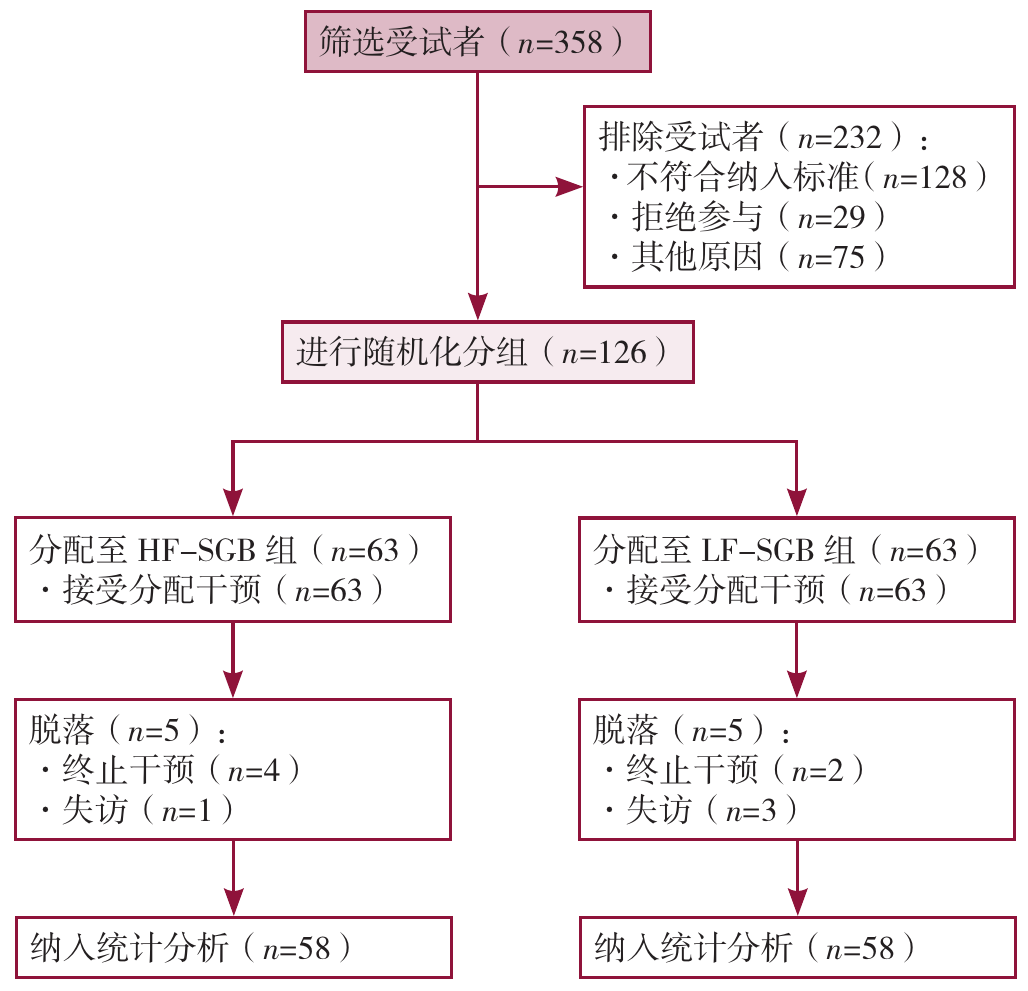
Figure 1 Participant enrollment, randomization, and follow-up flow diagram
| 组别 | 例数 | 性别[例(%)] | 年龄[例(%)] | 工作状态[例(%)] | BMI( | 服用安眠药种类[例(%)] | |||||
|---|---|---|---|---|---|---|---|---|---|---|---|
| 男 | 女 | 18~44岁 | 45~65岁 | 就业 | 失业 | 苯二氮 | 非苯二氮 | 无 | |||
| HF-SGB | 58 | 28(48.3) | 30(51.7) | 23(39.7) | 35(60.3) | 32(55.2) | 26(44.8) | 22.2±3.0 | 17(29.3) | 9(15.5) | 32(55.2) |
| LF-SGB | 58 | 26(44.8) | 32(55.1) | 19(32.8) | 39(67.2) | 29(50.0) | 29(50.0) | 22.1±3.2 | 15(25.9) | 16(27.6) | 27(46.6) |
| χ2(t)值 | 0.139 | 0.597 | 0.311 | 0.059a | 2.509 | ||||||
| P值 | 0.710 | 0.440 | 0.577 | 0.953 | 0.285 | ||||||
Table 1 Comparison of general characteristics between the two patient groups
| 组别 | 例数 | 性别[例(%)] | 年龄[例(%)] | 工作状态[例(%)] | BMI( | 服用安眠药种类[例(%)] | |||||
|---|---|---|---|---|---|---|---|---|---|---|---|
| 男 | 女 | 18~44岁 | 45~65岁 | 就业 | 失业 | 苯二氮 | 非苯二氮 | 无 | |||
| HF-SGB | 58 | 28(48.3) | 30(51.7) | 23(39.7) | 35(60.3) | 32(55.2) | 26(44.8) | 22.2±3.0 | 17(29.3) | 9(15.5) | 32(55.2) |
| LF-SGB | 58 | 26(44.8) | 32(55.1) | 19(32.8) | 39(67.2) | 29(50.0) | 29(50.0) | 22.1±3.2 | 15(25.9) | 16(27.6) | 27(46.6) |
| χ2(t)值 | 0.139 | 0.597 | 0.311 | 0.059a | 2.509 | ||||||
| P值 | 0.710 | 0.440 | 0.577 | 0.953 | 0.285 | ||||||
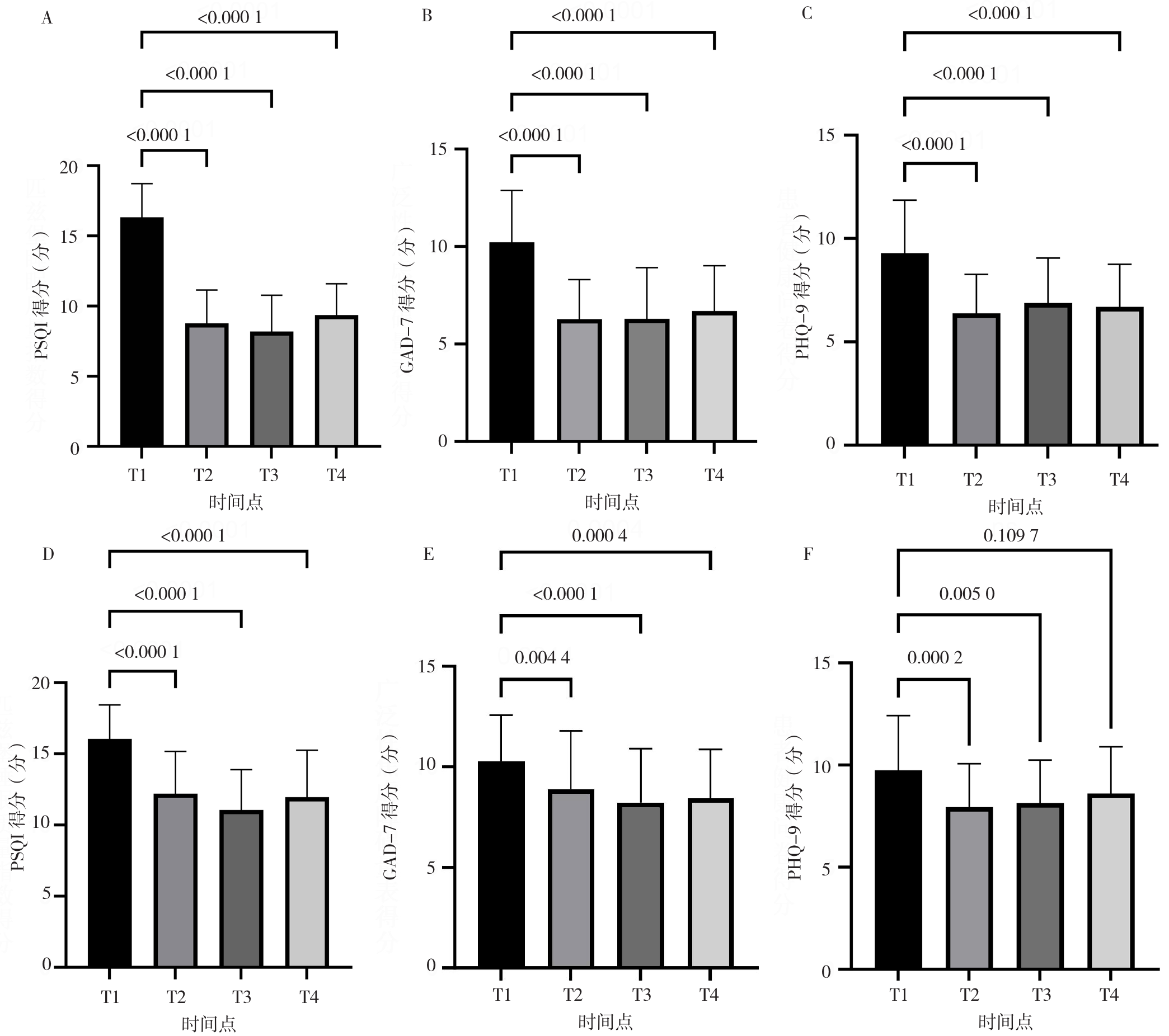
Figure 2 Comparison of follow-up point scores and baseline scores across different scales
| 组别 | 例数 | PSQI得分 | GAD-7得分 | ||||
|---|---|---|---|---|---|---|---|
| T1 | T2 | T3 | T4 | T1 | T2 | ||
| HF-SGB组 | 58 | 16.0(15.0,19.0) | 8.0(7.0,10.3) | 7.50(6.0,10.0) | 9.0(7.8,11.0) | 11.0(8.0,12.0) | 6.0(5.0,7.3) |
| LF-SGB组 | 58 | 16.0(14.0,19.0) | 11.0(10.0,14.0) | 10.0(9.0,12.3) | 11.50(9.0,14.3) | 10.0(9.0,12.0) | 8.0(6.0,11.0) |
| Z值 | -0.552 | -5.977 | -5.513 | -4.463 | -0.543 | -4.949 | |
| P值 | 0.602 | <0.001 | <0.001 | <0.001 | 0.587 | <0.001 | |
| 组别 | GAD-7得分 | PHQ-9得分 | |||||
| T3 | T4 | T1 | T2 | T3 | T4 | ||
| HF-SGB组 | 6.0(5.0,7.3) | 6.0(5.0,8.0) | 9.0(7.0,10.0) | 6.0(5.0,7.0) | 7.0(5.0,8.0) | 7.0(5.0,8.0) | |
| LF-SGB组 | 8.0(6.0,10.0) | 8.0(7.0,10.0) | 9.0(8.0,10.0) | 8.0(6.0,9.0) | 8.0(6.0,9.0) | 8.0(6.8,10.0) | |
| Z值 | -3.993 | -3.912 | -0.408 | -4.100 | -2.658 | -3.696 | |
| P值 | <0.001 | <0.001 | 0.683 | <0.001 | 0.008 | <0.001 | |
Table 2 Comparison of PSQI, GAD-7, PHQ-9 scores between the two patient groups
| 组别 | 例数 | PSQI得分 | GAD-7得分 | ||||
|---|---|---|---|---|---|---|---|
| T1 | T2 | T3 | T4 | T1 | T2 | ||
| HF-SGB组 | 58 | 16.0(15.0,19.0) | 8.0(7.0,10.3) | 7.50(6.0,10.0) | 9.0(7.8,11.0) | 11.0(8.0,12.0) | 6.0(5.0,7.3) |
| LF-SGB组 | 58 | 16.0(14.0,19.0) | 11.0(10.0,14.0) | 10.0(9.0,12.3) | 11.50(9.0,14.3) | 10.0(9.0,12.0) | 8.0(6.0,11.0) |
| Z值 | -0.552 | -5.977 | -5.513 | -4.463 | -0.543 | -4.949 | |
| P值 | 0.602 | <0.001 | <0.001 | <0.001 | 0.587 | <0.001 | |
| 组别 | GAD-7得分 | PHQ-9得分 | |||||
| T3 | T4 | T1 | T2 | T3 | T4 | ||
| HF-SGB组 | 6.0(5.0,7.3) | 6.0(5.0,8.0) | 9.0(7.0,10.0) | 6.0(5.0,7.0) | 7.0(5.0,8.0) | 7.0(5.0,8.0) | |
| LF-SGB组 | 8.0(6.0,10.0) | 8.0(7.0,10.0) | 9.0(8.0,10.0) | 8.0(6.0,9.0) | 8.0(6.0,9.0) | 8.0(6.8,10.0) | |
| Z值 | -3.993 | -3.912 | -0.408 | -4.100 | -2.658 | -3.696 | |
| P值 | <0.001 | <0.001 | 0.683 | <0.001 | 0.008 | <0.001 | |
| 指标 | 效应 | F值 | df1 | df2 | P值 |
|---|---|---|---|---|---|
| PSQI得分 | 时间主效应 | 259.35 | 2.68 | 305.56 | <0.001 |
| 组别主效应 | 33.43 | 1 | 114 | <0.001 | |
| 时间×组别交互效应 | 19.78 | 2.68 | 305.56 | <0.001 | |
| GAD-7得分 | 时间主效应 | 84.54 | 2.48 | 282.36 | <0.001 |
| 组别主效应 | 17.24 | 1 | 114 | <0.001 | |
| 时间×组别交互效应 | 12.58 | 2.48 | 282.36 | <0.001 | |
| PHQ-9得分 | 时间主效应 | 69.45 | 2.51 | 286.50 | <0.001 |
| 组别主效应 | 6.78 | 1 | 114 | 0.010 | |
| 时间×组别交互效应 | 9.38 | 2.51 | 286.50 | <0.001 |
Table 3 Results of repeated-measures ANOVA for PSQI, GAD-7, PHQ-9 scores across different time points between the two groups
| 指标 | 效应 | F值 | df1 | df2 | P值 |
|---|---|---|---|---|---|
| PSQI得分 | 时间主效应 | 259.35 | 2.68 | 305.56 | <0.001 |
| 组别主效应 | 33.43 | 1 | 114 | <0.001 | |
| 时间×组别交互效应 | 19.78 | 2.68 | 305.56 | <0.001 | |
| GAD-7得分 | 时间主效应 | 84.54 | 2.48 | 282.36 | <0.001 |
| 组别主效应 | 17.24 | 1 | 114 | <0.001 | |
| 时间×组别交互效应 | 12.58 | 2.48 | 282.36 | <0.001 | |
| PHQ-9得分 | 时间主效应 | 69.45 | 2.51 | 286.50 | <0.001 |
| 组别主效应 | 6.78 | 1 | 114 | 0.010 | |
| 时间×组别交互效应 | 9.38 | 2.51 | 286.50 | <0.001 |
| 组别 | 例数 | 穿刺点疼痛 | 吞咽困难 | 声音嘶哑 |
|---|---|---|---|---|
| HF-SGB组 | 58 | 5(8.6) | 7(12.1) | 2(3.5) |
| LF-SGB组 | 58 | 3(5.2) | 5(8.6) | 3(5.2) |
| χ2值 | — | 0.372 | — | |
| P值 | 0.714 | 0.542 | 0.604 |
Table 4 Incidence of adverse events in the two patient groups
| 组别 | 例数 | 穿刺点疼痛 | 吞咽困难 | 声音嘶哑 |
|---|---|---|---|---|
| HF-SGB组 | 58 | 5(8.6) | 7(12.1) | 2(3.5) |
| LF-SGB组 | 58 | 3(5.2) | 5(8.6) | 3(5.2) |
| χ2值 | — | 0.372 | — | |
| P值 | 0.714 | 0.542 | 0.604 |
| [1] |
|
| [2] | |
| [3] |
|
| [4] |
卢静芳,李静茹,张洁, 等. 失眠认知行为治疗对不同程度失眠伴抑郁焦虑患者疗效分析[J]. 军事护理, 2025, 42(7): 63-67. DOI: 10.3969/j.issn.2097-1826.2025.07.016.
|
| [5] |
|
| [6] |
|
| [7] |
刘淑桢,王朝丽,何美姮, 等. 星状神经节阻滞治疗失眠的临床研究进展[J]. 实用医学杂志, 2026, 42(4): 551-558. DOI: 10.3969/j.issn.1006-5725.2026.04.002.
|
| [8] |
|
| [9] |
American Academy of Sleep Medicine. The International Classification of Sleep Disorders: third edition, text revision (ICSD-3-TR)[M]. Darien IL: American Academy of Sleep Medicine, 2023.
|
| [10] |
|
| [11] |
张桦,李晴,王城, 等. 失眠认知行为疗法联合星状神经节阻滞对新型冠状病毒感染后失眠的影响[J]. 临床麻醉学杂志, 2024, 40(8): 842-847. DOI: 10.12089/jca.2024.08.011.
|
| [12] |
|
| [13] |
黄梓琪,范晓敏,刘芳, 等. 星状神经节阻滞联合右美托咪定经鼻喷雾治疗对失眠患者的疗效[J]. 实用医学杂志, 2025, 41(3): 391-395. DOI: 10.3969/j.issn.1006-5725.2025.03.013.
|
| [14] |
|
| [15] |
广东省健康科学普及促进会失眠症星状神经节阻滞临床实践专项工作组,邢纪斌,邓铭锋, 等. 星状神经节阻滞治疗失眠临床实践专家共识[J]. 新医学, 2025, 56(12): 1155-1163. DOI: 10.12464/j.issn.0253-9802.2025-0204.
|
| [16] |
|
| [17] |
|
| [18] |
|
| [19] |
|
| [20] |
|
| [21] |
|
| [22] |
|
| [23] |
|
| [24] |
|
| [25] |
|
| [26] |
|
| [27] |
|
| [28] |
寇梁,夏昀,王涛. 失眠障碍的发生机制和药物干预策略[J]. 中国临床药理学与治疗学, 2025, 30(11): 1479-1490. DOI: 10.12092/j.issn.1009-2501.2025.11.004.
|
| [29] | |
| [30] |
|
| [31] |
|
| [32] |
张晓东,杨天德. 星状神经节阻滞的临床应用及相关机制研究[J]. 重庆医学, 2010, 39(19): 2612-2613.
|
| Viewed | ||||||
|
Full text |
|
|||||
|
Abstract |
|
|||||
