
Chinese General Practice ›› 2026, Vol. 29 ›› Issue (33): 4861-4867.DOI: 10.12114/j.issn.1007-9572.2025.0312
• Article • Previous Articles Next Articles
Received:2025-09-09
Revised:2026-01-20
Published:2026-11-20
Online:2026-10-21
Contact:
HONG Xin
通讯作者:
洪忻
作者简介:作者贡献:
夏莹负责数据整理、统计学分析、论文撰写;俞家扬、郭申奥负责数据整理、统计学分析;洪忻负责研究设计、论文指导与修改,对文章负责。
基金资助:
Add to citation manager EndNote|Ris|BibTeX
URL: https://www.chinagp.net/EN/10.12114/j.issn.1007-9572.2025.0312
| 组别 | 例数 | 性别[例(%)] | 婚姻[例(%)] | 地区[例(%)] | 高血压[例(%)] | 糖尿病[例(%)] | |||||
|---|---|---|---|---|---|---|---|---|---|---|---|
| 男 | 女 | 在婚 | 非在婚 | 城区 | 郊县 | 是 | 否 | 是 | 否 | ||
| 正常组 | 2 027 | 905(44.6) | 1 122(55.4) | 1 884(92.9) | 143(7.1) | 1 154(56.9) | 873(43.1) | 1 573(77.6) | 454(22.4) | 803(39.6) | 1 224(60.4) |
| CP组 | 3 639 | 2 100(57.7) | 1 539(42.3) | 3 262(89.6) | 377(10.4) | 1 578(43.4) | 2 061(56.6) | 3 054(83.9) | 585(16.1) | 1 575(43.3) | 2 064(56.7) |
| 检验统计量值 | 88.636a | 16.668a | 95.440a | 34.323a | 7.034a | ||||||
| P值 | <0.001 | <0.001 | <0.001 | <0.001 | 0.008 | ||||||
| 组别 | 血脂异常[例(%)] | 心电图[例(%)] | 受教育程度[例(%)] | 睡眠质量[例(%)] | |||||||
| 是 | 否 | 正常 | 异常 | 小学及以下 | 初中/高中 | 大专及以上 | 睡眠良好 | 睡眠一般 | 睡眠障碍 | ||
| 正常组 | 721(35.6) | 1 306(64.4) | 1 113(54.9) | 914(45.1) | 897(44.3) | 1 004(49.5) | 126(6.2) | 1 163(57.4) | 481(23.7) | 383(18.9) | |
| CP组 | 1 250(34.4) | 2 389(65.6) | 1 798(49.4) | 1 841(50.6) | 2 239(61.5) | 1 307(36.0) | 93(2.6) | 1 962(53.9) | 966(26.5) | 711(19.6) | |
| 检验统计量值 | 0.801a | 15.542a | 174.490a | 7.147a | |||||||
| P值 | 0.371 | <0.001 | <0.001 | 0.028 | |||||||
| 组别 | 当前职业[例(%)] | 吸烟情况[例(%)] | 饮酒情况[例(%)] | ||||||||
| 蓝领人员 | 服务人员 | 白领人员 | 其他职业 | 从不吸烟 | 曾经吸烟 | 当前吸烟 | 从不饮酒 | 过去30 d前饮酒 | 过去30 d内饮酒 | ||
| 正常组 | 603(29.7) | 123(6.1) | 129(6.4) | 1 172(57.8) | 431(21.3) | 131(6.5) | 1 465(72.3) | 415(20.5) | 106(5.2) | 1 506(74.3) | |
| CP组 | 1 349(37.1) | 105(2.9) | 150(4.1) | 2 035(55.9) | 987(27.1) | 359(9.9) | 2 293(63.0) | 893(24.5) | 229(6.3) | 2 517(69.2) | |
| 检验统计量值 | 67.149a | 52.131a | 16.639a | ||||||||
| P值 | <0.001 | <0.001 | <0.001 | ||||||||
| 组别 | 体力活动[例(%)] | 年龄( | 心率( | 血氧饱和度[M(P25,P75),%] | BMI( | 腰臀比( | 收缩压( | ||||
| 活动不足 | 少量活动 | 适中活动 | 充足活动 | ||||||||
| 正常组 | 521(25.7) | 925(45.6) | 354(17.5) | 227(11.2) | 64.5±9.1 | 75.27±10.94 | 97.0(96.0,99.0) | 26.0±3.5 | 0.908±0.061 | 143±20 | |
| CP组 | 891(24.5) | 1 711(47.0) | 649(17.8) | 388(10.7) | 69.5±7.4 | 74.47±11.20 | 97.0(96.0,98.0) | 25.6±3.3 | 0.917±0.060 | 147±19 | |
| 检验统计量值 | 1.758a | -21.054b | 2.598b | -3.910 | 4.587b | -5.029b | -6.013b | ||||
| P值 | 0.624 | <0.001 | 0.009 | <0.001 | <0.001 | <0.001 | <0.001 | ||||
| 组别 | 舒张压( | 脉压( | 总胆固醇( | 甘油三酯[M(P25,P75),mmol/L] | HDL-C( | non-HDL-C( | LDL-C( | eGFR[M(P25,P75),mL·(min·1.73 m2)-1] | |||
| 正常组 | 86±12 | 58±16 | 5.11±1.18 | 1.4(1.0,2.2) | 1.42±0.38 | 3.69±1.17 | 2.84±0.90 | 88.5(76.9,96.2) | |||
| CP组 | 84±11 | 63±16 | 4.93±1.22 | 1.4(1.0,2.0) | 1.43±0.39 | 3.50±1.20 | 2.80±0.97 | 83.4(70.7,91.2) | |||
| 检验统计量值 | 6.776b | -12.337b | 5.441b | -1.986 | -0.252b | 5.613b | 1.517b | -13.548 | |||
| P值 | <0.001 | <0.001 | <0.001 | 0.047 | 0.801 | <0.001 | 0.129 | <0.001 | |||
| 组别 | 血尿酸( | Scr[M(P25,P75),µmol/L] | 总胆红素[M(P25,P75),µmol/L] | ALT[M(P25,P75),U/L] | AST[M(P25,P75),U/L] | ApoA1[M(P25,P75),g/L] | ApoB[M(P25,P75),g/L] | C反应蛋白[M(P25,P75),mg/L] | |||
| 正常组 | 323.91±93.04 | 69.0(59.0,81.1) | 12.1(9.3,15.6) | 21.0(15.7,29.6) | 22.0(18.1,26.6) | 1.5(1.4,1.7) | 0.9(0.8,1.1) | 1.1(0.6,2.1) | |||
| CP组 | 343.93±93.04 | 74.0(63.0,88.0) | 12.3(9.4,16.2) | 21.0(15.2,29.0) | 23.0(19.0,28.5) | 1.5(1.4,1.8) | 0.9(0.7,1.1) | 1.1(0.5,2.5) | |||
| 检验统计量值 | -7.762b | -10.399 | -1.640 | -0.637 | -0.711 | -1.810 | -3.161 | -0.869 | |||
| P值 | <0.001 | <0.001 | 0.101 | 0.524 | <0.001 | 0.070 | 0.002 | 0.385 | |||
| 组别 | Hcy[M(P25,P75),µmol/L] | 空腹血糖[M(P25,P75),mmol/L] | HbA1c[M(P25,P75),%] | 血尿素氮[M(P25,P75),mmol/L] | CK[M(P25,P75),U/L] | CK-MB[M(P25,P75),U/L] | 尿酸碱度[M(P25,P75)] | 尿比重[M(P25,P75)] | |||
| 正常组 | 11.7(9.7,14.7) | 5.5(5.0,6.5) | 5.9(5.5,6.5) | 5.5(4.7,6.6) | 92.0(71.0,124.8) | 13.4(11.0,16.0) | 5.5(5.0,6.0) | 1.0(1.0,1.0) | |||
| CP组 | 13.6(11.2,17.2) | 5.7(5.1,7.0) | 6.1(5.7,6.8) | 5.7(4.7,6.8) | 97.0(72.8,136.0) | 15.0(12.3,18.0) | 5.5(5.0,6.0) | 1.0(1.0,1.0) | |||
| 检验统计量值 | -16.498 | -6.744 | -8.652 | -3.251 | -3.935 | -12.724 | -3.719 | -1.428 | |||
| P值 | <0.001 | <0.001 | <0.001 | <0.001 | <0.001 | <0.001 | <0.001 | 0.153 | |||
Table 1 Comparison of baseline characteristics in the control and CP groups
| 组别 | 例数 | 性别[例(%)] | 婚姻[例(%)] | 地区[例(%)] | 高血压[例(%)] | 糖尿病[例(%)] | |||||
|---|---|---|---|---|---|---|---|---|---|---|---|
| 男 | 女 | 在婚 | 非在婚 | 城区 | 郊县 | 是 | 否 | 是 | 否 | ||
| 正常组 | 2 027 | 905(44.6) | 1 122(55.4) | 1 884(92.9) | 143(7.1) | 1 154(56.9) | 873(43.1) | 1 573(77.6) | 454(22.4) | 803(39.6) | 1 224(60.4) |
| CP组 | 3 639 | 2 100(57.7) | 1 539(42.3) | 3 262(89.6) | 377(10.4) | 1 578(43.4) | 2 061(56.6) | 3 054(83.9) | 585(16.1) | 1 575(43.3) | 2 064(56.7) |
| 检验统计量值 | 88.636a | 16.668a | 95.440a | 34.323a | 7.034a | ||||||
| P值 | <0.001 | <0.001 | <0.001 | <0.001 | 0.008 | ||||||
| 组别 | 血脂异常[例(%)] | 心电图[例(%)] | 受教育程度[例(%)] | 睡眠质量[例(%)] | |||||||
| 是 | 否 | 正常 | 异常 | 小学及以下 | 初中/高中 | 大专及以上 | 睡眠良好 | 睡眠一般 | 睡眠障碍 | ||
| 正常组 | 721(35.6) | 1 306(64.4) | 1 113(54.9) | 914(45.1) | 897(44.3) | 1 004(49.5) | 126(6.2) | 1 163(57.4) | 481(23.7) | 383(18.9) | |
| CP组 | 1 250(34.4) | 2 389(65.6) | 1 798(49.4) | 1 841(50.6) | 2 239(61.5) | 1 307(36.0) | 93(2.6) | 1 962(53.9) | 966(26.5) | 711(19.6) | |
| 检验统计量值 | 0.801a | 15.542a | 174.490a | 7.147a | |||||||
| P值 | 0.371 | <0.001 | <0.001 | 0.028 | |||||||
| 组别 | 当前职业[例(%)] | 吸烟情况[例(%)] | 饮酒情况[例(%)] | ||||||||
| 蓝领人员 | 服务人员 | 白领人员 | 其他职业 | 从不吸烟 | 曾经吸烟 | 当前吸烟 | 从不饮酒 | 过去30 d前饮酒 | 过去30 d内饮酒 | ||
| 正常组 | 603(29.7) | 123(6.1) | 129(6.4) | 1 172(57.8) | 431(21.3) | 131(6.5) | 1 465(72.3) | 415(20.5) | 106(5.2) | 1 506(74.3) | |
| CP组 | 1 349(37.1) | 105(2.9) | 150(4.1) | 2 035(55.9) | 987(27.1) | 359(9.9) | 2 293(63.0) | 893(24.5) | 229(6.3) | 2 517(69.2) | |
| 检验统计量值 | 67.149a | 52.131a | 16.639a | ||||||||
| P值 | <0.001 | <0.001 | <0.001 | ||||||||
| 组别 | 体力活动[例(%)] | 年龄( | 心率( | 血氧饱和度[M(P25,P75),%] | BMI( | 腰臀比( | 收缩压( | ||||
| 活动不足 | 少量活动 | 适中活动 | 充足活动 | ||||||||
| 正常组 | 521(25.7) | 925(45.6) | 354(17.5) | 227(11.2) | 64.5±9.1 | 75.27±10.94 | 97.0(96.0,99.0) | 26.0±3.5 | 0.908±0.061 | 143±20 | |
| CP组 | 891(24.5) | 1 711(47.0) | 649(17.8) | 388(10.7) | 69.5±7.4 | 74.47±11.20 | 97.0(96.0,98.0) | 25.6±3.3 | 0.917±0.060 | 147±19 | |
| 检验统计量值 | 1.758a | -21.054b | 2.598b | -3.910 | 4.587b | -5.029b | -6.013b | ||||
| P值 | 0.624 | <0.001 | 0.009 | <0.001 | <0.001 | <0.001 | <0.001 | ||||
| 组别 | 舒张压( | 脉压( | 总胆固醇( | 甘油三酯[M(P25,P75),mmol/L] | HDL-C( | non-HDL-C( | LDL-C( | eGFR[M(P25,P75),mL·(min·1.73 m2)-1] | |||
| 正常组 | 86±12 | 58±16 | 5.11±1.18 | 1.4(1.0,2.2) | 1.42±0.38 | 3.69±1.17 | 2.84±0.90 | 88.5(76.9,96.2) | |||
| CP组 | 84±11 | 63±16 | 4.93±1.22 | 1.4(1.0,2.0) | 1.43±0.39 | 3.50±1.20 | 2.80±0.97 | 83.4(70.7,91.2) | |||
| 检验统计量值 | 6.776b | -12.337b | 5.441b | -1.986 | -0.252b | 5.613b | 1.517b | -13.548 | |||
| P值 | <0.001 | <0.001 | <0.001 | 0.047 | 0.801 | <0.001 | 0.129 | <0.001 | |||
| 组别 | 血尿酸( | Scr[M(P25,P75),µmol/L] | 总胆红素[M(P25,P75),µmol/L] | ALT[M(P25,P75),U/L] | AST[M(P25,P75),U/L] | ApoA1[M(P25,P75),g/L] | ApoB[M(P25,P75),g/L] | C反应蛋白[M(P25,P75),mg/L] | |||
| 正常组 | 323.91±93.04 | 69.0(59.0,81.1) | 12.1(9.3,15.6) | 21.0(15.7,29.6) | 22.0(18.1,26.6) | 1.5(1.4,1.7) | 0.9(0.8,1.1) | 1.1(0.6,2.1) | |||
| CP组 | 343.93±93.04 | 74.0(63.0,88.0) | 12.3(9.4,16.2) | 21.0(15.2,29.0) | 23.0(19.0,28.5) | 1.5(1.4,1.8) | 0.9(0.7,1.1) | 1.1(0.5,2.5) | |||
| 检验统计量值 | -7.762b | -10.399 | -1.640 | -0.637 | -0.711 | -1.810 | -3.161 | -0.869 | |||
| P值 | <0.001 | <0.001 | 0.101 | 0.524 | <0.001 | 0.070 | 0.002 | 0.385 | |||
| 组别 | Hcy[M(P25,P75),µmol/L] | 空腹血糖[M(P25,P75),mmol/L] | HbA1c[M(P25,P75),%] | 血尿素氮[M(P25,P75),mmol/L] | CK[M(P25,P75),U/L] | CK-MB[M(P25,P75),U/L] | 尿酸碱度[M(P25,P75)] | 尿比重[M(P25,P75)] | |||
| 正常组 | 11.7(9.7,14.7) | 5.5(5.0,6.5) | 5.9(5.5,6.5) | 5.5(4.7,6.6) | 92.0(71.0,124.8) | 13.4(11.0,16.0) | 5.5(5.0,6.0) | 1.0(1.0,1.0) | |||
| CP组 | 13.6(11.2,17.2) | 5.7(5.1,7.0) | 6.1(5.7,6.8) | 5.7(4.7,6.8) | 97.0(72.8,136.0) | 15.0(12.3,18.0) | 5.5(5.0,6.0) | 1.0(1.0,1.0) | |||
| 检验统计量值 | -16.498 | -6.744 | -8.652 | -3.251 | -3.935 | -12.724 | -3.719 | -1.428 | |||
| P值 | <0.001 | <0.001 | <0.001 | <0.001 | <0.001 | <0.001 | <0.001 | 0.153 | |||
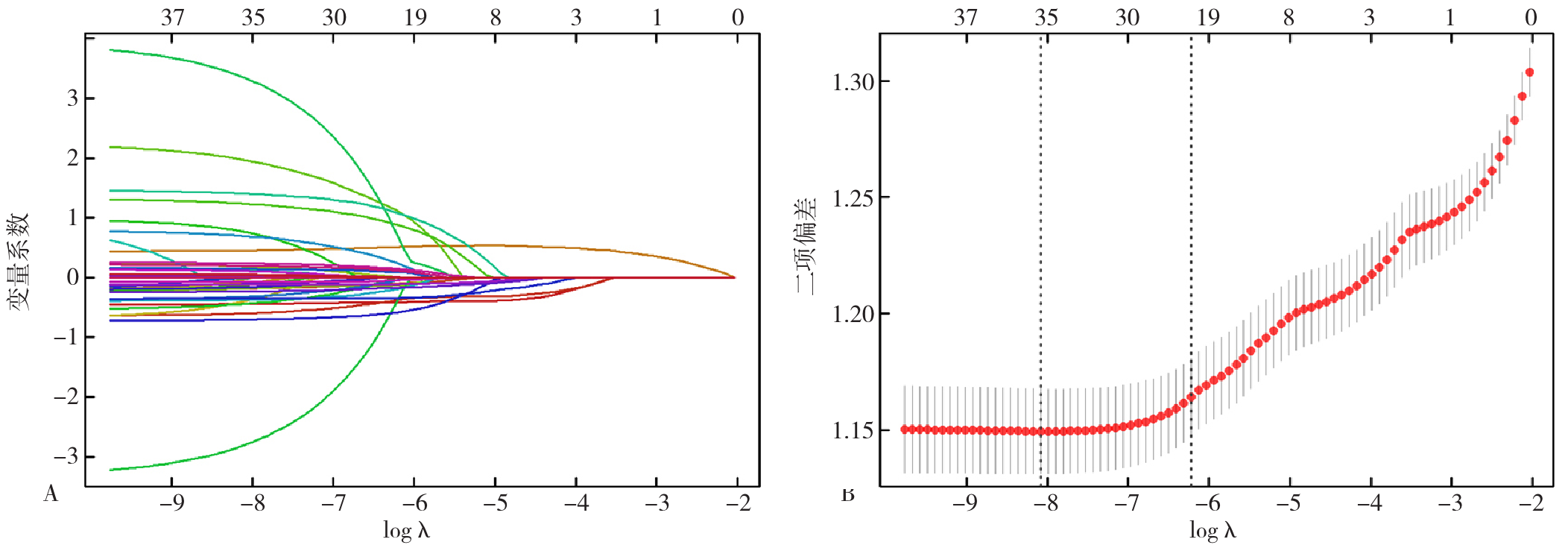
Figure 1 LASSO regression feature selection
| 变量 | 赋值 |
|---|---|
| CP | 否=0,是=1 |
| 性别 | 男=0,女=1 |
| 婚姻 | 在婚=0,非在婚=1 |
| 地区 | 郊县=0,城区=1 |
| 心电图 | 正常=0,异常=1 |
| 受教育程度 | 小学及以下=1,初中/高中=2,大专及以上=3 |
| 当前职业 | 蓝领人员=1,服务人员=2,白领人员=3,其他职业=4 |
| 吸烟情况 | 从不吸烟=1,曾经吸烟=2,当前吸烟=3 |
| 饮酒情况 | 从不饮酒=1,过去30 d前饮酒=2,过去30 d内饮酒=3 |
| 体力活动 | 活动不足=1,少量活动=2,适中活动=3,充足活动=4 |
| 睡眠质量 | 睡眠良好=1,睡眠一般=2,睡眠障碍=3 |
Table 2 Variable coding for LASSO regression
| 变量 | 赋值 |
|---|---|
| CP | 否=0,是=1 |
| 性别 | 男=0,女=1 |
| 婚姻 | 在婚=0,非在婚=1 |
| 地区 | 郊县=0,城区=1 |
| 心电图 | 正常=0,异常=1 |
| 受教育程度 | 小学及以下=1,初中/高中=2,大专及以上=3 |
| 当前职业 | 蓝领人员=1,服务人员=2,白领人员=3,其他职业=4 |
| 吸烟情况 | 从不吸烟=1,曾经吸烟=2,当前吸烟=3 |
| 饮酒情况 | 从不饮酒=1,过去30 d前饮酒=2,过去30 d内饮酒=3 |
| 体力活动 | 活动不足=1,少量活动=2,适中活动=3,充足活动=4 |
| 睡眠质量 | 睡眠良好=1,睡眠一般=2,睡眠障碍=3 |
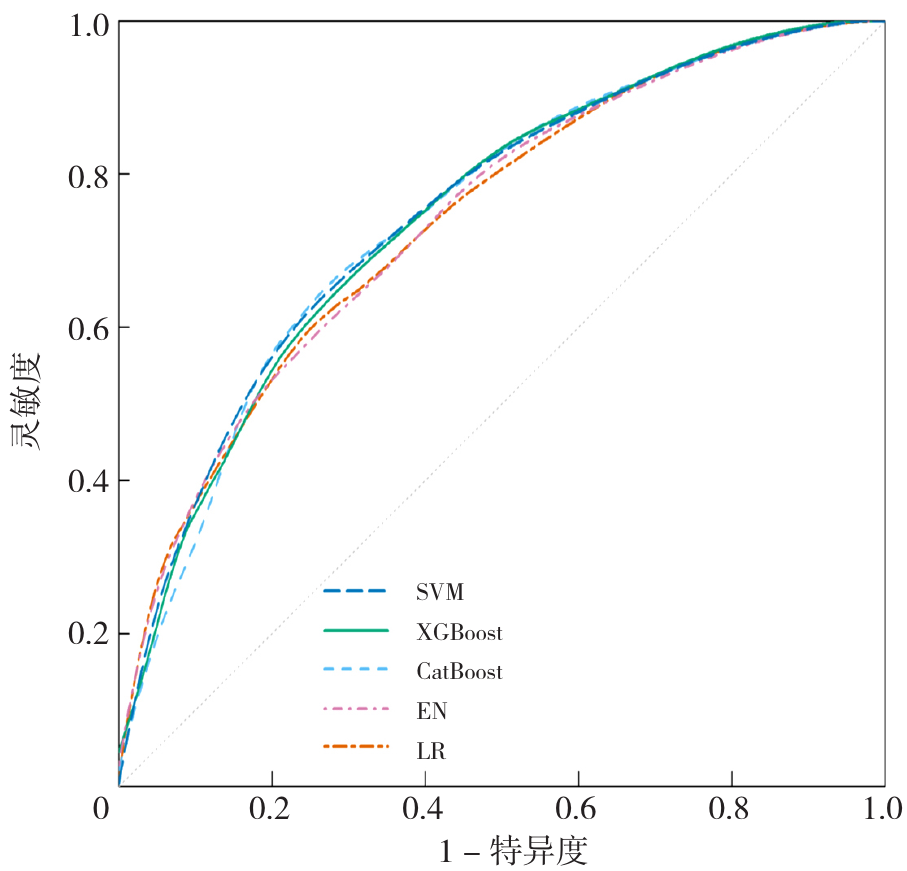
Figure 2 ROC curves of machine learning models on the test set
| 模型 | AUC(95%CI) | 准确度 | 灵敏度 | 特异度 | F1分数 |
|---|---|---|---|---|---|
| CatBoost | 0.747(0.722~0.771) | 0.689 | 0.675 | 0.716 | 0.736 |
| EN | 0.741(0.717~0.765) | 0.661 | 0.634 | 0.709 | 0.706 |
| LR | 0.740(0.715~0.764) | 0.663 | 0.656 | 0.674 | 0.714 |
| SVM | 0.750(0.726~0.774) | 0.680 | 0.655 | 0.725 | 0.725 |
| XGBoost | 0.747(0.723~0.771) | 0.693 | 0.732 | 0.623 | 0.754 |
Table 3 Performance of machine learning models on the test set
| 模型 | AUC(95%CI) | 准确度 | 灵敏度 | 特异度 | F1分数 |
|---|---|---|---|---|---|
| CatBoost | 0.747(0.722~0.771) | 0.689 | 0.675 | 0.716 | 0.736 |
| EN | 0.741(0.717~0.765) | 0.661 | 0.634 | 0.709 | 0.706 |
| LR | 0.740(0.715~0.764) | 0.663 | 0.656 | 0.674 | 0.714 |
| SVM | 0.750(0.726~0.774) | 0.680 | 0.655 | 0.725 | 0.725 |
| XGBoost | 0.747(0.723~0.771) | 0.693 | 0.732 | 0.623 | 0.754 |
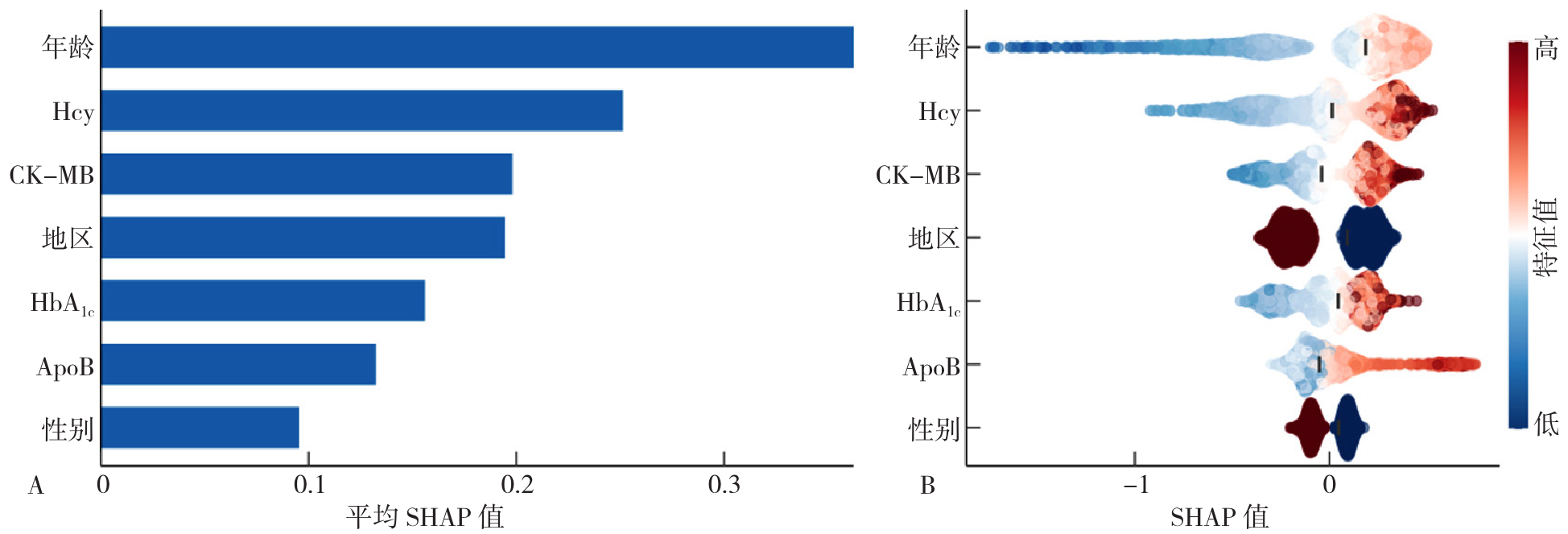
Figure 3 Visual interpretive analysis of the model
| [1] |
|
| [2] |
|
| [3] |
|
| [4] |
秦锐, 郑冲, 卢洁. 颈动脉粥样硬化斑块高分辨MRI特征与心血管事件相关性研究进展[J]. 中国医学影像技术, 2025, 41(6): 985-988. DOI: 10.13929/j.issn.1003-3289.2025.06.029.
|
| [5] |
金杰, 徐清, 卢洁, 等. 基于机器学习算法构建老年重症病人静脉血栓栓塞症风险预测模型[J]. 护理研究, 2025, 39(14): 2327-2335. DOI: 10.12102/j.issn.1009-6493.2025.14.002.
|
| [6] |
|
| [7] |
张霞, 华姜, 周佳茜, 等. 基于国家基本公共卫生服务体检的20岁及以上高血压患者吸烟行为与糖尿病的关联研究[J]. 现代预防医学, 2025, 52(6): 1085-1091. DOI: 10.20043/j.cnki.MPM.202410174.
|
| [8] |
戚圣香, 范周全, 杨华凤, 等. 2011年与2017年南京25岁及以上人群身体活动不足归因疾病负担分析[J]. 中国卫生统计, 2021, 38(2): 262-265, 269. DOI: 10.3969/j.issn.1002-3674.2021.02.026.
|
| [9] |
|
| [10] |
中国高血压防治指南修订委员会, 高血压联盟(中国), 中国医疗保健国际交流促进会高血压分会, 等. 中国高血压防治指南(2024年修订版)[J]. 中华高血压杂志, 2024, 32(7): 603-700. DOI: 10.16439/j.issn.1673-7245.2024.07.002.
|
| [11] |
中华医学会糖尿病学分会. 中国2型糖尿病防治指南(2013年版)[J]. 中华糖尿病杂志, 2014, 6(7): 447-498. DOI: 10.3760/cma.j.issn.1674-5809.2014.07.004.
|
| [12] |
诸骏仁, 高润霖, 赵水平, 等. 中国成人血脂异常防治指南(2016年修订版)[J]. 中国循环杂志, 2016, 31(10): 937-953.
|
| [13] |
|
| [14] |
中华医学会心血管病学分会, 中华心血管病杂志编辑委员会. 中国心血管病预防指南[J]. 中华心血管病杂志, 2011, 39(1): 3-22. DOI: 10.3760/cma.j.issn.0253-3758.2011.01.002
|
| [15] |
张杰建, 丁楠, 王怡, 等. 中年原发性高血压患者系统免疫炎症指数与颈动脉斑块的相关性[J]. 中华高血压杂志, 2025, 33(6): 535-542. DOI: 10.16439/j.issn.1673-7245.2024-0266.
|
| [16] |
|
| [17] |
|
| [18] |
傅桑娅, 李正昕, 温清, 等. 心血管疾病风险预测的危险因素和模型构建的研究进展[J]. 中华高血压杂志, 2024, 32(11): 1020-1028. DOI: 10.16439/j.issn.1673-7245.2024.11.006.
|
| [19] |
|
| [20] |
|
| [21] |
|
| [22] |
|
| [23] |
|
| [24] |
|
| [25] |
|
| [26] |
|
| [27] |
|
| [28] |
|
| [29] |
|
| [30] |
梅百强, 杨希立, 许兆延, 等. 急性冠状动脉综合征患者心外膜脂肪组织体积与冠状动脉斑块特征相关性研究[J]. 介入放射学杂志, 2021, 30(12): 1215-1218. DOI: 10.3969/j.issn.1008-794X.2021.12.004.
|
| [31] |
|
| [32] |
|
| [33] |
|
| [1] | ZHU Rongxin, GAO Tongxun, YUAN Zhenhua, WU Jingjing, TONG Min, NIU Yuhang, REN Xianqing. A Scoping Review of Prediction Models for Renal Injury Risk in Children with Henoch-Schönlein Purpura [J]. Chinese General Practice, 2026, 29(33): 4928-4935. |
| [2] | YI Shanye, YANG Rong, LIAO Xiaoyang, ZHOU Yiheng, LIU Lidi, YANG Ziyu, BAI Jiaxin, JIA Yu, ZHANG Xin. Interpretation of the 2024 Blood Pressure Measurement and Assessment of Arterial Structure and Function: an Expert Group Position Paper [J]. Chinese General Practice, 2026, 29(32): 4690-4694. |
| [3] | HU Jian, LIU Min, JIAO Zengtao, JING Wenzhan, LIANG Wannian. Research on the Risk Level Assessment of Respiratory Infectious Disease Transmission: a Case Study of COVID-19-infected Public Places [J]. Chinese General Practice, 2026, 29(32): 4738-4744. |
| [4] | LI Jiao, XIANG Qingwei, LIU Jinjin, PENG Lang, ZHOU Jianjie, YANG Qiong, MEI Yingbing, LIU Hui, FANG Yingsong, TAN Zihu. Development and Validation of Risk Prediction Model for Fall-related Hospitalization in Patients with Alzheimer's Disease [J]. Chinese General Practice, 2026, 29(32): 4721-4729. |
| [5] | LI Jiao, ZHOU Jianjie, PENG Lang, MEI Yingbing, TAN Zihu. Development and Validation of a Risk Prediction Model for Poor Prognosis in Alzheimer's Disease Patients with Community-acquired Pneumonia [J]. Chinese General Practice, 2026, 29(29): 4248-4257. |
| [6] | JIANG Chen, AN Ni, XU Yunjing, NIU Shaona, LI Fengming, JIANG Liangmei. A Cross-sectional Study of Hospitalization Characteristics and Healthcare Resource Consumption of Patients with Cardiovascular-kidney-metabolic Syndrome [J]. Chinese General Practice, 2026, 29(28): 4172-4178. |
| [7] | LU Hongrun, ZHANG Rui, ZHAO Yu, LI Jiazhen, WANG Weiqiang. Association of Cardiometabolic Comorbidity with Estimated Glomerular Filtration Rate [J]. Chinese General Practice, 2026, 29(28): 4179-4186. |
| [8] | GUO Junchi, ZHANG Mingyan, QIN Guangning, XU Qiang, LU Meijuan. Preliminary Application of the Novel Biomarker TANS01 in Cardiovascular Risk Assessment among Individuals with Phlegm-dampness Constitution [J]. Chinese General Practice, 2026, 29(27): 3924-3930. |
| [9] | LIU Yang, FENG Xiaojie, CHEN Jieyu, LUO Ren, ZHAO Xiaoshan, BI Jianlu. Revealing the Relationship between Lifestyle and Sub-health Based on Machine Learning: a Cross-sectional Study in Guangdong Province [J]. Chinese General Practice, 2026, 29(26): 3829-3837. |
| [10] | ZHAO Yuanyuan, LIU Pulin, DAI Juan, ZHANG Gang, ZHANG Wei, ZHANG Xiaoxia, DENG Qing, YAN Yaqiong. Association Study between Chinese Visceral Adiposity Index and Risk of All-cause and Cause-specific Mortality in the Elderly [J]. Chinese General Practice, 2026, 29(26): 3781-3787. |
| [11] | YANG Rui, LIAO Xiaoyang, HUANG Chuanying, YANG Ziyu, SHEN Can, JIA Yu, LIU Lidi, YANG Rong. Interpretation of the 2024 British and Irish Hypertension Society Position Statement: Investigation and Management of Hypertension in Young People [J]. Chinese General Practice, 2026, 29(26): 3726-3732. |
| [12] | YUAN Hangtao, HONG Yan, YUAN Peihong, LIN Bo, CUI Xiaoyun, LI Weiwei. Interpretable Machine Learning Models for Predicting the Risk of Incident Cardiometabolic Multimorbidity in Chinese Postmenopausal Women [J]. Chinese General Practice, 2026, 29(23): 3294-3306. |
| [13] | CAO Yixin, LI Yongzhi, WEI Lingxi, ZHOU Yan, GAO Fei, YU Qi. Application Status of Traditional Computational Methods and Machine Learning in Cancer Drug Repositioning [J]. Chinese General Practice, 2026, 29(22): 3226-3232. |
| [14] | AN Yanhong, WANG Shidong, LI Xiaoran, GUO Jiayang, WANG Zhe, SHA Peilin, MENG Yijun, LI Xiaoxuan, SHI Xue, YU Zexing, XIAO Yonghua. Study on Risk Factors and Nomogram Prediction Model for Diabetic Kidney Disease: Based on Contrast-enhanced Ultrasound Technology [J]. Chinese General Practice, 2026, 29(21): 2995-3003. |
| [15] | REYILAI· Maimaiti, ZHOU Yiran, WU Yun, LIU Zhencheng, LU Yaoqin, WU Haiyan. Association between Novel Obesity Indicators and Cardiovascular Disease Risk in Hypertensive Patients [J]. Chinese General Practice, 2026, 29(20): 2836-2845. |
| Viewed | ||||||
|
Full text |
|
|||||
|
Abstract |
|
|||||
