
Chinese General Practice ›› 2026, Vol. 29 ›› Issue (31): 4662-4666.DOI: 10.12114/j.issn.1007-9572.2023.0690
• Review & Perspectives • Previous Articles Next Articles
Received:2025-03-25
Revised:2025-10-12
Published:2026-11-05
Online:2026-10-10
Contact:
FAN Xiaojing
通讯作者:
范小静
作者简介:作者贡献:
范小静、司亚飞、周忠良负责文章的构思与设计;王诗怡、范小静、司亚飞收集并整理文献/资料,撰写论文;王诗怡、范小静进行论文的修订;范小静对文章整体负责,监督管理。
基金资助:CLC Number:
Add to citation manager EndNote|Ris|BibTeX
URL: https://www.chinagp.net/EN/10.12114/j.issn.1007-9572.2023.0690
| 指标 | 测量方式 | 结果记录 |
|---|---|---|
| 步行速度 | 按照正常步行速度行走2.4 m | 采用2次步行的平均速度 |
| 椅子-站立测试 | 记录5次从椅子上站到完全站立姿势所使用的时间 | 以s为单位计时 |
| 平衡 | 并排站:参与者两脚并排站立至少10 s,若无法保持姿势不得进行下一测试 半连续站:一脚的脚后跟与另一脚的大脚趾接触,需保持至少10 s,若不能则不再参加全串联站立测试 全串联式站:一脚的脚后跟须在另一脚的脚趾前,保持姿势至少3 s,无法保持则计0分,3~10 s计1分,超过10 s计2分 | 计算总分,总分范围为0~4分(并排站和半连续站各1分,全串联式站共2分) |
| 握力 | 使用手持握力器来评估手部握力情况,先从非优势手开始再到优势手,每只手都用3种方式测量并记录 | 3种测量方式的平均值 |
| 用力肺活量(FEV) | 测试者将重复进行3次,使用第1 s用力呼气容积(FEV1)作为测量指标 | 3次中的最高值 |
| 血液化验 | 血液分析技术 | 血清脱氢表雄酮[DHEA(S)]、血红蛋白(g/L)、胰岛素样生长因子1(IGF-1) |
| 感官 | 听力和视力障碍通过自我报告记录 | 听力(极好、很好、好、一般、不好);视力(极好、很好、好、一般、不好) |
| 认知 | 在1 min内尽可能多地说出能想到的动物名字;列出听到的名词;字母删除任务 | 计算回答的数量 |
| 情感 | 使用流行病学研究中心抑郁量表(CES-D8) | 计算总分 |
| 睡眠 | 询问在上个月中延迟入睡、无法入睡、醒来时感到疲惫和睡眠不安的频率。回答选项包括:低于每周一次、每周1次或2次、每周3次或更多。根据回答,这些项被赋予数字评分(1~4分) | 相加形成总分,总分范围为4~16分 |
Table 1 Description of indicator measurement methods
| 指标 | 测量方式 | 结果记录 |
|---|---|---|
| 步行速度 | 按照正常步行速度行走2.4 m | 采用2次步行的平均速度 |
| 椅子-站立测试 | 记录5次从椅子上站到完全站立姿势所使用的时间 | 以s为单位计时 |
| 平衡 | 并排站:参与者两脚并排站立至少10 s,若无法保持姿势不得进行下一测试 半连续站:一脚的脚后跟与另一脚的大脚趾接触,需保持至少10 s,若不能则不再参加全串联站立测试 全串联式站:一脚的脚后跟须在另一脚的脚趾前,保持姿势至少3 s,无法保持则计0分,3~10 s计1分,超过10 s计2分 | 计算总分,总分范围为0~4分(并排站和半连续站各1分,全串联式站共2分) |
| 握力 | 使用手持握力器来评估手部握力情况,先从非优势手开始再到优势手,每只手都用3种方式测量并记录 | 3种测量方式的平均值 |
| 用力肺活量(FEV) | 测试者将重复进行3次,使用第1 s用力呼气容积(FEV1)作为测量指标 | 3次中的最高值 |
| 血液化验 | 血液分析技术 | 血清脱氢表雄酮[DHEA(S)]、血红蛋白(g/L)、胰岛素样生长因子1(IGF-1) |
| 感官 | 听力和视力障碍通过自我报告记录 | 听力(极好、很好、好、一般、不好);视力(极好、很好、好、一般、不好) |
| 认知 | 在1 min内尽可能多地说出能想到的动物名字;列出听到的名词;字母删除任务 | 计算回答的数量 |
| 情感 | 使用流行病学研究中心抑郁量表(CES-D8) | 计算总分 |
| 睡眠 | 询问在上个月中延迟入睡、无法入睡、醒来时感到疲惫和睡眠不安的频率。回答选项包括:低于每周一次、每周1次或2次、每周3次或更多。根据回答,这些项被赋予数字评分(1~4分) | 相加形成总分,总分范围为4~16分 |
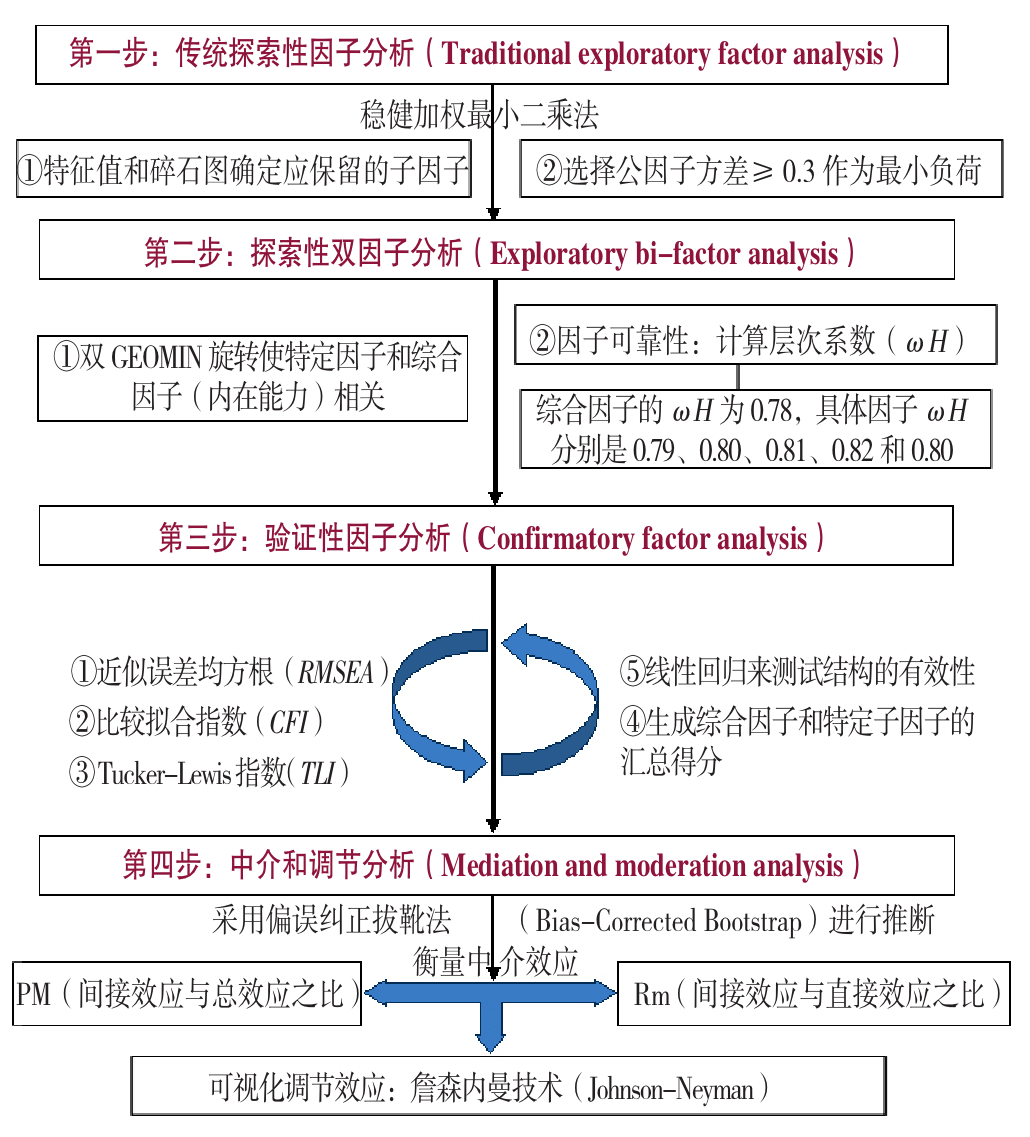
Figure 1 Flowchart for the construction of IC indicators for the elderly
| [1] |
国家统计局,国务院第七次全国人口普查领导小组办公室. 第七次全国人口普查公报(第一号)——第七次全国人口普查工作基本情况[J]. 中国统计, 2021(5): 6-7.
|
| [2] |
钱景童. 国家卫健委: 2035年左右60岁及以上老年人口将破4亿占比将超30%[EB/OL]. (2022-09-20)[2023-10-21].
|
| [3] |
World report on ageing and health[EB/OL]. (2015-09-29)[2023-10-21].
|
| [4] |
|
| [5] | |
| [6] |
张洁,沈姞,李晶. 老年人内在能力概念解读与研究进展[J]. 中华老年医学杂志, 2021, 40(4): 524-527. DOI: 10.3760/cma.j.issn.0254-9026.2021.04.025.
|
| [7] |
WHO. 2020—2030年健康老龄化行动十年[EB/OL]. (2020-12-14)[2023-12-26].
|
| [8] |
陈晨,张莹,杨睿悦,等. 生物学年龄在健康老龄化中的研究进展[J]. 中华老年医学杂志, 2021, 40(6): 798-802. DOI: 10.3760/cma.j.issn.0254-9026.2021.06.023.
|
| [9] |
|
| [10] |
|
| [11] |
朱云,涂舒涵,解秀娟,等. 老年人内在能力的研究进展[J]. 中国实用护理杂志, 2022, 38(27): 2157-2161. DOI: 10.3760/cma.j.cn211501-20220113-00165.
|
| [12] |
周雅茹,潘一鸣,马丽娜. 老年人内在能力的研究进展[J]. 中华老年医学杂志, 2023, 42(1): 108-112. DOI: 10.3760/cma.j.issn.0254-9026.2023.01.021.
|
| [13] |
世界卫生组织. 中国老龄化与健康国家评估报告[EB/OL].[2023-10-21].
|
| [14] |
Integrated care for older people (ICOPE): guidance for person-centred assessment and pathways in primary care[EB/OL]. (2019-01-01)[2023-10-21].
|
| [15] |
杨影红,沈珊珊,曾幸坤,等. 内在能力下降对老年患者跌倒和再入院的影响[J]. 中华老年医学杂志, 2023, 42(2): 165-168. DOI: 10.3760/cma.j.issn.0254-9026.2023.02.005.
|
| [16] |
张洁,张丹丹,吴娟,等. 老年人内在能力下降与日常生活活动能力的关系[J]. 中华现代护理杂志, 2020, 26(32): 4466-4469. DOI: 10.3760/cma.j.cn115682-20200612-03873.
|
| [17] |
黄宝丰,罗特丹,姜昕. 老年高血压患者内在能力下降与血压变异性的相关性研究[J]. 中华老年心脑血管病杂志, 2022, 24(7): 709-712. DOI: 10.3969/j.issn.1009-0126.2022.07.010.
|
| [18] |
|
| [19] |
|
| [20] |
|
| [21] |
张丹丹,奚桓,齐海梅,等. 老年人内在能力下降与跌倒的相关性研究[J]. 中华老年医学杂志, 2020, 39(10): 1182-1185. DOI: 10.3760/cma.j.issn.0254-9026.2020.10.018.
|
| [22] |
|
| [23] |
|
| [24] |
|
| [25] |
|
| [26] |
|
| [27] |
|
| [28] |
|
| [29] |
|
| [30] |
|
| [31] |
中共中央 国务院印发《"健康中国2030"规划纲要》[EB/OL]. (2016-10-25)[2023-10-21].
|
| [32] |
健康中国行动推进委员会. 健康中国行动(2019—2030年)[EB/OL]. (2019-07-15)[2022-06-22].
|
| [33] |
中共中央 国务院印发《国家积极应对人口老龄化中长期规划》[EB/OL]. (2019-11-21)[2023-10-21].
|
| [34] |
中共中央关于制定国民经济和社会发展第十四个五年规划和二〇三五年远景目标的建议[EB/OL]. (2020-11-03)[2023-10-21].
|
| [35] |
|
| [36] |
|
| [37] |
|
| [38] |
|
| [39] |
|
| [40] |
|
| [1] | LI Jing, LIU Ziqi, QIAN Li, YAO Ruiqin. Research Progress on the Role of the Microbiota-gut-brain Axis in Epilepsy [J]. Chinese General Practice, 2026, 29(32): 4821-4826. |
| [2] | HE Yang, YANG Rong, SHEN Can, YI Shanye, LIU Lidi, ZHAO Qian, WAN Zhi, LIAO Xiaoyang. Progress in Research on the Trajectory of Frailty and Its Influencing Factors [J]. Chinese General Practice, 2026, 29(30): 4372-4378. |
| [3] | ZHAO Jiayi, FAN Jian, YU Dehua. The Current Situation, Challenges, and Coping Strategies of Preserving Ratio Impaired Spirometry [J]. Chinese General Practice, 2026, 29(30): 4366-4371. |
| [4] | LI Xiling, ZHANG Fan, YANG Xinyue, YANG Heng. Application of Exercise Snacks in Chronic Disease Management: a Scoping Review [J]. Chinese General Practice, 2026, 29(30): 4472-4479. |
| [5] | WANG Lei, DU Zhicai, YU Haiyang, ZHAO Zeyu. The Value of Platelet-to-lymphocyte Ratio and Uric Acid in Early Differentiation of Spinal Tuberculosis from Brucellar Spondylitis [J]. Chinese General Practice, 2026, 29(29): 4265-4271. |
| [6] | CHEN Yujing, WANG Yan, LI Guang, DONG Benchao, YANG Peichuan, MA Jianxiong. Digital Technologies in the Management of Sarcopenia among Older Adults in Asia: a Scoping Review [J]. Chinese General Practice, 2026, 29(29): 4200-4210. |
| [7] | Guangdong Provincial Association of Primary Health Care Precision Nutrition Application Branch. Expert Consensus on the Construction of Primary Care Nutrition Clinics Based on Medical-prevention Integration and N-RCSP Precision Nutrition Health Management [J]. Chinese General Practice, 2026, 29(28): 4033-4046. |
| [8] | XIE Xiaoyun, LIU Chenxi, LIU Yushu, ZHOU Yihan. Artificial Intelligence Research Practices in Primary Healthcare Institutions in China and the Potential Issue of Data Poverty: a Scoping Review [J]. Chinese General Practice, 2026, 29(28): 4067-4077. |
| [9] | LI Wanyu, JIN Hua, ZHANG Qianqian, YU Dehua. Knowledge, Attitude and Practice of Community-based General Practitioners in Implementing Proactive Health Management in Shanghai and Their Influencing Factors [J]. Chinese General Practice, 2026, 29(28): 4157-4163. |
| [10] | FENG Yachen, LIU Lewei, XUE Jinyue, SUN Xianlin, LIU Huanzhong. Research Progress of Wearable Technology in the Diagnosis and Treatment of Mental Disorders [J]. Chinese General Practice, 2026, 29(27): 4016-4025. |
| [11] | WANG Rui, LUO Shuoming, YANG Liang, WANG Peng, ZHAO Yang, WANG Qi, ZHOU Zhiguang. Diabetes Prevalence among Older Adults in China: a Systematic Review and Meta-analysis [J]. Chinese General Practice, 2026, 29(24): 3500-3508. |
| [12] | LIU Yahui, XU Yanan, YUAN Ling, WU Ligui, ZHOU Yujie, KANG Yubiao. A Scoping Review on Triage for Palliative Care Patients Based on Priority Decision-making [J]. Chinese General Practice, 2026, 29(24): 3538-3544. |
| [13] | WU Liyun, SUN Huajing, GU Yiqing, MEI Ziqi, JIN Shengji, ZHANG Suju, ZHU Yun, ZHANG Yao, LI Qin, LIU Xiaomiao, WANG Qing, BAI Yamei, XU Guihua. Application of Digital-intelligent Technology in Electrocardiographic Monitoring for Acute Myocardial Infarction: a Scoping Review [J]. Chinese General Practice, 2026, 29(24): 3545-3552. |
| [14] | WANG Longyu, LI Ya, MA Qian, JIA Peilin, ZHANG Hailong. Clinical Application Progress of Diffusing Capacity of the Lung for Carbon Monoxide in Chronic Obstructive Pulmonary Disease [J]. Chinese General Practice, 2026, 29(23): 3379-3384. |
| [15] | WU Ermei, SUN Dajuan, DENG Hualiang. A Review of Role of miRNA in Ulcerative Colitis and Traditional Chinese Medicine Intervention [J]. Chinese General Practice, 2026, 29(23): 3371-3378. |
| Viewed | ||||||
|
Full text |
|
|||||
|
Abstract |
|
|||||
