
Chinese General Practice ›› 2026, Vol. 29 ›› Issue (33): 4936-4942.DOI: 10.12114/j.issn.1007-9572.2026.0106
• Focus Groups Studies·Children and Adolescents • Previous Articles Next Articles
Received:2026-06-09
Revised:2026-07-07
Published:2026-11-20
Online:2026-10-21
Contact:
SONG Peige
通讯作者:
宋培歌
作者简介:作者贡献:
周佳丽提出研究思路,负责研究实施、数据清洗与分析及论文撰写;蒋德楠、沈广电、刘心宇负责数据收集与整理,并参与论文修订;朱璇、查金典、章荣华、朱冰参与论文修订;宋培歌负责研究构思与设计、文章质量控制与审查,并对文章整体负责。
基金资助:CLC Number:
Add to citation manager EndNote|Ris|BibTeX
URL: https://www.chinagp.net/EN/10.12114/j.issn.1007-9572.2026.0106
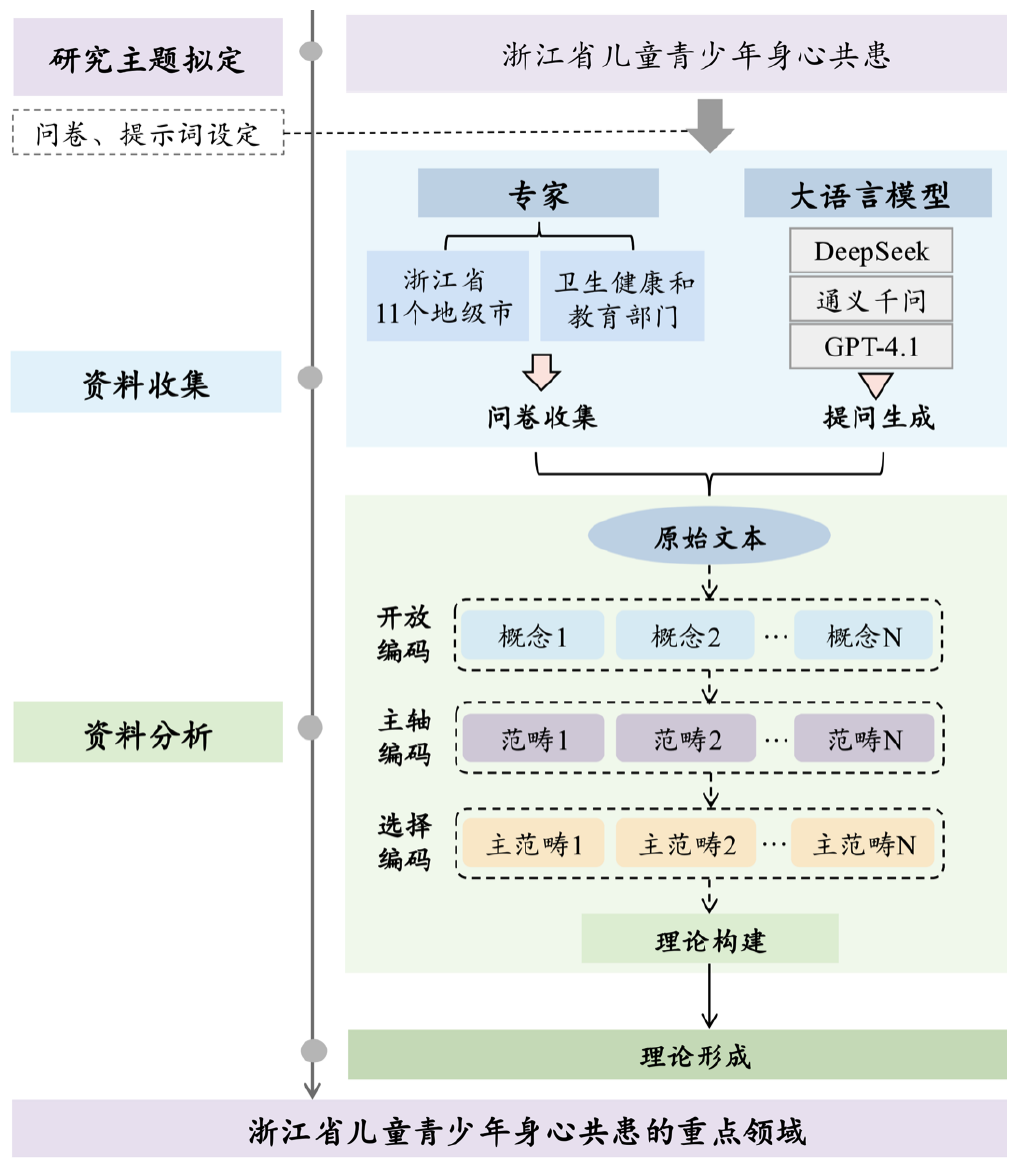
Figure 1 Study flow chart
| 变量 | 例数 | 百分比(%) |
|---|---|---|
| 性别 | ||
| 男 | 34 | 44.16 |
| 女 | 43 | 55.84 |
| 最高学历 | ||
| 本科及以下 | 54 | 70.13 |
| 硕士研究生 | 22 | 28.57 |
| 博士研究生 | 1 | 1.30 |
| 区域 | ||
| 杭州市 | 10 | 12.99 |
| 湖州市 | 6 | 7.79 |
| 嘉兴市 | 14 | 18.18 |
| 金华市 | 8 | 10.39 |
| 丽水市 | 6 | 7.79 |
| 宁波市 | 4 | 5.19 |
| 衢州市 | 3 | 3.90 |
| 绍兴市 | 3 | 3.90 |
| 台州市 | 9 | 11.69 |
| 温州市 | 10 | 12.99 |
| 舟山市 | 4 | 5.19 |
| 工作单位 | ||
| 疾病预防控制中心 | 60 | 77.92 |
| 社区卫生服务中心/乡镇卫生院 | 1 | 1.30 |
| 医院 | 5 | 6.49 |
| 学校 | 11 | 14.29 |
Table 1 Basic information of included experts
| 变量 | 例数 | 百分比(%) |
|---|---|---|
| 性别 | ||
| 男 | 34 | 44.16 |
| 女 | 43 | 55.84 |
| 最高学历 | ||
| 本科及以下 | 54 | 70.13 |
| 硕士研究生 | 22 | 28.57 |
| 博士研究生 | 1 | 1.30 |
| 区域 | ||
| 杭州市 | 10 | 12.99 |
| 湖州市 | 6 | 7.79 |
| 嘉兴市 | 14 | 18.18 |
| 金华市 | 8 | 10.39 |
| 丽水市 | 6 | 7.79 |
| 宁波市 | 4 | 5.19 |
| 衢州市 | 3 | 3.90 |
| 绍兴市 | 3 | 3.90 |
| 台州市 | 9 | 11.69 |
| 温州市 | 10 | 12.99 |
| 舟山市 | 4 | 5.19 |
| 工作单位 | ||
| 疾病预防控制中心 | 60 | 77.92 |
| 社区卫生服务中心/乡镇卫生院 | 1 | 1.30 |
| 医院 | 5 | 6.49 |
| 学校 | 11 | 14.29 |
| 主范畴及核心范畴 | 总体 | 专家 | 大语言模型 |
|---|---|---|---|
| 健康问题的类型 | 287(37.57) | 222(41.11) | 65(29.02) |
| 身体健康问题 | 100 | 91 | 9 |
| 心理健康问题 | 121 | 101 | 20 |
| 身心健康问题 | 66 | 30 | 36 |
| 健康问题的复杂性 | 85(11.13) | 44(8.15) | 41(18.30) |
| 常见病 | 17 | 17 | |
| 共患 | 68 | 27 | 41 |
| 宏观生态影响因素 | 36(4.71) | 13(2.41) | 23(10.27) |
| 自然环境 | 4 | 2 | 2 |
| 社会环境 | 32 | 11 | 21 |
| 中观环境影响因素 | 54(7.07) | 45(8.33) | 9(4.02) |
| 家庭环境 | 22 | 18 | 4 |
| 学校环境 | 32 | 27 | 5 |
| 微观个体影响因素 | 59(7.72) | 50(9.26) | 9(4.02) |
| 母体情况 | 7 | 7 | |
| 遗传因素 | 1 | 1 | |
| 个体心理 | 1 | 1 | |
| 行为习惯 | 50 | 41 | 9 |
| 动态机制 | 116(15.18) | 90(16.67) | 26(11.61) |
| 现况 | 20 | 14 | 6 |
| 发育 | 12 | 10 | 2 |
| 关联 | 32 | 30 | 2 |
| 机制 | 27 | 17 | 10 |
| 影响 | 25 | 19 | 6 |
| 防控的目标层面 | 38(4.97) | 24(4.44) | 14(6.25) |
| 政策支持:建立制度框架并提供资源保障 | 25 | 14 | 11 |
| 综合防控:多种健康问题的系统性防控 | 12 | 10 | 2 |
| 伦理规范:干预措施的合法性与社会认可度 | 1 | 1 | |
| 防控的实施层面 | 70(9.16) | 41(7.59) | 29(12.95) |
| 诊断识别:高危/患病人群、干预靶点等 | 22 | 14 | 8 |
| 基础干预:共因干预、宣传教育等 | 15 | 14 | 1 |
| 针对性干预:药物治疗 | 1 | 1 | |
| 技术干预:数字干预、数字化平台建立等 | 13 | 3 | 10 |
| 协同干预:跨部门、跨学科协作 | 19 | 10 | 9 |
| 防控的评价层面 | 19(2.49) | 11(2.04) | 8(3.57) |
| 效果评价 | 15 | 9 | 6 |
| 经济学评价 | 4 | 2 | 2 |
| 总频次数 | 764 | 540 | 224 |
Table 2 Frequency of codes in the text corpus
| 主范畴及核心范畴 | 总体 | 专家 | 大语言模型 |
|---|---|---|---|
| 健康问题的类型 | 287(37.57) | 222(41.11) | 65(29.02) |
| 身体健康问题 | 100 | 91 | 9 |
| 心理健康问题 | 121 | 101 | 20 |
| 身心健康问题 | 66 | 30 | 36 |
| 健康问题的复杂性 | 85(11.13) | 44(8.15) | 41(18.30) |
| 常见病 | 17 | 17 | |
| 共患 | 68 | 27 | 41 |
| 宏观生态影响因素 | 36(4.71) | 13(2.41) | 23(10.27) |
| 自然环境 | 4 | 2 | 2 |
| 社会环境 | 32 | 11 | 21 |
| 中观环境影响因素 | 54(7.07) | 45(8.33) | 9(4.02) |
| 家庭环境 | 22 | 18 | 4 |
| 学校环境 | 32 | 27 | 5 |
| 微观个体影响因素 | 59(7.72) | 50(9.26) | 9(4.02) |
| 母体情况 | 7 | 7 | |
| 遗传因素 | 1 | 1 | |
| 个体心理 | 1 | 1 | |
| 行为习惯 | 50 | 41 | 9 |
| 动态机制 | 116(15.18) | 90(16.67) | 26(11.61) |
| 现况 | 20 | 14 | 6 |
| 发育 | 12 | 10 | 2 |
| 关联 | 32 | 30 | 2 |
| 机制 | 27 | 17 | 10 |
| 影响 | 25 | 19 | 6 |
| 防控的目标层面 | 38(4.97) | 24(4.44) | 14(6.25) |
| 政策支持:建立制度框架并提供资源保障 | 25 | 14 | 11 |
| 综合防控:多种健康问题的系统性防控 | 12 | 10 | 2 |
| 伦理规范:干预措施的合法性与社会认可度 | 1 | 1 | |
| 防控的实施层面 | 70(9.16) | 41(7.59) | 29(12.95) |
| 诊断识别:高危/患病人群、干预靶点等 | 22 | 14 | 8 |
| 基础干预:共因干预、宣传教育等 | 15 | 14 | 1 |
| 针对性干预:药物治疗 | 1 | 1 | |
| 技术干预:数字干预、数字化平台建立等 | 13 | 3 | 10 |
| 协同干预:跨部门、跨学科协作 | 19 | 10 | 9 |
| 防控的评价层面 | 19(2.49) | 11(2.04) | 8(3.57) |
| 效果评价 | 15 | 9 | 6 |
| 经济学评价 | 4 | 2 | 2 |
| 总频次数 | 764 | 540 | 224 |
| [1] |
|
| [2] |
|
| [3] |
|
| [4] |
|
| [5] |
|
| [6] |
|
| [7] |
|
| [8] |
|
| [9] |
|
| [10] |
|
| [11] |
|
| [12] |
中华人民共和国国家卫生健康委员会. 关于印发儿童青少年"五健"促进行动计划(2026—2030年)的通知[EB/OL]. (2025-12-30)[2026-01-06].
|
| [13] |
|
| [14] |
|
| [15] |
浙江省人民政府办公厅关于推进浙江省卫生健康现代化建设的实施意见[EB/OL]. (2023-03-31)[2025-11-10].
|
| [16] |
浙江省卫生健康委员会. 《浙江省儿童医疗服务发展行动计划(2021-2025年)》政策解读[EB/OL]. (2021-12-28)[2025-11-10].
|
| [17] |
|
| [18] |
|
| [19] |
上海市卫生健康委员会. 关于印发《上海市学生常见病监测与干预工作方案(2021年版)》的通知[EB/OL]. (2021-07-22)[2026-01-06].
|
| [20] |
中华人民共和国国家卫生健康委员会. 国家卫生健康委办公厅关于印发2019年全国学生常见病和健康影响因素监测与干预工作方案的通知[EB/OL]. (2019-03-26)[2026-01-06].
|
| [21] |
|
| [22] |
|
| [23] |
宋逸, 张秀红, 马军. 儿童青少年主要健康问题"共病-共因-共防"机制建立与探索[J]. 中国学校卫生, 2023, 44(9): 1281-1285. DOI: 10.16835/j.cnki.1000-9817.2023.09.001.
|
| [24] |
|
| [25] |
|
| [26] |
|
| [27] |
|
| [28] |
|
| [29] |
|
| [30] |
|
| [31] |
|
| [32] |
中华人民共和国国家卫生健康委员会. 解读: 《"健康中国2030"规划纲要》[EB/OL]. (2016-10-26)[2026-01-06].
|
| Viewed | ||||||
|
Full text |
|
|||||
|
Abstract |
|
|||||
