
Chinese General Practice ›› 2026, Vol. 29 ›› Issue (17): 2303-2311.DOI: 10.12114/j.issn.1007-9572.2025.0325
Special Issue: 社区卫生服务最新研究合辑
• General Practice/Community Health Service • Previous Articles Next Articles
Received:2025-10-14
Revised:2026-03-13
Published:2026-06-15
Online:2026-05-21
Contact:
XIAO Lei
通讯作者:
肖蕾
作者简介:作者贡献:
肖蕾提出研究思路,设计研究方案,组织调查,指导论文写作,修改论文,负责文章的质量控制与审查,对文章整体负责;缪星雨参与问卷调查、统计学分析、图表绘制,撰写论文初稿并参与修改论文;刘兴雨参与问卷设计和调查,收集、采集、清洗数据和统计学分析、图表绘制,参与论文起草;胡馨怡参与问卷设计和调查,收集、采集、清洗数据和统计学分析;张松参与问卷调查;吴颖敏对统计学方法进行指导,对论文修改提出建议。
本文为中文翻译版本,原文Research on the Driving Mechanism of Patients' Willingness to Continue Primary Diagnosis from the Perspective of Trust发表于Chinese General Practice Journal,已获得授权。翻译与出版遵循COPE和ICMJE关于二次发表的指南。
基金资助:CLC Number:
Add to citation manager EndNote|Ris|BibTeX
URL: https://www.chinagp.net/EN/10.12114/j.issn.1007-9572.2025.0325
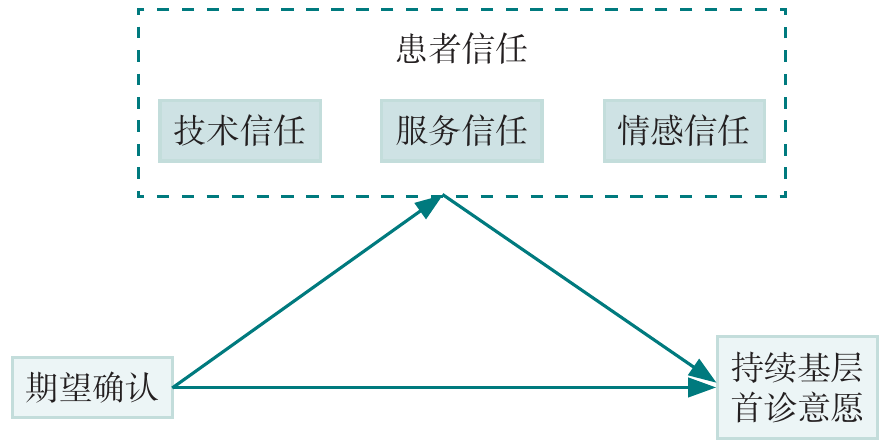
Figure 1 Theoretical model and research hypothesis
| 基本情况 | 例数 | 百分比(%) |
|---|---|---|
| 性别 | ||
| 男 | 110 | 38.2 |
| 女 | 178 | 61.8 |
| 年龄 | ||
| <18岁 | 31 | 10.8 |
| 18~44岁 | 81 | 28.1 |
| 45~59岁 | 48 | 16.7 |
| ≥60岁 | 128 | 44.4 |
| 户籍类型 | ||
| 本市农村 | 34 | 11.8 |
| 非本市农村 | 56 | 19.4 |
| 本市城镇 | 148 | 51.4 |
| 非本市城镇 | 50 | 17.4 |
| 受教育程度 | ||
| 初中及以下 | 113 | 39.2 |
| 高中/中专/技校 | 48 | 16.7 |
| 大学专科 | 53 | 18.4 |
| 大学本科及以上 | 74 | 25.7 |
| 职业a | ||
| 国家公务员 | 6 | 2.1 |
| 专业技术人员 | 13 | 4.5 |
| 职员 | 28 | 9.7 |
| 企业管理人员 | 12 | 4.2 |
| 工人 | 12 | 4.2 |
| 自由职业者 | 29 | 10.1 |
| 个体经营者 | 15 | 5.2 |
| 学生 | 4 | 1.4 |
| 退休人员 | 91 | 31.6 |
| 无业/失业 | 28 | 9.7 |
| 其他 | 23 | 8.0 |
| 年收入 | ||
| <1.0万元 | 70 | 24.3 |
| 1.0万~<2.5万元 | 45 | 15.6 |
| 2.5万~<5.0万元 | 65 | 22.6 |
| 5.0万~<10.0万元 | 60 | 20.8 |
| ≥10万元 | 48 | 16.7 |
| 医疗保险类型 | ||
| 城镇职工基本医疗保险(基本医疗保险) | 145 | 50.3 |
| 城乡居民基本医疗保险(基本医疗保险) | 108 | 37.5 |
| 商业医疗保险 | 5 | 1.8 |
| 基本医疗保险+商业医疗保险 | 24 | 8.3 |
| 无 | 6 | 2.1 |
| 到达最近社区卫生服务中心/站时间 | ||
| ≤15 min | 205 | 71.2 |
| 16~30 min | 56 | 19.4 |
| >30 min | 27 | 9.4 |
| 患高血压/糖尿病 | ||
| 无 | 197 | 68.4 |
| 有 | 91 | 31.6 |
| 是否签约家庭医生 | ||
| 否 | 178 | 61.8 |
| 是 | 110 | 38.2 |
| 基层卫生服务经历 | ||
| 仅医疗服务 | 228 | 79.2 |
| 仅公共卫生服务 | 60 | 20.8 |
| 医生选择 | ||
| 家庭医生 | 91 | 31.6 |
| 其他固定医生 | 36 | 12.5 |
| 不固定医生 | 161 | 55.9 |
Table 1 Basic characteristics of the survey respondents
| 基本情况 | 例数 | 百分比(%) |
|---|---|---|
| 性别 | ||
| 男 | 110 | 38.2 |
| 女 | 178 | 61.8 |
| 年龄 | ||
| <18岁 | 31 | 10.8 |
| 18~44岁 | 81 | 28.1 |
| 45~59岁 | 48 | 16.7 |
| ≥60岁 | 128 | 44.4 |
| 户籍类型 | ||
| 本市农村 | 34 | 11.8 |
| 非本市农村 | 56 | 19.4 |
| 本市城镇 | 148 | 51.4 |
| 非本市城镇 | 50 | 17.4 |
| 受教育程度 | ||
| 初中及以下 | 113 | 39.2 |
| 高中/中专/技校 | 48 | 16.7 |
| 大学专科 | 53 | 18.4 |
| 大学本科及以上 | 74 | 25.7 |
| 职业a | ||
| 国家公务员 | 6 | 2.1 |
| 专业技术人员 | 13 | 4.5 |
| 职员 | 28 | 9.7 |
| 企业管理人员 | 12 | 4.2 |
| 工人 | 12 | 4.2 |
| 自由职业者 | 29 | 10.1 |
| 个体经营者 | 15 | 5.2 |
| 学生 | 4 | 1.4 |
| 退休人员 | 91 | 31.6 |
| 无业/失业 | 28 | 9.7 |
| 其他 | 23 | 8.0 |
| 年收入 | ||
| <1.0万元 | 70 | 24.3 |
| 1.0万~<2.5万元 | 45 | 15.6 |
| 2.5万~<5.0万元 | 65 | 22.6 |
| 5.0万~<10.0万元 | 60 | 20.8 |
| ≥10万元 | 48 | 16.7 |
| 医疗保险类型 | ||
| 城镇职工基本医疗保险(基本医疗保险) | 145 | 50.3 |
| 城乡居民基本医疗保险(基本医疗保险) | 108 | 37.5 |
| 商业医疗保险 | 5 | 1.8 |
| 基本医疗保险+商业医疗保险 | 24 | 8.3 |
| 无 | 6 | 2.1 |
| 到达最近社区卫生服务中心/站时间 | ||
| ≤15 min | 205 | 71.2 |
| 16~30 min | 56 | 19.4 |
| >30 min | 27 | 9.4 |
| 患高血压/糖尿病 | ||
| 无 | 197 | 68.4 |
| 有 | 91 | 31.6 |
| 是否签约家庭医生 | ||
| 否 | 178 | 61.8 |
| 是 | 110 | 38.2 |
| 基层卫生服务经历 | ||
| 仅医疗服务 | 228 | 79.2 |
| 仅公共卫生服务 | 60 | 20.8 |
| 医生选择 | ||
| 家庭医生 | 91 | 31.6 |
| 其他固定医生 | 36 | 12.5 |
| 不固定医生 | 161 | 55.9 |
| 项目 | 平均得分 |
|---|---|
| 期望确认 | 3.99±0.74 |
| 医生的服务比期待的要好 | 4.08±0.84 |
| 医生的技术水平比期待的要好 | 3.82±0.84 |
| 医生的医德医风比期待的要好 | 4.07±0.81 |
| 患者信任 | 4.13±0.61 |
| 技术信任 | 4.18±0.65 |
| 医生能正确地诊断疾病 | 4.18±0.78 |
| 医生能正确判断是否应该转诊到上级医院 | 4.08±0.86 |
| 医生的治疗会有很好的效果 | 4.15±0.78 |
| 在医生的帮助下,健康状况会变得更好 | 4.32±0.73 |
| 服务信任 | 3.60±1.02 |
| 医生能帮患者及时预约到上级医院专家号 | 3.62±1.07 |
| 医生能帮患者及时预约到上级医院的床位 | 3.49±1.15 |
| 医生预约的专家号或上转的医院会是适合患者的 | 3.69±1.08 |
| 情感信任 | 4.35±0.64 |
| 当有需要时,能及时联系到医生或其同事 | 4.10±0.99 |
| 医生不会开具不必要的药品、检查或治疗 | 4.34±0.86 |
| 医生不会泄露患者的个人隐私 | 4.47±0.76 |
| 医生会站在患者的角度考虑问题 | 4.35±0.76 |
| 医生真心关心患者的健康 | 4.43±0.76 |
| 医生会竭尽所能地帮助患者消除或缓解病痛 | 4.44±0.73 |
| 持续基层首诊意愿 | 4.07±0.93 |
| 愿意选择继续在社区卫生服务中心/站就诊 | 4.34±0.89 |
| 优先选择社区卫生服务中心/站就诊 | 4.09±1.11 |
| 向亲戚朋友们推荐到社区卫生服务中心/站就诊 | 3.79±1.24 |
Table 2 Scores of expectation confirmation, patient trust, and willingness to continue primary care
| 项目 | 平均得分 |
|---|---|
| 期望确认 | 3.99±0.74 |
| 医生的服务比期待的要好 | 4.08±0.84 |
| 医生的技术水平比期待的要好 | 3.82±0.84 |
| 医生的医德医风比期待的要好 | 4.07±0.81 |
| 患者信任 | 4.13±0.61 |
| 技术信任 | 4.18±0.65 |
| 医生能正确地诊断疾病 | 4.18±0.78 |
| 医生能正确判断是否应该转诊到上级医院 | 4.08±0.86 |
| 医生的治疗会有很好的效果 | 4.15±0.78 |
| 在医生的帮助下,健康状况会变得更好 | 4.32±0.73 |
| 服务信任 | 3.60±1.02 |
| 医生能帮患者及时预约到上级医院专家号 | 3.62±1.07 |
| 医生能帮患者及时预约到上级医院的床位 | 3.49±1.15 |
| 医生预约的专家号或上转的医院会是适合患者的 | 3.69±1.08 |
| 情感信任 | 4.35±0.64 |
| 当有需要时,能及时联系到医生或其同事 | 4.10±0.99 |
| 医生不会开具不必要的药品、检查或治疗 | 4.34±0.86 |
| 医生不会泄露患者的个人隐私 | 4.47±0.76 |
| 医生会站在患者的角度考虑问题 | 4.35±0.76 |
| 医生真心关心患者的健康 | 4.43±0.76 |
| 医生会竭尽所能地帮助患者消除或缓解病痛 | 4.44±0.73 |
| 持续基层首诊意愿 | 4.07±0.93 |
| 愿意选择继续在社区卫生服务中心/站就诊 | 4.34±0.89 |
| 优先选择社区卫生服务中心/站就诊 | 4.09±1.11 |
| 向亲戚朋友们推荐到社区卫生服务中心/站就诊 | 3.79±1.24 |
| 项目 | 例数 | 平均得分 | t(F)值 | P值 |
|---|---|---|---|---|
| 是否成年患者 | 2.157 | 0.032 | ||
| 否 | 31 | 3.90±0.58 | ||
| 是 | 257 | 4.15±0.61 | ||
| 年龄 | 3.558c | 0.030 | ||
| ≤44岁① | 112 | 4.07±0.70 | ||
| 45~59岁② | 48 | 3.98±0.63 | ||
| ≥60岁③ | 128 | 4.23±0.51ab | ||
| 患高血压/糖尿病 | -2.014 | 0.045 | ||
| 无 | 197 | 4.08±0.64 | ||
| 有 | 91 | 4.23±0.54 | ||
| 是否签约家庭医生 | 3.297 | 0.001 | ||
| 否 | 178 | 4.04±0.65 | ||
| 是 | 110 | 4.27±0.52 | ||
| 医生选择 | 9.886c | <0.001 | ||
| 家庭医生① | 91 | 4.29±0.52 | ||
| 其他固定医生② | 36 | 4.34±0.51 | ||
| 不固定医生③ | 161 | 3.99±0.65ab | ||
| 期望确认 | -4.526 | <0.001 | ||
| 低期望确认 | 80 | 3.85±0.66 | ||
| 高期望确认 | 208 | 4.23±0.56 |
Table 3 Comparison of patient trust scores among patients with different characteristics
| 项目 | 例数 | 平均得分 | t(F)值 | P值 |
|---|---|---|---|---|
| 是否成年患者 | 2.157 | 0.032 | ||
| 否 | 31 | 3.90±0.58 | ||
| 是 | 257 | 4.15±0.61 | ||
| 年龄 | 3.558c | 0.030 | ||
| ≤44岁① | 112 | 4.07±0.70 | ||
| 45~59岁② | 48 | 3.98±0.63 | ||
| ≥60岁③ | 128 | 4.23±0.51ab | ||
| 患高血压/糖尿病 | -2.014 | 0.045 | ||
| 无 | 197 | 4.08±0.64 | ||
| 有 | 91 | 4.23±0.54 | ||
| 是否签约家庭医生 | 3.297 | 0.001 | ||
| 否 | 178 | 4.04±0.65 | ||
| 是 | 110 | 4.27±0.52 | ||
| 医生选择 | 9.886c | <0.001 | ||
| 家庭医生① | 91 | 4.29±0.52 | ||
| 其他固定医生② | 36 | 4.34±0.51 | ||
| 不固定医生③ | 161 | 3.99±0.65ab | ||
| 期望确认 | -4.526 | <0.001 | ||
| 低期望确认 | 80 | 3.85±0.66 | ||
| 高期望确认 | 208 | 4.23±0.56 |
| 潜变量 | CR | Cronbach's α系数 | AVE |
|---|---|---|---|
| 期望确认 | 0.88 | 0.88 | 0.70 |
| 技术信任 | 0.85 | 0.84 | 0.58 |
| 服务信任 | 0.92 | 0.92 | 0.80 |
| 情感信任 | 0.89 | 0.88 | 0.57 |
| 持续基层首诊意愿 | 0.83 | 0.82 | 0.63 |
Table 4 Results of reliability and validity test
| 潜变量 | CR | Cronbach's α系数 | AVE |
|---|---|---|---|
| 期望确认 | 0.88 | 0.88 | 0.70 |
| 技术信任 | 0.85 | 0.84 | 0.58 |
| 服务信任 | 0.92 | 0.92 | 0.80 |
| 情感信任 | 0.89 | 0.88 | 0.57 |
| 持续基层首诊意愿 | 0.83 | 0.82 | 0.63 |
| 潜变量 | 期望确认 | 技术信任 | 服务信任 | 情感信任 | 持续基层首诊意愿 |
|---|---|---|---|---|---|
| 期望确认 | 0.84 | — | — | — | — |
| 技术信任 | 0.50 | 0.76 | — | — | — |
| 服务信任 | 0.35 | 0.57 | 0.89 | — | — |
| 情感信任 | 0.46 | 0.74 | 0.53 | 0.75 | — |
| 持续基层首诊意愿 | 0.37 | 0.53 | 0.37 | 0.49 | 0.79 |
Table 5 Results of discriminant validity test
| 潜变量 | 期望确认 | 技术信任 | 服务信任 | 情感信任 | 持续基层首诊意愿 |
|---|---|---|---|---|---|
| 期望确认 | 0.84 | — | — | — | — |
| 技术信任 | 0.50 | 0.76 | — | — | — |
| 服务信任 | 0.35 | 0.57 | 0.89 | — | — |
| 情感信任 | 0.46 | 0.74 | 0.53 | 0.75 | — |
| 持续基层首诊意愿 | 0.37 | 0.53 | 0.37 | 0.49 | 0.79 |
| 检验类型 | 模型指标 | 适配标准 | 检验结果 | 适配判断 |
|---|---|---|---|---|
| 绝对适配度指数 | RMSEA | <0.08 | 0.06 | 是 |
| GFI | >0.90 | 0.90 | 是 | |
| 增值适配度指数 | RFI | >0.90 | 0.90 | 是 |
| TLI | >0.90 | 0.95 | 是 | |
| CFI | >0.90 | 0.96 | 是 | |
| IFI | >0.90 | 0.96 | 是 | |
| NFI | >0.90 | 0.92 | 是 | |
| 简约适配度指数 | χ2/df | <3.00 | 2.05 | 是 |
| PGFI | >0.50 | 0.70 | 是 | |
| PNFI | >0.50 | 0.78 | 是 | |
| PCFI | >0.51 | 0.82 | 是 |
Table 6 Test of the overall fit of the model
| 检验类型 | 模型指标 | 适配标准 | 检验结果 | 适配判断 |
|---|---|---|---|---|
| 绝对适配度指数 | RMSEA | <0.08 | 0.06 | 是 |
| GFI | >0.90 | 0.90 | 是 | |
| 增值适配度指数 | RFI | >0.90 | 0.90 | 是 |
| TLI | >0.90 | 0.95 | 是 | |
| CFI | >0.90 | 0.96 | 是 | |
| IFI | >0.90 | 0.96 | 是 | |
| NFI | >0.90 | 0.92 | 是 | |
| 简约适配度指数 | χ2/df | <3.00 | 2.05 | 是 |
| PGFI | >0.50 | 0.70 | 是 | |
| PNFI | >0.50 | 0.78 | 是 | |
| PCFI | >0.51 | 0.82 | 是 |
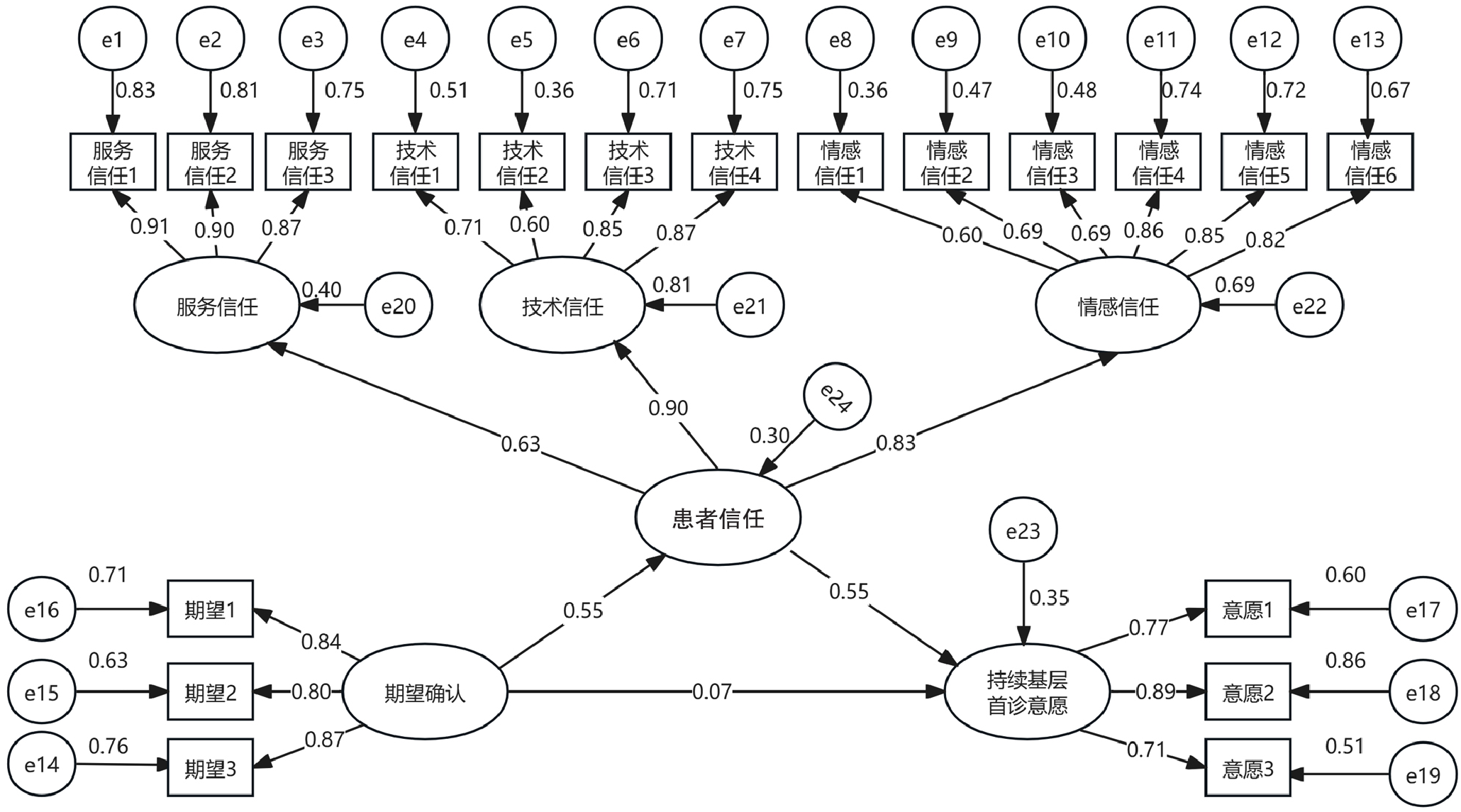
Figure 2 Second-order structural equation model
| 路径 | 路径系数 | P值 | 结果 |
|---|---|---|---|
| 期望确认→持续基层首诊意愿 | 0.07 | 0.368 | 不成立 |
| 患者信任→持续基层首诊意愿 | 0.61 | <0.001 | 成立 |
| 期望确认→患者信任 | 0.48 | <0.001 | 成立 |
Table 7 Results of the analysis of path coefficients and their significance
| 路径 | 路径系数 | P值 | 结果 |
|---|---|---|---|
| 期望确认→持续基层首诊意愿 | 0.07 | 0.368 | 不成立 |
| 患者信任→持续基层首诊意愿 | 0.61 | <0.001 | 成立 |
| 期望确认→患者信任 | 0.48 | <0.001 | 成立 |
| 项目 | 效应值 | 系数乘积(SE) | 自助法 | |
|---|---|---|---|---|
| 偏差校正95%CI | 百分位95%CI | |||
| 总效应 | 0.37 | 0.07 | 0.23~0.50 | 0.23~0.50 |
| 间接效应 | 0.30 | 0.06 | 0.20~0.44 | 0.19~0.43 |
| 直接效应 | 0.07 | 0.08 | -0.09~0.22 | -0.08~0.22 |
Table 8 Mediating effect test of the path "expectation confirmation→patients' trust→willingness to continue with primary healthcare as the first choice"
| 项目 | 效应值 | 系数乘积(SE) | 自助法 | |
|---|---|---|---|---|
| 偏差校正95%CI | 百分位95%CI | |||
| 总效应 | 0.37 | 0.07 | 0.23~0.50 | 0.23~0.50 |
| 间接效应 | 0.30 | 0.06 | 0.20~0.44 | 0.19~0.43 |
| 直接效应 | 0.07 | 0.08 | -0.09~0.22 | -0.08~0.22 |
| [1] |
曹德立, 周巍, 张修芳, 等. 基于计划行为理论和技术接受模型融合模型的全科医生参与分级诊疗意愿调查研究[J]. 中国全科医学, 2024, 27(25): 3108-3114, 3128. DOI: 10.12114/j.issn.1007-9572.2023.0415.
|
| [2] |
|
| [3] |
|
| [4] |
OECD. Health at a glance 2023: OECD indicators[M]. Paris: OECD Publishing, 2023.
|
| [5] |
Swiss Federal Office of Public Health. Swiss health report 2023[R/OL]. [2025-04-05].
|
| [6] |
中华人民共和国国家统计局. 卫生健康事业取得长足发展 人民健康权益得到有效保障:新中国75年经济社会发展成就系列报告之二十二[EB/OL]. (2024-09-25)[2025-09-04].
|
| [7] |
中华人民共和国国家卫生健康委员会. 2023年我国卫生健康事业发展统计公报[EB/OL]. (2024-08-29)[2025-04-07].
|
| [8] |
国务院办公厅. 关于推进分级诊疗制度建设的指导意见[A/OL]. (2015-09-11)[2025-04-07].
|
| [9] |
赵璐, 王晓雯, 孔祥金, 等. 基于计划行为理论的三甲医院患者基层首诊意愿影响因素研究[J]. 中国医院管理, 2021, 41(4): 30-34.
|
| [10] |
唐敏, 李兴国, 王晓玉, 等. 多维信任视角下数据驱动的在线健康社区患者问诊研究[J]. 情报科学, 2023, 41(5): 2-9. DOI: 10.13833/j.issn.1007-7634.2023.05.001.
|
| [11] |
陈涵琳, 项盈如, 高媛, 等. 住院患者对医生的信任水平及自我效能与医疗决策行为的关系研究:以医患互动为中介[J]. 中国卫生政策研究, 2022, 15(3): 68-74.
|
| [12] |
沈小娟, 杨扬, 孙绍荣. 分级诊疗背景下患者社区首诊意愿影响因素实证分析[J]. 上海理工大学学报, 2020, 42(4): 390-398. DOI: 10.13255/j.cnki.jusst.20191220003.
|
| [13] |
向菲, 杨炀. 在线健康社区患者择医行为影响因素研究:在线信任的中介效应[J]. 医学信息学杂志, 2023, 44(12): 1-7. DOI: 10.3969/j.issn.1673-6036.2023.12.001.
|
| [14] |
赵世超, 童西洋, 张安琪, 等. 患者信任模式和水平对基层首诊意愿的影响研究[J]. 中国卫生政策研究, 2021, 14(8): 16-20. DOI: 10.3969/j.issn.1674-2982.2021.08.003.
|
| [15] |
杨嘉领, 杜涛, 臧薇. 基于扩展TAM-TPB整合模型的患者基层首诊意愿影响因素研究[J]. 医学信息学杂志, 2023, 44(9): 56-61, 73. DOI: 10.3969/j.issn.1673-6036.2023.09.008.
|
| [16] |
田艺丹, 孙红梅, 辛美琪, 等. 情绪对医患共同决策的影响[J]. 医学与哲学, 2023, 44(15): 27-31.
|
| [17] |
|
| [18] |
熊文靓, 王素芳. 公共文化服务的公众获得感测度与提升研究:以辽宁为例[J]. 图书馆论坛, 2020, 40(2): 45-55.
|
| [19] |
李静, 王世涛, 王俊洁. 基于期望确认理论的老年人对健康APP持续使用的意愿[J]. 中国老年学杂志, 2023, 43(12): 3043-3047. DOI: 10.3969/j.issn.1005-9202.2023.12.058.
|
| [20] |
李星颐, 谢诗蓉, 叶正强, 等. 基于期望确认模型的智能预问诊患者持续使用意愿研究[J]. 中国卫生资源, 2023, 26(1): 66-70. DOI: 10.3969/j.issn.1007-953X.2023.01.012.
|
| [21] |
|
| [22] |
|
| [23] |
|
| [24] |
张宁, 张雨青, 吴坎坎. 信任的心理和神经生理机制[J]. 心理科学, 2011, 34(5): 1137-1143.
|
| [25] |
钱瑜, 宁宁, 苏映雪, 等. 慢性病患者参与医患共享决策对医师信任的影响研究[J]. 中国医院管理, 2023, 43(6): 72-75.
|
| [26] |
|
| [27] |
缪星雨, 刘兴雨, 胡馨怡, 等. 家庭医生患者信任量表构建研究[J]. 中国农村卫生事业管理, 2025, 45(10): 742-748.
|
| [28] |
李丽君, 段应龙, 刘翔宇, 等. 癌症患者同伴支持量表的汉化及信效度检验[J]. 中华护理杂志, 2023, 58(3): 374-379. DOI: 10.3761/j.issn.0254-1769.2023.03.016.
|
| [29] |
|
| [30] |
|
| [31] |
|
| [32] |
周录玲, 李航, 刘素珍. 疾病三维风险感知量表的汉化及信效度检验[J]. 护理研究, 2025, 39(12): 2057-2062. DOI: 10.12102/j.issn.1009-6493.2025.12.014.
|
| [33] |
蒋翠珍, 罗传勇, 曾国华. 最佳就医距离与医疗公平及非理性医疗行为[J]. 江西社会科学, 2019, 39(5): 73-84.
|
| [34] |
张妮莉, 赵静. 基于期望差异理论的医患信任危机研究[J]. 中国医学伦理学, 2014, 27(3): 391-393.
|
| [35] |
李伊, 刘人境. 基于元分析的移动医疗持续使用意愿影响因素[J]. 系统管理学报, 2022, 31(5): 893-909.
|
| [36] |
孟祥莉, 袁勤俭. 期望确认理论在IS领域的应用与展望[J]. 现代情报, 2018, 38(9): 169-177.
|
| [37] |
董志勇, 赵晨晓. "新医改"十年:我国医疗卫生事业发展成就、困境与路径选择[J]. 改革, 2020(9): 149-159.
|
| [38] |
练璐, 陈家应, 王萱萱, 等. 中国基层医生医疗服务能力现状与对策研究[J]. 中国全科医学, 2023, 26(34): 4246-4253.
|
| [39] |
李欣茹, 李晶华, 周昂迪, 等. 吉林省居民感知服务质量与基层卫生服务利用的关系[J]. 医学与社会, 2022, 35(9): 15-19.
|
| [40] |
李雪莹, 荆丽梅, 许艺帆, 等. 上海市社区安宁疗护试点自主服务项目开展现况研究[J]. 中国全科医学, 2022, 25(13): 1624-1628. DOI: 10.12114/j.issn.1007-9572.2022.0132.
|
| [41] |
李维. 惊喜效应:开启心理契约的密码[M]. 北京: 北京联合出版公司, 2015.
|
| [42] |
吴亮锋, 任建萍, 王锦晶, 等. 杭州市基层医疗卫生机构慢性颈肩痛患者社区中医师信任度调查[J]. 中国卫生事业管理, 2024, 41(2): 142-145.
|
| [43] |
|
| [44] |
陈洪磊. "熟人医疗模式"的回归[J]. 中国卫生, 2017(6): 35.
|
| [45] |
蔡琦, 周驰, 谈芳, 等. 基于信任视角的医患关系对杭州市基层健康管理服务的影响[J]. 医学与社会, 2023, 36(3): 56-59, 65.
|
| [46] |
王华, 王丛. 关系就医对医患初始信任及信任演变的影响[J]. 现代财经(天津财经大学学报), 2019, 39(2): 70-83.
|
| [47] |
|
| [48] |
朱先, 林艳伟, 曾志嵘. 家庭医生签约服务中患者信任的概念内涵、演化路径与驱动机制[J]. 中国卫生事业管理, 2024, 41(7): 740-743. DOI: 10.22454/FamMed.2021.383659.
|
| [49] |
|
| Viewed | ||||||
|
Full text |
|
|||||
|
Abstract |
|
|||||
