
Chinese General Practice ›› 2026, Vol. 29 ›› Issue (33): 4900-4906.DOI: 10.12114/j.issn.1007-9572.2025.0311
• Article • Previous Articles Next Articles
Received:2025-04-10
Revised:2025-12-20
Published:2026-11-20
Online:2026-10-21
Contact:
DONG Xiaoliu
通讯作者:
董晓柳
作者简介:作者贡献:
董伟进行研究的构思与设计,实施研究,收集与整理数据;张利、张欢负责统计学处理,图、表的绘制与展示;张于进行论文的修订;董晓柳负责文章的质量控制与批评性审阅。
基金资助:CLC Number:
Add to citation manager EndNote|Ris|BibTeX
URL: https://www.chinagp.net/EN/10.12114/j.issn.1007-9572.2025.0311
| 组别 | 例数 | 性别[例(%)] | 年龄( | BMI ( | 病程( | 高血压[例(%)] | 糖尿病[例(%)] | 垂体腺类型[例(%)] | |||
|---|---|---|---|---|---|---|---|---|---|---|---|
| 男 | 女 | 功能性 | 无功能性 | ||||||||
| SF-1 mRNA低表达组 | 49 | 30(61.2) | 19(38.8) | 45.3±6.9 | 22.0±1.3 | 2.38±0.30 | 15(30.6) | 16(32.7) | 40(81.6) | 9(18.4) | |
| SF-1 mRNA高表达组 | 55 | 26(47.3) | 29(52.7) | 45.2±7.1 | 21.7±1.2 | 2.48±0.27 | 16(29.1) | 21(38.2) | 44(80.0) | 11(20.0) | |
| χ2(t)值 | 2.030 | 0.048a | 2.244a | 2.633a | 0.029 | 0.346 | 0.044 | ||||
| P值 | 0.154 | 0.962 | 0.137 | 0.108 | 0.866 | 0.557 | 0.833 | ||||
| 组别 | 肿瘤分期[例(%)] | 组织分化[例(%)] | 肿瘤直径( | 浸润深度( | 血管间隙浸润[例(%)] | 复发情况[例(%)] | |||||
| Ⅰ期 | Ⅱ期 | Ⅲ期 | Ⅳ期 | Ⅰ级 | Ⅱ级 | Ⅲ级 | |||||
| SF-1 mRNA低表达组 | 21(42.9) | 15(30.6) | 7(14.3) | 6(12.2) | 11(22.5) | 16(32.7) | 22(44.9) | 22.53±3.79 | 4.57±1.59 | 14(28.6) | 11(22.5) |
| SF-1 mRNA高表达组 | 23(41.8) | 18(32.7) | 8(14.6) | 6(10.9) | 17(30.9) | 13(23.6) | 25(45.5) | 23.00±4.08 | 4.51±1.38 | 17(30.9) | 29(52.7) |
| χ2(t)值 | 0.084 | 1.446 | 0.381a | 0.040a | 0.068 | 10.037 | |||||
| P值 | 0.994 | 0.485 | 0.539 | 0.843 | 0.795 | 0.002 | |||||
Table 1 Comparison of clinical characteristics between SF-1 mRNA low- and high-expression groups
| 组别 | 例数 | 性别[例(%)] | 年龄( | BMI ( | 病程( | 高血压[例(%)] | 糖尿病[例(%)] | 垂体腺类型[例(%)] | |||
|---|---|---|---|---|---|---|---|---|---|---|---|
| 男 | 女 | 功能性 | 无功能性 | ||||||||
| SF-1 mRNA低表达组 | 49 | 30(61.2) | 19(38.8) | 45.3±6.9 | 22.0±1.3 | 2.38±0.30 | 15(30.6) | 16(32.7) | 40(81.6) | 9(18.4) | |
| SF-1 mRNA高表达组 | 55 | 26(47.3) | 29(52.7) | 45.2±7.1 | 21.7±1.2 | 2.48±0.27 | 16(29.1) | 21(38.2) | 44(80.0) | 11(20.0) | |
| χ2(t)值 | 2.030 | 0.048a | 2.244a | 2.633a | 0.029 | 0.346 | 0.044 | ||||
| P值 | 0.154 | 0.962 | 0.137 | 0.108 | 0.866 | 0.557 | 0.833 | ||||
| 组别 | 肿瘤分期[例(%)] | 组织分化[例(%)] | 肿瘤直径( | 浸润深度( | 血管间隙浸润[例(%)] | 复发情况[例(%)] | |||||
| Ⅰ期 | Ⅱ期 | Ⅲ期 | Ⅳ期 | Ⅰ级 | Ⅱ级 | Ⅲ级 | |||||
| SF-1 mRNA低表达组 | 21(42.9) | 15(30.6) | 7(14.3) | 6(12.2) | 11(22.5) | 16(32.7) | 22(44.9) | 22.53±3.79 | 4.57±1.59 | 14(28.6) | 11(22.5) |
| SF-1 mRNA高表达组 | 23(41.8) | 18(32.7) | 8(14.6) | 6(10.9) | 17(30.9) | 13(23.6) | 25(45.5) | 23.00±4.08 | 4.51±1.38 | 17(30.9) | 29(52.7) |
| χ2(t)值 | 0.084 | 1.446 | 0.381a | 0.040a | 0.068 | 10.037 | |||||
| P值 | 0.994 | 0.485 | 0.539 | 0.843 | 0.795 | 0.002 | |||||
| 组别 | 例数 | GH(ng/mL) | AGR2(ng/mL) | PRL(nmol/L) | TSH(mU/L) | ACTH(nmol/L) |
|---|---|---|---|---|---|---|
| SF-1 mRNA低表达组 | 49 | 11.46±1.27 | 152.60±12.73 | 6.01±0.18 | 19.20±1.28 | 5.04±0.25 |
| SF-1 mRNA高表达组 | 55 | 14.26±2.05 | 181.70±10.94 | 6.18±0.17 | 21.11±2.00 | 5.31±0.44 |
| t值 | 8.231 | 12.537 | 4.730 | 6.012 | 3.849 | |
| P值 | <0.001 | <0.001 | <0.001 | <0.001 | <0.001 |
Table 2 Comparison of hormone indices between SF-1 mRNA expression groups
| 组别 | 例数 | GH(ng/mL) | AGR2(ng/mL) | PRL(nmol/L) | TSH(mU/L) | ACTH(nmol/L) |
|---|---|---|---|---|---|---|
| SF-1 mRNA低表达组 | 49 | 11.46±1.27 | 152.60±12.73 | 6.01±0.18 | 19.20±1.28 | 5.04±0.25 |
| SF-1 mRNA高表达组 | 55 | 14.26±2.05 | 181.70±10.94 | 6.18±0.17 | 21.11±2.00 | 5.31±0.44 |
| t值 | 8.231 | 12.537 | 4.730 | 6.012 | 3.849 | |
| P值 | <0.001 | <0.001 | <0.001 | <0.001 | <0.001 |
| 分层 | 项目 | B | SE | t值 | P值 | β | R2 | F值 |
|---|---|---|---|---|---|---|---|---|
| 分层1 | 常数 | 8.945 | 1.543 | 5.797 | <0.001 | 0.495 | 186.43 | |
| GH | 1.206 | 0.684 | 1.763 | 0.005 | 1.496 | |||
| 分层2 | 常数 | 7.584 | 1.687 | 4.496 | <0.001 | 0.683 | 135.14 | |
| GH | 1.465 | 0.693 | 2.114 | 0.016 | 1.416 | |||
| AGR2 | 1.320 | 0.576 | 2.292 | 0.008 | 1.523 | |||
| 分层3 | 常数 | 7.194 | 1.803 | 3.990 | <0.001 | 0.816 | 97.61 | |
| GH | 1.532 | 0.462 | 3.316 | 0.020 | 1.549 | |||
| AGR2 | 1.309 | 0.513 | 2.552 | 0.011 | 1.635 | |||
| PRL | 1.249 | 0.654 | 1.910 | 0.017 | 1.812 | |||
| 分层4 | 常数 | 6.495 | 1.653 | 3.929 | <0.001 | 0.943 | 68.54 | |
| GH | 1.665 | 0.543 | 3.066 | 0.008 | 2.031 | |||
| AGR2 | 1.548 | 0.406 | 3.813 | 0.012 | 1.542 | |||
| PRL | 1.465 | 0.628 | 2.333 | 0.041 | 1.652 | |||
| TSH | 1.284 | 0.418 | 3.072 | 0.006 | 1.135 | |||
| 分层5 | 常数 | 5.842 | 1.653 | 3.929 | <0.001 | 0.964 | 52.61 | |
| GH | 1.765 | 0.543 | 3.066 | 0.008 | 1.843 | |||
| AGR2 | 1.624 | 0.406 | 3.813 | 0.012 | 1.419 | |||
| PRL | 1.502 | 0.628 | 2.333 | 0.041 | 1.526 | |||
| TSH | 1.306 | 0.418 | 3.072 | 0.006 | 1.061 | |||
| ACTH | 1.294 | 0.309 | 2.051 | 0.005 | 1.251 |
Table 3 Stratified regression analysis of hormone indices influencing SF-1 mRNA expression
| 分层 | 项目 | B | SE | t值 | P值 | β | R2 | F值 |
|---|---|---|---|---|---|---|---|---|
| 分层1 | 常数 | 8.945 | 1.543 | 5.797 | <0.001 | 0.495 | 186.43 | |
| GH | 1.206 | 0.684 | 1.763 | 0.005 | 1.496 | |||
| 分层2 | 常数 | 7.584 | 1.687 | 4.496 | <0.001 | 0.683 | 135.14 | |
| GH | 1.465 | 0.693 | 2.114 | 0.016 | 1.416 | |||
| AGR2 | 1.320 | 0.576 | 2.292 | 0.008 | 1.523 | |||
| 分层3 | 常数 | 7.194 | 1.803 | 3.990 | <0.001 | 0.816 | 97.61 | |
| GH | 1.532 | 0.462 | 3.316 | 0.020 | 1.549 | |||
| AGR2 | 1.309 | 0.513 | 2.552 | 0.011 | 1.635 | |||
| PRL | 1.249 | 0.654 | 1.910 | 0.017 | 1.812 | |||
| 分层4 | 常数 | 6.495 | 1.653 | 3.929 | <0.001 | 0.943 | 68.54 | |
| GH | 1.665 | 0.543 | 3.066 | 0.008 | 2.031 | |||
| AGR2 | 1.548 | 0.406 | 3.813 | 0.012 | 1.542 | |||
| PRL | 1.465 | 0.628 | 2.333 | 0.041 | 1.652 | |||
| TSH | 1.284 | 0.418 | 3.072 | 0.006 | 1.135 | |||
| 分层5 | 常数 | 5.842 | 1.653 | 3.929 | <0.001 | 0.964 | 52.61 | |
| GH | 1.765 | 0.543 | 3.066 | 0.008 | 1.843 | |||
| AGR2 | 1.624 | 0.406 | 3.813 | 0.012 | 1.419 | |||
| PRL | 1.502 | 0.628 | 2.333 | 0.041 | 1.526 | |||
| TSH | 1.306 | 0.418 | 3.072 | 0.006 | 1.061 | |||
| ACTH | 1.294 | 0.309 | 2.051 | 0.005 | 1.251 |
| 组别 | 例数 | SF-1 mRNA表达水平 | 性别 | 年龄 | BMI | 病程 | 高血压 | ||||||
|---|---|---|---|---|---|---|---|---|---|---|---|---|---|
| <1.10 | ≥1.10 | 男 | 女 | <45岁 | ≥45岁 | <21.6 kg/m2 | ≥21.6 kg/m2 | <2年 | ≥2年 | 是 | 否 | ||
| 未复发组 | 64 | 36(56.3) | 28(43.8) | 37(57.8) | 27(42.2) | 26(40.6) | 38(59.4) | 32(50.0) | 32(50.0) | 33(51.6) | 31(48.4) | 21(32.8) | 43(67.2) |
| 复发组 | 40 | 12(30.0) | 28(70.0) | 19(47.5) | 21(52.5) | 20(50.0) | 20(50.0) | 19(47.5) | 21(52.5) | 18(45.0) | 22(55.0) | 10(25.0) | 30(75.0) |
| χ2值 | 6.825 | 1.053 | 0.877 | 0.062 | 0.424 | 0.718 | |||||||
| P值 | 0.009 | 0.305 | 0.349 | 0.804 | 0.515 | 0.397 | |||||||
| 组别 | 糖尿病 | 垂体腺类型 | 肿瘤分期 | 组织分化 | 肿瘤直径 | 浸润深度 | |||||||
| 是 | 否 | 功能性 | 无功能性 | Ⅰ~Ⅱ期 | Ⅲ~Ⅳ期 | Ⅰ~Ⅱ级 | Ⅲ级 | <22.80 mm | ≥22.80 mm | <4.46 cm | ≥4.46 cm | ||
| 复发组 | 12(30.0) | 28(70.0) | 32(80.0) | 8(20.0) | 25(62.5) | 15(37.5) | 16(40.0) | 24(60.0) | 19(47.5) | 21(52.5) | 18(45.0) | 22(55.0) | |
| 未复发组 | 25(39.1) | 39(60.9) | 52(81.3) | 12(18.8) | 55(85.9) | 9(14.1) | 41(64.1) | 23(35.9) | 31(48.4) | 33(51.6) | 33(51.6) | 31(48.4) | |
| χ2值 | 0.882 | 0.025 | 7.617 | 5.754 | 0.009 | 0.424 | |||||||
| P值 | 0.348 | 0.875 | 0.006 | 0.016 | 0.926 | 0.515 | |||||||
| 组别 | 血管间隙浸润 | GH | AGR2 | PRL | TSH | ACTH | |||||||
| 是 | 否 | <12.35 ng/mL | ≥12.35 ng/mL | <166.73 ng/mL | ≥166.73 ng/mL | <6.12 nmol/L | ≥6.12 nmol/L | <21.27 mU/L | ≥21.27 mU/L | <5.15 nmol/L | ≥5.15 nmol/L | ||
| 未复发组 | 35(54.7) | 29(45.3) | 21(32.8) | 43(67.2) | 25(39.1) | 39(60.9) | 20(31.3) | 44(68.8) | 22(34.4) | 42(65.6) | 24(37.5) | 40(62.5) | |
| 复发组 | 17(42.5) | 23(57.5) | 24(60.0) | 16(40.0) | 24(60.0) | 16(40.0) | 29(72.5) | 11(27.5) | 27(67.5) | 13(32.5) | 25(62.5) | 15(37.5) | |
| χ2值 | 1.463 | 7.412 | 4.331 | 16.293 | 10.842 | 6.174 | |||||||
| P值 | 0.227 | 0.006 | 0.037 | <0.001 | 0.001 | 0.013 | |||||||
Table 4 Comparison of clinical characteristics between recurrence and non-recurrence groups
| 组别 | 例数 | SF-1 mRNA表达水平 | 性别 | 年龄 | BMI | 病程 | 高血压 | ||||||
|---|---|---|---|---|---|---|---|---|---|---|---|---|---|
| <1.10 | ≥1.10 | 男 | 女 | <45岁 | ≥45岁 | <21.6 kg/m2 | ≥21.6 kg/m2 | <2年 | ≥2年 | 是 | 否 | ||
| 未复发组 | 64 | 36(56.3) | 28(43.8) | 37(57.8) | 27(42.2) | 26(40.6) | 38(59.4) | 32(50.0) | 32(50.0) | 33(51.6) | 31(48.4) | 21(32.8) | 43(67.2) |
| 复发组 | 40 | 12(30.0) | 28(70.0) | 19(47.5) | 21(52.5) | 20(50.0) | 20(50.0) | 19(47.5) | 21(52.5) | 18(45.0) | 22(55.0) | 10(25.0) | 30(75.0) |
| χ2值 | 6.825 | 1.053 | 0.877 | 0.062 | 0.424 | 0.718 | |||||||
| P值 | 0.009 | 0.305 | 0.349 | 0.804 | 0.515 | 0.397 | |||||||
| 组别 | 糖尿病 | 垂体腺类型 | 肿瘤分期 | 组织分化 | 肿瘤直径 | 浸润深度 | |||||||
| 是 | 否 | 功能性 | 无功能性 | Ⅰ~Ⅱ期 | Ⅲ~Ⅳ期 | Ⅰ~Ⅱ级 | Ⅲ级 | <22.80 mm | ≥22.80 mm | <4.46 cm | ≥4.46 cm | ||
| 复发组 | 12(30.0) | 28(70.0) | 32(80.0) | 8(20.0) | 25(62.5) | 15(37.5) | 16(40.0) | 24(60.0) | 19(47.5) | 21(52.5) | 18(45.0) | 22(55.0) | |
| 未复发组 | 25(39.1) | 39(60.9) | 52(81.3) | 12(18.8) | 55(85.9) | 9(14.1) | 41(64.1) | 23(35.9) | 31(48.4) | 33(51.6) | 33(51.6) | 31(48.4) | |
| χ2值 | 0.882 | 0.025 | 7.617 | 5.754 | 0.009 | 0.424 | |||||||
| P值 | 0.348 | 0.875 | 0.006 | 0.016 | 0.926 | 0.515 | |||||||
| 组别 | 血管间隙浸润 | GH | AGR2 | PRL | TSH | ACTH | |||||||
| 是 | 否 | <12.35 ng/mL | ≥12.35 ng/mL | <166.73 ng/mL | ≥166.73 ng/mL | <6.12 nmol/L | ≥6.12 nmol/L | <21.27 mU/L | ≥21.27 mU/L | <5.15 nmol/L | ≥5.15 nmol/L | ||
| 未复发组 | 35(54.7) | 29(45.3) | 21(32.8) | 43(67.2) | 25(39.1) | 39(60.9) | 20(31.3) | 44(68.8) | 22(34.4) | 42(65.6) | 24(37.5) | 40(62.5) | |
| 复发组 | 17(42.5) | 23(57.5) | 24(60.0) | 16(40.0) | 24(60.0) | 16(40.0) | 29(72.5) | 11(27.5) | 27(67.5) | 13(32.5) | 25(62.5) | 15(37.5) | |
| χ2值 | 1.463 | 7.412 | 4.331 | 16.293 | 10.842 | 6.174 | |||||||
| P值 | 0.227 | 0.006 | 0.037 | <0.001 | 0.001 | 0.013 | |||||||
| 项目 | 未校正模型 | 模型1 | 模型2 | 模型3 | 模型4 |
|---|---|---|---|---|---|
| SF-1 mRNA表达水平 | 1.392(1.118~1.732)a | 1.347(1.058-1.714)a | 1.445(1.226~1.703)a | 1.387(1.189~1.617)a | 1.479(1.215~1.799)a |
| SF-1 mRNA表达水平(以低表达为参照) | |||||
| 高表达 | 1.326(1.214~1.447)a | 1.416(1.167~1.718)a | 1.302(1.134~1.496)a | 1.433(1.276~1.609)a | 1.317(1.050~1.652)a |
| SF-1 mRNA表达水平(以Q1为参照) | |||||
| Q2 | 1.259(1.060~1.495)a | 1.326(1.105~1.591)a | 1.230(0.936~1.616) | 1.309(1.055~1.625)a | 1.280(0.951~1.720) |
| Q3 | 1.592(1.211~2.095)a | 1.462(1.171~1.826)a | 1.408(1.143~1.734)a | 1.397(1.144~1.706)a | 1.555(1.163~2.078)a |
| Q4 | 1.763(1.397~2.226)a | 1.890(1.346~2.655)a | 1.845(1.226~2.775)a | 1.792(1.244~2.584)a | 1.969(1.259~3.080)a |
| P趋势值 | 0.004 | 0.002 | <0.001 | <0.001 | 0.005 |
Table 5 Association between SF-1 mRNA expression and PA recurrence
| 项目 | 未校正模型 | 模型1 | 模型2 | 模型3 | 模型4 |
|---|---|---|---|---|---|
| SF-1 mRNA表达水平 | 1.392(1.118~1.732)a | 1.347(1.058-1.714)a | 1.445(1.226~1.703)a | 1.387(1.189~1.617)a | 1.479(1.215~1.799)a |
| SF-1 mRNA表达水平(以低表达为参照) | |||||
| 高表达 | 1.326(1.214~1.447)a | 1.416(1.167~1.718)a | 1.302(1.134~1.496)a | 1.433(1.276~1.609)a | 1.317(1.050~1.652)a |
| SF-1 mRNA表达水平(以Q1为参照) | |||||
| Q2 | 1.259(1.060~1.495)a | 1.326(1.105~1.591)a | 1.230(0.936~1.616) | 1.309(1.055~1.625)a | 1.280(0.951~1.720) |
| Q3 | 1.592(1.211~2.095)a | 1.462(1.171~1.826)a | 1.408(1.143~1.734)a | 1.397(1.144~1.706)a | 1.555(1.163~2.078)a |
| Q4 | 1.763(1.397~2.226)a | 1.890(1.346~2.655)a | 1.845(1.226~2.775)a | 1.792(1.244~2.584)a | 1.969(1.259~3.080)a |
| P趋势值 | 0.004 | 0.002 | <0.001 | <0.001 | 0.005 |
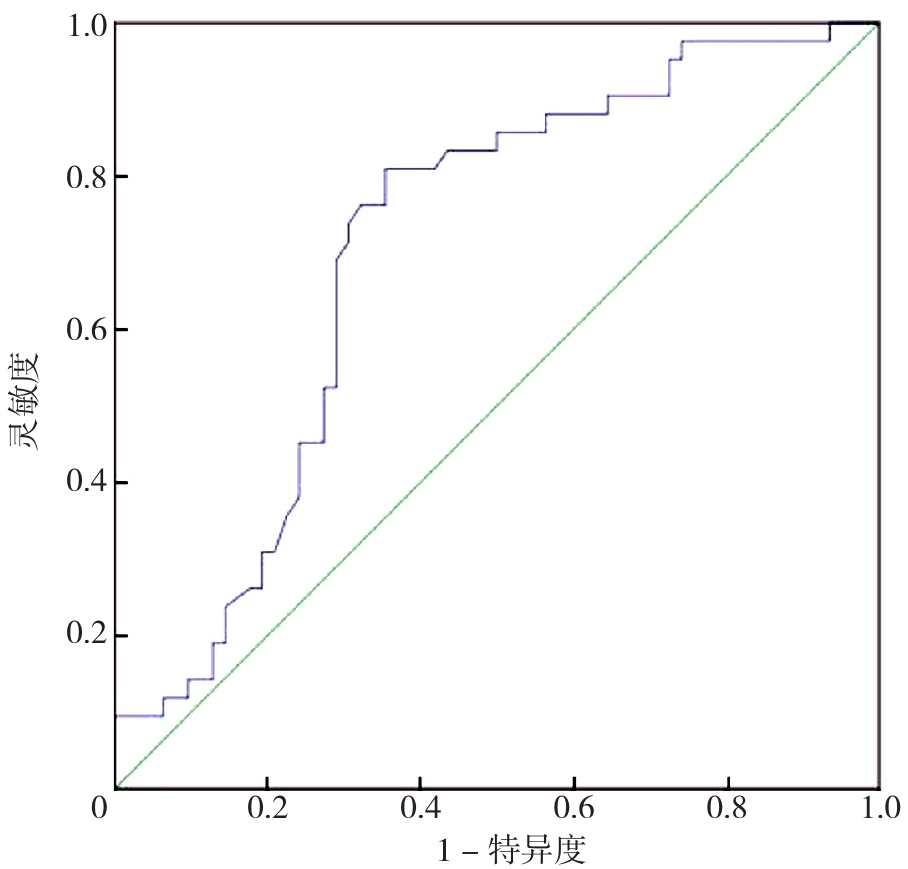
Figure 1 ROC curve for SF-1 mRNA level predicting postoperative recurrence in PA patients
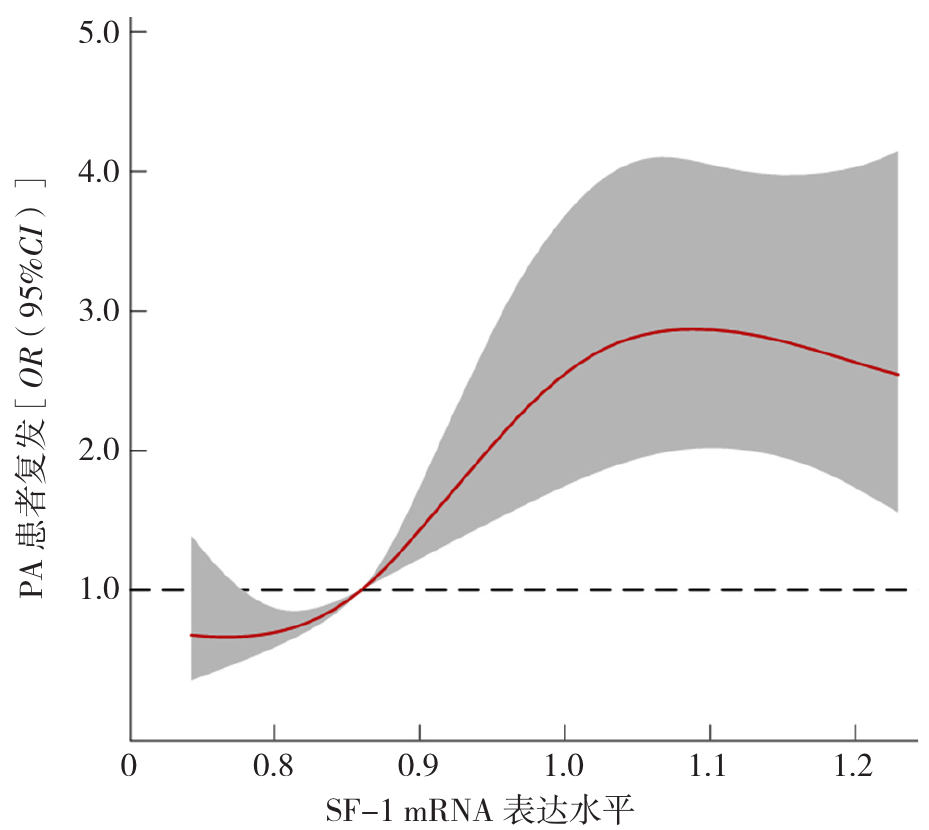
Figure 2 Restricted cubic spline showing the relationship between SF-1 mRNA expression level and recurrence risk
| 模型 | OR(95%CI) | P值 |
|---|---|---|
| 模型Ⅰ | ||
| 标准线性效应 | 1.008(1.005~1.012) | <0.001 |
| 模型Ⅱ | ||
| SF-1 mRNA表达水平的拐点 | 0.870 | |
| SF-1 mRNA表达水平≤0.87 | 1.006(1.002~1.011) | 0.026 |
| SF-1 mRNA表达水平>0.87 | 1.007(1.005~1.009) | 0.017 |
| 效应差 | 0.013 | <0.001 |
| 对数似然比检验(LRT) | <0.001 |
Table 6 Threshold-effect analysis results for SF-1 mRNA expression and PA recurrence
| 模型 | OR(95%CI) | P值 |
|---|---|---|
| 模型Ⅰ | ||
| 标准线性效应 | 1.008(1.005~1.012) | <0.001 |
| 模型Ⅱ | ||
| SF-1 mRNA表达水平的拐点 | 0.870 | |
| SF-1 mRNA表达水平≤0.87 | 1.006(1.002~1.011) | 0.026 |
| SF-1 mRNA表达水平>0.87 | 1.007(1.005~1.009) | 0.017 |
| 效应差 | 0.013 | <0.001 |
| 对数似然比检验(LRT) | <0.001 |
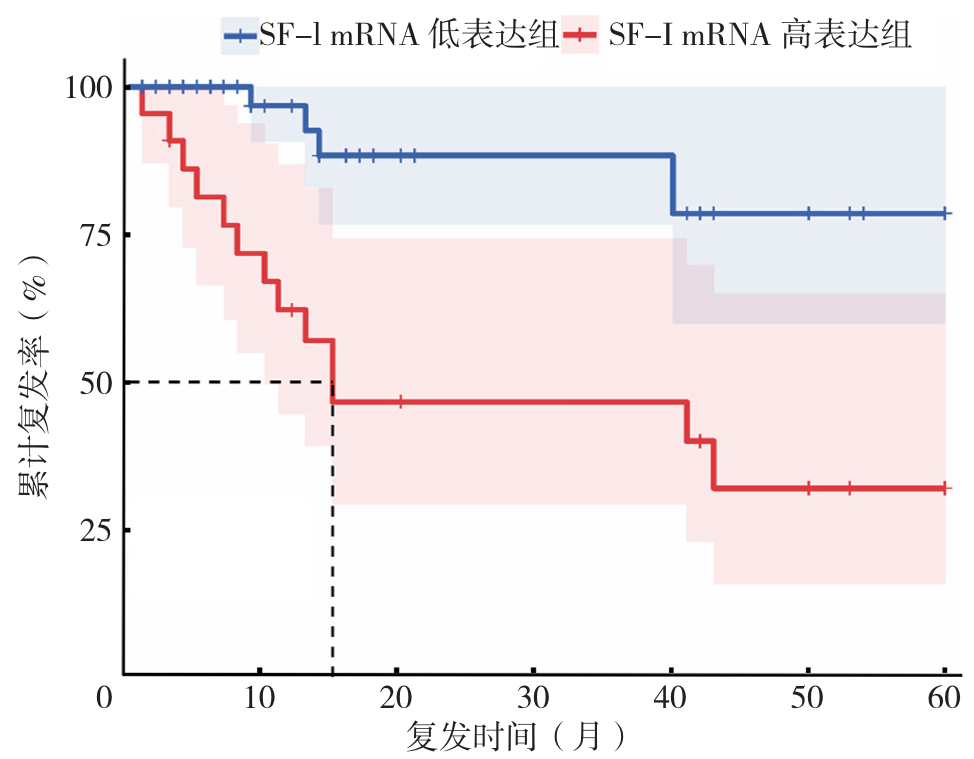
Figure 3 Relationship between relative SF-1 mRNA expression level and postoperative recurrence
| [1] |
赵雪宁, 王晓晨, 王思慧, 等. MRI影像组学用于垂体腺瘤研究进展[J]. 中国医学影像技术, 2024, 40(10): 1619-1622. DOI: 10.13929/j.issn.1003-3289.2024.10.034.
|
| [2] |
吴炜, 刘永亮, 王彦, 等. 垂体腺瘤患者Delta样蛋白1同源物、母系表达基因3、母系表达基因8基因表达水平及其临床意义研究[J]. 实用心脑肺血管病杂志, 2023, 31(6): 90-96. DOI: 10.12114/j.issn.1008-5971.2023.00.152.
|
| [3] |
|
| [4] |
董文洁, 周俊林. MRI影像组学在垂体神经内分泌肿瘤中的研究进展[J]. 磁共振成像, 2024, 15(6): 179-184. DOI: 10.12015/issn.1674-8034.2024.06.028.
|
| [5] |
|
| [6] |
|
| [7] |
王传伟, 杜国然, 王延召, 等. 儿童垂体腺瘤诊断与治疗进展[J]. 中国现代神经疾病杂志, 2024, 24(9): 717-722. DOI: 10.3969/j.issn.1672-6731.2024.09.005.
|
| [8] |
|
| [9] |
|
| [10] |
黄伟莉, 任明军, 彭根英, 等. 经鼻蝶窦入路垂体瘤切除术后颅内感染病原学及其影响因素[J]. 中华医院感染学杂志, 2021, 31(6): 876-880. DOI: 10.11816/cn.ni.2021-202171.
|
| [11] |
|
| [12] |
|
| [13] |
|
| [14] |
|
| [15] |
|
| [16] |
|
| [17] |
|
| [18] |
|
| [19] |
|
| [20] |
|
| [21] |
|
| [1] | ZENG Ling, XIE Leyun, YU Renhe, SONG Lin, ZENG Saizhen. Age-stratified Clinical Characteristics and Risk Factors for Lobar Pneumonia in Children with Mycoplasma Pneumoniae Pneumonia [J]. Chinese General Practice, 2026, 29(32): 4752-4758. |
| [2] | ZHANG Tianyu, CHEN Fei, LI Xin, ZHANG Jiajia, SHEN Man, ZHAN Xiaokai, TANG Ran, FAN Sibin, ZHAO Fengyi, HUANG Zhongxia. Significance of Elevated Levels of Leukocyte Immunoglobulin-like Receptor B1, CD36, and Lymphatic Enhancer Factor 1 in Patients with Myeloma [J]. Chinese General Practice, 2026, 29(29): 4272-4280. |
| [3] | LI Jiao, ZHOU Jianjie, PENG Lang, MEI Yingbing, TAN Zihu. Development and Validation of a Risk Prediction Model for Poor Prognosis in Alzheimer's Disease Patients with Community-acquired Pneumonia [J]. Chinese General Practice, 2026, 29(29): 4248-4257. |
| [4] | YAN Yi, JIANG Yu, CHEN Bi, ZHANG Cantang, WANG Jing. Study on the Predictive Value of a Multi-parameter Model Based on Lymphocyte Count for the Prognosis of Patients with Acute Exacerbation of Interstitial Lung Disease Complicated with Pulmonary Infection [J]. Chinese General Practice, 2026, 29(26): 3760-3766. |
| [5] | ZHAO Sinan, LIN Shan, KANG Xi, WANG Chunyan, WANG Shunxiang. Impact of Immune Inhibitory Factors Programmed Cell Death Ligand 1 and T Cell Immunoglobulin Mucin-3 on the Prognosis of Hepatocellular Carcinoma Patients [J]. Chinese General Practice, 2026, 29(24): 3461-3465. |
| [6] | WANG Xinliang, ZOU Nannan, CHEN Nana, WANG Xin. Analysis of Clinical Characteristics and Prognostic Risk Factors in Patients with Pulmonary Mucormycosis Complicated with Diabetes Mellitus [J]. Chinese General Practice, 2026, 29(22): 3154-3161. |
| [7] | HAN Congcong, QIU Xinyu, SHAN Chunfang, SONG Ning, CHEN Qingjie, MULADILI· Abudureheman, LI Xiaomei, YANG Yining, ZHAO Qian. Impact of Metabolic Obesity Phenotype on Long-term Prognosis after Percutaneous Coronary Intervention in Patients with Acute Coronary Syndrome [J]. Chinese General Practice, 2026, 29(21): 2950-2958. |
| [8] | LIU Yang, ZHOU Guoping, LI Xiaoshi, LI Ping, ZHANG Xin. Impact of Acute Respiratory Distress Syndrome Etiology on the Prognostic Value of Driving Pressure: a Prospective Cohort Study [J]. Chinese General Practice, 2026, 29(19): 2638-2647. |
| [9] | LUAN Xiaoqing, SUN Jingjing, LI Xiaoling, WANG Manxia. Research Progress on Potential Biomarkers of Neuromyelitis Optica Spectrum Disorder [J]. Chinese General Practice, 2026, 29(17): 2418-2424. |
| [10] | ZHENG Renkuo, HUA Fei. The Correlation between Metabolic Dysfunction-associated Steatotic Liver Disease and Papillary Thyroid Carcinoma [J]. Chinese General Practice, 2026, 29(15): 2029-2036. |
| [11] | XIONG Siyu, LU Bing, JIANG Wenhong, YU Tingting. Study on the Relationship between Fructose-1, 6-Bisphosphate Aldolase A Expression before and after Targeted Drug Resistance in Lung Adenocarcinoma and Patient Prognosis [J]. Chinese General Practice, 2026, 29(14): 1883-1889. |
| [12] | SUN Xia, SHEN Wen, TANG Xiang, ZHONG Wei, WANG Kailin, DAI Zhiyin, ZHANG Chaopu, YUAN Wei, YUAN Guoyue. Analysis of Clinical Characteristics in Dilated Cardiomyopathy Patients with Different Weight Statuses and the Influence of Weight Management on the Prognosis [J]. Chinese General Practice, 2026, 29(11): 1448-1455. |
| [13] | XIA Ning, SHI Lan, DING Wanbao, ZHANG Jie, LONG Yi, DAI Hui, ZHANG Can, DAI Hailong. Clinical Characteristics and Prognosis of Patients with Amyloidosis [J]. Chinese General Practice, 2026, 29(09): 1161-1167. |
| [14] | ZHAO Qianqian, ZHANG Mei, LI Yanying, ZHANG Yanhong, YAN Wenhua, PAN Hui, BAN Bo. Clinical Characteristics of Growth Hormone Deficiency and Analysis of the Efficacy of Recombinant Human Growth Hormone: a Ten-year Longitudinal Cohort Study [J]. Chinese General Practice, 2026, 29(06): 733-740. |
| [15] | WANG Lina, LEI Jingshu, LI Kuibao, WANG Ruiying, LI Xinmiao, WANG Fangfang, GUO Xiaorong, NIU Ruihao, ZHAO Wei, ZHOU Fangfang, ZHAO Jingjing, LEE CHONGYOU. Review on Inflammatory Response in Patients with Acute Myocardial Infarction [J]. Chinese General Practice, 2026, 29(06): 790-801. |
| Viewed | ||||||
|
Full text |
|
|||||
|
Abstract |
|
|||||
