
Chinese General Practice ›› 2026, Vol. 29 ›› Issue (27): 3985-3994.DOI: 10.12114/j.issn.1007-9572.2025.0116
• Article·Drug Use Guide • Previous Articles Next Articles
Received:2025-03-10
Revised:2025-09-20
Published:2026-09-20
Online:2026-08-11
Contact:
WANG Junhong
通讯作者:
王俊宏
作者简介:作者贡献:
姜妍琳提出研究选题,负责研究设计、文献检索与质量评价、数据提取与分析、撰写论文初稿;王喆参与论文初稿撰写并负责修订;翟睿、张梦洁负责文献检索和数据提取;陈溪负责数据分析和图表绘制;王俊宏负责文章质量的控制及审校,对文章整体负责,监督管理。
基金资助:
Add to citation manager EndNote|Ris|BibTeX
URL: https://www.chinagp.net/EN/10.12114/j.issn.1007-9572.2025.0116
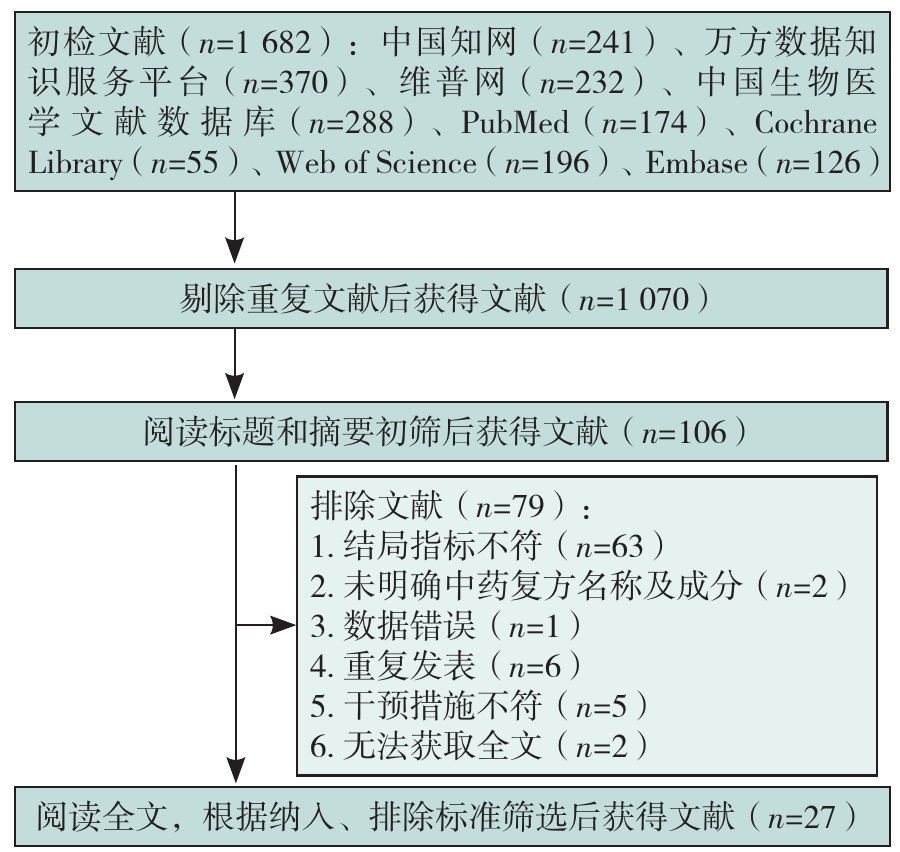
Figure 1 Literature screening flow chart
| 第一作者 | 发表时间(年) | 中药组 | 对照组 | 干预周期(周) | 样本量(例) | 总有效率[例(%)] | 治疗后多动指数评分( | |||||
|---|---|---|---|---|---|---|---|---|---|---|---|---|
| 药物 | 频次(次/d) | 药物 | 频次(次/d) | 中药组 | 对照组 | 中药组 | 对照组 | 中药组 | 对照组 | |||
| 张太君[ | 2011 | 龙牡安神颗粒 | 2 | 静灵口服液 | 2 | 6 | 233 | 77 | 197(84.55) | 57(74.03) | 1.05±0.56 | 1.19±0.59 |
| 曹举伟[ | 2021 | 竹莲温胆汤 | 3 | 托莫西汀 | 1 | 4 | 33 | 32 | 27(81.82) | 27(84.38) | 1.48±0.39 | 1.39±0.41 |
| 张莺凡[ | 2019 | 宁动颗粒 | 2 | 静灵口服液 | 2 | 8 | 29 | 28 | 25(86.21) | 20(71.43) | 0.54±0.44 | 1.28±0.48 |
| 余启超[ | 2010 | 宁神颗粒 | 2 | 静灵口服液 | 2 | 6 | 72 | 24 | 53(73.61) | 16(66.67) | 1.22±0.47 | 1.17±0.50 |
| 顾国祥[ | 2019 | 安神定志灵 | 2 | 托莫西汀 | 1 | 8 | 35 | 28 | 23(65.71) | 19(67.86) | 1.23±0.24 | 1.24±0.19 |
| 蒋永忠[ | 2006 | 熟地合剂 | 2 | 哌甲酯 | 1 | 12 | 40 | 40 | 26(65.00) | 29(72.50) | 1.14±0.13 | 1.09±0.18 |
| 胡巍鹏[ | 2011 | 多动停汤 | 2 | 哌甲酯 | 2 | 8 | 30 | 30 | 27(90.00) | 28(93.33) | 0.36±0.30 | 0.43±0.31 |
| 蒋芸[ | 2011 | 多动停汤 | 2 | 哌甲酯 | 2 | 5 | 31 | 31 | 26(83.87) | 25(80.65) | 1.51±0.76 | 1.38±0.75 |
| 丁惠玲[ | 2019 | 泻心宁神汤 | 2 | 哌甲酯 | 1 | 12 | 72 | 72 | 61(84.72) | 58(80.56) | 1.25±0.20 | 1.59±0.25 |
| 刘诗贤[ | 2024 | 杞菊地黄汤 | 2 | 托莫西汀 | 1 | 12 | 48 | 48 | 46(95.83) | 40(83.33) | 1.02±0.23 | 1.79±0.38 |
| 王基鑫[ | 2006 | 静宁汤 | 2 | 哌甲酯 | 1 | 12 | 50 | 50 | 38(76.00) | 37(74.00) | 1.01±0.17 | 0.98±0.18 |
| 林玉霖[ | 2007 | 宁神口服液 | 2 | 哌甲酯 | 1 | 12 | 40 | 40 | 27(67.50) | 29(72.50) | 1.42±0.44 | 1.38±0.52 |
| 李亚平[ | 2003 | 益智宁神颗粒 | 2 | 哌甲酯 | 2 | 6 | 29 | 24 | 26(89.66) | 21(87.50) | 1.01±0.46 | 1.18±0.52 |
| 马融[ | 2007 | 益智宁神颗粒 | 2 | 静灵口服液 | 2 | 24 | 55 | 53 | 50(90.91) | 48(90.57) | 0.59±0.49 | 0.79±0.60 |
| 哌甲酯 | 2 | 24 | 51 | 44(86.27) | 0.84±0.66 | |||||||
| 罗政宝[ | 2009 | 滋肾养肝方 | 2 | 哌甲酯 | 2 | 12 | 52 | 50 | 45(86.54) | 34(68.00) | 1.77±0.24 | 1.84±0.31 |
| 刘成全[ | 2010 | 安神定志灵 | 2 | 哌甲酯 | 2 | 12 | 30 | 30 | 26(86.67) | 25(83.33) | 1.57±0.16 | 1.54±0.18 |
| 丁国安[ | 1999 | 益智合剂 | 2 | 哌甲酯 | 2 | 12 | 50 | 50 | 39(78.00) | 41(82.00) | 1.02±0.49 | 1.00±0.62 |
| 刘小凡[ | 2014 | 小儿黄龙颗粒 | 2 | 静灵口服液 | 2 | 6 | 224 | 75 | 187(83.48) | 50(66.67) | 1.02±0.55 | 1.18±0.60 |
| 赵怀安[ | 2005 | 多动宁胶囊 | 3 | 哌甲酯 | 2 | 12 | 40 | 40 | 31(77.50) | 30(75.00) | 1.41±0.62 | 1.41±0.62 |
| 朱锐明[ | 2005 | 滋阴益智方 | 2 | 哌甲酯 | 1 | 6 | 42 | 30 | 36(85.71) | 26(86.67) | 1.2±0.4 | 1.2±0.4 |
| 丁国安[ | 2002 | 益智合剂 | 2 | 哌甲酯 | 2 | 12 | 70 | 70 | 53(75.71) | 52(74.29) | 1.42±0.49 | 1.40±0.62 |
| 陈永辉[ | 2001 | 益智丹胶囊 | 3 | 哌甲酯 | 2 | 8 | 90 | 30 | 79(87.78) | 26(86.67) | 1.36±0.61 | 1.28±0.72 |
| 于作洋[ | 2005 | 静宁汤 | 2 | 哌甲酯 | 2 | 12 | 68 | 20 | 61(89.71) | 18(90.00) | 1.52±0.75 | 1.39±0.76 |
| 魏小维[ | 2011 | 小儿智力糖浆 | 3 | 哌甲酯 | 2 | 6 | 60 | 59 | 54(88.33) | 45(76.27) | 1.11±0.44 | 1.11±0.41 |
| 李一民[ | 2012 | 小儿智力糖浆 | 3 | 哌甲酯 | 2 | 12 | 43 | 43 | 38(88.37) | 32(74.42) | 0.89±0.38 | 0.95±0.30 |
| 黄斌[ | 2013 | 多动宁胶囊 | 3 | 哌甲酯 | 2 | 8 | 64 | 32 | 57(89.06) | 27(84.37) | 1.43±0.71 | 1.39±0.68 |
| 赖维阳[ | 2013 | 小儿智力糖浆 | 3 | 哌甲酯 | 2 | 12 | 33 | 28 | 28(84.84) | 24(85.71) | 0.88±0.41 | 0.80±0.41 |
Table 1 The basic characteristics of included literature
| 第一作者 | 发表时间(年) | 中药组 | 对照组 | 干预周期(周) | 样本量(例) | 总有效率[例(%)] | 治疗后多动指数评分( | |||||
|---|---|---|---|---|---|---|---|---|---|---|---|---|
| 药物 | 频次(次/d) | 药物 | 频次(次/d) | 中药组 | 对照组 | 中药组 | 对照组 | 中药组 | 对照组 | |||
| 张太君[ | 2011 | 龙牡安神颗粒 | 2 | 静灵口服液 | 2 | 6 | 233 | 77 | 197(84.55) | 57(74.03) | 1.05±0.56 | 1.19±0.59 |
| 曹举伟[ | 2021 | 竹莲温胆汤 | 3 | 托莫西汀 | 1 | 4 | 33 | 32 | 27(81.82) | 27(84.38) | 1.48±0.39 | 1.39±0.41 |
| 张莺凡[ | 2019 | 宁动颗粒 | 2 | 静灵口服液 | 2 | 8 | 29 | 28 | 25(86.21) | 20(71.43) | 0.54±0.44 | 1.28±0.48 |
| 余启超[ | 2010 | 宁神颗粒 | 2 | 静灵口服液 | 2 | 6 | 72 | 24 | 53(73.61) | 16(66.67) | 1.22±0.47 | 1.17±0.50 |
| 顾国祥[ | 2019 | 安神定志灵 | 2 | 托莫西汀 | 1 | 8 | 35 | 28 | 23(65.71) | 19(67.86) | 1.23±0.24 | 1.24±0.19 |
| 蒋永忠[ | 2006 | 熟地合剂 | 2 | 哌甲酯 | 1 | 12 | 40 | 40 | 26(65.00) | 29(72.50) | 1.14±0.13 | 1.09±0.18 |
| 胡巍鹏[ | 2011 | 多动停汤 | 2 | 哌甲酯 | 2 | 8 | 30 | 30 | 27(90.00) | 28(93.33) | 0.36±0.30 | 0.43±0.31 |
| 蒋芸[ | 2011 | 多动停汤 | 2 | 哌甲酯 | 2 | 5 | 31 | 31 | 26(83.87) | 25(80.65) | 1.51±0.76 | 1.38±0.75 |
| 丁惠玲[ | 2019 | 泻心宁神汤 | 2 | 哌甲酯 | 1 | 12 | 72 | 72 | 61(84.72) | 58(80.56) | 1.25±0.20 | 1.59±0.25 |
| 刘诗贤[ | 2024 | 杞菊地黄汤 | 2 | 托莫西汀 | 1 | 12 | 48 | 48 | 46(95.83) | 40(83.33) | 1.02±0.23 | 1.79±0.38 |
| 王基鑫[ | 2006 | 静宁汤 | 2 | 哌甲酯 | 1 | 12 | 50 | 50 | 38(76.00) | 37(74.00) | 1.01±0.17 | 0.98±0.18 |
| 林玉霖[ | 2007 | 宁神口服液 | 2 | 哌甲酯 | 1 | 12 | 40 | 40 | 27(67.50) | 29(72.50) | 1.42±0.44 | 1.38±0.52 |
| 李亚平[ | 2003 | 益智宁神颗粒 | 2 | 哌甲酯 | 2 | 6 | 29 | 24 | 26(89.66) | 21(87.50) | 1.01±0.46 | 1.18±0.52 |
| 马融[ | 2007 | 益智宁神颗粒 | 2 | 静灵口服液 | 2 | 24 | 55 | 53 | 50(90.91) | 48(90.57) | 0.59±0.49 | 0.79±0.60 |
| 哌甲酯 | 2 | 24 | 51 | 44(86.27) | 0.84±0.66 | |||||||
| 罗政宝[ | 2009 | 滋肾养肝方 | 2 | 哌甲酯 | 2 | 12 | 52 | 50 | 45(86.54) | 34(68.00) | 1.77±0.24 | 1.84±0.31 |
| 刘成全[ | 2010 | 安神定志灵 | 2 | 哌甲酯 | 2 | 12 | 30 | 30 | 26(86.67) | 25(83.33) | 1.57±0.16 | 1.54±0.18 |
| 丁国安[ | 1999 | 益智合剂 | 2 | 哌甲酯 | 2 | 12 | 50 | 50 | 39(78.00) | 41(82.00) | 1.02±0.49 | 1.00±0.62 |
| 刘小凡[ | 2014 | 小儿黄龙颗粒 | 2 | 静灵口服液 | 2 | 6 | 224 | 75 | 187(83.48) | 50(66.67) | 1.02±0.55 | 1.18±0.60 |
| 赵怀安[ | 2005 | 多动宁胶囊 | 3 | 哌甲酯 | 2 | 12 | 40 | 40 | 31(77.50) | 30(75.00) | 1.41±0.62 | 1.41±0.62 |
| 朱锐明[ | 2005 | 滋阴益智方 | 2 | 哌甲酯 | 1 | 6 | 42 | 30 | 36(85.71) | 26(86.67) | 1.2±0.4 | 1.2±0.4 |
| 丁国安[ | 2002 | 益智合剂 | 2 | 哌甲酯 | 2 | 12 | 70 | 70 | 53(75.71) | 52(74.29) | 1.42±0.49 | 1.40±0.62 |
| 陈永辉[ | 2001 | 益智丹胶囊 | 3 | 哌甲酯 | 2 | 8 | 90 | 30 | 79(87.78) | 26(86.67) | 1.36±0.61 | 1.28±0.72 |
| 于作洋[ | 2005 | 静宁汤 | 2 | 哌甲酯 | 2 | 12 | 68 | 20 | 61(89.71) | 18(90.00) | 1.52±0.75 | 1.39±0.76 |
| 魏小维[ | 2011 | 小儿智力糖浆 | 3 | 哌甲酯 | 2 | 6 | 60 | 59 | 54(88.33) | 45(76.27) | 1.11±0.44 | 1.11±0.41 |
| 李一民[ | 2012 | 小儿智力糖浆 | 3 | 哌甲酯 | 2 | 12 | 43 | 43 | 38(88.37) | 32(74.42) | 0.89±0.38 | 0.95±0.30 |
| 黄斌[ | 2013 | 多动宁胶囊 | 3 | 哌甲酯 | 2 | 8 | 64 | 32 | 57(89.06) | 27(84.37) | 1.43±0.71 | 1.39±0.68 |
| 赖维阳[ | 2013 | 小儿智力糖浆 | 3 | 哌甲酯 | 2 | 12 | 33 | 28 | 28(84.84) | 24(85.71) | 0.88±0.41 | 0.80±0.41 |
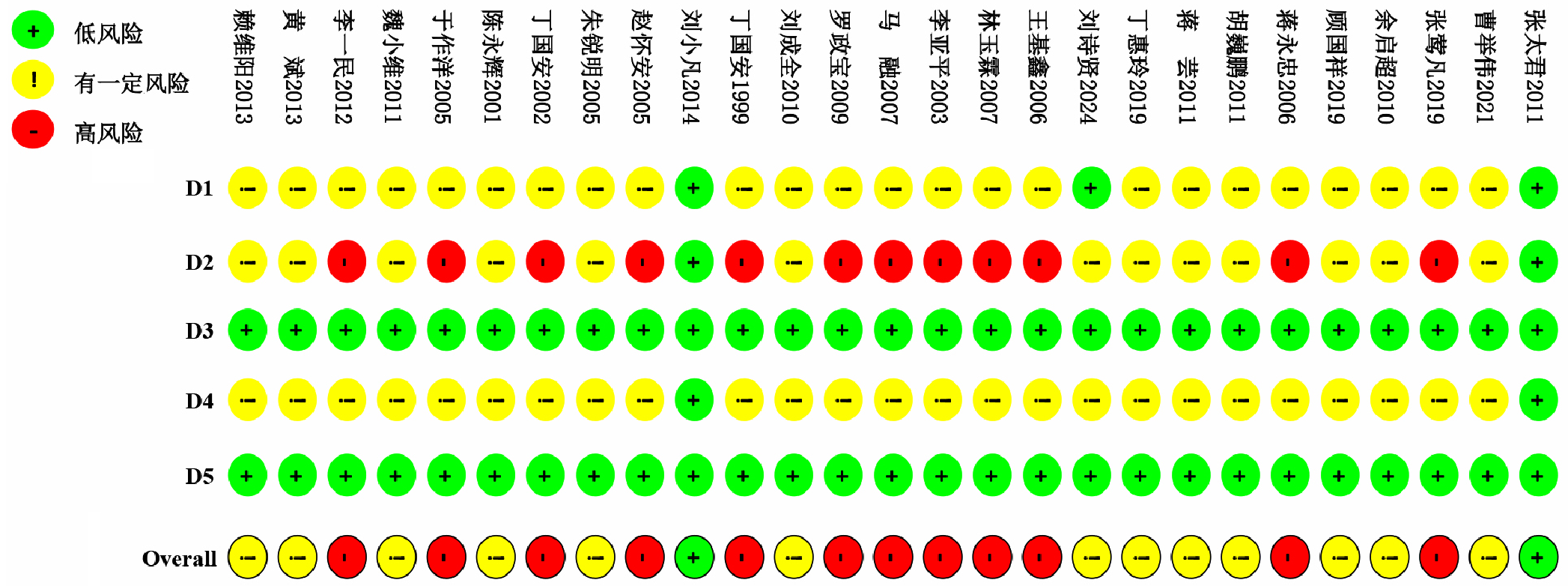
Figure 2 Bias assessment chart of the included literature
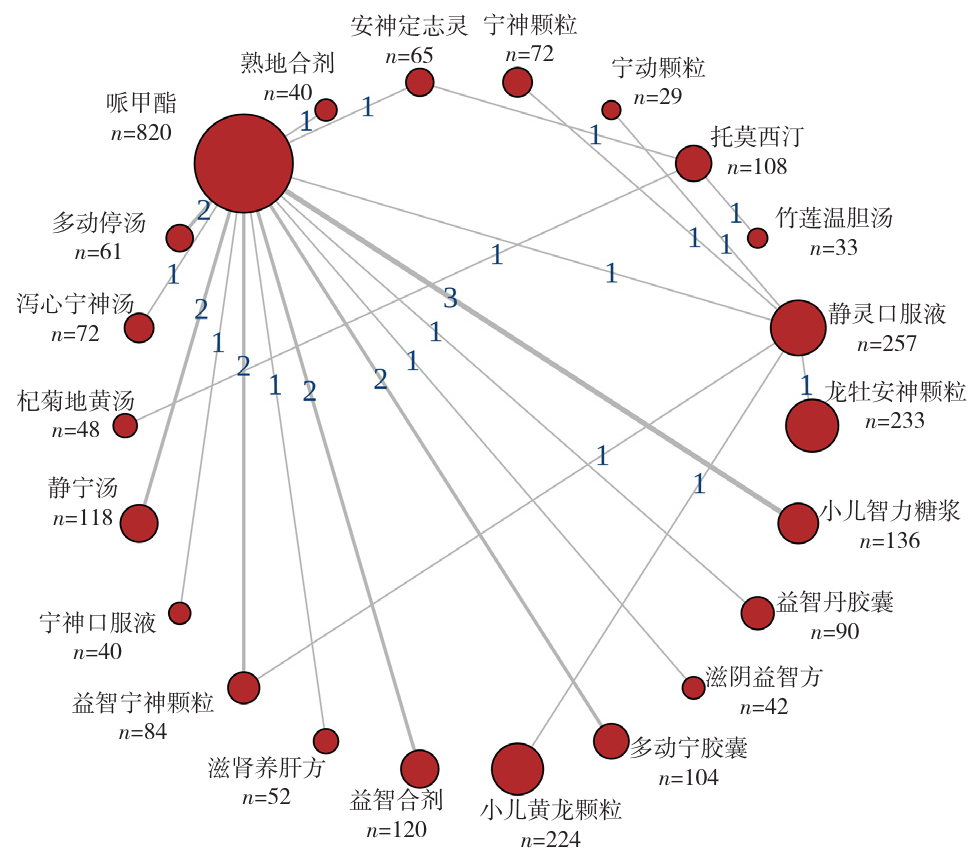
Figure 3 Network plots of each outcome indicators for intervention
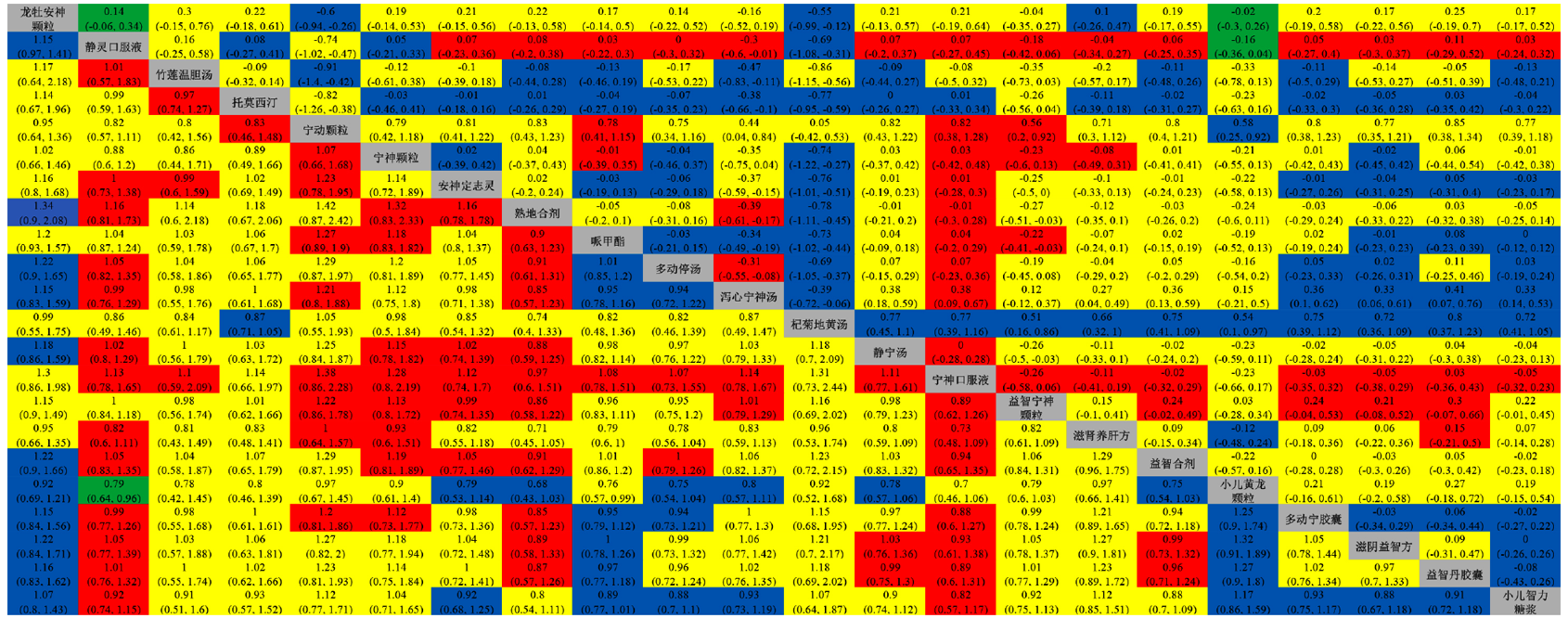
Figure 4 Pairwise comparisons results of efficiency rate and Hyperactivity Index
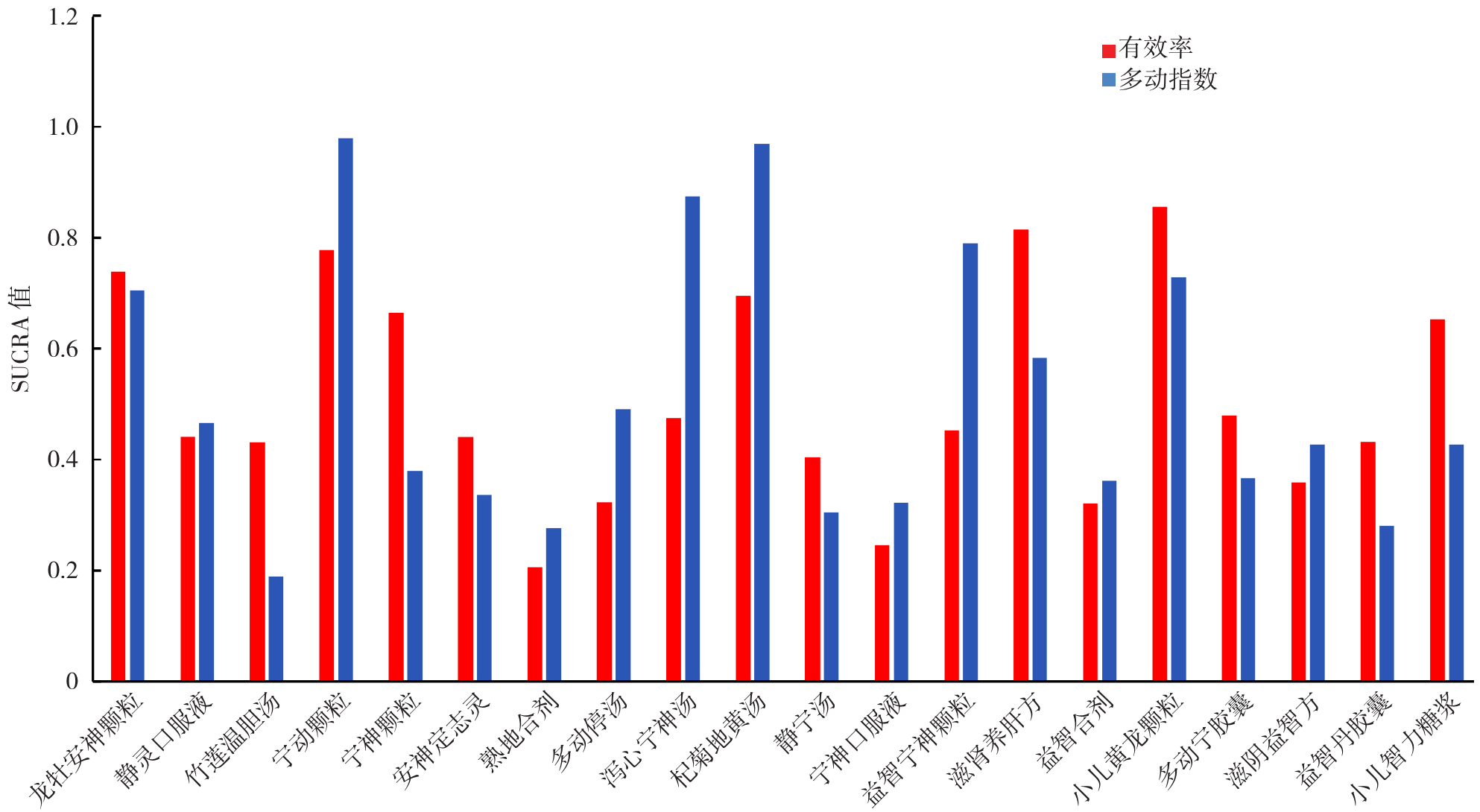
Figure 5 Comparison of efficacy rates and hyperactivity index of SUCRA values among TCM compound formulas
| 中药复方 | 有效率(SUCRA值) | 多动指数(SUCRA值) | 干预周期(周,加权后) | 用药频次(次/d,加权后) |
|---|---|---|---|---|
| 龙牡安神颗粒[ | 0.74 | 0.70 | 6.00 | 2.00 |
| 静灵口服液[ | 0.44 | 0.47 | 9.93 | 2.00 |
| 竹莲温胆汤[ | 0.43 | 0.19 | 4.00 | 3.00 |
| 宁动颗粒[ | 0.78 | 0.98 | 8.00 | 2.00 |
| 宁神颗粒[ | 0.66 | 0.38 | 6.00 | 2.00 |
| 安神定志灵[ | 0.44 | 0.34 | 9.85 | 2.00 |
| 熟地合剂[ | 0.21 | 0.28 | 12.00 | 2.00 |
| 多动停汤[ | 0.32 | 0.49 | 6.48 | 2.00 |
| 泻心宁神汤[ | 0.47 | 0.87 | 12.00 | 2.00 |
| 杞菊地黄汤[ | 0.70 | 0.97 | 12.00 | 2.00 |
| 静宁汤[ | 0.40 | 0.30 | 12.00 | 2.00 |
| 宁神口服液[ | 0.25 | 0.32 | 12.00 | 2.00 |
| 益智宁神颗粒[ | 0.45 | 0.79 | 17.79 | 2.00 |
| 滋肾养肝方[ | 0.81 | 0.58 | 12.00 | 2.00 |
| 益智合剂[ | 0.32 | 0.36 | 12.00 | 2.00 |
| 小儿黄龙颗粒[ | 0.85 | 0.73 | 6.00 | 2.00 |
| 多动宁胶囊[ | 0.48 | 0.37 | 9.54 | 3.00 |
| 滋阴益智方[ | 0.36 | 0.43 | 6.00 | 2.00 |
| 益智丹胶囊[ | 0.43 | 0.28 | 8.00 | 3.00 |
| 小儿智力糖浆[ | 0.65 | 0.43 | 9.35 | 3.00 |
Table 2 Characteristics of each criterion for different treatment plans
| 中药复方 | 有效率(SUCRA值) | 多动指数(SUCRA值) | 干预周期(周,加权后) | 用药频次(次/d,加权后) |
|---|---|---|---|---|
| 龙牡安神颗粒[ | 0.74 | 0.70 | 6.00 | 2.00 |
| 静灵口服液[ | 0.44 | 0.47 | 9.93 | 2.00 |
| 竹莲温胆汤[ | 0.43 | 0.19 | 4.00 | 3.00 |
| 宁动颗粒[ | 0.78 | 0.98 | 8.00 | 2.00 |
| 宁神颗粒[ | 0.66 | 0.38 | 6.00 | 2.00 |
| 安神定志灵[ | 0.44 | 0.34 | 9.85 | 2.00 |
| 熟地合剂[ | 0.21 | 0.28 | 12.00 | 2.00 |
| 多动停汤[ | 0.32 | 0.49 | 6.48 | 2.00 |
| 泻心宁神汤[ | 0.47 | 0.87 | 12.00 | 2.00 |
| 杞菊地黄汤[ | 0.70 | 0.97 | 12.00 | 2.00 |
| 静宁汤[ | 0.40 | 0.30 | 12.00 | 2.00 |
| 宁神口服液[ | 0.25 | 0.32 | 12.00 | 2.00 |
| 益智宁神颗粒[ | 0.45 | 0.79 | 17.79 | 2.00 |
| 滋肾养肝方[ | 0.81 | 0.58 | 12.00 | 2.00 |
| 益智合剂[ | 0.32 | 0.36 | 12.00 | 2.00 |
| 小儿黄龙颗粒[ | 0.85 | 0.73 | 6.00 | 2.00 |
| 多动宁胶囊[ | 0.48 | 0.37 | 9.54 | 3.00 |
| 滋阴益智方[ | 0.36 | 0.43 | 6.00 | 2.00 |
| 益智丹胶囊[ | 0.43 | 0.28 | 8.00 | 3.00 |
| 小儿智力糖浆[ | 0.65 | 0.43 | 9.35 | 3.00 |
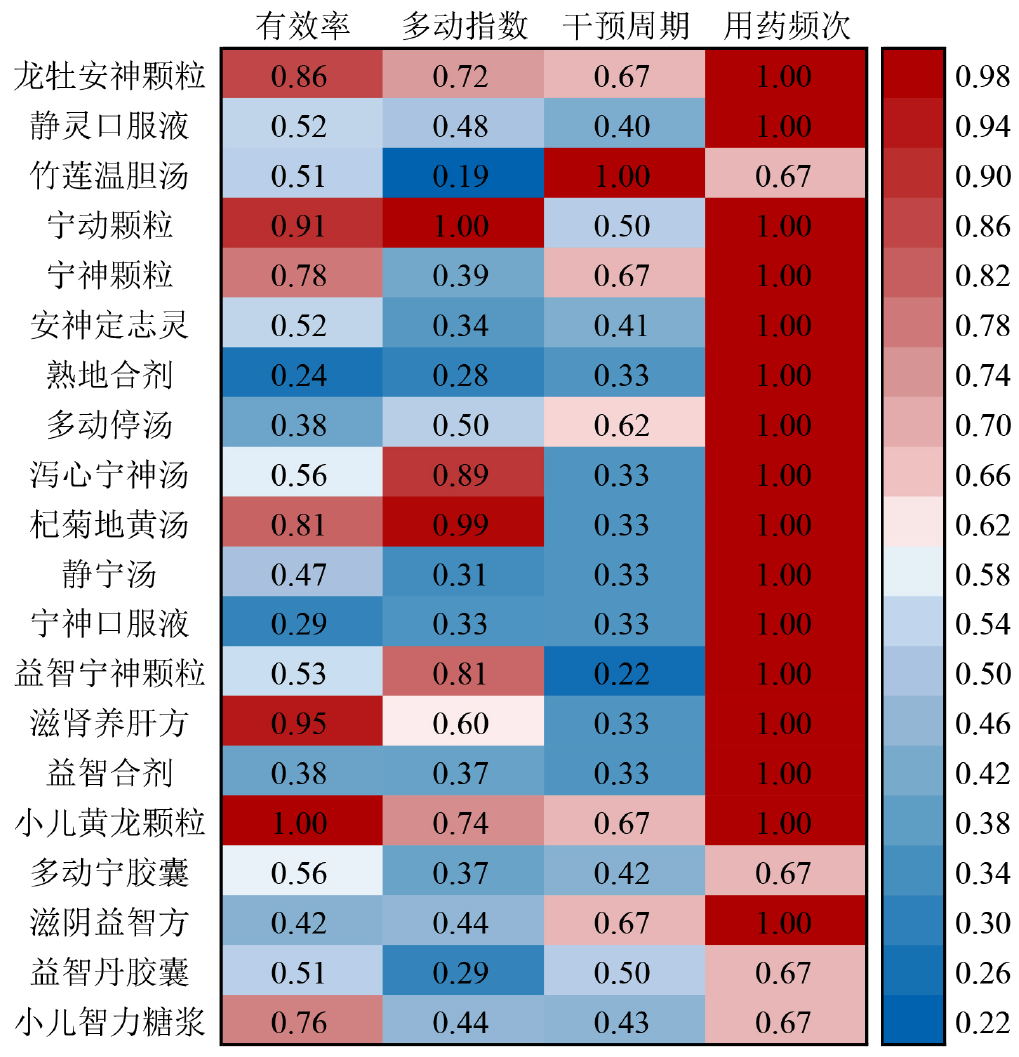
Figure 6 Heat map of normalized decision matrix
| 评价指标 | e | d | w |
|---|---|---|---|
| 有效率 | 0.977 3 | 0.022 7 | 27.388 1% |
| 多动指数 | 0.966 0 | 0.034 0 | 41.001 6% |
| 干预周期 | 0.977 5 | 0.022 5 | 27.159 7% |
| 用药频次 | 0.996 3 | 0.003 7 | 4.450 6% |
Table 3 The entropy value,information utility value and weight coefficient of each criterion
| 评价指标 | e | d | w |
|---|---|---|---|
| 有效率 | 0.977 3 | 0.022 7 | 27.388 1% |
| 多动指数 | 0.966 0 | 0.034 0 | 41.001 6% |
| 干预周期 | 0.977 5 | 0.022 5 | 27.159 7% |
| 用药频次 | 0.996 3 | 0.003 7 | 4.450 6% |
| 评价指标 | 正理想解(A+) | 负理想解(A-) |
|---|---|---|
| 有效率 | 0.274 | 0.066 |
| 多动指数 | 0.410 | 0.079 |
| 干预周期 | 0.272 | 0.061 |
| 用药频次 | 0.045 | 0.030 |
Table 4 Positive and negative ideal solutions for each criterion
| 评价指标 | 正理想解(A+) | 负理想解(A-) |
|---|---|---|
| 有效率 | 0.274 | 0.066 |
| 多动指数 | 0.410 | 0.079 |
| 干预周期 | 0.272 | 0.061 |
| 用药频次 | 0.045 | 0.030 |
| 用药方案 | 正理想解距离(D+) | 负理想解距离(D-) | 相对贴近度(C) | 排序结果 |
|---|---|---|---|---|
| 龙牡安神颗粒 | 0.151 | 0.300 | 0.665 | 3 |
| 静灵口服液 | 0.300 | 0.147 | 0.329 | 13 |
| 竹莲温胆汤 | 0.358 | 0.223 | 0.384 | 10 |
| 宁动颗粒 | 0.138 | 0.386 | 0.736 | 1 |
| 宁神颗粒 | 0.274 | 0.206 | 0.430 | 8 |
| 安神定志灵 | 0.341 | 0.110 | 0.243 | 15 |
| 熟地合剂 | 0.403 | 0.049 | 0.109 | 20 |
| 多动停汤 | 0.286 | 0.170 | 0.373 | 11 |
| 泻心宁神汤 | 0.223 | 0.301 | 0.575 | 5 |
| 杞菊地黄汤 | 0.188 | 0.364 | 0.659 | 4 |
| 静宁汤 | 0.365 | 0.086 | 0.191 | 18 |
| 宁神口服液 | 0.383 | 0.066 | 0.147 | 19 |
| 益智宁神颗粒 | 0.259 | 0.264 | 0.505 | 7 |
| 滋肾养肝方 | 0.246 | 0.257 | 0.511 | 6 |
| 益智合剂 | 0.359 | 0.088 | 0.196 | 17 |
| 小儿黄龙颗粒 | 0.138 | 0.330 | 0.704 | 2 |
| 多动宁胶囊 | 0.325 | 0.126 | 0.280 | 14 |
| 滋阴益智方 | 0.295 | 0.164 | 0.357 | 12 |
| 益智丹胶囊 | 0.350 | 0.111 | 0.240 | 16 |
| 小儿智力糖浆 | 0.286 | 0.182 | 0.389 | 9 |
Table 5 Final evaluation results of each treatment plan based on TOPSIS method
| 用药方案 | 正理想解距离(D+) | 负理想解距离(D-) | 相对贴近度(C) | 排序结果 |
|---|---|---|---|---|
| 龙牡安神颗粒 | 0.151 | 0.300 | 0.665 | 3 |
| 静灵口服液 | 0.300 | 0.147 | 0.329 | 13 |
| 竹莲温胆汤 | 0.358 | 0.223 | 0.384 | 10 |
| 宁动颗粒 | 0.138 | 0.386 | 0.736 | 1 |
| 宁神颗粒 | 0.274 | 0.206 | 0.430 | 8 |
| 安神定志灵 | 0.341 | 0.110 | 0.243 | 15 |
| 熟地合剂 | 0.403 | 0.049 | 0.109 | 20 |
| 多动停汤 | 0.286 | 0.170 | 0.373 | 11 |
| 泻心宁神汤 | 0.223 | 0.301 | 0.575 | 5 |
| 杞菊地黄汤 | 0.188 | 0.364 | 0.659 | 4 |
| 静宁汤 | 0.365 | 0.086 | 0.191 | 18 |
| 宁神口服液 | 0.383 | 0.066 | 0.147 | 19 |
| 益智宁神颗粒 | 0.259 | 0.264 | 0.505 | 7 |
| 滋肾养肝方 | 0.246 | 0.257 | 0.511 | 6 |
| 益智合剂 | 0.359 | 0.088 | 0.196 | 17 |
| 小儿黄龙颗粒 | 0.138 | 0.330 | 0.704 | 2 |
| 多动宁胶囊 | 0.325 | 0.126 | 0.280 | 14 |
| 滋阴益智方 | 0.295 | 0.164 | 0.357 | 12 |
| 益智丹胶囊 | 0.350 | 0.111 | 0.240 | 16 |
| 小儿智力糖浆 | 0.286 | 0.182 | 0.389 | 9 |
| [1] |
|
| [2] |
|
| [3] |
|
| [4] |
|
| [5] |
|
| [6] |
|
| [7] |
|
| [8] |
张馥玉,李亚平. 中药复方治疗儿童注意缺陷多动障碍疗效与安全性的Meta分析[J]. 江西中医药, 2022, 53(5): 28-35.
|
| [9] |
刘丽,周良安,孙亚磊. 中成药治疗儿童注意缺陷多动障碍的贝叶斯网状Meta分析[J]. 中草药, 2022, 53(14): 4447-4464. DOI: 10.7501/j.issn.0253-2670.2022.14.024.
|
| [10] |
田金徽,李伦. 网状Meta分析方法与实践[M]. 北京: 中国医药科技出版社, 2017.
|
| [11] |
|
| [12] |
李运,张霁,徐福荣, 等. 多指标决策分析TOPSIS对三七的质量评价研究[J]. 中草药, 2017, 48(22): 4764-4771. DOI: 10.7501/j.issn.0253-2670.2017.22.027.
|
| [13] |
刘晶,赵锐,李宗友, 等. 基于熵权TOPSIS法的全国公立中医类医院中医药特色服务现状分析[J]. 中国医院管理, 2025, 45(1): 55-59.
|
| [14] |
朱芊芊,汪诗沁,周旭香, 等. 熵权逼近理想排序法结合谱效分析辨识菊花抗氧化功能的物质基础[J]. 医药导报, 2024, 43(6): 956-964. DOI: 10.3870/j.issn.1004-0781.2024.06.018.
|
| [15] |
|
| [16] |
|
| [17] |
|
| [18] |
顾国祥. 安神定志灵治疗儿童多动症心肝火旺证的临床疗效评价及机制研究[D]. 南京: 南京中医药大学, 2019.
|
| [19] |
魏小维. 对60例用小儿智力糖浆治疗儿童注意缺陷多动障碍患者的疗效观察[J]. 求医问药(下半月), 2011, 9(10): 173-174.
|
| [20] |
黄斌,黄浩. 多动宁胶囊治疗儿童注意缺陷多动障碍综合征的临床研究[J]. 中医儿科杂志, 2013, 9(3): 16-17. DOI: 10.3969/j.issn.1673-4297.2013.03.007.
|
| [21] |
胡巍鹏. 儿童多动症的中医证型研究及风邪袭扰型临床观察的研究[D]. 咸阳: 陕西中医药大学, 2011.
|
| [22] |
蒋芸. 儿童多动症的中医治法及"疏风熄风、聚神止动"治法的临床研究[D]. 咸阳: 陕西中医药大学, 2011.
|
| [23] |
于作洋,王基鑫. 静宁汤加减治疗儿童多动症68例临床观察[J]. 中医儿科杂志, 2005, 1(1): 38-39. DOI: 10.3969/j.issn.1673-4297.2005.01.014.
|
| [24] |
王基鑫,于建博,杨秀萍, 等. 静宁汤加脑电生物反馈治疗儿童注意缺陷多动障碍临床观察[J]. 时珍国医国药, 2006, 17(6): 1032-1033. DOI: 10.3969/j.issn.1008-0805.2006.06.084.
|
| [25] |
张太君. 龙牡安神颗粒治疗注意缺陷多动障碍临床药理研究[D]. 成都: 成都中医药大学, 2011.
|
| [26] |
张莺凡. 宁动颗粒治疗儿童注意缺陷多动障碍肝肾阴虚型的临床观察[D]. 哈尔滨: 黑龙江中医药大学, 2019. DOI: 10.27127/d.cnki.ghlzu.2019.000392.
|
| [27] |
林玉霖,王祝彬,林志坚. 哌醋甲酯与中药宁神口服液联合治疗注意缺陷多动障碍疗效观察[J]. 世界中西医结合杂志, 2007, 2(12): 722-725. DOI: 10.3969/j.issn.1673-6613.2007.12.013.
|
| [28] |
赵怀安,袁燕亭,赵锦, 等. 哌甲酯与多动宁胶囊联合治疗注意缺陷综合征的临床研究[J]. 中国行为医学科学, 2005, 14(10): 894-896. DOI: 10.3760/cma.j.issn.1674-6554.2005.10.012.
|
| [29] |
刘诗贤,刘英. 杞菊地黄汤治疗儿童注意缺陷多动障碍(阴虚阳亢型)的临床研究[J]. 深圳中西医结合杂志, 2024, 34(11): 68-71. DOI: 10.16458/j.cnki.1007-0893.2024.11.020.
|
| [30] |
刘成全,韩新民,朱先康, 等. 清心平肝、豁痰开窍法治疗注意缺陷多动障碍30例临床研究[J]. 新中医, 2010, 42(12): 44-46. DOI: 10.13457/j.cnki.jncm.2010.12.070.
|
| [31] |
蒋永忠,刘军,文红. 熟地合剂治疗儿童多动症临床观察与分析[J]. 陕西中医学院学报, 2006, 29(6): 33-34. DOI: 10.3969/j.issn.1002-168X.2006.06.019.
|
| [32] |
刘小凡,马融,丁樱, 等. 小儿黄龙颗粒治疗注意缺陷多动障碍随机、双盲双模拟、多中心临床研究[J]. 中国实验方剂学杂志, 2014, 20(2): 171-176. DOI: 10.11653/syfj2014020171.
|
| [33] |
李一民. 小儿智力糖浆对注意缺陷多动障碍患儿的疗效观察[J]. 中国妇幼保健, 2012, 27(28): 4481-4483.
|
| [34] |
赖维阳. 小儿智力糖浆治疗儿童注意缺陷多动障碍临床疗效观察[J]. 蚌埠医学院学报, 2013, 38(11): 1452-1453. DOI: 10.13898/j.cnki.issn.1000-2200.2013.11.010.
|
| [35] |
丁惠玲,叶伟成,陆容. 泻心宁神汤治疗心肝火旺型儿童多动症的临床观察[J]. 上海中医药杂志, 2019, 53(11): 57-60. DOI: 10.16305/j.1007-1334.2019.11.012.
|
| [36] |
马融,李新民,魏小维, 等. 益肾填精法治疗儿童注意缺陷多动障碍55例临床研究[J]. 天津中医药大学学报, 2007, 26(3): 122-125. DOI: 10.3969/j.issn.1673-9043.2007.03.005.
|
| [37] |
陈永辉,黄斌,赵霞. 益智丹治疗儿童多动症的临床与实验研究[J]. 中国中西医结合杂志, 2001, 21(1): 19-21.
|
| [38] |
丁国安,余国汉,陈顺芬, 等. 益智合剂与利他林联合治疗儿童多动症的疗效评价[J]. 中国中西医结合杂志, 2002, 22(4): 255-257.
|
| [39] |
丁国安,扶洁玉,冯容妹, 等. 益智合剂治疗儿童多动症50例临床观察[J]. 新中医, 1999, 31(7): 16-18. DOI: 10.3969/j.issn.0256-7415.1999.07.007.
|
| [40] |
李亚平. 益智宁神颗粒治疗儿童注意缺陷多动障碍的临床观察及疗效分析[D]. 天津: 天津中医学院, 2003.
|
| [41] |
余启超. 中药宁神颗粒治疗儿童注意缺陷多动障碍(阴虚阳亢证)的临床研究[D]. 武汉: 湖北中医药大学, 2010.
|
| [42] |
曹举伟. 竹莲温胆汤治疗儿童多动症(痰火内扰证)的临床观察[D]. 哈尔滨: 黑龙江中医药大学, 2021.
|
| [43] | |
| [44] |
朱锐明. 滋阴益智方与利他灵治疗儿童多动症对照观察[J]. 中国医院药学杂志, 2005, 25(6): 550-551.
|
| [45] |
韩新民,马融,雷爽, 等. 中医儿科临床诊疗指南·儿童多动症(修订)[J]. 中医儿科杂志, 2017, 13(5): 1-6. DOI: 10.16840/j.issn1673-4297.2017.05.01.
|
| [46] |
李亚群,宋宇尘,韩新民, 等. 基于阴阳学说探讨注意缺陷多动障碍发病机制[J]. 中国中西医结合儿科学, 2023, 15(5): 406-409. DOI: 10.3969/j.issn.1674-3865.2023.05.009.
|
| [47] | |
| [48] |
杨福双,孙丽平,王烈. 王烈基于"补不足,损有余"分期论治儿童精神行为障碍经验[J]. 中医杂志, 2022, 63(11): 1013-1016, 1057. DOI: 10.13288/j.11-2166/r.2022.11.004.
|
| [49] |
吴晨蕾,王孟飞,周荣易. 氧化应激在注意缺陷多动障碍发病机制中的研究进展[J]. 中国当代儿科杂志, 2024, 26(2): 201-206. DOI: 10.7499/j.issn.1008-8830.2309039.
|
| [50] |
杨江,袁海霞,雷爽, 等. 儿童注意缺陷多动障碍150例虚实辨证分析[J]. 中华中医药杂志, 2023, 38(12): 6069-6072.
|
| [51] |
雷蓉,杨建玲,周亚楠, 等. 基于麦冬多指标成分定量结合偏最小二乘法-判别分析、熵权-TOPSIS法评价参麦颗粒质量[J]. 中草药, 2025, 56(2): 467-475. DOI: 10.7501/j.issn.0253-2670.2025.02.010.
|
| [52] |
宋玉强,付渊博,孙三峰, 等. 针灸治疗阻塞性睡眠呼吸暂停低通气综合征的优势方案筛选[J]. 中国针灸, 2025, 45(2): 242-248. DOI: 10.13703/j.0255-2930.20240221-k0001.
|
| [53] |
王喆,董志浩,郑好, 等. 针刺干预偏头痛优势方案构建研究:基于熵权TOPSIS法[J]. 中国全科医学, 2023, 26(34): 4336-4342, 4350. DOI: 10.12114/j.issn.1007-9572.2022.0896.
|
| [54] |
宣智博,单葳葳,吴限, 等. 基于熵权TOPSIS法的针刺干预卒中后丘脑痛优势方案研究[J]. 检验医学与临床, 2024, 21(13): 1915-1920. DOI: 10.3969/j.issn.1672-9455.2024.13.019.
|
| [55] |
董志威,王钧岚,谢韬, 等. 基于优劣解距离算法联合熵值法的针刺治疗前列腺癌术后尿失禁的循证决策研究[J]. 中医杂志, 2024, 65(23): 2434-2441. DOI: 10.13288/j.11-2166/r.2024.23.009.
|
| [56] |
景城阳,刘建平,廖星. 队列多重随机对照设计应用于中医药专病专证研究的建议[J]. 中华中医药杂志, 2024, 39(10): 5367-5374.
|
| [57] |
丁一芸,王雅璇,周义山, 等. 静宁颗粒联合脑电生物反馈治疗注意力缺陷多动障碍患儿的临床效果[J]. 世界中医药, 2018, 13(3): 640-643, 647. DOI: 10.3969/j.issn.1673-7202.2018.03.023.
|
| [58] |
张宝莉. 安神化痰法配合耳穴埋豆治疗小儿多动症疗效观察[J]. 中国中西医结合儿科学, 2016, 8(4): 447-449. DOI: 10.3969/j.issn.1674-3865.2016.04.025.
|
| [59] |
吴西志,吴运畴. 针灸治疗多动症心脾两虚证临床研究[J]. 光明中医, 2016, 31(4): 541-542.
|
| [60] |
|
| [61] |
沈卉妍,黄倩,马志鑫, 等. 基于熵权TOPSIS法与RSR法模糊联合的安徽省基层医疗卫生机构疫情报告质量评价[J]. 南京医科大学学报(社会科学版), 2024, 24(1): 14-21. DOI: 10.7655/NYDXBSSS230311.
|
| [1] | ZHAO Congjuan, JIN Tiantian, LIANG Jie, WANG Beining, GAO Yan. Comparative Effectiveness of GLP-1 Receptor Agonists on Patients with Diabetic Kidney Disease: a Network Meta-analysis [J]. Chinese General Practice, 2026, 29(29): 4326-4336. |
| [2] | LI Yutong, ZHAO Danting, JIANG Feng, WANG Yanna, LIU Yizong, LIANG Wenjuan, LU Jiahai. Systematic Review and Meta-analysis of the Efficacy and Safety of mRNA and Recombinant Protein Subunit Vaccines Against Respiratory Syncytial Virus [J]. Chinese General Practice, 2026, 29(19): 2744-2752. |
| [3] | WANG Fei, HAN Weiyu, SUN Tao. Moxibustion Combined with Three-step Therapy in the Treatment of Cancer Pain: a Network Meta-analysis [J]. Chinese General Practice, 2026, 29(09): 1203-1211. |
| [4] | ZHANG Ling, HUANG Shuangying, XU Hui, MEI Huiting, HONG Yongping. Effects of Different Exercise Types on Fall Efficacy in the Elderly: a Network Meta-analysis [J]. Chinese General Practice, 2026, 29(06): 741-751. |
| [5] | QUAN Jialin, ZHU Lin, SU Yu, CHEN Zekai, CHEN Ziqi, ZHANG Zhuofan. Research on the Improvement Effect of Exercise Modes on the Executive Function of Overweight or Obese Children or Adolescents: a Network Meta-analysis [J]. Chinese General Practice, 2025, 28(27): 3422-3431. |
| [6] | LI Hao, LI Jiangtao, LIU Dan, WANG Jianjun. Efficacy and Safety of Belimumab, Anifrolumab, and Telitacicept on the Treatment of Systemic Lupus Erythematosus: a Network Meta-analysis [J]. Chinese General Practice, 2025, 28(23): 2924-2933. |
| [7] | ZHU Shengjie, DIAO Huaqiong, HANG Xiaoyi, SUN Wenjun. Network Meta-analysis of Different Traditional Chinese Medicine Injections for the Treatment of Posterior Circulatory Ischemic Vertigo [J]. Chinese General Practice, 2025, 28(14): 1795-1808. |
| [8] | CHI Xun, LIU Sisi, CHEN Qiao, HU Yue, WANG Weixian. The Suitability of Four Nutritional Screening Tools for Nutritional Screening in Patients with Cirrhosis: a Network Meta-analysis [J]. Chinese General Practice, 2025, 28(11): 1395-1402. |
| [9] | GU Mingyu, QIN Tingting, QIAO Kun, BAI Xinyuan, WANG Yao, YANG Yutong, LI Xingming. A Network Meta-analysis of Primary Hypertension Management Patterns in China [J]. Chinese General Practice, 2025, 28(10): 1265-1272. |
| [10] | GUO Jia, CAO Chunmei, LIU Guochun, ZHENG Man, ZHU Ruihan, LONG Wei. Effects of Different Exercise Types on Sleep in Insomnia Patients: a Network Meta-analysis [J]. Chinese General Practice, 2024, 27(35): 4376-4387. |
| [11] | HUANG Tengjia, CAO Xi, CHEN Lei, LI Ziying, QIN Lihua. The Effectiveness of Non-pharmacological Treatment for Post-stroke Shoulder-hand Syndrome: a Network Meta-analysis [J]. Chinese General Practice, 2024, 27(23): 2921-2930. |
| [12] | WANG Ting, WANG Haiyan, FU Wenjun. Effect of Chronic Atrophic Gastritis Treated with Different Acupuncture and Moxibustion Therapies: a Network Meta-analysis [J]. Chinese General Practice, 2024, 27(23): 2913-2920. |
| [13] | TAN Shufa, ZHANG Leichang, GAO Qiangqiang, OU Yan, HUANG Shuilan. Efficacy and Safety of Biologics and Small Molecule Drugs in the Treatment of Ulcerative Colitis: a Network Meta-analysis [J]. Chinese General Practice, 2024, 27(17): 2155-2166. |
| [14] | NIU Jingyuan, CHEN Huisheng, YU Jiaxiang, CUI Yu. Ligustrazine Injection in the Treatment of Acute Ischemic Stroke: a Bayesian Network Meta-analysis [J]. Chinese General Practice, 2024, 27(14): 1761-1774. |
| [15] | WANG Zhe, DONG Zhihao, ZHENG Hao, KONG Wencheng, ZHANG Yukuan, ZHANG Qiuyue, HAN Jing. Construction of Optimized Treatment Plan of Acupuncture for Migraine Based on Entropy Weight-TOPSIS Method [J]. Chinese General Practice, 2023, 26(34): 4336-4342. |
| Viewed | ||||||
|
Full text |
|
|||||
|
Abstract |
|
|||||
